How to Measure Brand Awareness: Tools and Strategies

Here’s a question nobody in marketing enjoys being asked: “How do we know our brand awareness campaigns are doing anything?” It stings because brand awareness is genuinely a pain to measure. It doesn’t behave like a Google Ads conversion or a coupon code. You can’t just open a dashboard and see a clean number.
And yet — brand awareness might be the single most valuable thing your marketing efforts produce. Research shows 59% of global shoppers prefer buying from brands they already know. Before anyone evaluates your product, your price, your reviews — they’re already leaning toward brands that feel familiar. If your target audience doesn’t recognize you, you’re playing on hard mode.
So this guide is about making brand awareness concrete: the brand awareness metrics that actually tell you something, the tools that track them, and the marketing strategies that move the needle.
What is brand awareness, and why should you measure it?
Brand awareness is basically this: when people in your target market encounter your brand, do they recognize it? And the harder test — if someone asks them to name a brand in your category, does yours come up?
That second one is brand recall (sometimes called unaided brand awareness) — the gold standard. The first is brand recognition (aided awareness): they’ve seen you before, they recognize your packaging or colors. Both matter. If you want a deeper dive into how these fit together, this brand awareness strategy piece breaks it down.
Why should you care? Because high brand awareness isn’t some soft metric. An eye-tracking study by Red C found that 82% of people clicked on a brand they recognized in search results — regardless of ranking. Your SEO team could nail a #1 position and still lose the click to a more familiar competitor.
Measuring brand awareness is how you know whether your marketing campaign spend is generating real results. It’s how you understand your brand’s presence relative to competitors, and how you connect early-funnel activity to outcomes that show up on a P&L: loyal customers, lower customer acquisition cost, growing market share. Without brand awareness measurement, you’re just hoping. Which, last I checked, is not a marketing strategy.
Key brand awareness metrics you should be tracking
There’s no single magic number. Anyone who tells you otherwise is selling something. What you need is a handful of key brand awareness metrics that, taken together, give you a picture you can act on.
Branded search volume
How many people are typing your brand name into search engines? Nobody Googles a brand they’ve never heard of, so branded search volume is as close to a direct measure of awareness as you’ll get without surveys. Google Trends, Google Search Console, Ahrefs — any of these will show you branded searches over time. A rising line means something’s working. A flat line while you’re spending money means something’s not.
Don’t just track yourself in isolation. Compare your branded search volume against competitors — that’s essentially a rough version of share of voice, and it tells you whether you’re gaining or losing ground.
Direct traffic
Direct traffic is people who type your URL straight into their browser. No search, no ad, no referral. They just came to you on purpose. Check it in Google Analytics. If it’s trending up, your brand is getting stickier. If it’s flat while ad spend climbs, that disconnect is worth investigating.
Quick caveat: some referral traffic and search traffic gets misattributed as direct, so don’t obsess over individual data points. The trend is what matters.
Social media engagement
Likes, comments, shares, saves. Social media engagement tells you whether people are actually interacting with your brand or just scrolling past. High engagement rates mean your brand resonates — your brand’s voice is landing. For a proper framework on what to track, this guide on how to measure social media engagement goes deep.
Don’t get fooled by one viral post, though. What matters is a sustained trend across social media platforms. You can track this natively on each platform, or use a social listening tool to pull everything into one view. YouScan’s
social listening dashboards consolidate engagement, brand sentiment, and audience data across social media channels in real time.
Brand mentions and share of voice
Every time someone talks about you online — tagged or not — that’s a data point. Tracking brand mentions shows you how much organic conversation is happening around your brand. Share of voice takes it further: what percentage of your category’s conversations involve you versus competitors?
The practical way to do this is with tools that monitor social media mentions across channels, flag sentiment shifts, and show you who’s driving the conversation. For anyone new to the terminology, YouScan’s social listening glossary is a handy cheat sheet.
Brand awareness surveys
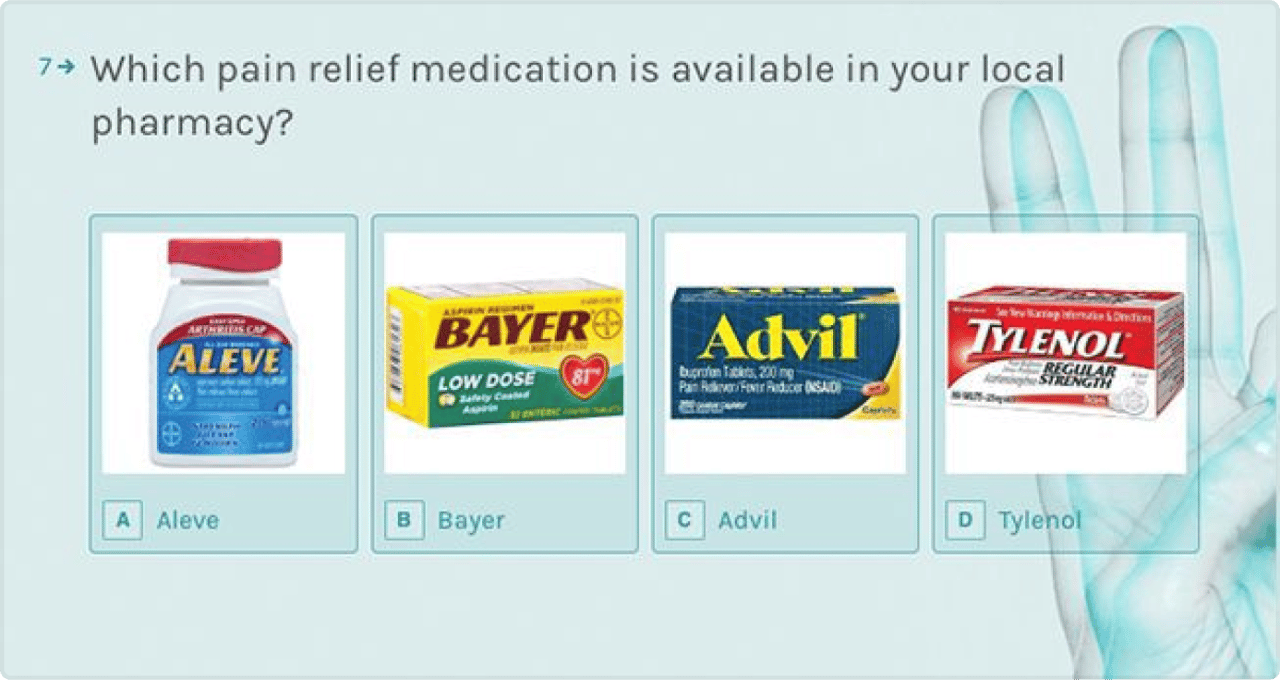
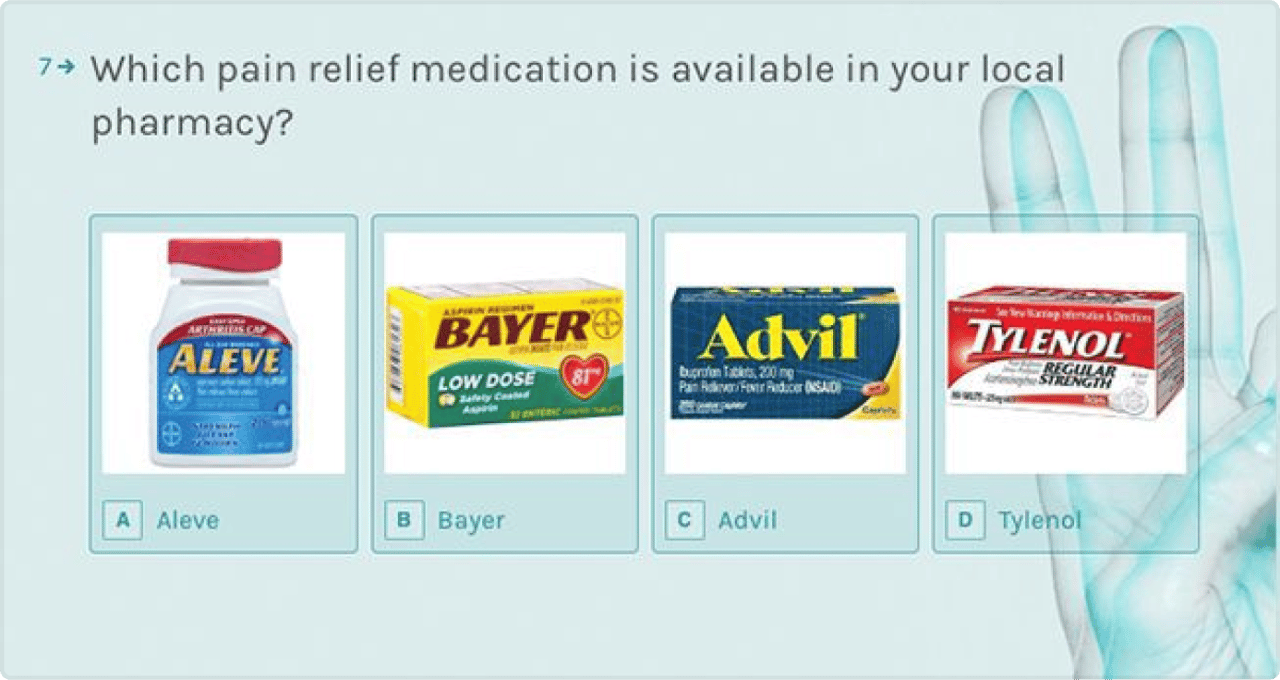
Surveys are the only method that directly asks real people what they think — and the only way to properly measure brand recall and aided awareness. Platforms like SurveyMonkey, Typeform, or Attest make this easy. The trick is surveying your actual target market, not just existing customers.
Referral traffic and earned media
Referral traffic — visits from links on other sites — tells you how much your brand is being discussed externally. Earned media is especially strong: someone else vouched for you, unprompted. Watch for spikes after PR pushes or influencer partnerships. And if you’re looking for creative ways to earn media without a big budget, some brands have had surprising success with guerilla marketing examples that generate buzz through sheer unexpectedness.
Google Trends and organic traffic
I’ll admit, I use Google Trends more than most marketers probably do. It’s free, fast, and weirdly good at showing you whether interest in your brand is rising or fading. You can benchmark against competitors, filter by region, and spot seasonal patterns. Pair that with organic traffic — people finding you through unpaid search results — and you’ve got a decent pulse on your brand identity’s momentum in search engines and in people’s minds.
Market share and customer acquisition cost
Market share is a lagging indicator, but the ultimate one. More people buying your stuff over time almost always traces back to more people knowing about you. Customer acquisition cost is the mirror image — as brand awareness grows, costs drop because potential customers need less convincing. And the really good ones turn into brand advocates who bring in referrals you didn’t pay for.
How to measure brand awareness with surveys
Surveys are unglamorous and old-school. They’re also irreplaceable. No amount of analytics will tell you what’s actually going on inside a consumer’s head.
Unaided brand awareness (brand recall)
You ask people: “When you think of [product category], what brands come to mind?” No hints. If they name you, that’s unaided brand awareness — and it’s gold. Most people can only recall three to five brands in any category, so being on that list means you’ve genuinely lodged yourself in their memory. A follow-up like “Can you name any others?” catches secondary recall and rounds out the picture of how familiar people are with your brand.
Aided awareness (brand recognition)
Show respondents a list of brands and ask: “Which of these have you heard of?” Recognition is always higher than recall, which makes sense. But here’s the useful part: strong aided awareness with weak unaided recall tells a specific story. Your brand awareness campaigns are creating exposure, but they’re not sticking. That’s a messaging problem, not a reach problem — and a thorough brand audit can help you figure out exactly where the disconnect is.
Practical notes: target your actual target market. Run surveys regularly to spot meaningful trends. Keep them short — nobody finishes a 40-question brand awareness survey.
How to measure awareness using digital tools
Surveys give you depth. Digital tools give you scale and continuity. You need both.
Google Analytics and search engines
Google Analytics is the default starting point for a reason. Direct traffic, referral traffic, organic traffic, search traffic — it’s all there. Set up segments for branded vs. non-branded queries and look at how branded organic traffic changes after you run a big push.
Pair it with Google Search Console for keyword-level detail. Which branded searches are driving clicks? How are impressions changing? These tools together give you valuable insights that neither delivers alone.
Using Google Trends for brand tracking
Google Trends won’t give you absolute numbers, but it shows direction. For brand tracking purposes, check it monthly. Spikes tell you something worked. Dips tell you something didn’t — or that you stopped doing the thing that was working.
Social listening tools for tracking brand awareness
This is the part I get most excited about. Social media listening goes beyond tracking your own accounts. It monitors the entire web — social media platforms, forums, review sites, blogs, news outlets — for every conversation about your brand, your competitors, your industry.
A good social listening tool tells you how often you’re mentioned, whether the brand sentiment is positive or negative, what’s driving conversation, and how your share of voice stacks up. That’s richer than anything Google Analytics alone can give you.
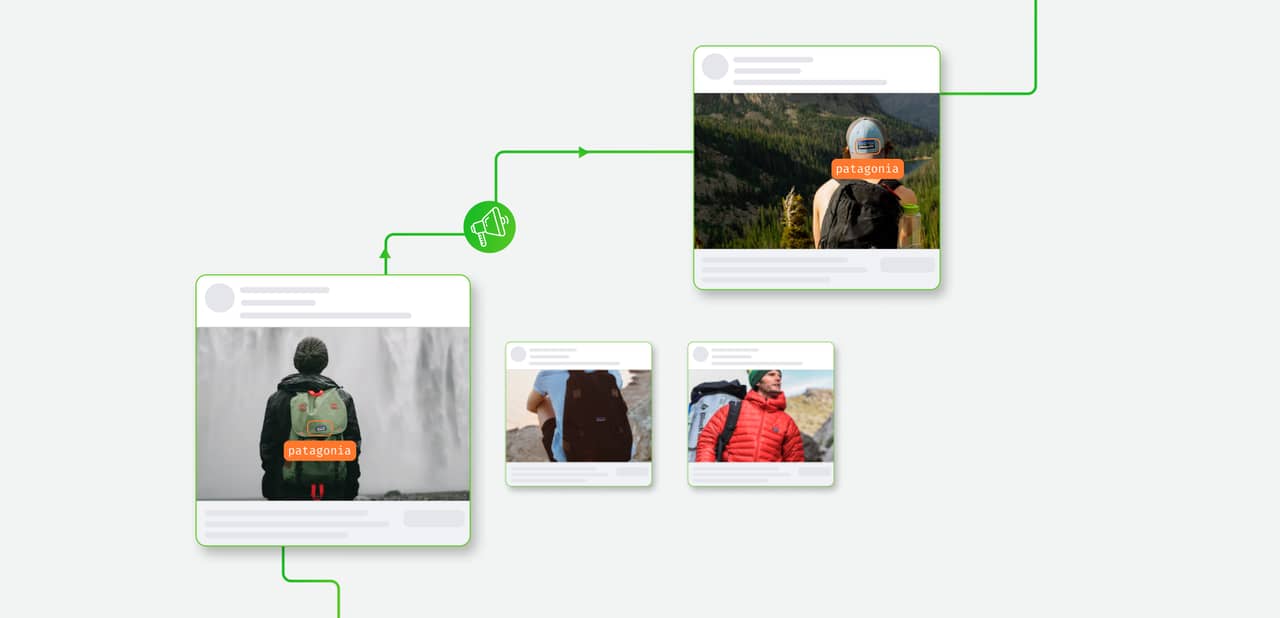
YouScan takes this further by combining text-based listening with AI-powered visual insights. Their AI detects your brand logo in images even when nobody tags you — which matters because over 80% of images on social media are published without text or hashtags. If you’re only monitoring text mentions, you’re seeing maybe a fifth of the actual picture. They’ve also been expanding source coverage — Moltbook monitoring is a recent example.
The real value is turning consumer perception into structured data — broken down by sentiment, geography, and topic, in real time. If you’re unclear on how this differs from basic alert tools, this breakdown of social listening vs social monitoring is worth a read.
How to increase brand awareness based on your marketing efforts
Measuring is only useful if you do something with it. Here’s how to close the loop.
Align your marketing strategies with what the data tells you
Strong aided awareness but weak unaided recall? That’s a memorability problem — your brand identity needs sharpening. A more distinctive brand’s voice, a tighter message, a visual identity that can’t be confused with anyone else. A structured brand analysis helps pinpoint where the gap is.
Branded search volume flat while social media engagement is growing? You’re building awareness in one channel but failing to transfer it. Social media amplification strategies can push content beyond its original audience across multiple touchpoints where your target customers spend time.
Brand sentiment trending negative? Stop spending on awareness and fix the underlying problem first. Real-world
reputation crisis cases show what happens when brands pour money into awareness on a shaky foundation — they just amplify the damage.
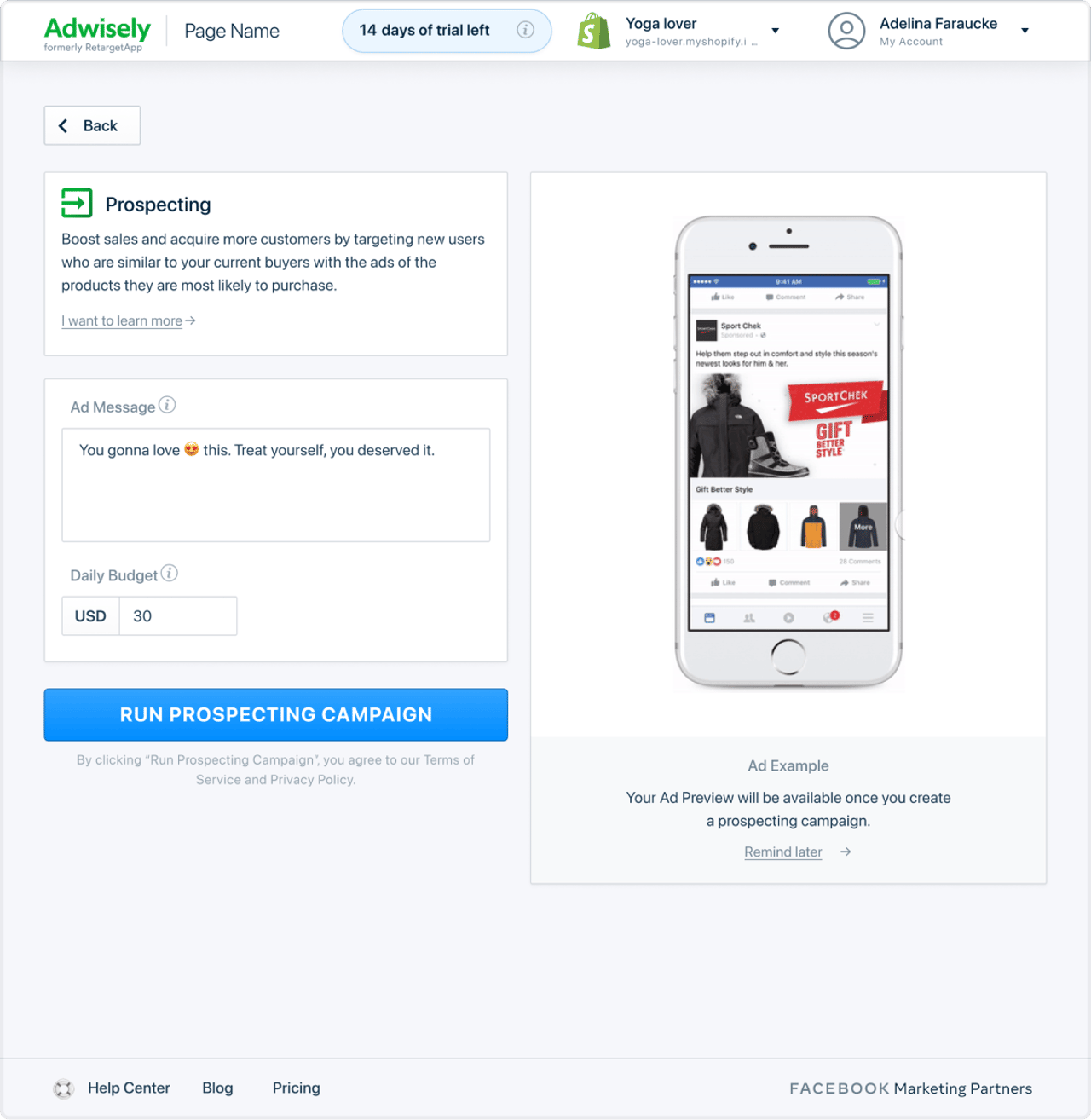
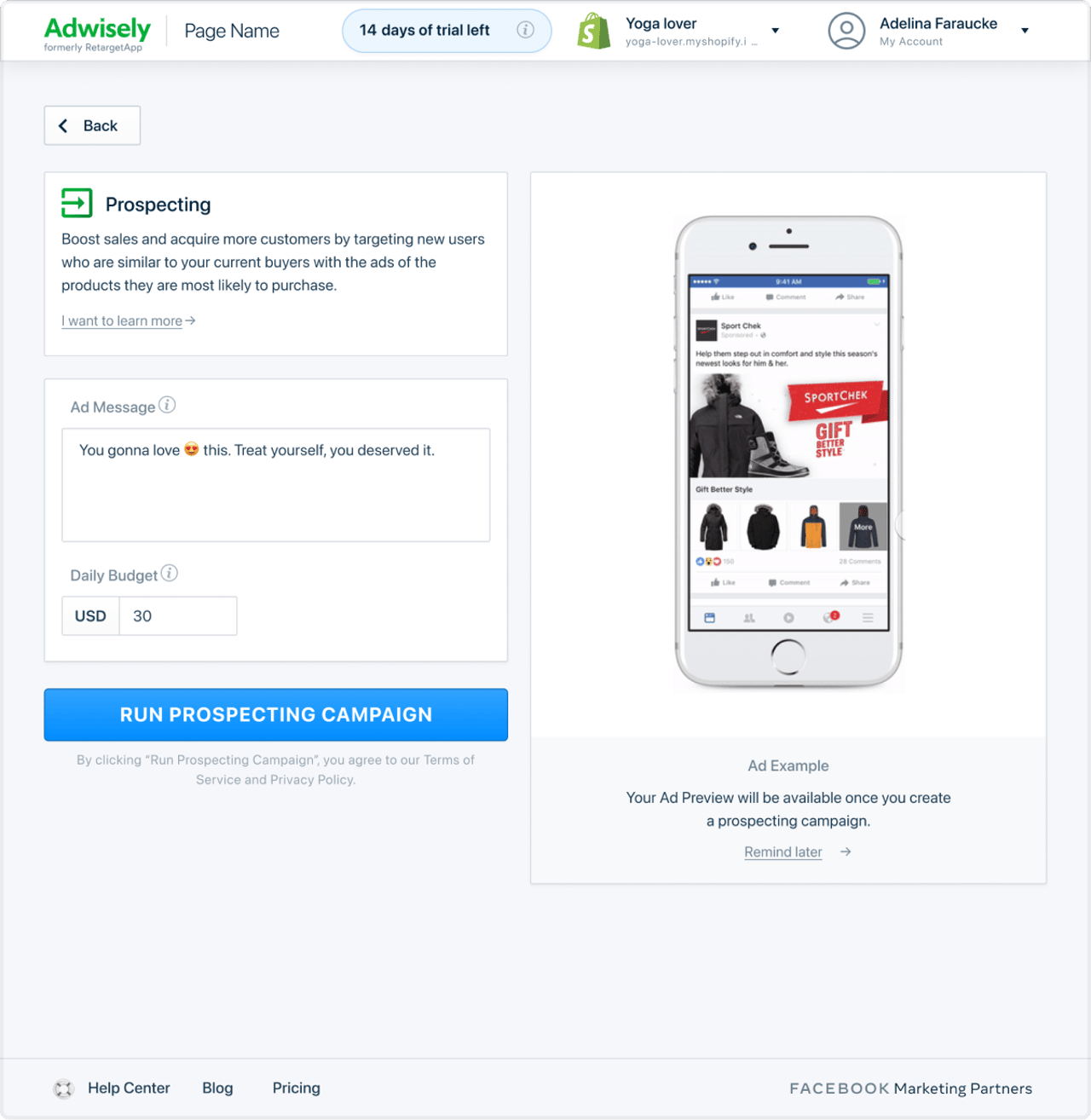
Set up prospecting ads
“If you build it, they will come” approach worked well in a movie, but it is not efficient in business. The first thing you need to take care of is making your brand and products easy to discover.
Word of mouth will only bring you a handful of customers. Search engine optimization works, but takes time to set up and take effect. If you need to get a steady flow of potential customers, you need to promote your business in the places where they go most - social media and Google. Which targeting option is best for achieving brand awareness, you might ask? Start by running prospecting ads.
What is prospecting?
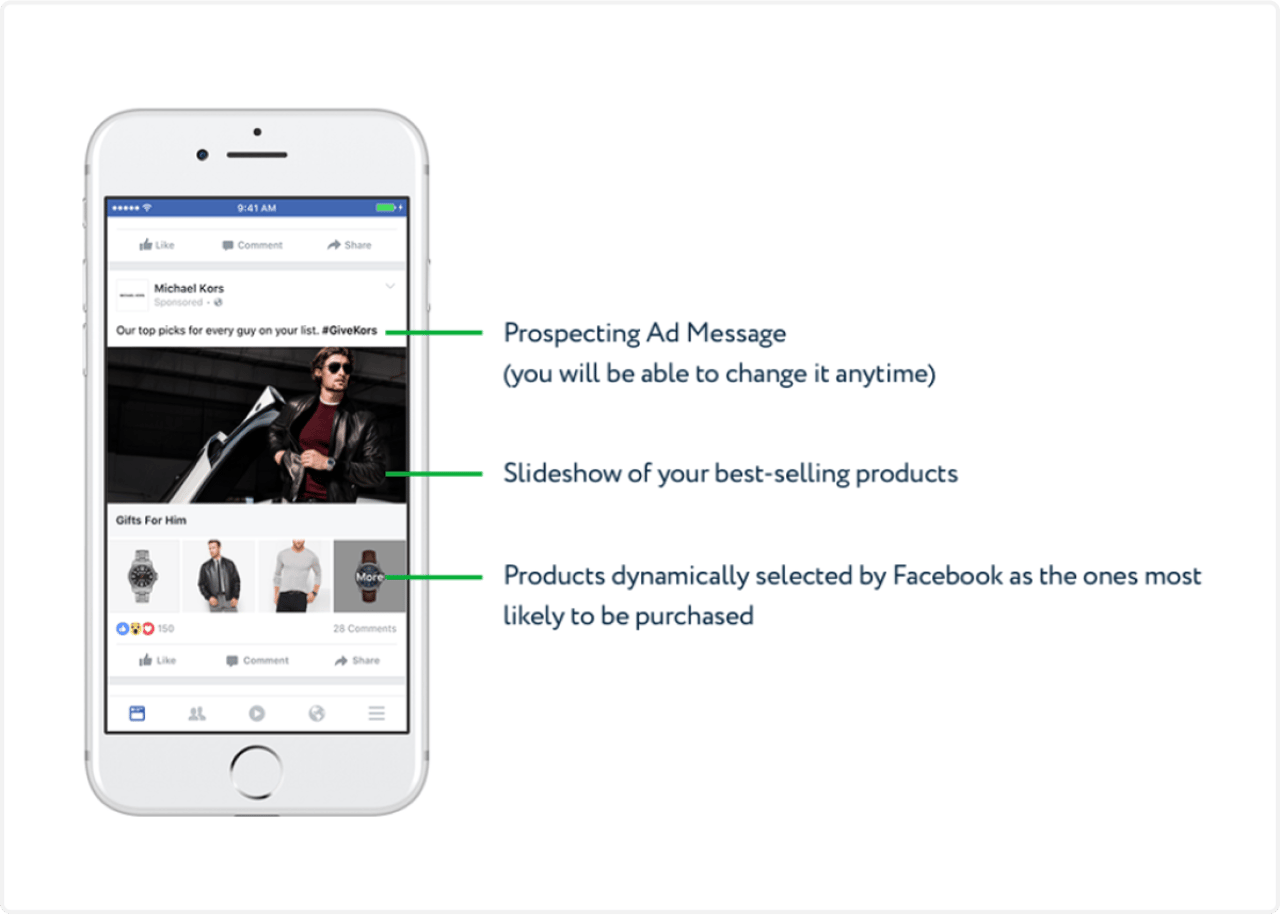
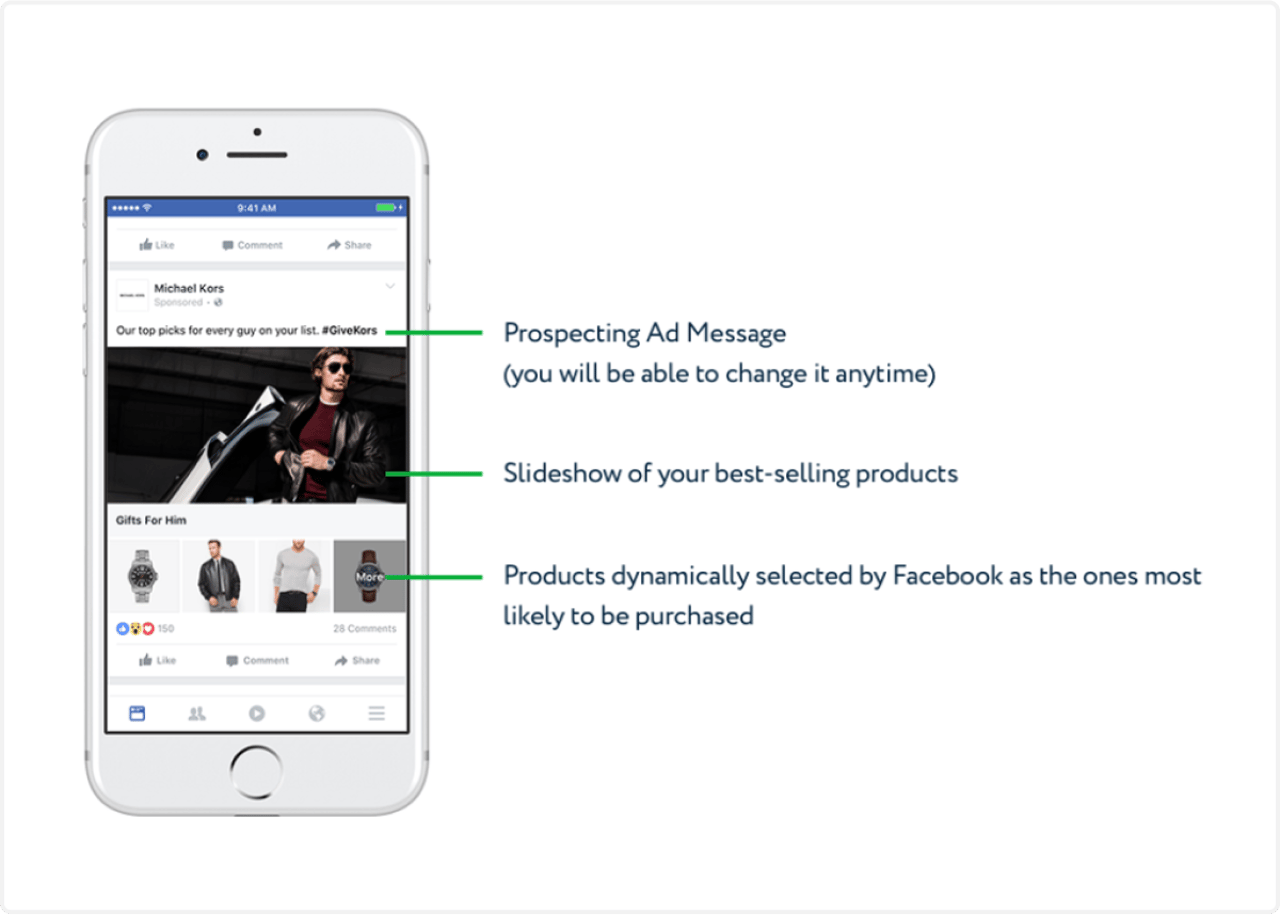
Prospecting ads (a.k.a. customer acquisition) is a type of campaign that focuses on large groups of your potential customers based on their age, location, interests, and behavior.
Depending on the ad setup, you can promote anywhere from 1 to 50 products in a single ad. The ads can feature text, high-quality product images, animations, videos, and even a mini-store with your products or services right inside the Facebook app if you go for Instant Experience.
What can I promote with prospecting ads?
Prospecting ads may be the first time a customer ever hears about your brand, so you want to put your best foot forward. You can:
showcase your best-selling product(s)
share your brand creation story
show a photo or a video of someone using your product
share a piece of educational content like a “How-to” video
How much can prospecting ads cost?
Prospecting ads aren’t free, but you can run them with a small budget. If you go for ads on Facebook and Instagram, you will need to start with at least $150/month. You can increase the ad spend once you see a good return on ad spend - at least 300%. If you don’t see a positive result, you may want to review your targeting and ad creatives.
How do I get started with prospecting?
Depending on your previous experience, setting up prospecting ads on Facebook can take you anywhere from a few hours to a day. To create an ad, you can go to Ads Manager inside your Facebook Business Manager - both these assets can be created for free. Don’t forget to create a Facebook page, too - it will be featured in all the ads you run.
If you don’t have time for ad creation - or would rather trust your ads to experts for any other reason - you can go for an online ad solution. For example, Adwisely, an ad automation platform, helps create and manage efficient prospecting ads for eCommerce stores. They offer a 14-day free trial for all new users, so you can see if their service is right for your business.
Run targeted brand awareness campaigns
Once you know where the gaps are, build brand campaigns that go after them:
Prospecting ads on Facebook and Instagram to reach potential customers who haven’t encountered your brand yet.
Influencer partnerships — the most effective influencer marketing campaigns pair product demos with authentic storytelling that doesn’t feel like an ad.
Content marketing that positions you as a thought leader — blog posts, videos, podcasts, social media posts that give people a reason to care.
PR and earned media outreach. Even better, find organic brand ambassadors who are already talking about you without being asked.
Whatever you run, tie it back to key metrics afterward. Branded search volume, direct traffic, brand mentions, social media engagement. That’s your feedback loop.
Brand awareness KPIs: setting goals and tracking brand health
Metrics without targets are just numbers on a screen. Pin specific brand awareness KPIs to actual business objectives. A brand health tracker can help you keep multiple KPIs in view and catch shifts early.
What does that look like? Pick 4–6 key metrics and set benchmarks:
Increase branded search volume by 25% over 6 months.
Grow direct traffic 15% quarter over quarter.
Hit 40% unaided brand awareness in your target market within a year.
Move brand sentiment from 60% positive to 75%.
Cut customer acquisition cost by 10% as familiarity grows.
Your specific numbers will vary. The point is making them concrete and time-bound so you can tell whether your brand awareness efforts are producing results — not just activity.
Be patient. Brand awareness levels don’t move overnight. This is a long game that rewards consistent effort and a willingness to adjust your marketing strategies. Ongoing brand management and brand reputation monitoring are what keep momentum going once you’ve built it.
And remember: complex customer journeys make clean attribution almost impossible. A consumer sees your ad, hears about you from a friend, reads a blog post, then Googles you three weeks later. No single metric captures that. Combining brand awareness metrics — surveys plus analytics plus social listening — is the only way to get an honest picture.
The bottom line on measuring brand awareness
Brand awareness isn’t a vanity metric. It’s the foundation of everything else in your marketing strategy. If potential customers don’t know you exist, no amount of retargeting or conversion optimization is going to save you.
The brands that win are the ones that measure brand awareness consistently, use what they learn, and keep investing in both building and tracking it. Whether you’re launching a new brand activation or tightening an existing
brand monitoring setup, measurement is what connects effort to outcome.
Start with the metrics that matter most for where you are right now. Build from there. Measure. Adjust. Repeat.
Ready to see what people are really saying about your brand? You are not alone on your journey to brand awareness. Services like Adwisely and YouScan got you covered. YouScan, for that matter, tracks brand mentions, sentiment, and visual brand presence across social media, news, blogs, and forums — all in real time. Request a free demo and find out where your brand awareness actually stands.
FAQ
What is brand awareness and why does it matter?
Brand awareness is how familiar people in your target market are with your brand — whether they recognize it when they see it, and whether they can recall it unprompted. It matters because research shows consumers are significantly more likely to click on, consider, and buy from brands they already recognize. Without awareness, no amount of conversion optimization will save you.
What's the difference between brand recall and brand recognition?
Brand recall (unaided awareness) is when someone names your brand without any prompts — you're already in their head. Brand recognition (aided awareness) is when they recognize you from a list or a visual cue. Recall is harder to achieve but more valuable. If you have high recognition but weak recall, your campaigns are creating exposure but not sticking — that's a messaging problem, not a reach problem.
What are the most important brand awareness metrics to track?
No single metric tells the full story. Combine branded search volume, direct traffic, social media engagement, brand mentions, share of voice, and survey data (both aided and unaided). Together, these give you a picture you can actually act on — individually, each one only shows a sliver.
How often should I measure brand awareness?
Continuously, if possible. Surveys can run quarterly, but digital metrics like branded search volume, social mentions, and sentiment should be monitored in real time using social listening tools. Brand awareness doesn't shift overnight, so you need consistent tracking to spot meaningful trends rather than reacting to noise.