Social Listening for CPG: Use Cases, Examples, and a 7-Step Setup

Most CPG marketers are still measuring last quarter's reality. A TikTok creator films a 30-second taste test of an obscure SKU and inventory empties from regional Walmarts before the panel data ships. A Reddit thread tears apart your packaging design over a weekend, and by Tuesday, customer service is drowning.
The conversation that moves CPG companies isn't happening on your owned channels. It's happening across various social platforms, in real time, mostly without your brand being tagged.
That's the gap social listening for CPG closes — pulling signal from social media, review sites, forums, and blogs as it surfaces, not three months later. Generic advice doesn't translate well to consumer packaged goods. Your products are visually consumed, rarely tagged, and discussed in places where most teams don't think to look.
What is social listening for CPG, and why now?
Social listening for CPG is the practice of monitoring conversations across social media, review sites, forums, and blogs to understand how consumers perceive consumer packaged goods, their packaging, ingredients, flavors, and overall experience. Marketing, brand, and R&D get real-time data that surveys and retail scans can't match for speed.
Now the boring distinctions. Social listening tracks unsolicited consumer conversations and the sentiment behind them. Social listening analysis is continuous, not a one-off project. It is not social media management, which is about scheduling posts. And it is not web analytics. What matters for CPG: social listening picks up shopping hauls, kitchen cabinet tours, ingredient debates, DIY recipes — not responses to a brand-led prompt.
Why does it matter more for CPG specifically? The category moves faster than your research budget can keep up with, the conversation is overwhelmingly visual, and it almost never tags you. Need definitions? See our social listening glossary.
Why social media listening matters for CPG companies
Speed first. CPG categories move fast. A TikTok-driven flavor trend can clear shelves before quarterly panel data lands. Waiting on a quant study to confirm what's already obvious in your mentions stream is a polite way of getting lapped. Unilever has been reorganizing portions of its ad spend around social-first marketing strategies for this reason. Their social media marketing treats real-time signals as input to messaging strategies.
Honesty next. Online reviews and consumer conversations are scrappier than focus groups because the people writing them have nothing to lose. They'll tell a Reddit thread about a recipe failure they would never mention to a paid moderator. That unfiltered consumer behavior reveals consumer expectations, consumer perceptions, and the pain points surveys can't reach. Every comment, review, and photo gives you data points most teams don't have.
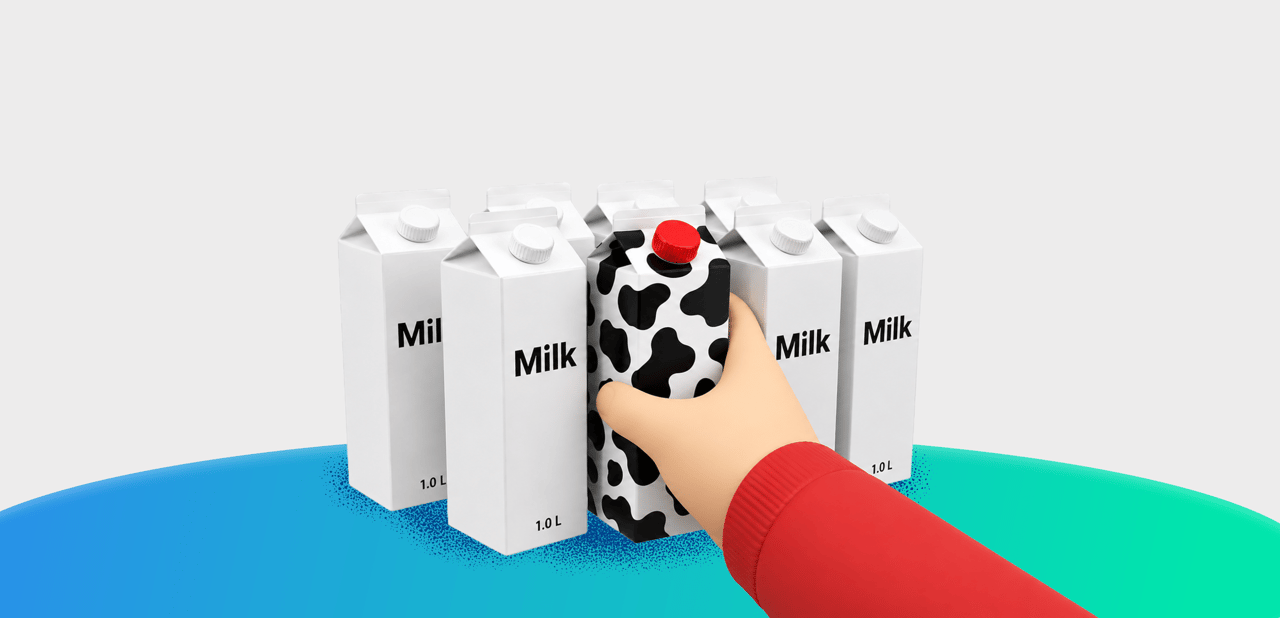
Then the visual problem. CPG products get photographed every day. Grocery hauls. Lunchbox photos. Skincare shelfies. Almost none of those posts @mention you or carry a hashtag. Text-only listening tools don't see this content. Only AI-powered visual social listening tools do. This is why most CPG listening setups fail.
Aspect-level detail is the last piece. Marketing decisions in CPG are always attribute-level. Is the new pack working? Is the recipe tweak resonating? Is the scent divisive? A single sentiment number tells you nothing. Aspects analysis tags brand mentions by packaging, taste, design, ingredients, and convenience.
Add competitive benchmarking (share of voice across the product offerings you compete in), crisis early warning, the ability to spot emerging trends and emerging themes before competitors do, and the cost math (a social listening subscription costs less than one survey and runs all year). One of the most reliable ways to drive CPG growth in markets where panel data lags reality.
7 use cases that drive marketing campaigns and consumer insights
Most CPG companies start with one or two use cases tied to a live business decision, then expand once the data proves itself.
1. Product innovation and consumer packaged goods development
The use case that justifies the spend. Listen for unmet consumer needs, flavor requests, ingredient curiosity, complaints about existing products. Social data turns into a product pipeline, surfacing innovation opportunities most teams miss.
Lay's "Do Us a Flavor" did this with a campaign. Social listening does it continuously. A plant-based milk brand might catch consumers complaining about chalkiness in almond formulations and prioritize an oat-forward launch. Mondelez has used social listening to spot Oreo flavor variants gaining traction — Oreo Thins generated thousands of organic mentions in its first month. That's the signal innovation teams need before greenlighting product launches.
2. Packaging design, on-pack feedback, and customer experience
What to listen for: complaints about sealing, sustainability perception, opening difficulty, shelf standout, "slack-fill" frustration. Negative feedback on packaging surfaces in venues nobody surveys.
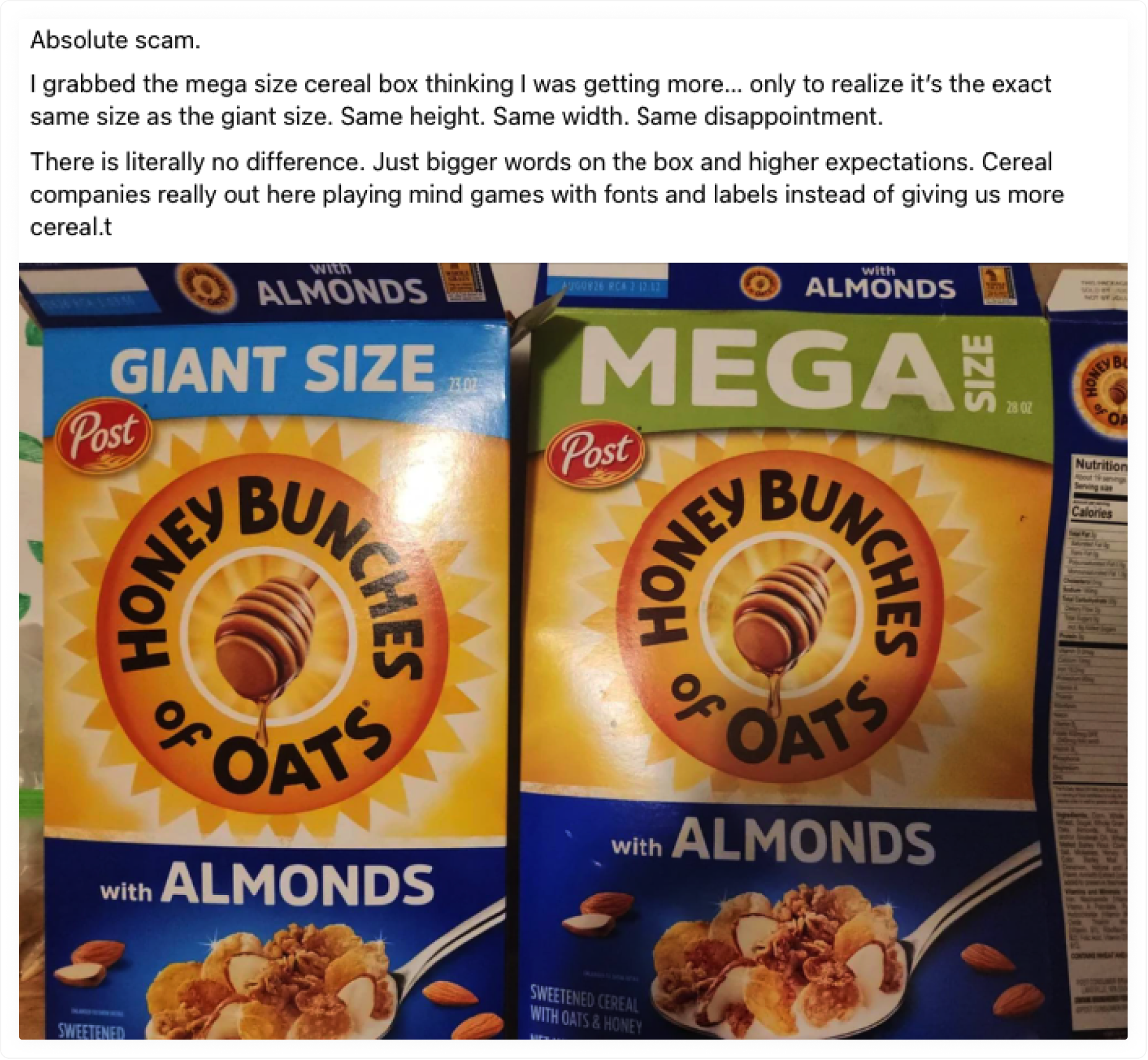
A cereal brand might find customers on social media complaining about box size versus actual bag weight — a classic grievance that wouldn't show up in any commissioned panel. Catching it early protects customer experience and brand equity at the same time.
3. Competitive benchmarking and competitor activity
Listen for share of voice, sentiment comparison, competitor activity around product launches, and missteps. Mostly about not getting surprised by competitive activity you should have seen coming.
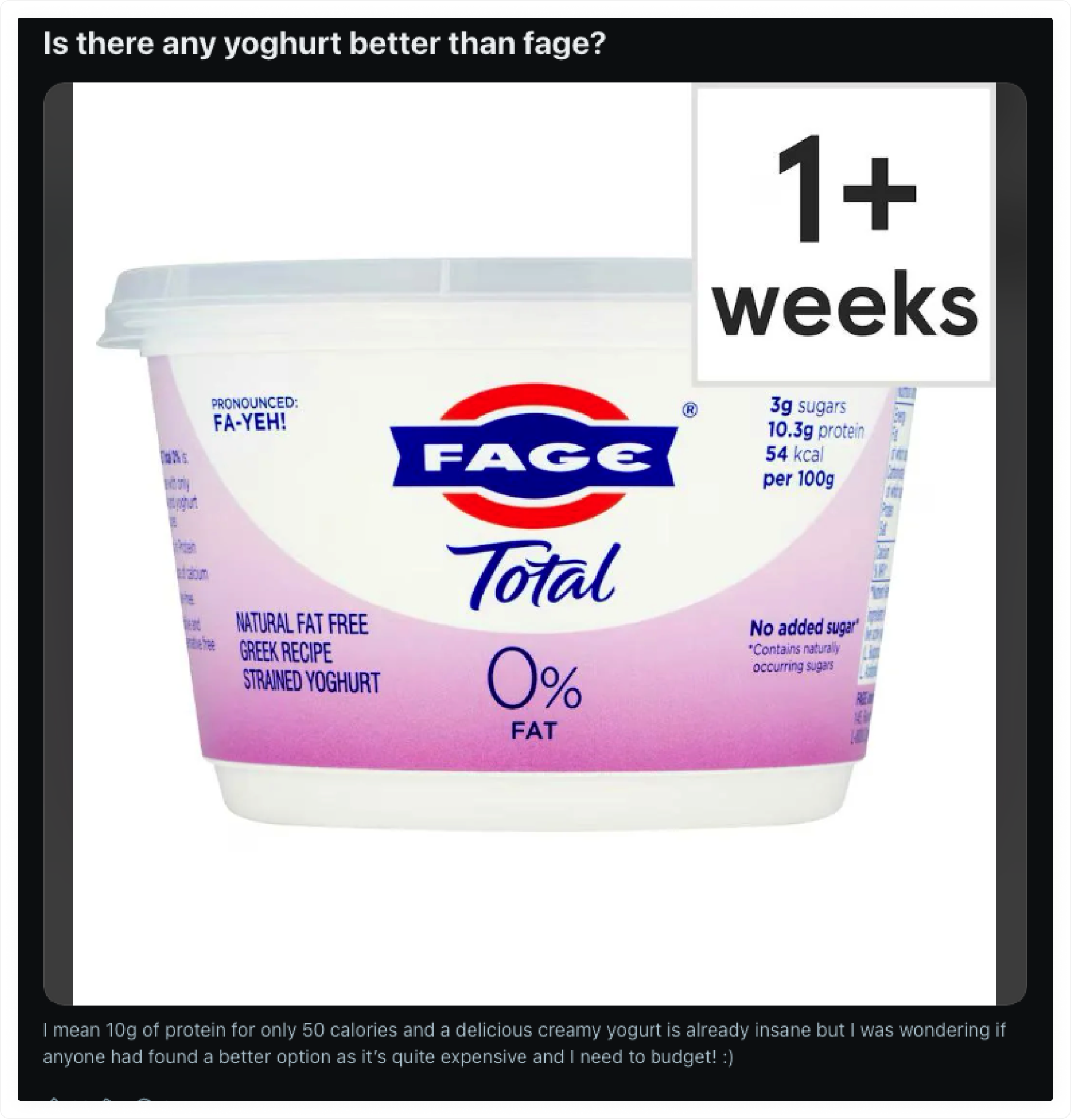
A yogurt brand can see whether consumers describe its protein content as winning or as table stakes — whether "high protein" is still a real differentiator. Monitoring brand sentiment across the full category separates a real competitor analysis setup from a vanity dashboard.
4. Consumer sentiment, brand sentiment, and emotion analysis
Analyzing sentiment on a coffee brand's new pod line might reveal whether the conversation clusters around convenience (which drives repeat purchase) or bitter and burnt notes (which drive churn). Public sentiment isn't a single number. It's a structure. Aspect-based sentiment analysis matters here: you need social intelligence that reads context, sarcasm, and emoji. Sentiment shifts are an early signal of consumer trust eroding before sales numbers confirm it.
5. Identifying ingredient trends and cultural trends
Ingredient trends like creatine, mushroom, adaptogens. Format trends — pouches, single-serve. Claim trends like clean label, gluten-free, high protein. Cultural trends in adjacent categories. The job is to identify trends consumers are pulling toward before competitors do.
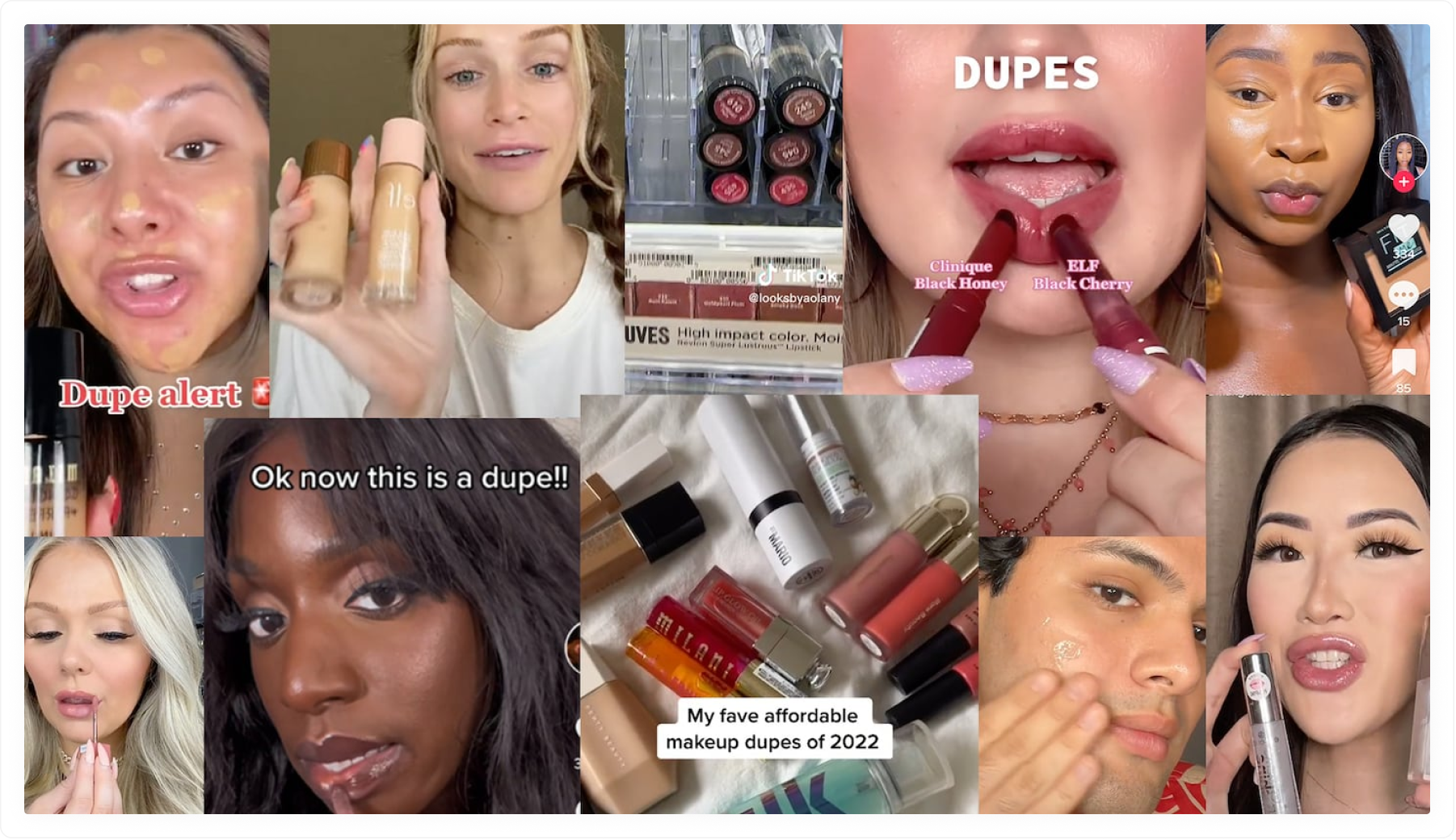
Social listening caught #DupeTok reshaping beauty spending months before research firms wrote it up. Early movers launched value lines in time. Late movers watched share erode. Trend analysis of social chatter lets teams gain insights on emerging trends before syndicated research catches up.
6. Crisis detection and reputation management
Volume spikes. Negative sentiment clusters. Specific complaint language ("made me sick," "found a," "expired"). Recall keywords. Any sudden swing in public sentiment.
Two cases tell you everything. Yorkshire Tea's well-handled 2020 crisis response started with spotting the signal early on X, and the brand walked away with brand equity intact. Nestlé's 2010 palm oil crisis took two weeks to respond to. By the time the official statement landed, the hit to brand perception was done. Real-time alerts on product-specific complaint language are baseline crisis management and reputation management now. If you don't have them, you're not running a crisis program. You're running a lottery.
7. Influencer impact and community engagement
Listen for creators already mentioning your brand or category organically, with strong engagement metrics and audience fit. Visual listening helps you find influencers whose audiences match yours and measure their real influencer impact. Tools like
Tiger Finder help with discovery.


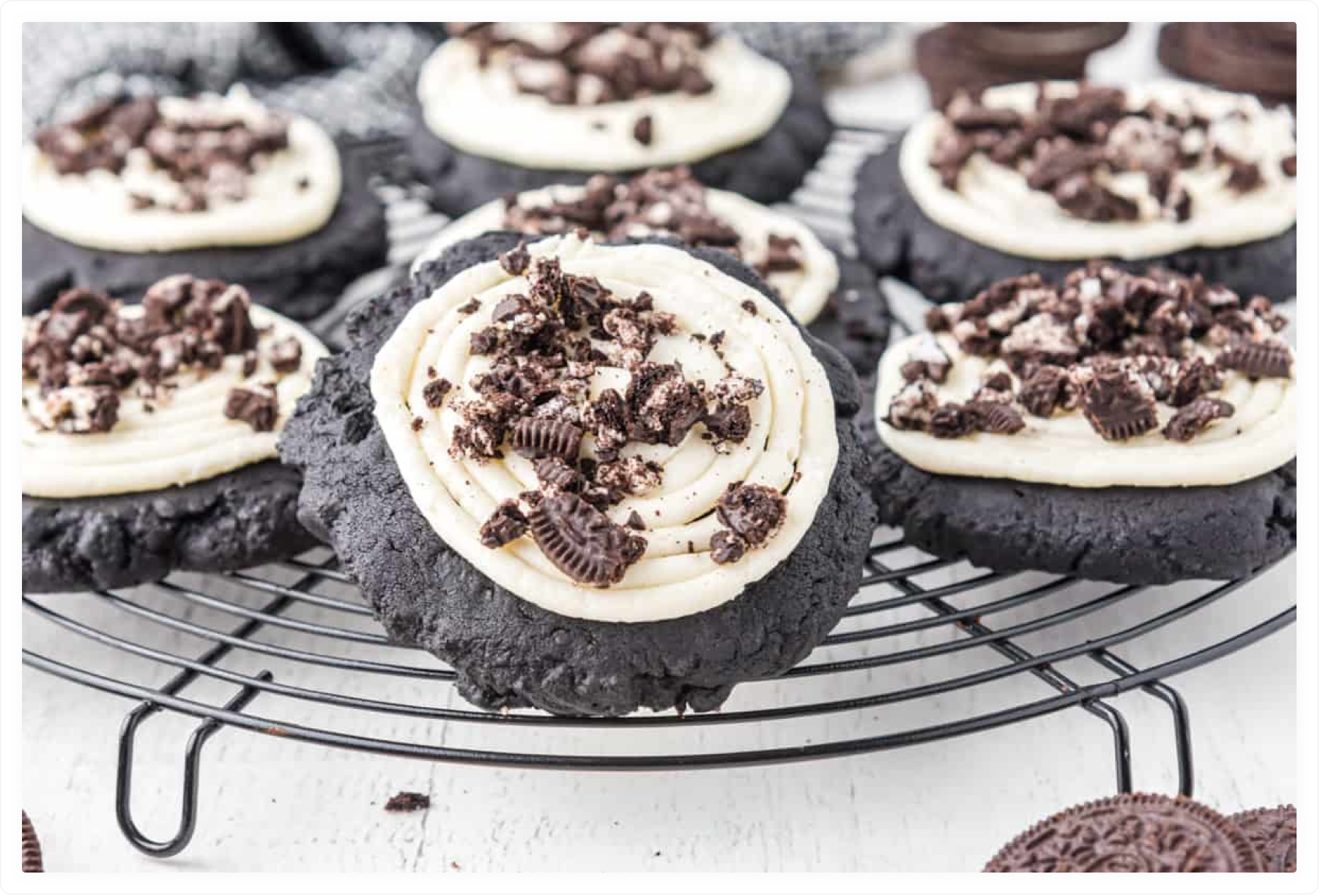
Oreo is the textbook case. Consumers use Oreos as baking ingredients and in TikToks without tagging the brand. Visual social listening tools catch those user-generated moments, and the creators behind them are high-fit candidates for
influencer marketing. Vaseline's #VaselineHacks campaign turned organic users into a Cannes Grand Prix winner with a 43% sales uplift. Real community engagement, properly read, beats paid reach almost every time.
Where CPG consumer conversation actually happens
Not every channel is equally useful. Here's a category-specific guide to the social platforms that actually produce signal for CPG.
Amazon, Target, and Walmart reviews. This is the goldmine. Structured customer feedback, honest, tied to a verified purchase. Review sites like these are some of the highest-signal social data in CPG. If you're not pulling from them, the rest of this is moot.
TikTok. Viral reviews, grocery hauls, "TikTok made me buy it," dupe culture. Visual listening matters because products often appear on screen without a tag. Increasingly, the front edge of social commerce, too.
Reddit. Long-form, high-honesty conversations. Reddit threads are the strongest source for niche CPG categories — skincare, supplements, coffee, pet food, and cleaning products.
Instagram. Shelfies, kitchen counters, beauty routines. Logo and object recognition is the only way to capture brand mentions at scale.
Pinterest. Recipes and aspirational purchase signals, particularly for food ingredients and personal care.
YouTube. Reviews, unboxings, and comparison videos for higher-consideration CPG.
X (Twitter). Real time conversations and crisis detection. Where complaints and recalls spike first.
Forums and niche communities. BabyCenter, MakeupAlley, ChowHound, category-specific subreddits. Earliest signal for shifting consumer preferences and consumer segments most agencies miss.
Moltbook. A newer source supported by some social listening tools, including Moltbook monitoring in YouScan.
If your tool only covers two or three of these, it isn't really a CPG tool.
How YouScan unlocks consumer insights for CPG brands
Visual Insights captures up to 80% more brand mentions by detecting your logo and product in untagged images. For CPG, this isn't a feature — it's the whole reason text-only listening fails. Grocery hauls and kitchen shelfies don't @mention you. They photograph you.
Aspects automatically tags mentions by packaging, taste, design, ingredients, convenience, expiration, availability, and health effects. Brand, R&D, and packaging teams query the exact thing they care about. Positive mentions get separated from complaints automatically.
Insights Copilot is the part that changes the workflow. AI agents inside the tool let you ask "what are consumers talking about with our new yogurt line?" and get a plain-English summary. Report build time goes from days to minutes.
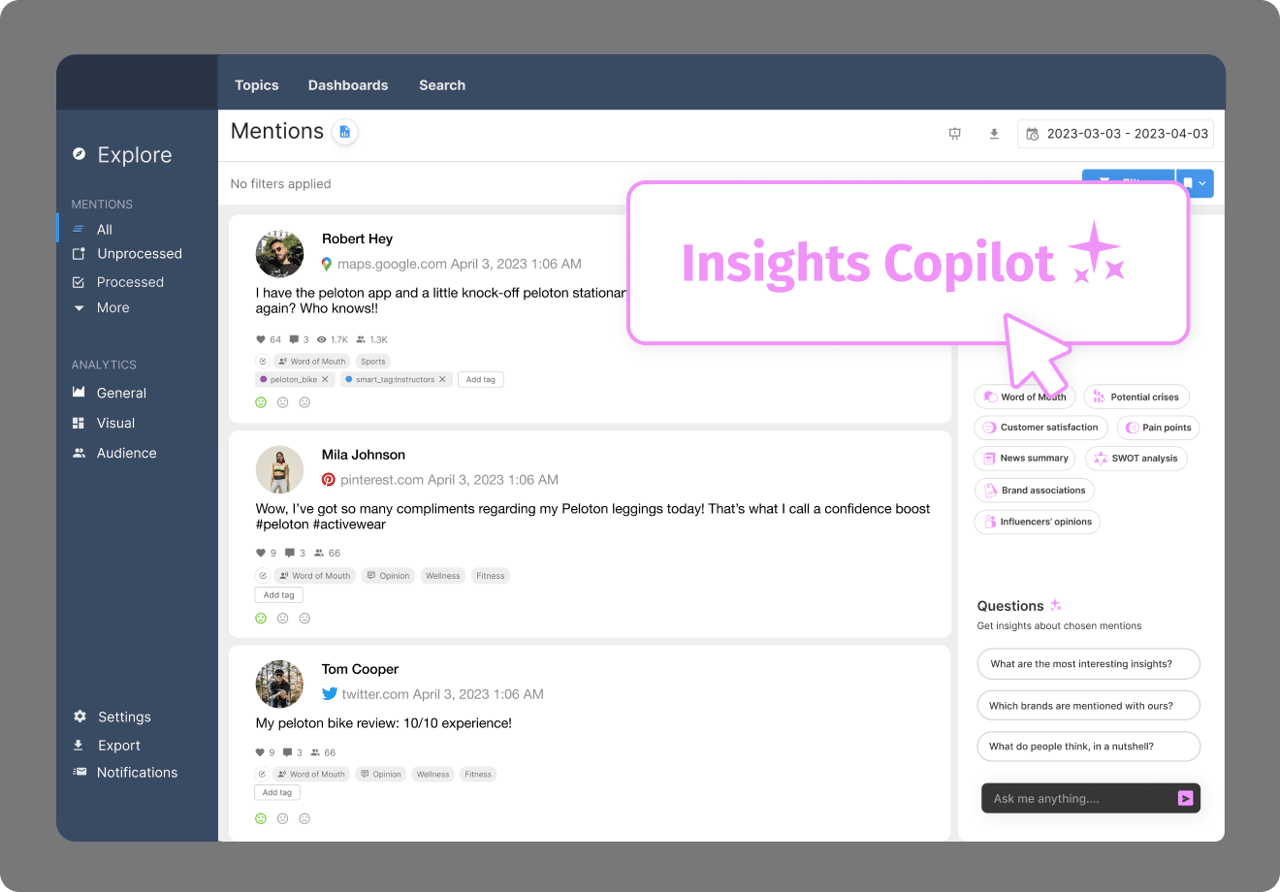
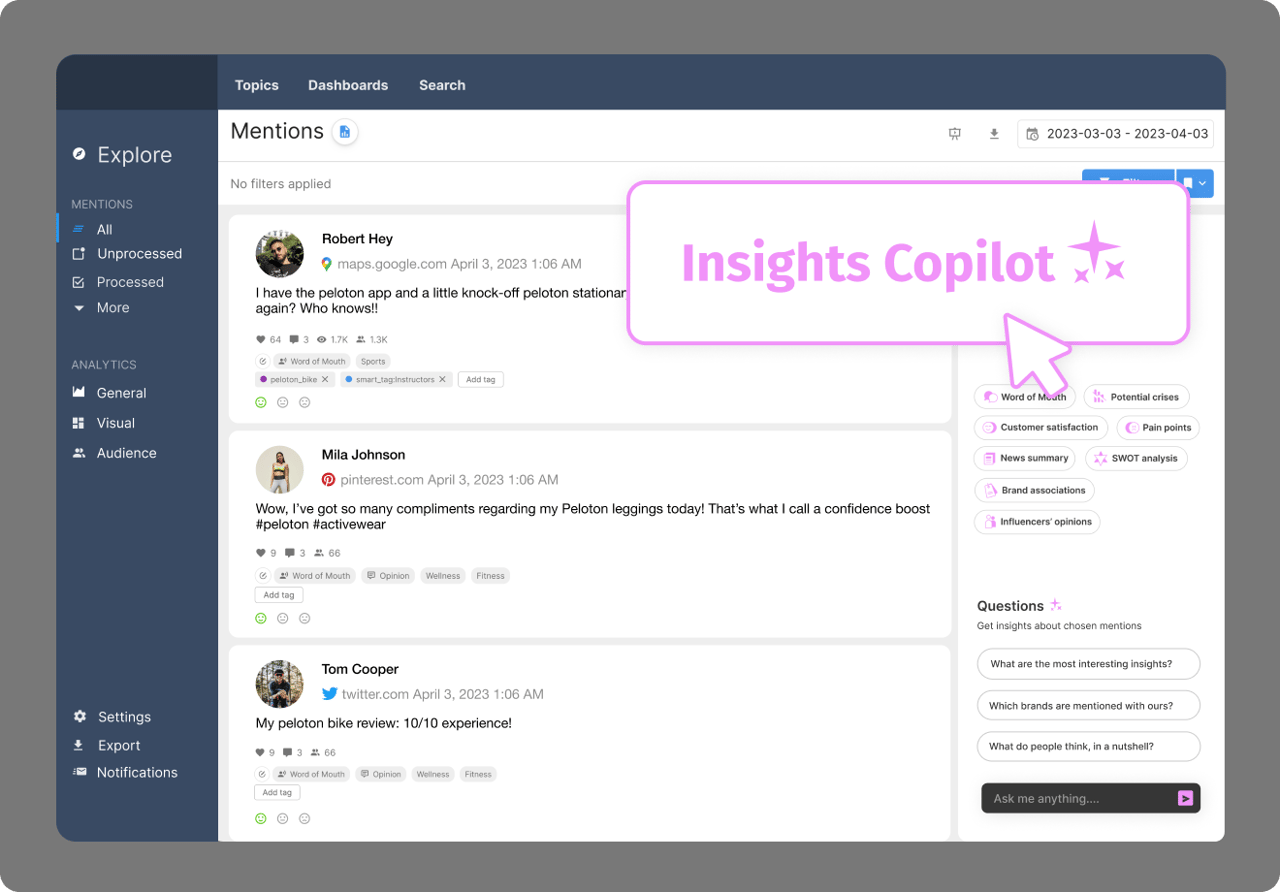
Audience Insights shows demographics, interests, and occupations of consumers discussing your brand or category. Combined with social listening dashboards, it gives marketing and insights teams a shared view they can act on, with social insights and the context attached.
YouScan covers the social platforms that matter for CPG. Compared to social media management suites like Sprout Social, the visual layer is where it pulls ahead.
How to build an effective social listening strategy in 7 steps
Define your objective. Pick one use case to start: innovation, competitive, crisis, or brand health. Running all seven from day one guarantees noise. Tie it to a live decision, or skip it.
Build your keyword set. Brand name variants, product SKUs, common misspellings, slang, category terms. Add exclusion rules for homonyms — "Dove" chocolate vs. "Dove" soap will fill your dashboard with garbage. Keep keywords narrow at first; widen the scope and collect data from more platforms once you trust the signal.
Set up logo and visual tracking. Non-negotiable for CPG. Text-only social monitoring will miss most product mentions. If your tool can't do this, get a different tool.
Decide which aspects matter. Packaging, taste, availability — pick three to five tied to a real business question. The deeper insights live at this level. So do the meaningful insights leadership asks about.
Map competitors and target audience signals. Three direct competitors, one adjacent category, minimum. Layer in audience filters so you can monitor conversations from the people who buy in your segment, not whoever's loudest.
Set alerts and engagement workflows. Auto-alerts on negative sentiment spikes, complaint keywords, crisis terms. Route them: PR for reputation, CX for customer service, R&D for product feedback. Alerts going to a shared inbox nobody owns are decorative.
Build a weekly insights rhythm. Twenty minutes. Marketing, insights, product. Look at what shifted. Decide what to do. The dashboards aren't the value. The meeting is.
An effective social listening strategy isn't a tool purchase. It's an operating habit.
Common mistakes that kill social listening for CPG companies
Even the best social listening tools won't save a program from these traps.
Reporting traps and weak campaign performance reviews
Tracking volume only. Mentions are up. So what? Volume without sentiment, aspects, and share of voice is a vanity metric.
Skipping visual data. A text-only setup misses most CPG conversation. It's most of your data.
Treating it as a marketing-only tool. Social listening data should reach R&D, packaging, supply chain, and customer service. The cross-functional view turns it into customer experience programs that actually move metrics.
Ignoring review sites. Amazon, Target, and Walmart reviews are the highest-signal social data in CPG. Some teams literally don't include them in scope. Wild.
One-off reports without a campaign performance review. Performance reporting needs a calendar slot. Campaign performance only compounds if you read it weekly.
Confusing social listening with social monitoring. Monitoring counts mentions. Listening tells you the why. The distinction matters when leadership asks about ROI.
From conversations to actionable insights and CPG growth
For CPG companies, social listening isn't optional. Consumers are talking, photographing, and reviewing your products every hour. The brands that stay ahead in the next product cycle are the ones paying attention. That's how social listening turns into sustained CPG growth — by helping brands act on signal weeks before competitors see it.
Want to see aspect-level analysis and visual brand mentions on a live CPG brand? Request a YouScan demo.
Frequently asked questions
What is social listening for CPG?
Social listening for CPG is the practice of monitoring online conversations across social media, review sites, forums, and blogs to understand how consumers perceive consumer packaged goods. Done well, it shapes product innovation, packaging decisions, and crisis response in days, surfacing consumer insights surveys can't reach.
Why do CPG brands need social listening?
CPG categories move faster than research cycles. A TikTok review can shift demand for a product overnight, and packaging complaints can snowball into viral criticism in a weekend. Social listening reveals real-time insight into consumer sentiment, market trends, and crisis signals at a fraction of the cost of commissioned research. CPG teams that build it into their decision process spot trends and address issues earlier, which compounds into real growth.
What are the best social listening tools for CPG brands?
The best social listening tools for CPG combine text and visual analysis, since consumers photograph products without tagging brands. YouScan is strong here because of its AI-powered Visual Insights, which captures up to 80% more brand mentions by detecting products and logos in photos. Other widely used options include Sprout Social, Talkwalker, and Brandwatch. Pick based on visual coverage, aspect-level detail, or platform breadth.
How do CPG brands use social listening to improve consumer trust and brand reputation?
CPG brands use social listening to find what consumers care about, then build marketing campaigns and product moves around those insights. That might mean spotting an ingredient trend and launching a variant before the category catches up, finding loyal customers and stronger relationships, or catching complaint patterns and improving customer service before they hit review sites. Vaseline, Knorr, and Dove all built recent campaigns on real time consumer signals, with measurable lifts in consumer trust and brand reputation.