Building Brand Loyalty: 10 Proven Strategies to Keep Customers Coming Back


You can have a better product, a nicer website, faster shipping — and still lose to a competitor whose customers simply refuse to leave. That’s brand loyalty. And without it, you’re stuck on a treadmill, replacing churned customers with expensive new ones forever.
Building brand loyalty is the difference between a business that compounds and one that just survives. Loyal customers spend more, they generate positive word of mouth (still the most trusted form of marketing), and they’ll forgive the occasional screw-up. Shifting consumer expectations make this harder than it used to be. But the fundamentals haven’t changed as much as people think.
What is brand loyalty, and why is it important?
Brand loyalty is when people pick you over a cheaper or more convenient option — not out of laziness, but because they genuinely prefer you. Brand loyal customers don’t just make repeat purchases. They become brand advocates without anyone asking them to.
Why is brand loyalty important? The economics are brutal if you don’t have it. Harvard Business Review notes that acquiring new customers costs five to twenty-five times more than keeping existing customers. Other research shows loyal customers spend 67% more per transaction. And 88% of consumers trust personal recommendations over branded content.
Quick distinction: customer loyalty is transactional — driven by discounts, a rewards program, low prices. Brand loyalty is emotional loyalty. Customers feel valued because they connect with your brand values, not just your pricing. The transactional kind vanishes the moment a competitor runs a sale. The emotional kind sticks.
Building brand loyalty: 10 strategies that actually work
No single tactic builds loyalty on its own. The brands that pull this off combine multiple loyalty strategies, adjust them for their target audience, and use real customer insights instead of gut feelings.
1. Deliver exceptional customer service every time
Most companies think they have good customer service. Most don’t. A Khoros survey found that 60% of consumers stopped buying from a brand after just one bad experience. Excellent customer service means fast responses, first-contact resolution, and making people feel heard. The bar is low, and most brands still trip over it.
At scale, things fall through the cracks. Tools that consolidate brand mentions into a single workflow help — YouScan integrates with common CRMs so support teams catch complaints before they become public disasters. The brands that respond in hours build the kind of customer engagement that translates directly to customer retention.
2. Know your target audience inside out
You can’t build meaningful relationships with an audience you don’t understand. What motivates your customers? What frustrates them? What do they say about you when they think you’re not listening?
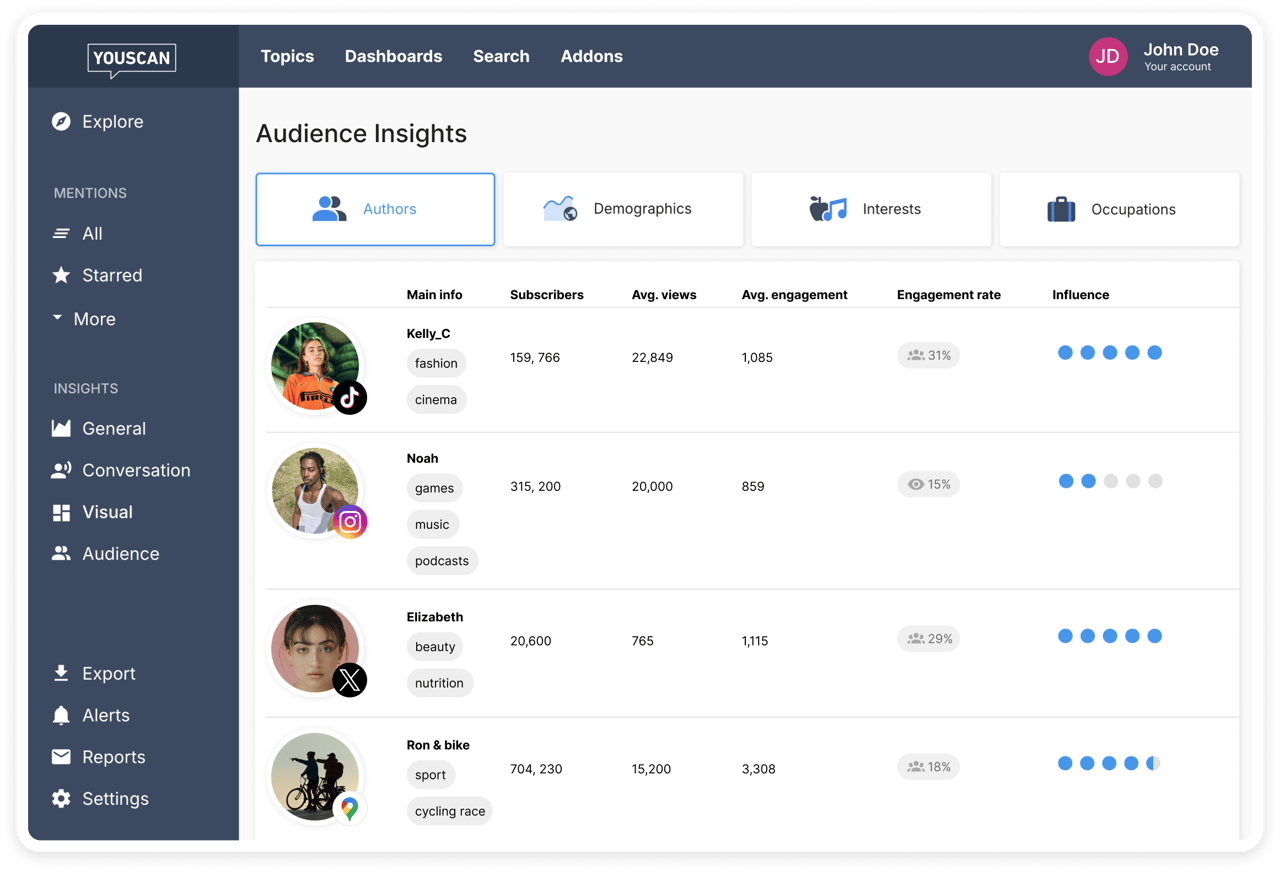
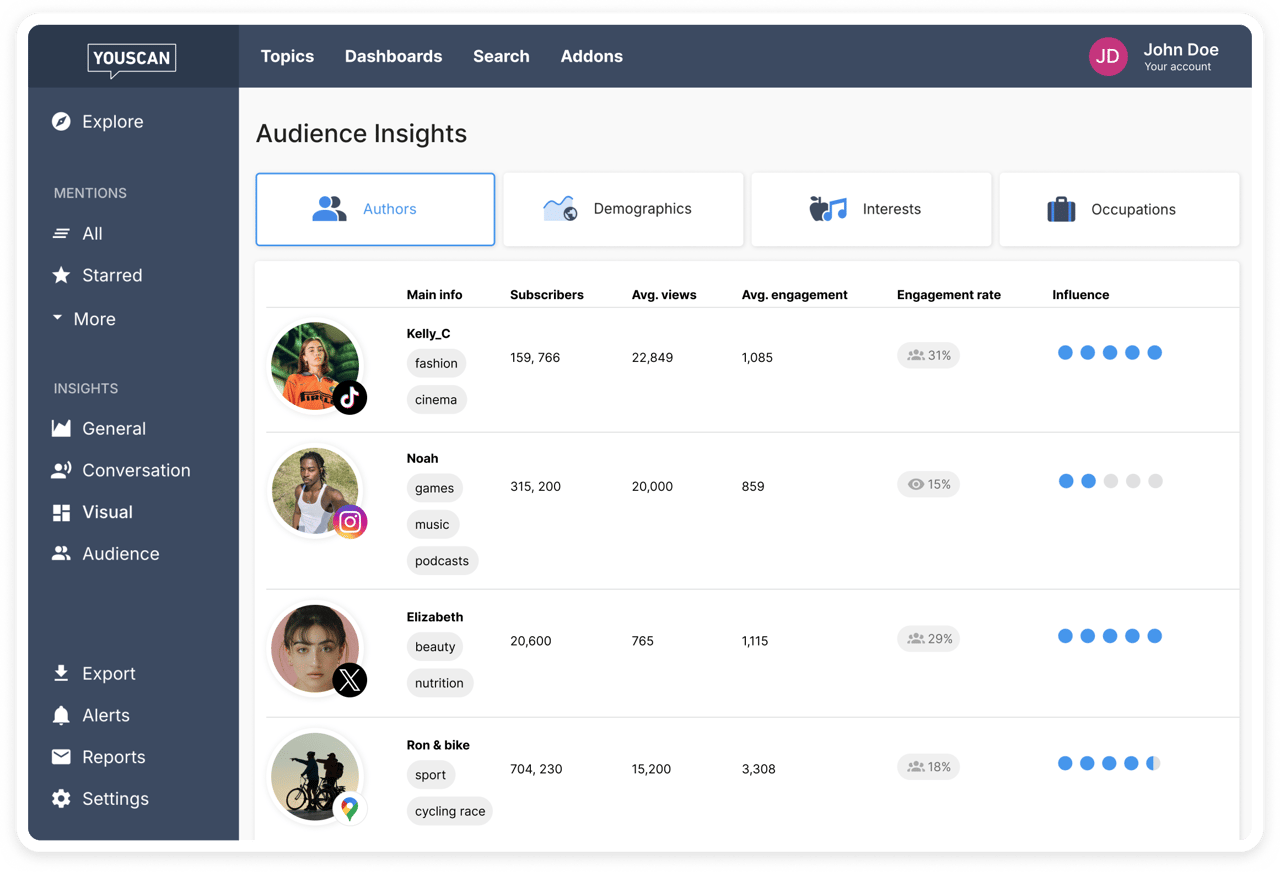
Social media listening answers that last question literally. Instead of waiting weeks for customer surveys, you track what people say in real time. What’s driving customer churn? Which competitor is stealing your repeat customers? YouScan’s audience insights go beyond sentiment — you see demographics, interests, and occupations of people talking about you. That’s a customer-focused approach that replaces assumptions with evidence, and it’s how you understand customer needs at a level that makes it genuinely hard for people to leave.
3. Create a loyalty program that rewards loyal customers
Loyalty programs are everywhere, and most are mediocre. A points system nobody understands won’t build loyalty. The programs that work reward loyal customers in ways that actually matter. Sephora’s Beauty Insider is the textbook case: a tiered rewards program with over 34 million members driving roughly 80% of annual sales. Early access, birthday gifts, exclusive drops — tangible perks, not vague point accrual.
What do your existing customers actually want? Free shipping? Subscription-based loyalty perks? VIP treatment? If your rewards program doesn’t align with real customer interests, it’ll collect dust. Get it right, and it drives repeat purchases while cutting churn.
4. Use social media to build a brand community
A brand community is one of the few things competitors can’t copy. They can match your features and undercut your price, but they can’t replicate the feeling customers get from being part of something. Glossier and Gymshark both built empires where customers are participants, not just buyers.
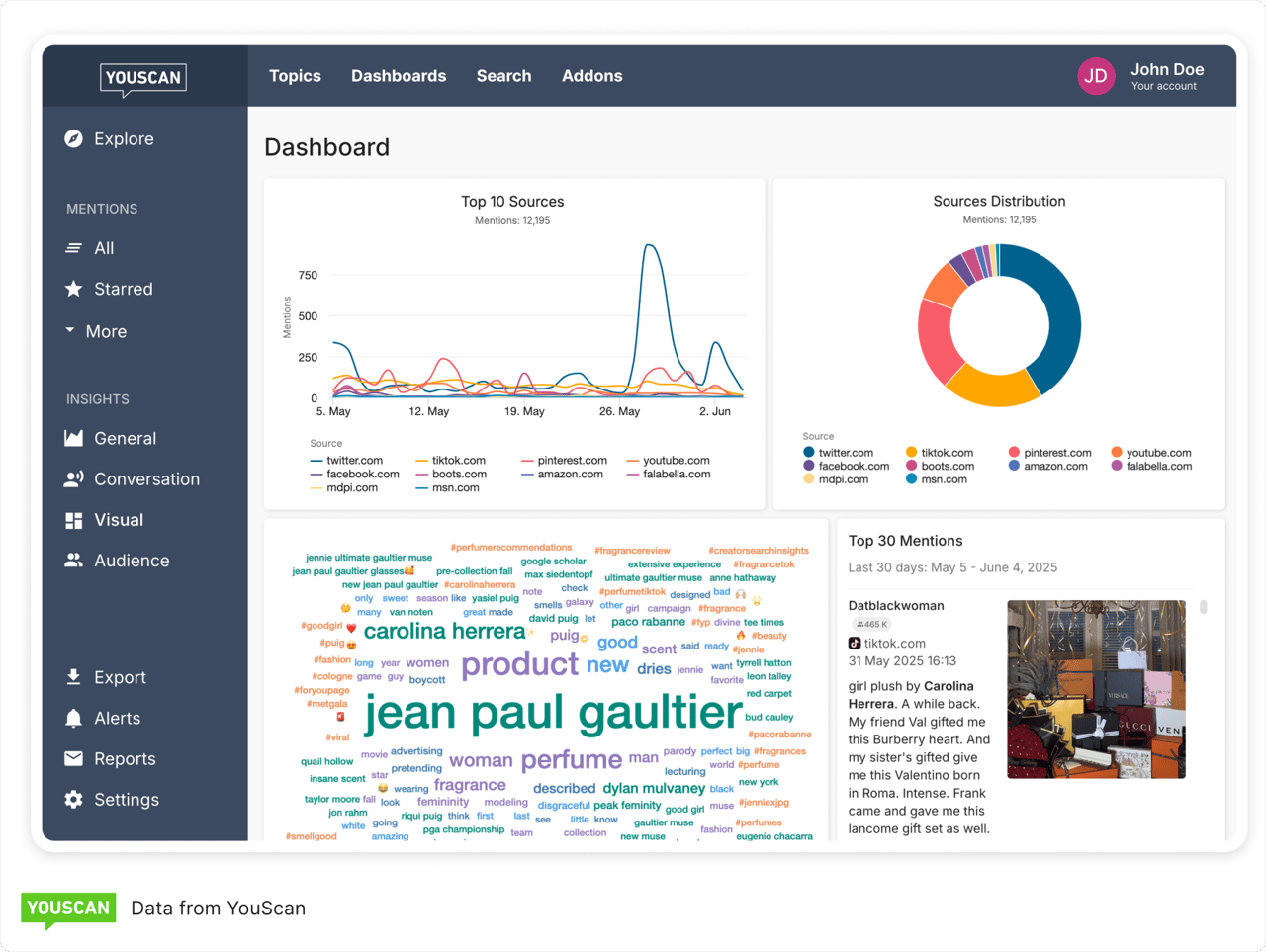
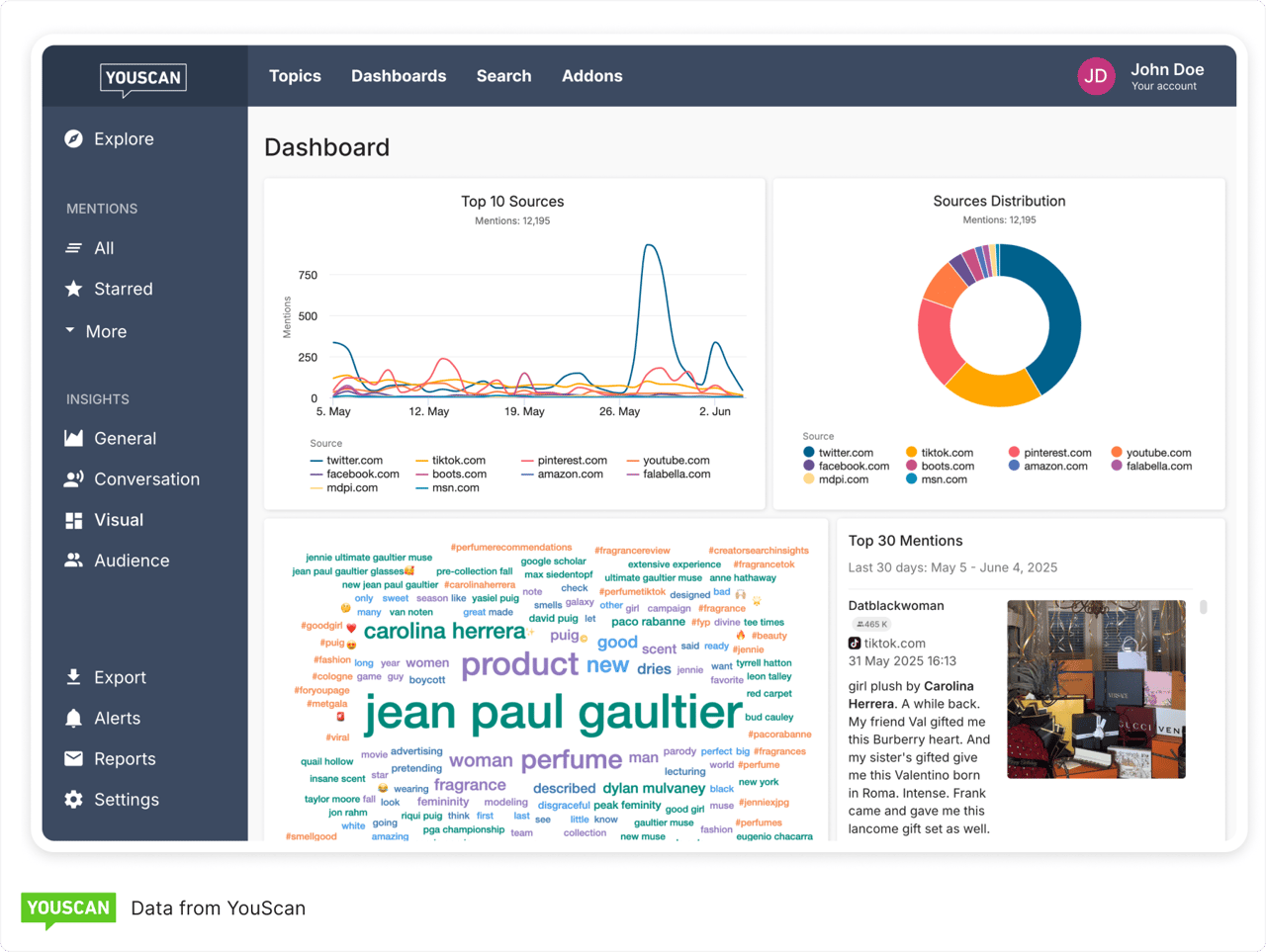
Show up on social media platforms where your people already are, post content that invites interaction, and — the part brands skip — respond consistently. When people see a brand engaging back, emotional connections form. YouScan’s social listening dashboards let you monitor community conversations in real time, including brand sentiment analysis shifts you’d never catch manually.
5. Encourage and amplify user-generated content
User-generated content might be the most cost-effective loyalty tool that exists. When a real customer posts about your product, it’s social proof that no ad spend can replicate — and it deepens their personal connection with the brand. Run hashtag campaigns, repost customer content, and feature reviews prominently. Some of the best social media campaign examples were driven almost entirely by UGC. That’s positive word of mouth at scale.
One problem: people don’t always tag you. That’s where visual brand monitoring earns its keep — surfacing content that mentions your brand in images, not text. It’s a layer of customer insight most teams miss entirely.
6. Personalize the customer experience
Nobody wants to feel like a row in a spreadsheet. A real personalized customer experience — tailored recommendations, behavior-based follow-ups that feel human — makes customers feel valued. Customer lifetime value is consistently higher among buyers who receive relevant interactions. Each touchpoint along the customer journey that feels intentional reinforces: this brand understands me.
You don’t need enterprise-grade AI. Segmented emails, browsing-based suggestions, and listening to what your current customers say online will get you 80% of the way. Market research powered by social data reveals what customers want faster than any internal brainstorm.
7. Share your brand values and build a strong brand identity
Patagonia doesn’t just sell jackets. It sells an identity. Their brand identity is inseparable from their environmental commitments, and customers pay premium prices because buying from Patagonia is a self-expression. That’s the power of brand values done right.
But brands mess this up by treating it as a campaign instead of a commitment. One CSR program isn’t enough. Your values have to show up in your brand partnerships, your supply chain, your posts on a random Tuesday. When there’s a gap between words and actions, customer relationships erode fast. A positive brand image built on genuine values is where brand ambassadors emerge organically — recommending you feels like recommending their own beliefs. That’s brand reputation as a competitive moat.
8. Act on customer feedback, don’t just collect it
Every brand collects feedback. Very few do anything useful with it. The brands that maintain brand loyalty over years actually close the loop — they tell customers what changed because of their input and use customer feedback to shape real product decisions. That kind of responsiveness reinforces emotional loyalty in a way no discount code ever could.
The most honest feedback isn’t in your customer surveys anyway. It’s on social media, where people complain and rave without being prompted. With social listening tools, you capture those conversations at scale — spotting patterns in customer satisfaction, recurring complaints driving churn, or emerging consumer expectations you haven’t addressed.
9. Keep your pricing strategies transparent and fair
You can raise prices. What you can’t do is surprise people with hidden fees. Shrinkflation, inconsistent pricing across channels, vague subscription terms — this stuff destroys trust faster than a competitor’s coupon. Transparent pricing strategies aren’t about being cheap; they’re about being honest. Business leaders who explain price increases and treat customers like adults build a loyal customer base that weathers downturns.
Consistent value is the phrase. If people feel they’re getting reliable quality for a fair price, they’ll stay. The customers you lose over transparent pricing were never going to be loyal anyway.
10. Develop brand ambassadors from your most loyal fans
Stop paying influencers who’ve never used your product. Your best brand ambassadors are hiding in plain sight: people who post about you without being asked, leave thoughtful reviews, and tag you in stories on a Wednesday. These brand loyalists don’t have millions of followers, but their audiences trust them.
YouScan’s Authors tab lets you sort people who’ve mentioned your brand positively and filter by engagement — making it easy to find brand ambassadors who align with your brand values. Working with real fans produces stronger results than paying someone with zero personal connection to the product. It’s repeat business for your marketing in the truest sense.
How to measure brand loyalty with the right metrics
Strategy without measurement is just vibes. A proper brand health tracker pulls these metrics together into something you can actually act on.
Net promoter score (NPS)
The net promoter score has been the go-to since Fred Reichheld introduced it in a 2003 Harvard Business Review article. One question: “How likely are you to recommend us?” Promoters (9–10) minus detractors (0–6) = your NPS. Above 50 is excellent. It’s a useful thermometer, but not the whole diagnosis — pair it with behavioral data for a clearer picture of whether your loyalty strategies are landing.
Customer loyalty index
The customer loyalty index (CLI) measures three things: likelihood to recommend, likelihood to buy again, and likelihood to try other products. Average those and you get a more honest view than NPS alone. If recommendation scores climb but repurchase intent stays flat, you’ve got a gap — and knowing how many customers move from casual buyers to genuine brand loyalists tells you whether you’re fixing it.
Monitor repeat purchases and customer lifetime value
Repeat purchase rate measures behavior, not intent. Are people actually coming back? Customer lifetime value adds depth: total revenue over the whole relationship. Rising CLV plus steady repeat purchases = strong brand loyalty. Declining CLV is your cue to intervene before at-risk customers ghost you.
Social listening as a loyalty measurement tool
NPS tells you what. Social listening tells you why. By monitoring conversations on social media, blogs, and review sites, you get the unfiltered version of how people feel. Are satisfied customers actually recommending you? Are detractors pointing to fixable issues? Layer in competitor analysis to benchmark perception against rivals.
Social listening catches shifts in consumer expectations before they hit survey data. That’s how you retain customers — by listening faster than the competition. We at YouScan developed a social listening glossary, which is a solid starting reference, and our Moltbook monitoring is already available as well.


Why emotional connections matter for building brand loyalty
Most purchase decisions aren’t rational. People stick with brands that make them feel something — belonging, pride, trust. Emotional loyalty is messier to build than transactional loyalty, but it’s the only kind that lasts.
Apple’s customer base stays loyal despite pricing that competitors routinely undercut. It’s not the specs — it’s the brand identity, the community, the feeling that owning an Apple product says something about you. A competitor’s slightly better camera sensor doesn’t break that emotional connection.
For the rest of us: every customer interaction either deepens or damages that bond. Subscription based loyalty perks, community spaces, consistent messaging, and genuine responsiveness to customer needs all add up. And when things go wrong, having a plan for online reputation management can mean the difference between a speed bump and permanent damage.
Building brand loyalty is a long game — but a profitable one
There’s no hack for strong brand loyalty. It’s built over years of consistent effort across the entire customer journey. The brands that get it right prioritize customer relationships over quick wins, invest in understanding customer expectations, and aren’t afraid to change when their audience changes.
The payoff compounds. Loyal customers spend more, churn less, and bring in new customers through organic advocacy. For business leaders tired of the acquisition hamster wheel, building brand loyalty is the most reliable path to sustainable business growth.
Want to see what your customers are actually saying? Request a free YouScan demo and find out how social listening and customer insights can sharpen your loyalty efforts from the ground up.
FAQ
What's the difference between brand loyalty and customer loyalty?
Customer loyalty is transactional — driven by discounts, reward points, and low prices. Brand loyalty is emotional. Customers stick with you because they connect with your values, identity, and experience — not just your pricing. The transactional kind vanishes the moment a competitor runs a sale. The emotional kind survives it.
What's the most effective way to build brand loyalty?
There's no single tactic. The brands that pull it off combine exceptional customer service, a loyalty program that rewards customers in ways they actually care about, genuine brand values, and consistent community engagement. The common thread is treating loyalty as a long-term relationship, not a campaign.
How do you measure brand loyalty?
Start with Net Promoter Score for a quick pulse, then layer in repeat purchase rate and customer lifetime value for behavioral data. Add social listening to understand the why behind the numbers — what's driving satisfaction, what's fueling churn, and how sentiment is shifting over time. No single metric tells the full story.
Why do loyal customers matter so much financially?
Acquiring a new customer costs five to twenty-five times more than retaining an existing one. Loyal customers spend significantly more per transaction, refer others through word of mouth, and are far less likely to switch over a competitor's promotion. That's compound growth versus the acquisition treadmill.