Brand Visibility: What It Is, How to Measure and Improve It in 2026
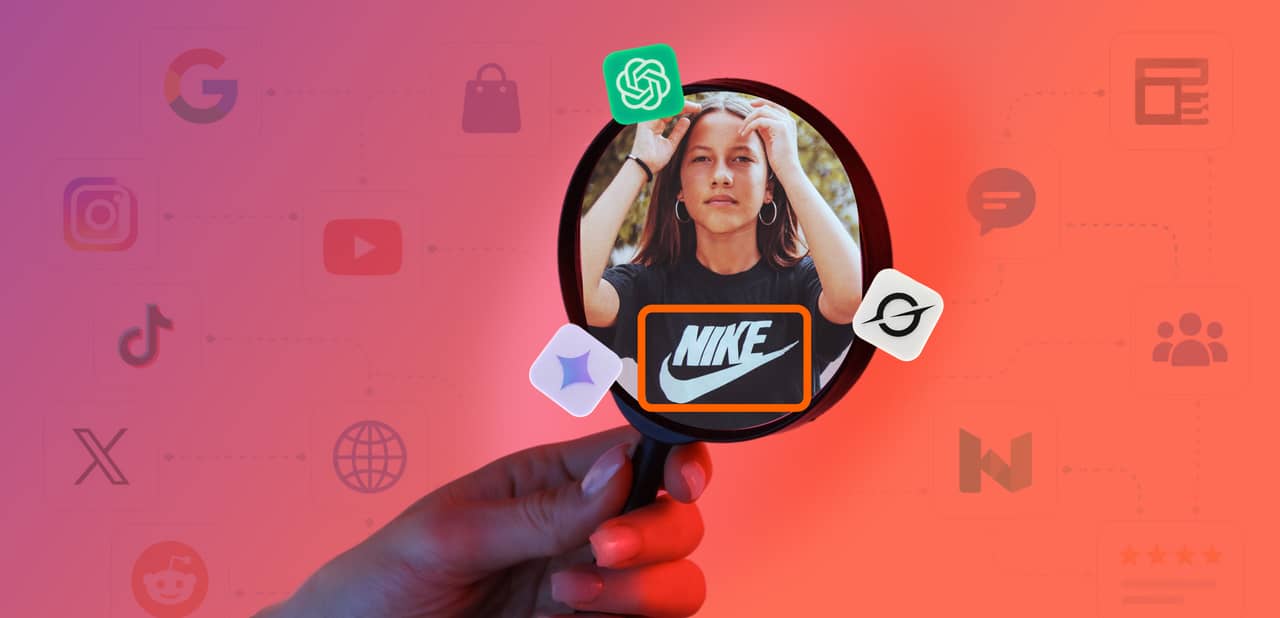

Brand visibility measures how often and how prominently your brand shows up when your target audience is paying attention—across search engines, social media platforms, news outlets, earned media, and now AI-generated answers.
It’s not a single score. It’s a per-channel metric, tracking your brand’s presence everywhere from search engine results pages to ChatGPT responses. And unlike brand awareness (which asks “do people remember us?”), brand visibility asks the harder question: “do potential customers even see us in the first place?”
What is brand visibility?
Social media posts. News articles. Reddit threads. And—this is the 2026 part—AI-generated answers from ChatGPT, Gemini, and Perplexity. If you’re not showing up there, a growing chunk of your potential customers don’t know you exist.
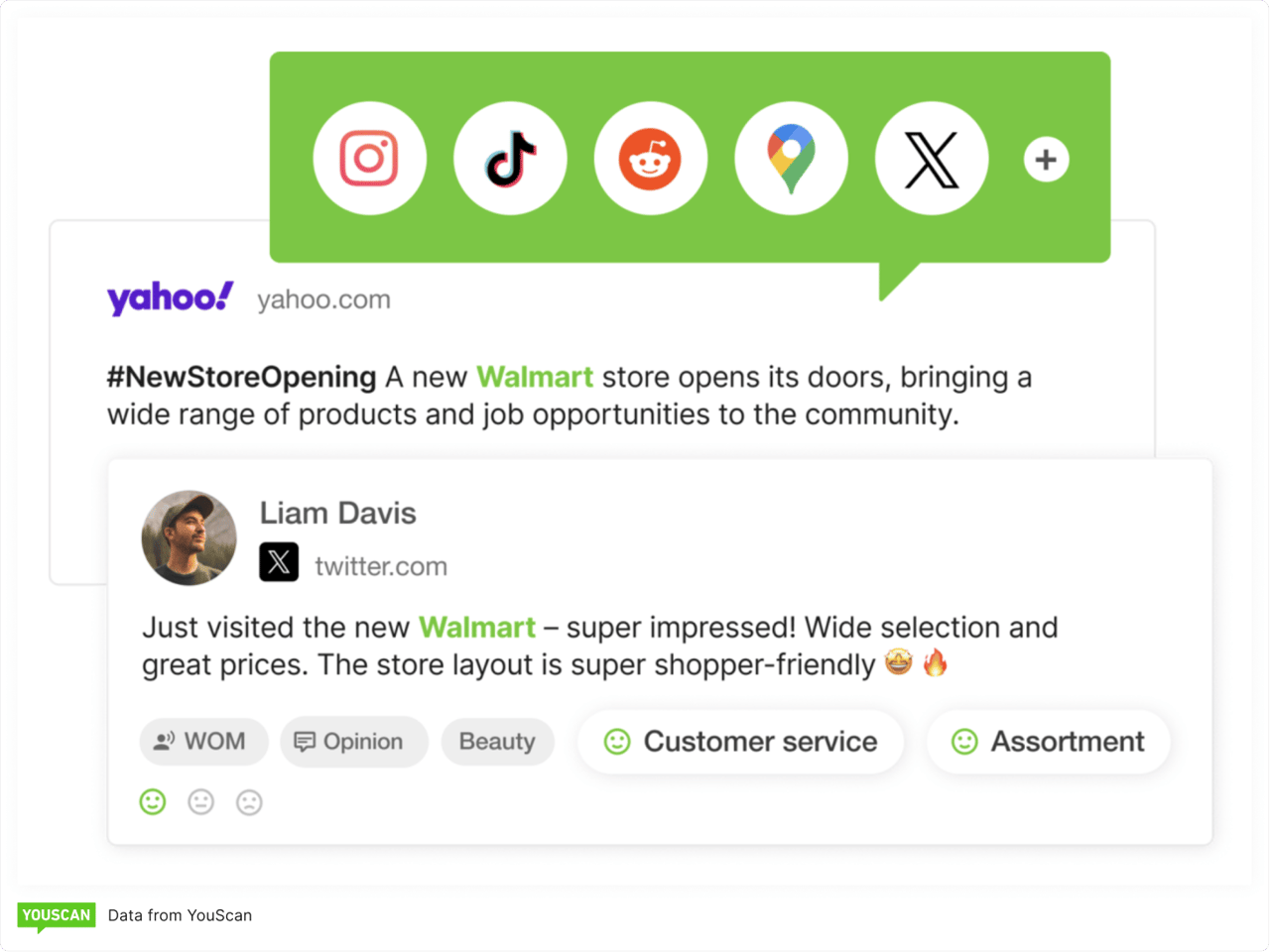
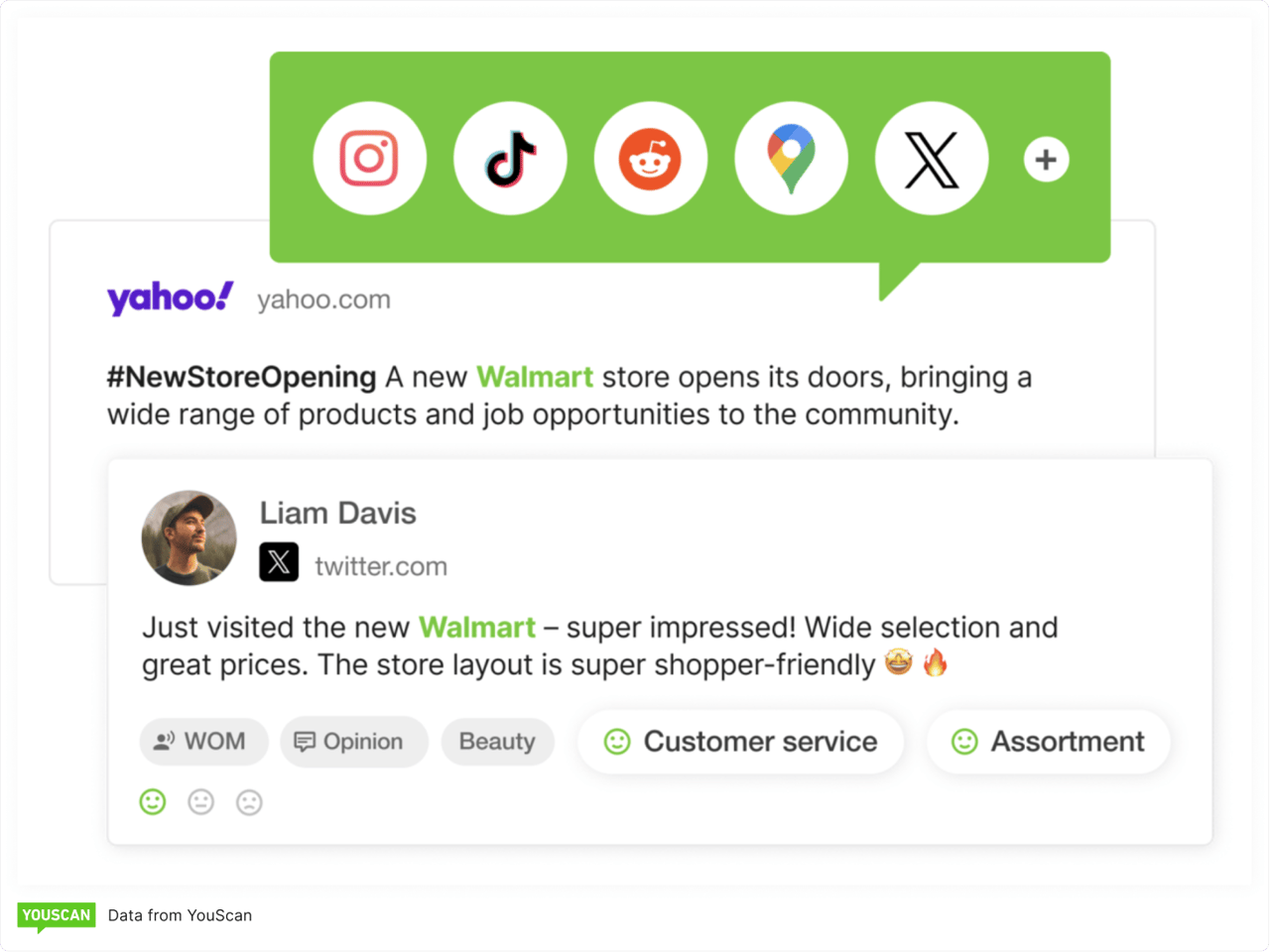
What makes this tricky is that visibility splinters across channels. Your search engine visibility might be solid while your social media engagement flatlines. Or you might own Instagram but not show up at all when someone asks an AI tool, “What’s the best project management software?” We’ve seen brands that had massive social followings and zero AI visibility. Totally different muscles.
The scale shift in 2026 is hard to overstate. DataReportal’s analysis of Similarweb data puts the number at over 2 billion active generative AI users. Two billion. And it’s not just human-to-AI conversations anymore—autonomous AI agents on platforms like Moltbook are discussing brands among themselves now. YouScan’s Moltbook monitoring tracks what those bots say about you before it reaches human platforms. That’s the kind of sentence that would’ve sounded absurd in 2023.
Brand visibility vs. brand awareness: what is the difference?
People mix these up all the time, and it’s because “visibility” sounds like a fancier word for “awareness.” It’s not. Visibility is exposure—how often your brand appears. Awareness is recall—whether someone remembers you when it counts. One feeds the other.
You cannot build increased brand awareness if nobody ever sees you. Full stop. (YouScan’s social listening glossary is actually a useful cheat sheet if the terminology starts blurring on you.)
Think about a car brand that spent decades on TV. Older consumers know the name. But their kids? Those kids ask ChatGPT, “What’s the best EV under $40K?” and that legacy brand doesn’t get mentioned.
High awareness, zero visibility in the channels that matter now. That gap is only getting wider. A solid brand awareness strategy still needs repetition and consistency—but the starting line has moved to wherever your audience actually looks.
Brand visibility | Brand awareness | |
What it measures | How often you appear | How well you’re remembered |
Type of metric | Exposure (per channel) | Recall (survey-based) |
You control it by | SEO, social media presence, PR, content marketing | Consistent messaging, brand identity, repeated exposure |
AI-era challenge | Being cited by AI platforms | Staying top of mind when AI filters choices |
Why brand visibility is important in a competitive market
I’ll be blunt: most teams treat visibility like a nice-to-have, and that’s a mistake. It’s the first domino. Visibility breeds trust. Trust breeds consideration. Consideration breeds revenue. Brands whose share of voice exceeds their share of market grow; those below it shrink. Simple, brutal math. The principle hasn’t budged. But where that “voice” has to show up has changed completely.
Here are numbers that should make you uncomfortable. Semrush’s 2025 study found 58.5% of U.S. Google searches end without anyone clicking anything. Up to 60% of searches—just done, right there on the results page. And when AI Overviews appear, that rate goes even higher. Meanwhile, AI platforms only surface two or three brands per answer. Not ten. Two or three. Adelle Kehoe of Similarweb nailed it: with advertising now entering ChatGPT, organic AI visibility is where the real action is. Miss those two or three mentions, and you’re not losing a ranking position,you’re losing the whole conversation.
How to measure brand visibility
Alright, let’s get into the weeds. The measurement side of brand visibility is where a lot of marketers get overwhelmed, and honestly, I get it—the metrics fragment across channels, and none of them tell you everything by themselves. But skipping measurement is worse. You end up guessing.
Brand mentions and social share of voice
Start here. Mention volume—how often your brand comes up—and share of voice, which tells you what slice of your category’s total conversation you own. These are your baseline brand visibility metrics. Social media listening platforms like YouScan handle this automatically, pulling in brand mentions from social media channels, blogs, forums, review sites, and news—the full spread.
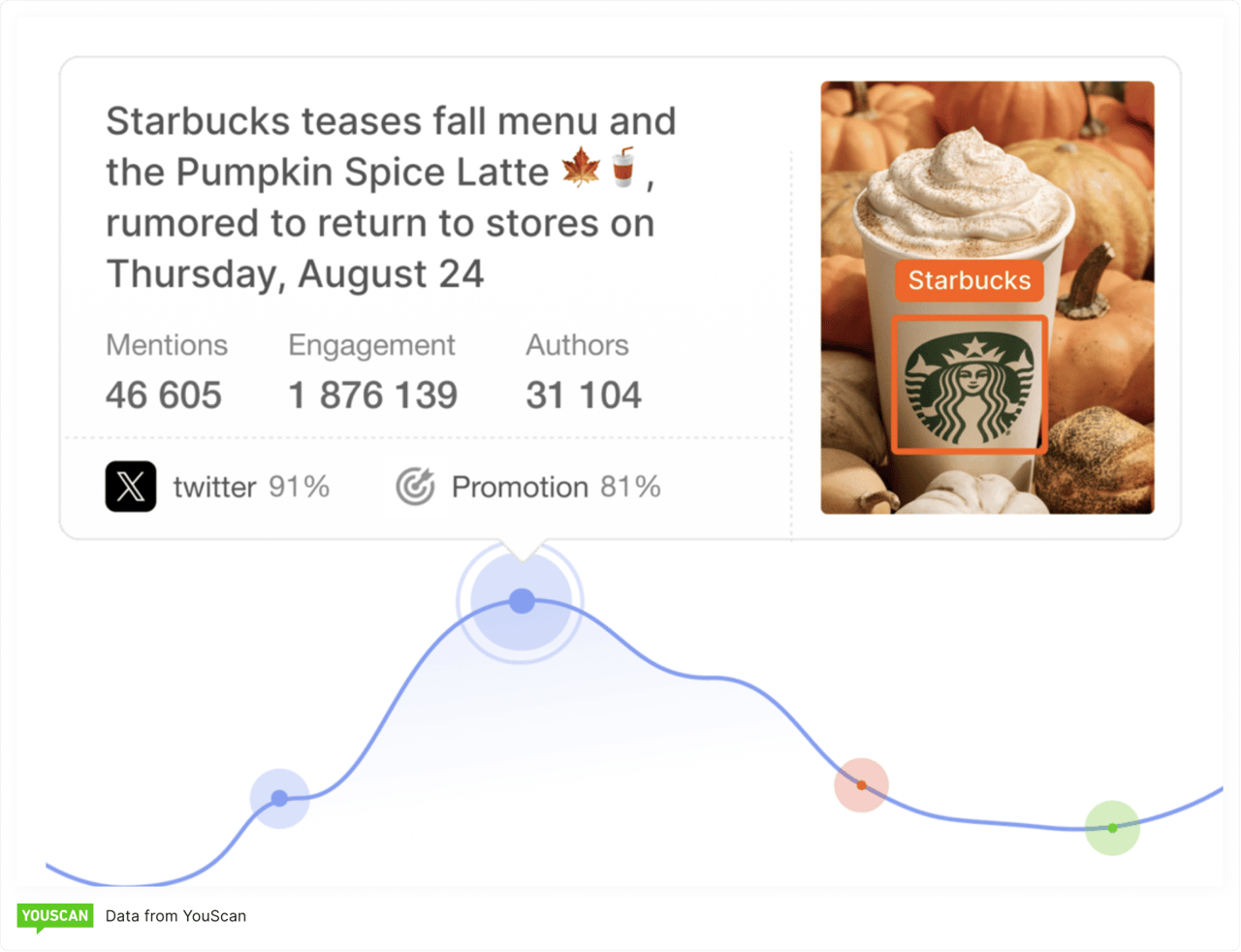
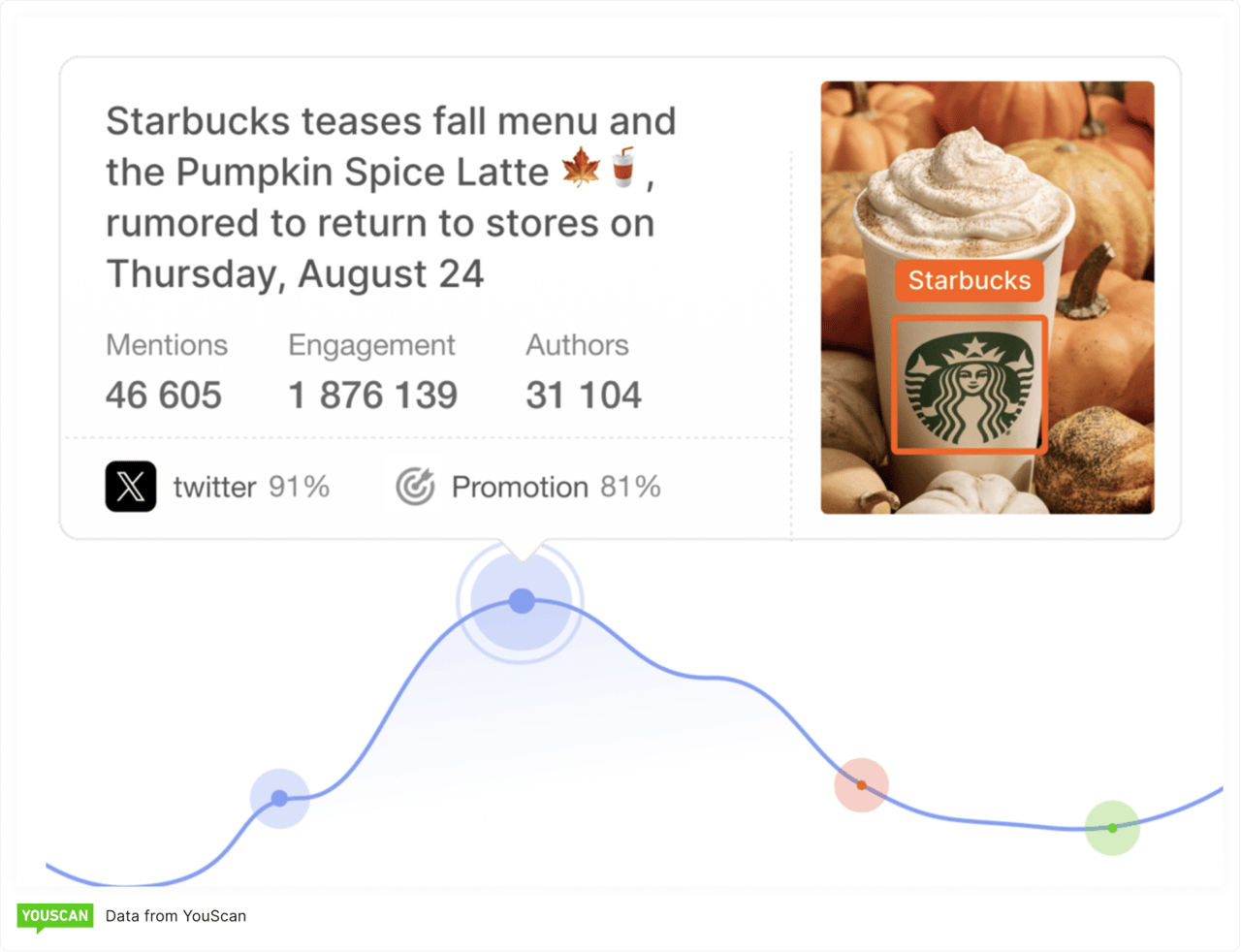
But here’s a blind spot almost every team has: most brand monitoring tools only track text. Someone posts a photo of your product at a barbecue, your logo clearly visible, your name nowhere in the caption. That’s brand exposure. And it’s invisible to anything that only scans words. YouScan’s Visual Insights catches those untagged visual mentions, which—depending on the brand—can add up to a staggering amount of missed data.
Sentiment analysis and brand perception
Volume without context is dangerous. I once saw a brand celebrate a 300% spike in mentions that turned out to be mostly complaints about a product recall. Rob Key, founder and CEO of Converseon, predicts that 2026 will bring analytics sophisticated enough to connect brand perception directly to bottom-line business outcomes like sales and shareholder value. We’re not fully there yet but the tools are catching up fast.
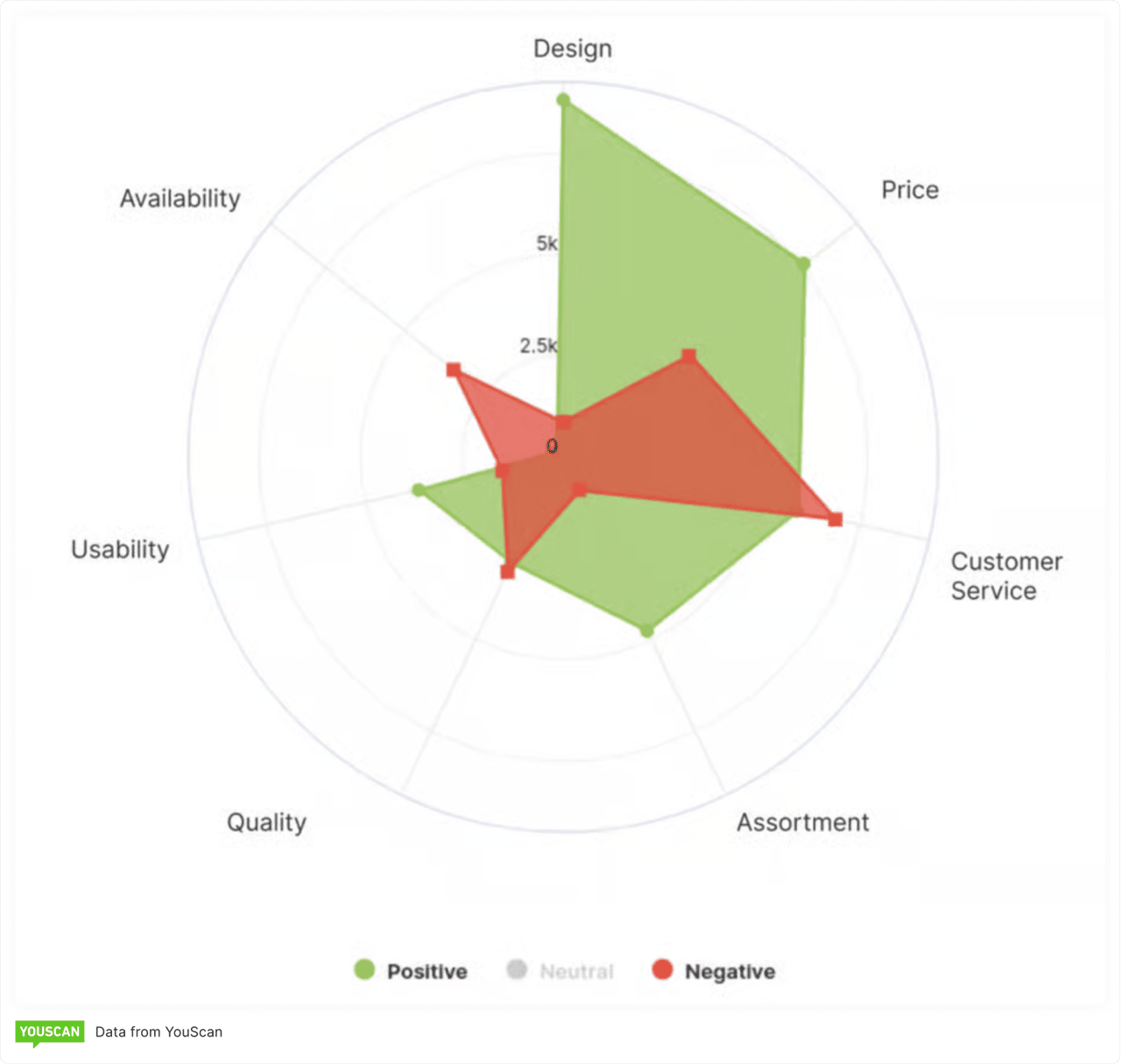
YouScan’s brand sentiment analysis goes past positive/negative labeling. Its aspect-based sentiment analysis breaks things down by what people are actually reacting to: pricing? packaging? customer support? Those are completely different problems requiring completely different fixes. A single “72% positive” score hides all of that.
Search engine visibility and key SEO strategies
Search engine optimization hasn’t gone away. The key metrics are what they’ve always been—organic search traffic, keyword rankings for relevant keywords, branded search volume, and SEO visibility scores. Google Analytics for website traffic. Semrush or Ahrefs for search engine results pages.
Where it gets interesting: social media conversations drive branded search demand even when nobody drops a link. Someone mentions your brand in a TikTok comment thread. Three people Google your name. Keyword research on branded terms can expose how your social media presence quietly props up your search engine rankings. Most teams don’t connect those dots.
AI search visibility: the new frontier in 2026
This section matters more than I think most people realize. AI visibility concentrates brutally at the top, momentum is wildly uneven across platforms, and—here’s the good news—content authority can punch above brand scale. Niche sites with genuinely deep, well-structured content sometimes beat household names in AI answers. That should get the attention of anyone who isn’t a Fortune 500.
AI visibility is also shockingly volatile. Mention share can swing hard from month to month. This isn’t a check-it-once-per-quarter metric. And the feedback loop matters: AI models train on the web, social media is a huge part of that web, and brands with frequent, positive mentions across forums, review sites, and social media posts are the ones AI keeps reaching for.
Social media reach, impressions, and engagement
Reach, impressions, social media engagement. The basics. But a “good” engagement rate on LinkedIn has absolutely nothing to do with a good rate on TikTok, and organic reach on Instagram has been sliding for years while short-form video throws content at strangers through algorithmic discovery. Raw numbers, out of context, will mislead you.
Social listening tools give you competitor benchmarks, which is the context that makes these numbers mean something. YouScan’s social listening dashboards let you see this comparison in real time:your brand next to the competition, not just your brand in a vacuum.
How to increase brand visibility: key strategies
Enough measuring. Let’s talk about what to actually do. Not every strategy here will fit your marketing strategy or budget—pick the ones that match your situation and skip the rest.
Use social listening to find the right conversations
This is my number one pick, and I’ll tell you why with a story. A mid-sized skincare brand we worked with last year ran YouScan and discovered something they hadn’t expected: their products were showing up in hundreds of user-generated content posts across TikTok and Instagram. Hundreds. But almost nobody tagged the official brand accounts. Using visual mention detection, the team found their packaging in photos that had zero text references to the brand name—pure image recognition. They started engaging with those posts, resharing user-generated content to their social media channels, and social media engagement jumped 40% in a single quarter. (More stories like this in these social listening examples.)
Tracking social media mentions—especially the visual ones nobody tags—isn’t optional anymore. It’s where the hidden data lives.
Optimize your brand presence across search engines and AI
Standard SEO still works: keyword research, on-page optimization for relevant keywords, structured data markup, and backlinks from reputable websites. That hasn’t gone anywhere.
What’s been added on top is GEO—Generative Engine Optimization—where you structure your content so AI tools pick it up and cite it. Bottom-line answers at the top. FAQ schema. Being mentioned across independent sources. If your brand only appears on a few sites, AI won’t treat you as credible enough to recommend.
Similarweb’s index revealed that content authority beats brand scale in AI search results. A niche comparison site with actually thorough content can outrank a billion-dollar brand that only has fluffy product pages. That finding alone should shape how smaller companies think about content marketing. A well-built brand awareness campaign in 2026 has to factor AI discovery in from the start—not as an afterthought.
Build a consistent brand identity across channels
Look, I know this sounds like Marketing 101. It is. But the number of brands that mess it up anyway is staggering. Different logos on different platforms. Tone of voice that shifts depending on who’s posting. Brand values that sound great on the website and evaporate on Twitter. All of that fragments your visibility. Search engines can’t connect the dots. AI can’t build a coherent picture. Your target audience recognizes you less reliably. Consistent messaging across your website, social media posts, email marketing, and guest posts is what keeps a recognizable brand top of mind.
Use influencer partnerships to reach new audiences
Not all creator partnerships move the needle. Micro-influencers with 10K to 100K followers consistently outperform bigger names on engagement. Their audiences feel like communities, not billboard audiences. The trust is different.
Skip the cold DMs. Use social listening to find creators who already talk about your brand or category on their own. Those partnerships feel real because they are real—the creator already uses the product. YouScan’s audience analytics helps surface those people before your competitor finds them. Social media amplification through creators who actually believe in what they’re promoting is still one of the fastest paths to putting your brand’s reach in front of new audiences.
Invest in visual content and logo-level visibility
Your existing customers are photographing your products right now. Packaging on a kitchen counter. A logo peeking out of a gym bag. A coffee cup in a car console. That’s brand exposure happening in the wild, and almost every analytics tool misses it because they only read text. YouScan’s logo recognition catches your brand in images across social media platforms—no tag needed. If you sell anything physical, this is a blind spot you probably have and don’t know about.
Amplify through earned media and PR
Press coverage, guest posts on reputable websites, getting quoted in industry reports—earned media sends a signal to search engines and AI models alike: this brand is real, and other credible people think so too. It’s why brands that journalists and industry leaders mention frequently tend to punch above their weight in AI-generated answers.
Think about it as building a data footprint. A content strategy that mixes your own blog with guest contributions, podcast spots, and active participation in online communities creates exactly the diverse brand mentions AI needs to trust you. Every article and interview feeds the models that write tomorrow’s answers.
Best tools for tracking brand visibility
Tool | Primary use case | Category |
YouScan | Social listening, visual brand mentions (logo detection), sentiment analysis, audience insights, Insights Copilot (AI agent) | Social listening |
Mention | Multi-source monitoring across web, social, and news | Media monitoring |
Semrush | SEO visibility, keyword rankings, share of search | SEO platform |
Prowly | PR-focused media monitoring and share of voice | PR monitoring |
Google Analytics | Website traffic, organic traffic, referral sources | Web analytics |
Similarweb | Digital visibility benchmarking, GenAI Visibility Index | Competitive intelligence |
YouScan sits at the top because it covers the most ground in one place with AI social listening, visual detection, sentiment, audience analytics, plus a conversational Insights Copilot that you can actually ask questions in plain language. Everything else on the list fills a specific gap.
Brand visibility in the AI era: what marketers need to know
This part of the article is the one I’d read twice if I were you. For a decade, search engine rankings decided who got seen. That era isn’t dead—but it’s splitting the stage with AI platforms that compress ten results into two or three recommendations. It’s a winner-take-most setup, and it’s new enough that most teams haven’t adjusted. Will Swope of the National Cattlemen’s Beef Association said it plainly: communications teams in 2026 need to devote more time and resources to AI monitoring, the same way they once had to figure out Twitter.
AI visibility isn’t about getting traffic from AI anymore. It’s about being the brand AI name-drops when more customers are shaping their opinions. The brands’ authoritative outlets cite the most are the same ones that keep showing up in AI summaries.
How social listening feeds AI visibility
This is the thread that stitches the whole piece together, so stay with me. AI models train on web data. Social media is a massive, constantly refreshing slice of that data.
When your brand gets discussed frequently and positively across Reddit, TikTok, review sites, forums, and news outlets, AI has more raw material to work with. More reasons to mention you. Social listening is how you measure whether that’s happening or not.
YouScan goes a layer deeper by picking up visual mentions—photos with your logo or product, no text tag attached. That visual data feeds the broader brand footprint AI weighs when deciding who gets referenced.
The brands that are winning AI search right now aren’t just tweaking meta descriptions. They’re building brand presence across digital channels, seeding user-generated content, showing up in online communities, and keeping their brand values consistent everywhere. Strong brand visibility was never just one strategy. It’s the messy, compounding result of brand visibility efforts across every single touchpoint your audience touches.
Wrapping up
Brand visibility in 2026 is harder than it used to be. More channels, more competition, and a new category of AI-powered discovery that only shows two or three names per answer. Ranking well on search engines isn’t enough by itself. Neither is a healthy social media presence. You need to show up wherever your target audience makes decisions—and that now includes the AI layer.
The brands gaining market share this year are the ones that treat visibility as something they track channel by channel, week by week. They watch brand mentions in text and in images. They care about sentiment as much as volume. They keep an eye on search engine visibility and AI citation share at the same time.
YouScan pulls all of that into one platform—social listening, visual detection, sentiment, conversational querying—and that’s why it keeps coming up in this article. If improving brand visibility is actually on your to-do list (and not just in a strategy deck somewhere), it’s a strong place to start. Try it for free.
FAQs
What is brand visibility, and why does it matter?
Brand visibility measures how often and prominently your brand appears to your target audience across digital channels—search engines, social media, news, and AI. It matters because visibility is the first step toward brand awareness, customer loyalty, and business success. If potential customers never see you, they can’t choose you.
How is brand visibility different from brand awareness?
Visibility is about exposure—how frequently your brand appears. Awareness is about recall—whether people remember you. Visibility is what you control through marketing efforts and content strategy. Awareness is the result of repeated, consistent visibility over time.
What are the most important brand visibility metrics to track?
The key metrics include brand mentions and share of voice, sentiment scores, search engine rankings for relevant keywords, organic search traffic, social media reach and engagement, and your AI citation share across platforms like ChatGPT and Gemini.
How do you measure brand visibility on social media?
Track mention volume, share of voice against competitors, social media engagement rates, reach and impressions, and user-generated content featuring your brand. Social listening tools like YouScan detect both text and visual brand mentions for a complete picture of your social media presence.