
Brand Audit: How to Assess Your Brand and Keep It Fresh


What do people actually think about your brand? Not what your mission statement says they should think—what they really think when they see your logo, read your emails, or scroll past your social posts.
A brand audit answers that question. It’s a structured look at how your brand performs across every touchpoint—from internal culture to external marketing materials, from social media presence to customer experience. And if you haven’t done one recently, you’re probably operating on assumptions.
This guide walks you through how to conduct a brand audit from start to finish. We’ll cover what to look at, how to gather data, and how to turn findings into a brand strategy that actually moves the needle.
What is a brand audit?
A brand audit is a detailed review of your brand’s current position in the market. It examines how your brand identity, messaging, visual identity, and customer perception stack up against your goals—and against competitors’ brands.
Think of it like a health check. You’re looking at internal and external branding to find gaps between what you intend to communicate and what your audience actually receives. As Indeed explains, a successful brand audit covers three areas:
Internal branding: Your company culture, company’s values, employee alignment with your brand’s vision, and internal communications. Internal surveys are often the starting point here.
External branding: Your logo, website, social media accounts, advertising, content marketing, and all external marketing materials. This is the story your brand tells the outside world.
Customer experience: How customers interact with you, from first impression through customer service policies and post-purchase follow-up. This includes everything from your sales process to how quickly support tickets get resolved.
When all three areas are in sync, your brand stands as a coherent whole. When they’re not, you get mixed signals—and mixed signals erode trust.
Why you should conduct a brand audit
Brands drift. It happens gradually. A new designer tweaks the color palette. A regional team creates off-brand collateral. Your messaging evolves product by product until nobody can articulate what the brand actually stands for anymore.
A brand audit catches that drift before it becomes a crisis. Here’s what a successful brand audit typically reveals:
Inconsistencies in brand voice and visual identity across various channels—your website says one thing, your social posts say another, and your sales deck tells a third story.
Gaps in brand positioning. Maybe your unique selling proposition made sense five years ago, but competitors’ brands have caught up. A competitive analysis helps you see where you’ve lost differentiation.
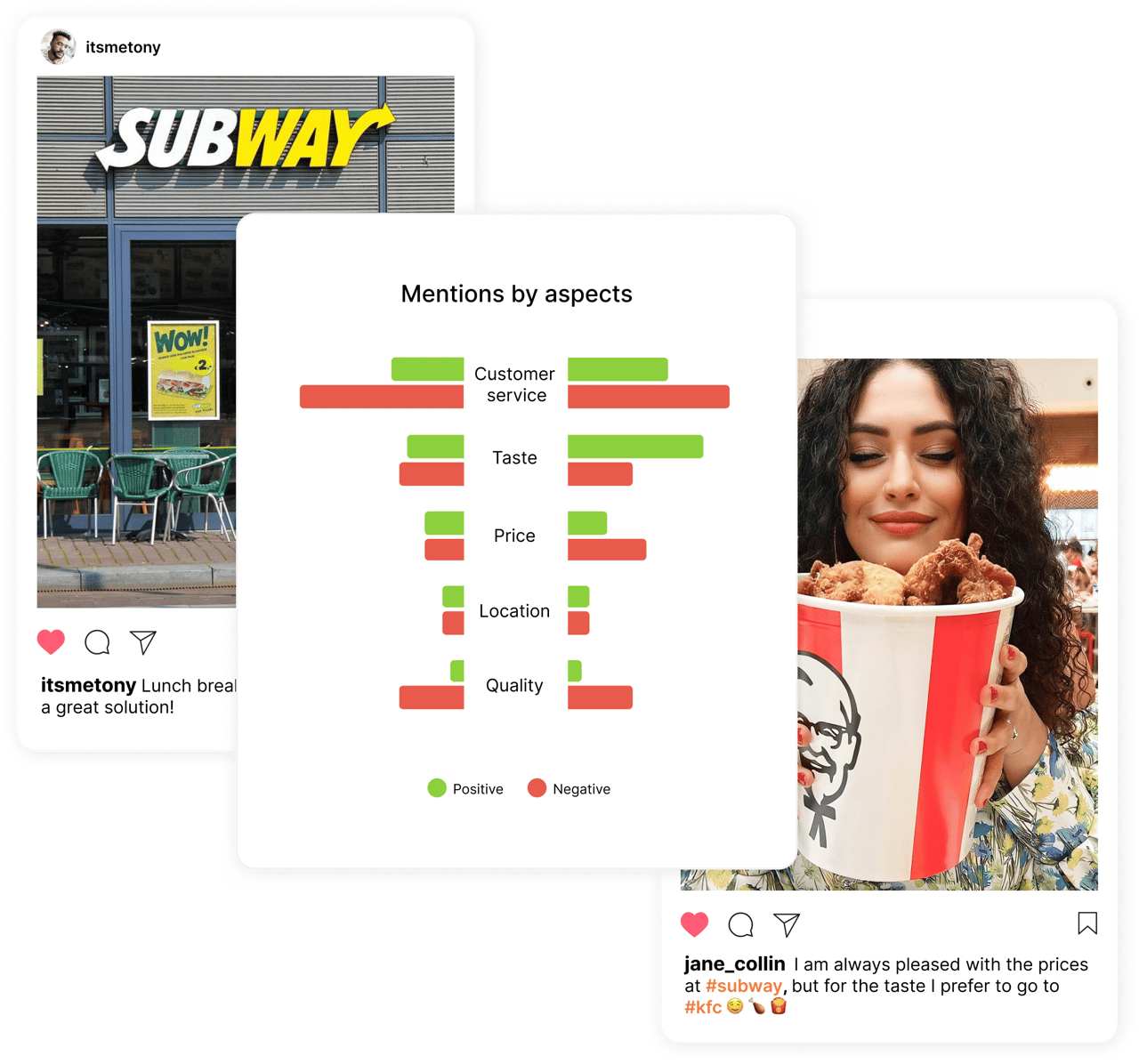
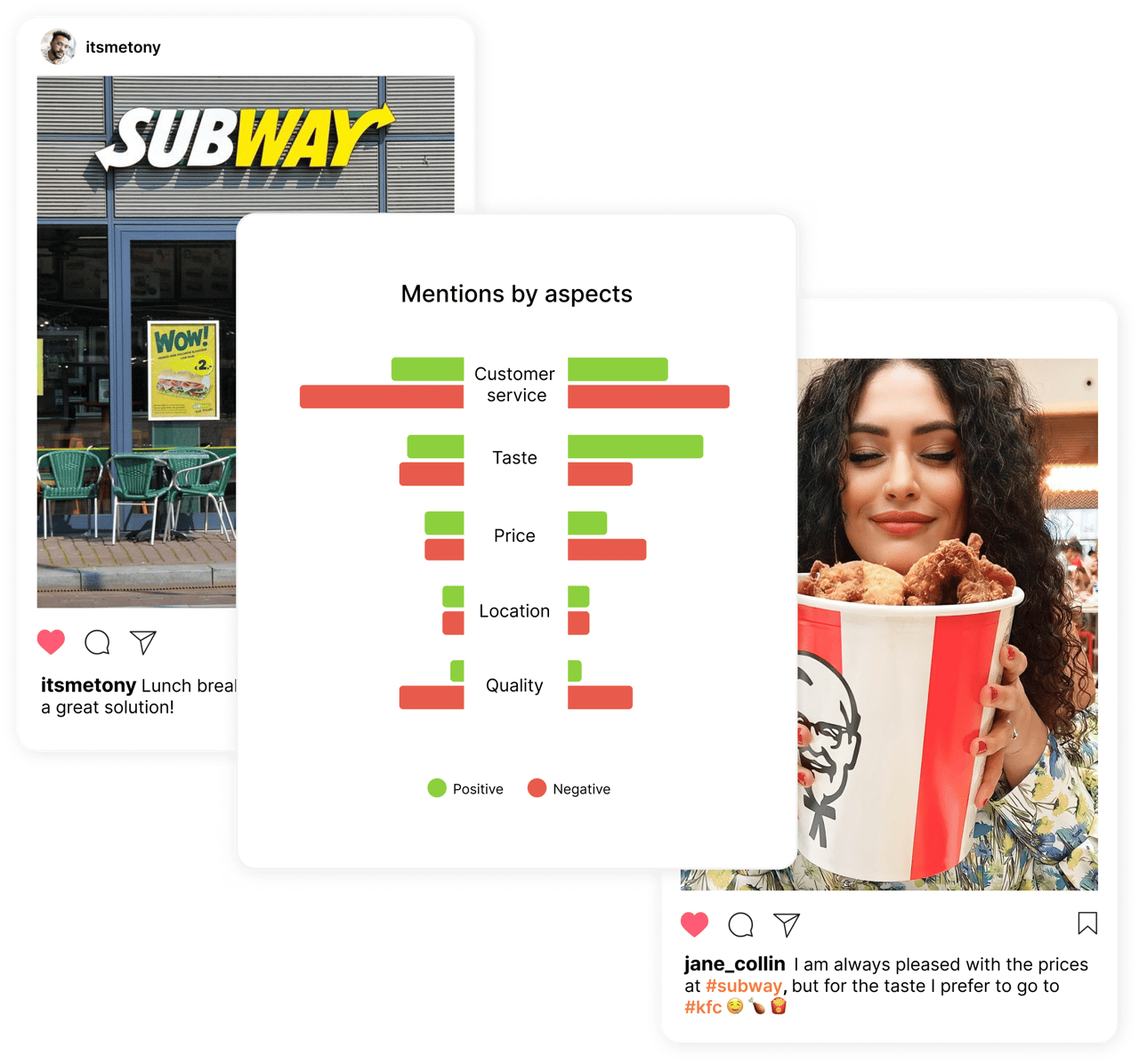
Misaligned customer perception. You think you’re the premium option; customers perceive you as mid-market. Or your brand values emphasize innovation, but your digital presence feels stale.
Untapped opportunities. Maybe a specific social media channel is driving brand engagement you didn’t know about, or a segment of new customers is responding to messaging you weren’t tracking.
You should also plan to regularly evaluate your brand—not just when things feel off. Markets shift, audiences change, and what worked 18 months ago can quietly become a liability. Repeating your audit every one to two years keeps your brand fresh and responsive.
Brand audit template: what to include
Before you start pulling data, you need a framework. A good brand audit template keeps the process organized and makes sure you don’t skip anything.
Your template should cover these categories:
Brand foundation: Mission, brand’s vision, brand’s core values, unique selling proposition, brand positioning statement, and your target market definition.
Brand assets and visual identity: Logo, color palette, typography, imagery style, brand materials, and your brand’s visual identity guidelines. Check consistency across every touchpoint.
Brand messaging and voice: Tagline, value proposition, key messaging pillars, brand voice, and tone. Pull examples from your website, emails, social media channels, and advertising.
Digital and social presence: Website analytics, website traffic sources, social media analytics, social media accounts performance, content marketing effectiveness, and search visibility. Tools for brand monitoring and reputation management can consolidate much of this data into one view.
Customer data: Customer surveys, customer focus groups, social media polls, phone surveys, online surveys, reviews, NPS scores, and any qualitative customer feedback you can find.
Competitive landscape: A competitive analysis of 3–5 key competitors’ brands—their positioning, messaging, strengths, and weaknesses relative to yours. A structured competitor research approach using social data can save weeks of manual work here.
Brand performance metrics: Brand equity indicators, brand engagement rates, customer loyalty data, sales data trends, and any brand awareness research.
How to Conduct a Brand Audit Step by Step
Here’s the actual process. We’ve broken it into seven steps, but the depth you go into each one depends on the size of your brand and what questions you’re trying to answer.
Step 1: Define Your Brand Strategy and Audit Goals
Start by getting clear on what you want the audit to accomplish. Are you trying to understand why brand engagement has dropped? Are you preparing for a rebrand? Is your marketing plan underperforming and you’re not sure why?
Narrow it down to one to three specific questions. That’s your compass.
Then revisit the fundamentals of your brand strategy. What does your brand stand for? Who is your target audience? What’s your unique selling proposition? What is your brand’s core values statement? If your team can’t answer these questions consistently, that’s already a finding.
Document your brand’s vision, mission, and brand values so you have a reference point for the rest of the audit. Everything else gets measured against these.
Step 2: Review internal branding and company culture
Your employees are the ones who bring the brand to life every day. If they don’t understand the brand—or worse, don’t believe in it—no amount of external polish will fix the disconnect.
Use internal surveys to ask questions like: Can you describe what our brand stands for? Do you feel the company culture reflects our stated brand values? Where do you see gaps between what we promise and what we deliver?
This step is about internal branding alignment. It includes everything from how onboarding communicates the brand to whether your internal communications match what customers hear externally. The company’s values should be visible in the day-to-day, not just in a slide deck.
Don’t limit these conversations to the marketing team. Get input from sales, support, product—anyone who interacts with customers or shapes the customer experience.
Step 3: Assess external branding and marketing materials
Now look at what the outside world sees. Gather all your brand assets and external marketing materials: website, social media accounts, email campaigns, print collateral, packaging, advertising, content marketing pieces—everything.
Lay it all out side by side. Does it feel like one brand? Or does the website feel premium while your social posts look thrown together? Are your marketing campaigns telling a consistent story, or has the brand messaging splintered across teams? A thorough social media audit can highlight exactly where your social presence diverges from your broader brand identity.
Step 4: Evaluate brand performance across channels
This is where numbers enter the picture. You need to assess how your brand performs quantitatively across your main touchpoints.
Website: Look at website analytics—website traffic, bounce rate, time on site, conversion rate, and where visitors are coming from. If all your traffic comes from one source, that’s a vulnerability worth noting.
Social media: Use social media analytics to review brand engagement, reach, follower growth, and sentiment analysis across social media channels. Which platforms drive the most meaningful interactions? Are you reaching your target market, or just collecting vanity metrics?
Sales: Review sales data and conversion metrics. Are your marketing strategies actually moving people through the funnel? Where are you losing prospects?
Email and content: Open rates, click rates, content marketing performance. Is your content resonating with your target customers?
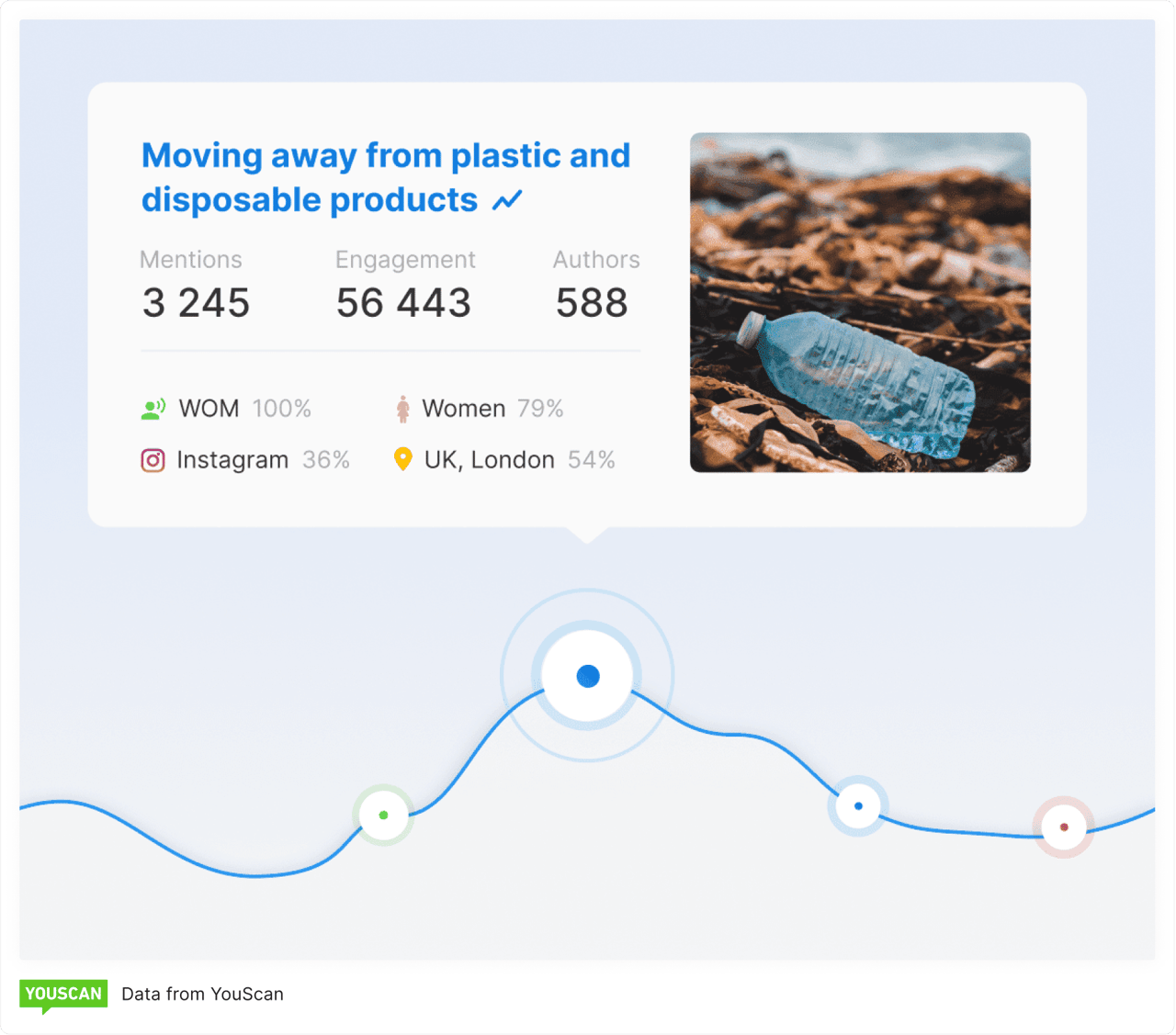
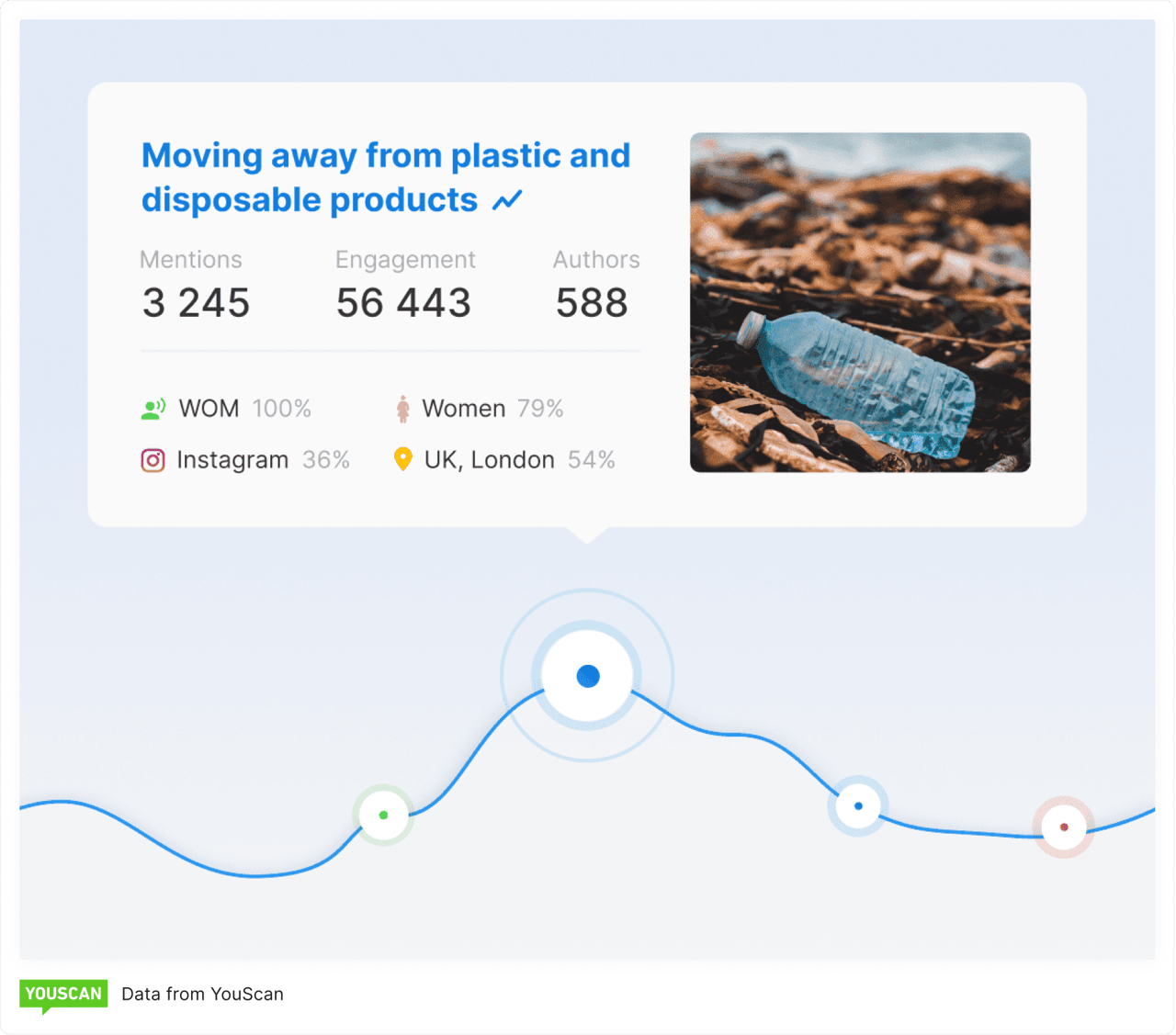
Social media data can be especially revealing here. A tool like YouScan can surface what people are saying about your brand across social platforms—not just engagement counts but actual sentiment and conversation topics. By using aspect-based analysis, you can break feedback down by specific product features or service areas to see exactly what’s driving positive or negative perception.
If you’re new to tracking brand mentions and online sentiment, check out our social listening glossary for definitions of key terms, or explore our social listening dashboards to see how structured reporting makes it easier to track progress over time.
Step 5: Collect data through customer surveys and feedback
Numbers tell you what’s happening. Customer feedback tells you why.
Use a mix of customer surveys, customer focus groups, social media polls, phone surveys, and online surveys to get both quantitative and qualitative input. Ask questions like:
When you think of our brand, what comes to mind first? How would you describe us to a friend? What’s one thing we do better than anyone else? What’s one thing that frustrates you about working with us?
The goal is to understand how customers perceive your brand—not how you hope they perceive it. There’s almost always a gap, and finding it is one of the most valuable outcomes of any brand audit. Understanding the difference between social listening vs. social monitoring can help you decide how to structure your data collection approach.
Social listening tools can supplement direct surveys here. With a platform like YouScan, you can analyze thousands of unsolicited brand mentions—see our guide on tracking social media mentions for a real-world example—to see what people say about you when they’re not being asked. That’s often more honest than any survey response. You can examine the brand’s strengths and weaknesses from the customer’s perspective, segment feedback by source and sentiment, and uncover issues you didn’t even know to ask about. YouScan’s Insights Copilot can even summarize thousands of mentions into key takeaways in under a minute.


Step 6: Analyze competitors’ brands
You can’t assess your brand positioning in a vacuum. A competitive analysis shows you where you fit in the market and where competitors’ brands might be pulling ahead.
Pick three to five direct competitors and review:
Their brand messaging and positioning. What do they promise, and how is it different from your promise? Their visual identity and digital presence. Does their brand feel more modern, more established, more trustworthy? Their social media presence and content marketing. What topics do they own? Where are they getting brand engagement you’re not? Their customer experience reputation. What do reviews and social mentions say about them?
Look for patterns. If multiple competitors’ brands are all moving toward a similar position, that tells you something about market direction. If there’s a gap nobody’s filling, that could be your opening. AI social listening tools can speed this process up by automatically surfacing competitive themes from thousands of social conversations.
Step 7: Build a clear picture of brand equity and take action
At this point, you’ve amassed a significant amount of data. Time to synthesize all the data into a clear picture of where your brand actually is.
Summarize your findings across a few key dimensions:
Brand equity: How much recognition, trust, and customer loyalty has your brand built? Is brand equity growing or eroding? Ongoing brand tracking helps you measure this over time, not just at audit time.
Brand identity alignment: Is there a gap between your intended brand identity and what the market perceives? A
brand analysis can reveal the disconnect between your messaging intent and audience reality.
Brand’s impact: How effectively does your brand drive awareness, consideration, and conversion? Review the role of brand awareness campaigns in supporting top-of-funnel visibility.
Brand positioning: Where do you actually sit relative to competitors’ brands? Does your current brand positioning match your business strategy?
Document what’s working, what’s broken, and what needs a brand update. Then create an action plan with specific priorities, owners, and timelines. Column Five recommends capturing your findings in official documentation or a creative brief that ties directly to your brand strategy. Don’t try to fix everything at once—pick the highest-impact items and work through them systematically.
How to keep your brand fresh after the audit
A brand audit isn’t a one-and-done exercise. The brands that stay relevant are the ones that treat assessment as an ongoing practice, not a project with a deadline.
Here’s what that looks like in practice:
Schedule regular check-ins. You don’t need a full audit every quarter. But reviewing key brand performance metrics—brand engagement, sentiment, brand equity indicators, customer loyalty—on a monthly or quarterly basis keeps you from being surprised. A dedicated brand health tracker makes this systematic rather than ad hoc.
Keep listening. Social media data is always flowing. Use social media analytics and brand monitoring to track shifts in how customers talk about you. Ongoing social listening can surface problems early, before they become patterns that your next audit catches too late.
Revisit your brand strategy annually. Markets shift. Your target market evolves. New customers come with different expectations. Your brand strategy and marketing plan should evolve with them. Reviewing target audience analysis data at least once a year can reveal whether your audience has shifted beneath you.
Measure your marketing efforts against audit findings. Every marketing campaign should map back to something the audit flagged. If it doesn’t, you’re probably spending resources on activity, not progress.
Brand engagement: tracking what matters
After the audit, brand engagement becomes one of your most important ongoing metrics. It tells you whether people are just aware of your brand or actually interacting with it. For a full breakdown of what to measure and how, see our guide on how to measure social media engagement.
Track brand engagement across these dimensions:
Social interactions: comments, shares, saves, and direct messages across social media channels. Website behavior: repeat visits, pages per session, content downloads. Email: replies, forwards, click-throughs on brand-specific content. Community: mentions in forums, earned media, and word-of-mouth indicators.
The brand that collects the most likes isn’t necessarily the one with the strongest engagement. Depth matters more than breadth. A hundred people who genuinely connect with your brand will drive more customer loyalty than ten thousand who scrolled past your ad. Brand reputation monitoring helps you track not just volume, but the quality and sentiment of those interactions over time.
Brand assets: what to review during every audit
Your brand assets are the tangible building blocks of brand identity. Here’s what to review each time you conduct a brand audit:
Logo and logo variations. Color palette and usage guidelines. Typography system. Photography and illustration style. Iconography. Templates for presentations, proposals, and reports. Brand materials for events and collateral. Social media profile images and headers. Email signatures. Brand voice and editorial guidelines.
Check whether these brand assets are current, consistently applied, and still aligned with your brand’s core values. Also check whether everyone who needs them can actually access them—it’s common for brand materials to be buried in outdated folders or scattered across different drives. If you want to track how your assets appear online,
social media monitoring tools can help you systematically spot inconsistencies across platforms.
Conclusion
Every brand has blind spots. A brand audit is how you find them before your customers do.
Whether you’re questioning a drop in brand performance, prepping for a strategic shift, or just want to know what problems your brand can solve that competitors’ can’t, the process is the same: gather data, collect data from multiple sources, compare what you intend against what’s actually happening, and act on the gaps.
If your audit reveals that you need better visibility into how people talk about your brand online—what they praise, what they criticize, and what they’re saying to each other about you on social—request a free YouScan demo to see how social listening can give you valuable insights you won’t find in a spreadsheet.
FAQ
How often should you conduct a brand audit?
At least once a year. If your market is shifting fast or you’ve recently launched a major campaign, every six months is better. The point is to catch drift before it compounds.
Can you do a brand audit yourself, or do you need an agency?
You can absolutely do it in-house, especially if your marketing team has experience with data analysis and customer research. That said, an outside perspective removes internal bias—so many companies use a mix of both.
What are the three main areas a brand audit covers?
Internal branding (culture, values, employee alignment), external branding (visual identity, messaging, marketing materials), and customer experience (how people actually interact with your brand at every touchpoint).
What’s the difference between a brand audit and a brand analysis?
They overlap a lot. A brand audit is typically a broader, more structured assessment that includes internal operations and competitive benchmarking. A brand analysis tends to focus more narrowly on market positioning and perception.


.png)