Social Media Listening Tools for Retail: What They Do and How to Pick One

Retail used to find out what customers thought after the fact — through a survey, a returns trend, or a comment in a focus group, three months too late. Now? Customers tell you in real time. The problem is that most retail brands aren't actually listening. They're glancing at brand mentions when something blows up, then going back to scheduling posts.
Social media listening tools change that. They take the constant stream of social media conversations — across TikTok, Instagram, X, Reddit, review sites, even Discord — and surface what you actually need to act on. For retail, where a single viral complaint can move sales the same week, that's not a nice-to-have.
This guide covers what the best social listening tool actually does, what features to look for, and how retail brands use social media listening tools to manage brand reputation, spot emerging trends, and feed real customer feedback into product and marketing decisions.
Why retail brands need social listening software
Retail runs on perception. A skincare line lives or dies based on what people post on TikTok, not what your packaging says. A grocery chain's Q3 numbers can hinge on one regional issue that goes viral. So the question isn't whether your customers are talking. It's whether you're hearing them.
Here's the thing: you can't track this manually. Over five billion people use social media. They're posting reviews, complaints, recommendations, and inside jokes about retail brands every minute. Without social listening tools, you're guessing. With them, you've got direct access to consumer insights surveys can't match — and actionable insights about your target audience that you couldn't get any other way.
A few retail-specific reasons to invest in social listening software:
Speed. A bad batch of product hits one Reddit thread and travels fast. Real time alerts mean your customer support team knows in minutes, not days.
Multi-location complexity. If you've got 50 stores or 500, you need to know which locations generate complaints and which products have buzz.
Trend spotting. TikTok-driven demand surges can sell you out in 48 hours. Social listening data tells you which way the wind's blowing before your inventory team has to scramble.
Brand health. Reputation isn't built on Q4 ad spend. It's built on whether your social media presence and your customer experience actually match. A brand health tracker tied to real social data turns this from gut feel into something measurable.
If the terminology is new, YouScan's social listening glossary breaks it down without the jargon.
What social media listening tools actually do
Most social media listening software does four core things: tracks brand mentions, analyzes customer sentiment, alerts you to spikes, and produces reports. The differences between platforms come down to coverage, accuracy, and how easily that data gets to the people who can act on it.
Tracking brand mentions across multiple platforms
A social listening platform is constantly tracking conversations across social media channels — Instagram, TikTok, Facebook, X, YouTube, Reddit, LinkedIn — plus blogs, news sites, forums, and review platforms. You feed it a list of specific keywords (your brand name, your products, common misspellings, competitor names, industry terms), and it pulls every match in real time, surfacing real time insights as conversations happen.
Coverage matters more than people think. Some social listening tools focus on the big social platforms but skip Reddit or YouTube. For retail, that's a problem. Product reviews on Reddit and unboxing videos on YouTube drive online conversations that move sales. The best social media listening tools cover multiple social media platforms — including the messier ones where consumers are most candid.
Sentiment analysis and brand health
Tracking mentions is half the work. The other half is figuring out which mentions actually matter. That's where sentiment analysis comes in: AI categorizes each mention as positive, negative, or neutral so your team sees brand health at a glance.
Good sentiment analysis is harder than it sounds. Sarcasm trips up basic tools. Slang trips up the worse ones. The social listening platforms doing this well — YouScan included — combine text and visual recognition, since a lot of retail mentions are images and videos with no caption mentioning your brand at all. A logo in a haul video is a brand mention. A receipt photo on Instagram is a brand mention. If your tool only reads text, you're missing huge chunks of brand sentiment.
YouScan's deep dive on brand sentiment analysis walks through how this works in practice.
Real time alerts and crisis management
Real time alerts aren't optional for retail. If sentiment around your product spikes negative on a Saturday morning, you need to know by Saturday afternoon — not Monday. The right social listening tool pings the right team automatically when mention volume jumps, when sentiment shifts sharply, or when specific keywords (like "recall" or "broke") start showing up.
This is where social listening shades into crisis management. See these reputation crisis cases for what happens when retail brands miss the early signal.
Competitor research and media monitoring
Social listening also doubles as media monitoring. You set up tracking for competitors, industry trends, and category-level conversations. So you see what people love about your competitor's new launch, where their customer support breaks down, and which trending topics are pulling consumer attention away from your category. Combined with proper brand monitoring, that's market research running 24/7, without the survey panel cost.
For traditional channels like X specifically, this roundup of Twitter monitoring and listening tools covers the more focused options.
How to use social media monitoring tools to manage brand reputation
Reputation management on social media isn't about replying to every angry tweet. It's about systems. The retail brands doing this well treat social listening data as an input to multiple workflows, not just one.
A practical setup: feed positive mentions to your marketing team to amplify in social media campaigns. Route negative mentions to your customer support team with full context. Push trending topics to your product team for input. Send brand monitoring alerts to PR. Each function gets the relevant brand mention they need, without sifting through everything.
Tools like YouScan integrate directly with CRM, social media management, and helpdesk systems, so a complaint on Twitter doesn't sit forgotten in a dashboard — it becomes a ticket assigned to the right person. Flagged social media interactions get routed automatically, instead of disappearing into someone's "things to look at later" tab. That's how serious online reputation management scales beyond a one-person social media team, and how retail brands enhance brand reputation over time instead of just defending it.
For the PR-side angle on listening, YouScan's piece on PR in social media covers how social media monitoring and crisis response work together.
Social listening for retail: use cases that boost customer satisfaction
Most articles stop at "use it to manage reputation." That's table stakes. Here's where social listening actually changes how retail operates.
Catching product issues before they spread
A new mascara has a packaging defect. The first 50 buyers don't email customer support — they post about it on TikTok. Without social media listening, you find out from your return rate two weeks later. With real-time conversations flowing into a dashboard, your QA team sees it on Tuesday and calls the supplier on Wednesday. That single use case alone justifies the cost of social listening software for most retail operations.
Spotting emerging trends and viral moments
Stanley cups. Crocs charms. Specific shades of nail polish that suddenly get a name. Retail demand now moves at internet speed, and social listening tells you what's bubbling before it shows up in your sales data. Trending topics surface in social listening dashboards with hashtag tracking, mention volume spikes, and sentiment context. Staying current on broader
TikTok marketing trends is its own discipline now — and listening tools are how most retail teams keep up.
YouScan's social listening dashboards are built around exactly this — surfacing key insights from real time data so retail marketing teams focused on trend response can act in hours instead of days.
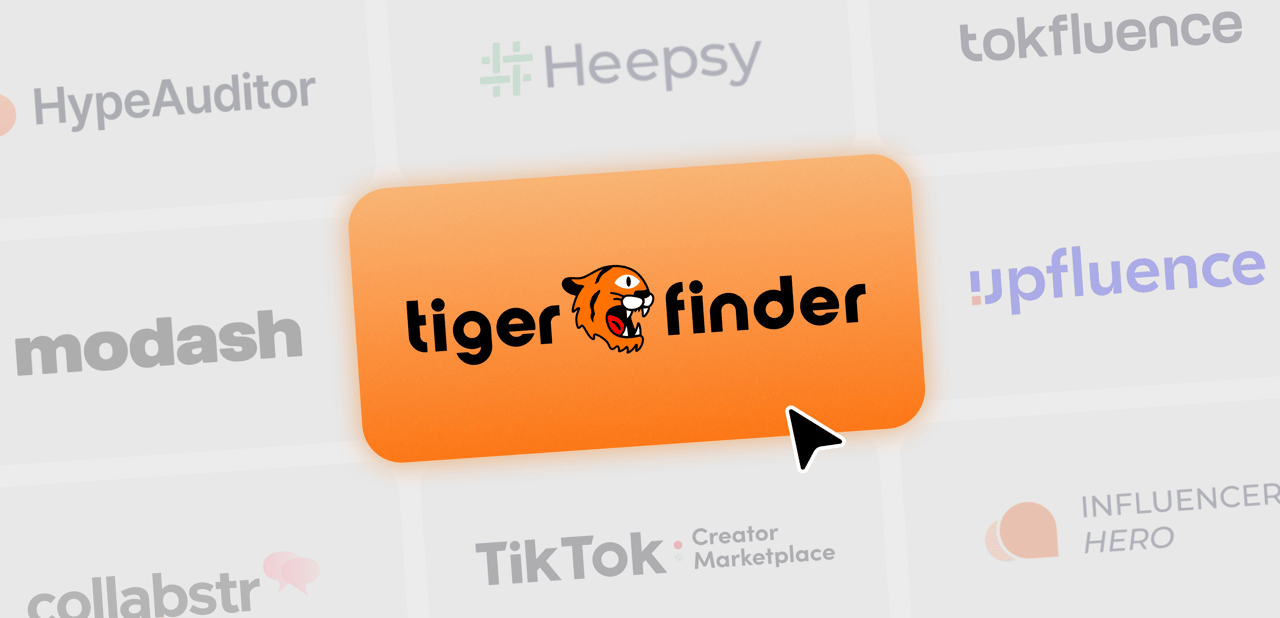
For the influencer side of trend response, Tiger Finder (powered by YouScan's AI) helps retail brands find the right TikTok creators for those moments — without scrolling manually for hours.


Multi-location and store-level feedback
If you run a chain of coffee shops, supermarkets, or fashion stores, social listening surfaces feedback at the store level. Which locations catch complaints? Which managers get praise? Which products move faster in which regions? That's customer feedback at a scale traditional research can't match. And because it's tied to specific keywords and locations, you can route store-level mentions to the right regional manager automatically.
Pricing and competitor intelligence
Social listening tools work as quiet competitive intelligence. When a competitor launches a product, you see consumer reactions in real time. When their pricing changes, you see how shoppers compare it to yours. When their loyalty program updates, you see whether members are happy or hunting for an alternative — all without sending a single survey.
Combined with brand sentiment analysis, this is consumer research that costs a fraction of what it used to. A more structured brand analysis pulls these threads together, so you're comparing yourself against competitors on the dimensions customers actually care about — not the ones your internal slides assume.
Influencer discovery for retail campaigns
Social listening also doubles as influencer scouting. The creators who are already mentioning your brand are warmer leads than anyone in an outreach database. Track who's posting positive mentions about your products, sort by engagement, and you've got a shortlist for influencer marketing campaigns that already feel authentic — which means more relevant content for your campaigns and less guesswork. For more on what good campaigns look like, here are some social listening examples worth pulling apart. Analyzing customer feedback at this scale also helps you brief creators with the actual language your audience uses, not the language your brand wishes they did.
Key features of the best social listening tool for retail
Not every social listening platform is built for retail's specific demands. When you're evaluating tools, look at these areas.
Multi-channel coverage and media monitoring
The tool should pull from social media platforms (Instagram, TikTok, Facebook, X, YouTube, LinkedIn, Pinterest), plus Reddit, blogs, news sites, podcasts, and review platforms. For retail brands, niche communities often matter most — beauty subreddits, fashion forums, food TikTok. Make sure your tool catches them. YouScan, for example, recently added Moltbook monitoring (in English and Ukrainian), expanding coverage into spaces most third party tools still miss.
AI-powered customer sentiment and visual analysis
Visual analysis is a big one for retail. A lot of brand mentions don't tag you in the caption — they're a logo in a video, a product on a shelf, a receipt photo. Tools without visual recognition miss those entirely. The best social media listening software combines text and image AI for full coverage of customer sentiment and brand perception.
Real time alerts and routing to the right team
Alerts pinging you with valuable insights at 2 AM Sunday morning don't help if no one's watching. Look for tools that route alerts intelligently — the customer support team gets complaint mentions, the social media team gets engagement opportunities, and leadership gets crisis signals. Historical data also matters, so you can compare today's spike to last quarter's baseline rather than reacting blindly.
Reporting that drives decisions
Software platforms that produce 40-page PDF reports nobody reads aren't doing you a favor. Look for dashboards that hand key insights to non-analysts: campaign performance summaries, share of voice trends, brand perception shifts, and top-volume topics. The goal is data-driven decisions across marketing teams — not analytics theater.
How to pick the right media listening tools for your retail brand
The short answer? Match the tool to how you actually work.
Small marketing teams running a single brand need a social monitoring setup that's easy to configure and reads useful out of the box. Enterprise retailers with hundreds of locations need a social listening strategy backed by enterprise-grade software platforms — with permissions, advanced reporting, and integrations with the CRM and helpdesk tools the customer support team already uses every day. If you want a side-by-side of the major options on the market, YouScan's roundup of social listening tools breaks down where each one actually fits.
A few practical questions before you commit:
Does it cover the platforms where your customers actually post? Hint: if your category is huge on Reddit and the tool can't read Reddit, walk away.
How accurate is the sentiment analysis on your specific category? Beauty, food, and fashion all have their own slang.
Can it route specific keywords or specific relevant brand mention types to specific people automatically?
Does it give you historical data, or only forward-looking views?
What's the integration story with the rest of your marketing strategies and tools?
The best social media listening tools for retail aren't the ones with the most features. They're the ones whose data actually changes what your team does next week. If a social listening platform doesn't change a single decision after 90 days, it's not the right one.
If you want to see what real retail social listening looks like in practice, YouScan's free demo is a reasonable place to start.
FAQ
What are social media listening tools used for in retail?
Retail brands use social media listening tools to track brand mentions across social platforms, monitor customer sentiment, catch product issues before they go viral, spot emerging trends, and measure brand performance against competitors. The data feeds straight into marketing strategies, customer support workflows, and product decisions — all from real time conversations happening online right now.
What's the difference between social media monitoring and social listening?
Social monitoring is reactive. It tracks mentions and helps you respond — like Google alerts, but for social media. Social listening goes further. It analyzes patterns across thousands of online conversations to surface meaningful insights about customer sentiment, brand perception, and industry trends. Most modern social listening platforms do both, and serious retail teams need both.
How does social listening help manage brand reputation?
Social listening flags relevant conversations — both positive and negative — across multiple platforms in real time. That gives you a chance to respond to complaints before they spread, highlight relevant conversations that show your brand in a good light, and catch shifts in brand sentiment early. Pair it with sentiment analysis and routing rules, and reputation management becomes systematic instead of reactive.
What features should retail brands look for in a social listening platform?
Multi-platform coverage (including Reddit, TikTok, and review sites), AI-powered visual recognition for image-based brand mentions, real time alerts with smart routing, sentiment analysis tuned for your category, and clean integrations with CRM and helpdesk tools. Bonus points if the platform gives you historical data and dashboards designed for non-analysts who just need answers, not raw data.