25 Social Media Campaign Examples That Delivered Real Results

Running a social media campaign can feel unpredictable at times. You post content, cross your fingers, and wait to see if your target audience actually cares. But here’s the thing: the best social media campaigns don’t rely on luck. They follow patterns, tap into emotions, and give people a reason to pay attention.
We've pulled together 25 social media campaign examples that actually moved the needle for major brands, big and small. These aren’t just vanity metrics success stories—they drove real engagement, more sales, and brand loyalty.
Whether you’re planning your next social media campaign or looking for fresh campaign ideas to shake up your
social media strategy, you’ll find something worth stealing here.
What is a social media campaign?
A social media campaign is a coordinated marketing campaign across one or more social media platforms with a specific goal in mind. It could be anything from building brand awareness to driving website traffic, launching a product, or getting people talking about your brand.
While your regular content keeps the lights on, a marketing campaign brings the fireworks. It has a clear start and end date, defined objectives, and usually involves dedicated creative assets, hashtags, or influencer partnerships.
Key elements of a successful campaign
Every winning social media campaign shares a few things in common. First, there’s a crystal-clear goal—you know exactly what success looks like before you start. Second, there’s an understanding of the target audience that goes beyond basic demographics. The best campaigns speak to specific desires, frustrations, or cultural moments.
Third, the creative work stops thumbs mid-scroll. Great content needs the amplification that social platforms provide, but without that initial spark, you’re just pouring fuel on nothing.
Finally, successful social media campaigns have built-in measurement. You need to track performance from day one so you know what’s working and what needs adjustment for future campaigns.
Types of social media campaigns
Social media marketing campaigns come in many flavors: awareness campaigns that raise awareness and introduce your brand to new audiences, engagement campaigns that get people interacting with your content, conversion campaigns that drive specific actions like purchases or sign-ups, and community-building campaigns that turn existing customers into devoted brand advocates.
The examples below cover the full spectrum. Some went viral and got millions of social media users talking. Others quietly converted browsers into buyers. Both approaches have their place in your marketing strategies.
Viral social media campaign examples
Going viral isn’t a strategy—it’s an outcome. But some brands consistently create conditions where viral moments are more likely to happen. Here’s how they did it.
Example 1: Rosalía x Calvin Klein euphoria elixirs (2026)
Calvin Klein knows how to read a cultural moment. For the launch of its euphoria elixirs fragrance line, the brand made Grammy-winning artist Rosalía the face of the campaign, building the surreal, movement-driven visuals around her and scoring the film with “Dios Es Un Stalker” from her album LUX.
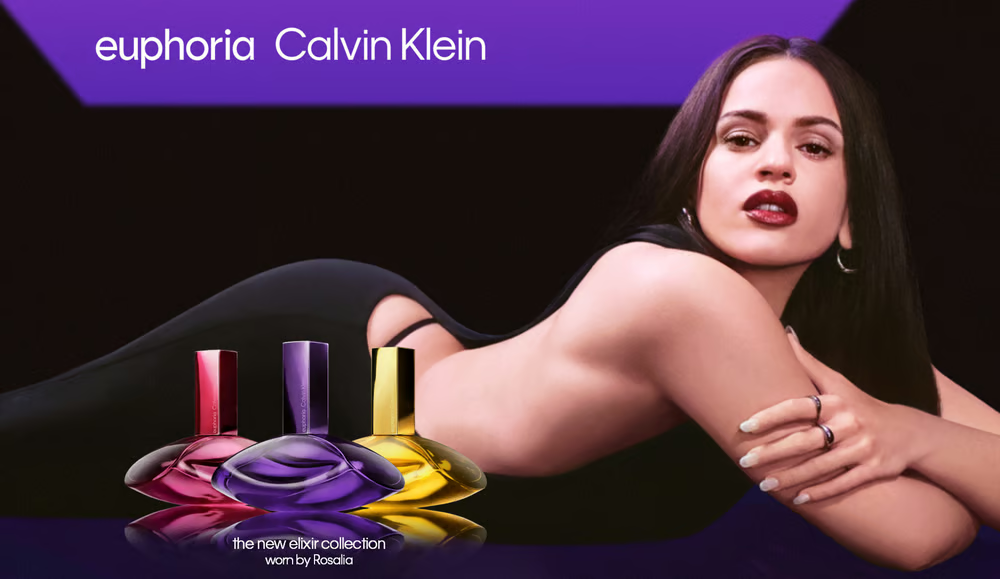 Following her Calvin Klein underwear debut in 2025, Rosalía’s move into the euphoria elixirs fragrance campaign turned a one-off endorsement into an ongoing brand relationship, rolling out across calvinklein.com, Macy’s, Ulta, and travel-retail pop-ups from Frankfurt to Barcelona. Using an artist’s own music as the campaign soundtrack gives the creative built-in reach with her audience. This winning social media campaign proved that a sustained ambassador partnership compounds across launches, carrying brand values to new social media users each time.
Example 2: adidas Single Shoe service (2026)
Sometimes the most powerful campaigns aren’t ads at all. After amputee runners and campaigners spent years asking why they had to pay full price for a pair when they only needed one shoe—a frustration that spread widely on TikTok—adidas answered by launching a Single Shoe service, letting customers buy just the shoe they need at half the price of a full pair.
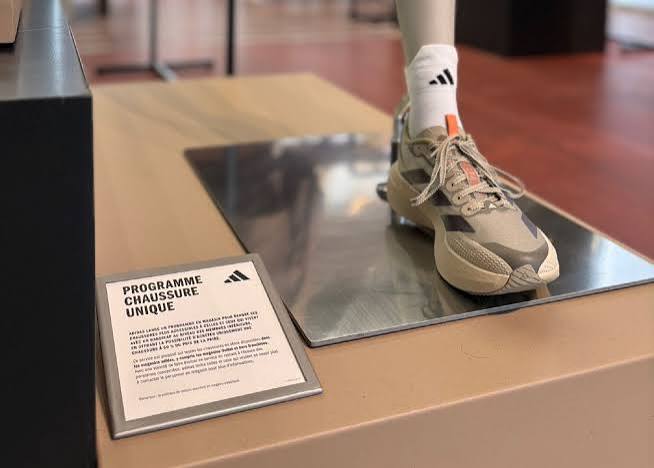 Built in consultation with the community, including ParalympicsGB, the service went live across 23 European countries and earned a wave of organic praise and press coverage money can’t buy. One campaigner who walked out of a store with a single shoe summed up the response: “for once, I wasn’t the problem.” Acting on what your audience actually asks for—rather than just picturing inclusion in your marketing—builds genuine brand loyalty. This is a great example of how living your brand values generates more goodwill than any paid campaign.
Example 3: Visit Oslo’s “Is It Even a City?” campaign
Tourism marketing usually involves sunny beaches and smiling families. Visit Oslo went the opposite direction with a self-deprecating social campaign that jokingly questioned whether their capital city was even worth visiting.
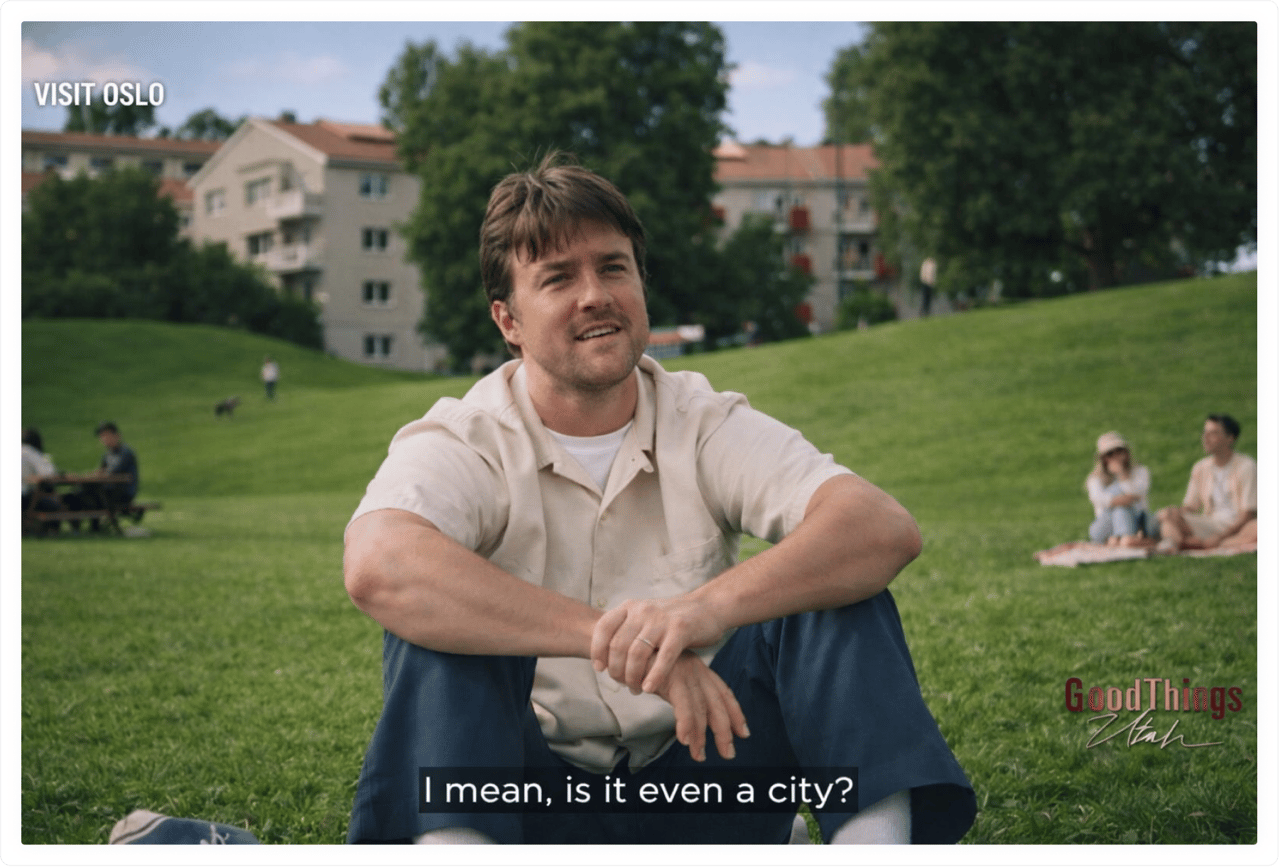
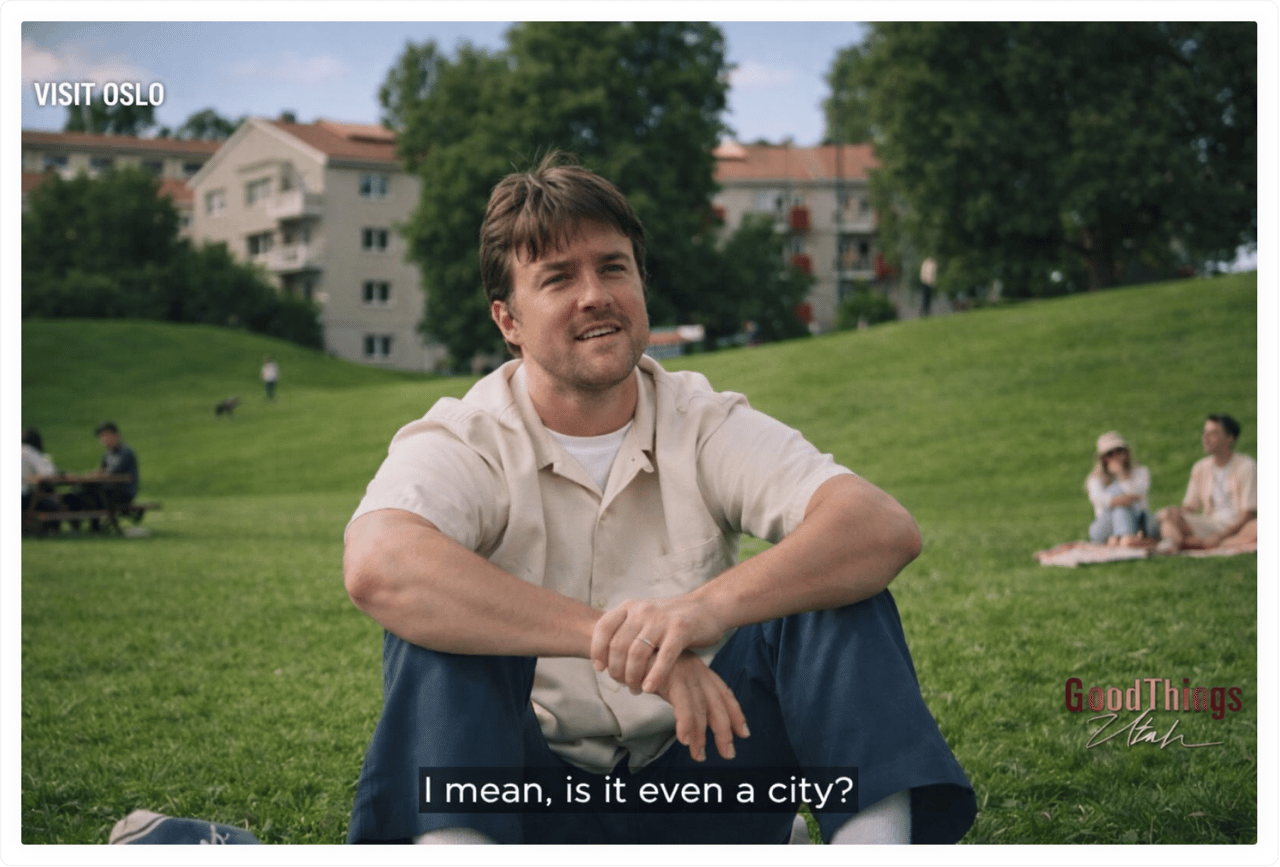
The reverse psychology approach worked brilliantly. By acknowledging Oslo might not be for everyone (with a wink), they cut through the noise of typical destination marketing. The campaign went viral globally and drove significant tourism interest through sheer authenticity. Many brands have tried to replicate this approach since.
User-generated content campaign examples
UGC campaigns are gold because someone else creates content for you—and that content typically performs better than anything your internal teams could produce. According to Salesforce research, campaigns incorporating user-generated content see a 50% increase in engagement compared to brand-only content.
Example 4: Olipop’s #SleepyGirlMocktail organic trend (2024)
Sometimes the best UGC campaigns start without the brand’s involvement at all. Olipop noticed TikTok users were combining their drinks with sleep-promoting ingredients and calling it the “Sleepy Girl Mocktail.”
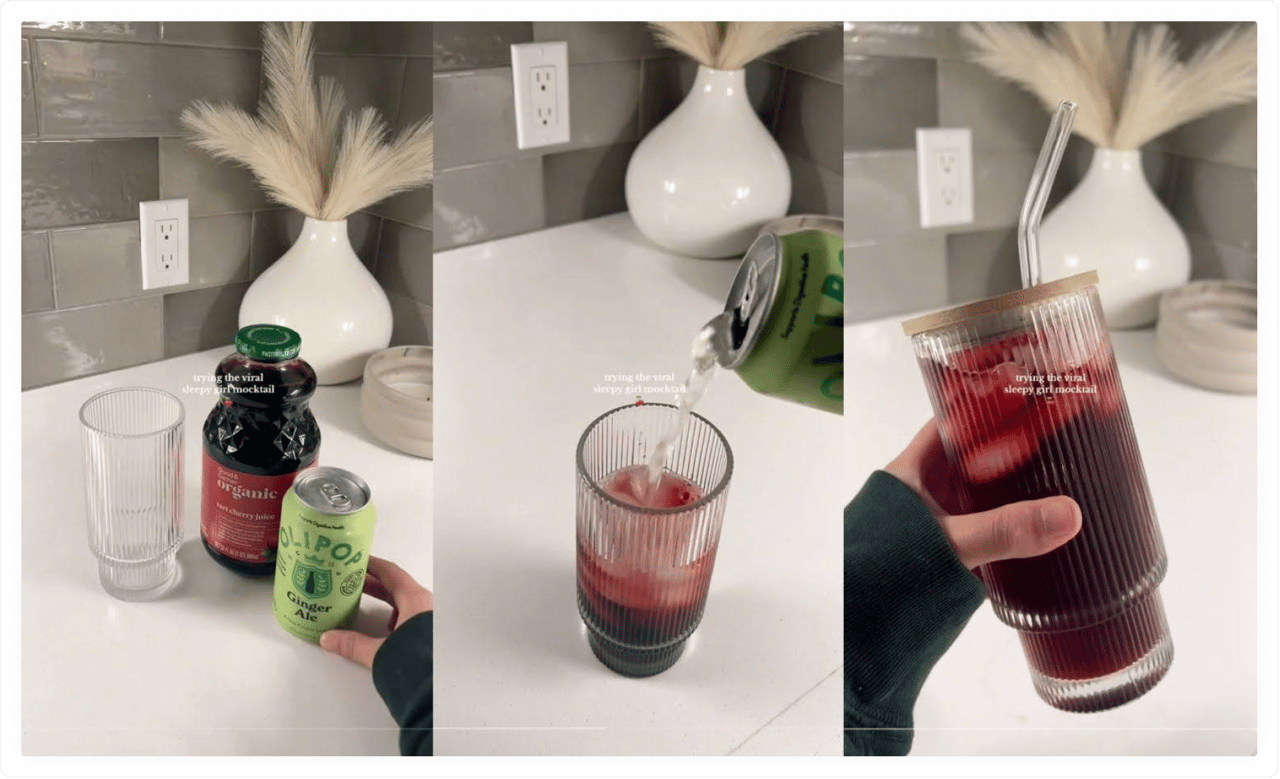
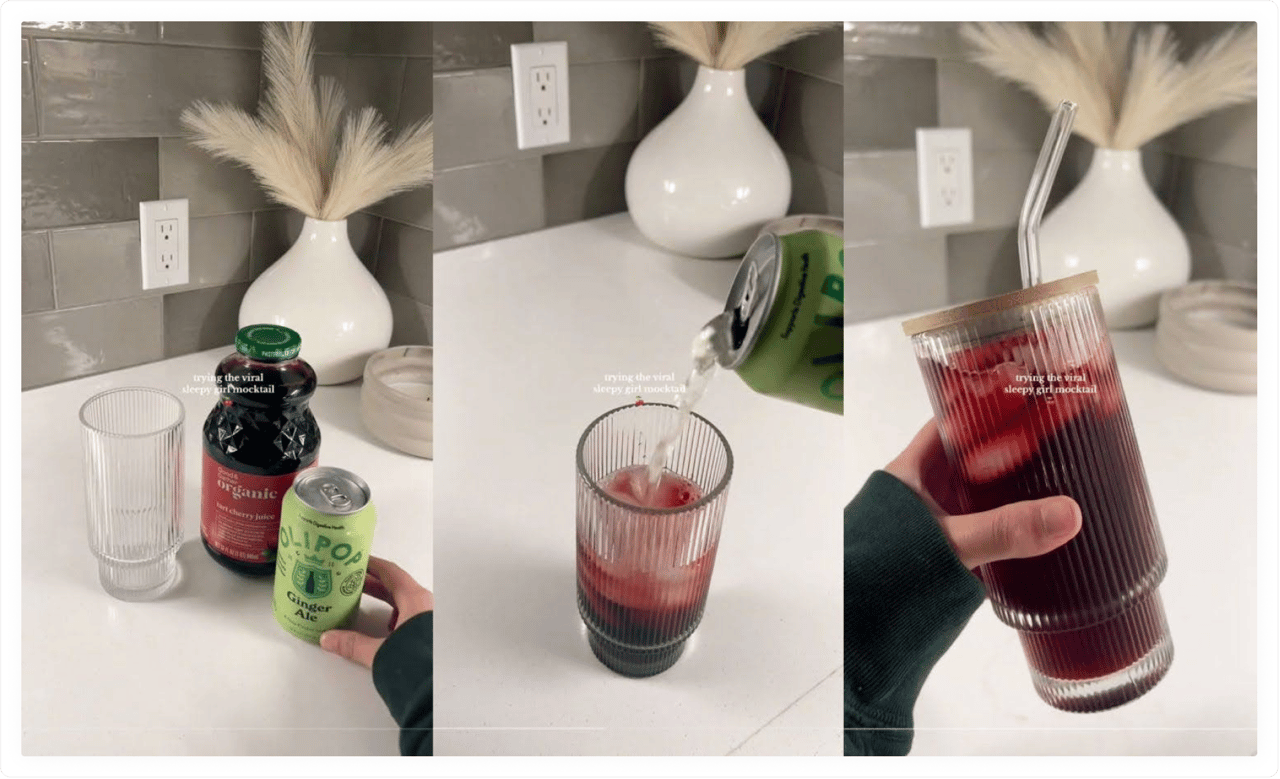
Instead of trying to control the narrative, Olipop amplified the organic trend and encouraged users to share their own stories. The result: 570 million media impressions and 50 million TikTok views without any paid spend. Monitor social media for organic trends featuring your product and amplify them authentically—don’t try to manufacture what’s already happening naturally. The campaign’s success came from trusting the audience.
Example 5: Spotify 20: Your Party of the Year(s) (2026)
Spotify has turned personal data into the ultimate user-generated content engine, and for its 20th birthday it went bigger than Wrapped. The “Spotify 20: Your Party of the Year(s)” experience let users revisit their entire listening history—their first-ever song, their all-time top artist, and a playlist of their 120 most-played tracks—with every milestone packaged as a shareable card.
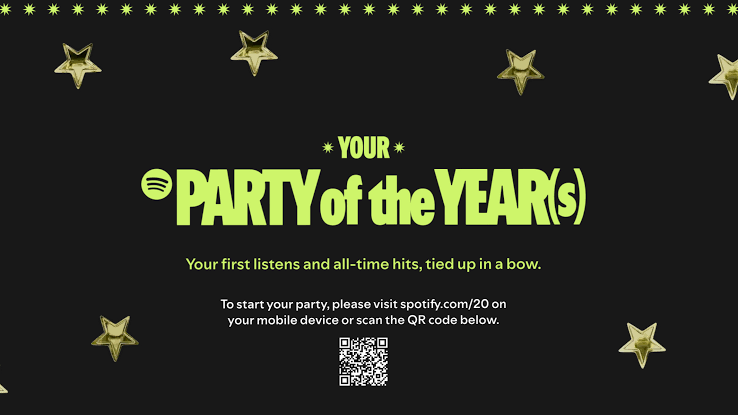 Available on mobile across 144 markets in 16 languages, the experience gave hundreds of millions of social media users a reason to post about themselves—and, by extension, about Spotify. Handing people personalized stories about their own lives is one of the most reliable ways to encourage users to create content for you. This effective campaign proved that the best UGC campaigns make the customer, not the brand, the star.
Example 6: Fireball’s #FireballFriday ongoing campaign
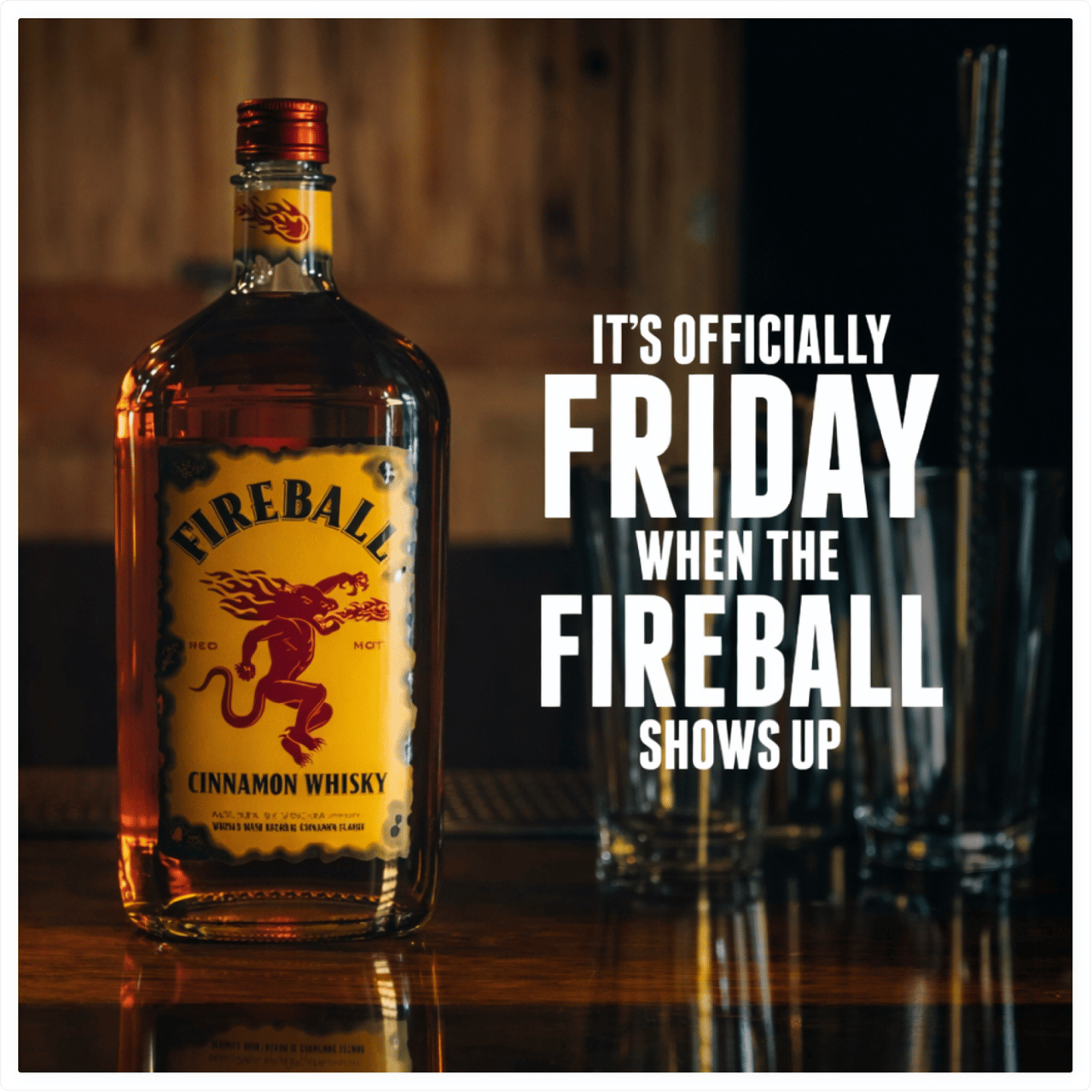
Rather than running one-off campaigns, Fireball created an ongoing framework. Every Friday, fans share creative ways they enjoy the cinnamon whiskey using the branded hashtag, with top submissions featured on the brand’s Instagram page weekly.
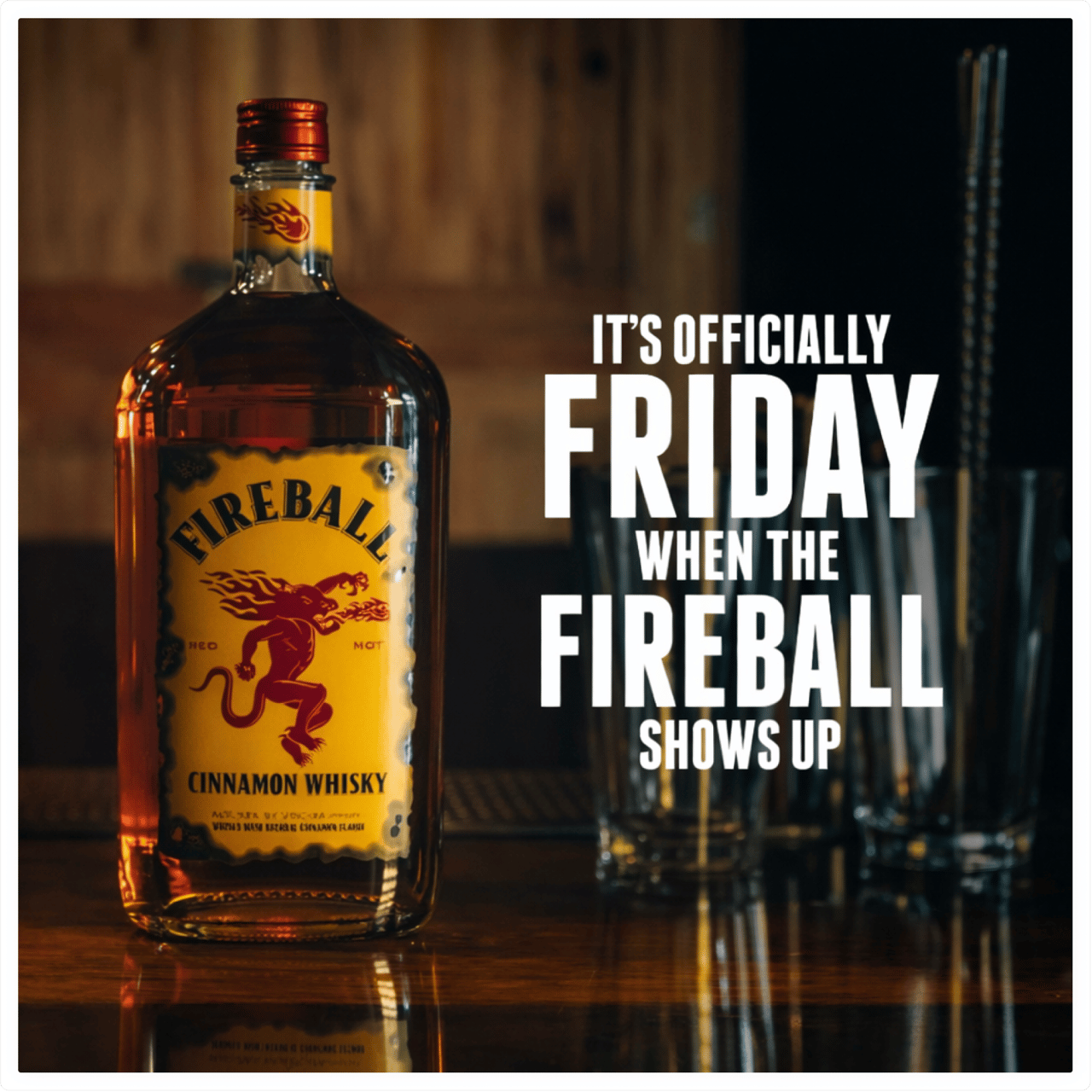
This approach creates a continuous stream of authentic content and keeps the community engaged without requiring constant new campaign launches. Ongoing UGC frameworks build sustainable content creation pipelines and turn existing customers into brand advocates who regularly contribute social media content ideas.
Example 7: RSPB’s “Bird of the Week” TikTok series (2024)
Who knew a British bird charity could crack TikTok’s code? The Royal Society for the Protection of Birds combined bird facts with meme culture and Gen Z humor, inviting viewers to suggest which birds should be featured next.
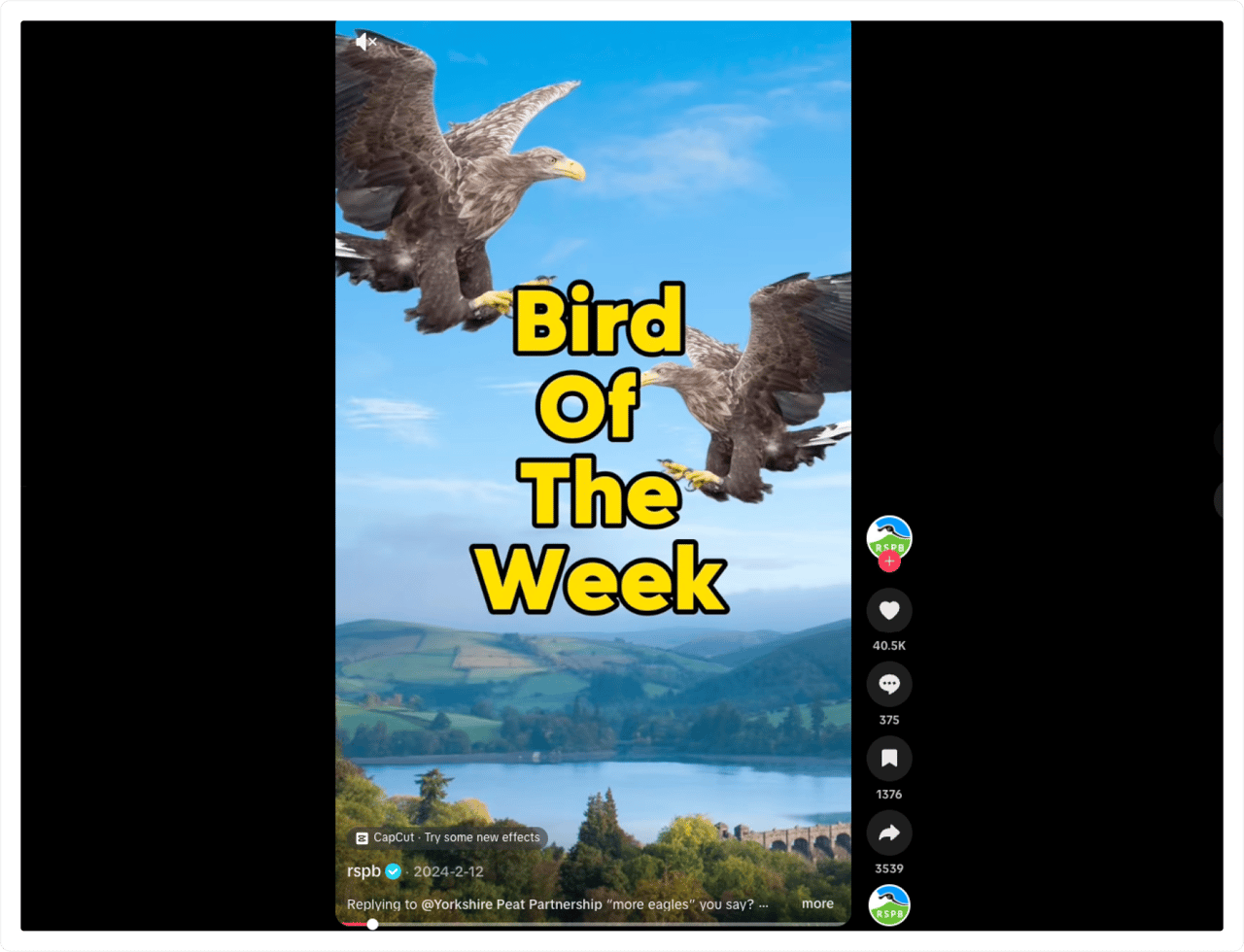
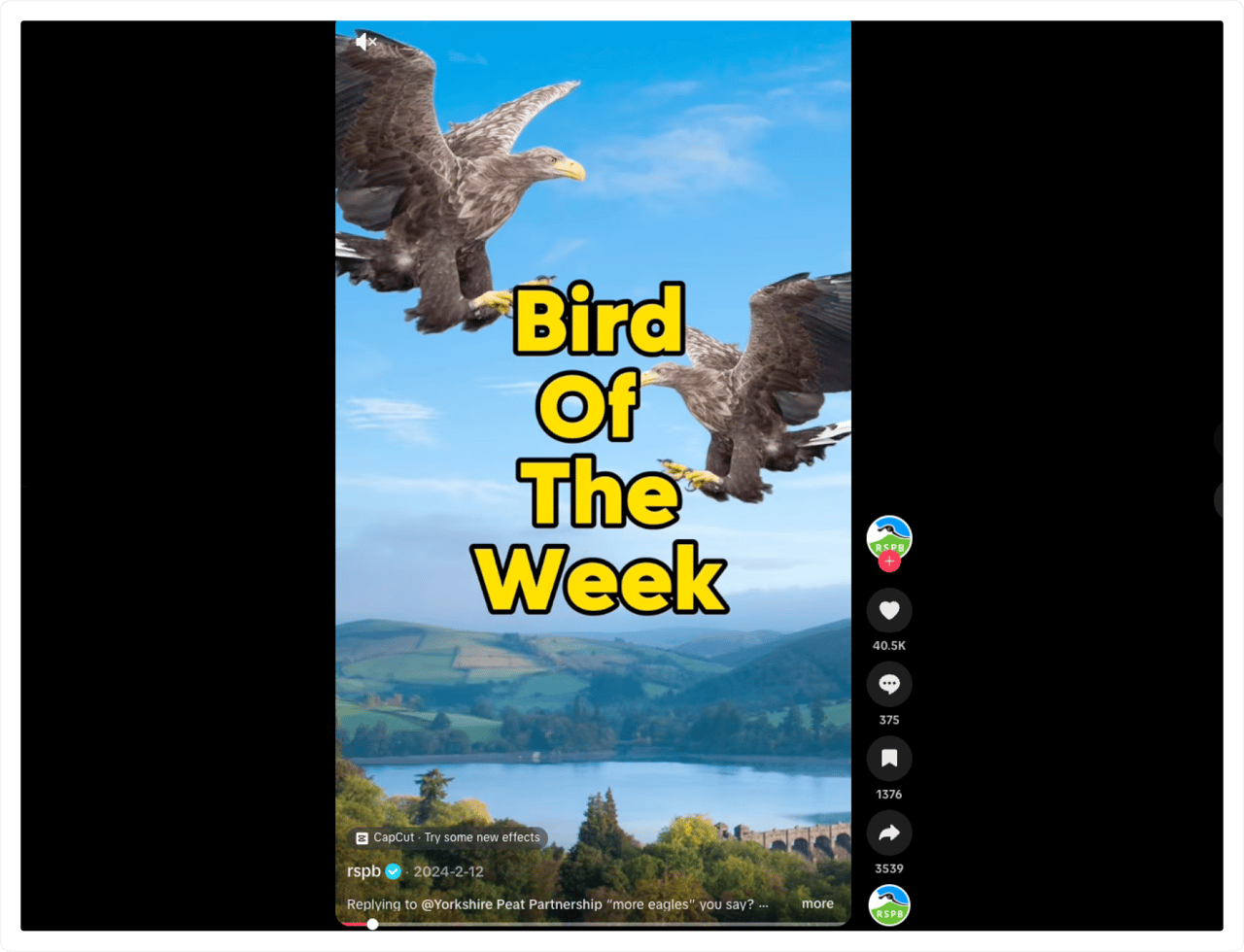
The series drove 190% follower growth (reaching 175K), 37 million views, and 4.9 million likes. More importantly, it increased young membership signups. Educational content wrapped in entertainment performs even for traditional organizations—you don’t need to be a trendy brand to win on TikTok. This campaign celebrates what happens when you understand your wider audience.
Influencer marketing campaign examples
Influencer partnerships remain one of the most effective ways to reach new audiences through trusted voices. But the best influencer marketing campaigns go beyond simple sponsorships and integrate with your other marketing efforts.
Finding the right creator for your brand is where many campaigns win or lose before they even launch — and it's worth checking out Tiger Finder for this. It's an AI-powered TikTok influencer discovery tool that lets you describe the type of creator you need in plain language, and analyzes actual visual content to surface matching profiles in about 45 seconds.


Example 8: Calvin Klein x Bad Bunny (2025)
Calvin Klein continued its legacy of iconic underwear campaigns by partnering with global superstar Bad Bunny for their Spring 2025 Icon Cotton Stretch launch. Shot by renowned photographer Mario Sorrenti in Puerto Rico, the campaign featured the 3x Grammy Award winner dancing to his hit song "EoO" from his album Debí Tirar Más Fotos.
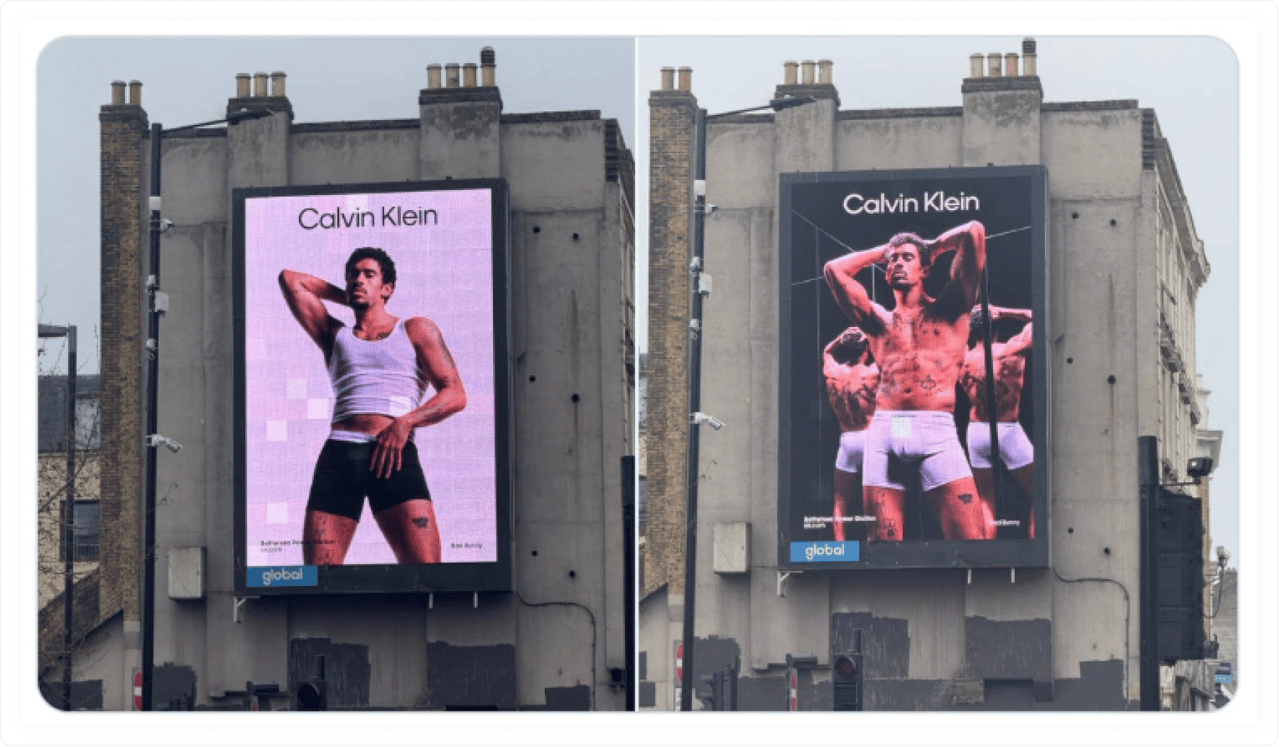
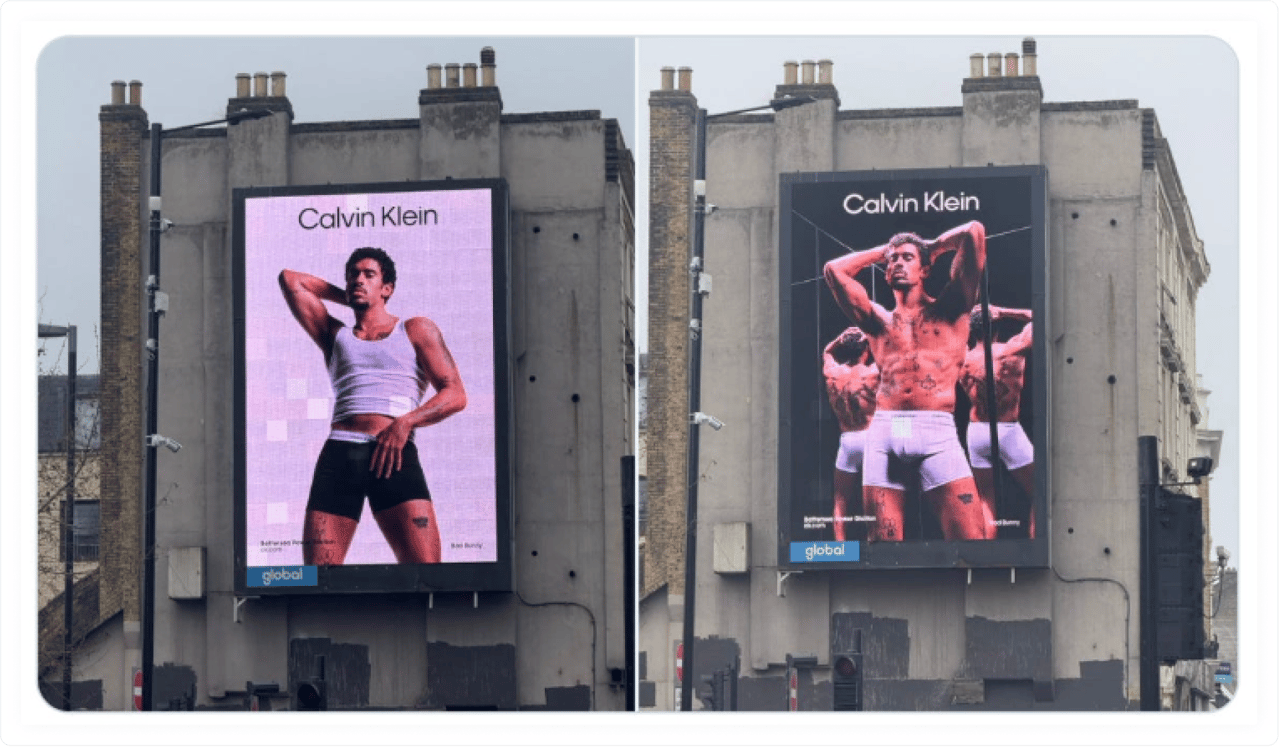
The campaign generated $8.4 million in media impact value in less than 48 hours, with more than 3.7 million likes across Instagram and TikTok and over 56 million video views. By timing the partnership with the momentum from Bad Bunny's album release and leveraging his massive global fanbase—90 billion Spotify streams and 47 million Instagram followers—Calvin Klein created a campaign that resonated across cultures and demographics.
This successful social media campaign demonstrated how aligning with artists at the peak of their cultural relevance amplifies reach exponentially.
Example 9: Wet n Wild #BiggerIsBetter mascara launch
For their mascara launch, Wet n Wild partnered with artist JVKE to create custom campaign audio, then collaborated with Bella Poarch and other top creators for a branded hashtag challenge on TikTok.
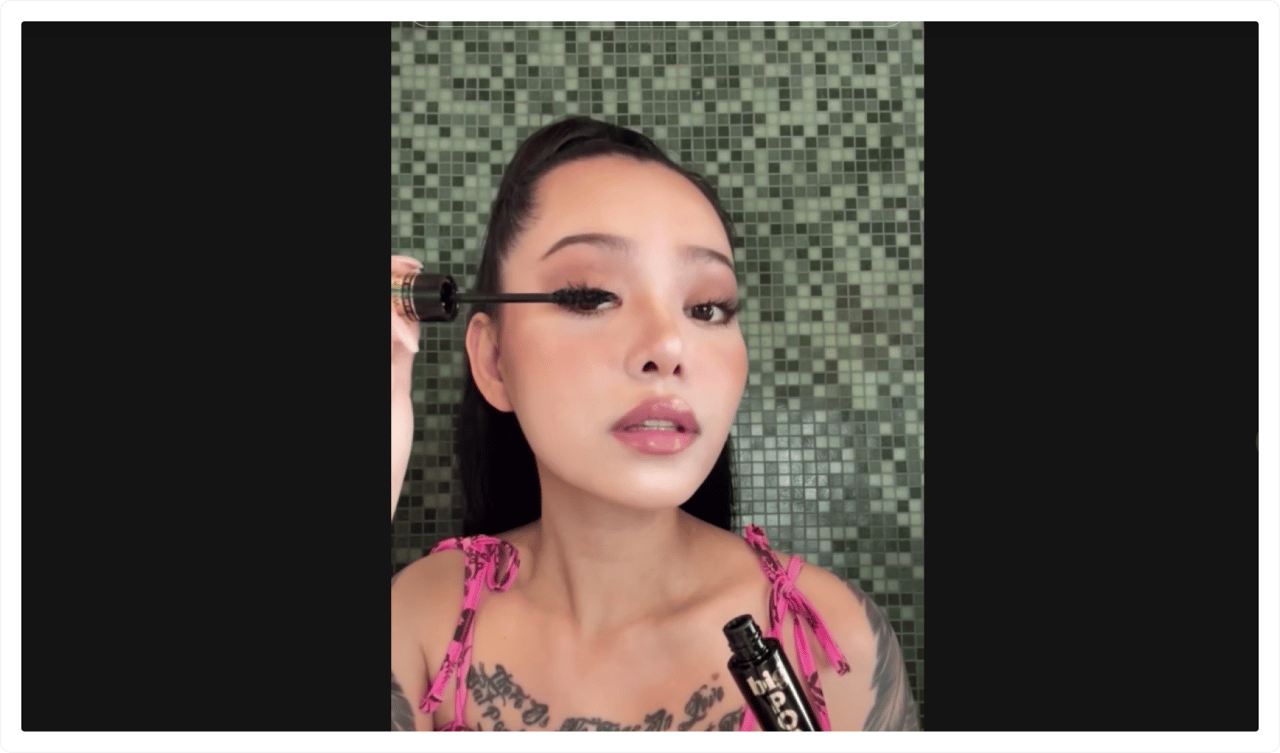
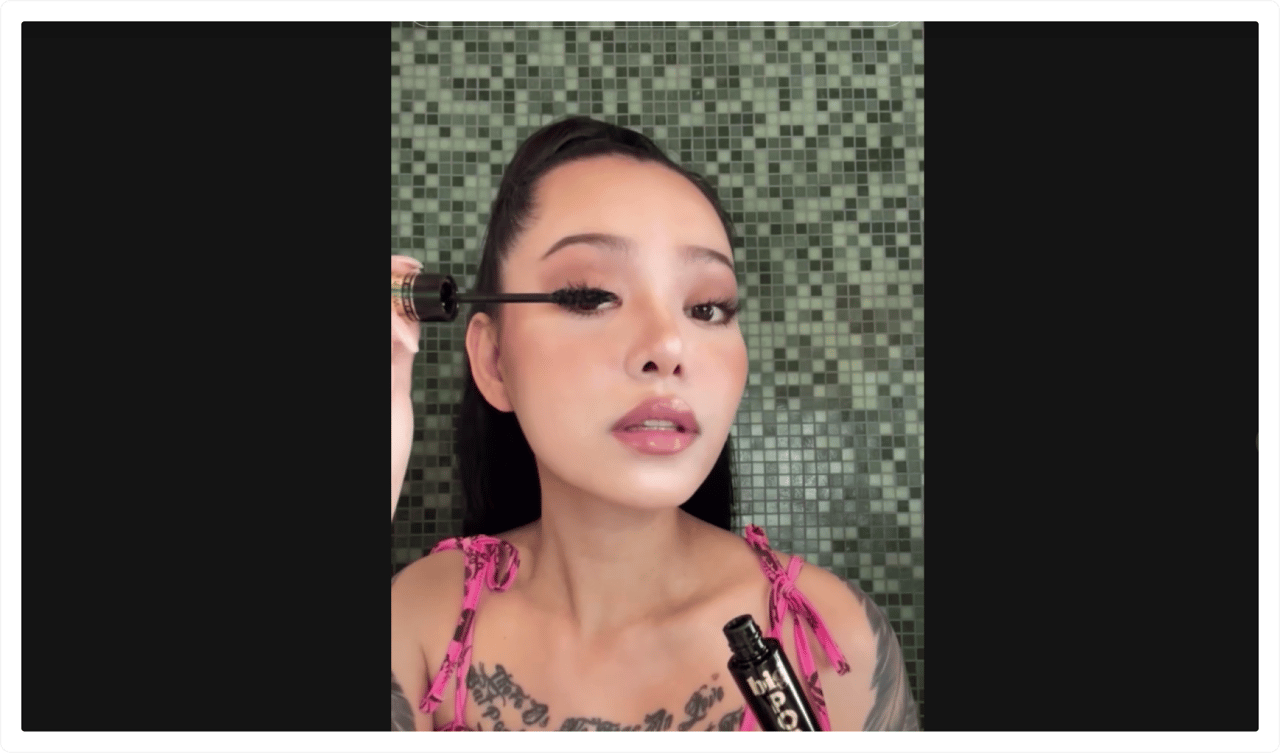
The campaign generated 1.5 million user-created videos, achieved a 13.7% TopView engagement rate, and drove a 9.6% increase in brand awareness. Custom audio combined with multi-creator partnerships amplifies hashtag challenges significantly. This is one of the best social media campaigns for demonstrating how to encourage participation at scale.
Example 10: Porsche’s multi-creator content partnerships
Luxury brands often struggle to feel accessible on social media. Porsche solved this by partnering with diverse creators, including pet duo Andrea & Paquito, car myth-buster @PushingPistons, and a stylish grandfather from Jaadie’s account.
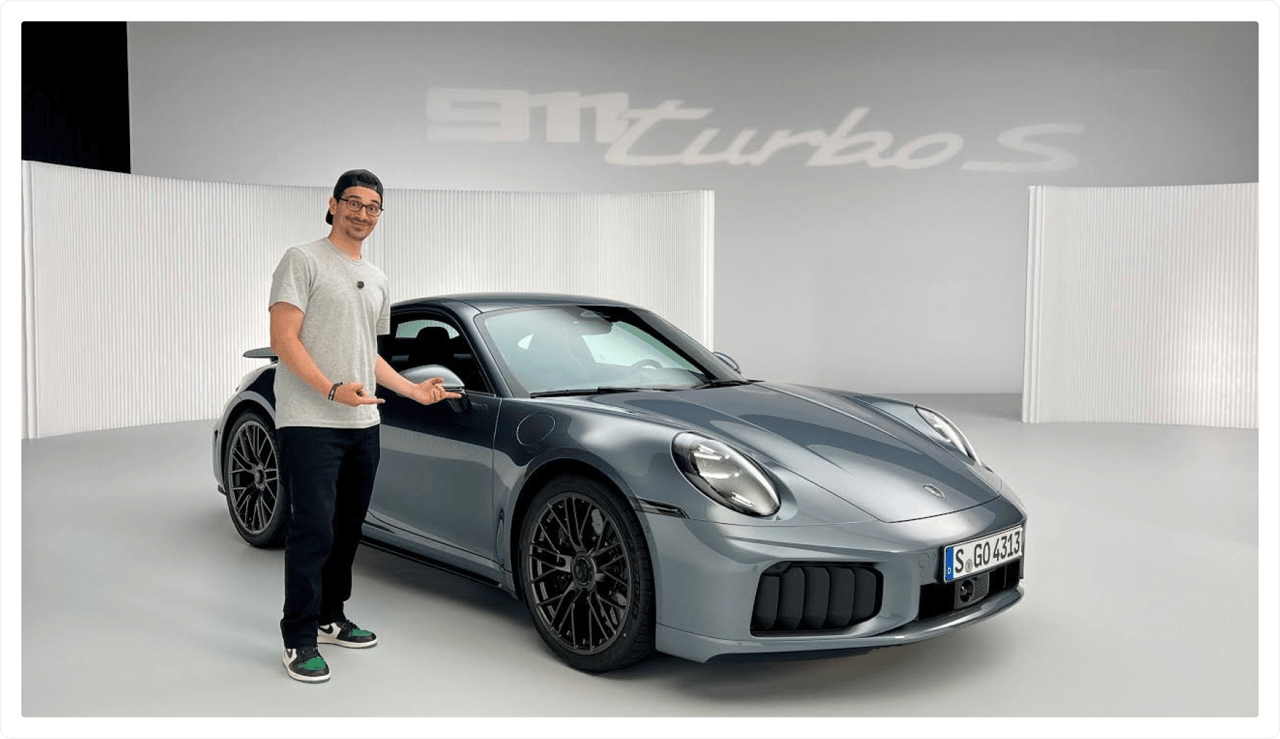
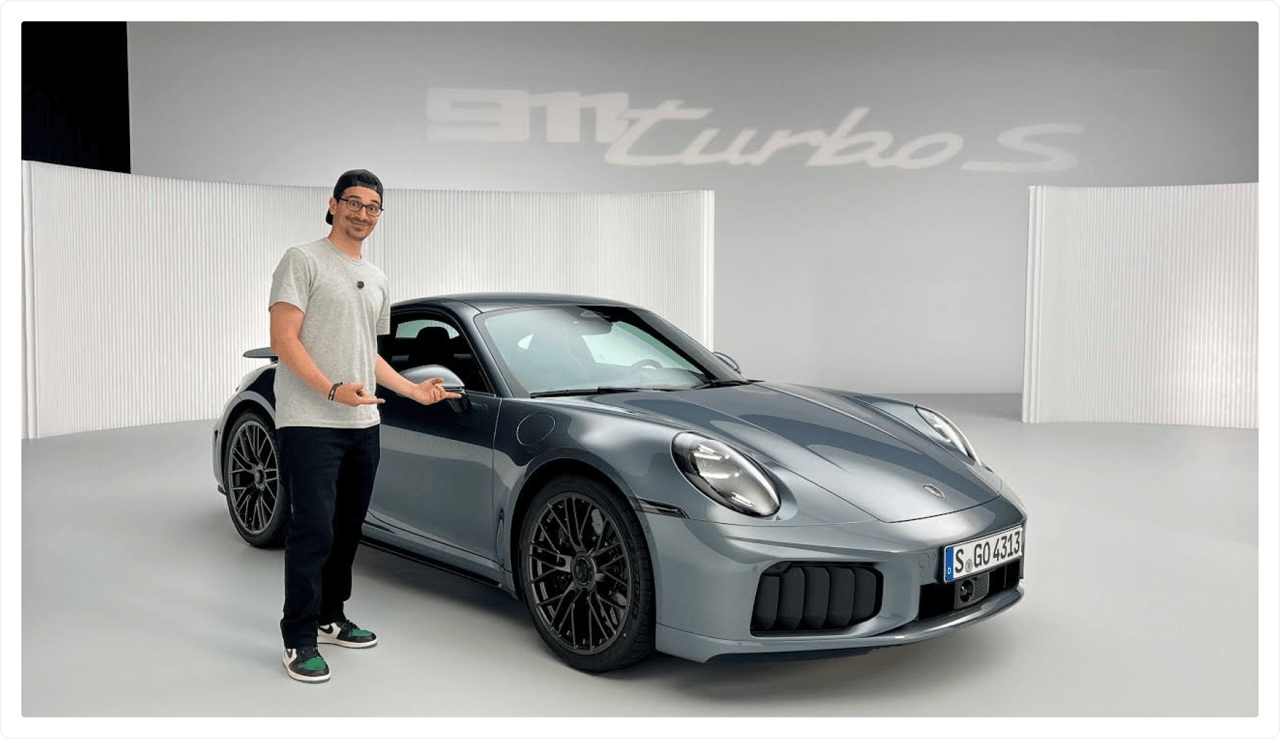
The mix of personalities helped the brand feel more relatable while maintaining its luxury positioning. Diverse creator partnerships help premium brands connect with audiences they might not otherwise reach. Their digital marketing approach proved that even luxury brands can build a personal connection with social media users.
Example 11: Dunkin’ x Charli D’Amelio “The Charli” drink
When Dunkin’ partnered with TikTok star Charli D’Amelio, they didn’t just pay for posts—they named a signature drink after her and created an ongoing content partnership. This deep integration drove hundreds of thousands of drink orders and delivered massive Gen Z brand awareness.
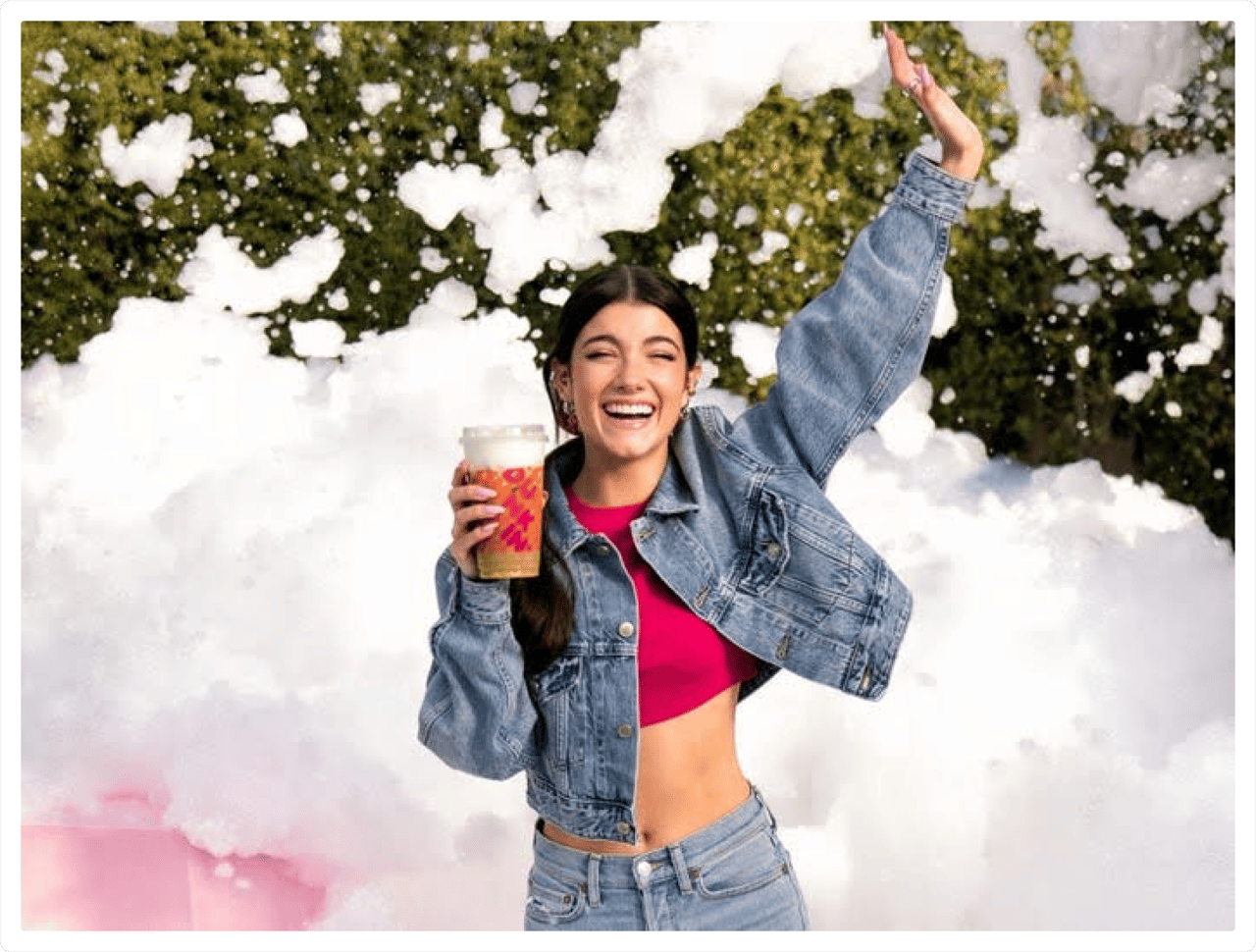
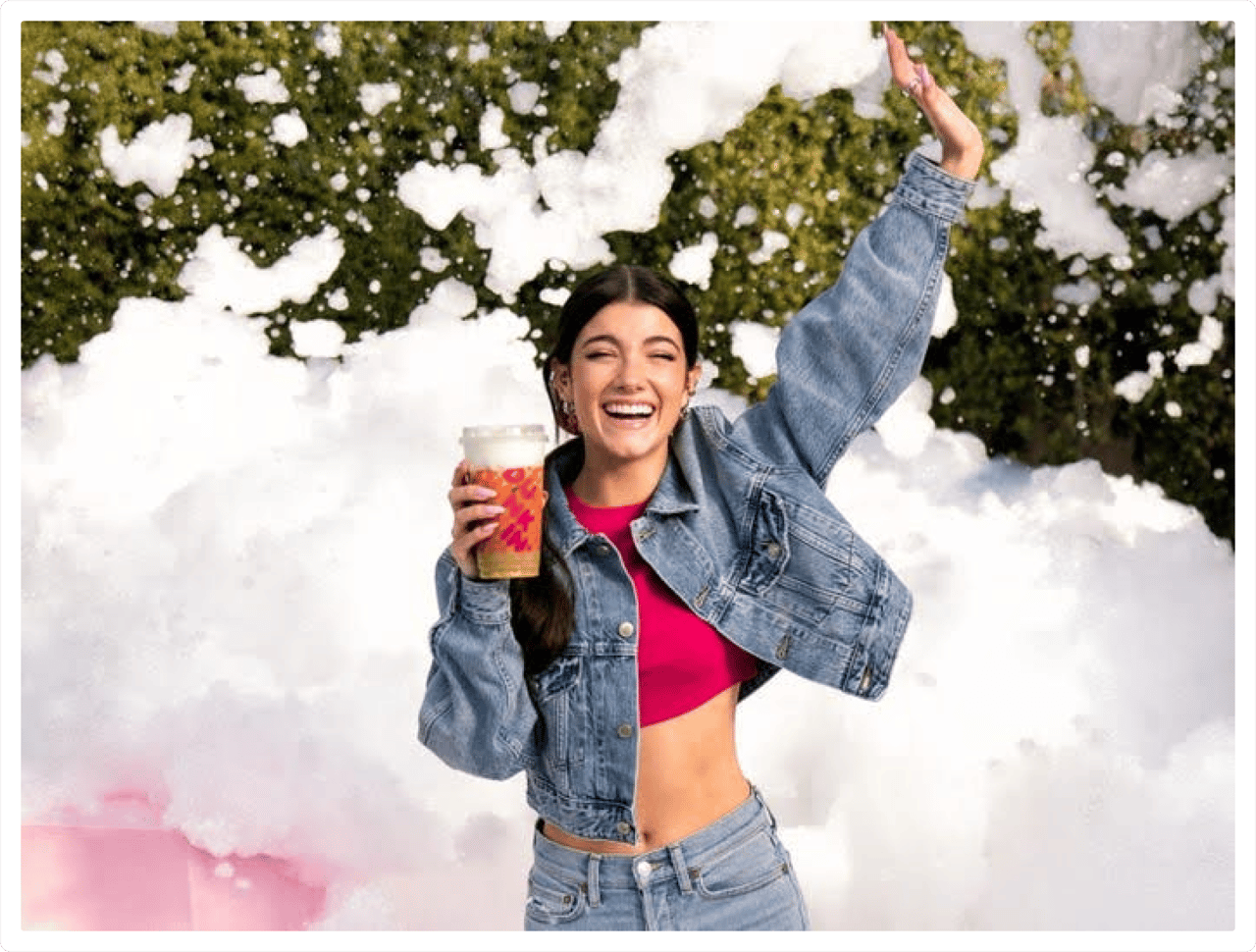
For a truly effective social campaign, a brand needs to embrace the first principles of marketing, which involves brand definition and consistent storytelling. The Dunkin’ partnership exemplified this through sustained narrative rather than one-off content, creating devoted brand advocates among younger consumers.
Product launch campaign examples
Launching a product on social media requires building anticipation, creating shareable moments, and converting attention into action. The lead-up matters as much as launch day itself.
Example 12: Gymshark x Bratz collection (2026)
Gymshark tapped into Y2K nostalgia with a limited-edition activewear collection co-branded with Bratz, the early-2000s fashion dolls. A late-May teaser lit up social media—fans flooded the comments tagging friends and joking that the brand finally had their money—before the four-piece capsule had even dropped.
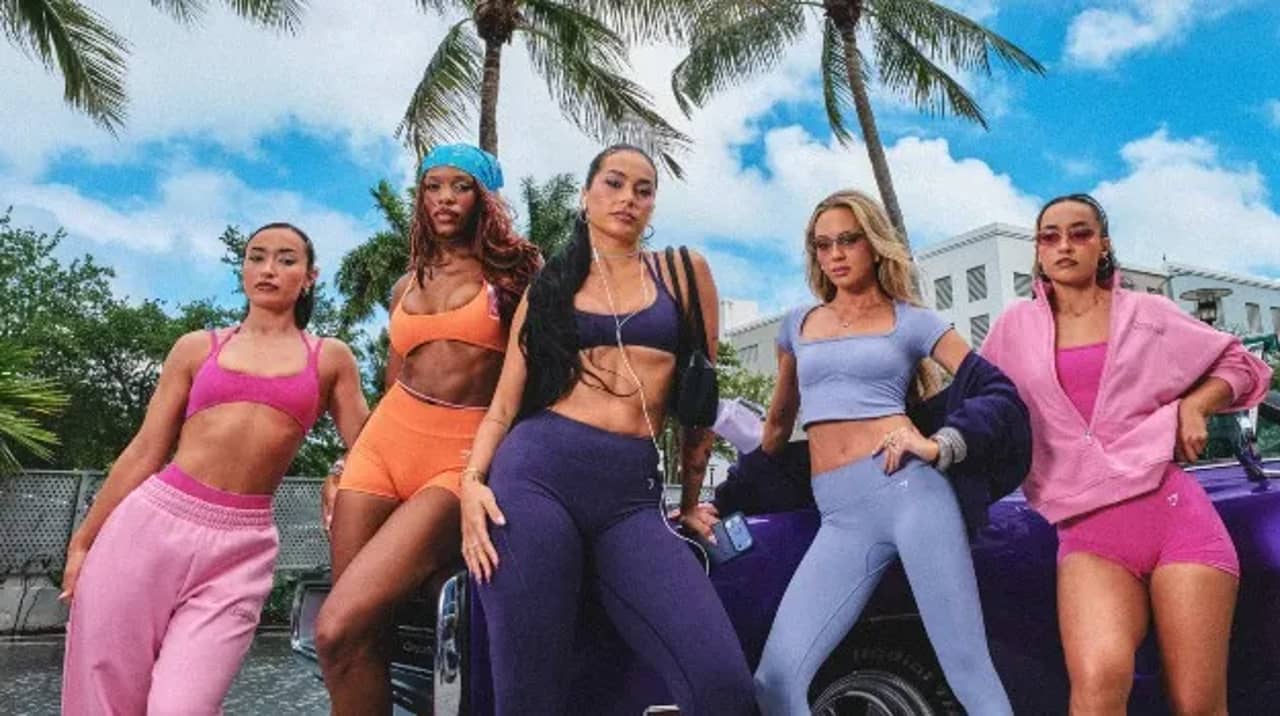
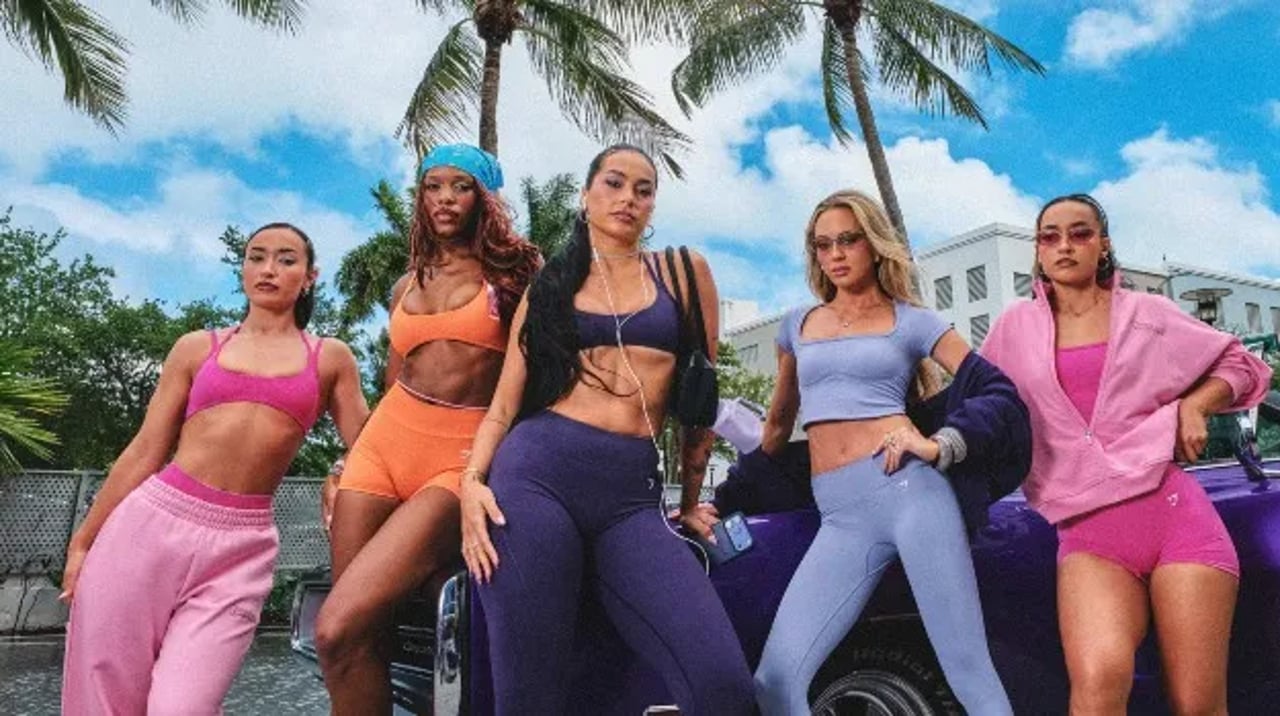
The launch was anchored by Gymshark’s own research (89% of women said their outfit affects how they perform) and a “bratified,” fully female-staffed pop-up gym in Miami. When the collection landed and some fans wanted bolder, more Bratz-coded designs, Gymshark leaned into the conversation rather than away from it. Nostalgia collabs generate enormous reach across multiple social media platforms—but this campaign also showed that listening to community feedback is part of the launch, not an afterthought.
Example 13: PlayStation 5 launch campaign
Sony built anticipation for the PS5 through teaser content released over months, gaming influencer partnerships, and shareable unboxing moments designed to spread across social media channels.
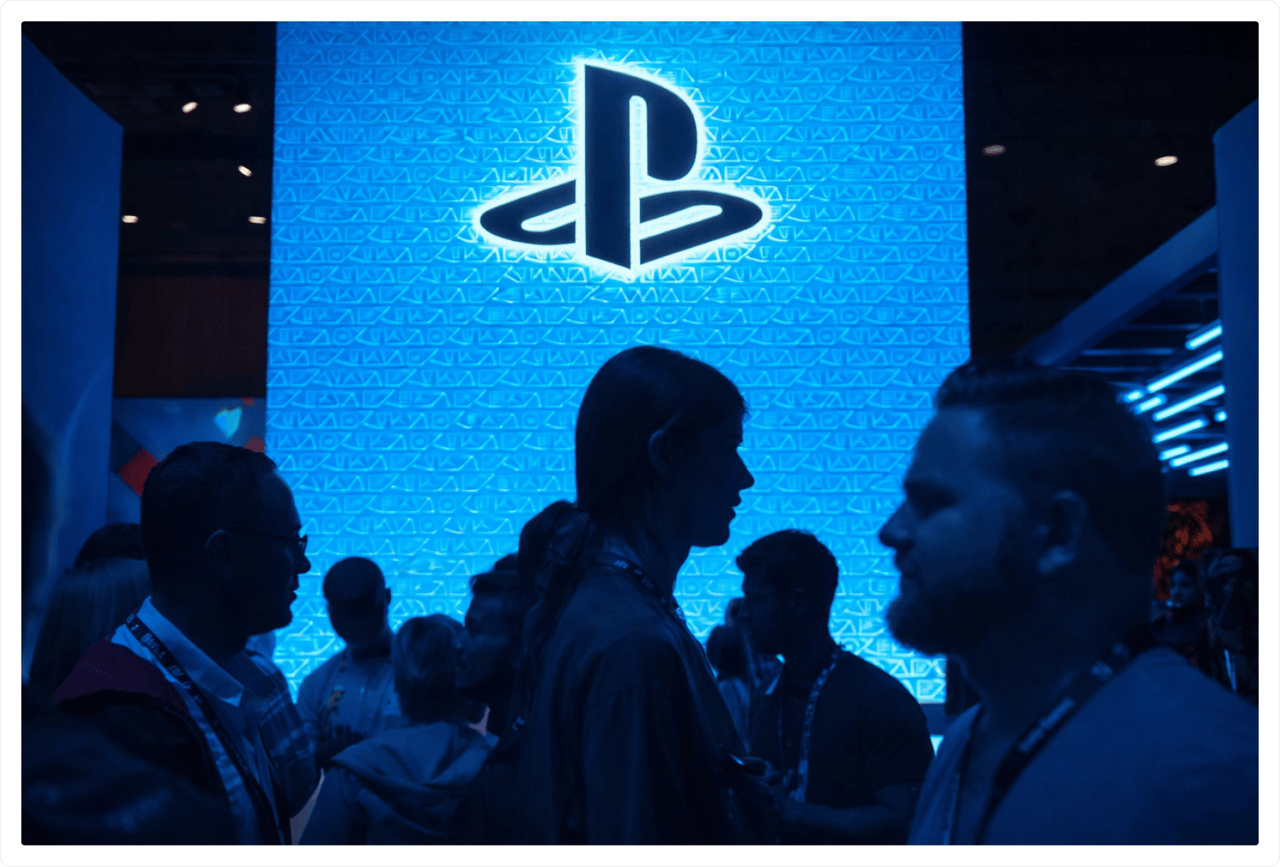
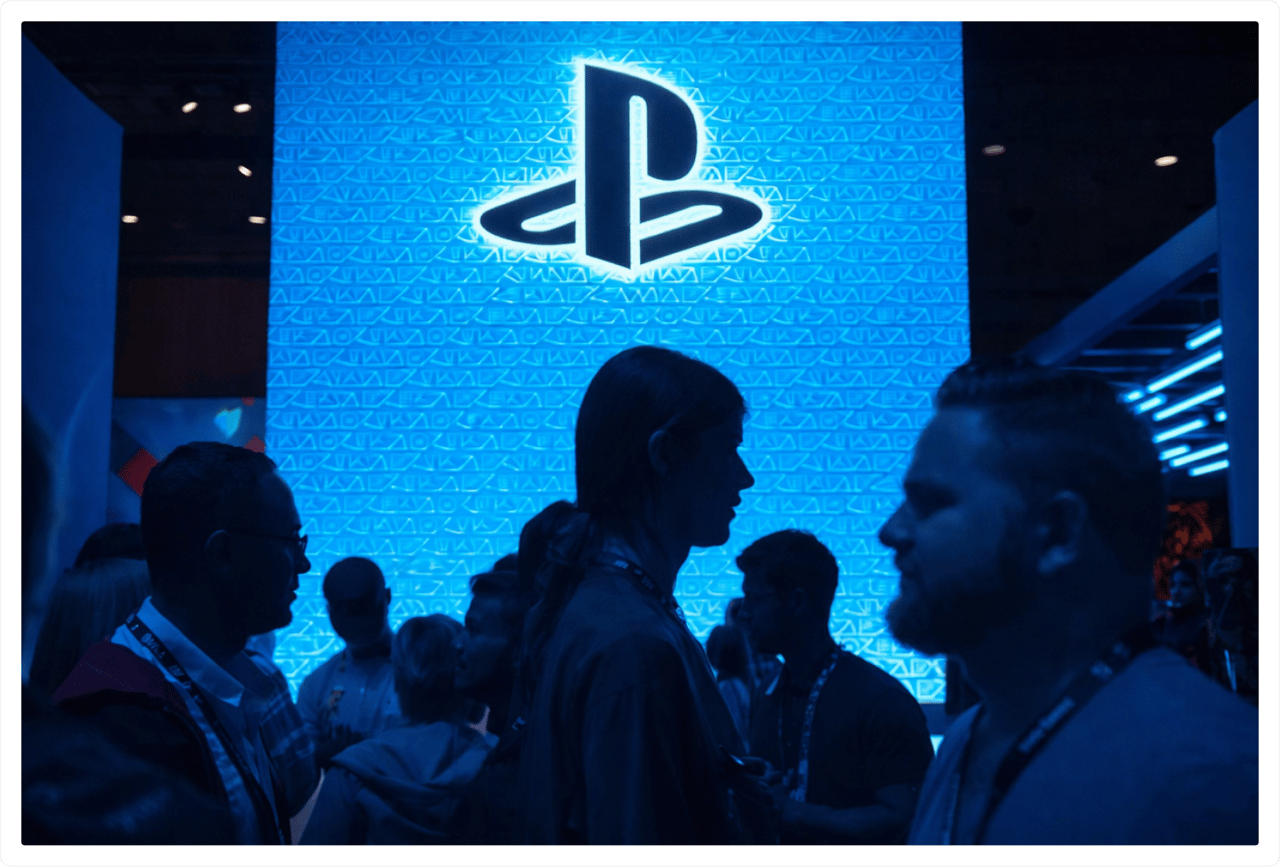
The result: the fastest-selling console in history. The campaign dominated social conversation during the launch window by orchestrating content that built toward a concentrated moment. The company launched with a social media strategy that complemented their other marketing efforts perfectly.
Example 14: Skims Campus Collection x RushTok (2025)
Skims timed its Campus Collection launch—basics like camis, hoodies, and sweatpants—to coincide with the viral RushTok trend. The brand featured more than a dozen real college students, including three University of Alabama friends who built a combined TikTok following of over 300,000 during RushTok.
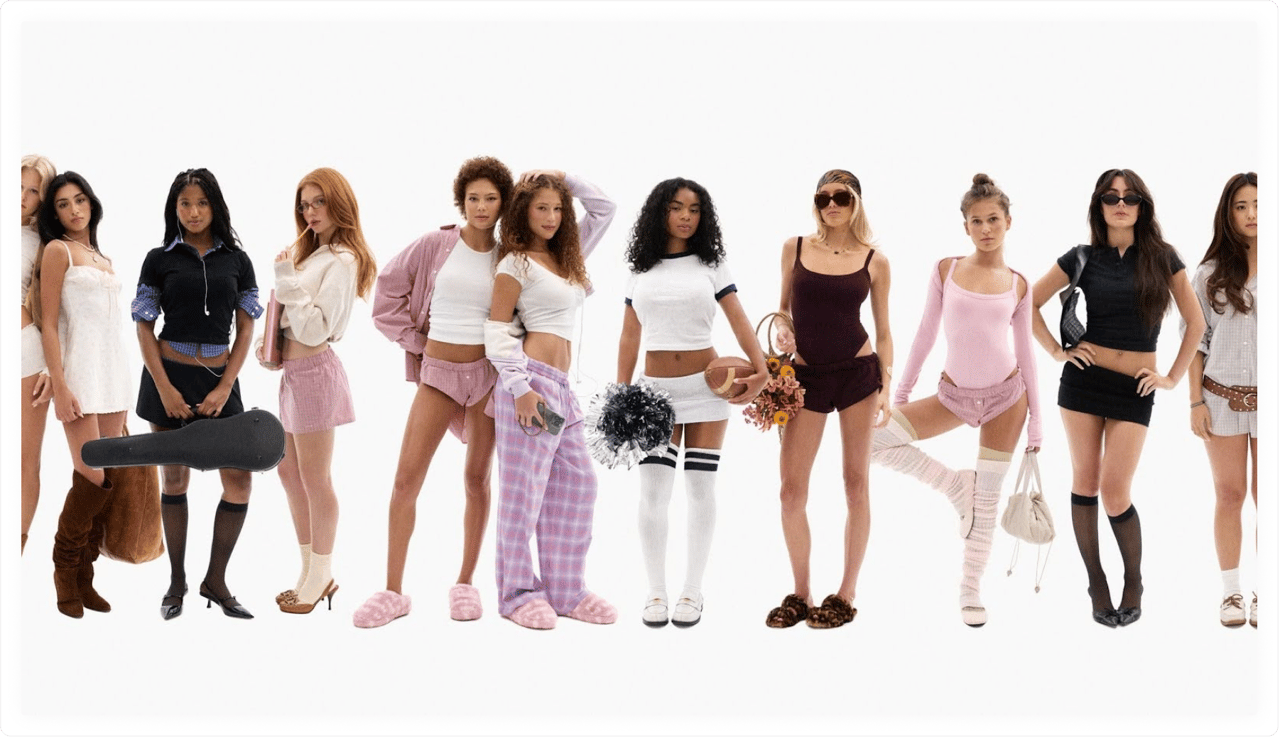
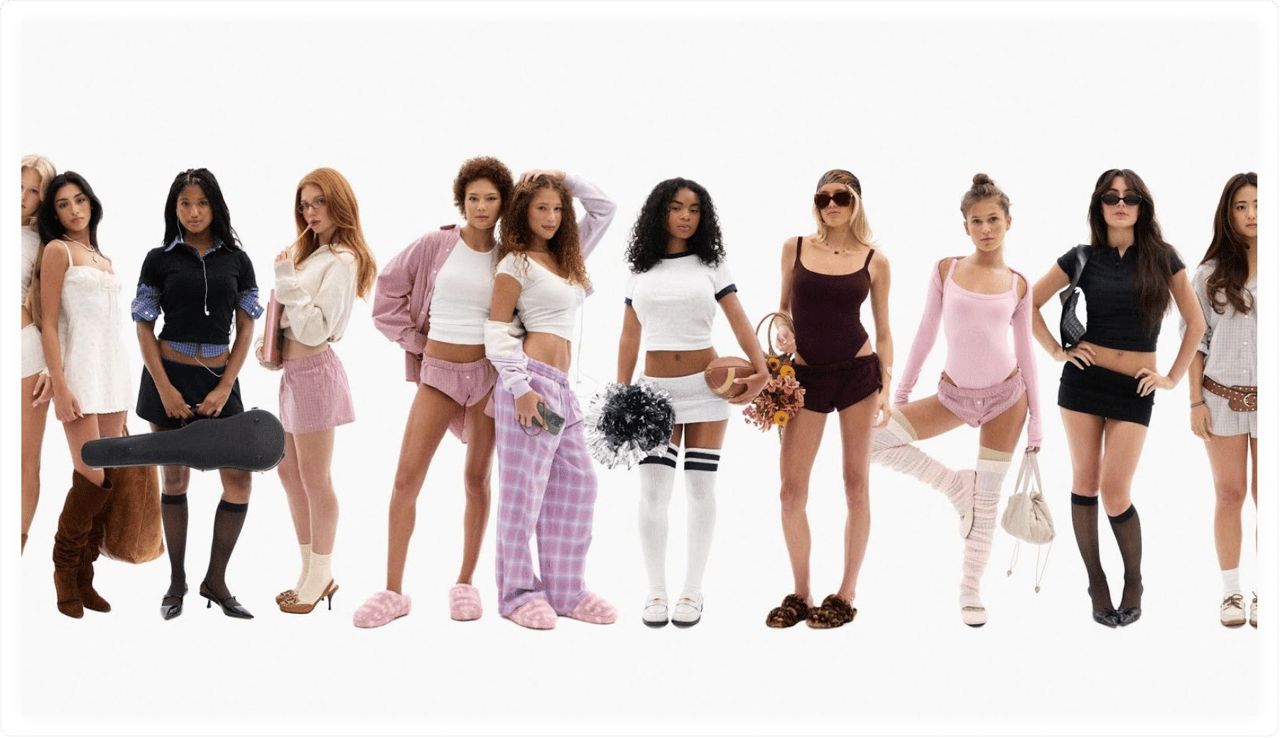
The campaign dropped just as upperclassmen returned to campus for sorority rush, featuring students from schools nationwide. By casting real students with existing followings instead of professional influencers, Skims created authentic content that resonated with Gen Z. This launch shows how timing campaigns around cultural moments your audience already cares about builds credibility that polished celebrity campaigns can't match.
Hashtag campaign examples
Branded hashtags give people a way to participate in your campaign and help you track performance. The best ones become movements that encourage users to join in.
Example 15: NYX #TrueIDCard campaign (France)
NYX France addressed a real issue: French ID cards require people to remove makeup, which many felt erased part of their identity. The brand partnered with creators like Bilal Hassani to highlight this problem and invited users to request their own “True ID.”
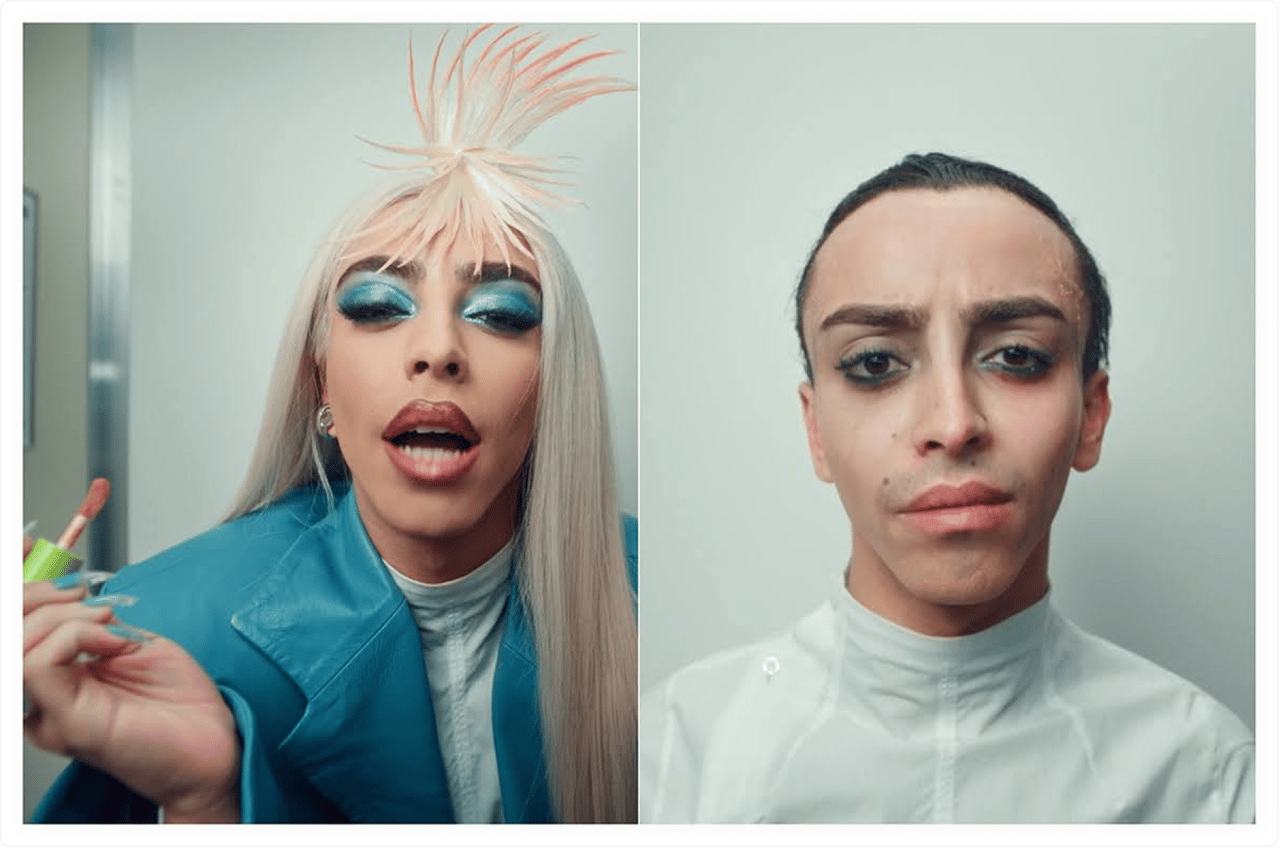
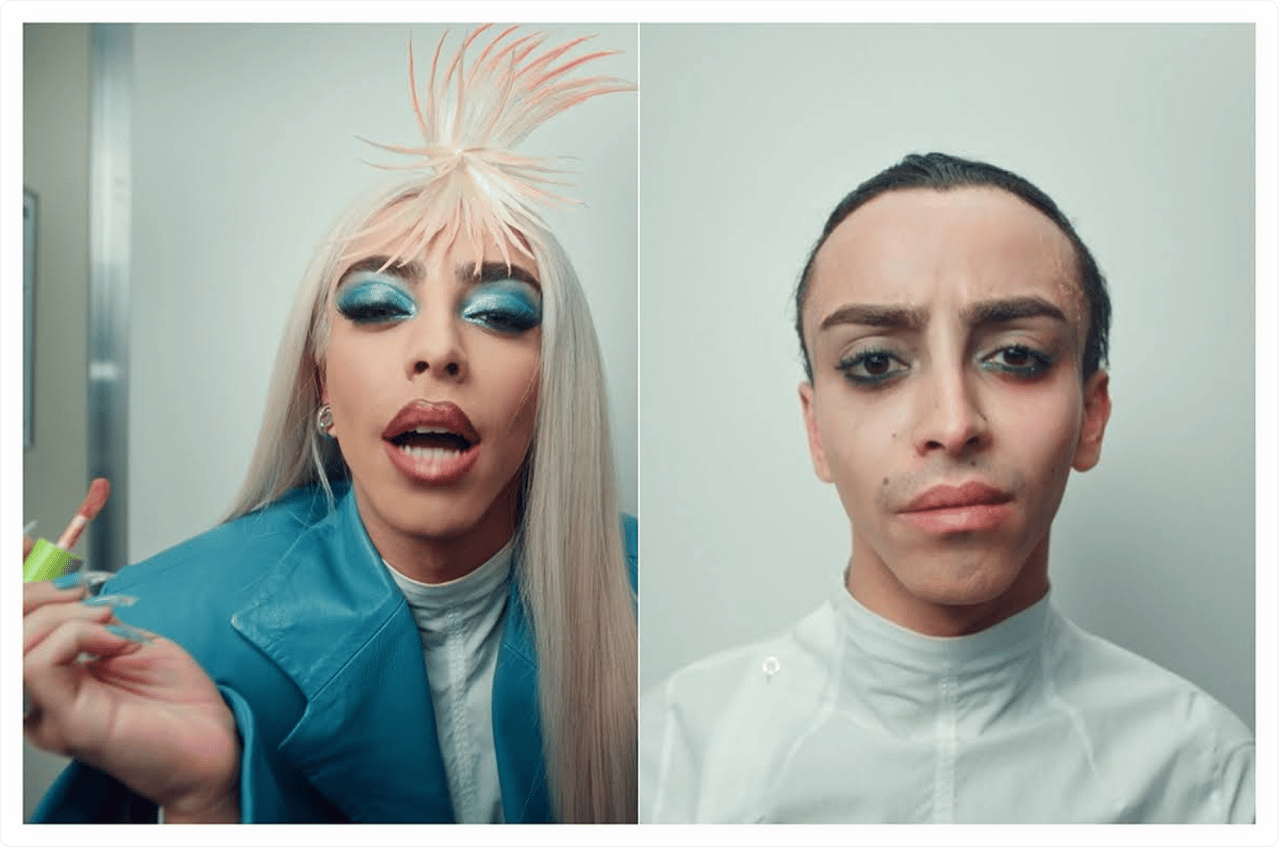
Over 20,000 people requested True IDs, and NYX France saw a 20% sales increase—their best sales month ever. Campaigns addressing genuine social issues resonate deeply when they align with your brand values. This campaign proved that taking a stand can drive more sales when done authentically.
Example 16: Chipotle’s #GuacDance challenge
Chipotle challenged TikTok users to show their love for guacamole through dance on National Avocado Day. The timing was perfect, the ask was simple, and the branded hashtag tracked everything.
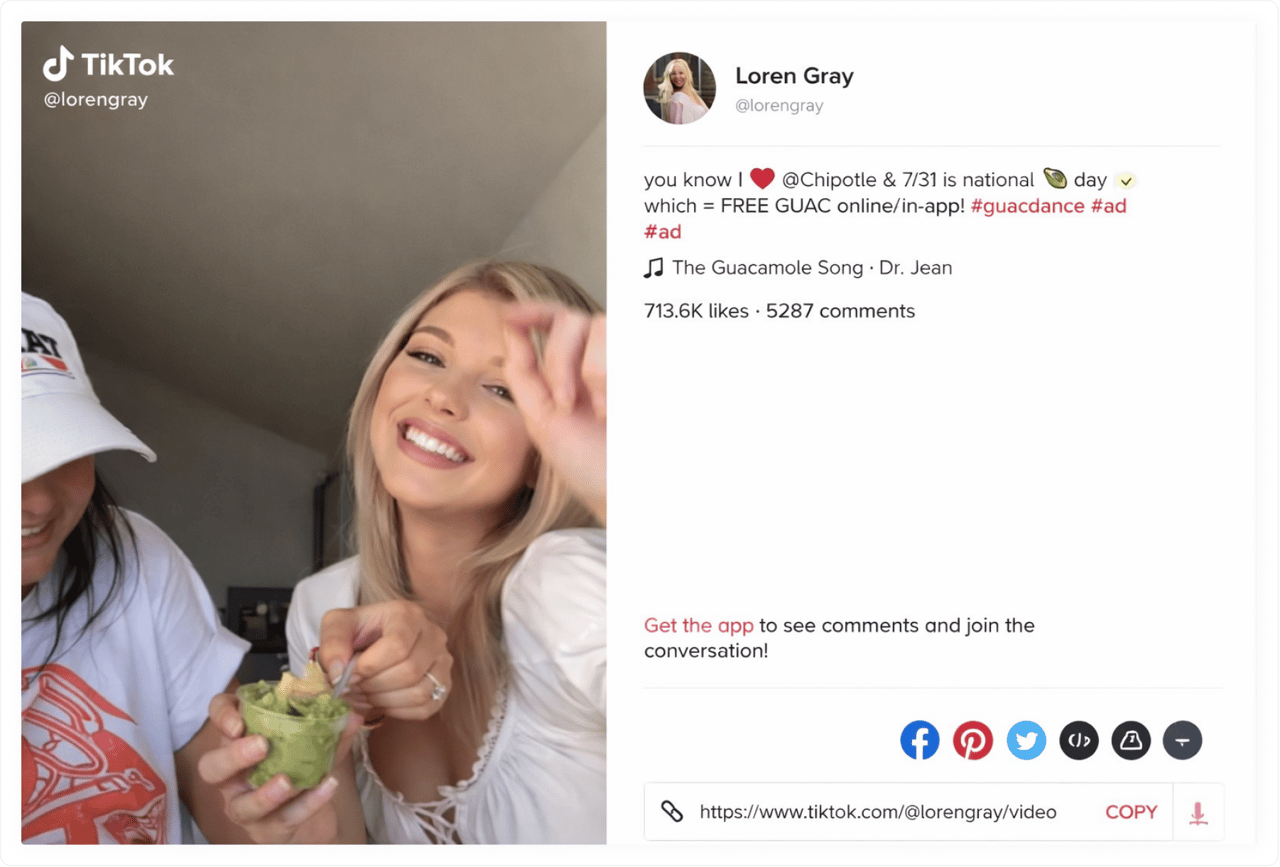
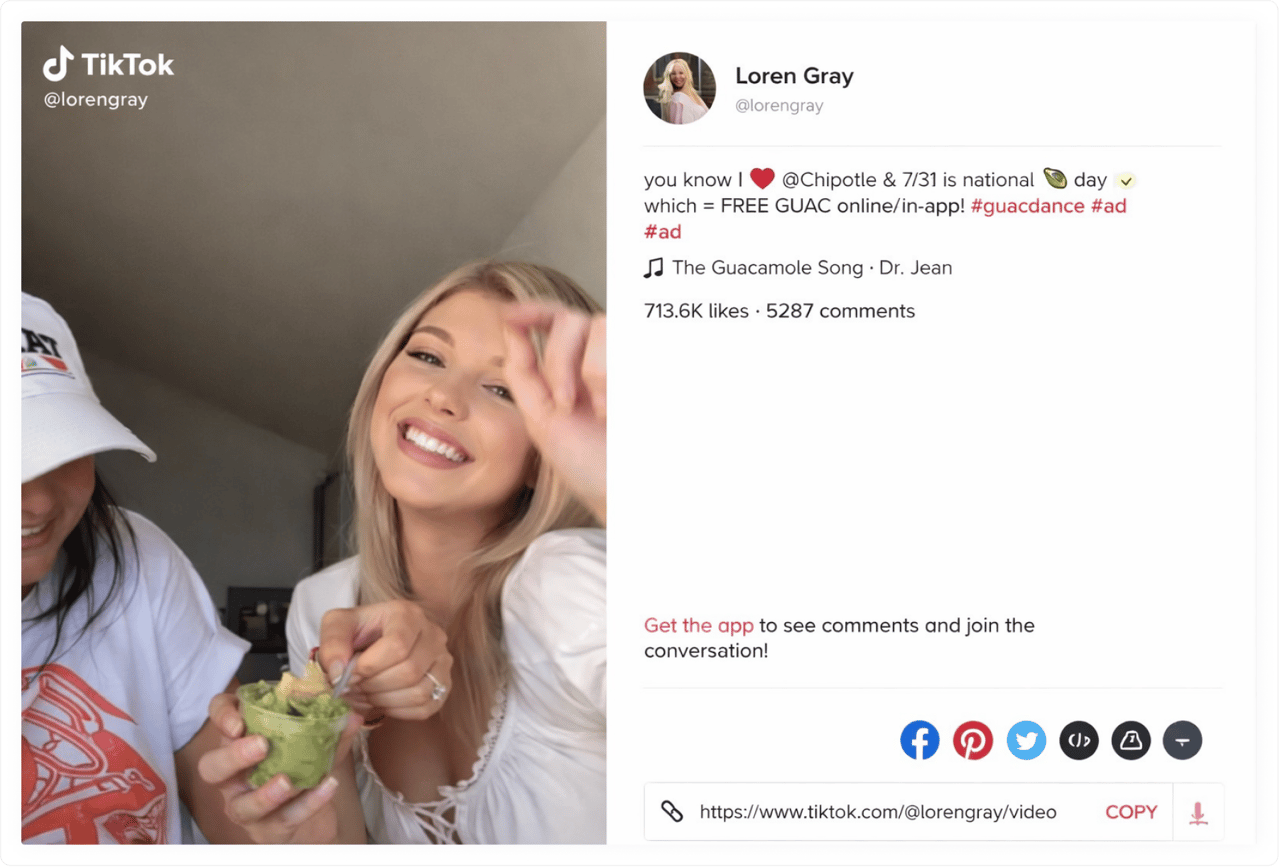
The campaign generated over 250,000 video submissions and 430 million video starts, driving Chipotle’s highest digital sales day in company history. Tying challenges to specific dates creates concentrated impact. This remains one of the best social media campaigns for demonstrating how a simple idea can deliver massive results.
Example 17: Mercedes-Benz #MBStarChallenge
Mercedes combined a branded hashtag challenge with a custom branded effect and brand takeover ads mixed with UGC in-feed content. This multi-faceted approach generated 185,000+ videos by 73,000 users, 180 million video views, and a 66.3% increase in ad recall.
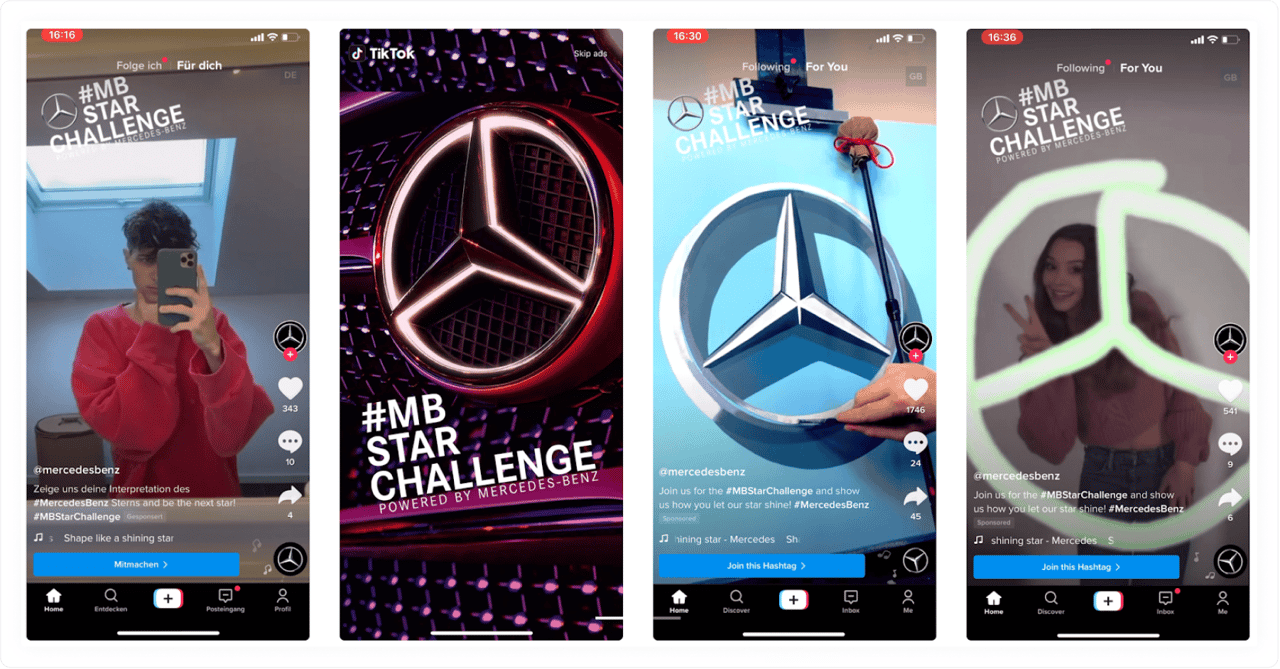
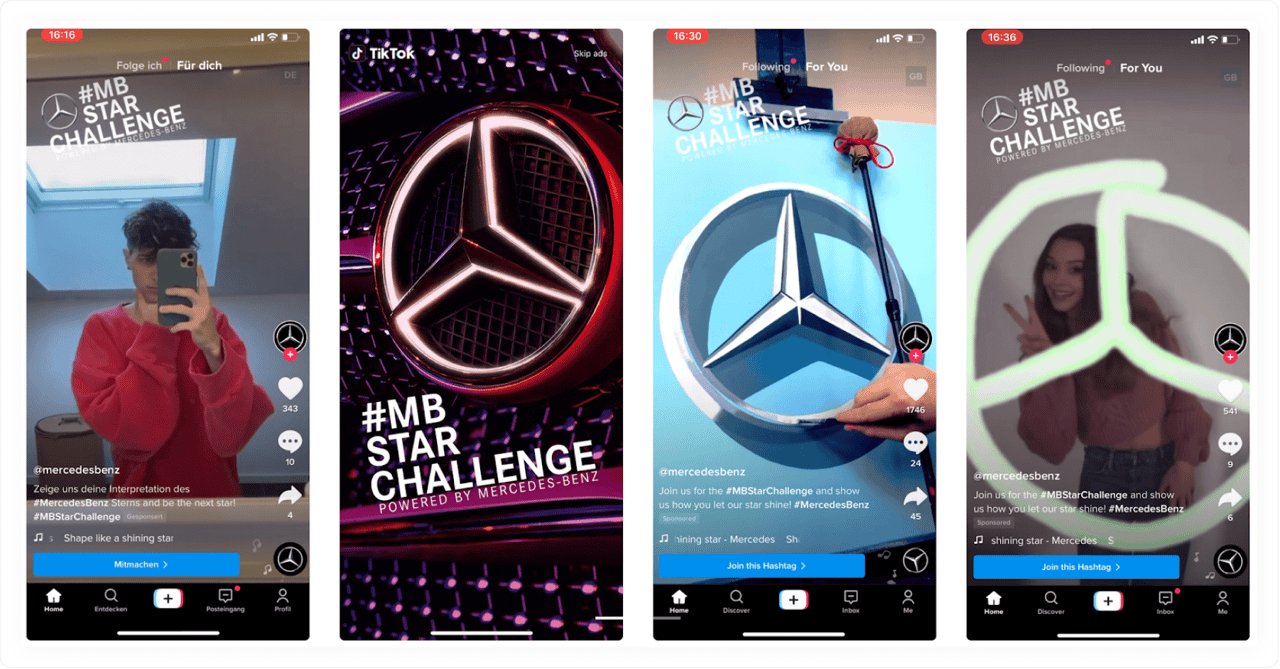
Branded effects combined with challenge mechanics drive participation because they give users creative tools, not just instructions. The campaign’s success relied on making content creation easy and fun for participants.
Example 18: Kiehl’s #DontRebuyJustRefill sustainability campaign (2024)
Kiehl’s promoted refillable products with humorous “drama on set” content that targeted Gen Z sustainability values. By making the environmental message entertaining rather than preachy, they achieved strong engagement from eco-conscious consumers.
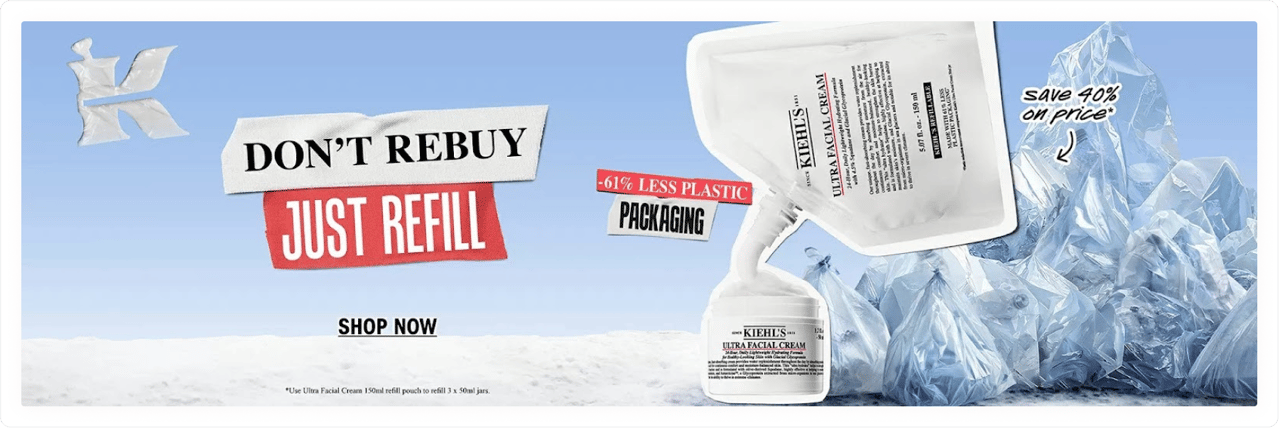
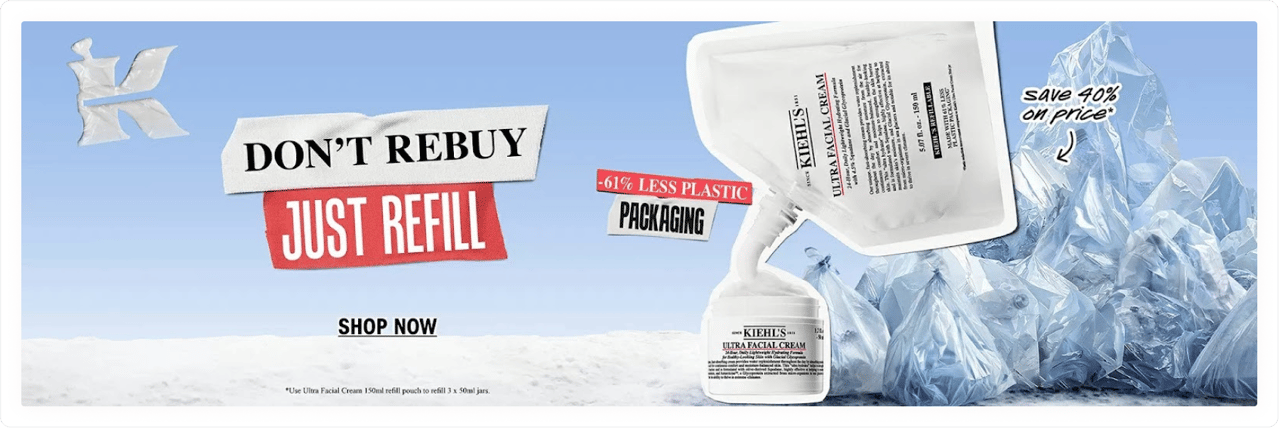
Sustainability messaging works when delivered with entertaining formats—nobody wants to be lectured on social media. This winning social media campaign showed how to align brand values with audience values through content marketing that entertains while informing.
Real-time and newsjacking campaign examples
Speed matters in social media marketing. Brands that respond quickly to cultural moments or current events can capture attention that slower competitors miss. Having a robust social media monitoring system in place helps you spot these opportunities as they emerge.


Example 19: Heinz Ketchup Insurance campaign (UAE)
Heinz discovered that nearly half of customers experience ketchup-related disasters—stained clothes, ruined furniture, the usual casualties. Their “Ketchup Insurance” media campaign offered compensation through cleaning services, handyman help, and spa treatments.
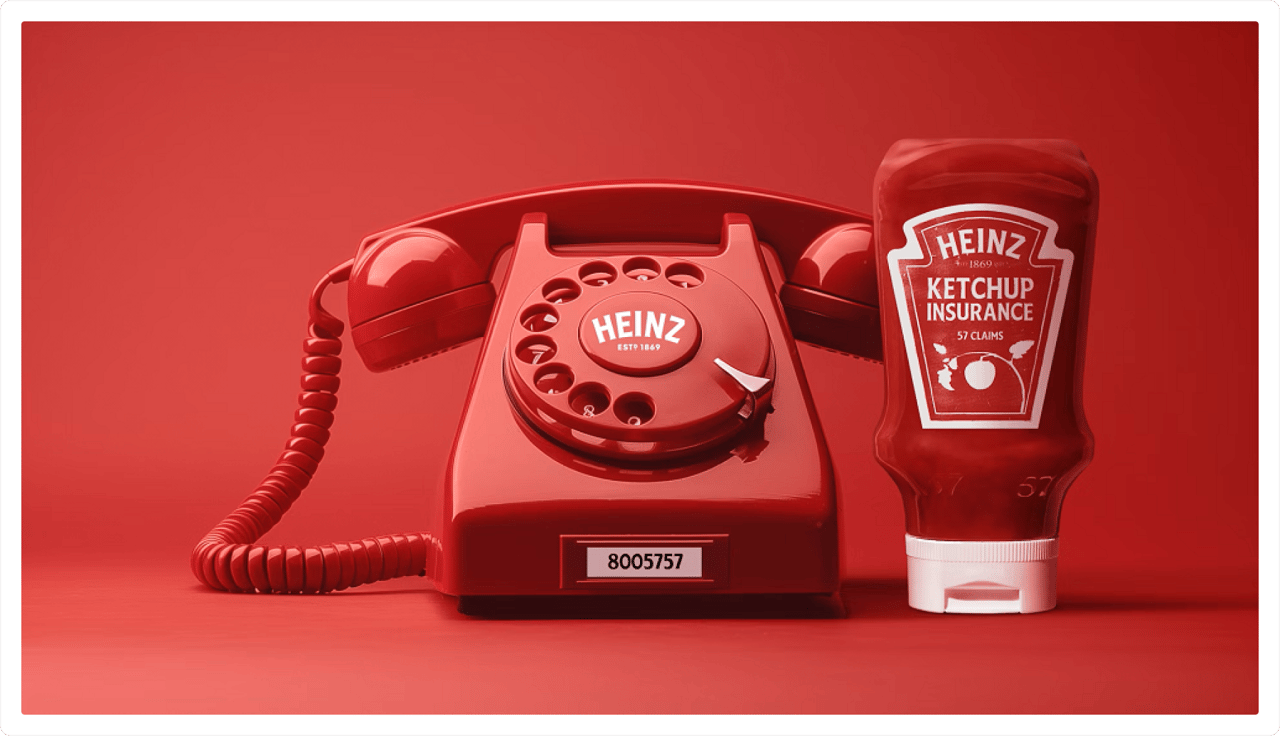
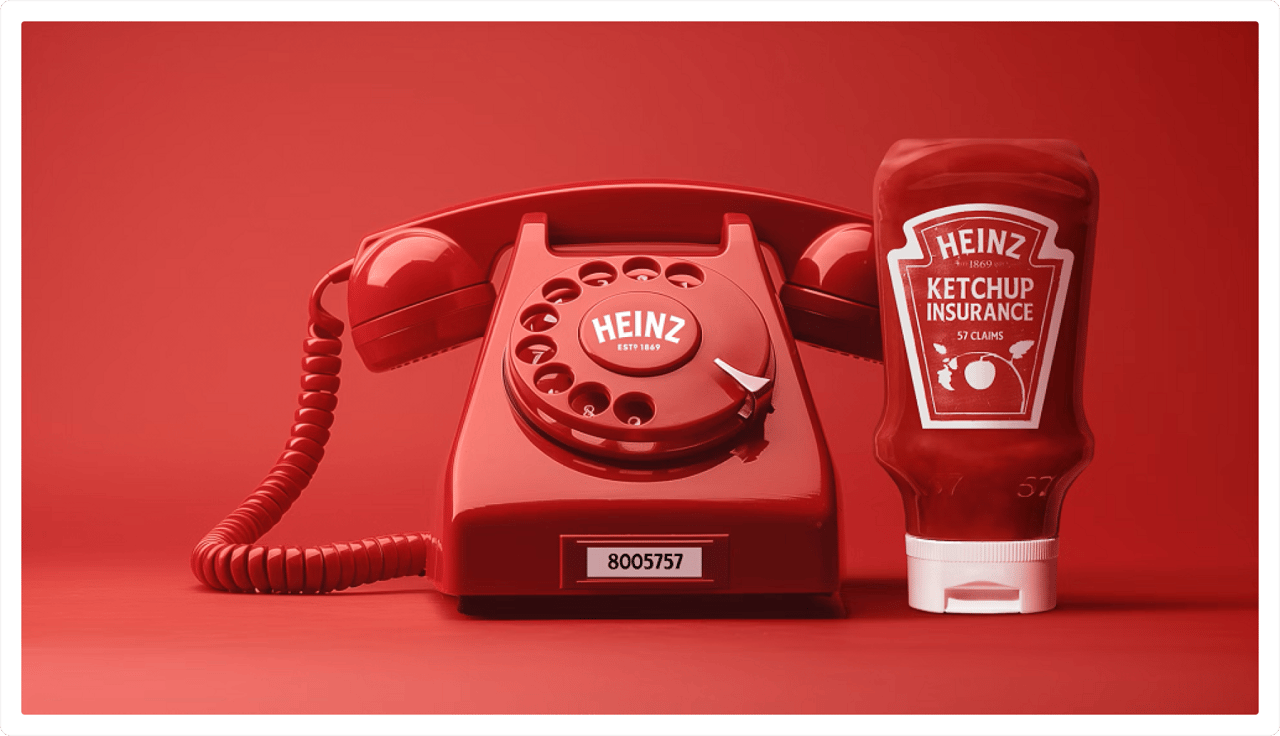
The campaign earned 5.3+ million views on Instagram Reels and 7.7+ million on TikTok. Solving real (even silly) customer problems creates relatable, shareable content. This social media marketing campaign demonstrated how humor combined with customer insight drives engagement across different social media platforms.
Example 20: Duracell storm preparation campaign
When severe weather was predicted, Duracell built a campaign around storm preparation with messaging like “Power outages incoming—be prepared.” The product became relevant because it connected to something the audience was already thinking about.
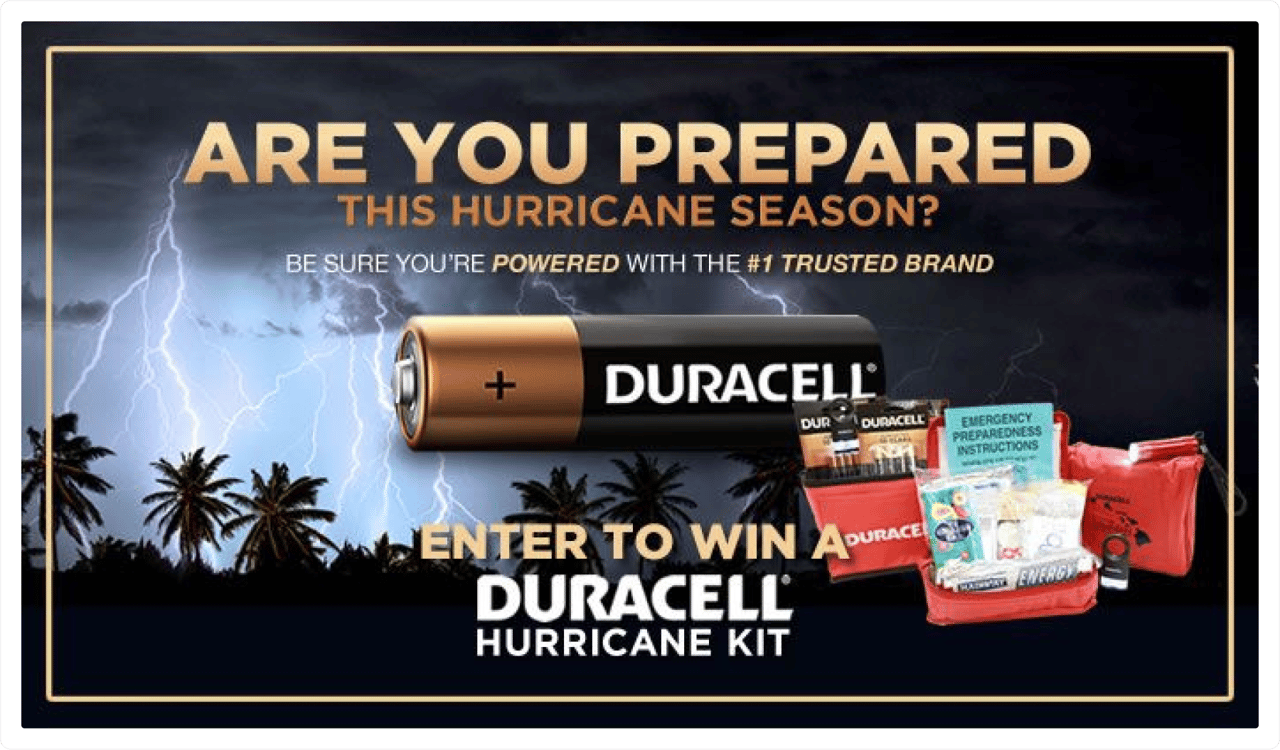
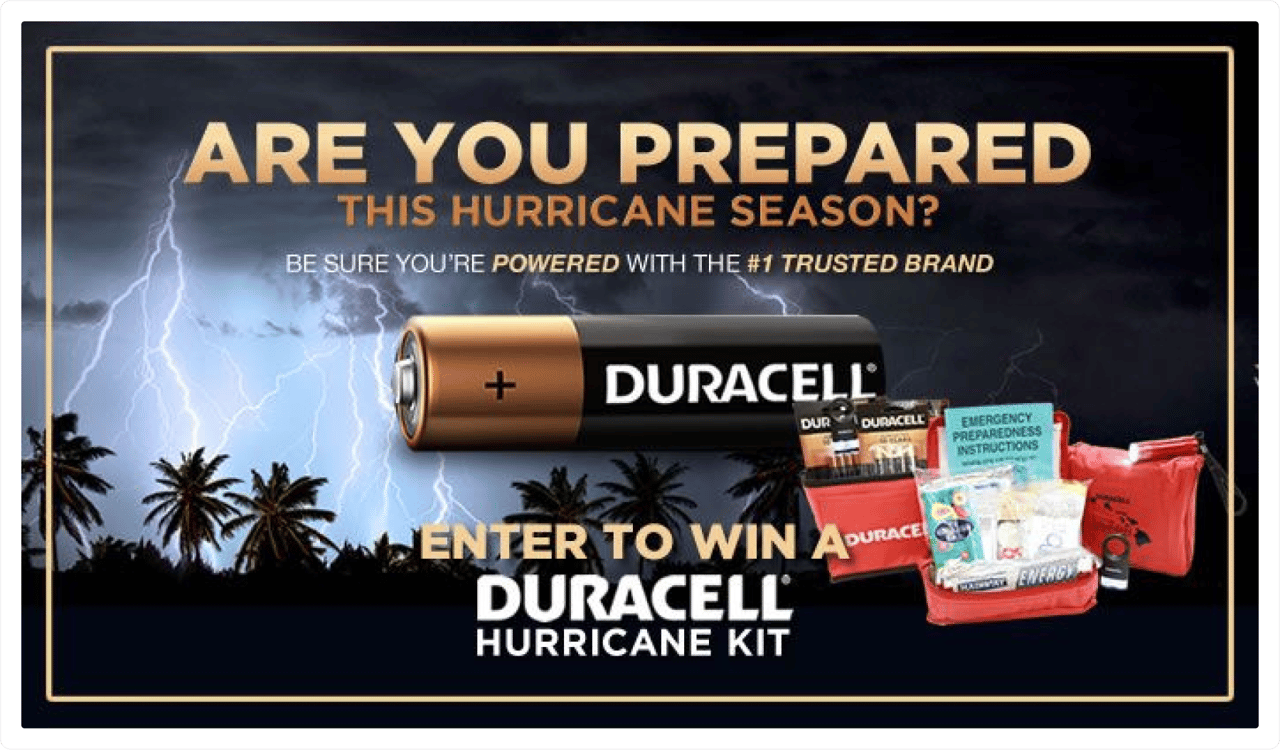
Tying products to real-world events creates timely relevance without feeling forced. This approach shows how digital marketing can respond to cultural moments in real time.
Example 21: Nike “Mamba Day” tribute (2026)
Some cultural moments belong to the fans, and the smartest brands simply show up for them. Every April 13 and August 24, basketball fans mark “Mamba Day” in tribute to Kobe Bryant—a moment Nike originally created in 2016 and one the community has kept alive ever since.
 For the tenth anniversary of Bryant’s 60-point final game in 2026, Nike released the Kobe 11 “Mamba Day” to the public for the first time, reviving the fan-led storytelling that made the original such a phenomenon—the 2016 campaign saw the branded hashtag #MambaDay used 2.87 million times in a single day. Owning a recurring cultural moment your audience already celebrates builds an emotional connection no one-off ad can match. This effective campaign showed how honoring shared nostalgia turns a brand into part of the story.
Experiential social media campaign examples
Physical experiences that translate into digital content give people something to talk about beyond your usual social media posts. These campaigns blend offline and online marketing efforts seamlessly.
Example 22: Airbnb Icons campaign (Up House, Polly Pocket, and more)
Airbnb created bookable stays in 11 iconic properties, including Disney Pixar’s Up house and Polly Pocket-inspired destinations. Guests documented their experiences across social media platforms, generating content Airbnb couldn’t have produced alone.


The campaign reinforced Airbnb’s brand identity as experience-focused while generating massive organic reach. Physical experiences designed for shareability translate directly into social content and reach a wider audience than paid ads alone.
Example 23: Hilton’s 10-Minute TikTok
Everything about this campaign broke the rules. Hilton created a 10-minute TikTok—way longer than platform conventions suggest—featuring Paris Hilton and other influencers showcasing hotel experiences.
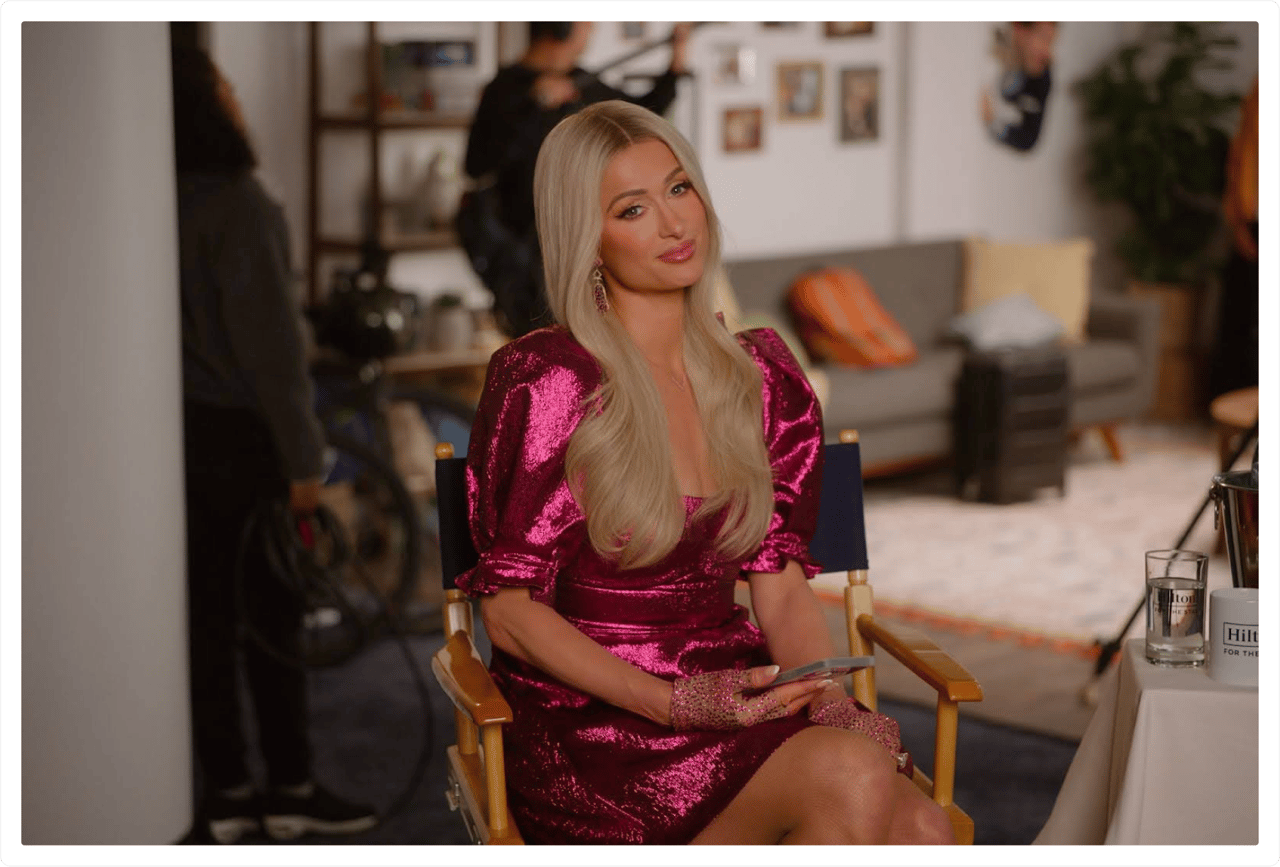
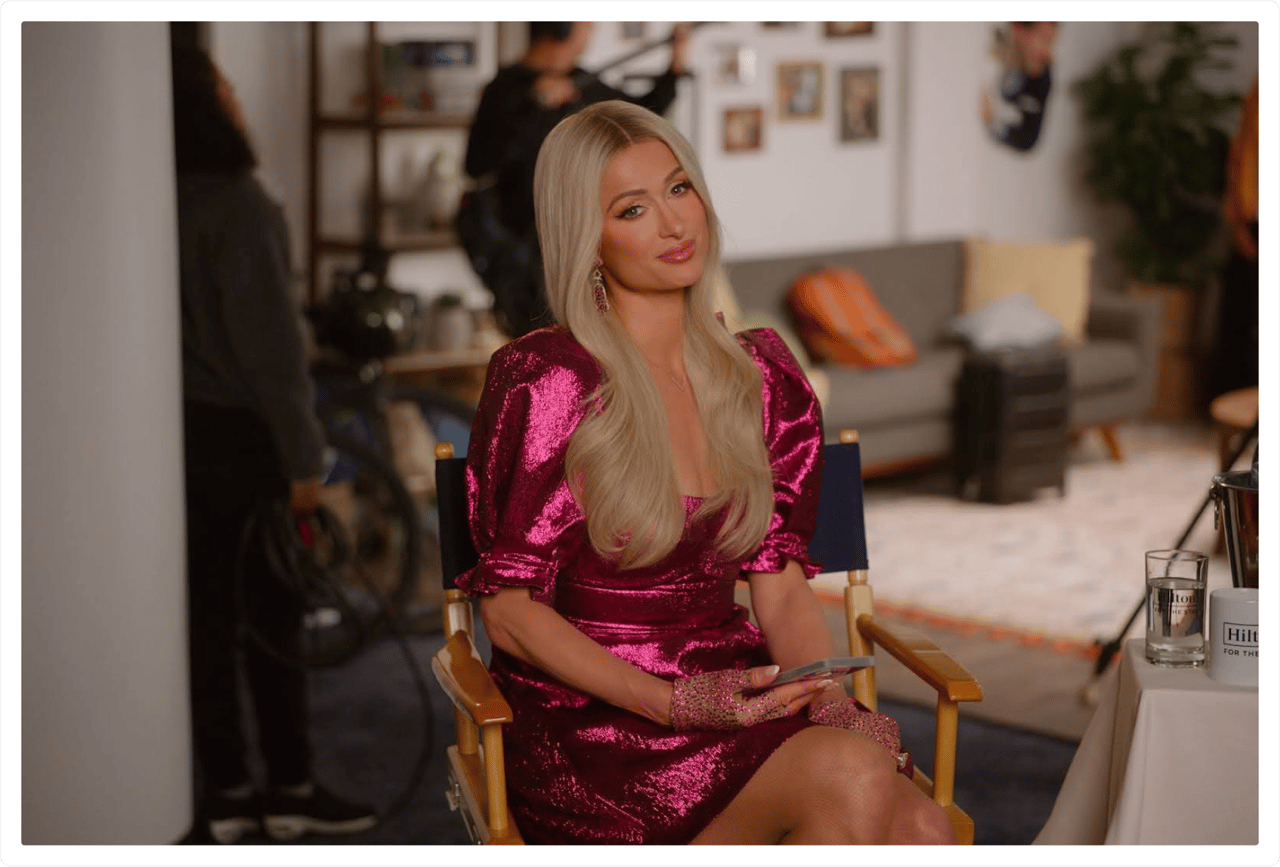
The unconventional length became part of the story. Millions of views proved that breaking format rules can drive attention when the content justifies it. This successful social media campaign showed that sometimes the best campaign ideas defy conventional wisdom.
B2B social media campaign examples (bonus section)
B2B brands often think social media marketing isn’t for them. These examples prove otherwise.
Example 24: Dropbox #LifeInsideDropbox employee advocacy
Dropbox encouraged employees to share authentic experiences with a branded hashtag, creating content that felt genuine rather than corporate. Staff posted about company culture, achievements, and day-to-day moments, sharing their own stories with their networks.
Employee advocacy creates authentic social presence because the content comes from real people, not brand accounts. Erik Qualman, digital leadership expert, observes: “Successful companies in social media function more like entertainment companies, publishers, or party planners than as traditional advertisers.” This approach turns internal teams into brand advocates.
Example 25: Shopify’s YouTube educational content strategy
Shopify built a YouTube strategy around helping small business owners succeed, mixing how-to content with inspirational videos about entrepreneurship. By leading with value rather than product promotion, they positioned themselves as a trusted resource.
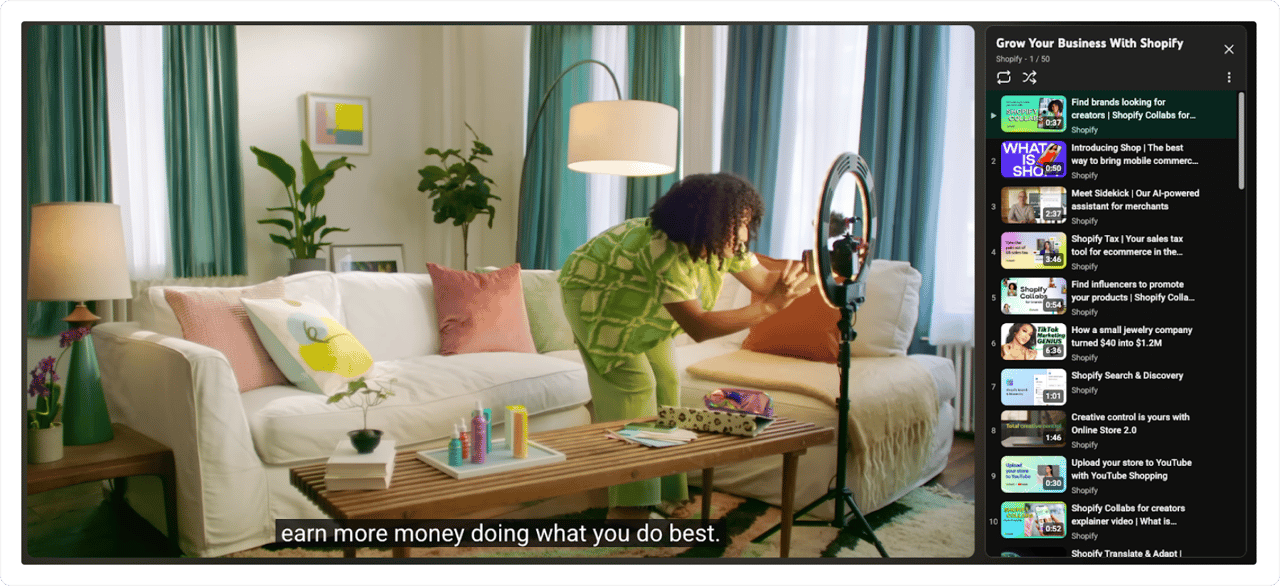
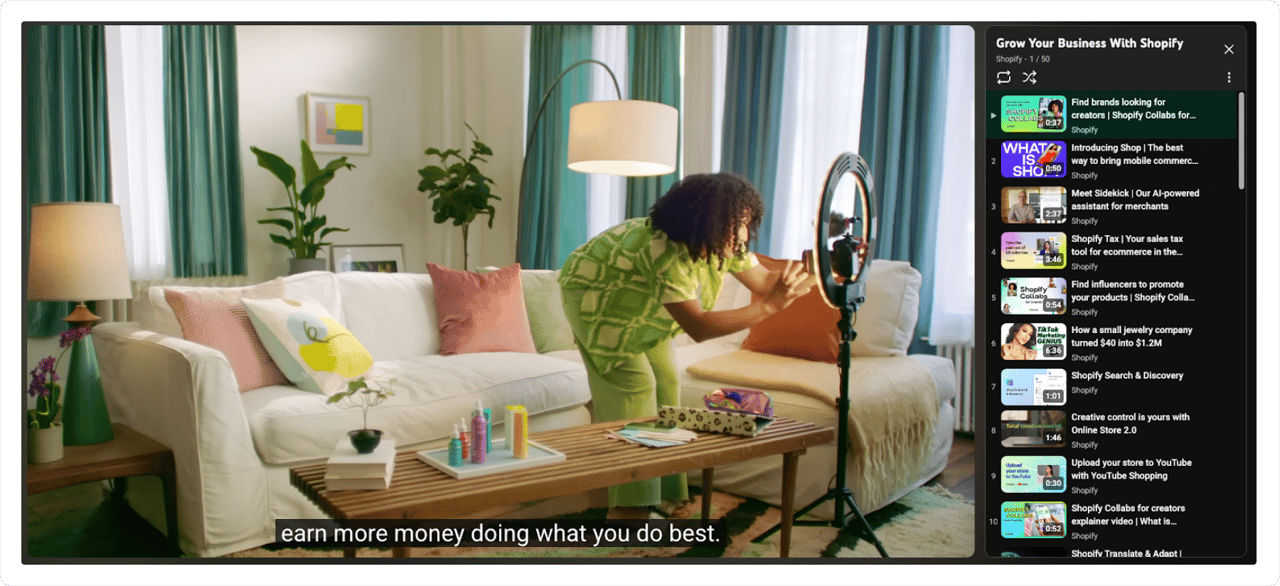
This content marketing approach builds B2B brand trust because it demonstrates expertise while actually helping the audience. The campaign proved that building brand awareness works differently in B2B—but works just as well when you increase brand awareness through genuine helpfulness.
Campaign examples summary table
# | Campaign | Brand | Platform | Type | Key Result |
1 | euphoria elixirs | Calvin Klein | Multi-platform | Viral/Celebrity | Global cultural reach |
2 | Single Shoe service | adidas | TikTok, earned media | Viral/Brand values | Widespread organic praise |
3 | Is It Even a City? | Visit Oslo | YouTube, TikTok | Viral/Authentic | Global viral reach |
4 | #SleepyGirlMocktail | Olipop | TikTok | UGC/Organic | 570M impressions, no paid spend |
5 | Party of the Year(s) | Spotify | Mobile in-app | UGC/Personalization | 144 markets, mass sharing |
6 | #FireballFriday | Fireball | Instagram, TikTok | UGC/Ongoing | Continuous engagement |
7 | Bird of the Week | RSPB | TikTok | UGC/Educational | 190% follower growth |
8 | Jeremy Allen White | Calvin Klein | Multi-platform | Influencer | Viral cultural relevance |
9 | #BiggerIsBetter | Wet n Wild | TikTok | Influencer/Hashtag | 1.5M user videos |
10 | Creator partnerships | Porsche | TikTok | Influencer | Luxury made relatable |
11 | The Charli | Dunkin' | TikTok | Influencer | Hundreds of thousands of orders |
12 | Bratz collab | Gymshark | Multi-platform | Product Launch | Viral pre-launch buzz |
13 | Console launch | PlayStation 5 | Multi-platform | Product Launch | Fastest-selling console |
14 | Product teaser | It Cosmetics | Product Launch | Pre-launch purchase intent | |
15 | #TrueIDCard | NYX | TikTok | Hashtag/Social Issue | 20% sales increase |
16 | #GuacDance | Chipotle | TikTok | Hashtag/Challenge | 430M video starts |
17 | #MBStarChallenge | Mercedes-Benz | TikTok | Hashtag/Branded Effect | 180M video views |
18 | #DontRebuyJustRefill | Kiehl's | Instagram, TikTok | Hashtag/Sustainability | Strong eco-engagement |
19 | Ketchup Insurance | Heinz | Instagram, TikTok | Real-time/Humor | 13M+ combined views |
20 | Storm prep | Duracell | Real-time/Utility | High relevance engagement | |
21 | Mamba Day | Nike | Multi-platform | Real-time/Cultural moment | Fan-led viral tribute |
22 | Icons (Up House) | Airbnb | Instagram, TikTok | Experiential | Viral reach |
23 | 10-Minute TikTok | Hilton | TikTok | Experiential/Format-breaking | Millions of views |
24 | #LifeInsideDropbox | Dropbox | Multi-platform | B2B/Employee Advocacy | Authentic social presence |
25 | YouTube educational content | Shopify | YouTube | B2B/Content Marketing | B2B brand trust |
How to track and measure social media campaign success
Running a campaign without tracking results is like driving with your eyes closed. You might get somewhere, but you won’t know how—or be able to replicate it for future campaigns.
Key metrics to monitor
Focus on metrics that actually matter for your goals. Reach tells you how many people saw your content. Engagement rate shows whether they cared enough to interact. Sentiment analysis reveals how people feel about your campaign—are they excited, annoyed, or indifferent?
Conversions tie social activity to business results, whether that’s website traffic, leads, or more sales. Don’t get distracted by vanity metrics that look impressive but don’t connect to your actual objectives. Campaign performance depends on measuring what matters.
Using social listening tools for campaign analysis
Manual monitoring works when you’re small, but scaling campaigns across multiple social media platforms requires proper tools. Social listening platforms like YouScan help you monitor campaign performance in real time, understand audience reactions through sentiment analysis, track visual content and logo mentions in images, and benchmark against competitor campaigns.
The best social media campaigns build measurement into the strategy from day one. Waiting until the campaign ends to figure out what happened means missing opportunities to adjust mid-flight. You can also use these insights to improve future campaigns and inform your other marketing efforts.
How to create your own successful social media campaign
Ready to create your own social media campaign? Here’s how to approach it.
Define clear goals and KPIs
Start with what success looks like. Are you trying to increase brand awareness? Drive website traffic? Generate leads? Each goal requires different tactics and metrics. Be specific: “increase engagement” is vague, “achieve 5% engagement rate on campaign posts” is measurable.
Understand your audience deeply
Go beyond demographics. What does your target audience care about right now? What problems keep them up at night? What makes them laugh? The more specific your audience insight, the more precisely you can craft messages that resonate.
Choose platforms strategically
You don’t need to be everywhere. Choose different social media platforms based on where your audience actually spends time and which formats fit your creative approach. A highly visual campaign belongs on Instagram or TikTok. B2B thought leadership might work better on LinkedIn. Running a multi-platform campaign only makes sense when each platform serves a purpose.
Develop thumb-stopping creative
Your content competes with everything else in someone’s feed. Make it worth stopping for. That might mean bold visuals, unexpected humor, emotional storytelling, or giving people something useful. Whatever approach you choose, commit to it fully. A consistent brand voice helps social media users recognize your content instantly.
Plan for community management and engagement
Social campaigns require active participation, not just broadcasting. Who will respond to comments? How will you handle negative feedback? What’s your plan for amplifying the best user-generated content? Staff your campaign appropriately. Community building doesn’t happen on autopilot.
Build measurement into your strategy from day one
Choose your metrics before you launch. Set up tracking. Create a dashboard. Schedule check-ins to review campaign performance and make adjustments. Future campaigns will thank you for the data you collect now. Consider using a brand health tracker to monitor how your campaigns impact overall brand perception over time.
Conclusion
These 25 social media campaign examples share a common thread: they understood their audience, took creative risks, and measured what mattered. Some had massive budgets; others succeeded through clever thinking and community participation. Each one offers campaign ideas you can adapt for your own social media marketing.
Your next social media campaign doesn’t need to go viral to succeed. It needs clear goals, audience insight, compelling creative, and a willingness to learn from what works. Study these social media campaign examples, borrow what fits your brand, and don’t be afraid to try something unexpected.
Ready to start tracking your campaign performance and understanding what your audience really thinks? Get a free demo of YouScan to see how social listening can inform your next winning social media campaign.
FAQs
Which is an example of a social media campaign?
Chipotle’s #GuacDance challenge is a great example—a coordinated marketing campaign with a specific goal (driving sales on National Avocado Day), a clear call to action (create a dance video), and measurable results (430 million video starts and record digital sales). It demonstrated how effective social media campaigns encourage participation while driving business results.
What are social media campaigns?
Social media campaigns are focused marketing efforts across one or more social platforms with specific objectives, defined timelines, and dedicated creative assets. They differ from everyday social media posts by having concentrated goals and usually involving special content, hashtags, or influencer partnerships. Successful social media campaigns integrate with your other marketing efforts and digital marketing strategy.
What is the 30 30 30 rule for social media?
The 30 30 30 rule suggests dividing your social content into thirds: 30% promotional content about your products or services, 30% curated content from other sources your audience would find valuable, and 30% content that builds a personal connection and engagement with your community. This balance helps with building brand awareness while keeping your audience engaged.
What is an example of a social media campaign in 2026?
Based on current trends, effective 2026 campaigns will likely emphasize authentic user-generated content, AI-personalized experiences, creator partnerships beyond traditional influencers, and community-driven participation that encourages users to contribute. Major brands succeeding now with these approaches—like Duolingo’s community challenges and Olipop’s organic trend amplification—point toward where social media marketing campaigns are heading.