How Social Media Mention Monitoring Can Boost Your Marketing

Someone is talking about your brand right now. Probably on X. Maybe in a Reddit thread. Possibly in an Instagram story that’ll disappear in 24 hours. And odds are, they didn’t tag you. Those untagged social media mentions? They’re the most honest customer feedback you’ll ever get. And most companies just… miss them entirely.
That’s a problem. Because those online conversations shape how people see your brand, whether you’re listening or not. This piece walks through how to track social media mentions, what to actually do with them, and why this matters way more than most marketing teams give it credit for.
Why social media mentions matter (more than you think)
A social media mention is any time someone references your brand across social media platforms — tagged or not. Could be a tweet, a TikTok comment, a blog post, something on a review site, or even your logo showing up in a photo. It’s any moment where your brand enters the conversation.
Why should you care? Because social media mentions matter for reasons that go way beyond vanity metrics. These are unfiltered opinions from real people — your target audience telling you what they actually think, not what they’d say in a survey. Positive mentions after a product launch mean something landed. A cluster of negative social mentions about your checkout flow means you’ve got a fire to put out.
Social media mentions matter for your brand reputation, for your social media marketing strategy, and honestly, for your sanity as a marketer. If you don’t know what people are saying about your brand on social media, you’re making decisions in the dark.
How tracking mentions feeds your digital marketing strategy
Monitoring mentions isn’t just “nice to have.” It should be baked into how you plan marketing campaigns, manage your social media presence, and think about your brand long-term.
Brand reputation is built in the mentions
Every social media post about your brand is a data point about your brand on social media. When you’re monitoring mentions across multiple social networks, you see the real picture — not the one your internal team hopes is true. If negative mentions start spiking around a topic like a pricing change, you need to react quickly. Brands that respond quickly to complaints outperform those that stay quiet. Silence gets read as arrogance. For more on that, YouScan’s PR crisis management guide lays out the playbook.
Customer feedback without the survey fatigue
Here’s what I think most brands get wrong: they spend a fortune on customer feedback programs while ignoring what people are already saying in social media posts for free. Your customers volunteer opinions every day. They’ll tag you to complain about a bug, post a photo of a new purchase to brag, or compare your product to a competitor’s in a thread. InMoment research found that 76% of consumers feel frustrated when they don’t get personalized communication. Tracking mentions helps you personalize without being creepy.
You can identify trends in complaints, spot feature requests, and understand customer expectations before they ever hit your support queue. That’s the kind of customer insights that actually shapes a better product.
Customer insights that make campaigns sharper
The data from tracking mentions tells you which social channels your audience prefers, what language they use, and what competitors they’re also mentioning. All of that feeds a sharper social media strategy. If conversations about your industry are booming on a platform you’ve been ignoring, that’s a sign. For more on studying your audience this way, YouScan has a solid target audience analysis guide.
How to track social media mentions (from scrappy to serious)
There’s no single right method. Your approach depends on budget, volume, and how many social media platforms you need to watch. Quick note: if you’re still fuzzy on where monitoring ends and listening begins, YouScan’s social listening vs social monitoring breakdown clarifies the difference.
Manual searches (cheap, but limited)
You can search for your brand name on each platform individually. X’s search is decent. Reddit’s is workable. But manual searches are time consuming and they miss a lot — misspellings, untagged mentions, conversations on social platforms you forgot to check. Fine for a side project. Not scalable.
Google Alerts and other free options
Google Alerts is a free tool that sends email alerts when your keywords appear on the web. Solid for blogs and news, but it barely covers major social media channels. Social Searcher is another free option that scans social platforms and gives you basic sentiment data. These work as a starting point for tracking mentions, but they’re pretty shallow. No real sentiment analysis, no image detection, no way to track social mentions across multiple platforms at once.
Advanced social listening — the real answer
If you’re serious about this, you need a social media monitoring tool.
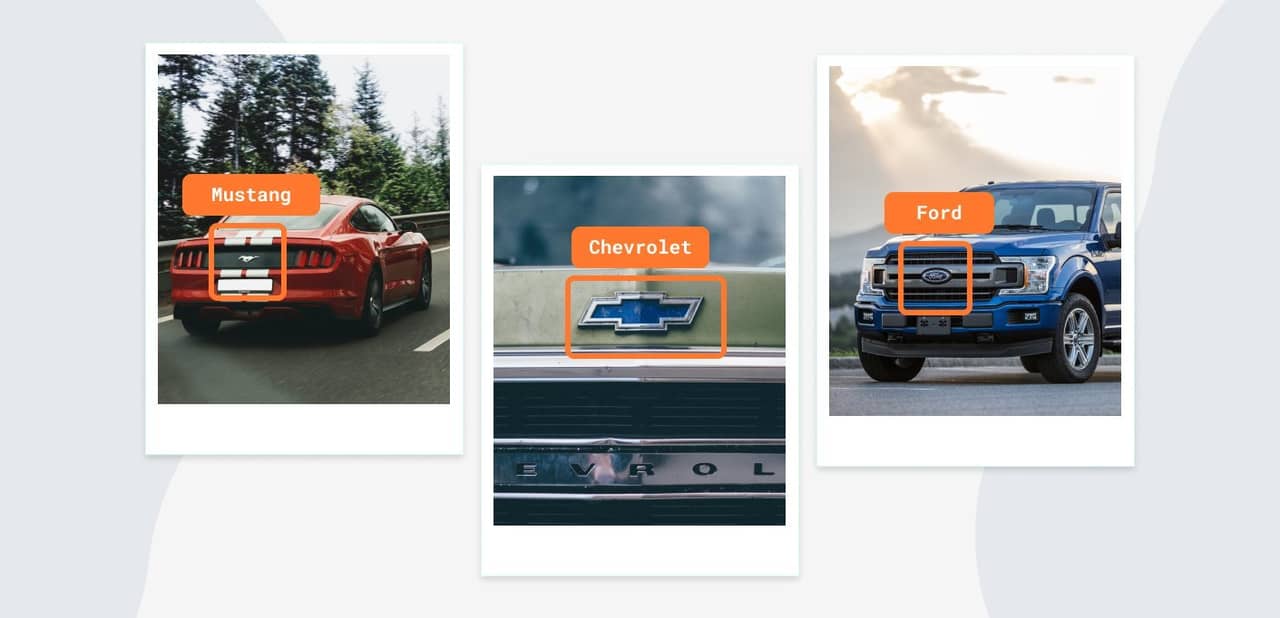
Social listening tools like YouScan use AI to do sentiment analysis, detect your brand in images (even without a tag), and scan multiple social networks, review sites, forums, and blogs simultaneously.
Advanced social listening means you’re not just counting mentions — you’re reading the room. You filter by sentiment, geography, or topic. You catch trends early. You get one dashboard instead of toggling between six social accounts. See how AI social listening works in practice, or explore YouScan’s social listening dashboards for a visual of what this looks like.
The key metrics that actually matter when monitoring media mentions
Tracking mentions is pointless if you don’t know what to measure. Here’s what I’d focus on.
Volume and reach. How many media mentions are you getting, and how far are they spreading? A spike around a marketing campaign means the message is getting out. But a thousand neutral mentions aren’t worth as much as a hundred deeply positive ones. A single mention from someone with 500k followers hits differently than fifty mentions from accounts with 50.
Sentiment. Brand sentiment analysis splits mentions into positive, negative, and neutral. Watch the shifts. If positive mentions drop after a campaign launch, something’s off. If negative mentions cluster around one feature, that’s a red flag. Over time, sentiment trends are one of the clearest measures of brand perception. New to the jargon? YouScan’s social listening glossary explains the terms.
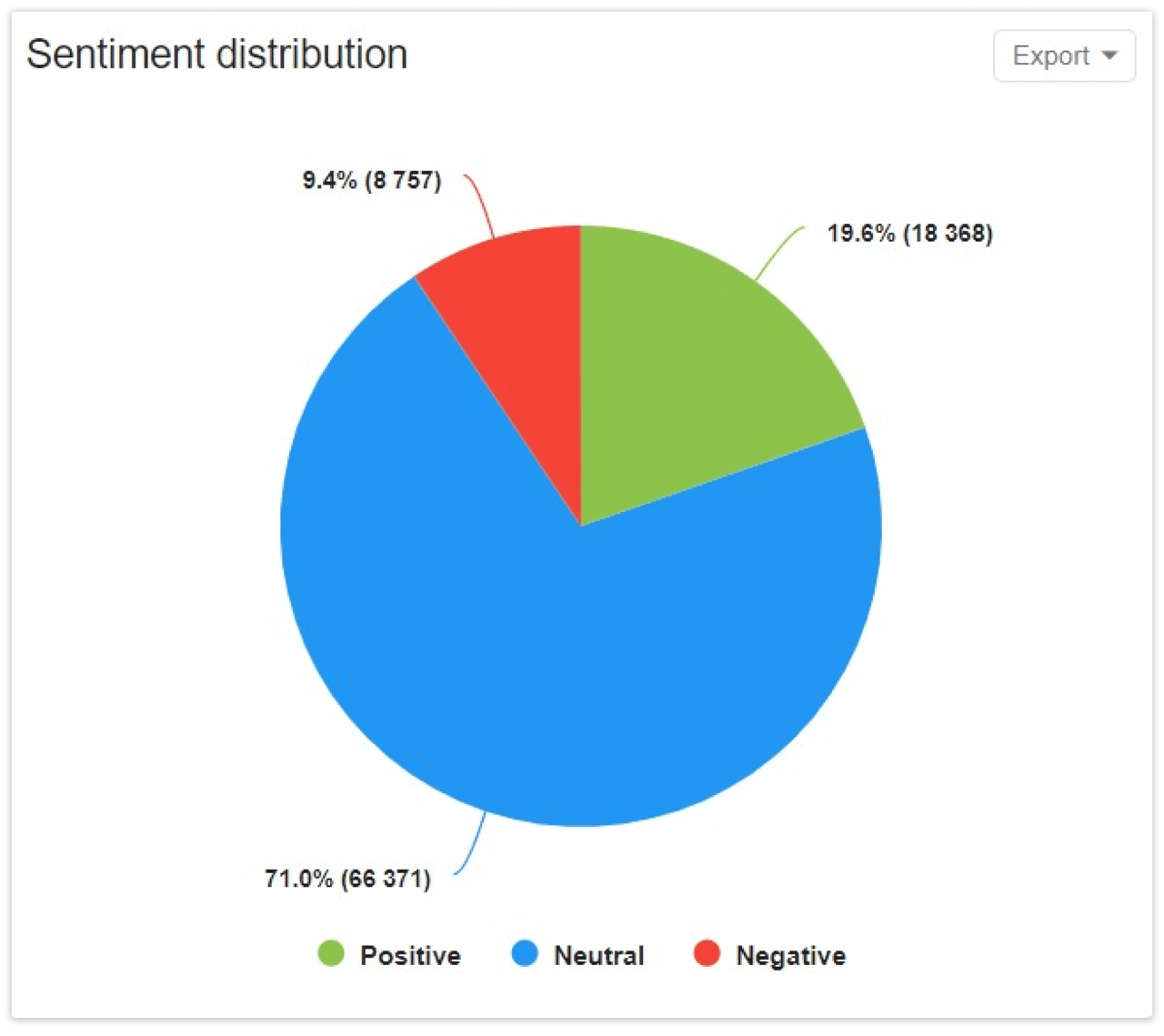
As you know, YouScan has a handy set of tools that can help you estimate your customer loyalty and conduct sentiment analysis. Here we are comparing sentiments of the user posts related to the car brands mentioned above.
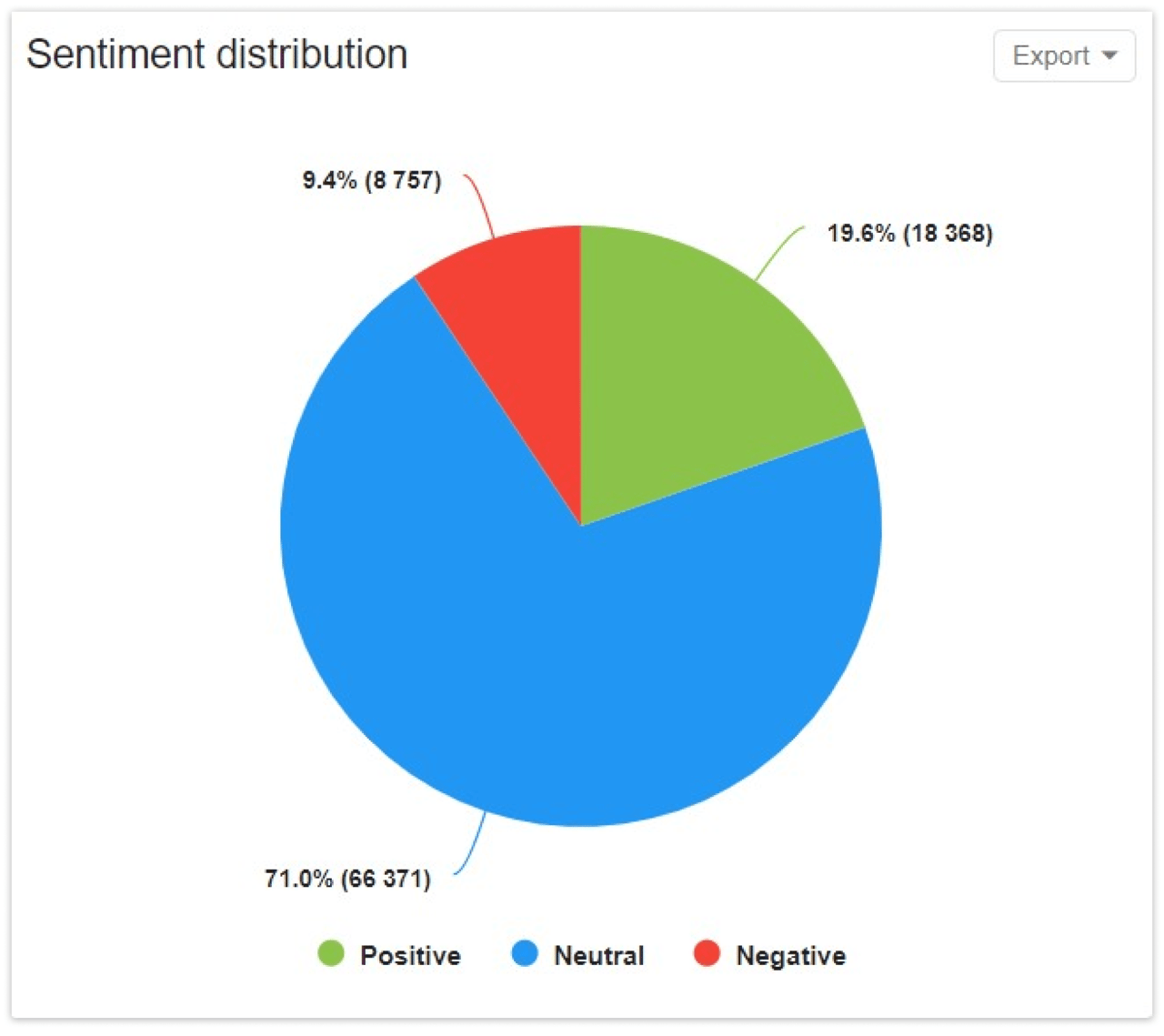
In the "Sentiment" category in YouScan's analytics, you can see beautiful graphics and charts displaying the sentiment distribution of your brand mentions. It covers the positive, neutral, and negative mood of the user posts.
We have found out that Chevrolet is the leader by the rate of positive sentiment (24,3%). With 19,6% and 19,4% respectively, both Ford and Mustang can share the second position by the positive sentiment distribution. While the negative sentiment is distributed as follows: Ford (9,4%), Chevrolet (2,8%), and Mustang (2,7%).
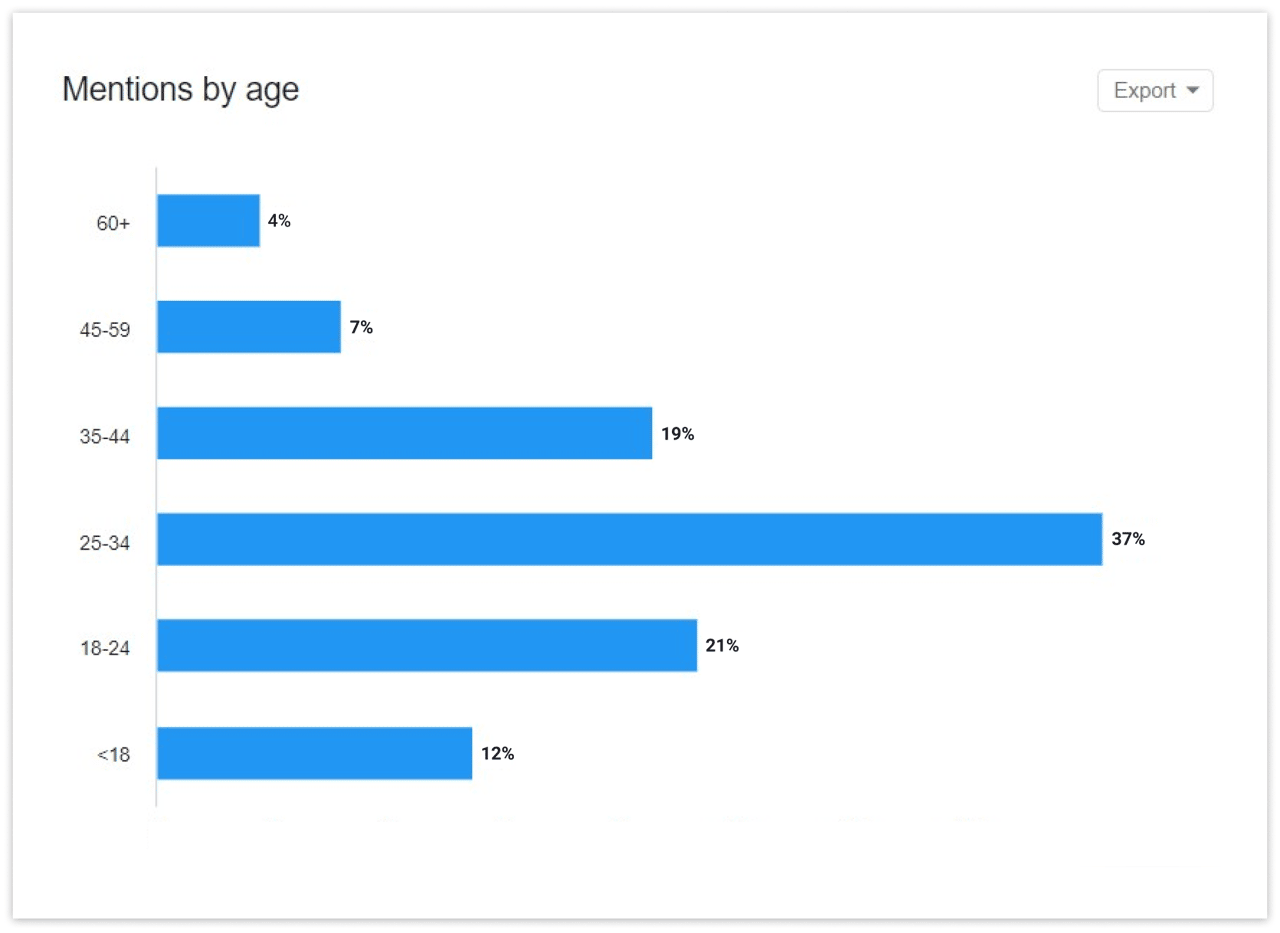
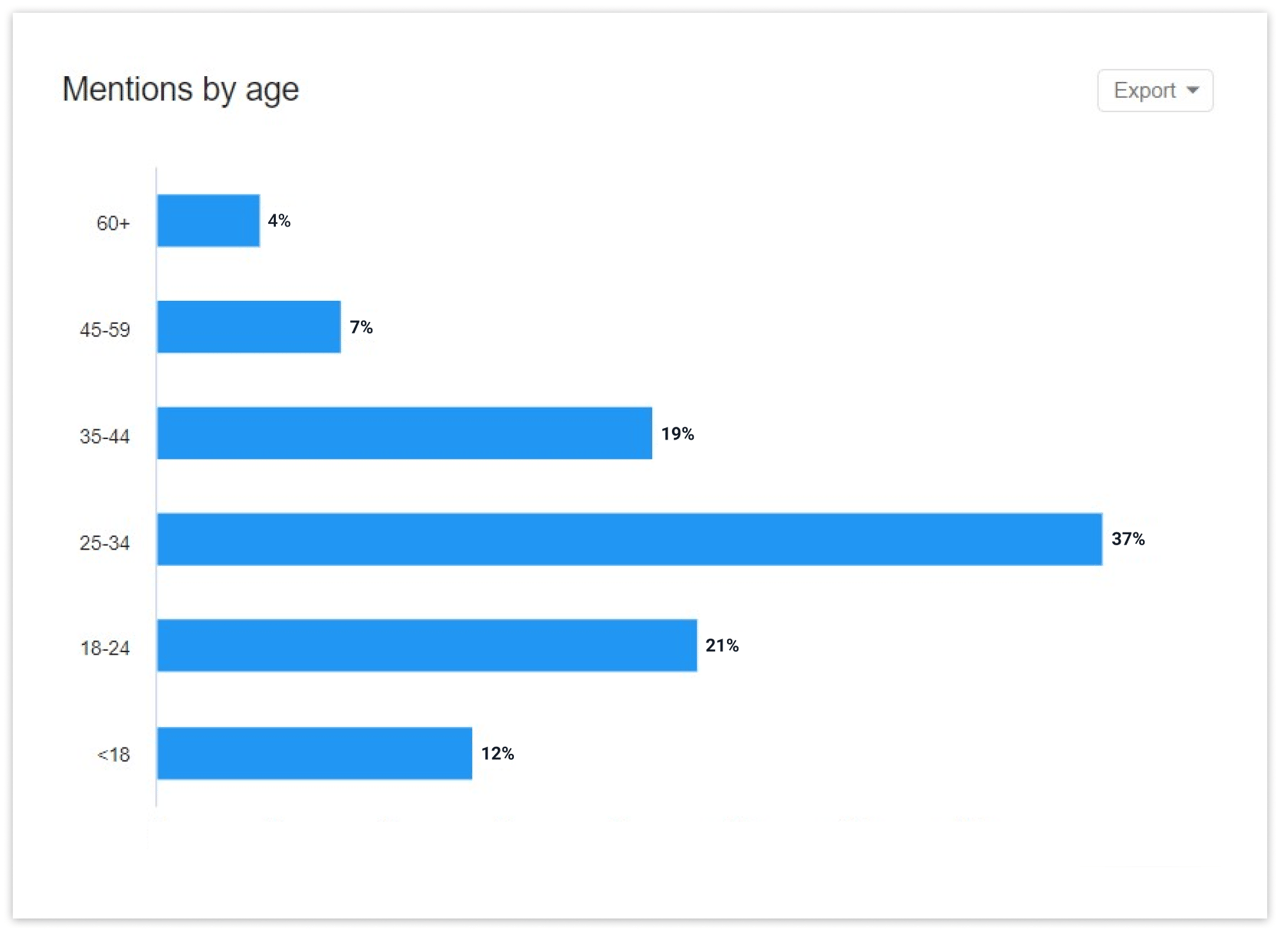
We have also researched the sentiment around Ford users. Most of Ford's fans are male (83,8%). However, there is also a significant part of female (14%). The audience spans different age groups. Most of the Ford's audinence are 25-34 years old. You can see it in the image below.
The visual insights based on Ford mentions demonstrate that this audience is very similar to Chevrolet's one. These are also athletic people that like road racing, motorsport, volleyball, football, basketball, running, boxing, and cycling.
Share of voice. What percentage of your industry’s online conversations involve your brand vs. competitors? YouScan’s competitor analysis tools make this comparison simple. Tracking competitor brand mentions alongside your own is where competitive analysis gets strategic — maybe a rival is getting hammered for bad customer service, and that’s a gap you can fill.
How to actually respond to mentions of your brand
Finding mentions is the easy part. Responding well is where most teams fall down.
Positive mentions: don’t just heart the post and scroll past. Reply in a positive tone. Thank them. Ask a follow-up question. Positive mentions are social proof — when you engage publicly, you show potential customers that real people like your product. That builds stronger relationships and trust.
Negative mentions: respond quickly, but don’t get defensive. Acknowledge the issue. Offer to help. Move it to DMs if it’s getting messy. The worst move is ignoring a negative mention entirely — other people are watching.
Then there are passing mentions — someone comparing competitors and your brand comes up as an aside. That’s an opening. Jump in with something genuinely helpful (not a pitch), and you’ve just introduced yourself to a potential customer.
Encourage user generated content and build brand ambassadors
The best social media mentions cost you nothing. User generated content — reviews, unboxing videos, photos of your product in the wild — carries more weight with potential customers than any ad you’ll ever run. People trust other people. For proof, look at these social listening examples from brands that rode UGC to real results.
How do you encourage user generated content? Make something worth sharing. Run hashtag campaigns. Feature customers on your own social accounts. A handwritten note with a new purchase sounds corny, but it generates social media posts. It just does.
Your most enthusiastic mentioners are potential brand advocates. Turn them into brand ambassadors with early access to new features, a shout-out, or a small perk. Brand ambassadors beat paid influencers on credibility every time. YouScan’s visual insights feature catches brand appearances in images even when there’s no tag, so you can easily create a list of people sharing your product visually.
Using mentions to identify trends and create better content
Mentions don’t just tell you what people think of you. They tell you what your target market is thinking about, period. When you track social mentions at scale, you pick up on trending topics and shifts in how people talk about your industry. A good trend analysis tool surfaces these patterns automatically.
If your audience keeps asking the same question across social channels, write a blog post that answers it. If a specific use case keeps appearing in brand mentions, build a case study. Content inspired by real online conversations always beats content based on guesswork.
The language people use in their social media posts — the exact phrases, the slang — is the language your content should use too. That alignment is what makes a social media marketing strategy actually resonate. It also feeds your SEO tools research. Keep tracking current trends in your mentions: seasonality, viral moments, industry news. YouScan’s social media trend analysis guide goes deeper on turning patterns into action.
What else to track beyond your own mentions
Don’t just watch your own brand. Track competitor brand mentions — a surprising number of teams skip this. You’ll find gaps to fill, messaging to borrow, and problems to solve that they’re not addressing. For structuring this kind of market research, YouScan has a dedicated use-case page.
Also, watch industry keywords and trending topics. If your target audience starts buzzing about a new regulation or technology, you want to know first. Track product misspellings and name variations too — autocorrect is not your friend, and people abbreviate everything. A good social media monitoring tool handles all of this.
And track mentions across multiple platforms, not just where you’re active. Your audience might be having conversations on a channel you’ve completely ignored. A social listening tool that covers all major social media channels, plus forums, blogs, and review sites, is the only way to get the full picture. YouScan’s social listening guide walks through the setup.
How YouScan helps you track and act on social media mentions
YouScan is a social media listening platform built for teams that want more than mention counts. It tracks brand mentions across all major social media channels, news, blogs, forums, and review sites in real time.
The big differentiator is visual listening. Most social listening tools only catch text. YouScan detects your brand in images and videos — no text tag needed. That means you capture a much bigger slice of what’s actually being said (and shown) about you.
You also get real-time sentiment analysis, audience demographics, aspect-based feedback, and competitor benchmarking. Set up dashboards, get alerts for mention spikes, and identify trends before they peak.
Want to try it? Start with YouScan’s free demo and see what your social media mentions are actually telling you.
Frequently asked questions about social media mentions
What counts as a social media mention?
Any reference to your brand, product, or service on social media platforms, blogs, forums, news sites, or review sites. This includes @tags, hashtags, plain-text name drops, and even your logo appearing in an image. Both tagged and untagged mentions of your brand shape brand perception and social media performance.
Can I track social mentions for free?
Yes, but with big limitations. Google Alerts covers web mentions and sends email alerts for your keywords, and Social Searcher offers basic scans of social platforms. Both are free. But they miss most major social media channels, can’t do sentiment analysis, and won’t catch visual mentions. For anything beyond basic monitoring mentions, a dedicated social media monitoring tool is worth the investment.
How quickly should I respond to brand mentions?
As fast as you can, especially for negative mentions. Consumers increasingly expect responses within hours, not days. Positive mentions are more forgiving on timing, but a quick reply still builds stronger relationships. The key is having a system — alerts, assigned team members, and a social media management workflow — so nothing sits unanswered.
What’s the difference between social listening and social monitoring?
Social monitoring is tracking individual mentions and responding to them in real time — think customer service. Social listening zooms out: it’s analyzing conversations, sentiment analysis trends, and audience behavior to inform your broader social media strategy. You need both. Monitoring keeps you responsive; listening keeps you strategic.