YouTube Social Listening: Why and Where to Track It in 2026
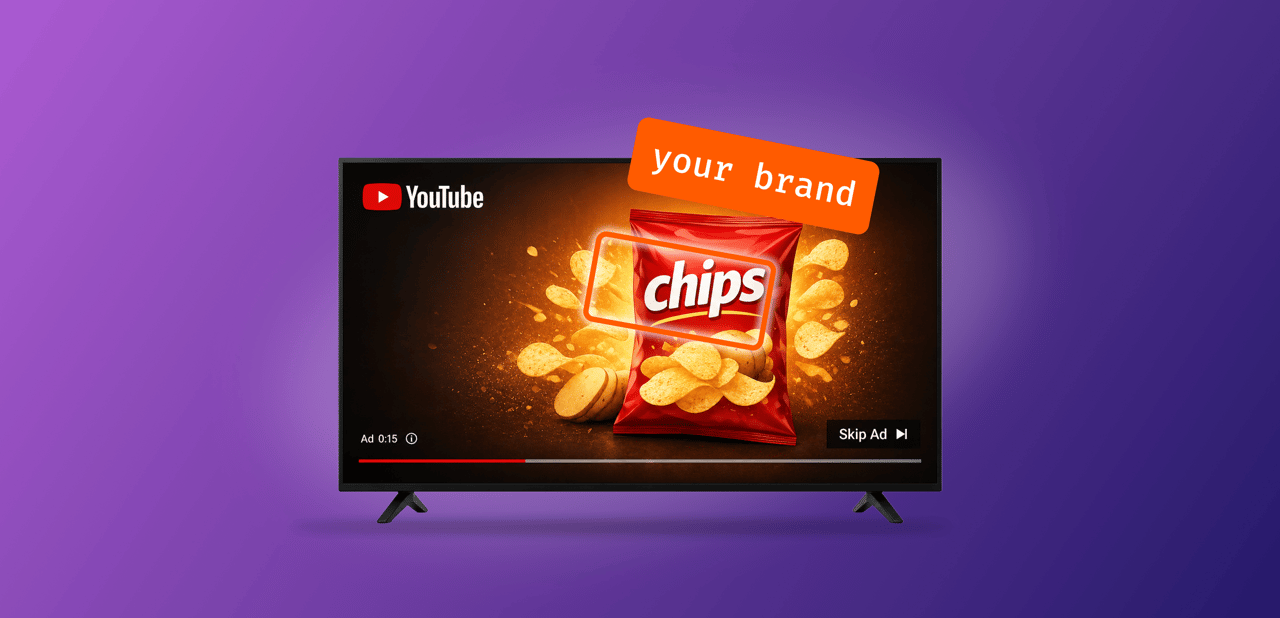

Let's start with the numbers, because they're genuinely hard to ignore. YouTube has 122 million daily active users, and people watch over a billion hours of video content on it every single day.
YouTube is the world's second-largest search engine — not a social channel people scroll passively, but a platform they actively search for product reviews, tutorials, and brand comparisons. And over 70% of viewers say they've bought from a brand they found on YouTube. So yes. It matters for your marketing strategy, your brand reputation, and your understanding of how your audience feels about you.
The problem is that most brand monitoring setups weren't built for it. They're text tools. The most important YouTube conversations happen in spoken audio, in video frames, in YouTube comments under someone else's review video — not in a title or a caption. Standard social listening across various social media platforms misses almost all of it. YouTube social listening is the specific practice of closing that gap.
What is YouTube social listening?
YouTube social listening is the practice of monitoring and analyzing YouTube videos, captions, comments, and spoken audio to track brand mentions, audience sentiment, competitor activity, and emerging trends. Effective YouTube social listening must capture mentions in video, audio, and visual frames — not just title and comment text — because the most impactful brand conversations on YouTube often happen inside the video content itself.
What makes social listening for YouTube different from monitoring Twitter or Reddit is the medium. A creator who reviews your product on camera but never types your brand name leaves almost no text footprint — text-only social media monitoring tools miss the whole thing. There's also a technical reality: tools access YouTube data via the official YouTube API — public metadata, titles, descriptions, captions, and public YouTube comments only. No tool can see private viewing data. Anyone implying otherwise isn't being straight with you.
Think of YouTube monitoring as working across three layers: text (titles, descriptions, the comments section), audio (spoken mentions in video), and visual (logos and products appearing in frames). Most social listening tools only cover the first. Very few cover all three. That distinction matters more on YouTube than on any other social media platform.
Why YouTube needs its own strategy — and why most brands skip it
Here's what tends to happen. A brand adds YouTube as a source in their existing social listening tool, considers the job done, and moves on. But YouTube monitoring via text keywords catches maybe 20-30% of what's actually being said. The rest is spoken. Most social listening tools were never designed with video content in mind — they'll catch YouTube mentions in titles but miss everything that matters in the audio and visual layers.
The audio blind spot is the serious one. A YouTube creator with 800,000 subscribers can produce a 20-minute product review, say your brand name eleven times, and generate thousands of engaged YouTube comments — and if your name isn't in the title or description, your monitoring tool captures zero of it. That's not an edge case. That's how long-form creator content works.
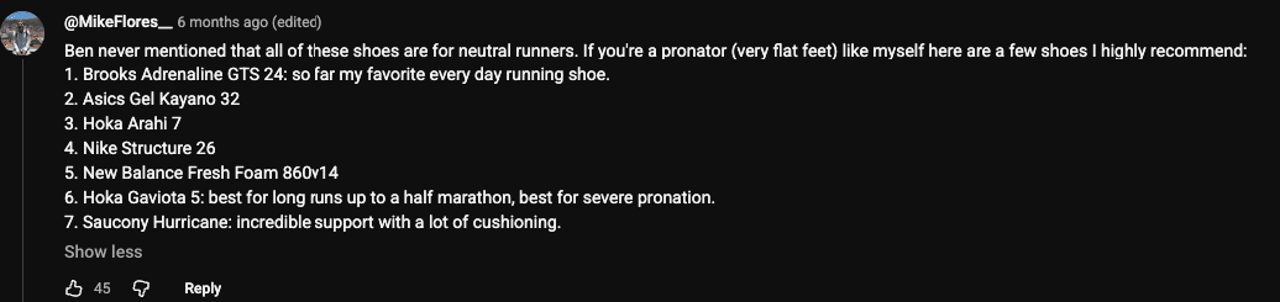
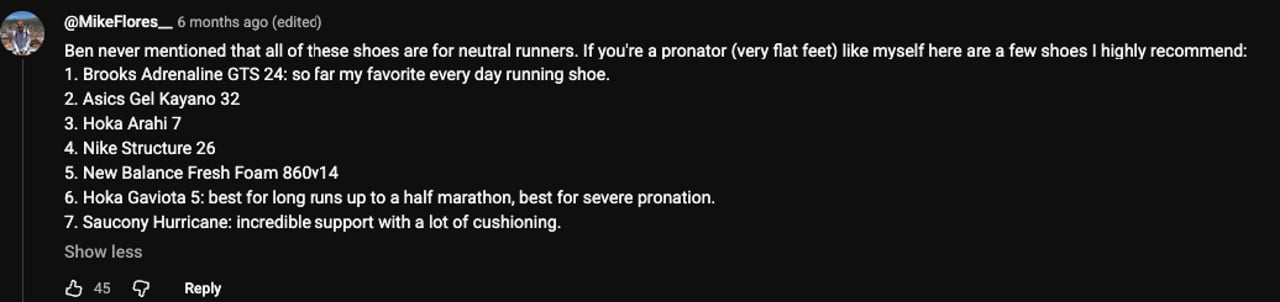
Add to that the fact that YouTube comments under review videos are some of the most detailed, unsolicited product feedback you can find from real viewers anywhere — the comments section under a competitor's most popular review is a better competitive brief than most research reports. It's full of pain points, audience interests, direct comparisons, and it's completely public.
Then there's the creator ecosystem. YouTube influencers who genuinely use your product carry a different kind of credibility than paid placements. Monitoring which YouTube creators are talking about you — and how their audiences respond — gives you influencer intelligence you can actually act on, without cold outreach. Your brand perception is being shaped constantly by people you may not even know are talking about you. That's not a minor blind spot in your marketing campaigns — it's a massive one.
5 use cases that actually justify the investment
1. Brand mention monitoring — the full picture, not just text
Tracking your brand mentions in YouTube titles, descriptions, and YouTube comments is table stakes. The real value is in audio. A creator who says your brand name on camera but never types it is invisible to most monitoring tools — which means you're missing the YouTube mentions that often reach the largest audiences and generate the most audience engagement.
2. Competitive analysis and competitor strategies
Your competitors' YouTube channels are public. The creator content they're sponsoring is public. The comment sentiment on their YouTube videos is public. This kind of competitive analysis reveals competitor strategies and audience reception in near real time. Not what their marketing says — what real viewers say under their videos. That's a different kind of intel, and most social media analytics platforms don't surface it well.
3. Find creators worth working with
YouTube creators who already mention your brand organically are the most credible starting point for any influencer marketing program. They've already shown genuine interest. A YouTube social listening tool lets you find creators automatically — you couldn't realistically search manually across millions of channels. These tools enable discovery at a scale that manual approaches can't touch.
4. Product feedback from the comments section
Underrated. YouTube comments under product review and tutorial videos — especially your competitors' — are a continuous stream of unfiltered feedback from your target audience. Feature requests, pain points, direct comparisons, and genuine praise. It's qualitative research at scale, from real viewers, with no survey budget required. The valuable insights are sitting there in public — someone just has to be analyzing conversations systematically.
5. Campaign and sentiment tracking
Sponsor a YouTube creator, run marketing campaigns on the platform — then what? YouTube social listening tells you whether it moved the needle on brand health. Did the brand mention volume spike? Did audience sentiment shift? Were there negative sentiment signals you need to address? Analyzing sentiment before and after is the only way to monitor brand health with real precision and draw conclusions about actual impact versus vanity reach numbers.
Can you do this manually? Sort of. Here's the honest answer
Before committing to a dedicated social listening tool, teams often try to make manual approaches work. YouTube native search ranks by algorithm — older viral content dominates, audio mentions don't exist, and basic metrics like view counts tell you nothing about the emotional tone of how your brand is being discussed.
Comment search via YouTube is free but takes forever, with no aggregate sentiment analysis. Google Alerts catches title-level metadata if you're lucky. Manual channel subscriptions don't scale — and they produce no YouTube analytics on comment sentiment or trending topics.
None of these approaches touch spoken audio. None can run sentiment analysis at scale. You'll spend hours and still only see a fragment of what's being said. If you're starting out with no budget, manual is better than nothing — just know the ceiling is low. And if the difference between social listening and social monitoring is still fuzzy, worth reading before building your setup. They're not the same thing.
Best YouTube social listening tools in 2026
Quick caveat: not all social media analytics platforms cover YouTube the same way. Some check a box that says "YouTube" and mean they track titles and maybe public comments across social media platforms. A few go genuinely deeper. Here's a rundown of the best tools — what they actually cover, and who they're built for.
YouScan
YouScan goes deepest on YouTube, specifically because of its AI-powered Audio Monitoring module — it automatically detects and summarizes spoken brand mentions inside YouTube videos, including historical YouTube data. Not starting with a blank slate matters. If a YouTube creator reviewed your product a year ago without typing your name, you can still find it.
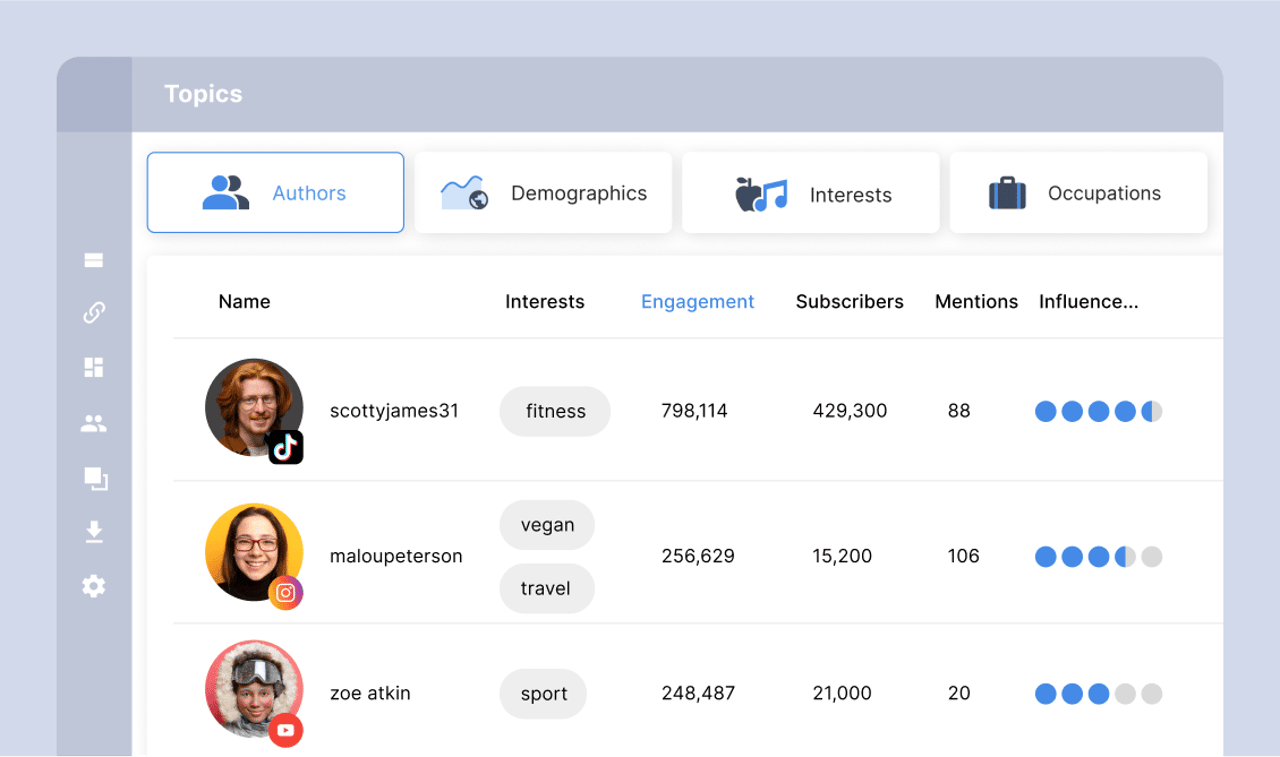
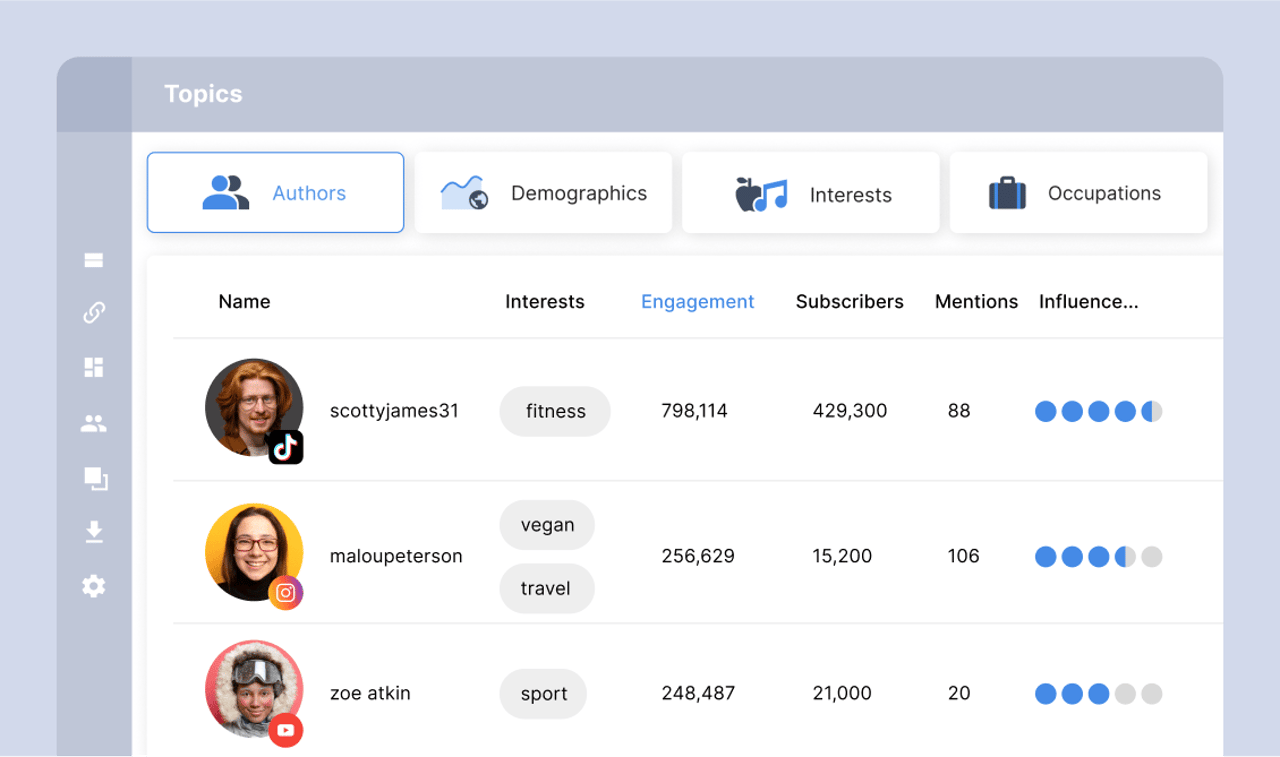
Beyond audio, Visual Insights detects brand logos and products in video frames and thumbnails. Insights Copilot takes natural-language questions about your YouTube data and delivers actionable insights in seconds. Everything — YouTube, Instagram, TikTok, Reddit, news, and other online sources — sits in one unified view.
The social listening dashboards are worth exploring to understand how YouTube monitoring surfaces alongside other social platforms in practice. Best fit: brands needing spoken and visual YouTube brand mentions alongside a full cross-channel content strategy.
Sprout Social
Tracks YouTube titles, descriptions, and comments with sentiment analysis and keyword alerts, integrated with Sprout's publishing and engagement workflows. Won't catch audio. Best fit: social teams already running out of Sprout who want YouTube listening folded into their existing YouTube marketing workflow.
Meltwater
Strong on cross-source correlation — YouTube data alongside press coverage, podcasts, and broadcast media. YouScan's
Meltwater competitors breakdown is useful if you're comparing. Best fit: PR and comms teams that need YouTube alongside traditional media as part of their marketing strategy.
Brand24
Brand24 is an AI social listening tool with real-time YouTube monitoring and an AI Brand Assistant for conversational data analysis. Good value at the lower end. Best fit: SMBs and agencies that need a YouTube monitoring tool without enterprise spend.
Mention, Talkwalker, Hootsuite Insights
Mention does YouTube keyword tracking with Boolean search — simple, affordable alerting. Talkwalker is enterprise-grade with multilingual sentiment analysis and strong cross-platform trend tracking for emerging trends across multiple markets. Hootsuite Insights folds YouTube listening into Hootsuite's platform with Spike Alerts and AI summaries — right for teams already in Hootsuite who want to add YouTube audience insights without switching tools.
Here's how the tools compare:
Tool | YouTube data coverage | Sentiment analysis | Free tier | Best for |
YouScan | Titles, descriptions, captions, comments + Audio Monitoring + Visual Insights | AI-powered, context-aware | Free demo, 3-day trial | Spoken + visual YouTube mentions, cross-channel |
Sprout Social | Titles, descriptions, comments | Standard sentiment | 30-day trial | Social teams: listening + publishing |
Meltwater | Video content + comments | AI-assisted | No | PR/comms, cross-source monitoring |
Brand24 | Titles + comments, real-time | AI Brand Assistant | 14-day trial | SMBs and agencies |
Mention | Keyword mentions in video data | Basic sentiment | 30-day trial | Simple YouTube alert tracking |
Talkwalker | Video content + comments, multilingual | Advanced NLP, multilingual | No | Global enterprise, multilingual brands |
Hootsuite Insights | YouTube + major platforms, Spike Alerts | AI-assisted summaries | Free plan | Teams using Hootsuite for publishing |
How to actually set up a YouTube social listening workflow
A tool without a workflow delivers data, not decisions. Start by getting specific about what you're trying to learn. Brand health monitoring, competitive analysis, community engagement tracking, finding creators — these need different keyword lists, different alert thresholds, and different review cadences. "We want to track our brand on YouTube" isn't a goal. "We want to know within 24 hours when a YouTube creator with over 100k subscribers mentions us" — that's something you can build a workflow around.
Build your keyword and channel list. Brand name, product names, common misspellings, campaign hashtags, 8-10 industry keywords, and specific YouTube channels in your niche. Then decide which monitoring layers matter. Text only, or full coverage including audio and visual? If audio matters — and for most brands it should — you need Visual Insights and Audio Monitoring capabilities. Set up social listening dashboards with real-time alerts for mention spikes and negative sentiment shifts.
The step most teams skip: assigning ownership. Who escalates a crisis mention? Who routes product feedback? Who flags creator opportunities? Listening data without a response process is a report nobody reads. Track mention volume and brand sentiment over time, fine-tune your keyword list quarterly, and measure how YouTube insights translate to actual engagement metrics and marketing campaign performance.
A few things most guides won't tell you
Audio is the actual opportunity — almost nobody is covering it
Most competitors are monitoring YouTube text. Very few are monitoring audio. That's the gap. According to this report, social listening improved ROI confidence for marketers across every major platform. The teams covering audio have a deeper understanding of how their audience feels — they're working with powerful insights that text-only teams literally cannot access, no matter how good their tools are. If your videos resonate with viewers but you're only tracking written engagement metrics, you're missing most of the conversation.
Competitors' comment sections are a better research source than you'd think
Comments under competitors' YouTube videos tell you what their audience likes, what frustrates them, and what they're not getting. YouScan's competitor analysis tools let you track this systematically — analyzing conversations for trending topics, audience demographics, and recurring pain points. Completely free data, sitting in public, giving you a deeper understanding of competitor strategies.
One relevant mention beats a hundred incidental ones
Filter creator monitoring by relevance, not raw mention volume. YouScan's audience insights surfaces audience demographics and interest profiles behind who's actually talking — which tells you whether those voices represent your target audience.
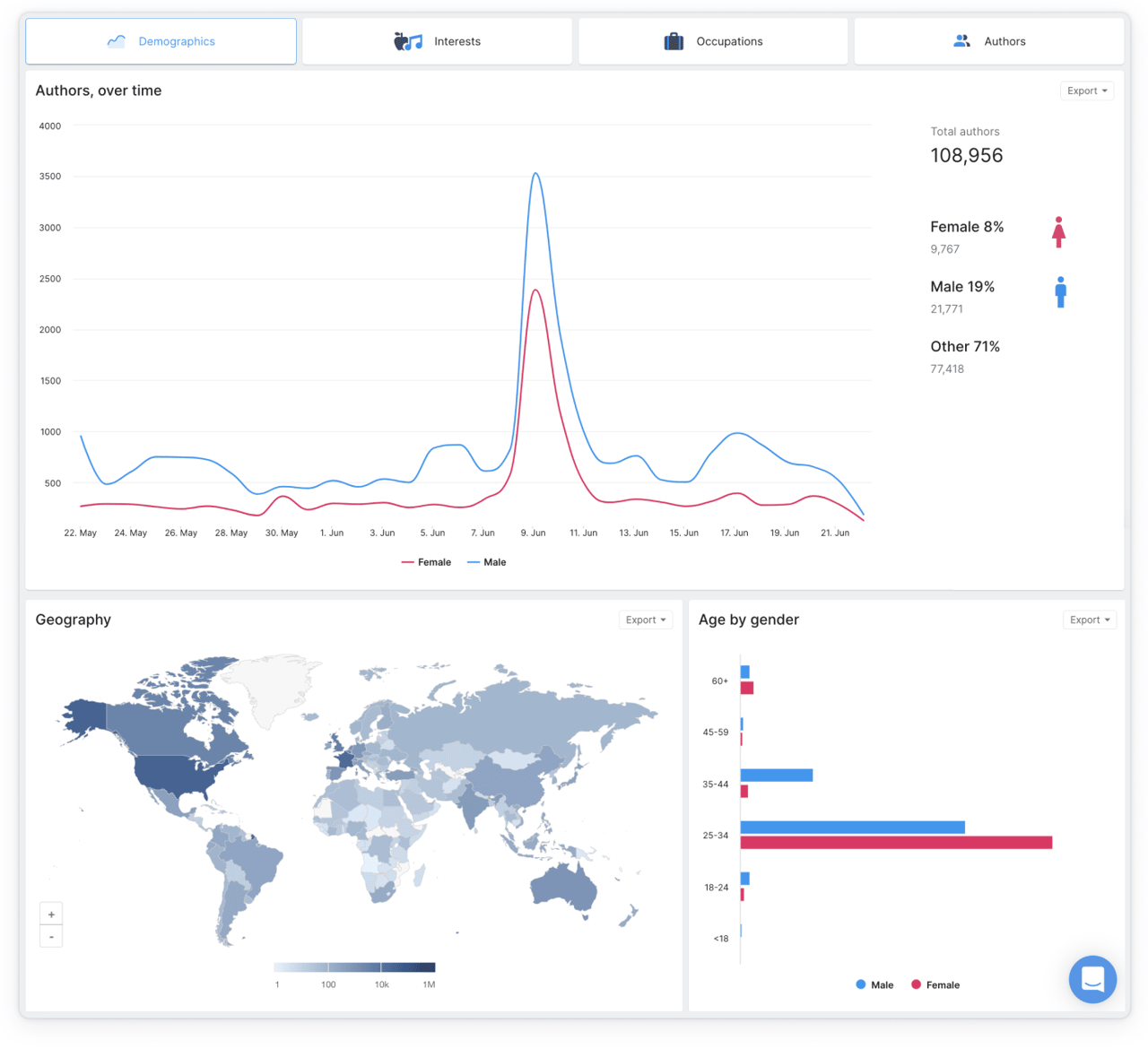
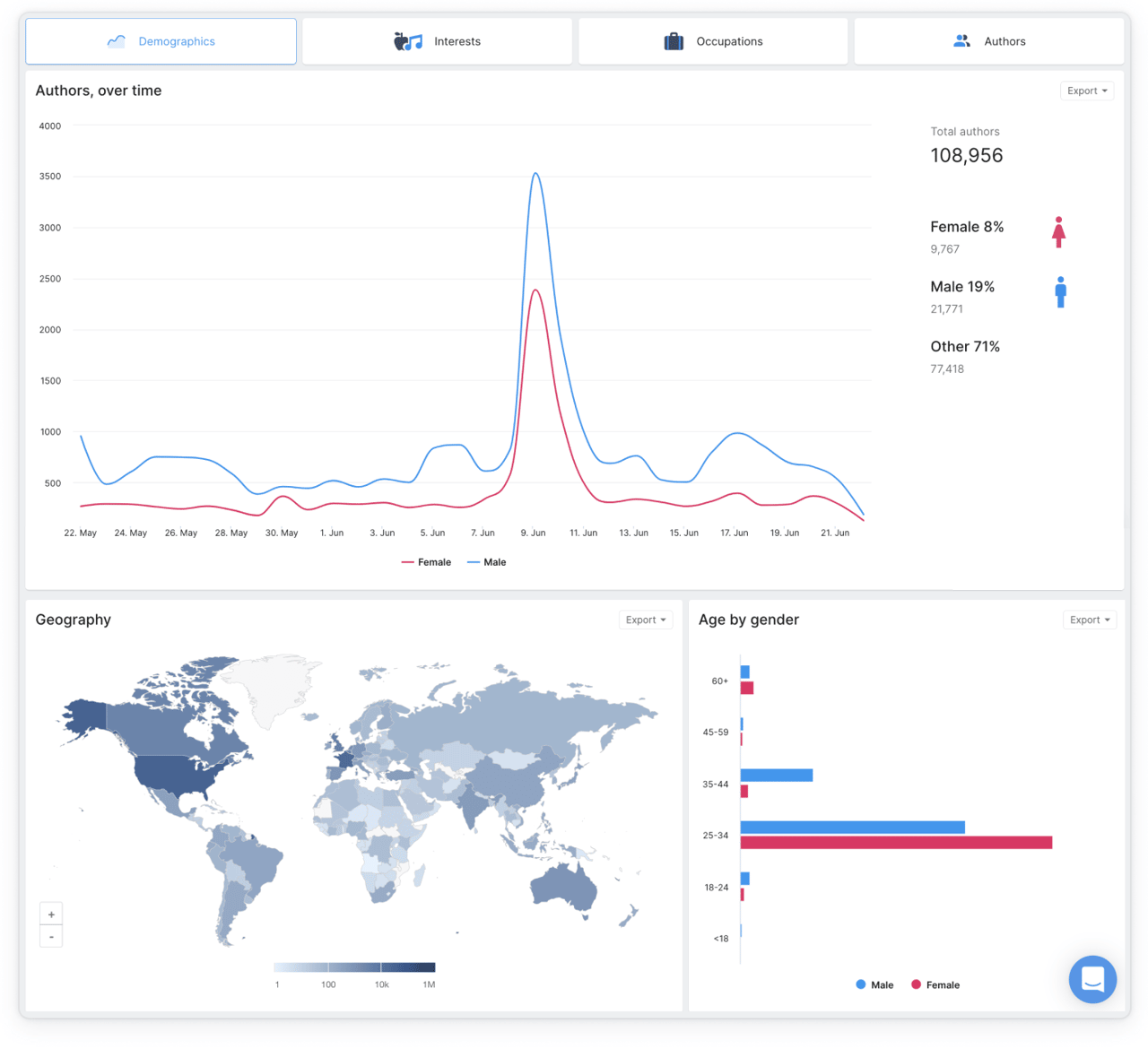
One more thing: YouTube brand conversations almost never stay on YouTube. Something gets said in a video, it moves into YouTube comments, then Reddit, then X. A single social platform view misses the arc. The social listening glossary is a solid reference if you're building a multi-channel setup and want to get precise on terms like audience sentiment, YouTube analytics, and audience demographics.
Beyond text: how YouScan handles YouTube brand intelligence
Most social listening tools that claim YouTube coverage track titles, descriptions, and comment text. That's the surface layer — on a video-first platform, it's the least interesting part. YouScan goes deeper across three layers that most social listening tools miss.
Audio Monitoring
YouScan's AI-powered Audio Monitoring automatically processes YouTube videos, identifies spoken keyword mentions, and surfaces summaries. Historical audio data runs back to October 2022. A YouTube creator who reviewed your product two years ago without typing your brand name is still findable — that's not just a nice-to-have, it means your YouTube presence tracking has real historical context.
Visual Insights
Image recognition detects brand logos and products in video frames and thumbnails — product placements, unboxing shots, incidental background appearances. Visual Insights catches what written monitoring misses entirely.
Insights Copilot and cross-channel context
Ask plain-language questions of your YouTube data and get actionable insights instantly, through AI social listening that reads actual context and emotional tone, not just pattern-matching keywords. All of it — YouTube, Instagram, TikTok, Reddit, news, Bluesky, and other online sources — sits in one view. When a YouTube creator mention triggers a broader conversation across social platforms, you see the whole arc. Social listening examples from real brands show what that looks like in practice.
Final thoughts
YouTube is the second-largest search engine on the planet and one of the most information-dense brand monitoring environments available. Most of its valuable signals — spoken brand mentions, logo appearances, long-form comment reactions — sit in layers that text-only tools were never built to reach.
The brands doing this properly have a real edge in influencer intelligence, product feedback, community engagement, and actual competitive analysis of how audiences respond to competitor content. The ones relying on a Google Alert are working with a fraction of the available picture. The YouTube insights exist. The question is whether you have a social listening tool that can reach them.
Book a YouScan demo to see Audio Monitoring, Visual Insights, and cross-channel YouTube brand intelligence in action.
Frequently asked questions
What is YouTube social listening?
YouTube social listening is the practice of monitoring and analyzing YouTube videos, captions, comments, and spoken audio to track brand mentions, audience sentiment, competitor activity, and emerging trends. Effective YouTube social listening must capture mentions in video audio, and visual frames — not just title and comment text — because the most impactful brand conversations on YouTube often happen inside the video content itself.
Why is YouTube important for social listening?
YouTube matters for social listening because it is the world's second-largest search engine, with 2.7 billion monthly active users watching over one billion hours of content daily. Consumers actively search for product reviews, tutorials, and brand comparisons on YouTube — making it a high-intent channel where brand perception is shaped at the moment of purchase consideration. Unmonitored YouTube mentions, especially in creator audio, represent a significant blind spot for most marketing teams.
What is the difference between YouTube social listening and YouTube analytics?
YouTube Analytics shows performance data for your own YouTube channel — views, watch time, subscriber growth, audience demographics. YouTube social listening tracks what people say about your brand, products, and competitors across all of YouTube — including other YouTube creators' videos, the comments section, and spoken audio. One measures your content performance; the other captures your brand's wider YouTube presence.
Can social listening tools access private YouTube data?
No. All legitimate YouTube social listening tools use the official YouTube API — public video metadata, titles, descriptions, captions, and public comments only. No tool can access private viewing data or individual watch behavior.