What Is PR in Social Media? Complete Rundown [2026]

Public relations used to mean press releases, media pitches, and hoping a journalist would pick up your story.
Today, your brand's reputation plays out in real time across social media platforms, where a single social media post can spark a crisis or a thoughtful response can turn a frustrated customer into a brand advocate.
So what is PR in social media, and why does it matter for your brand? This guide breaks down everything you need to know about combining public relations with your social media strategy—from building relationships with your audience to managing your company's reputation when things go sideways.
What is PR in social media?
Social media PR refers to the practice of managing your brand's reputation and building relationships with your target audience through social media channels. Unlike traditional public relations, which relied heavily on press releases and media coverage through journalists, social media PR involves direct communication with your social media audience—no middleman required.
At its core, social media PR is a strategic communication process that helps shape public perception of your brand. It includes PR activities like monitoring what people say about you, responding to feedback (both good and bad), building relationships with industry influencers, and creating leadership content that positions your company as a trustworthy voice in your industry.
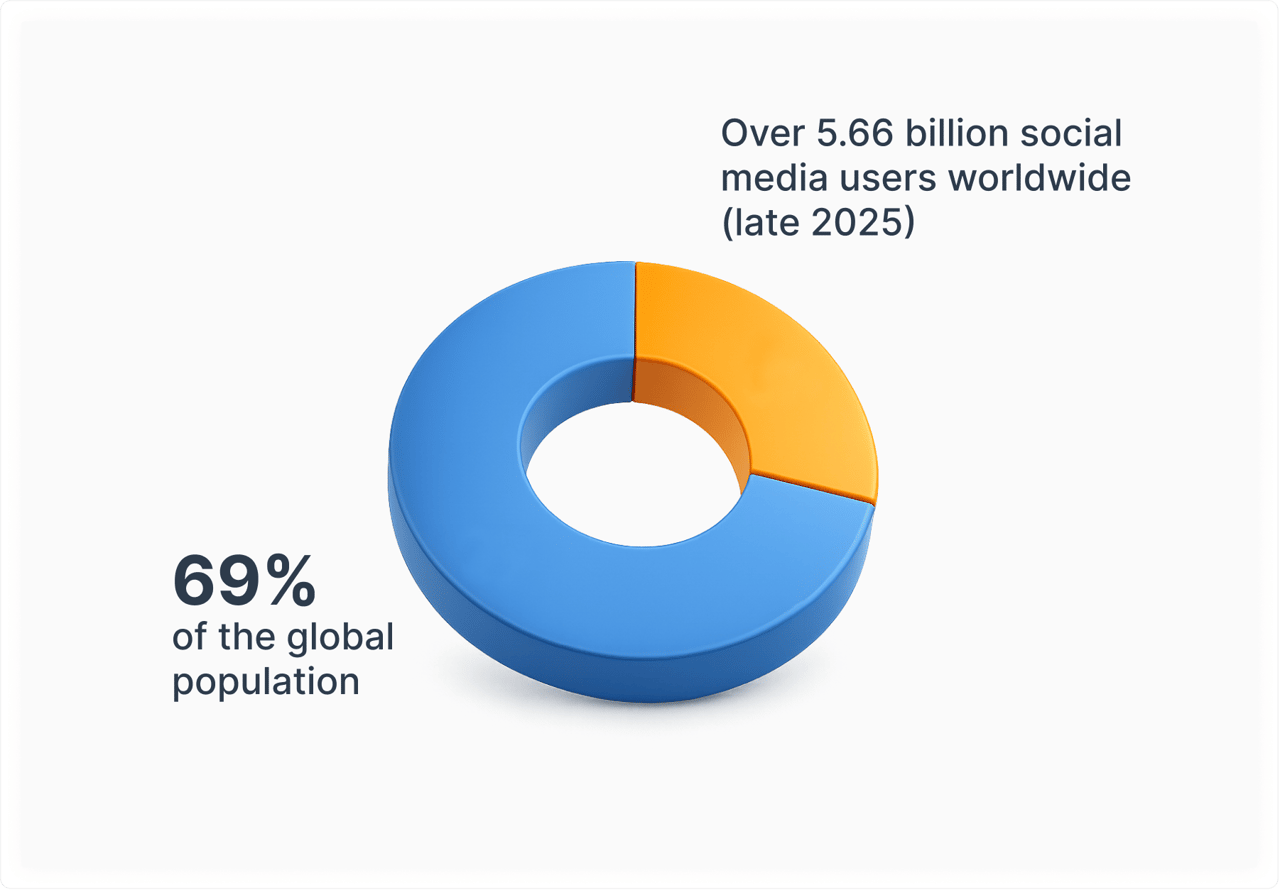
The shift from traditional PR to social media PR happened because that's where people went. With over 5.66 billion social media users worldwide as of late 2025 (representing nearly 69% of the global population), social platforms have become the primary place where brand perception is formed, and reputations are built—or destroyed.
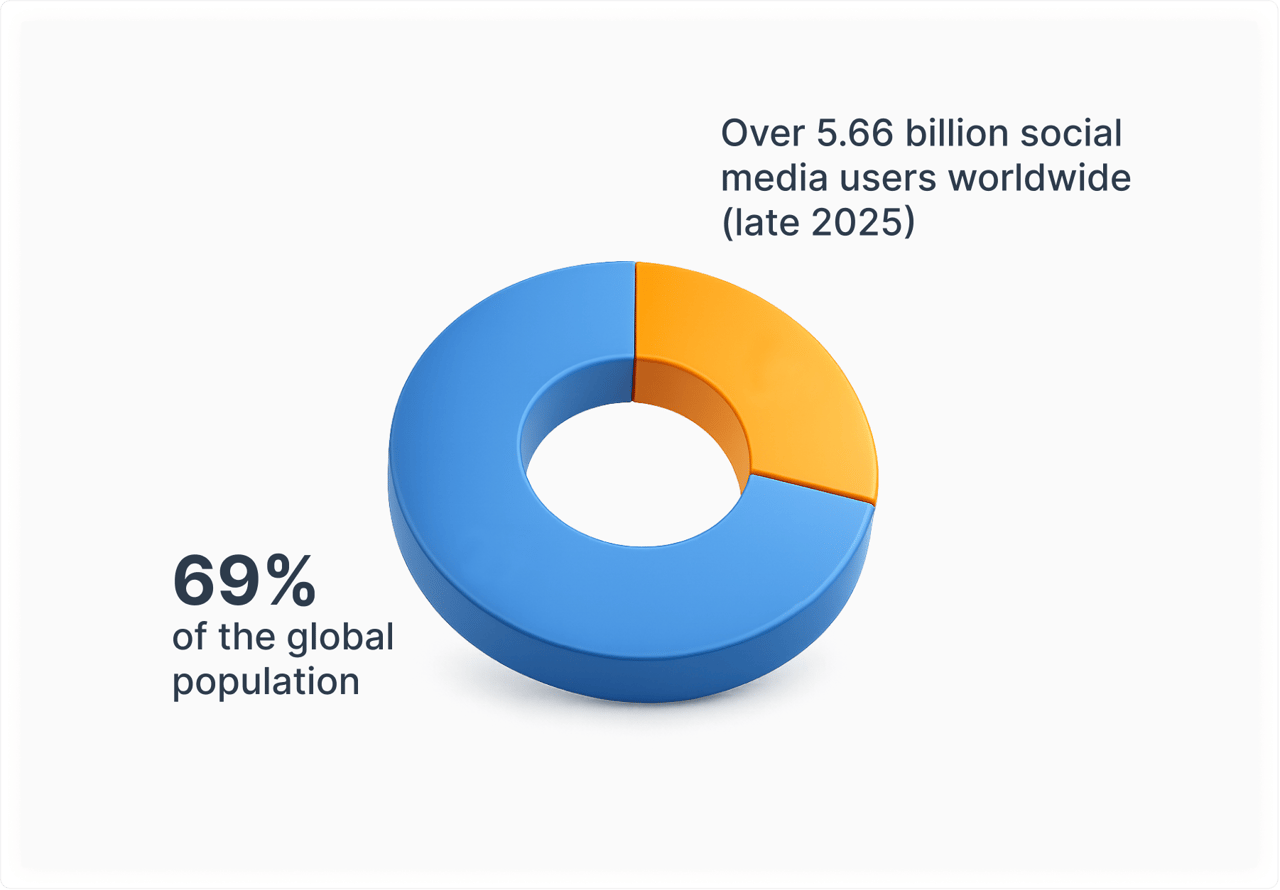
The key components of an effective social media PR strategy include:
Brand messaging: Maintaining a consistent voice and identity across all social channels
Reputation management: Monitoring conversations and responding to mentions in real time
Community engagement: Building genuine relationships with your social media audience
Crisis communication: Having protocols in place when things go wrong
Thought leadership content: Positioning your brand and executives as industry leaders
Traditional PR vs. social media PR: key differences
If you've worked in communications for more than a decade, you remember the old days. You'd spend weeks crafting the perfect press release, send it to your media contacts, then wait—sometimes for days—to see if anyone picked it up. Traditional public relations was a one-way street: brands talked, audiences (hopefully) listened.
Social media PR flipped that model entirely. Now your audience talks back. They share their opinions, tag you in complaints, and expect responses within hours, not days. According to research from PR Daily, PR professionals are finding that "it will become harder and harder to determine where earned media ends and social media begins" as these worlds continue to blur.
Here's how the two approaches compare:
Aspect | Traditional PR | Social media PR |
Communication model | One-way broadcast | Two-way dialogue |
Speed | Days to weeks for coverage | Real-time responses expected |
Audience reach | Limited by media gatekeepers | Direct access to potential customers |
Targeting | Broad demographics | Precise audience demographics |
Measurement | Difficult to attribute ROI | Trackable key metrics and audience engagement |
Crisis response | Formal statements, press conferences | Immediate acknowledgment on social platforms |
Content control | High control over messaging | Shared control with user-generated content |
This doesn't mean traditional media is dead. Press releases still have their place, and media coverage from respected outlets still carries weight. But effective social media PR recognizes that combining social media with traditional PR tactics creates a more complete public relations strategy.
The biggest shift? Speed. A brand crisis that might have taken days to develop in the pre-social era can now explode within hours. That means PR professionals need to monitor conversations constantly, ready to respond before small issues become major problems.
Why social media PR matters for your brand
You might be wondering if investing in a social media PR strategy is worth the effort when you're already managing marketing campaigns and daily operations. Here's the business case for taking it seriously.
Brand awareness and visibility
Social media channels offer reach that traditional media simply can't match. When someone shares your content, it can spread to their entire social media network—and their network's networks. A well-crafted social media post can achieve viral distribution that no press release ever could.
Hashtags and trending topics make your brand discoverable to potential customers who've never heard of you. Consistent social presence keeps you top-of-mind with your target audience, helping with raising awareness and brand recognition. The numbers tell the story: the average person now spends about 2 hours and 21 minutes on social media daily. That's a lot of time your brand could be building brand visibility and a positive brand image.
Reputation management in real time
Here's where social listening tools become your best friend. With the right tools in place, you can monitor conversations about your brand across social platforms, news sites, forums, and blogs—catching potential issues before they escalate.
Think about it: a customer complains about your product on Twitter. With traditional PR, you might never see that complaint until it becomes a news story. With social media PR, you can spot it immediately, respond publicly (showing accountability), and often resolve the issue before it spreads. This kind of direct communication protects your brand's image and maintains a positive public image.
Platforms like YouScan enable PR teams to catch relevant discussions they'd otherwise miss, including visual mentions where your logo appears in images without text tags. This kind of comprehensive brand monitoring is what separates brands that stay ahead of reputation issues from those constantly playing catch-up.
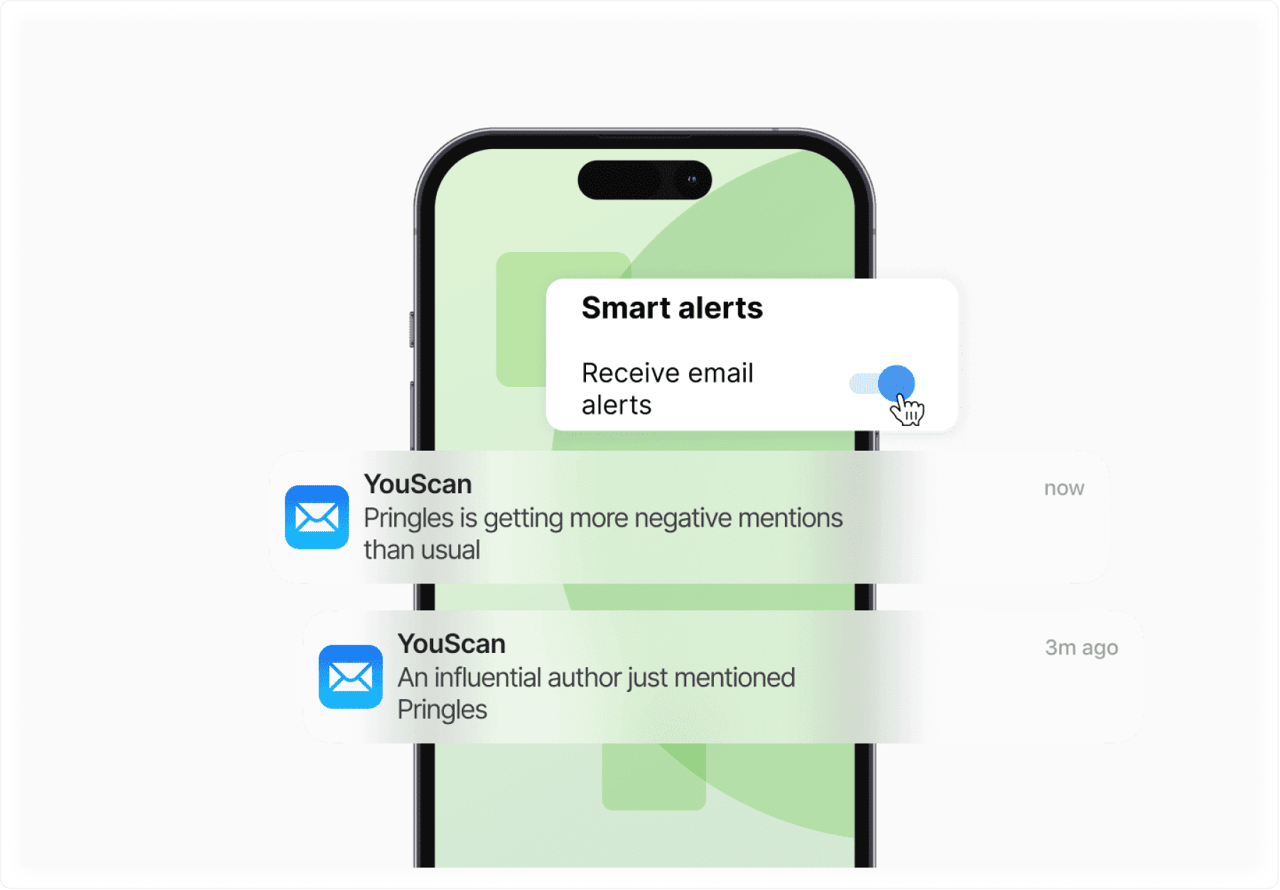
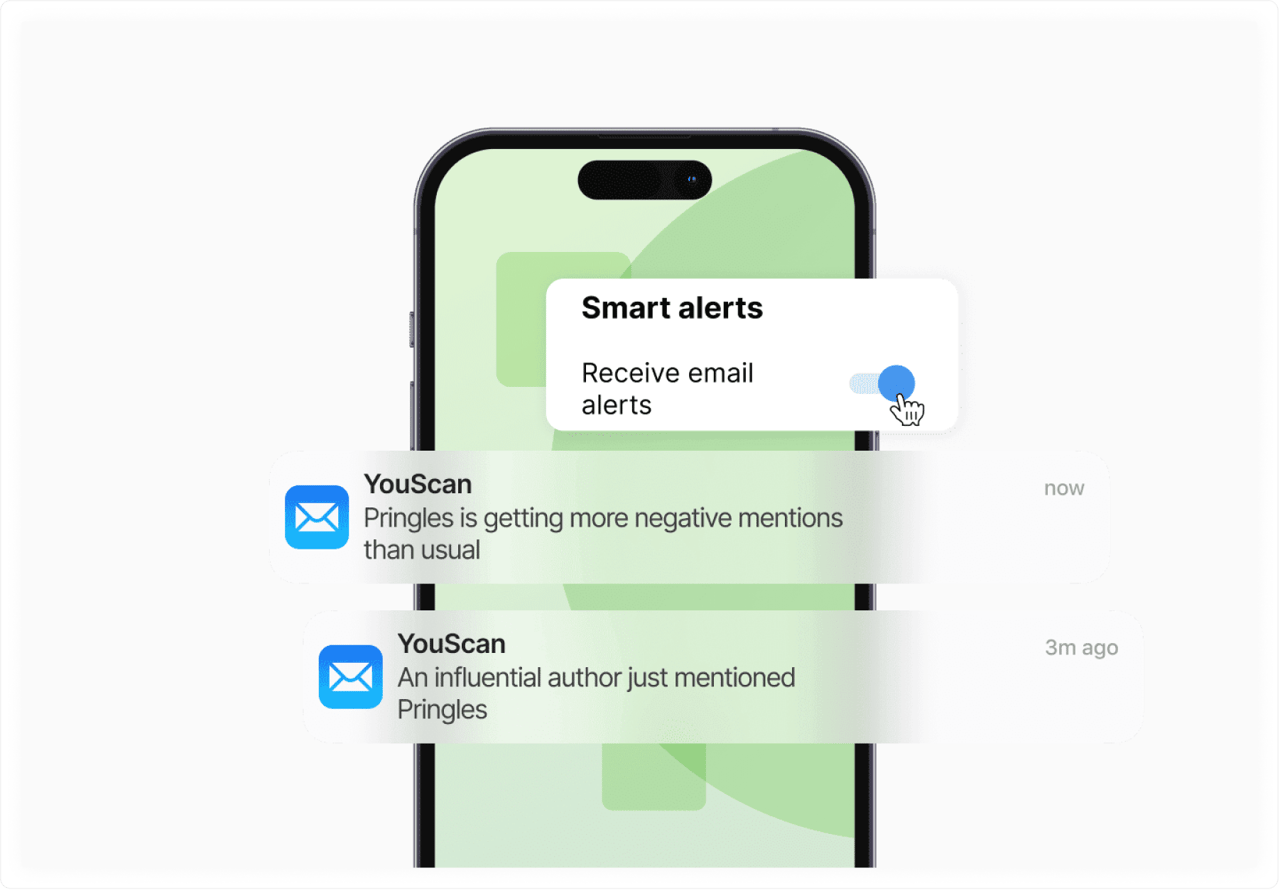


Direct audience engagement
Social media gives you unmediated access to customers, key stakeholders, and the public. No journalist filtering your message. No waiting for publication schedules. You can speak directly to the people who matter to your business through digital channels.
This direct communication lets you humanize your brand's image, gather real feedback, build community, and create brand advocates who amplify your messages organically.
Cost-effective reach
Let's talk money. Traditional PR often involves agency retainers, press release distribution fees, media tours, and event sponsorships. The costs add up fast.
Social media PR requires time investment, but the organic reach and earned media through shares can deliver ROI that traditional PR often can't match—especially for smaller organizations with limited budgets.
A single piece of shareable content can generate the equivalent of thousands of dollars in media value without a dime spent on advertising, while also driving website traffic to your owned properties.
8 social media PR strategies that actually work
Enough theory. Here are actionable digital PR strategies you can implement to improve your PR efforts on social media.
1. Develop a consistent brand voice
Your brand's reputation depends partly on being recognizable. When followers see your social media posts, they should immediately know it's you—whether it's a LinkedIn thought piece or an Instagram Story.
Document your voice guidelines: Are you formal or casual? Do you use humor? How do you respond to criticism? Create templates for common scenarios so everyone on your team communicates consistently. This consistency builds brand recognition and trust over time, contributing to PR success.
2. Monitor brand mentions and sentiment
Knowing what people say about your brand across social channels, forums, and news sites is the foundation of effective social media PR.
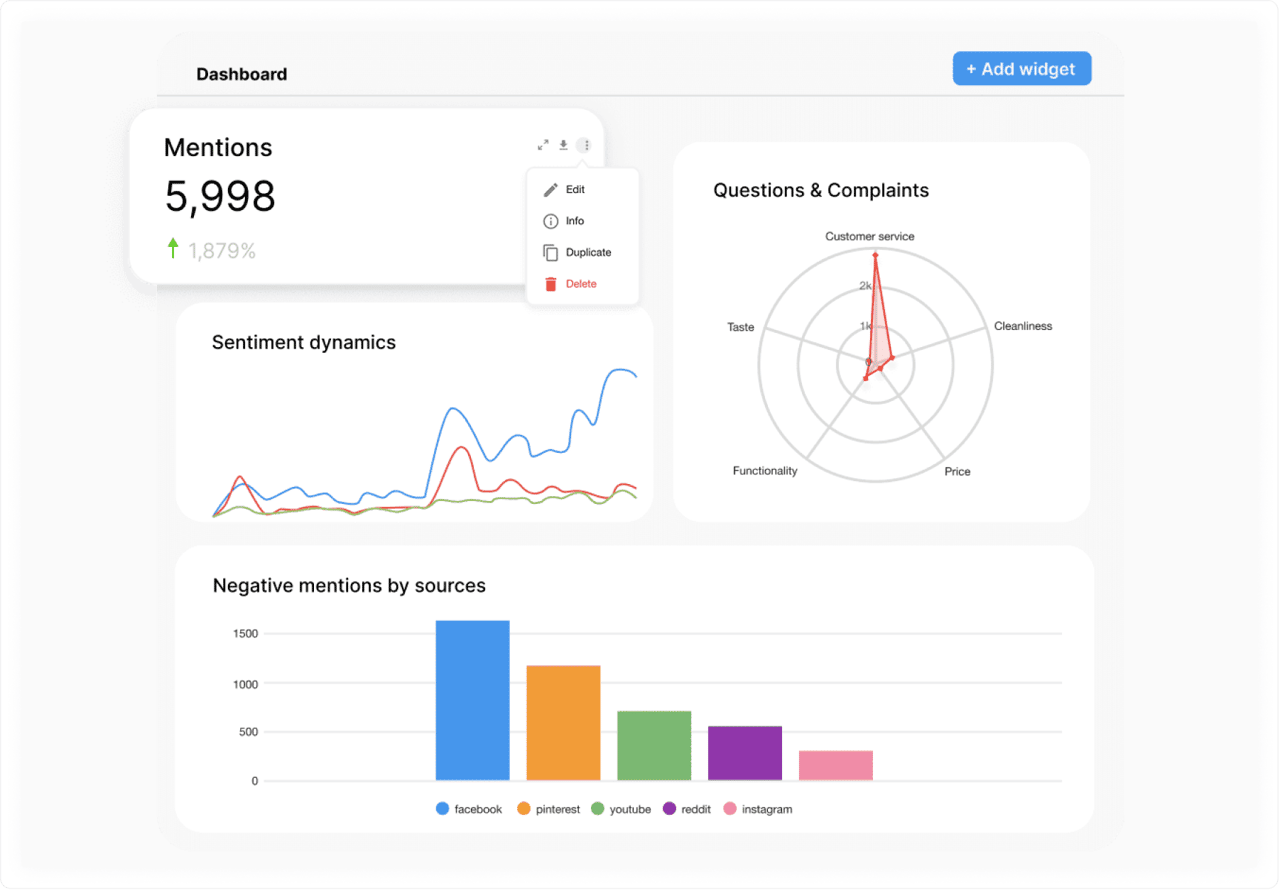
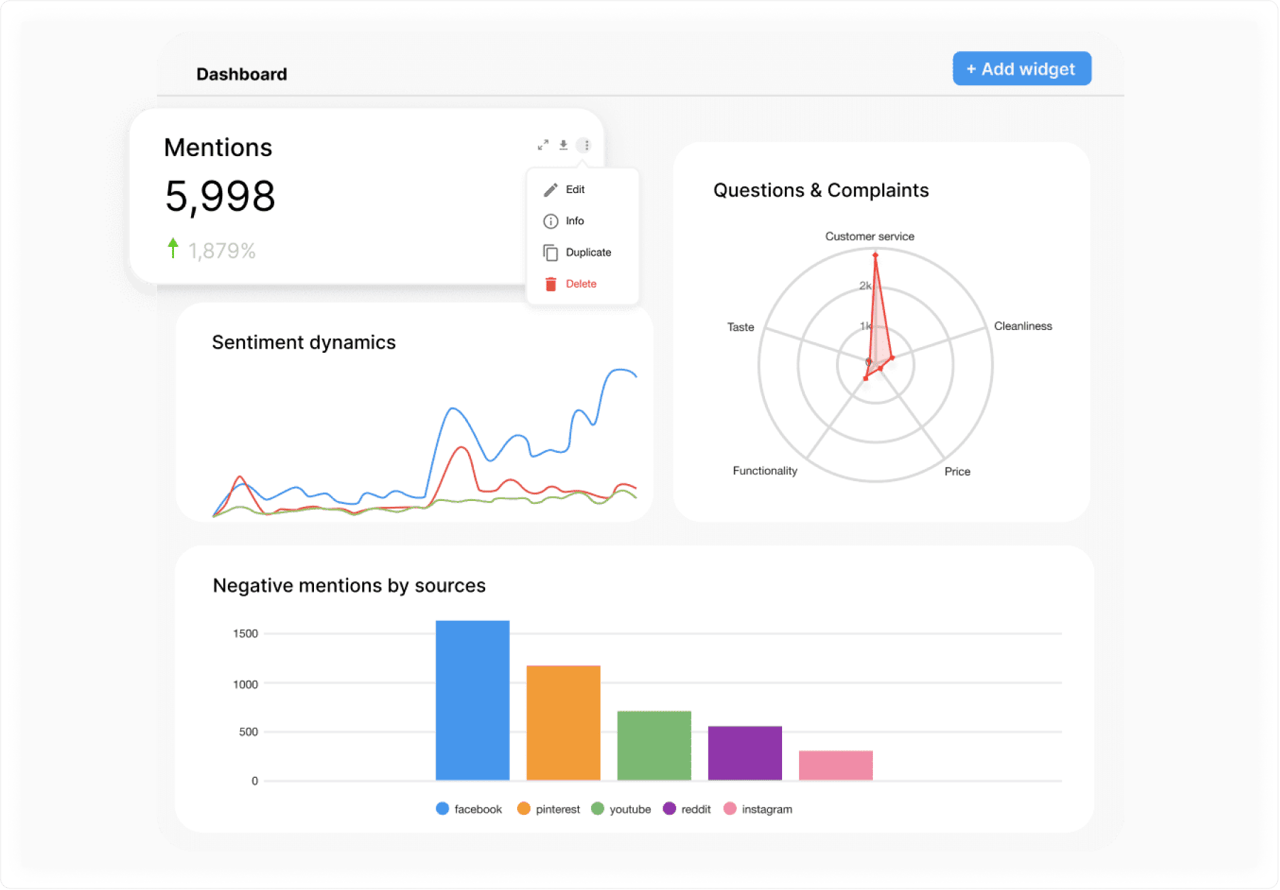
Social listening tools track mentions, perform sentiment analysis (positive, negative, or neutral), and alert your team to potential issues. This is where AI-powered platforms like YouScan become valuable—they monitor not just text mentions but also images where your logo appears, giving you a complete picture of your brand perception that manual monitoring would miss.
3. Engage with your audience authentically
Generic copy-paste responses won't cut it. Authentic audience engagement means personalized replies, acknowledging criticism gracefully, celebrating customer wins, and participating in relevant discussions rather than just broadcasting your message.
When someone takes time to mention your brand—positive or negative—they deserve a thoughtful response. This builds positive relationships and shows potential customers that you're paying attention to community engagement.
4. Build relationships with influencers and media
Social media has created new opportunities for media relations. Journalists, bloggers, and industry influencers are all active on social platforms, and you can engage with their content long before you ever pitch them.
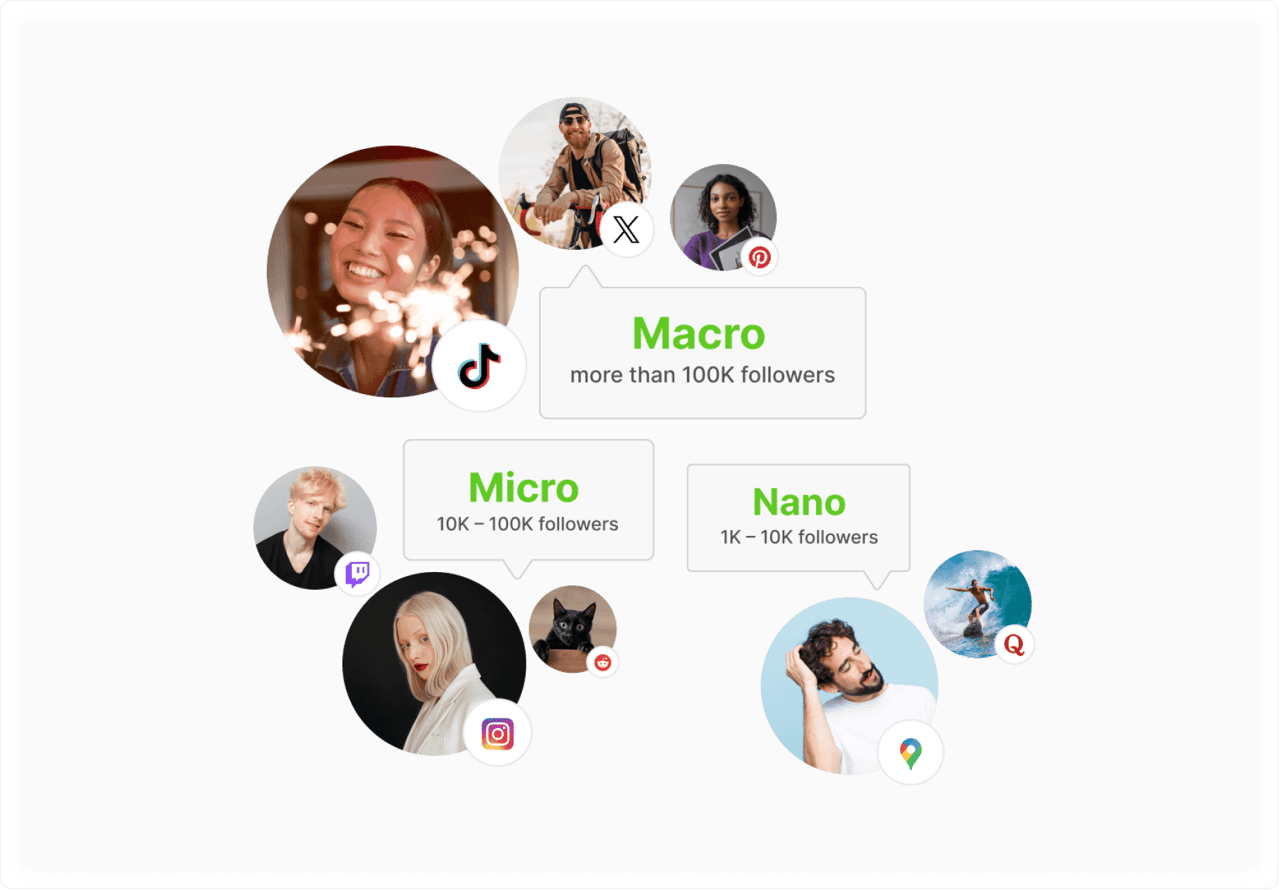
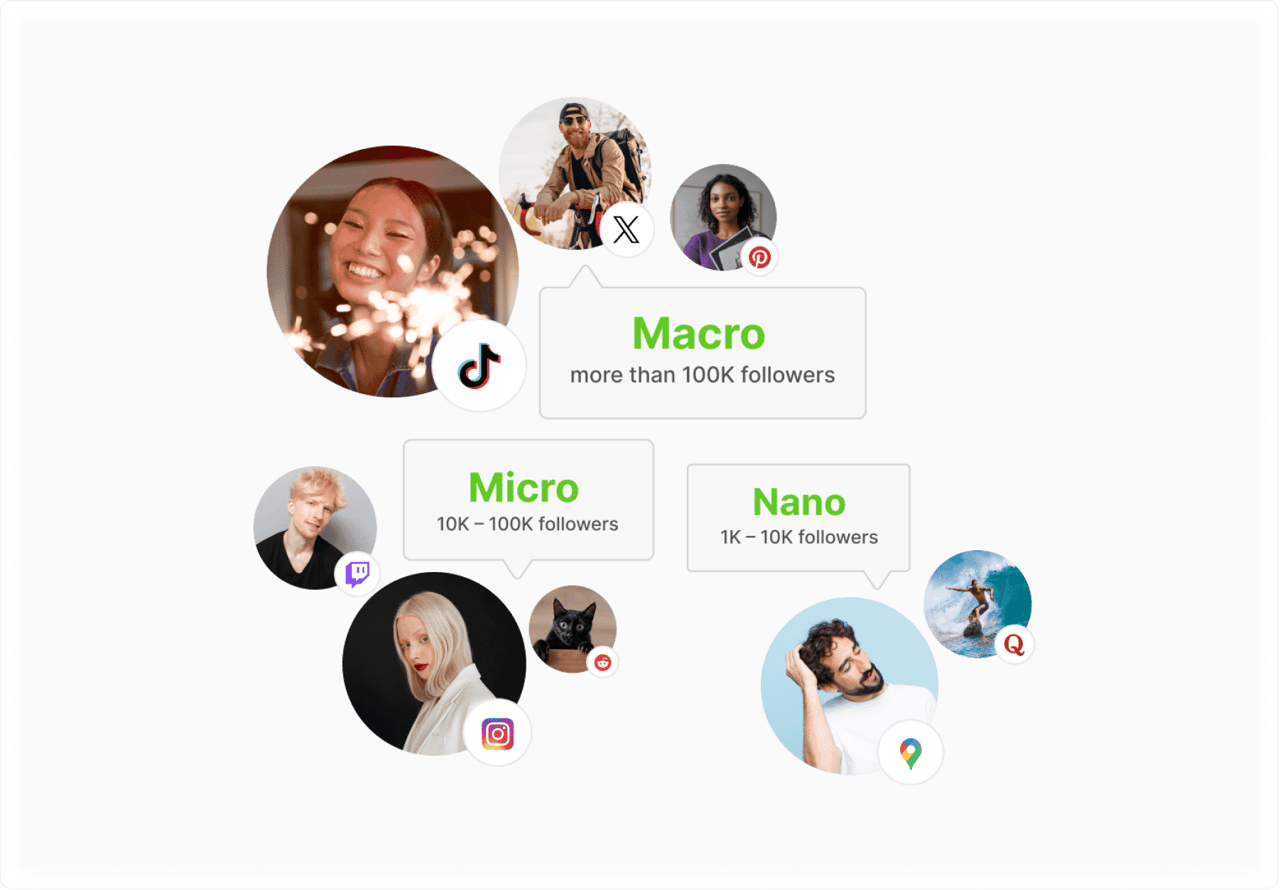
Follow relevant voices in your industry. Comment thoughtfully on their posts. Share their work. Build genuine relationships so that when you do have company news to share, you're not a stranger showing up in their direct messages asking for favors.
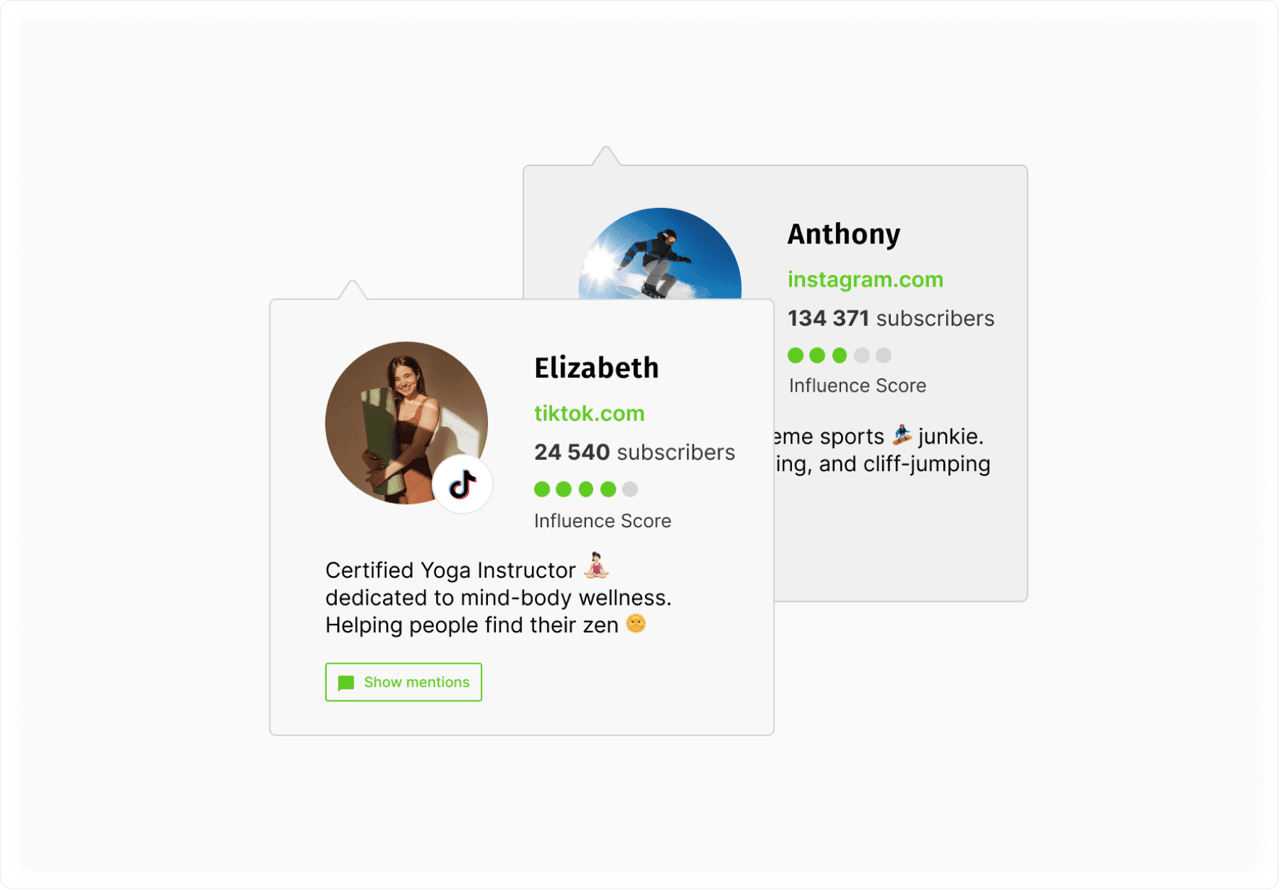
Influencer partnerships work best when they're built on mutual respect and mutually beneficial relationships with business partners. Tools that help with influencer collaboration can identify creators already talking about your industry.
5. Create shareable, newsworthy content
What makes content spread organically? Emotional resonance, practical value, timeliness, uniqueness, or sometimes a bit of controversy. Leadership content, data-driven insights, behind-the-scenes content, and expert commentary on industry trends all perform well for your social media strategy. Visual storytelling often outperforms text-only posts in audience engagement.
6. Use user-generated content strategically
Customer-created content—reviews, testimonials, photos, videos—serves as powerful social proof and boosts visibility for your brand.
Encourage UGC through hashtag campaigns, contests, or simply by asking. Always get permission before resharing, and highlight client testimonials in your PR campaigns to let authentic voices speak for your brand.
Consumer insights from visual content can reveal how customers actually use your products in real life.
7. Respond promptly to feedback and inquiries
Speed matters on social media. Most X (Twitter) users and other social platform audiences expect responses within hours. Establish clear protocols: Who responds? What's the escalation procedure? Do you have after-hours coverage? Quick, helpful responses show you're listening and you care—a foundation for any PR strategy.
8. Align PR with overall marketing goals
Your social media PR shouldn't operate without a backup. PR campaigns should complement marketing campaigns and your broader social media marketing efforts. Insights from social listening vs social monitoring should inform product development and sales strategies.
Share what you're learning from social conversations with other teams. Coordinate messaging so customers have a consistent experience across all touchpoints. When PR and social media marketing work together, both perform better.
Social media PR by platform
Each social media network has unique audiences, content formats, and PR opportunities.
LinkedIn excels for B2B PR, corporate communications, thought leadership, and building relationships with business partners and key stakeholders. Publishing long-form articles and encouraging employee advocacy strengthen your professional presence and support follower growth among industry leaders.
X (Twitter) remains the platform for breaking news and real-time conversation. Many journalists monitor X for story leads, making it valuable for media relations, rapid crisis response, and sharing company news with X users who follow industry trends.
Instagram is where visual storytelling shines. Behind-the-scenes content, influencer marketing partnerships, Stories, and Reels all support PR goals while humanizing your brand and driving audience engagement with potential customers. Instagram monitoring helps brands understand how their products appear in user-generated content.
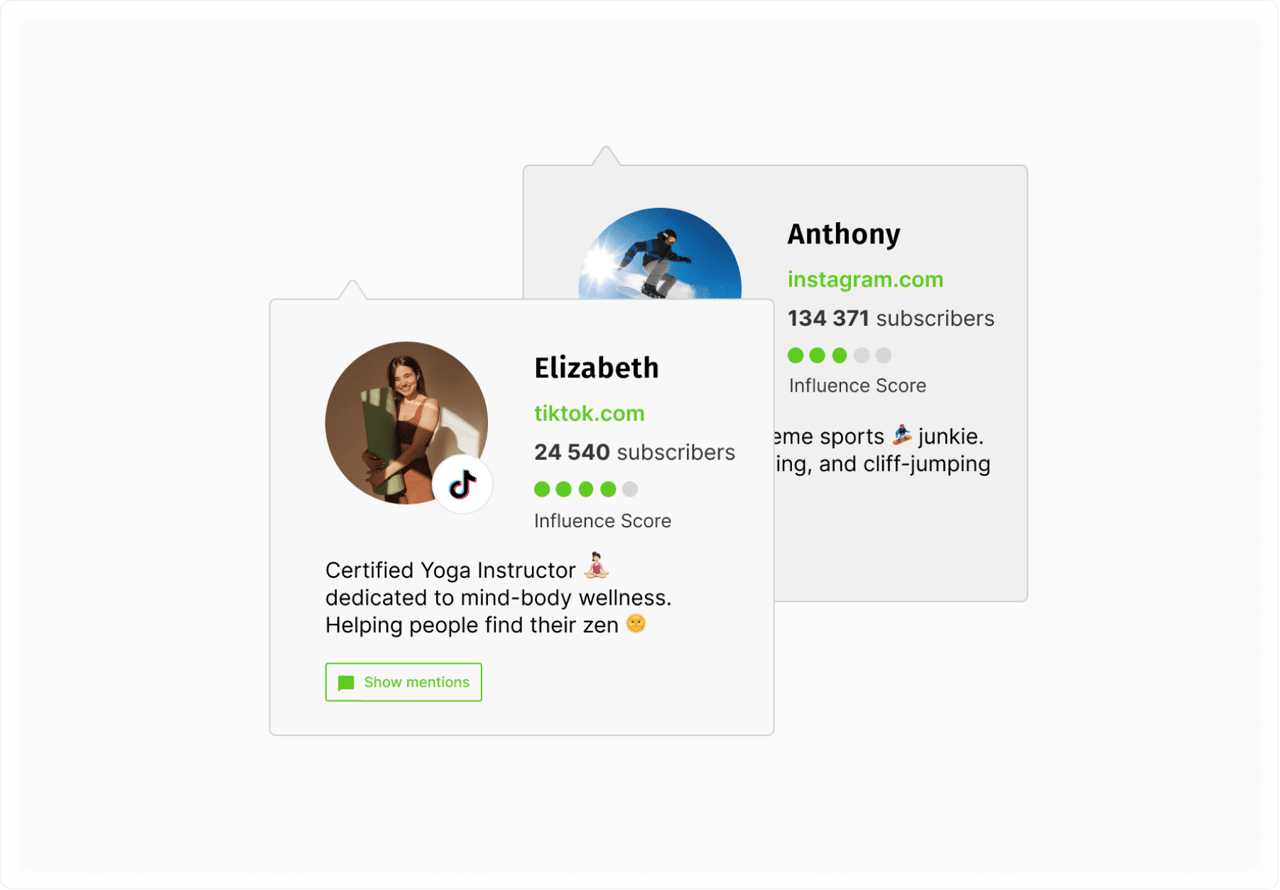
Facebook has evolved toward groups and community features, making it useful for local PR, community engagement, and reaching older audience demographics.
TikTok's explosive follower growth makes it important for reaching Gen Z. Here's the catch: authentic, unpolished content often performs better than highly produced material. PR teams should understand TikTok's unique culture and participate appropriately in this social media network.
Crisis management in social media PR
When things go wrong—and eventually, something will—your crisis communication response determines whether you recover quickly or suffer lasting damage to your company's reputation and brand's image.
Preparing before a crisis hits
According to PwC's Global Crisis Resilience Survey, 96% of organizations have experienced a crisis in the past two years. Your crisis plan should include defined roles, approval chains, pre-drafted holding statements, escalation criteria, and identified spokespersons. Speed matters in social media crises, so advanced preparation saves precious time for your PR efforts.
Real-time monitoring and response
Catching crises early—before they escalate—is where social listening tools prove their value. AI-powered social listening tools like YouScan can identify potential crises in real-time through sentiment analysis and anomaly detection, giving PR teams precious hours to respond and protect your positive public image.
When a crisis hits, follow these principles:
Acknowledge quickly: Let people know you're aware and working on it
Show empathy first: Don't get defensive; show you understand why people are upset
Be transparent: Explain what happened and what you're doing about it
Provide updates: Keep people informed as the situation develops
After the dust settles, review what happened and use that analysis to update your crisis management plans for future strategies and improved PR activities. Learning from reputation crisis cases can help you prepare for similar situations.
Measuring social media PR success
Proving the value of PR efforts has always been challenging, but social media gives us more measurable data than traditional PR ever could.
Key metrics to track
Share of voice: Your brand mentions compared to competitors
Sentiment score: The ratio of positive to negative mentions
Engagement rate: Likes, comments, shares relative to reach
Reach and impressions: How many people saw your social media posts
Media mentions: Pickup of your social content by news outlets for media coverage
Brand mention volume: Tracking industry trends over time
Tools and reporting
Effective measurement requires the right tools. Native analytics from each platform provide basic insights, but
social media monitoring tools like YouScan offer cross-platform monitoring and deeper sentiment analysis—including visual brand mentions in images and videos across digital channels. Social listening dashboards help visualize your data in real time.
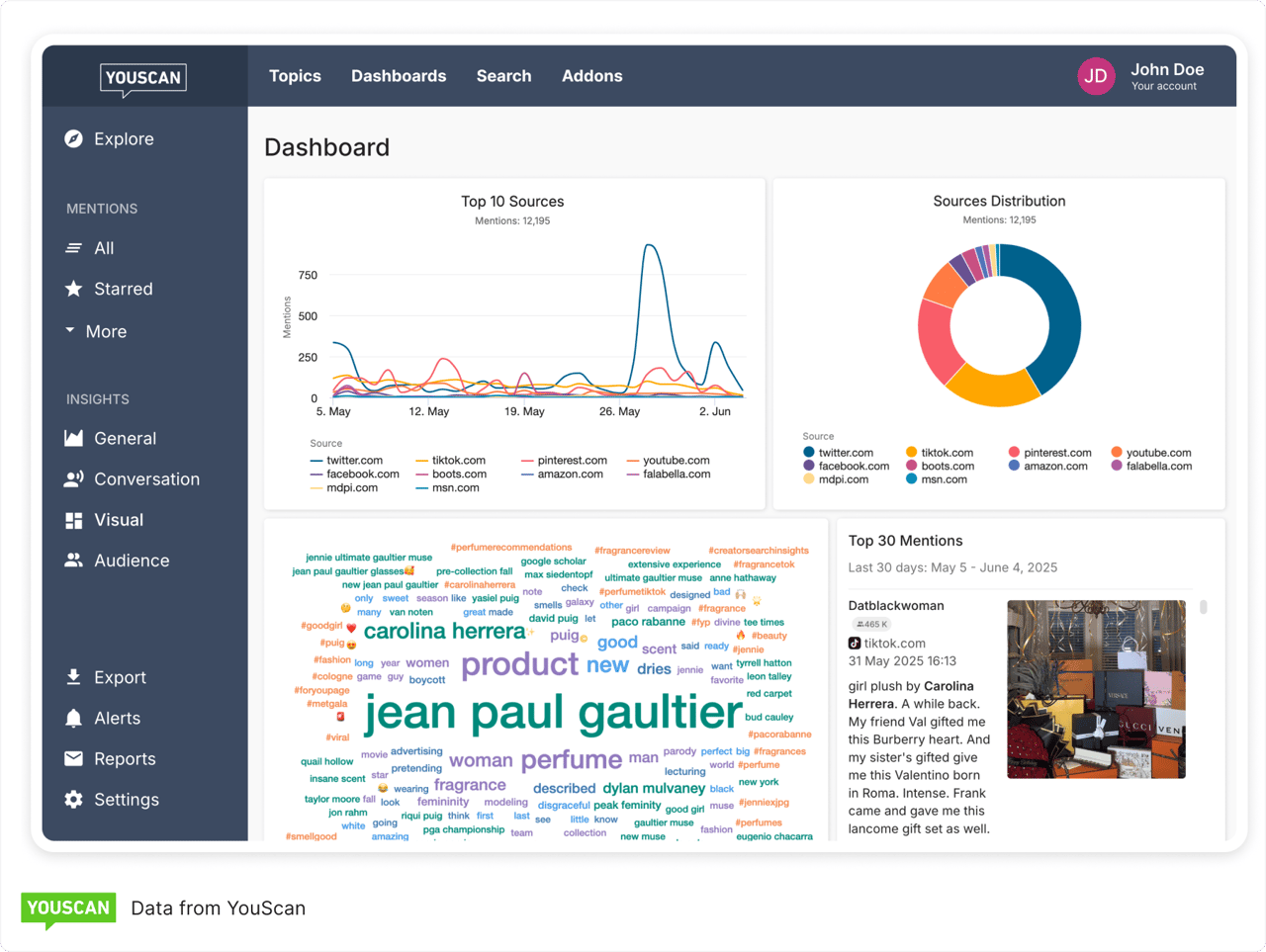
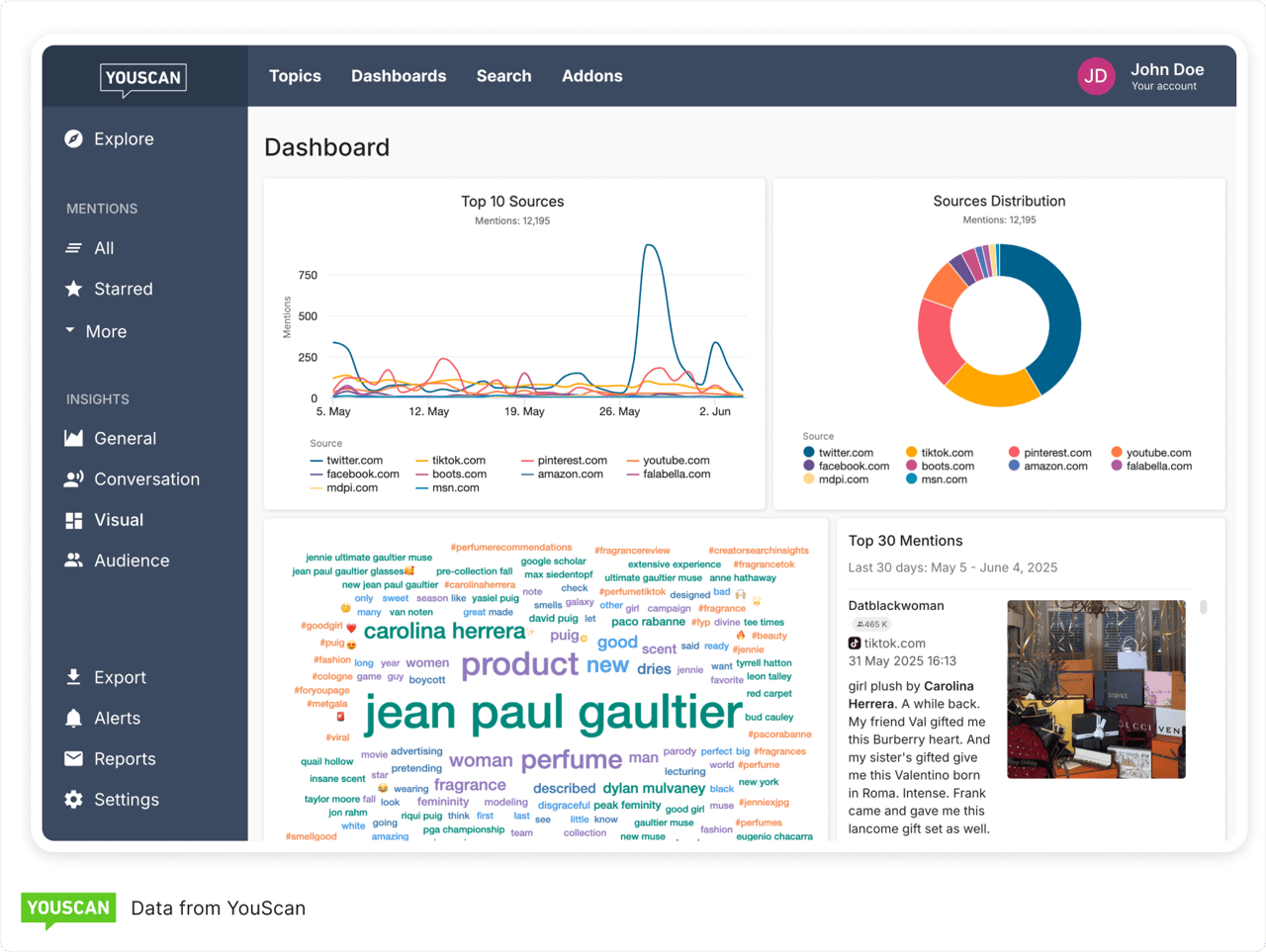
Translate key metrics into business value for stakeholders. Connect social PR metrics to website traffic, lead generation, and sales.
Most importantly, communicate wins in language executives understand: "We increased positive brand perception by 15% this quarter" resonates more than raw engagement numbers and demonstrates clear PR success. Continuous brand health tracking helps you measure progress over time.
Social media PR examples
Reading on PR strategies is great, but seeing how brands handle social media PR in practice is more instructive.
Astronomer x Gwyneth Paltrow (2025)
When Astronomer's CEO and HR chief were caught on Coldplay's kiss cam at a Boston concert, the resulting viral scandal forced both executives to resign. Rather than hide, Astronomer turned the crisis into a PR masterclass by hiring Gwyneth Paltrow—Chris Martin's ex-wife—as their "temporary spokesperson."
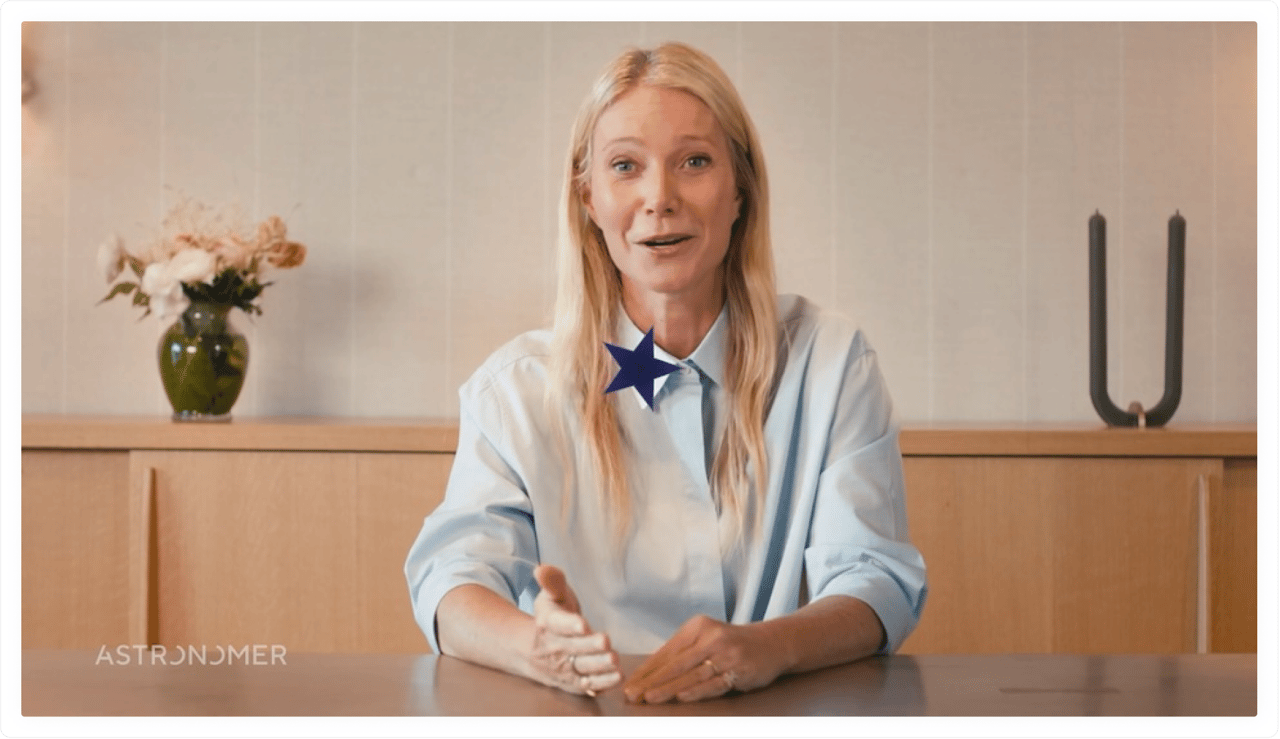
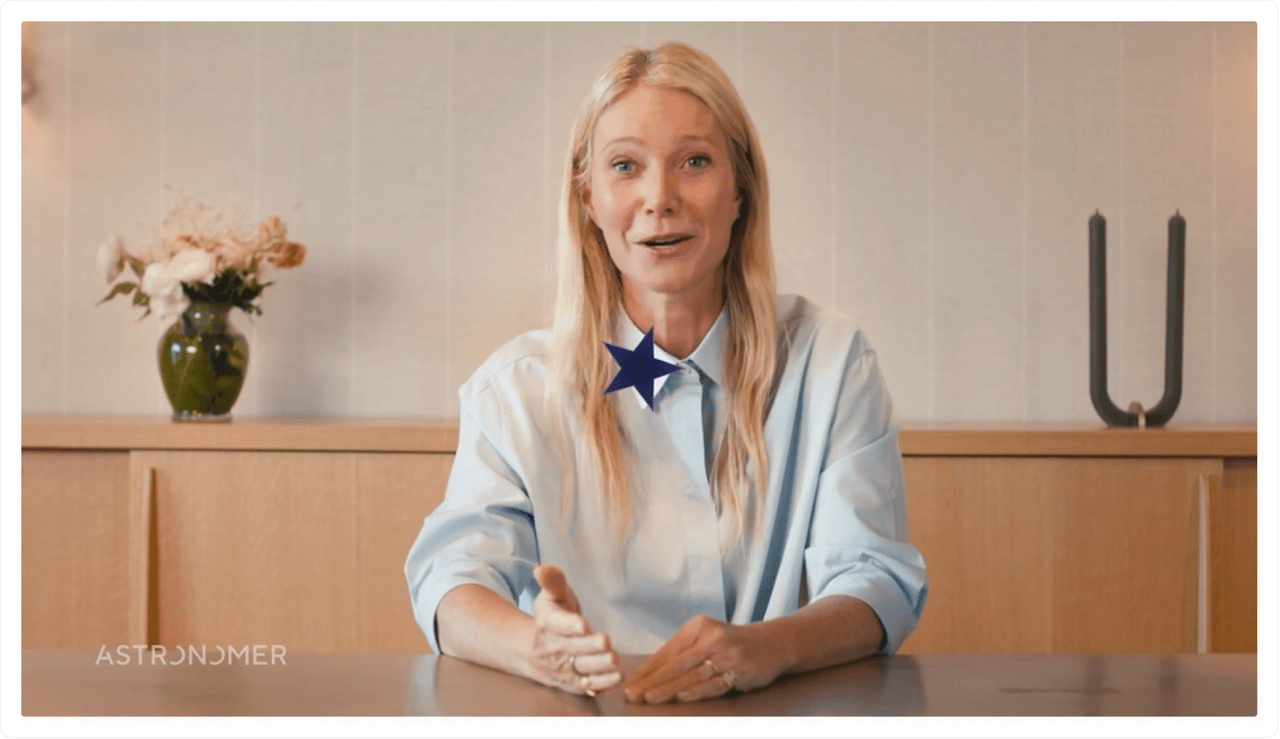
In a deadpan video, Paltrow answered "the most common questions" by discussing data workflow automation while completely ignoring the scandal. The video generated over 30 million views on X, with commenters calling it "quite possibly the best recovery play I've seen a company pull off." It demonstrates how effective social listening combined with self-aware humor can transform a crisis into massive brand awareness.
Gap x Katseye (2025)
Gap's "Better in Denim" campaign featuring global girl group Katseye became the brand's most viral campaign ever. Set to Kelis's Y2K hit "Milkshake," the ad racked up 20 million views in three days and 70 million likes within a week.
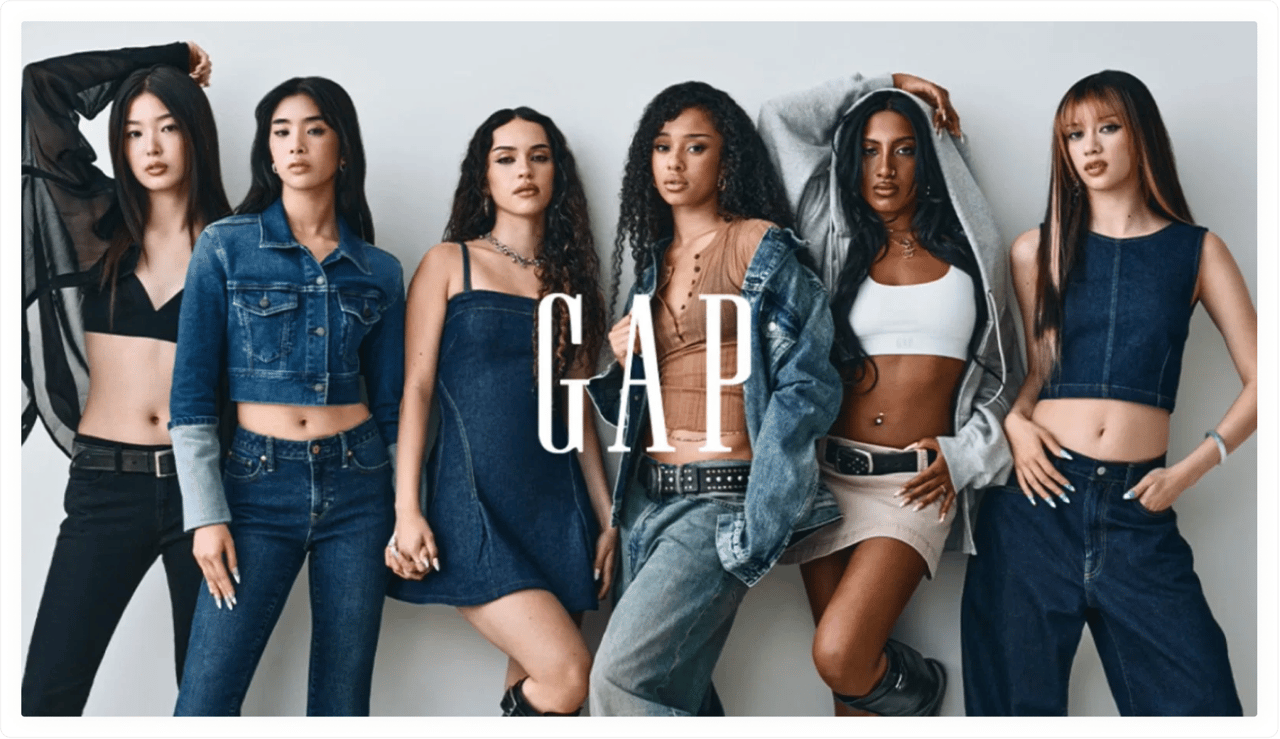
The campaign's success came from combining nostalgia, cultural diversity, and inclusive messaging—a stark contrast to competitor American Eagle's controversial Sydney Sweeney campaign that sparked backlash. Gap saw an increase in brand mentions during the campaign period, proving that authentic representation and joyful content can cut through a divisive cultural moment.
Beyoncé x Levi's (2025)
The year-long REIIMAGINE campaign culminated in "The Denim Cowboy," featuring Beyoncé reimagining classic Levi's advertisements from the '80s and '90s. Set to an exclusive edit of "Levii's Jeans" from the Grammy-winning album "Cowboy Carter," the campaign put women at the center of the narrative while launching a co-branded denim collection.


Directed by Melina Matsoukas, the series demonstrated how long-term influencer partnerships can create sustained cultural impact rather than one-off viral moments—reaffirming Levi's position at the center of fashion culture.
Conclusion
Social media PR has become inseparable from how brands build and protect their reputation. With billions of people active on social platforms, your target audience is already there, talking about you—whether you're part of the conversation or not.
The brands that thrive are those that listen actively, respond authentically, and treat social media as a two-way relationship rather than a broadcast channel. They invest in the right tools to monitor conversations, prepare for crises before they happen, and measure their PR success with clear key metrics.
If you're ready to take your social media PR strategy to the next level, consider how social listening can give you the real-time insights you need. YouScan's AI-powered platform helps brands monitor mentions across social channels, track sentiment, and catch potential issues before they become crises—including visual mentions that text-based tools miss.
Request a demo to see how comprehensive social listening can strengthen your brand's reputation management.
FAQs
What does PR mean on social media?
PR on social media refers to public relations activities conducted through social platforms—managing your brand's reputation, responding to customer feedback, building relationships with industry influencers, and handling crisis communication through digital channels.
What is PR for an influencer?
PR for an influencer involves managing their personal brand image, securing influencer partnerships with brands, handling media inquiries, and navigating reputation challenges. Influencers work with PR professionals to position themselves strategically and build mutually beneficial relationships with brands seeking influencer marketing opportunities.
What does PR mean on Instagram?
On Instagram, PR involves building brand awareness through visual storytelling, partnering with industry influencers, managing your reputation through engaged community engagement, and creating shareable content that generates earned media and boosts brand visibility.
What is PR and social media?
PR (public relations) is the practice of managing communication between an organization and its publics to build a positive public image. Social media provides channels where much of that communication now happens. Combining social media with traditional PR tactics creates a comprehensive public relations strategy that reaches your target audience wherever they are.
![265+ Users Share What Speeds Up Their Social Listening Workflow [G2 Winter 2026 Edition]](https://cdn-legacy.youscan.io/cdn-cgi/image/metadata=copyright,format=auto,fit=contain,quality=70,width=1280/https://cdn-legacy.youscan.io/blog_g2winter26.png)