What Is Earned Media? Everything Brand Managers Need to Know in 2026

Most brands have a digital marketing problem masquerading as a media strategy problem. They spend months refining paid search campaigns, A/B testing Google Ads, and optimizing their social media channels—then treat earned media as something that happens when you get lucky.
That framing gets it exactly backwards.
Nielsen's Global Trust in Advertising research shows 92% of consumers trust word of mouth and third-party recommendations over paid advertising. And in 2026, what is earned media has become an even more pressing question, because according to Sean Layton, EVP of Earned Media at Zeno Group, approximately 85% of AI-generated search results now pull from earned media sources. If you don't have a presence in earned media, you're increasingly invisible in the places where potential customers are actually doing their research.
So what is earned media, how does it compare to paid and owned, and how do you stop treating it like a lucky break? That's what this guide covers.
What is earned media?
Earned media is any coverage, mention, or content about a brand generated by a third party without direct payment—including press articles, customer reviews, social media shares, influencer mentions, and user-generated content. Unlike paid media, it cannot be purchased; it is earned through product quality, brand reputation, and strategic PR efforts. It is the most trusted form of brand visibility.
What earned media is not—because this trips people up constantly in marketing terminology discussions: a sponsored post is paid media. Your company blog is owned media. A retweet from your own account is shared or owned media. A paid influencer campaign is paid media, full stop. If that same influencer mentions you six months later in an organic roundup, that crosses into earned territory. Money and intent are the deciding factors.
And here's the thing that makes it different from every other media type: you have no direct control over the message. That loss of control is precisely what makes it trusted.
Owned media, paid media, and earned: what's the difference?
These three terms appear constantly in digital marketing campaigns as everyone agrees on what they mean. A lot of the time, they don't—and that confusion leads to real budget and strategy mistakes.
Before digital marketing transformed how brands operate, the distinction was easier to see. Paid media meant television commercials, print ads, and billboard space. Owned media meant brochures and your company newsletter. Earned media meant word of mouth and press coverage from journalists you couldn't pay. The channels have multiplied dramatically. The categories haven't changed.
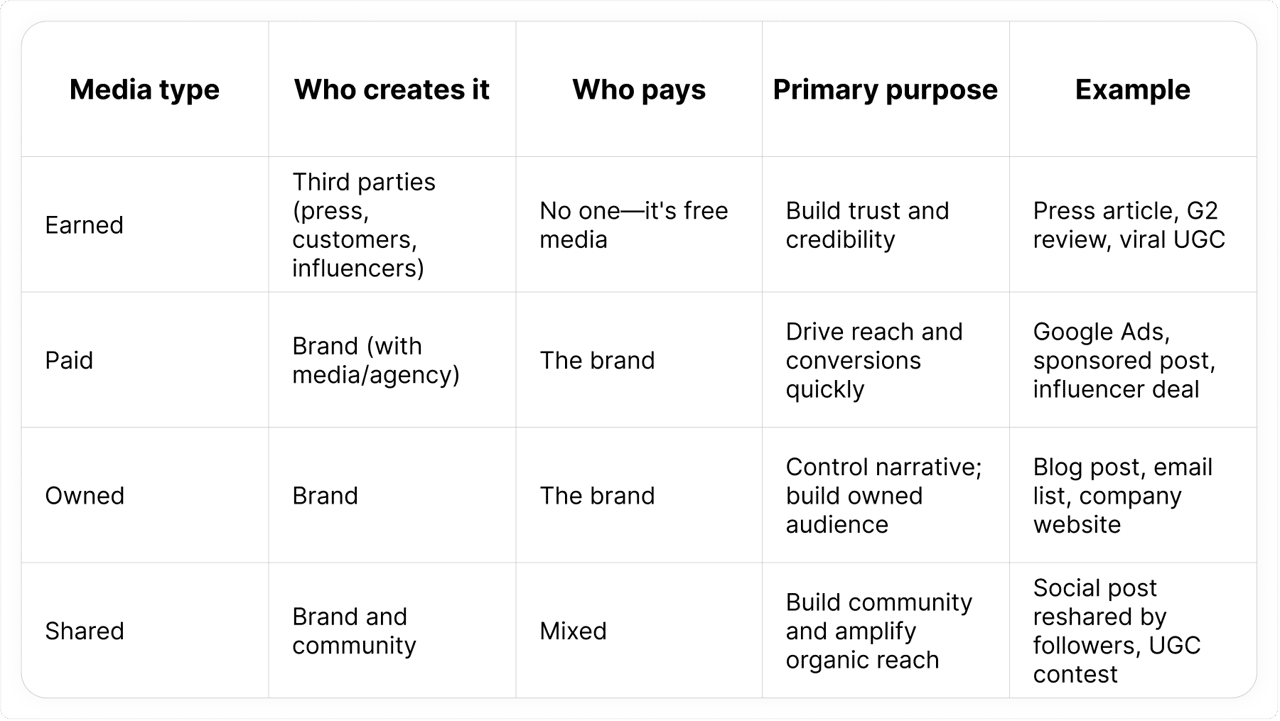
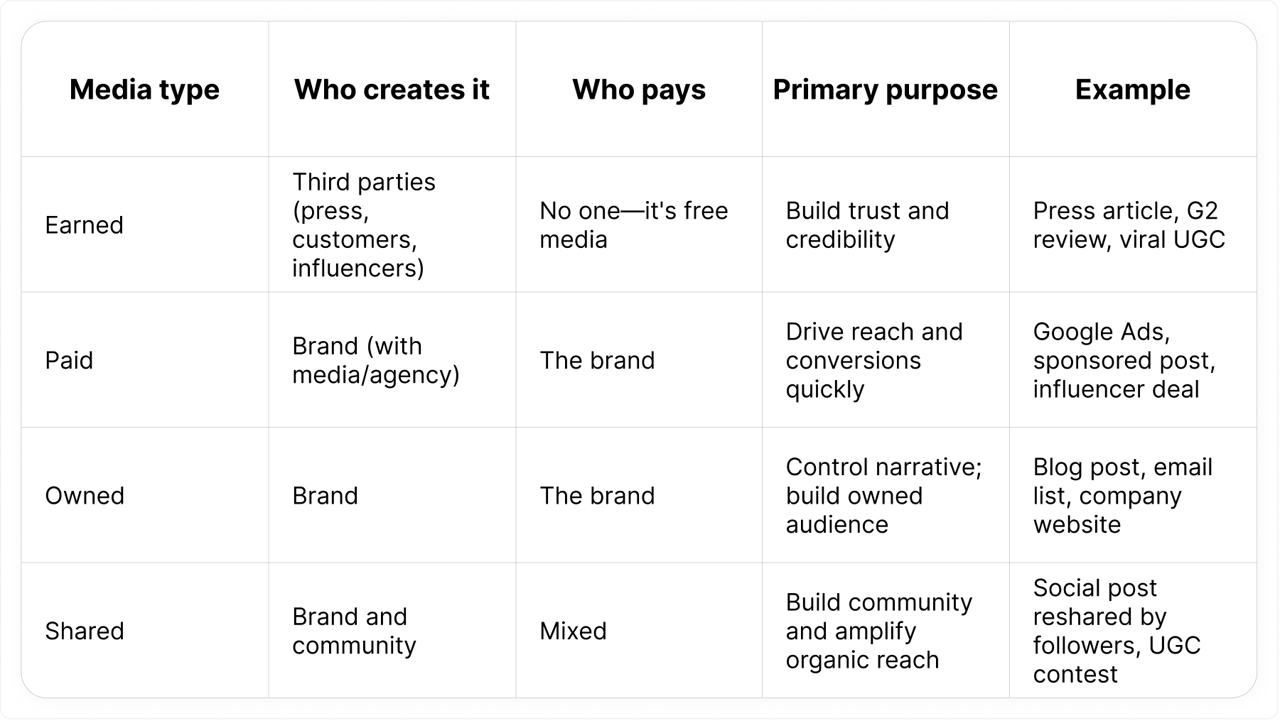
A note on "shared" in the table above: it's often the forgotten media type. You create the original post; whether it spreads depends entirely on whether others pass it along. Platforms you don't control, algorithms you can't predict. Worth tracking separately from the other three, and definitely worth distinguishing from earned.
Owned and paid media as your earned media foundation
The relationship between owned and paid media and earned coverage is a flywheel, not three separate buckets in your media planning spreadsheet. Strong owned media creates the conditions for earned media. A data-backed research report earns press mentions. A genuinely useful product comparison earns backlinks. Paid media amplifies what's already working.
Most digital marketing strategies treat owned and paid media as the primary investment and earned media as a bonus. The smarter framing: owned media builds your web presence and content foundation; paid media buys reach and distribution; earned media provides the brand credibility that the other two simply can't manufacture. Each makes the others work harder.
Earned and paid media: why getting both right matters
Earned and paid media aren't in competition—they serve different functions in your marketing strategy. Paid media strategies offer immediate reach and precise targeting; earned media builds the long-term trust that makes paid media more effective. A potential customer who's already seen your brand mentioned in a trusted industry publication is far more likely to convert when your Google Ads appear in their paid search results.
The brands that get the most out of earned and paid media together are the ones who build credible owned content first, let earned coverage validate it, then use paid media to amplify what's already working. Running paid ads without earned media behind them is like running social media ads for a product with no reviews.
Earned media types and media examples
Earned media is broader than most brand managers realize when they're first building a monitoring setup. Here's what you're actually tracking—and why each media type matters differently.
Press coverage
A journalist, blogger, or industry publication writes about your brand without payment. A TechCrunch article on your product launch, a trade publication covering your research, an analyst citing your benchmark report in their newsletter. The value runs in three directions at once: high-authority backlinks that improve search engine optimization, a trust signal for potential customers who encounter the coverage independently, and—in 2026—direct input into AI-generated search results.
News coverage from media outlets also has a compounding effect that most brands underestimate. Journalists increasingly research using AI tools, which surface brands with established press records. Generating earned media at the press level is now partly an investment in your AI search visibility.
Press coverage is still the highest-leverage earned media channel available in terms of brand credibility per placement. One article in a respected outlet can drive website traffic, referral traffic, and brand exposure for years.
Social media marketing and organic mentions
There's an important distinction that many brands miss between their social media marketing efforts and earned media that happens on social media. Your own posts, your paid social media ads, your social media channels, your owned content—all paid or owned. When someone else tags you, recommends your brand, or shares your product without being compensated—that's earned.
Social media mentions are earned media in real time, and they happen constantly whether you're watching or not. A LinkedIn post from an industry expert recommending your tool to 20,000 followers builds more brand credibility with that audience than a month of social media ads targeting the same people. The difference is the source: your message, or someone else's.
Organic social media posts by customers are also increasingly visible in AI-generated search answers. Which means your social media monitoring needs to cover third-party mentions, not just activity on your own social media channels.
Brand exposure through user-generated content
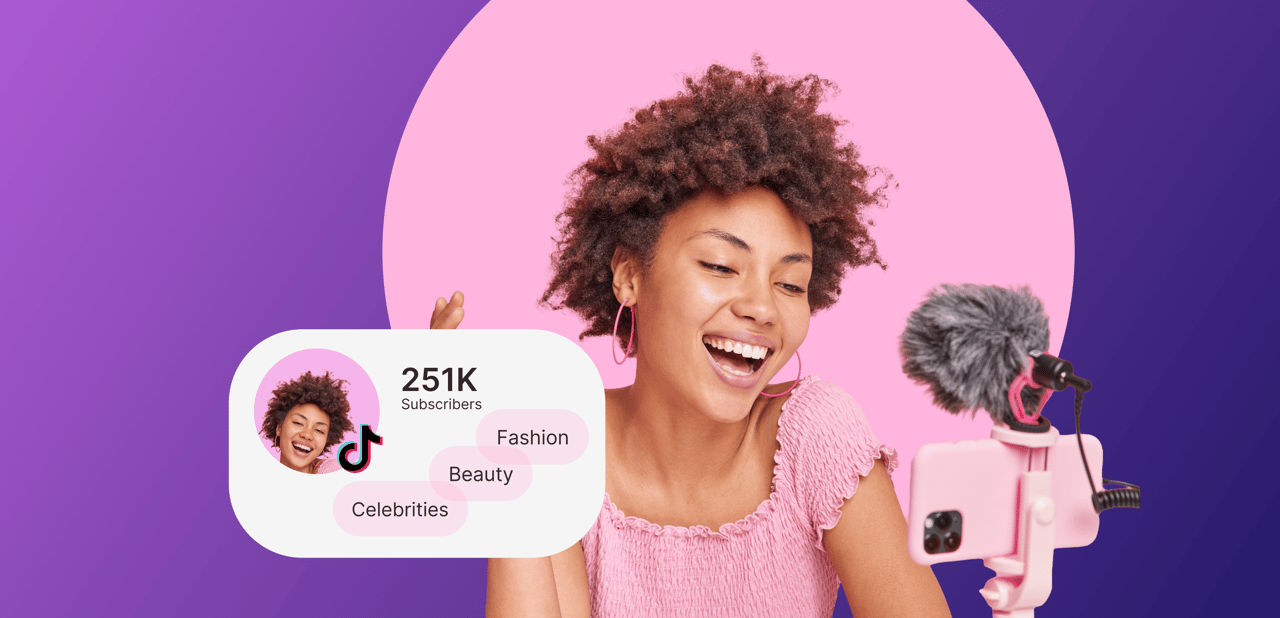
Photos, videos, unboxing clips, organic posts by customers featuring your product. UGC is earned when it's unprompted; incentivized UGC shifts into paid territory, and the credibility signal changes with it. A customer's TikTok about your skincare product going viral is brand exposure you couldn't have purchased. That same video, funded through a gifting campaign, reads differently to an audience that knows how influencer marketing works—and those audiences increasingly do.
UGC is also one of the primary sources AI search engines pull from when assembling answers about consumer products. Brand exposure through genuine user-generated content now has direct SEO value in ways it didn't two years ago.
Other earned media channels
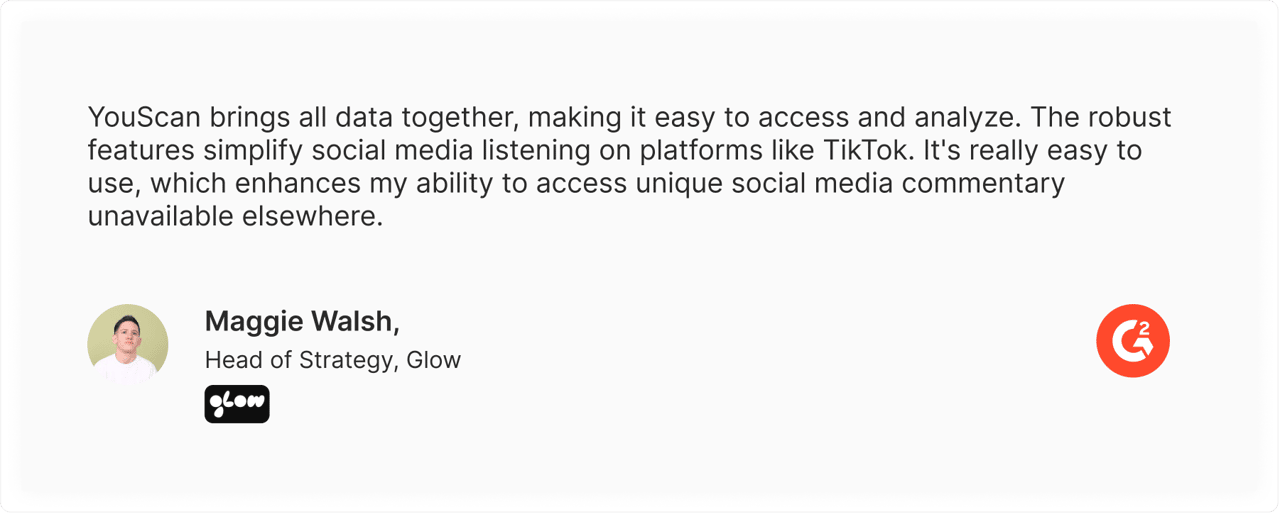
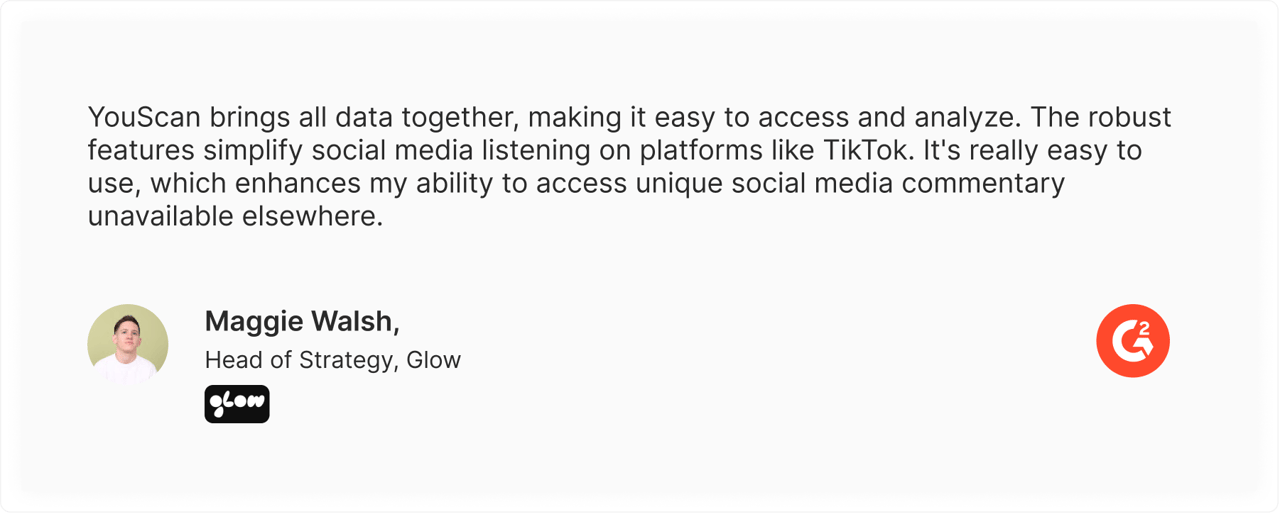
Customer reviews on G2, Capterra, Trustpilot, Google—the most underrated earned media tactic in B2B, and it's not close. 69% of consumers are more likely to trust third-party reviews than direct brand claims. Reviews are also a growing AI search signal. Post-purchase emails with direct review links are infrastructure, not an afterthought.
Organic influencer mentions—when an influencer recommends you without a deal. Their audience knows the difference between genuine word of mouth and sponsored reads. These organic mentions are the ones AI search engines tend to cite.
Backlinks and citations—external websites referencing your content as a credible source. The search engine optimization case for earned media runs largely through these.
Podcast appearances—Podcasts are shifting from a more evergreen, long-form vertical to being something that is a breaking news driver in 2026. For niche B2B target audiences especially, this is where credibility is increasingly built.
Why earned media matters for your marketing strategy
Brand visibility and target audience reach
The trust argument has been settled for a while. Brand visibility is now about more than trust—it's about being findable at all. When your target audience asks ChatGPT or Perplexity for a recommendation in your product category, the answer assembles itself almost entirely from press mentions, reviews, and analyst citations. Your owned content blog posts rarely make the cut. Your paid advertisements definitely don't.
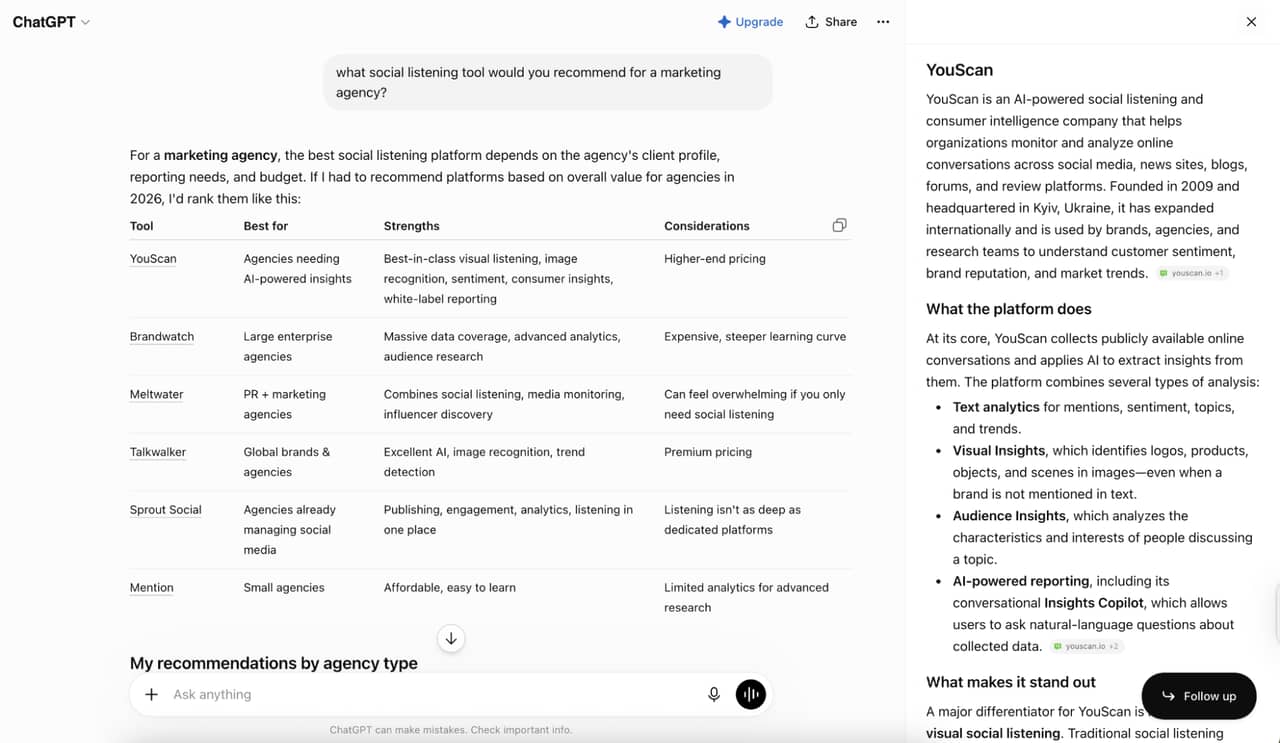
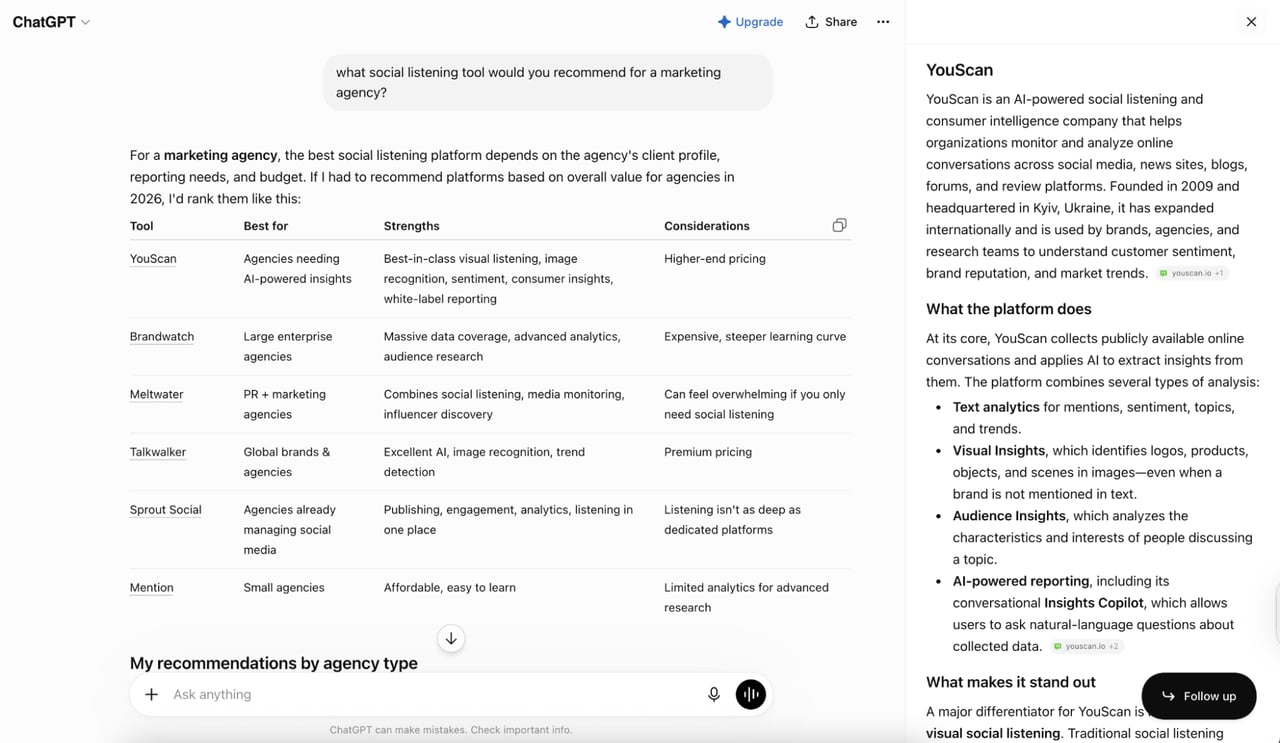
This changes the target audience math significantly. A serious digital marketing strategy in 2026 accounts for the fact that a growing share of target customers gets recommendations from AI tools that pull almost entirely from earned coverage. Earned media is now the primary driver of how your brand appears in AI-generated answers—and no amount of digital ads changes that.
Media strategy for the long term
A paid campaign stops delivering the moment the budget runs out. The case for earned media in any serious media strategy is compounding value. A well-placed press article, a widely cited research report, a strong review profile on G2—these keep generating website traffic and brand credibility for months or years. And the more earned coverage you accumulate, the more AI search engines weight your brand in answers to relevant queries.
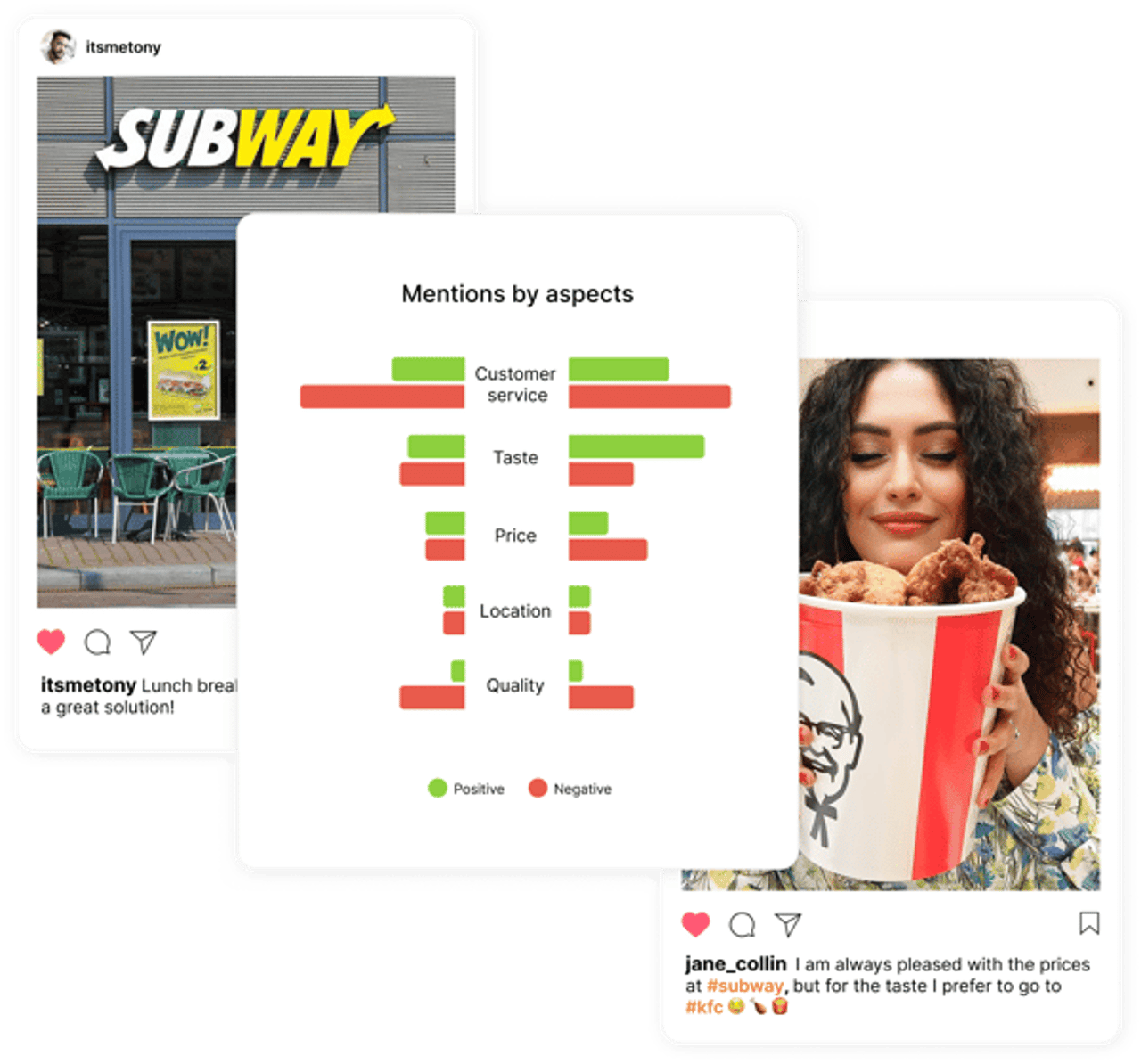
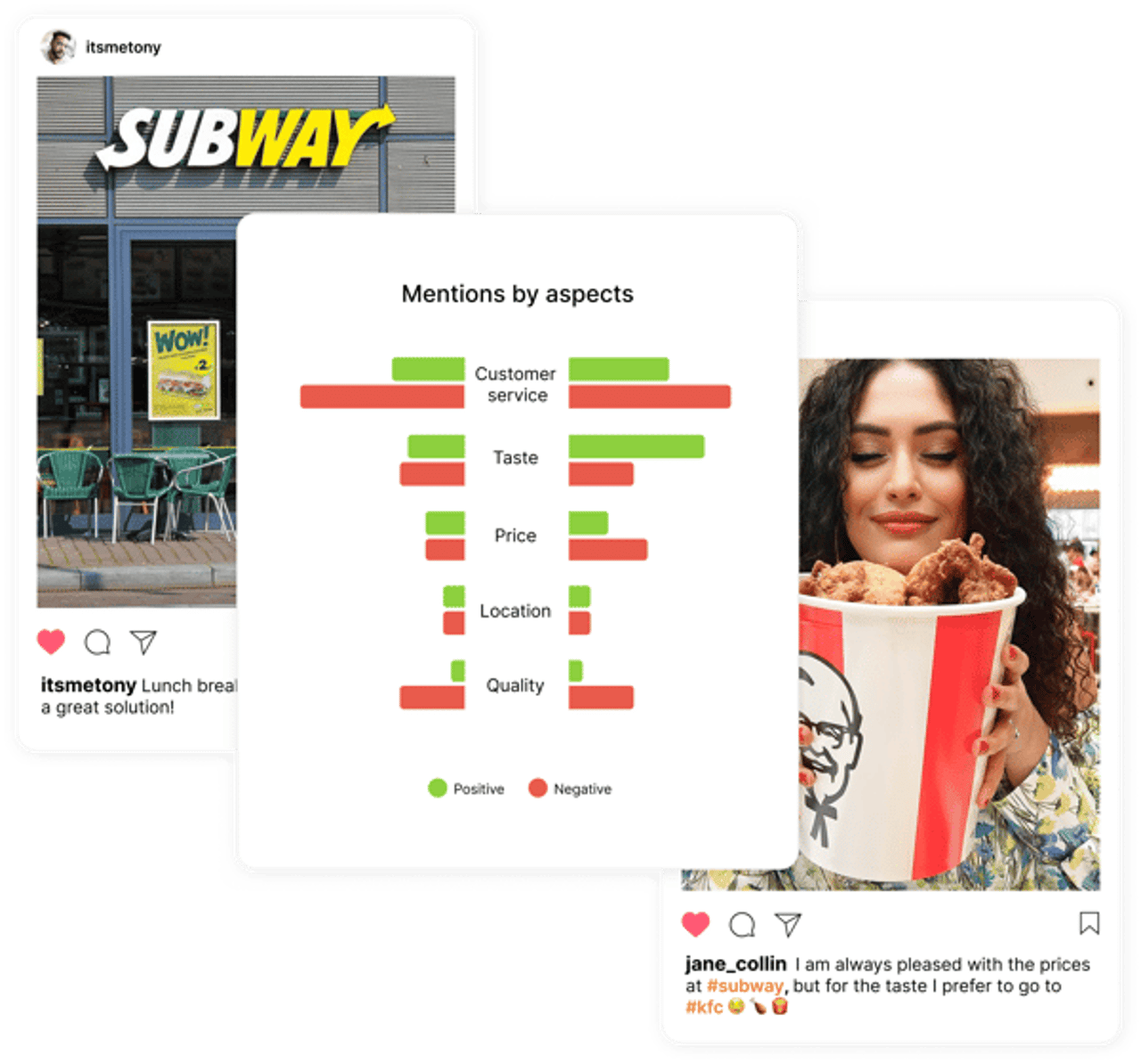
Good media strategy isn't choosing between paid, owned, and earned. It's understanding what each does: paid media buys reach, owned media builds your web presence and content foundation, earned media builds the brand loyalty and positive reputation that makes both work harder. Any earned media strategy that treats these as separate buckets rather than an integrated system is leaving money on the table. For long-term business success, earned media is the hardest channel to build and the hardest for competitors to replicate.
There's also the competitive intelligence angle that comes up in too few media planning conversations. Monitoring competitors' earned media tells you what the market actually thinks about them—which features earn praise, where they fall short, what positioning gaps exist. That's market research you can't purchase, happening in the open, in real time, if you're watching it.
How to generate earned media
You can't purchase earned media. But you can absolutely build the conditions that make it predictable. A strong earned media strategy isn't a PR wish list—it's a set of deliberate practices that make coverage far more likely. Here are a few tips from brands that treat it as a system rather than a hope:
Publish genuinely original data. Not "10 tips"—actual proprietary research. A survey of 500 target customers. A benchmark report based on your platform data. A trend analysis that only you can produce. Journalists and analysts need something to cite; if your owned content is specific enough to generate genuine expert commentary, earned coverage follows. Original research is the root of most earned media strategy because it creates information others have a real incentive to reference.
Build real relationships before you need press coverage. Identify 10–20 journalists and newsletter writers who cover your niche. Read their work. Engage with it. Pitch with context about their recent articles. A personalized email converts at an entirely different rate than a mass press release blast. This is obvious and still rare.
Make customer reviews frictionless. Post-purchase sequences with direct links to G2, Trustpilot, or Capterra are infrastructure for generating earned media—not a growth hack. The volume and recency of your reviews now directly affect how AI search engines respond to queries in your product category. This is one of the highest-ROI earned media tactics available to B2B brands right now.
Actively engage in industry conversations. Comment on LinkedIn posts from industry experts. Contribute to niche communities. Respond to journalist source requests. Visibility in professional conversations generates organic social media mentions—sometimes from people running media outlets themselves. It's slow and it compounds.
Give earned media actual resources. Not to pay for it directly—to build the things that earn it. Exceptional service and outstanding products create word of mouth; that requires investment in the product, not just the marketing. Original research takes time and budget. Media planning and relationship-building require consistent effort. Brands that successfully increase brand awareness through earned media treat it as a discipline, not a passive benefit. Boosting brand awareness through earned coverage is a deliberate practice.
One thing that doesn't work as well as brands hope: the standalone press release sent to a list you bought. Without a real relationship and genuinely newsworthy content, that's not a digital marketing strategy—it's optimism.
How to measure earned media value
Earned Media Value (EMV) is a metric that estimates the equivalent monetary cost of achieving the same brand exposure through paid advertising. It's useful as a benchmark—tracking trends over time, comparing digital marketing campaigns—but not a standalone ROI figure to present to a CFO without context. The formula: (Impressions ÷ 1,000) × CPM. Apply a consistent CPM benchmark per channel and track it as a trend, not an absolute.
But EMV is the last thing you should be looking at. The more actionable numbers:
Media mention volume — total brand mentions across press, social media, forums, and review sites within a defined window. This tells you whether your earned media strategy is building momentum or stalling.
Sentiment — which matters more than volume. High mention volume with mostly negative earned media is worse than no coverage at all. Real-time sentiment scoring that handles sarcasm, context, and emoji—not just keyword counting—is essential at any meaningful scale.
Referral traffic — UTM parameters on inbound press and review links connect earned media directly to website traffic and conversions. Most brands skip this and then wonder why they can't prove ROI.
Share of voice — what percentage of total category conversations does your brand own relative to competitors? YouScan calculates share of voice and reach automatically across earned media and organic social media posts. Manual tracking doesn't come close.
Earned Media Value (EMV) — (Impressions ÷ 1,000) × CPM. Track the trend. Don't over-rely on the absolute number.
Measuring all of this without a dedicated platform means seeing maybe 10–20% of what's actually happening across all media outlets and social media channels. Google Alerts isn't a media strategy.
How to monitor earned media with social listening
Earned media monitoring is the systematic practice of tracking every third-party mention of your brand across digital channels in real time—so you measure impact, respond quickly, and catch crises before they compound.
Most brands undermonitor. The methods they rely on create predictable gaps: Google Alerts catches indexed news articles and misses social media entirely; manual search across dozens of media outlets doesn't scale; native platform analytics only show what's happening on your own accounts. None of these come close to showing you the full earned media picture.
A dedicated social listening platform such as YouScan closes all three gaps at once: real-time tracking across news outlets, social media, forums, review sites, and blogs; sentiment analysis that handles context, sarcasm, and emoji; and visual listening that catches logos and products in images and videos—where a significant share of earned user generated content lives and where text-only tools have no visibility at all.
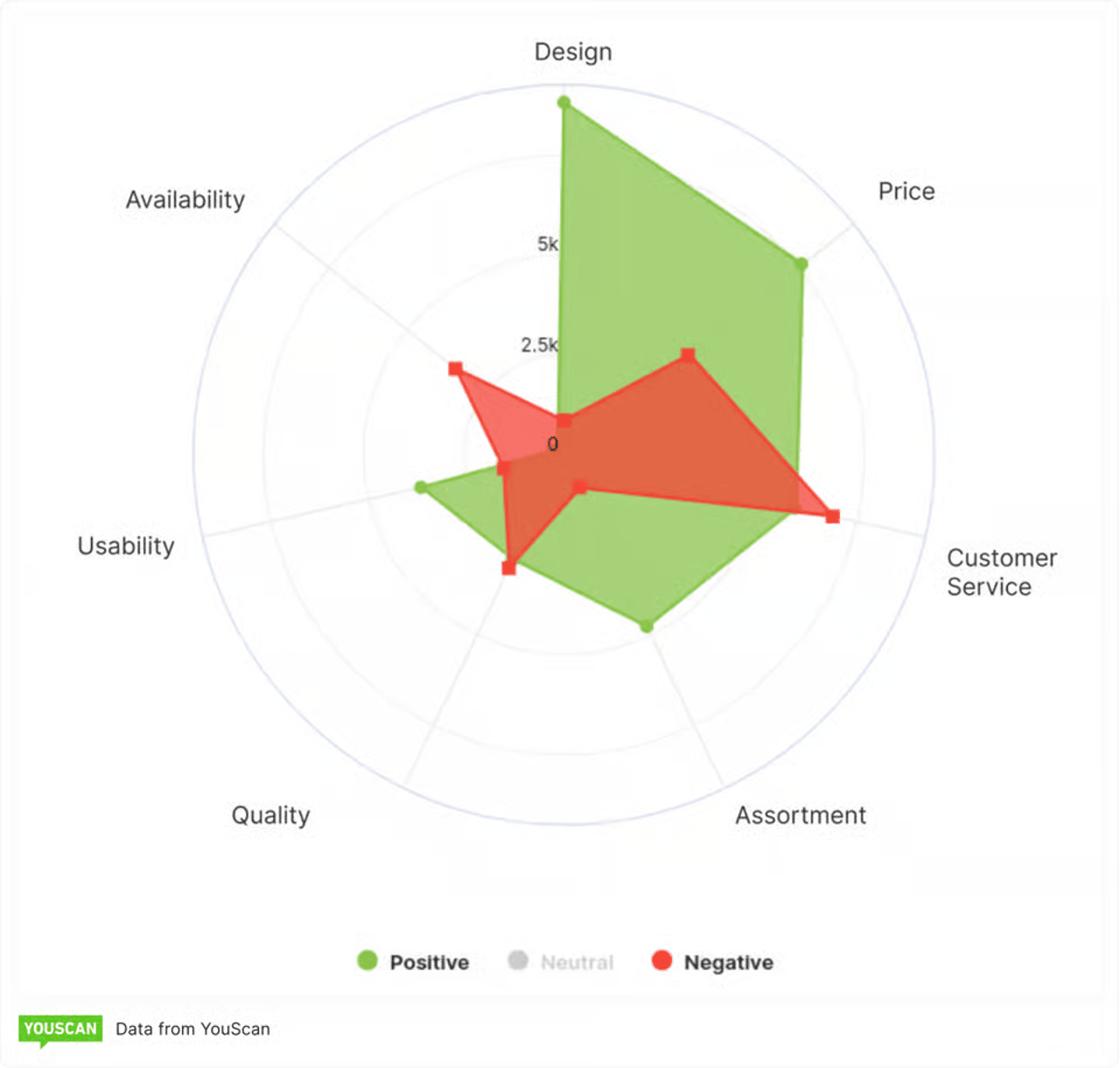
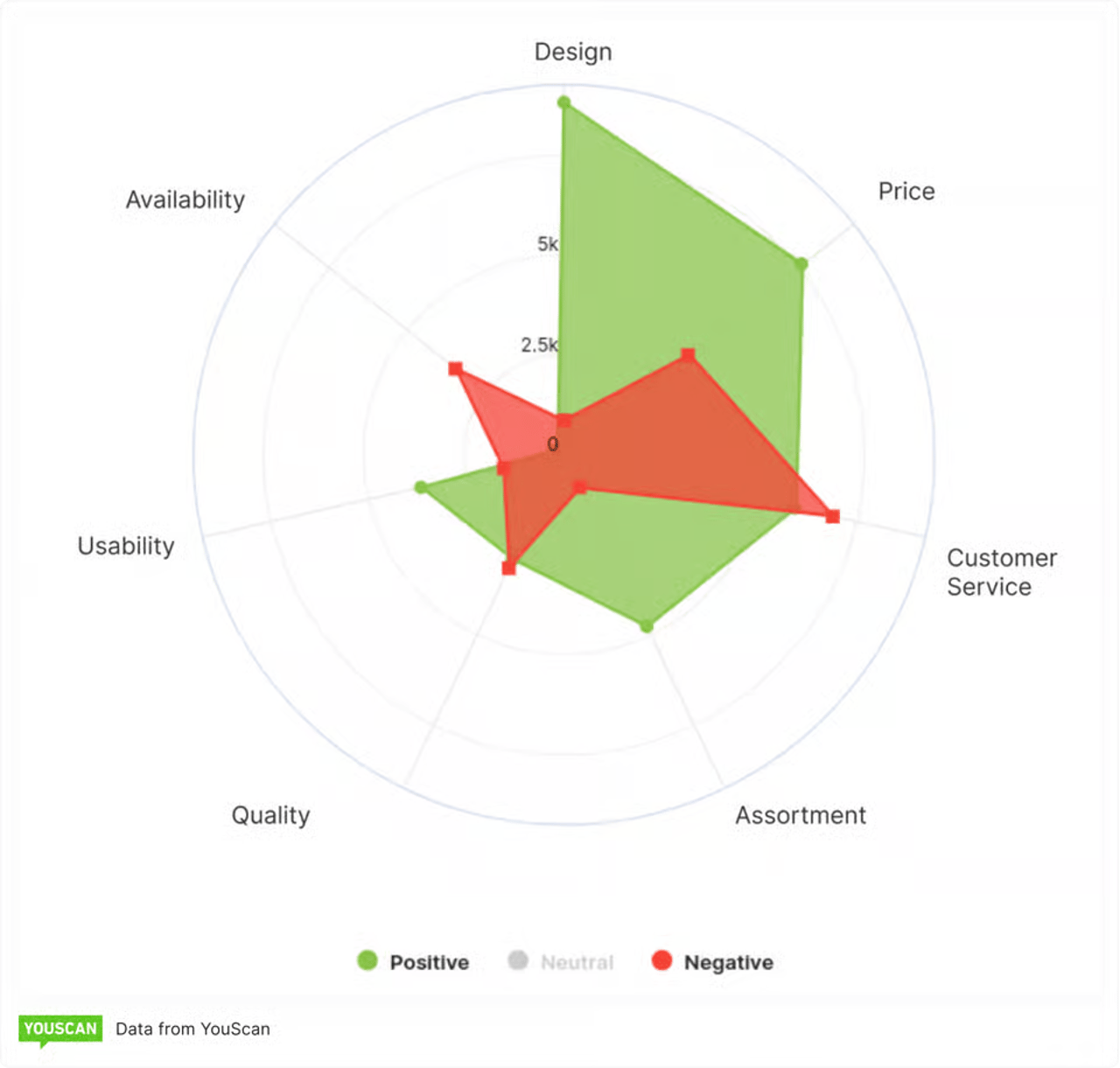
If you're building out your monitoring setup from scratch, the social listening glossary covers the core concepts. And for brands actively tracking owned and earned media side by side, our social listening dashboards page shows what a full cross-channel view looks like in practice.
Using YouScan for deep earned media intelligence
Most social listening tools do keyword alerting reasonably well. YouScan is built for something different: full cross-channel earned media intelligence that combines press mentions, UGC, and social data from Instagram, TikTok, YouTube, and more into a single unified view—so brand managers aren't stitching together reports from four different tools.
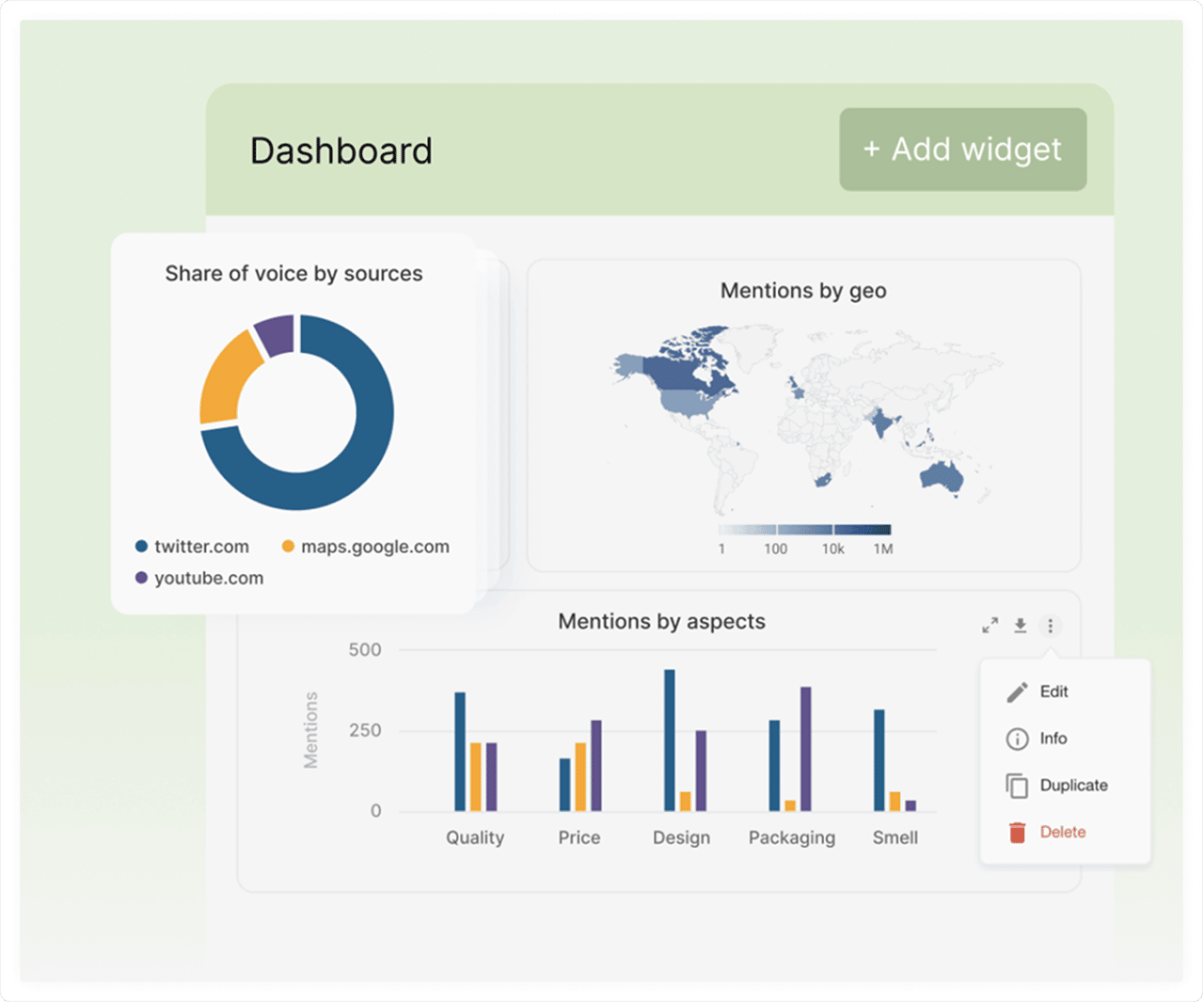
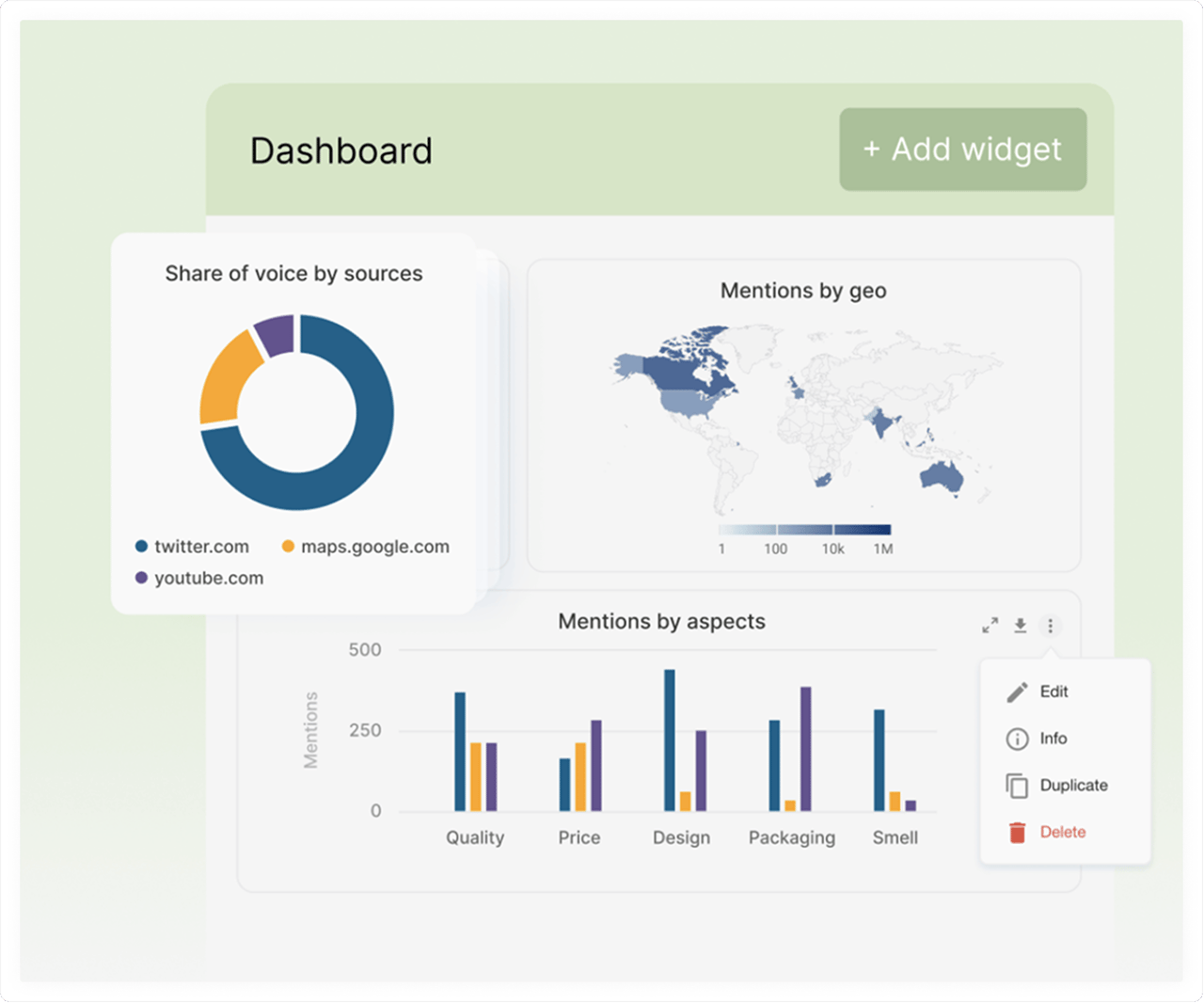
The combination of visual listening (logo and product recognition in images and video), context-aware sentiment analysis trained on community-specific language and emoji, and Insights Copilot—an AI agent that answers natural-language questions about your earned media data directly—means you can ask "which media outlets drove the most positive mentions this month?" and get a synthesized answer in seconds.
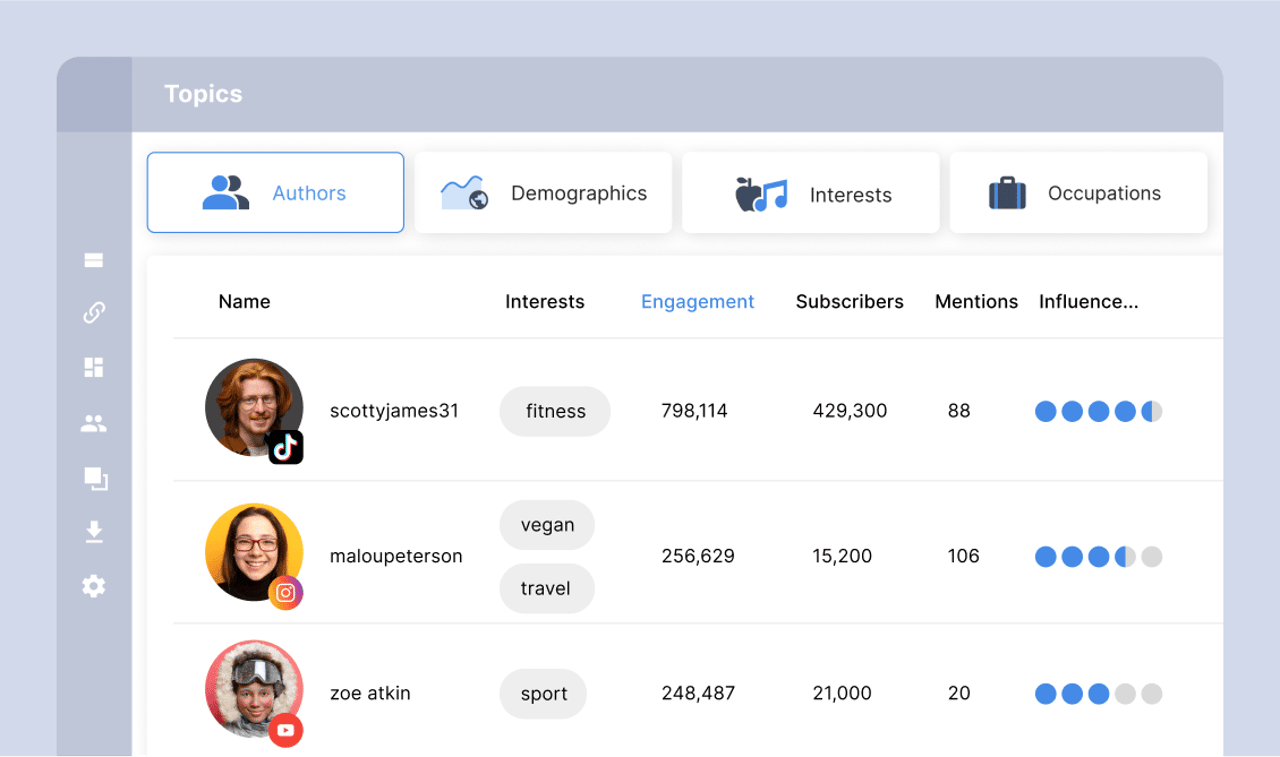
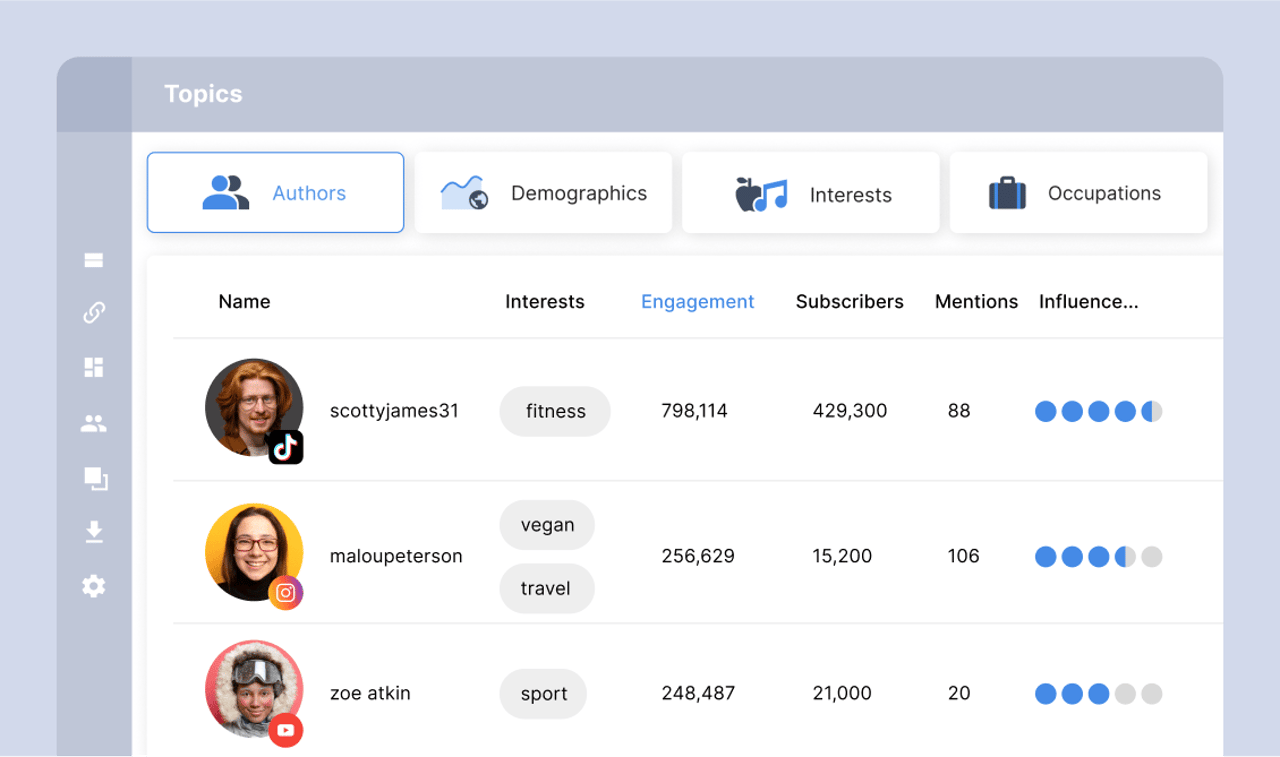
Audience Insights also surfaces who is actually generating your earned coverage: demographics, interests, professional backgrounds. It turns anonymous third-party activity into a segmented audience profile you can act on for media planning, campaign targeting, and brand strategy. Request a personalized demo to see it running with your brand's actual data.
Earned media best practices
Lead with data, not product announcements
Original research earns media coverage at a rate that product news simply can't match. A survey of 500 customers, a benchmark report from your platform data, a proprietary trend analysis: these give journalists something genuinely citable. Brands that produce net-new data earn press coverage. Brands that send product update press releases earn mostly archived pages.
The practical implication for earned media strategy: create content that's substantive enough to cite, comprehensive enough to link to, and specific enough to generate genuine expert commentary. That's not most blog content. It's a higher bar, and it's worth clearing.
Respond to what you're earning
Earned media is a conversation, and ignoring it is expensive. A brand that monitors its coverage and responds—acknowledging reviewers publicly, addressing criticism directly, amplifying positive mentions—creates a feedback loop that generates more earned media. The positive reputation and brand loyalty that comes from actively engaging with your earned coverage compounds in ways that paid advertising can't replicate.
Brands that actively engage with earned media also catch things faster: a viral complaint, a sudden spike in social media mentions, a competitor gaining ground in media outlets you care about. That's only possible if monitoring is always on.
Treat monitoring as infrastructure, not a quarterly report
Real-time monitoring across all earned media channels—so you catch a viral negative mention before it compounds—is a fundamentally different capability from a weekly digest of press clips. An earned media strategy that doesn't include always-on monitoring is a marketing strategy with a blind spot.
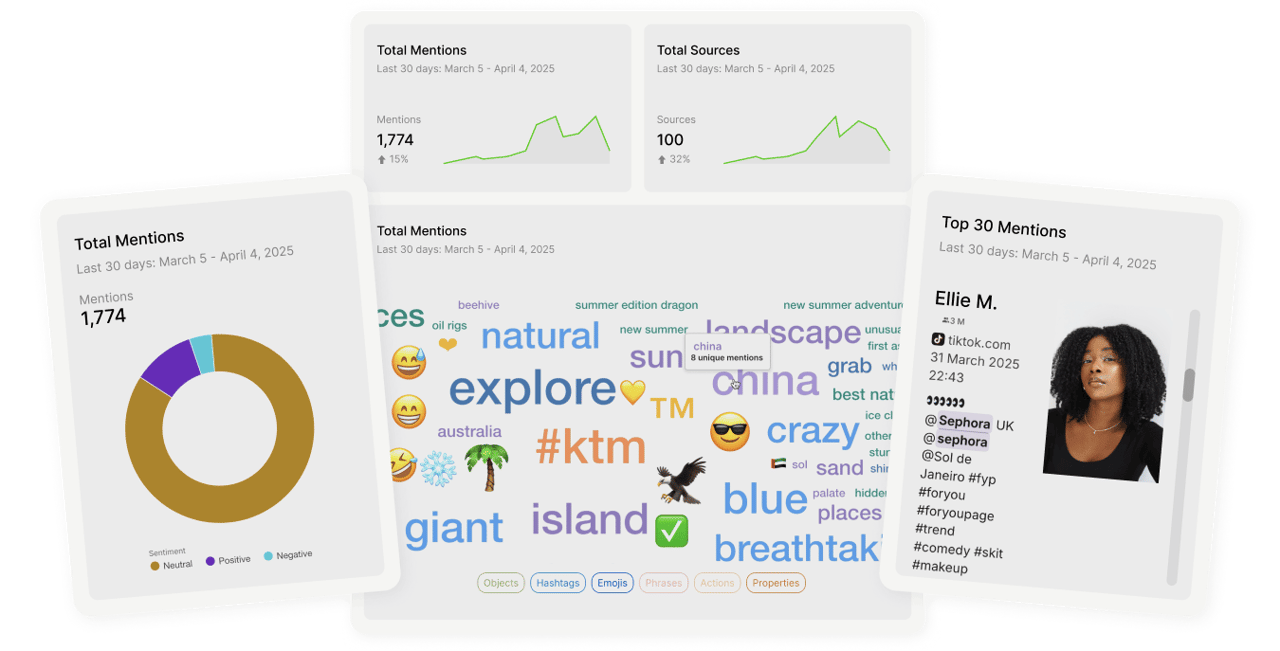
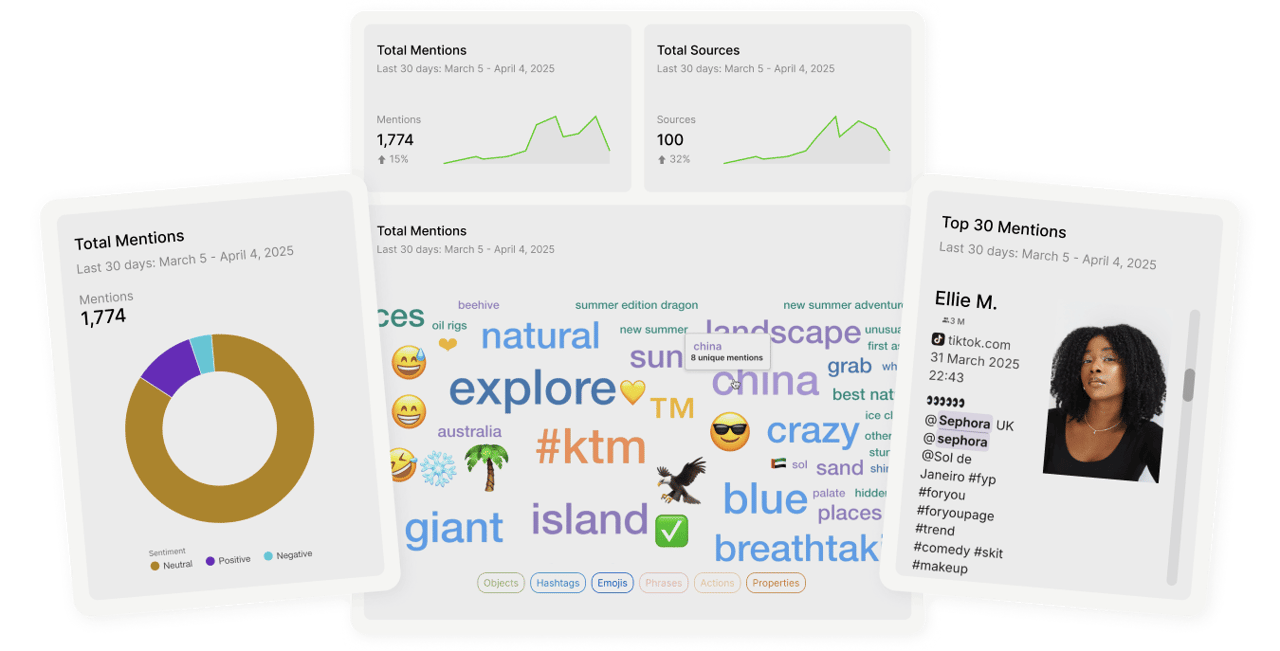
The brands that get the most out of earned media over the long term are the ones who respond to it consistently, measure it accurately, and use it to inform everything from product decisions to media planning priorities. That requires a system, not a spreadsheet.
Conclusion
Earned media is the most trusted and long-lasting form of brand visibility. In 2026, it's also the primary content source feeding AI search engines—which means the brands that build it systematically are gaining a compounding advantage in search visibility, brand credibility, and competitive intelligence that paid media can't replicate.
Paid media is useful. Owned media is necessary. But earned media is word of mouth at scale—and in a digital marketing environment where potential customers increasingly trust AI-generated recommendations over direct advertising, it's the channel that actually moves the needle on brand loyalty and brand's reputation for the long term.
Book a YouScan demo to see how earned media monitoring fits into a full cross-channel brand intelligence workflow.


Frequently asked questions
What is earned media?
Earned media is any coverage, mention, or content that a brand receives from third parties without direct payment. It includes press articles, customer reviews, social media mentions, organic influencer references, and user-generated content. Unlike paid media (purchased) or owned media (brand-controlled), you have no direct control over it—which is precisely why people trust it.
What are examples of earned media?
Earned media examples include: a journalist writing a news article about your product launch; a customer posting an unsponsored G2 review; a TikTok creator sharing an unboxing video without compensation; a podcast host mentioning your brand as something they actually use; a LinkedIn expert recommending your service to their network; a news outlet citing your original research in a trend piece.
What is the difference between earned, paid, and owned media?
Earned media is generated by third parties without payment—the most trusted media type because it can't be purchased. Paid media is advertising the brand pays for—Google Ads, display advertising, sponsored content, television commercials, paid social media ads—offering targeting and immediate reach. Owned media is content on brand-controlled channels: your website, blog, email list, owned media properties.
Why is earned media important?
Because 92% of consumers trust word of mouth and third-party recommendations over advertising, according to Nielsen. Because in 2026, approximately 85% of AI-generated search results cite earned media sources—meaning earned and owned media together determine your brand visibility in AI search, not your paid advertising spend.