How to Use Social Media Listening Software for Your Brand

According to Statista, over 5 billion people now use social media. Somewhere in that noise, people are talking about your brand, your competitors, and the problems your product solves. The question is whether you’re paying attention.
Social media listening software collects and analyzes online conversations from social media platforms, news sites, blogs, forums, review sites, and other online sources—then surfaces the insights that actually matter to your business. If you’re new to the concept, our guide on what is social media listening covers the fundamentals.
Below, we’ll break down what these tools do, how social listening differs from monitoring, and how to use the software to track brand mentions, uncover consumer insights, and shape a smarter social strategy.
What is social media listening software?
Social media listening software is a type of social media monitoring tool that goes beyond counting likes and retweets. It tracks keyword mentions, hashtags, competitor names, and relevant conversations across social media platforms, news websites, blogs, review platforms, and forums—then applies AI like sentiment analysis, trend detection, and audience segmentation to make sense of the large volumes of social data coming in.
The best social listening tools don’t just tell you what people are saying. They help you understand why. That shift—from raw data to real consumer insights—is what separates a useful tool from a mediocre one.
Most platforms pull from a range of social media sources: Facebook, Instagram, X (formerly Twitter), TikTok, Reddit, YouTube, and LinkedIn. Many also cover news sites, review sites, and podcasts. The goal is to capture the full conversation, not just one or two social platforms.
Social media listening vs. social media monitoring
These terms get swapped constantly, but they’re not the same. We’ve written a full breakdown of social listening vs. social monitoring, but here’s the short version.
Social media monitoring is reactive. It’s about tracking brand mentions, responding to comments, and watching your social media performance—basically brand monitoring that answers: “What are people saying right now?”
Social media listening goes further. It aggregates and analyzes conversation data to surface patterns, sentiment shifts, and emerging trends. It answers: “Why are people saying this, and what should we do about it?”
Quick example: monitoring flags a customer complaint about your checkout on X. Listening shows you checkout complaints spiked 40% this month, the negativity is concentrated among mobile users, and two competitors are getting praised for one-tap purchasing.
Both matter. But monitoring alone misses the bigger picture. For common terms in this space, see our social listening glossary.
Why your brand needs a social listening tool
What does social listening actually do for your business? Here are the core use cases, with real-world social listening examples to back them up.
Tracking brand mentions across social media and news sites
A good social media listening tool doesn’t just catch tagged mentions—it finds misspellings, abbreviations, and references to your product without naming it. Tracking brand mentions across social media platforms, news sites, blogs, and review platforms gives you a far clearer picture of media coverage and brand performance.
This visibility also matters for reputation management. If a negative story gains traction on news websites or in social media posts, you want to know in minutes, not days.
Understanding audience sentiment and brand reputation
Numbers without context are noise. Sentiment analysis classifies relevant mentions as positive, negative, or neutral—so you can track audience sentiment over time and spot shifts before they snowball.
This is where social listening earns its keep for brand sentiment analysis and brand reputation management. If your latest launch is getting mixed reviews, sentiment data tells you whether the issue is price, quality, or something else. Tools with aspect-based sentiment analysis break this down even further.
Gaining deeper insights into consumer behavior
Social listening gives you consumer insights that surveys and focus groups can’t match in speed or scale. You see what people actually say in forums, comments, and recommendations—unfiltered feedback that’s valuable for product development, content strategy, and messaging. This kind of market research happens in real time.
Most platforms also break down conversations by age, gender, location, and language—giving you a complete
target audience analysis. Pair that with audience insights features, and you get a rich picture of who cares about your brand and why.
Competitor monitoring to find your competitive edge
Social listening isn’t just about your brand. With a solid competitor analysis setup, you can track competitor mentions, analyze how their audience feels, and spot gaps you can fill. Our competitor research guide walks through this in detail.
Say you sell coffee machines. Running queries on Nespresso, Keurig, and Tassimo shows you which features customers love, what frustrates them, and who’s winning the conversation. That’s the kind of data that creates a genuine competitive edge.
Spotting emerging trends and trending topics
Trends break on TikTok or X hours before they hit the news. A dedicated trend analysis tool helps you spot emerging trends early, so you can act on relevant conversations before competitors do.
This is also where you find inspiration for campaigns, product ideas, or content angles. For where the industry is headed, check our roundup of social listening trends. Trend tracking can directly shape your social strategy.
How to use social media listening software: a step-by-step guide
Knowing why social listening matters is one thing. Using the software well is another. Here’s a practical walkthrough.
1. Define your goals and key metrics
Get clear on what you’re trying to accomplish—reputation management, competitor monitoring, content discovery, or influencer identification. Each goal shapes which keywords you track, which social media platforms you prioritize, and what reporting looks like.
Pick key metrics upfront: mention volume, sentiment breakdown, share of voice, social engagement rates, and audience growth. Having these defined early makes it easier to generate actionable reports later.
2. Set up keyword tracking for brand mentions and relevant conversations
Start with your brand name, product names, campaign hashtags, and common misspellings. Then expand: competitor names, industry terms, and phrases your audience uses when discussing problems your product solves.
Most social media listening tools let you create multiple queries, so you can separate brand mentions from competitor monitoring from industry tracking. This keeps your social data organized and makes it easier to find the important stuff.
3. Choose your social media sources and platforms
Not every platform matters equally. B2B brands may focus on LinkedIn and industry forums. Consumer brands likely prioritize Instagram, TikTok, and Facebook. Don’t forget review sites, news websites, and blogs—these are often where the most candid opinions live.
A good social media listening tool lets you filter by source, so you see where conversations actually happen without drowning in irrelevant data.
4. Analyze sentiment and dig into social media content
Sentiment analysis is your first stop. Look at the positive/negative/neutral split, then go deeper: which topics drive negativity? Which campaigns generate buzz? Our comparison of sentiment analysis tools can help narrow the field.
Many tools let you drill into individual social media posts to read the full conversation in context. That’s where you move from aggregate data to specific consumer insights that inform product decisions, not just marketing.
A well-configured social listening dashboard keeps all of this visible at a glance and easy to share with stakeholders.
5. Monitor conversations and act on what you find
Social listening is only useful if you act on it. A spike in negative sentiment? Loop in support. User-generated content gaining traction? Amplify it. Competitor stumble? Consider a well-timed campaign.
Build a feedback loop: monitor conversations, extract actionable insights, make changes, then track the results on your social media performance. A crisis management workflow is essential too—when things go south, speed matters.
6. Build customizable reports and share data-driven insights
Customizable reports let you package findings for different stakeholders—executives want high-level brand performance numbers; product teams need detailed consumer feedback. Most social media analytics tools offer exportable, customizable reports on demand.
Good reporting also proves ROI. Tying a sentiment spike to a specific campaign, or showing how competitor monitoring informed a product launch, makes social listening a core business tool. A thorough brand analysis ties it all into a clear narrative for leadership.
What to look for in a social media listening tool
Not all listening tools are equal. Here’s what separates good from mediocre. (For comparisons, see our lists of
Brandwatch alternatives and Meltwater competitors.)
Broad coverage of social platforms, news sites, and review platforms
Your audience isn’t on one platform. The best tools monitor conversations across all major social media platforms, news sites, review sites, blogs, and forums. Limited platform coverage means missed conversations.
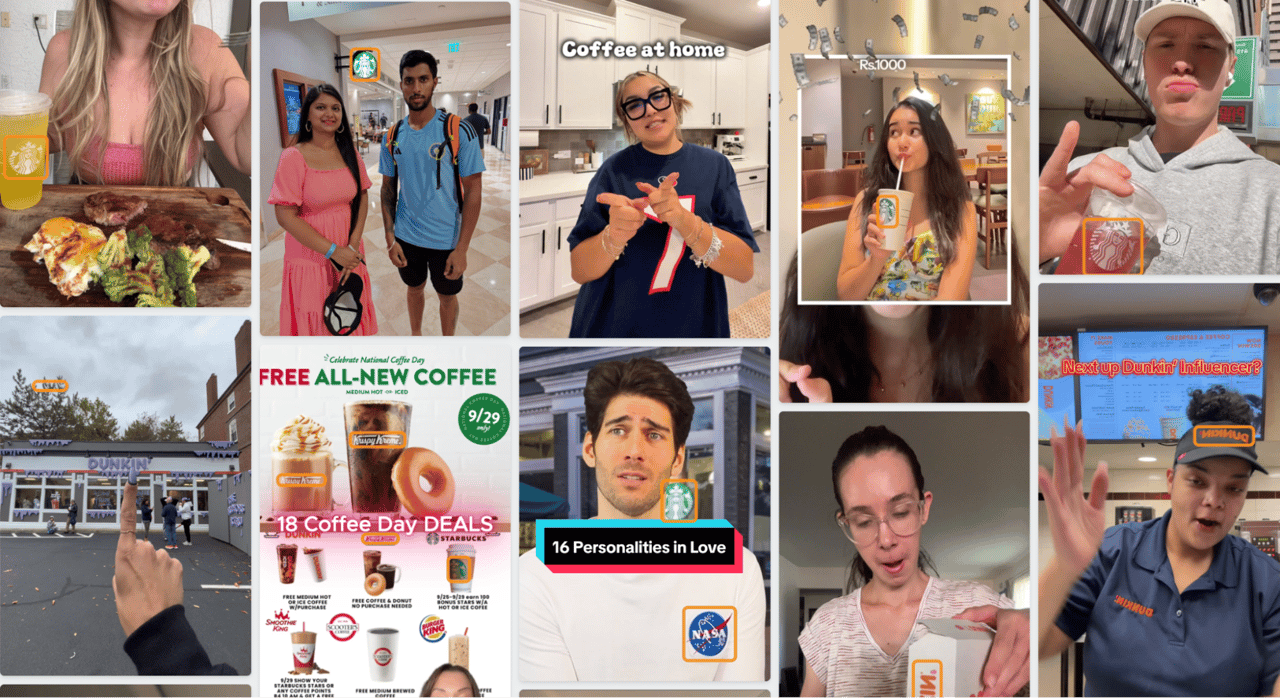
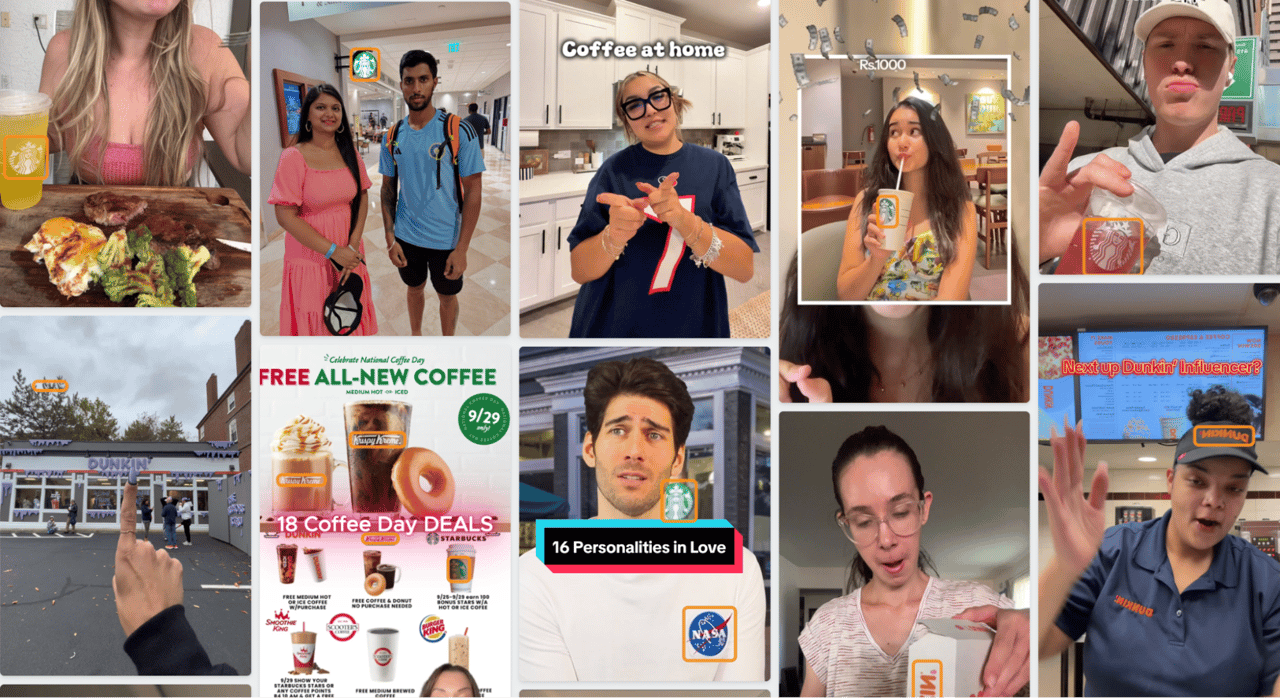
Image recognition and visual content analysis
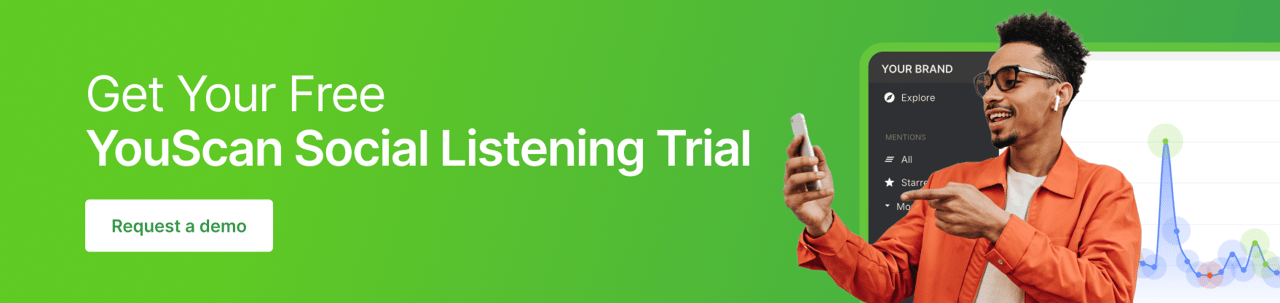
Most other tools miss this: people share photos of products and logos constantly without tagging the brand. Tools with image recognition catch what text-based monitoring overlooks. Visual insights are especially relevant for consumer brands in fashion, food, and retail. Look at how YouScan helped Dentsu Creative adjust their creative strategy with visual analysis:
Sentiment analysis and real-time insights
Look for nuance—not just positive/negative buckets, but aspect-level sentiment showing what attributes (price, quality, service) drive the conversation. Real time insights matter for PR crisis management and reputation management.
Media monitoring beyond social media
The best tools also cover news websites, blogs, review platforms, and forums. This broader media monitoring gives a more complete view of public perception and media coverage. Some platforms also offer publishing tools and a unified inbox, though those fall more into social media management territory.
Analytics tools and actionable reports
You want analytics that go beyond vanity metrics—tools that identify relevant conversations, compare brand performance against competitors, and export data-driven insights into actionable reports. Bonus points for a free plan or trial.
How YouScan supports the full conversation around your brand
YouScan is a social listening platform built for brands that want more than surface-level social media monitoring. It tracks brand mentions and relevant mentions across social media platforms, news sites, blogs, review platforms, and other online sources with an AI-powered layer that most other tools don’t offer.
What sets YouScan apart is its image recognition technology—it analyzes visual content like logos, product photos, and scenes even when there’s no text mention of your brand. Combined with sentiment analysis, trend detection, and detailed social media analytics, it gives you a complete, unfiltered view of how people experience your brand.
Whether you’re focused on online reputation management, competitor monitoring, content discovery, or finding inspiration for your next campaign, YouScan delivers the social data and consumer insights to make informed decisions fast. Request a demo to see it in action.
Start using social media listening to make data-driven decisions
Social media listening software isn’t a luxury—it’s a baseline. Your customers are already sharing opinions across social media platforms, review sites, forums, and news websites. The only question is whether you’re capturing those insights.
The brands that win aren’t the loudest. They’re the ones that listen best. With the right social listening tool, you can track brand mentions, understand audience sentiment, monitor online conversations, spot emerging trends, and shape actionable insights across your entire business—from content strategy to product development.
Pick a tool, define your goals, and start listening. The conversations are already happening. Try YouScan with a free demo and find out what your audience is really saying.
FAQ
What is social media listening software?
Social media listening software is a tool that tracks and analyzes online conversations about your brand, competitors, and industry across social media platforms, blogs, forums, news sites, and review platforms. It uses AI—including sentiment analysis and trend detection—to surface actionable insights from large volumes of social data.
What’s the difference between social listening and social monitoring?
Social media monitoring tracks brand mentions and engagement in real time—it tells you what people are saying. Social media listening goes deeper, analyzing conversation patterns, sentiment, and emerging trends to tell you why they’re saying it and what you should do about it. Most brands benefit from using both together.
What sources does social media listening software track?
Most tools cover major social media platforms (Facebook, Instagram, X, TikTok, Reddit, YouTube, LinkedIn), plus news sites, blogs, forums, review sites, and sometimes podcasts. The best platforms offer broad coverage across all these online sources so you don’t miss relevant conversations happening outside of mainstream social platforms.
How do I choose the right social listening tool for my business?
Start by defining your goals—whether that’s brand reputation management, competitor monitoring, or consumer insights. Then evaluate tools based on platform coverage, sentiment accuracy, image recognition capabilities, reporting depth, and price. Running a free trial or requesting a demo is the best way to test whether a tool fits your workflow.