Influencer Marketing Campaigns: Examples and Strategy for 2026

Here’s something that bugs us about most influencer marketing advice: it reads like it was written by someone who’s never actually managed a campaign budget. Lots of “choose the right creator” and “align with your brand values”—all true, all useless without context.
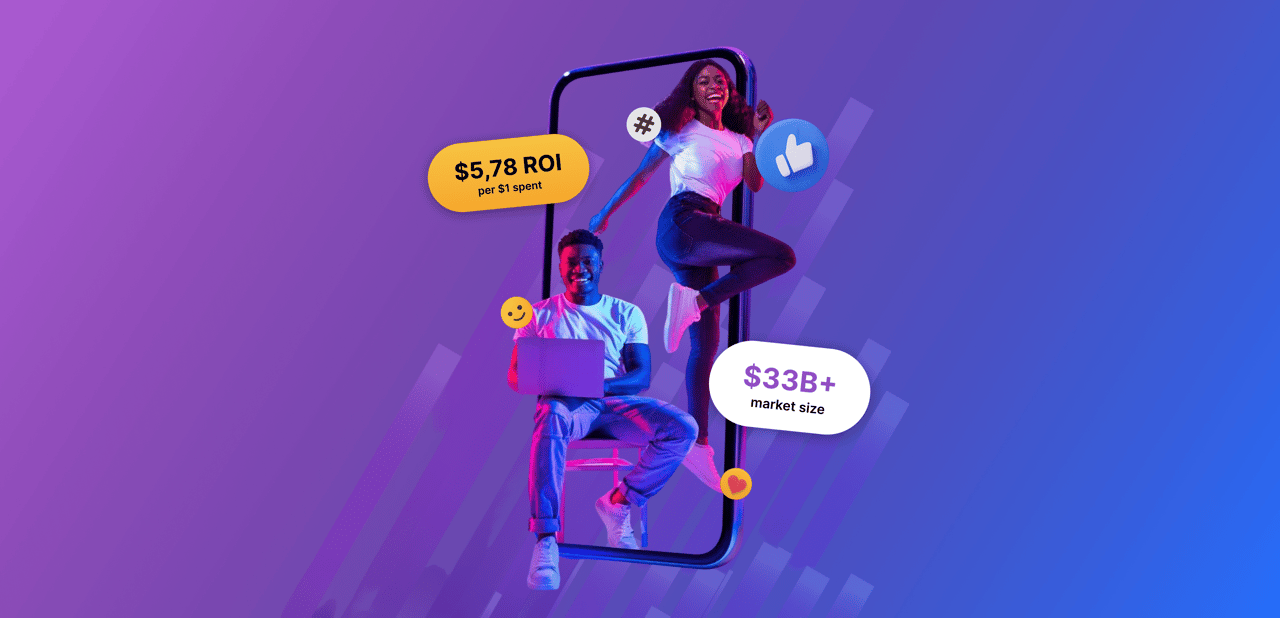
Influencer marketing campaigns are a $33+ billion industry heading into 2026. That’s real money. And a lot of it gets wasted because marketers either copy what worked for someone else without understanding why it worked, or they overthink the strategy and underthink the execution.
So this guide is going to be a bit different. We’ll cover the fundamentals—types of influencer marketing, real examples, how to find relevant influencers, and measure what matters. Let’s get into it.
What is an influencer marketing campaign?
You probably already know this, but let’s get the definition out of the way: an influencer marketing campaign is a partnership between a brand and a creator who has an audience on social media platforms that trusts them. The brand pays (or gifts a product), the creator makes content, and the audience sees it. Simple concept, surprisingly hard to get right.
The reason it works better than a banner ad or a TV spot isn’t complicated. People scroll past ads. They don’t scroll past someone they follow. When a creator they like recommends something, there’s an emotional connection that makes it register differently—more like a friend’s suggestion than a pitch.
What makes influencer collaborations and content creation work
Every successful influencer campaign we’ve seen has a few things in common: the brand knew what they wanted going in (drive awareness? drive sales? build a content library?), they picked a creator whose target audience actually overlaps with their customer, and—this is the big one—they didn’t micromanage the creative.
Report from ResearchGate backs this up: 65% of influencers want to be involved in creative decisions early, not handed a script to read. The campaigns that feel wooden? That’s usually a brand that insisted on approving every word, killing every creative angle the creator had. Let creators create content in their own voice. That’s literally what you’re paying for.
Why it beats traditional advertising (usually)
We're not going to pretend influencer marketing always outperforms traditional ads. Sometimes a good billboard is a good billboard. But the math tends to favor creators: brands average $5.78 back for every $1 spent on influencer campaigns, making it far more cost-effective than most other marketing channels.
Plus, the content has a longer shelf life than a paid social ad that dies the moment you stop funding it. That credibility gap between a creator recommendation and a display ad isn’t closing anytime soon.
Types of influencer marketing campaigns
There are roughly eight flavors here, and any decent social media marketing strategy will mix a few of them depending on what you’re trying to achieve. We’ll run through them quickly—some campaign types deserve more attention than others.
Sponsored posts, affiliates, and ambassador programs
Sponsored content is the most straightforward: you pay a creator to promote products in an Instagram Reel, a TikTok, or a YouTube mention. Works great when the fit is right, falls completely flat when it isn’t. Product placement feels natural when an influencer shares something they’d actually use; it feels cringeworthy when they wouldn’t.
Affiliate partnerships tie compensation to actual sales through tracked links or discount codes—lower risk for you, but you need creators who can actually drive traffic and drive sales, not just rack up impressions.
Then there are brand ambassador programs, which is where things get interesting. Instead of one-off posts, you build ongoing relationships. The endorsement builds trust because it kind of is real—the creator uses your product over months, not just for one sponsored Tuesday. If you’re not sure where to start, figuring out how to find brand ambassadors through your existing customer data is usually the smartest first move.
Giveaways, product seeding, and other marketing channels
Giveaways and contests generate buzz fast but attract a lot of people who’ll unfollow the second the contest ends. Useful in small doses if you want to increase brand awareness quickly and extend your brand’s reach, but don’t expect lasting engagement.
Product seeding (sending free stuff without a contract) is underrated—when your product is genuinely good, it often generates the most authentic content because there’s no obligation behind it.
Social media takeovers let a creator run your account for a day across social platforms. Fun for audiences, terrifying for brand managers. Co-creation collabs (think limited-edition product lines) get the creator invested because it’s their name on the thing too—they’ll actively engage their audience harder than they would for a standard post.
User-generated content campaigns
UGC campaigns skip the influencer middleman entirely—you get hundreds of everyday people creating content, which gives you a massive library of creative assets you can repurpose across other marketing channels. Tools that offer visual insights can track all that user-generated content even when nobody tags you. If your business is built on a visual product, UGC is probably your most cost-effective content creation engine.
Best influencer marketing campaign examples [2025–2026]
Enough theory. Here’s what actually delivered outstanding results—and more importantly, why.
Gymshark #Gymshark66 challenge
This is one of the most impactful campaigns because Gymshark didn’t ask influencers to sell gym clothes. They asked people to commit to a fitness goal for 66 days (the time it supposedly takes to build a habit) and document the journey. Fitness creators posted progress updates. Regular people joined in. It became a community thing.
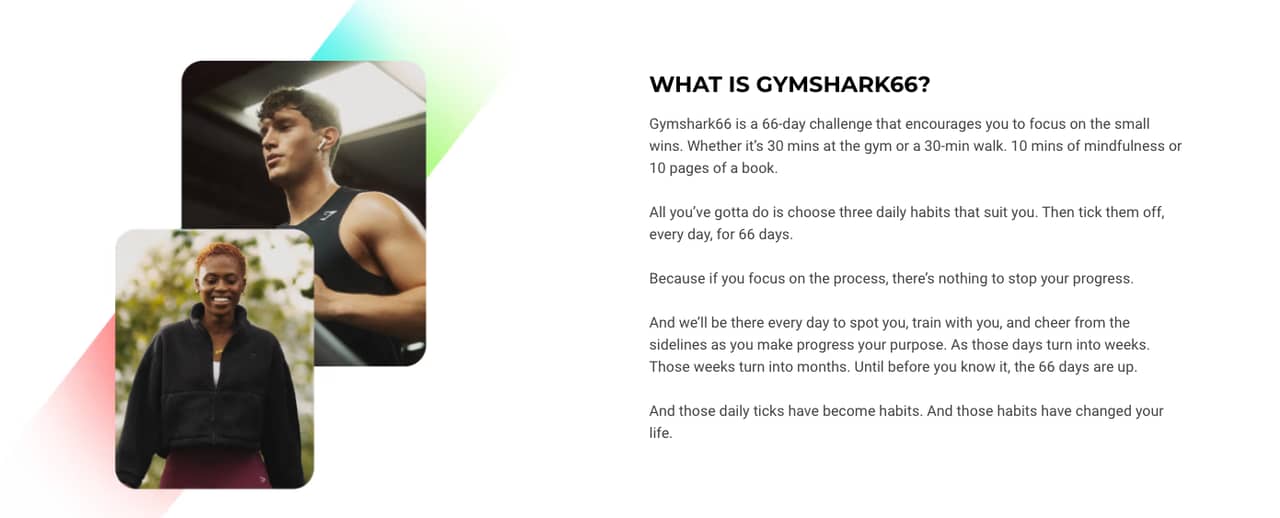
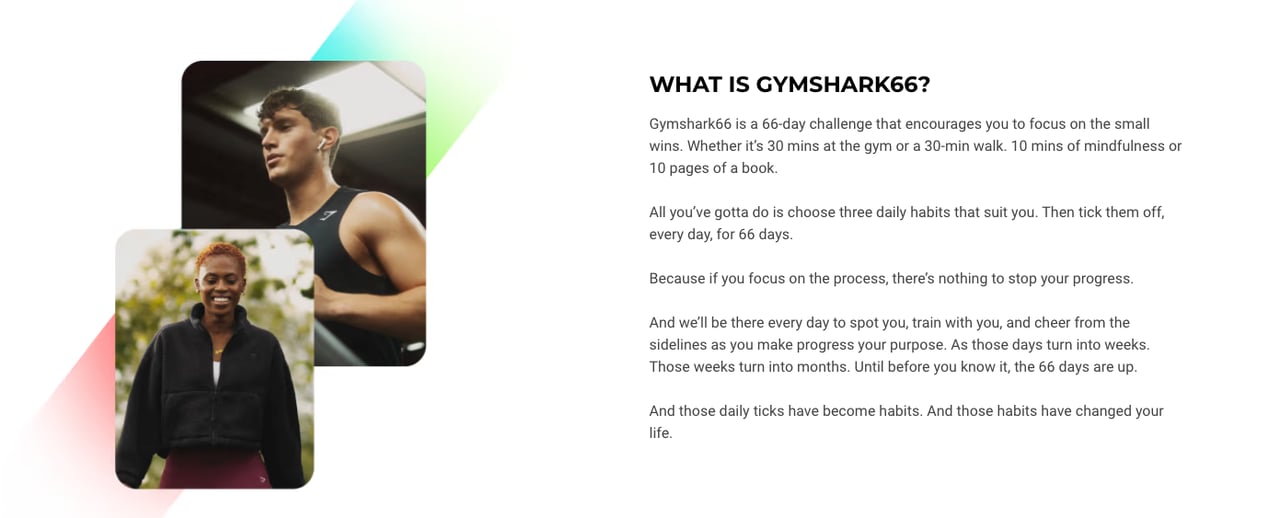
The numbers: 193 million views, 1.9 million likes, over a million user posts. But the real win was positioning Gymshark as a brand that’s about the grind, not just the gear. That’s the kind of brand exposure that a standard sponsored post can’t buy.
Daniel Wellington’s micro-influencer play
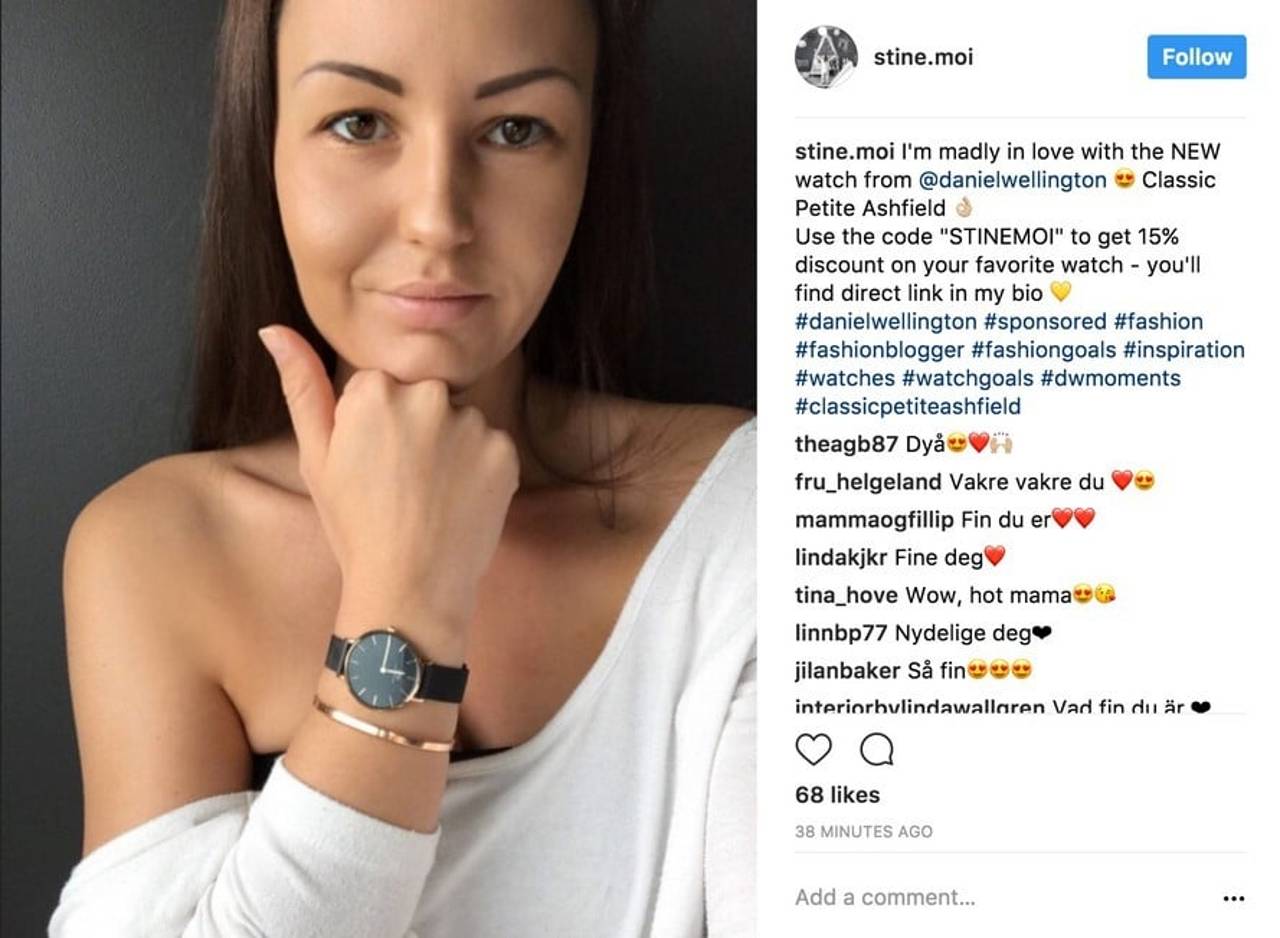
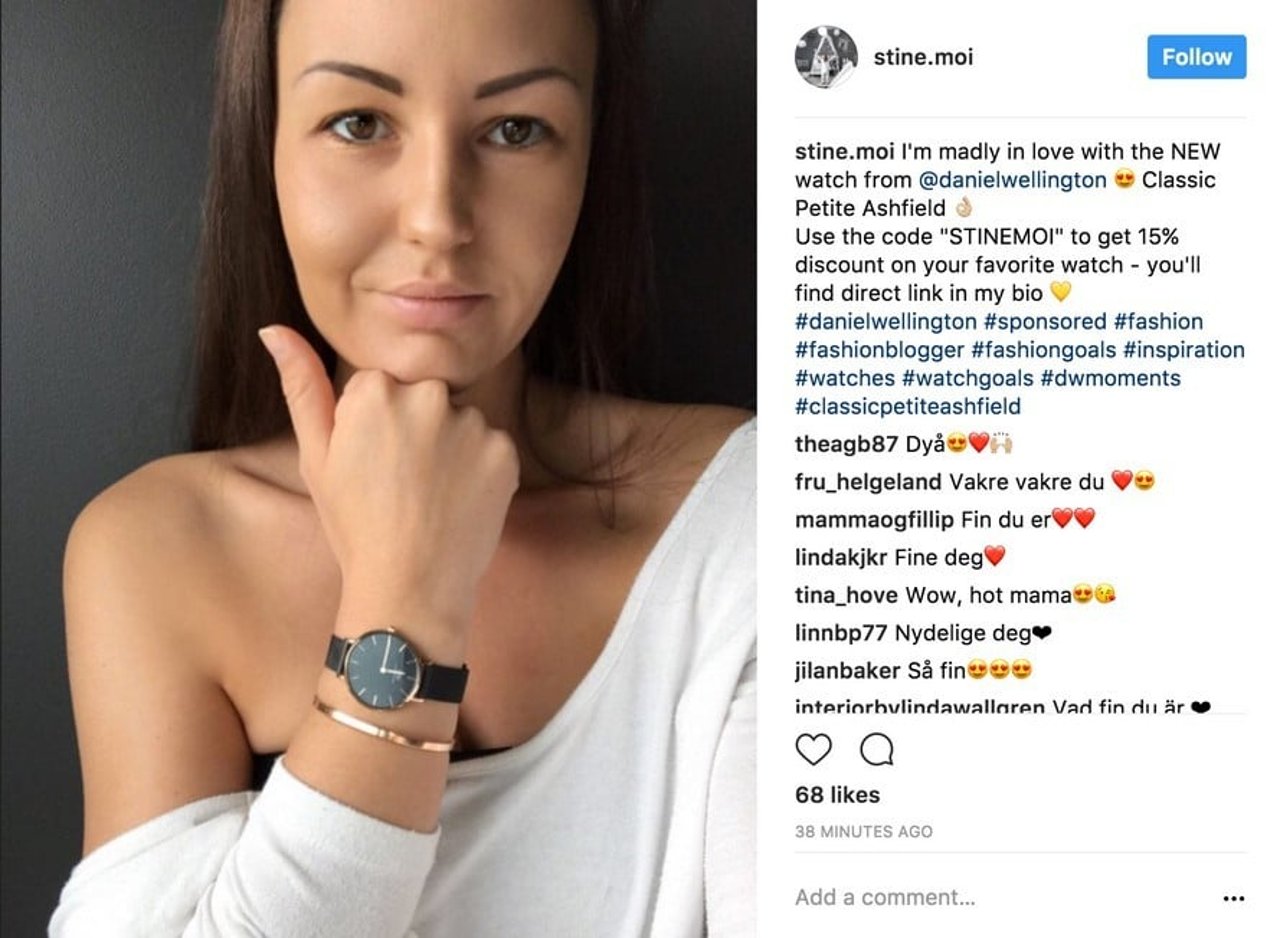
Daniel Wellington sent free watches to thousands of micro influencers. No celebrities, no six-figure deals. Each creator got a unique discount code. The company went from basically nothing to a $200+ million valuation, almost entirely through Instagram influencer marketing. Volume of smaller, suitable influencers beats one big name more often than you’d think—especially when each influencer shares a personal story about the product.
More campaigns worth studying (Instagram influencers, lifestyle influencers, and beyond)
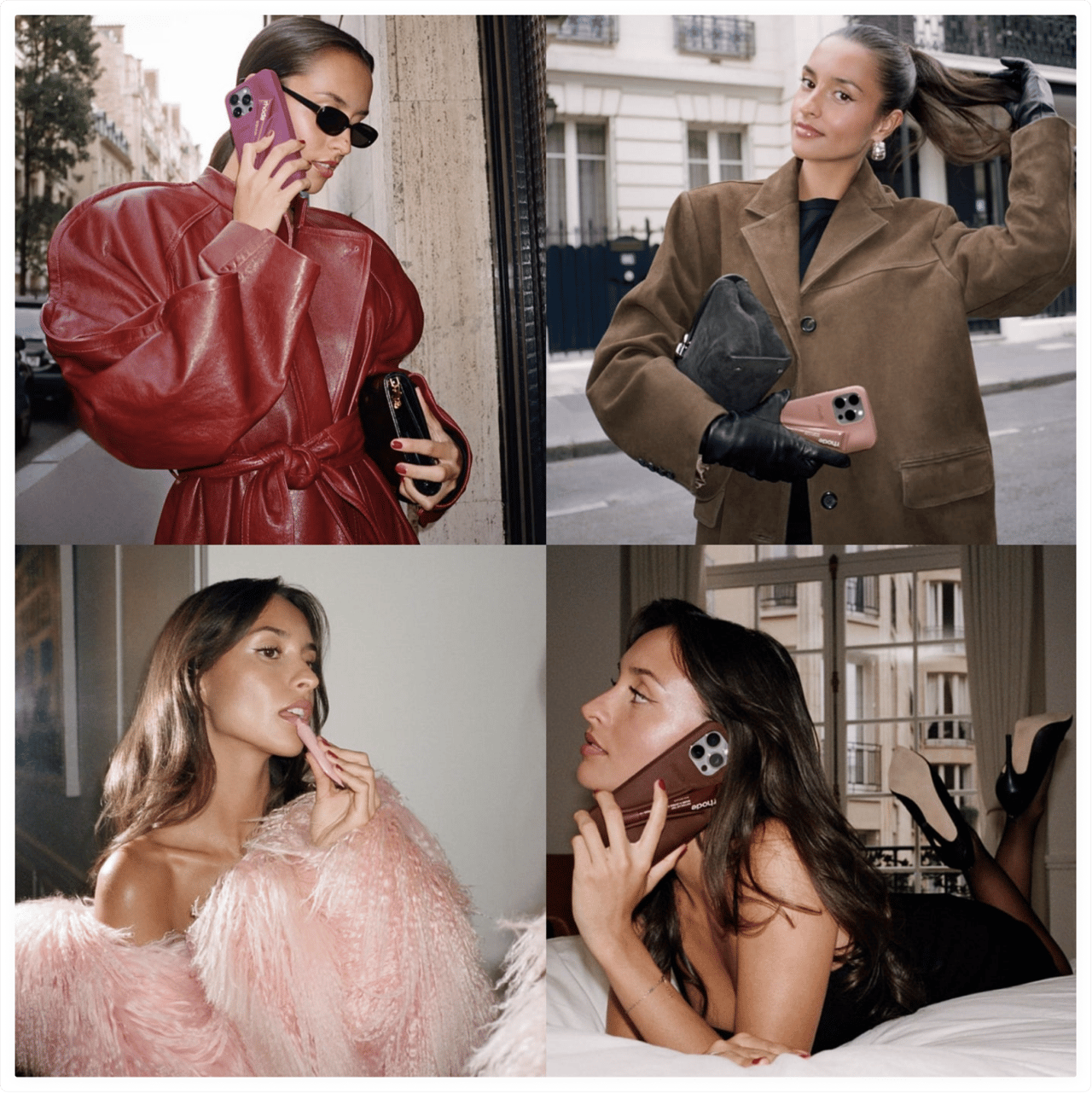
Rhode x Alexandra Saint Mleux worked because the creator co-designed the product—not just promoted it. When the influencer has actual creative ownership, the audience can tell.
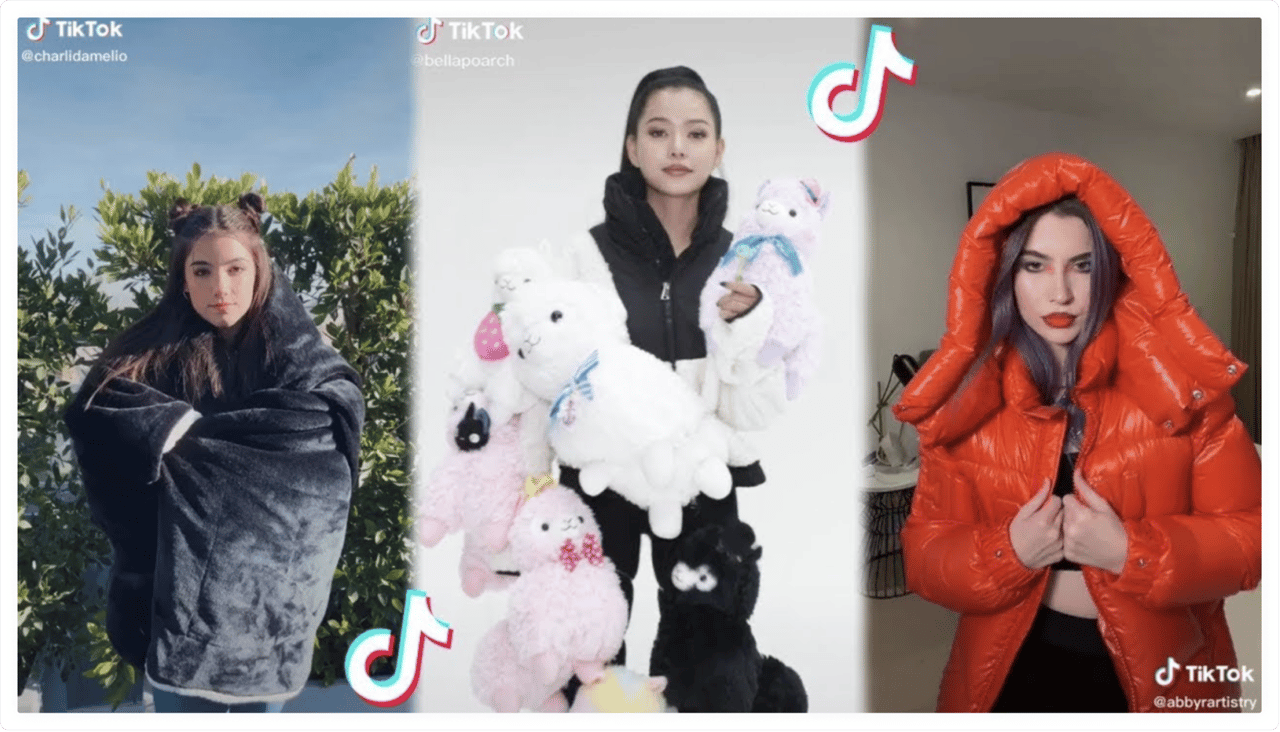
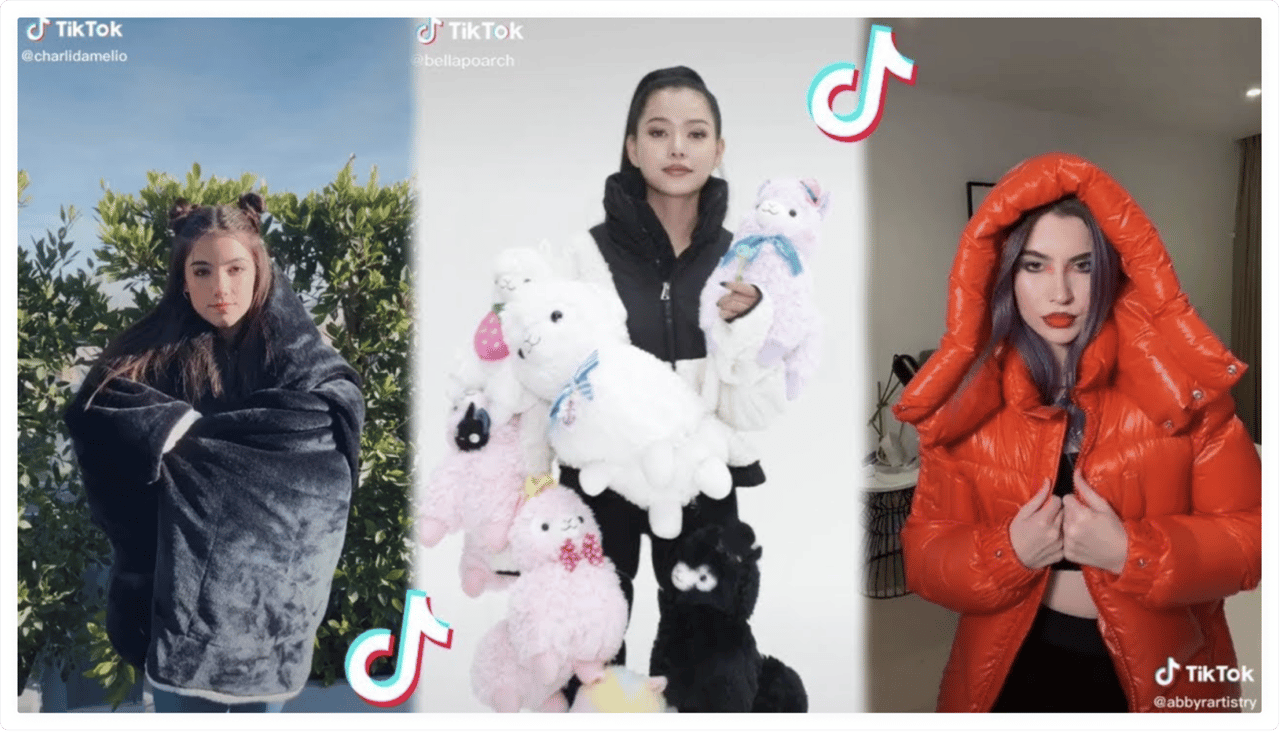
Moncler’s #BubbleUp TikTok challenge proved luxury brands can go viral if they stop taking themselves so seriously (billions of views on a puffer jacket transition trend).
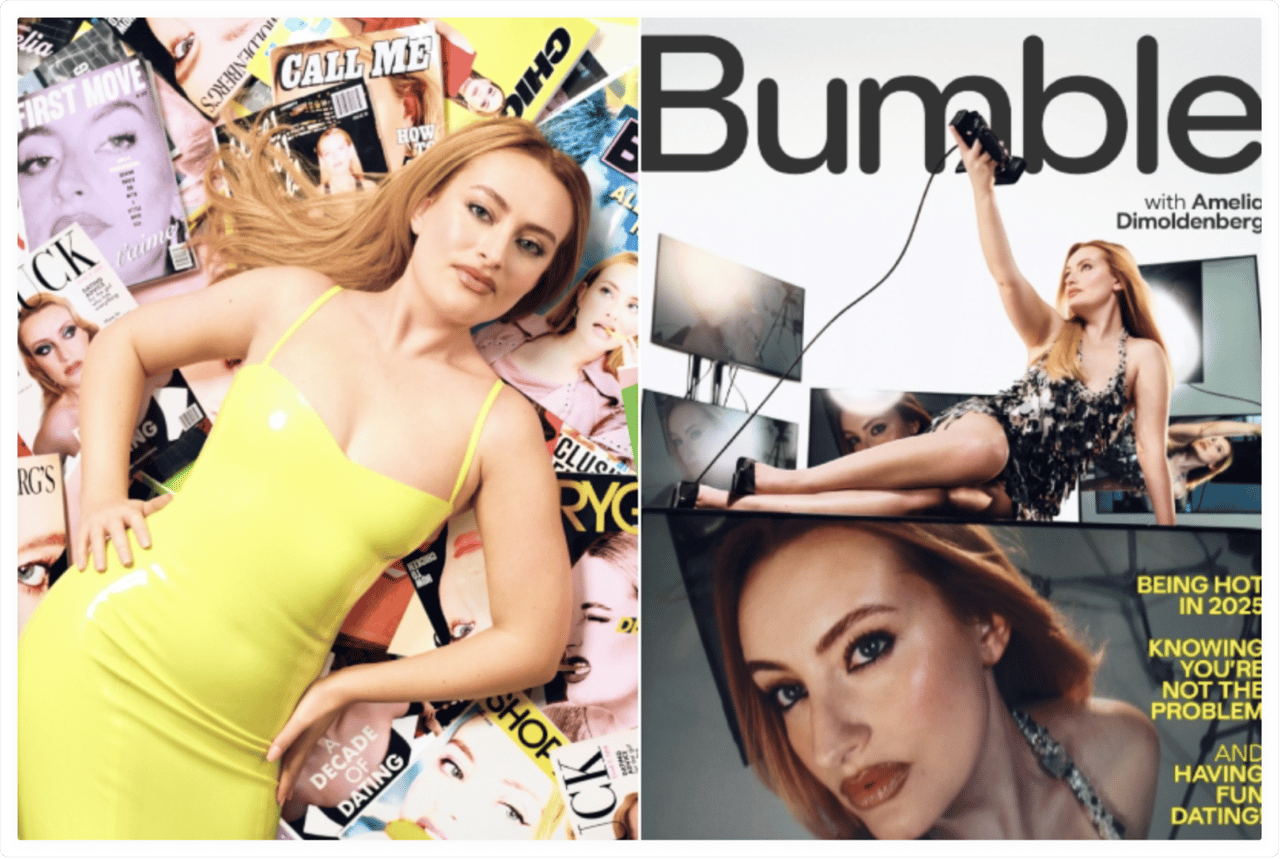
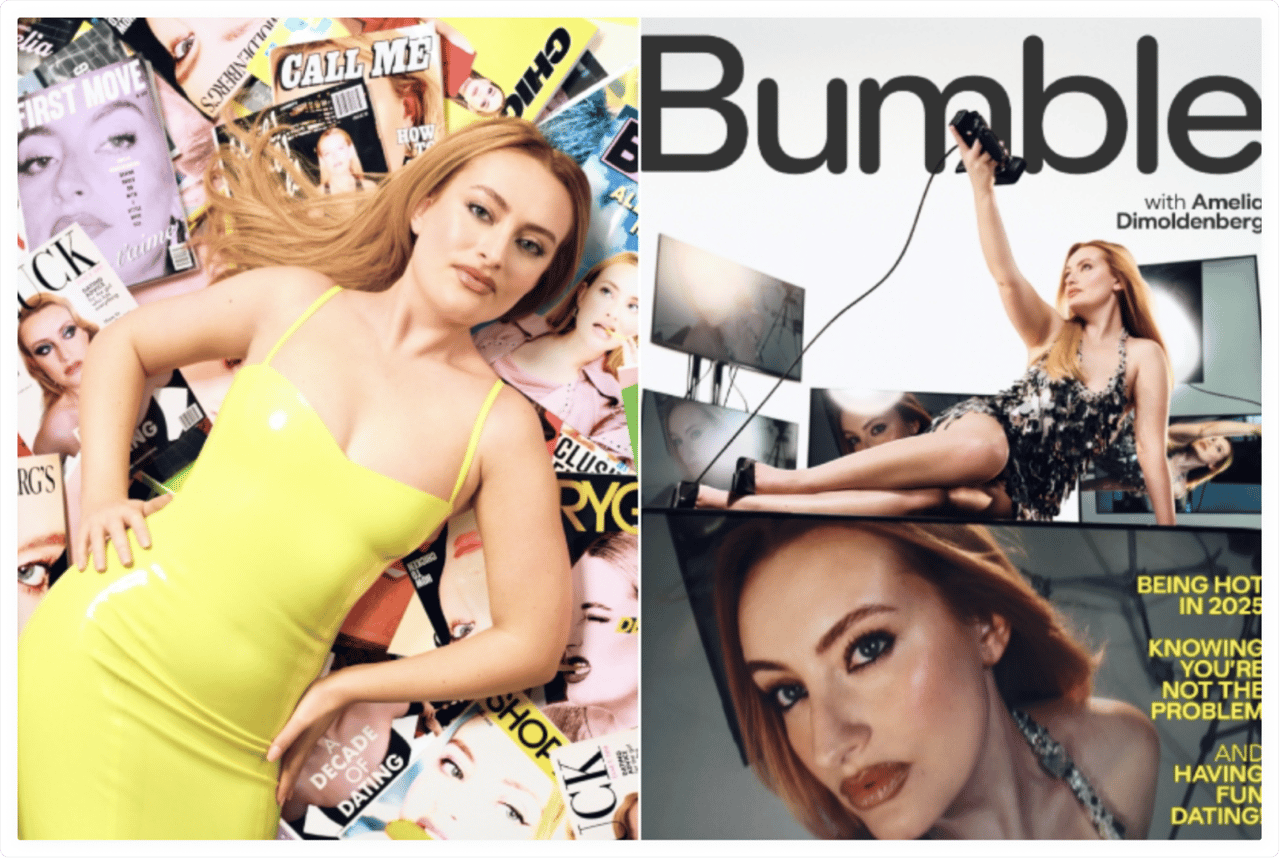
Bumble x Amelia Dimoldenberg is a masterclass in creator-brand fit—her awkward interview style is basically Bumble’s entire vibe.
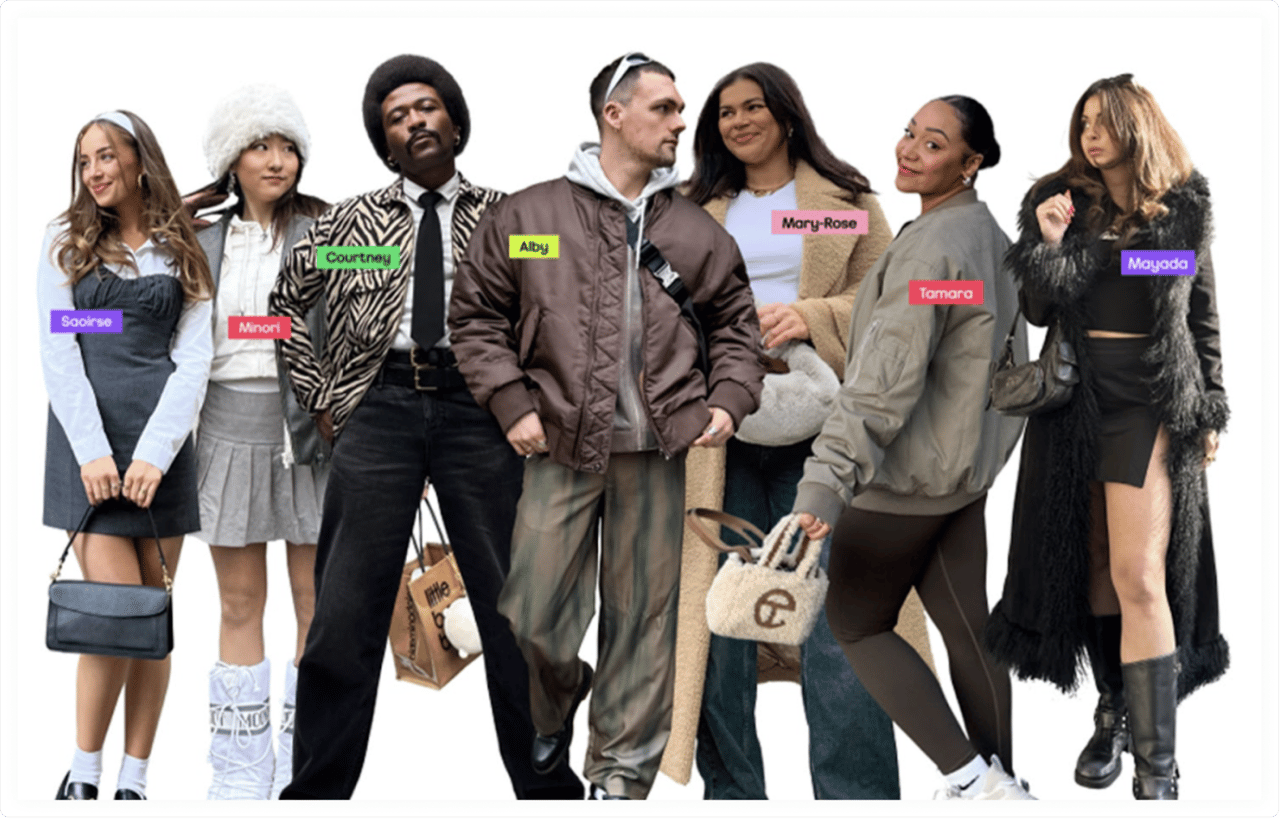
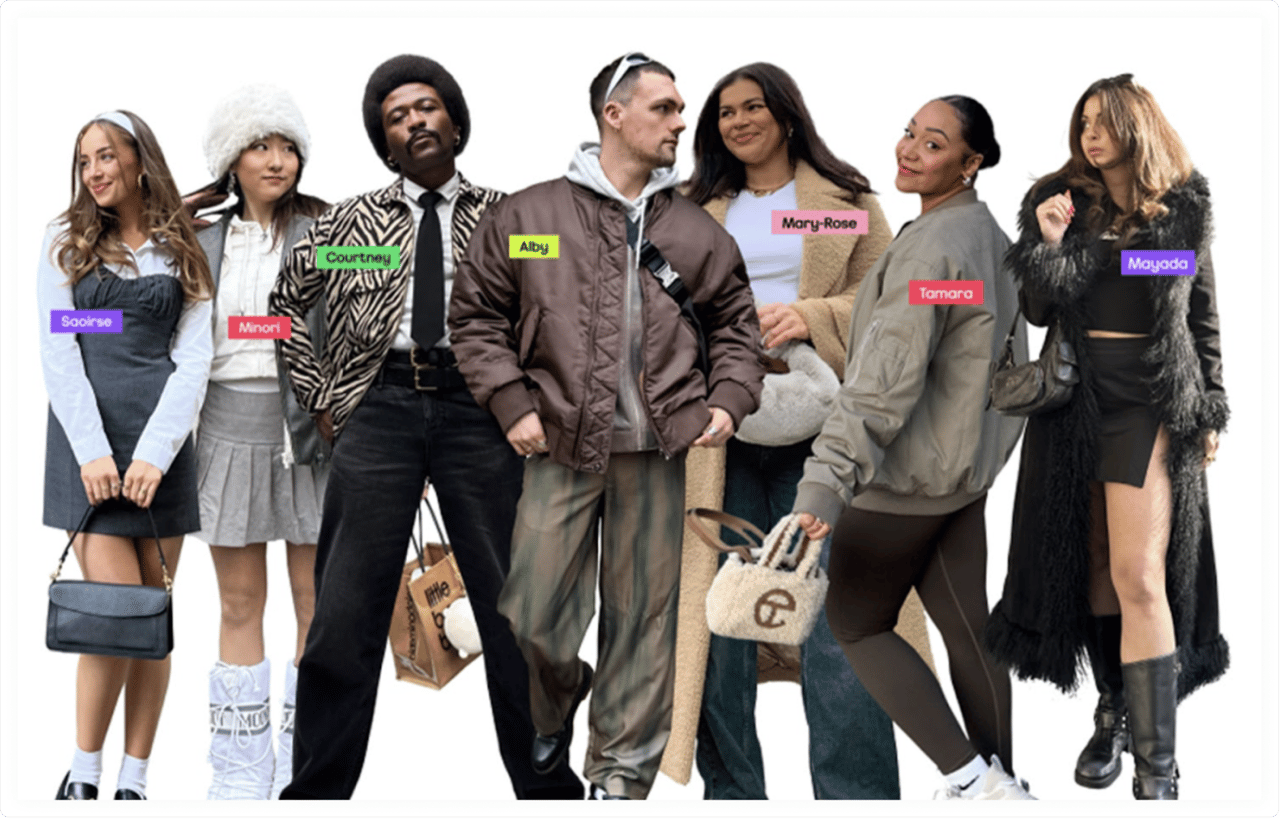
ASOS deserves a mention for building a diverse roster of Instagram influencers that actually looks like their customers. If you’re thinking about how to hire brand ambassadors, their model is the blueprint.
NordVPN and HelloFresh aren’t glamorous—but both are printing money through sheer volume of YouTube creator partnerships and affiliate codes that extend the brand’s reach far beyond owned channels. HelloFresh’s approach with lifestyle influencers is especially smart: cooking videos that double as product placement without feeling forced. These long-running deals build trust with audiences over time.
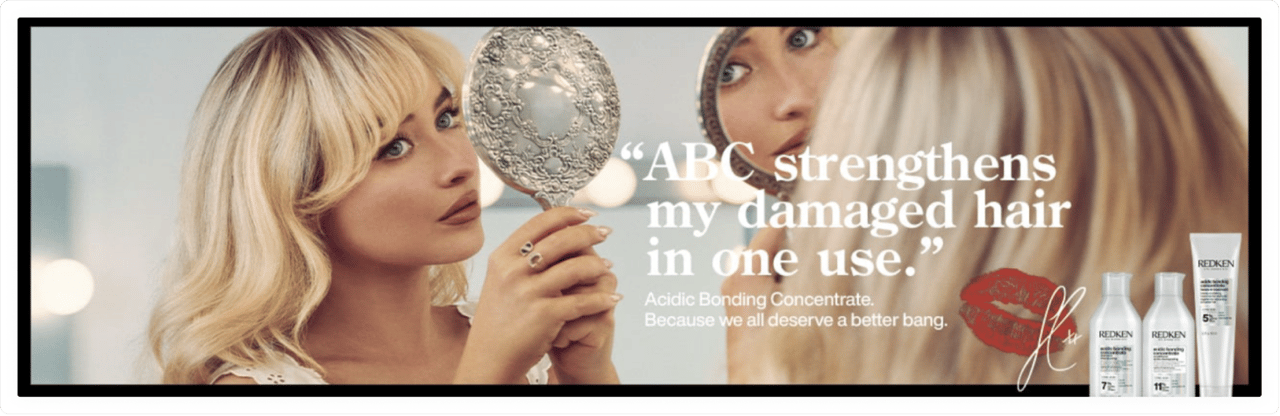
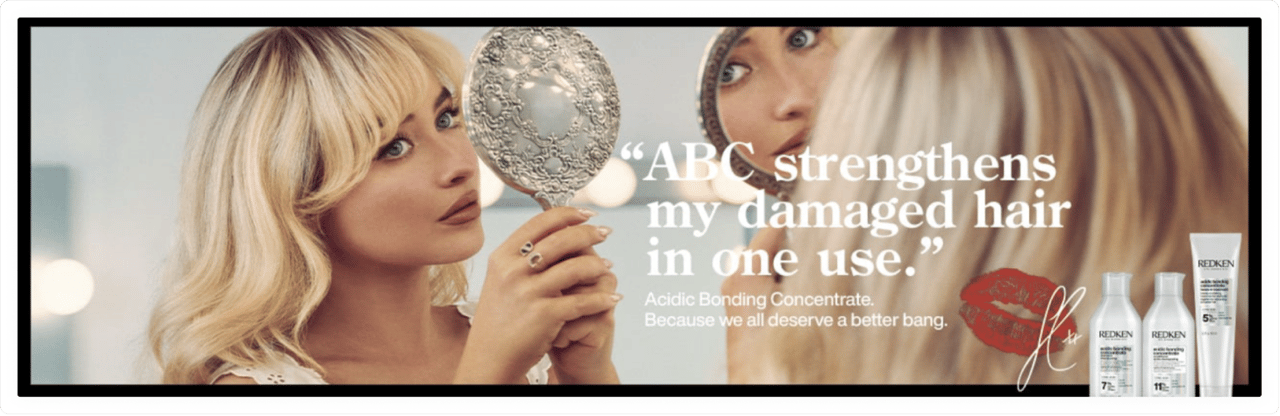
And Redken x Sabrina Carpenter is a reminder that betting on rising talent before they blow up is one of the highest-ROI moves in influencer marketing.
Coca-Cola, Nike, and the other mega-brands will always dominate headlines, but these examples show that mid-market brands can absolutely compete.
How to find the right influencer for your marketing campaigns
This is where most campaigns succeed or fail, and it happens before a single piece of content gets created. The wrong creator won’t just underperform—they can actively hurt your brand. Here’s what to pay attention to.
Understanding influencer tiers (nano to mega)
Tier | Followers | Typical cost/post | Best for |
Nano | 1K–10K | $10–$100 | Hyper-niche targeting |
Micro | 10K–100K | $100–$1,000 | Engagement + authenticity |
Mid-tier | 100K–500K | $1,000–$5,000 | Balanced reach + trust |
Macro | 500K–1M | $5,000–$25,000 | Wide brand awareness |
Mega/Celebrity | 1M+ | $25K–$500K+ | Mass exposure |
The real advantage of influencer marketing is choosing people who are already part of your target audience. Not people with big numbers. People whose followers actually care about what they say. That’s the key takeaway most brands still miss.
Using social listening and advanced analytics for influencer discovery
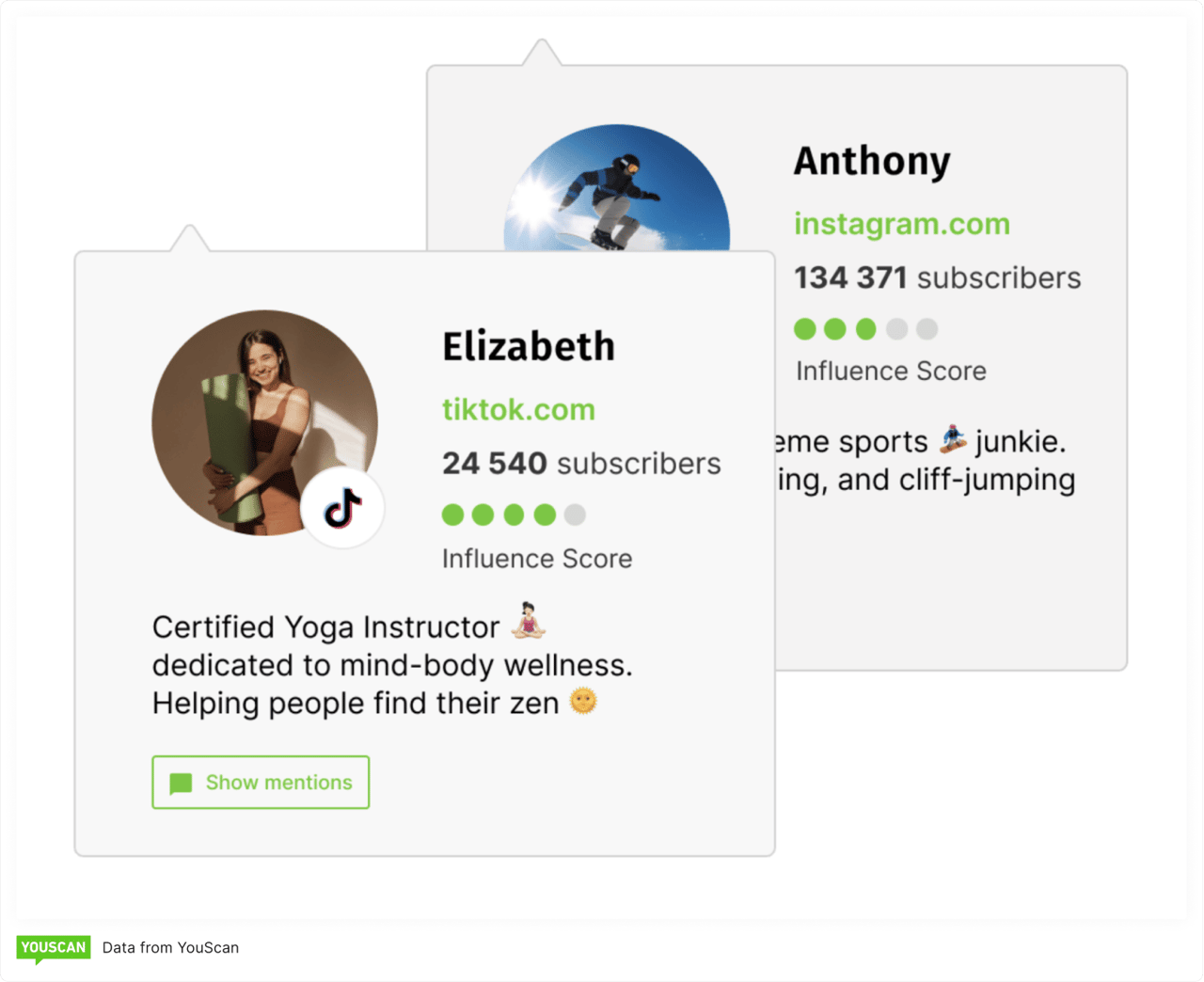
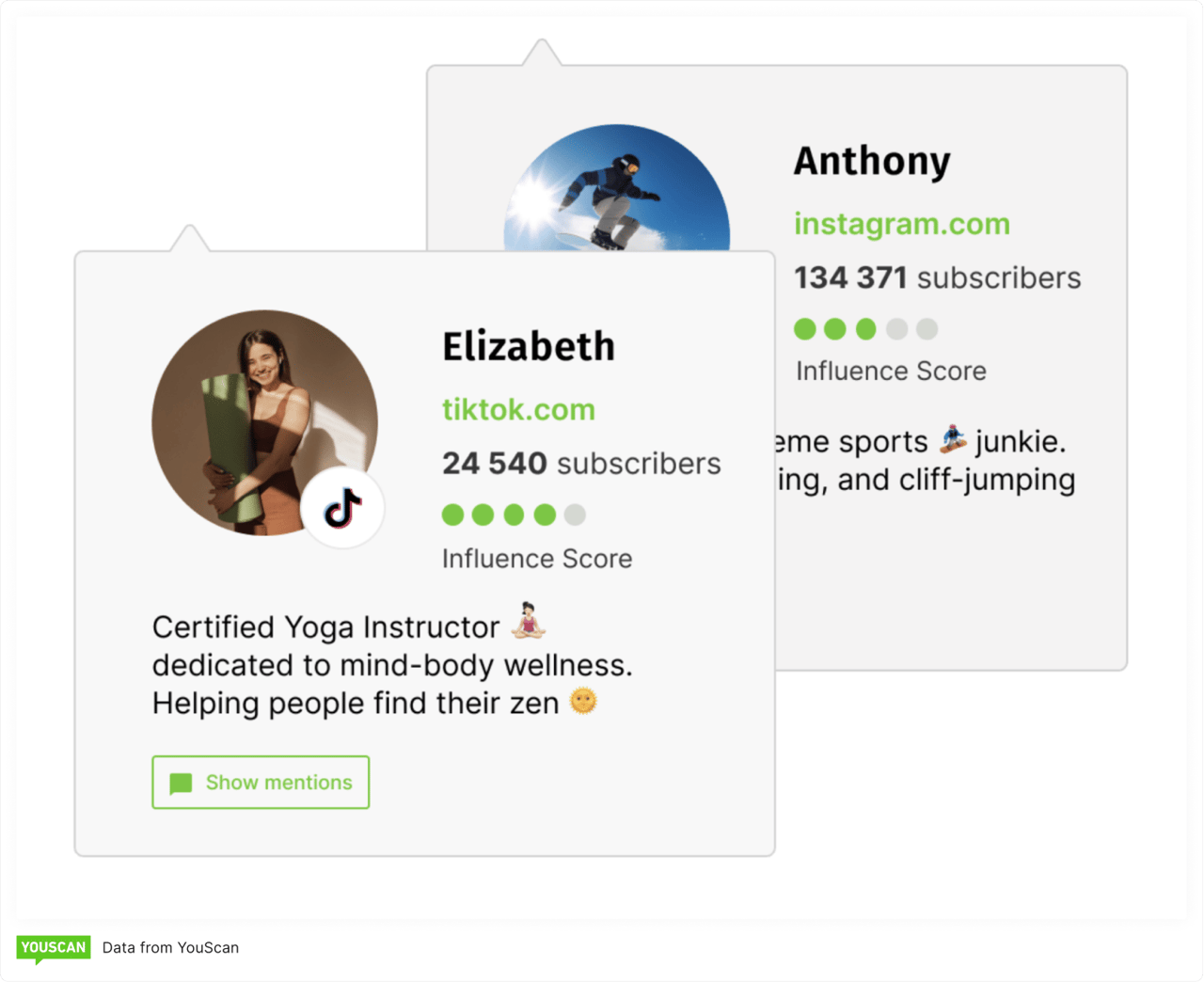
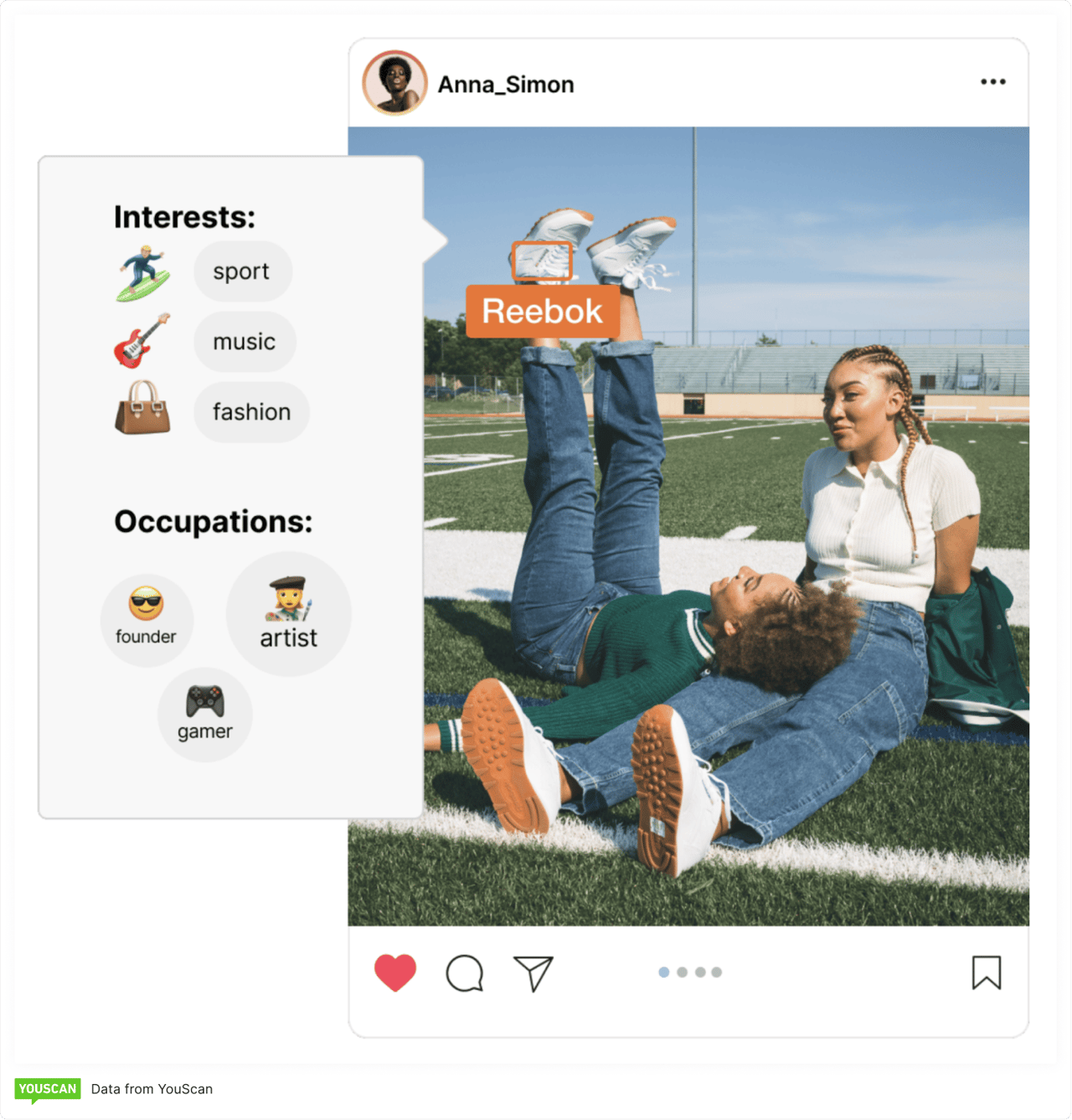
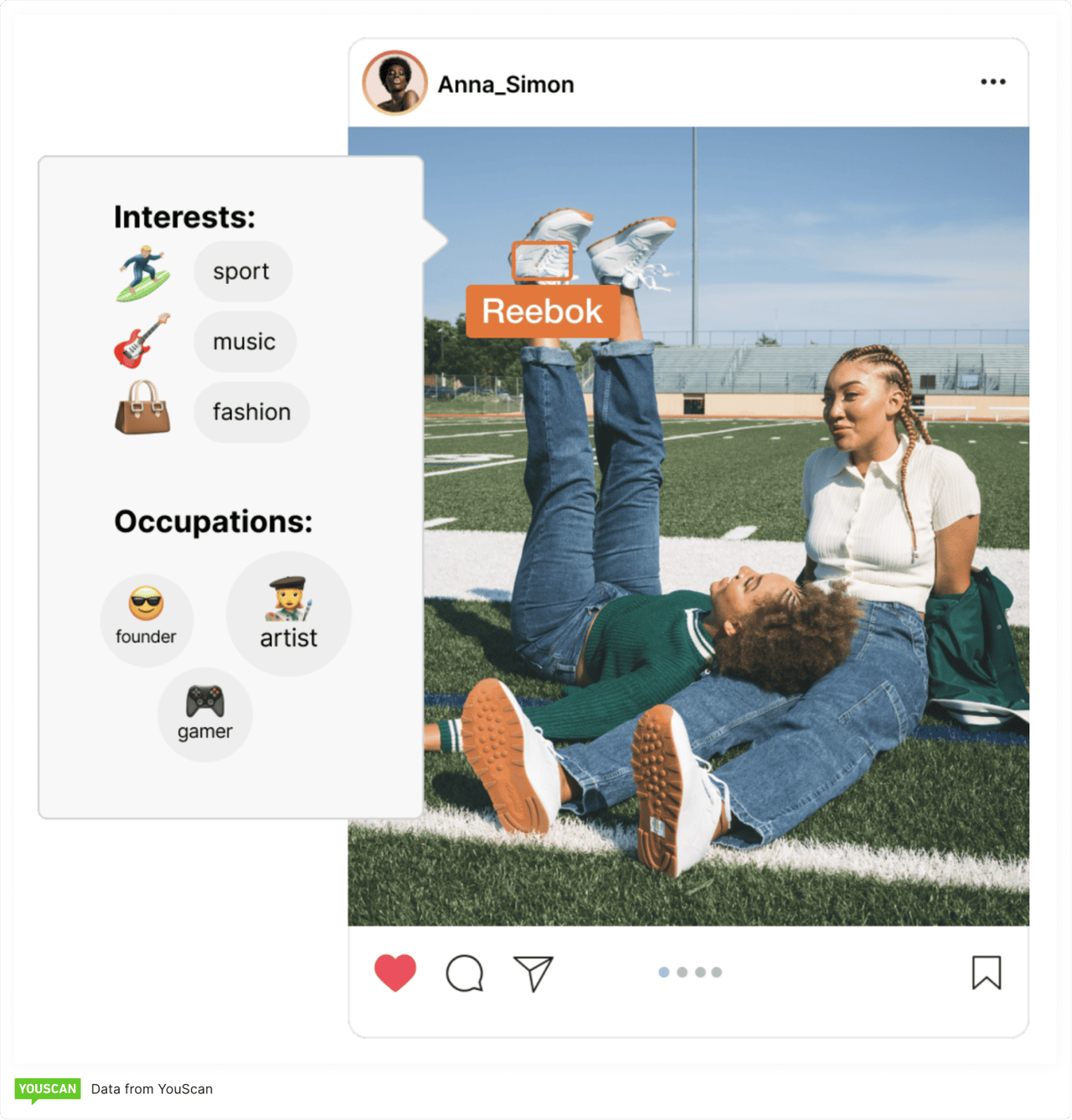
Here’s something a lot of marketers skip: before you go searching for influencers on platforms like Instagram and TikTok, check who’s already talking about you. Social listening tools like YouScan let you monitor brand mentions across social media—including image mentions where your logo appears but nobody tagged you.
YouScan’s social media listening platform catches those invisible shoutouts, which are often your best leads for creators who genuinely use and like your product. That’s how you find relevant influencers who’ll actually collaborate with enthusiasm, not just cash a check.
Evaluating engagement rates and audience authenticity
Follower counts are vanity. You know this. Look at engagement rate, comment quality (are real humans responding, or is it all fire emojis from bot accounts?), and audience demographics. Running a proper brand analysis on a creator’s profile before signing a deal takes an hour and can save you thousands.
Also—and I can’t believe this still needs saying—review their old content. If their values clash with yours, someone on Twitter will find it. The analytics don’t lie, and neither does a two-minute scroll through someone’s post history.
If you’re unfamiliar with the marketing terms, check out our social listening glossary.
Measuring influencer marketing campaign success
This is where the industry still has a problem. Too many brands track reach and impressions and call it a day. Those are key performance indicators, sure—but they only tell you how many eyeballs saw something. They don’t tell you if anyone cared. And they definitely don’t tell you whether the creator’s creative angles actually landed with the audience.
What you should actually track: engagement (likes, comments, saves, shares), click-through rates on tracked links, conversions through unique discount codes, and—this is the one most people ignore—sentiment. A post might get 5,000 comments. But if half of them are people calling out a bad product-creator fit, that’s not a win. Keeping tabs on brand health alongside campaign metrics gives you the full picture.
Tracking brand sentiment to make data-driven decisions
Brand sentiment analysis tools are what separate marketers who guess from marketers who know. YouScan’s
sentiment analysis uses AI to read tone and context across social media—so you can see whether a campaign is generating real goodwill or just noise. That kind of analytics turns your influencer partnerships from a gamble into a service you can actually optimize.
ROI: the number everyone wants, nobody calculates correctly
The formula is simple: (Revenue – Campaign Cost) / Campaign Cost × 100. The hard part is attribution. Did someone buy because of the influencer post or because they already had your product in their cart? Most brands settle for “directionally correct” numbers—and that’s fine, as long as you’re honest about it. Industry average is about $5.78 return per dollar, with top campaigns hitting $11–$18. Continuous brand monitoring helps you catch the longer-tail effects that don’t show up in the first 48 hours.
Influencer marketing trends for 2026
AI influencers and social commerce: cool tech, questionable ROI
Virtual influencers—AI-generated personas like Lil Miquela—keep getting press coverage and brand deals. Some reports project CMOs could put up to 30% of influencer budgets toward virtual creators by late 2026. They work for specific aesthetics and social commerce applications, but the whole point of influencer marketing is human trust. Hard to trust someone who doesn’t exist.
Long-term partnerships are winning
The one-off sponsored post era is ending, and good riddance. 71% of influencers now offer discounts for longer commitments, and the content gets better over time because the creator actually gets to know your product and service.
Every brand I’ve seen shift to 6–12 month partnerships has seen better performance than their one-off campaigns. Long-term influencer collaborations also let the creator share content more naturally—the audience doesn’t see a single ad, they see an ongoing example of someone who genuinely uses the thing.
B2B influencer marketing finally catches on
B2B influencer marketing on LinkedIn and YouTube is still early, but it’s growing fast. Niche creators with 20K followers in SaaS or fintech can move needles that a Super Bowl ad can’t. The content looks different—analysis, co-authored reports, podcast appearances—but the logic is identical: let a trusted voice with credibility in your niche promote your business to a target audience that actually makes purchasing decisions.
Performance-based compensation models
Performance-based compensation is now the top model at 53% of brands. Less risk for the company, more upside for creators who actually drive results and boost sales. This shift is long overdue.
Launch your next influencer marketing campaign
Influencer marketing in 2026 isn’t slowing down. But throwing money at creators without a plan is still the most popular way to waste a marketing budget. The brands getting results are the ones matching the right influencer to the right campaign type, giving them real creative freedom, and actually measuring what happens with real data.
If you want to skip the guesswork—find creators who are already talking about your brand, track whether influencer campaigns are generating positive conversation or backlash, and make data-driven decisions instead of gut calls—that’s what YouScan is built for. Request a free demo and see what your brand looks like through the lens of social listening.
Frequently asked questions
What is an influencer marketing campaign?
It’s a partnership between a brand and a content creator to promote a product or message to the creator’s audience. Formats range from sponsored Instagram posts and TikToks to affiliate deals, product reviews, and full-blown ambassador programs. The thing that makes it work is the creator’s existing relationship with their followers.
What are the main types of influencer marketing campaigns?
Eight main types: sponsored content, affiliate marketing, brand ambassador programs, giveaways, product seeding, social media takeovers, co-creation/product collabs, and UGC campaigns. Most brands should be testing at least two or three of these.
How much does an influencer marketing campaign cost?
It depends entirely on the tier. Nano-influencers (1K–10K followers) might charge $10–$100 per post. Micro: $100–$1,000. Mid-tier: $1,000–$5,000. Macro: $5,000–$25,000. Mega/celebrity: $25,000 to $500,000+. YouTube tends to cost more than Instagram or TikTok for comparable audience sizes.
How do you measure influencer marketing ROI?
Track engagement, click-through rates (UTM parameters help), conversions from unique discount codes, and brand sentiment shifts. The ROI formula is (Revenue – Cost) / Cost × 100. But be honest about attribution—most influencer ROI calculations are directional, not exact.