Brand Collaborations: Best Examples, Benefits & How to Track Them


Open Instagram right now and scroll for thirty seconds. We’ll bet you see at least one brand collaboration. A limited edition sneaker. A fast-food chain doing something weird with a clothing brand. Two logos side by side on packaging that didn’t exist three months ago. Brand collaborations are absolutely everywhere—from the fashion world to tech to whatever Liquid Death decides to do next.
Here’s the thing, though. Most of them are forgettable. The ones that actually work—the ones that sell out, get written about, and make people feel something—those are rare. And they almost always come down to the same few things: choosing the right partner, understanding your audience, and making a brand collab that people genuinely care about. Not just two logos mashed together.
So that’s what this piece is about. We’re going to look at the best brand collaborations from 2025 and 2026, dig into why co-branding partnerships keep growing, and talk about how to actually measure whether yours worked—using social listening tools like YouScan. Because if you can’t track it, you’re just guessing.
What are brand collaborations, really?
At its most basic: a brand collaboration is when two or more brands work together on something—a product, a campaign, an experience. Each brand brings what the other doesn’t have. Maybe that’s a different target audience. Maybe it’s a complementary brand identity. Maybe it’s just access to new markets that one brand couldn’t crack alone.
People call these all sorts of things—co-branding partnerships, brand partnerships, joint marketing campaigns, or just “collabs.” The format changes, too. Sometimes you get a limited edition product line. Sometimes it’s content collaborations or social media campaigns that run for a few weeks. And sometimes it’s a full marketing partnership where co-branded products end up in stores worldwide.
What separates a collaboration from a sponsorship or an influencer deal? Depth. Both brands are actively involved in the creative direction. Both brands’ audiences are being courted. And when it’s done well, the mutual benefits are obvious—each brand partner walks away with exposure, credibility, and a story neither could’ve told solo.
Why brand partnerships actually matter for brand visibility and reputation
Why do companies keep doing this? Because the numbers back it up. Foundry’s 2024 State of Partner Marketing Study found that 68% of marketers view partnerships as a high-value tactic, and organizations are now putting about 37% of their total marketing budgets into partnership programs. That’s not a small bet.
But the reasons go beyond budget allocation. Let me walk through the key benefits, because they’re more nuanced than most people think.
Reaching new audiences and new customer segments
This one’s obvious, but it’s worth saying plainly: brand collaborations give you instant access to a broader audience. When a streetwear clothing brand partners with a luxury fashion house, both sides get in front of fashion enthusiasts they never would’ve reached through their own channels. You’re not building an audience from scratch. You’re borrowing trust from a brand whose audience demographics already overlap with the new customer segments you’re chasing.
That’s way cheaper and faster than throwing massive marketing budgets at cold outreach. And honestly? It’s more effective too, because the recommendation is baked into the partnership itself.
Increasing brand awareness and brand recognition
A good brand collab hands you something money can’t reliably buy: organic attention. Media coverage, social media mentions, unboxing videos from people who actually bought the thing, influencer posts that aren’t even paid—it adds up fast. The McDonald’s x Travis Scott collaboration generated over 200 million organic impressions. That’s a staggering number. And no amount of traditional marketing efforts would’ve gotten there on their own.
Building brand reputation and brand loyalty
Here’s something that gets overlooked: who you partner with says something about you. It’s a signal. Collaborate with a trusted brand in a different space and your brand reputation gets a lift by association. Do it repeatedly—deliver interesting collaborative efforts, surprise people with limited edition products and creative co-branded products—and you build customer loyalty. People start watching what you’ll do next. That’s real brand equity.
Strengthening brand identity and brand values
A smart brand collaboration can actually sharpen your brand identity rather than dilute it. Partner with a sustainability-focused organization? You’ve just reinforced your brand values without writing a single press release about it. This is why complementary brands make the best partners—the overlap feels genuine, not stapled together. If you’re not sure how your brand is perceived right now, running a brand health tracker before you pursue a partnership is a smart first step.
Driving innovation and helping create innovative products
And then there’s the creative upside. Two brands working together bring different skills and instincts to the table. Nike and Apple didn’t just slap logos together—they helped create innovative products that basically invented the connected fitness category. Those marketing partnerships don’t just promote innovation. They force both teams to think differently. That’s hard to replicate internally.
Best brand collaboration examples worth studying
Alright, let’s get into the examples. I’ve deliberately leaned toward 2025 and 2026 here because, frankly, most “best brand collaborations” lists recycle the same five examples from 2017. Here’s what’s been working recently—and why.
Coca-Cola x Crocs (2026): a limited drop done right
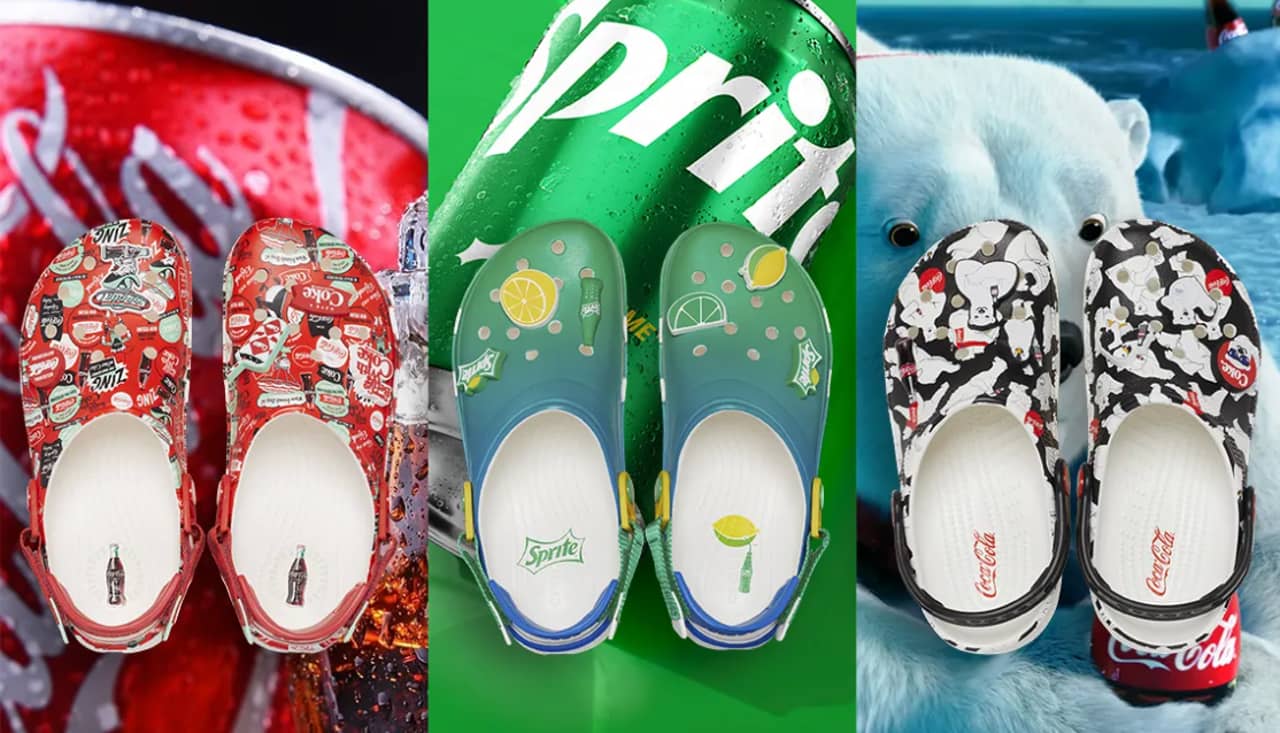
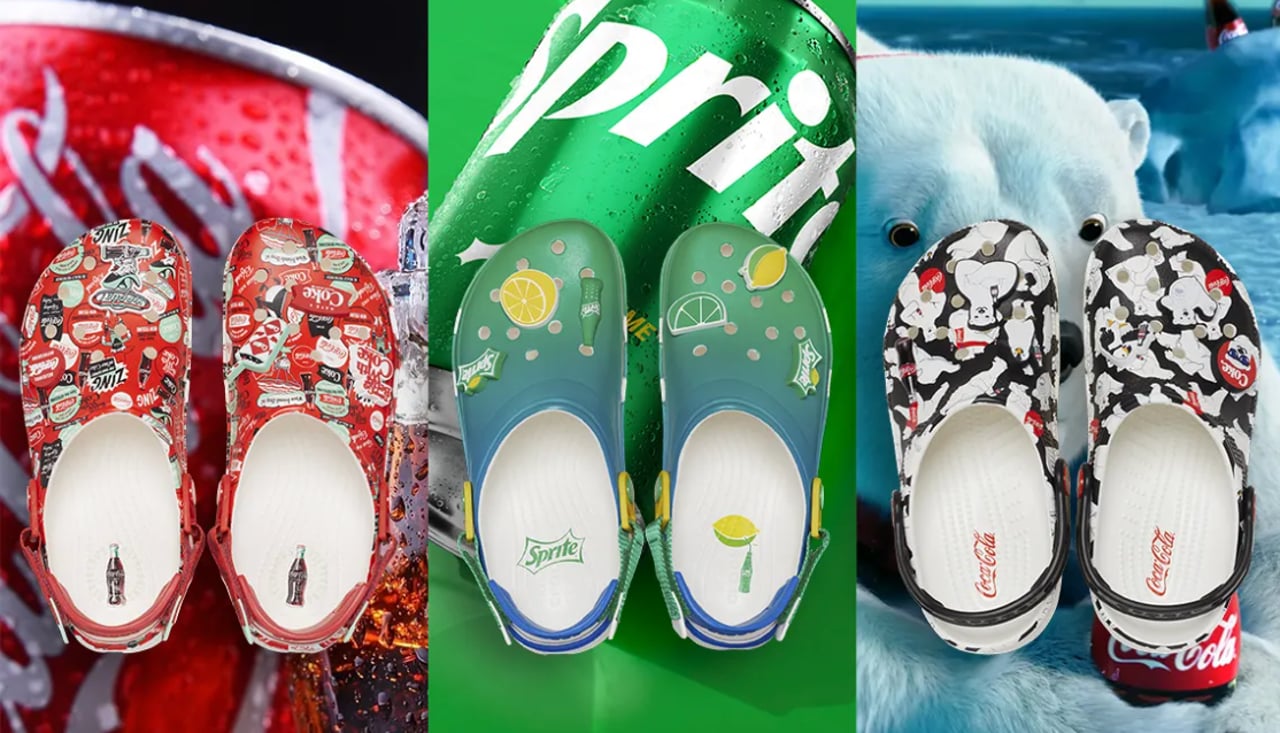
This Coca-Cola x Crocs drop from January 2026 is the kind of brand collaboration that just makes sense. Two massive brands. Playful identity meets iconic branding. Co-branded products that create urgency because they’re limited. Fans rushed to buy before stock ran out. No complicated creative concept necessary—sometimes the pairing itself is the concept.
e.l.f. x Liquid Death (2026): the weirdest collab that keeps working
The original e.l.f. x Liquid Death partnership sold out in 45 minutes back in 2024. So naturally they did it again in January 2026 with the Lip Embalm collection—gone across all six flavors in a single day.
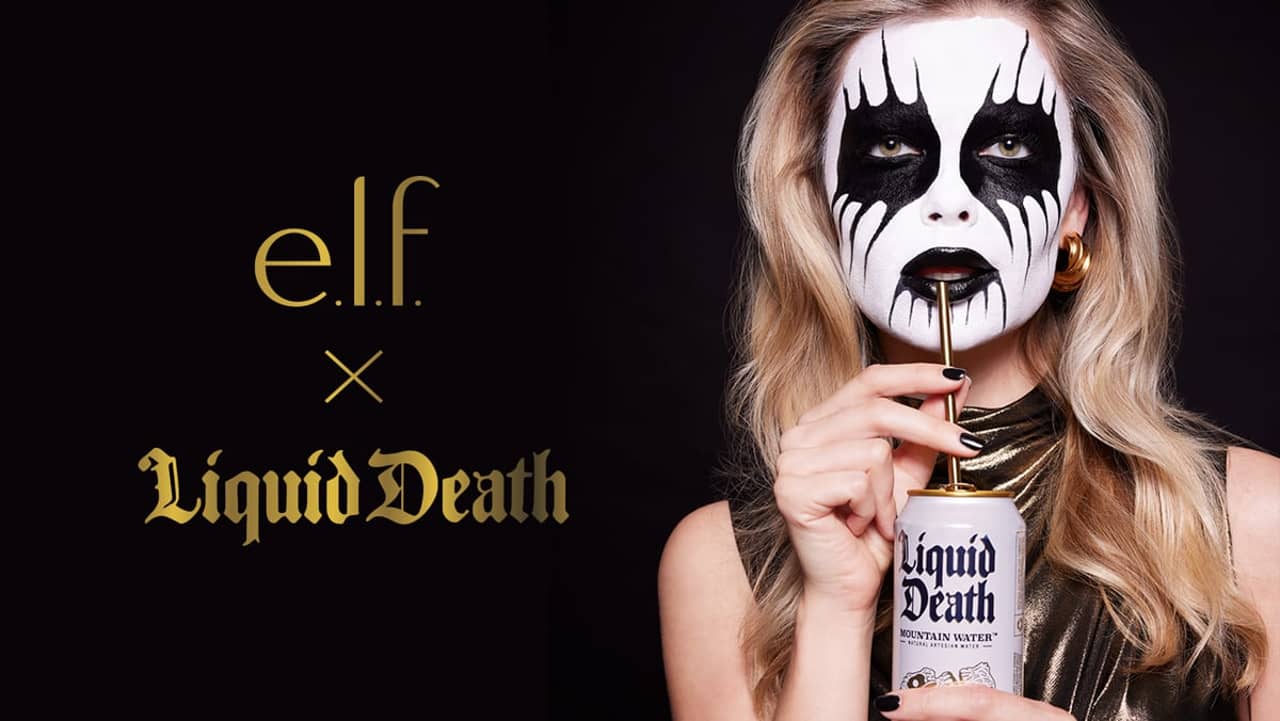
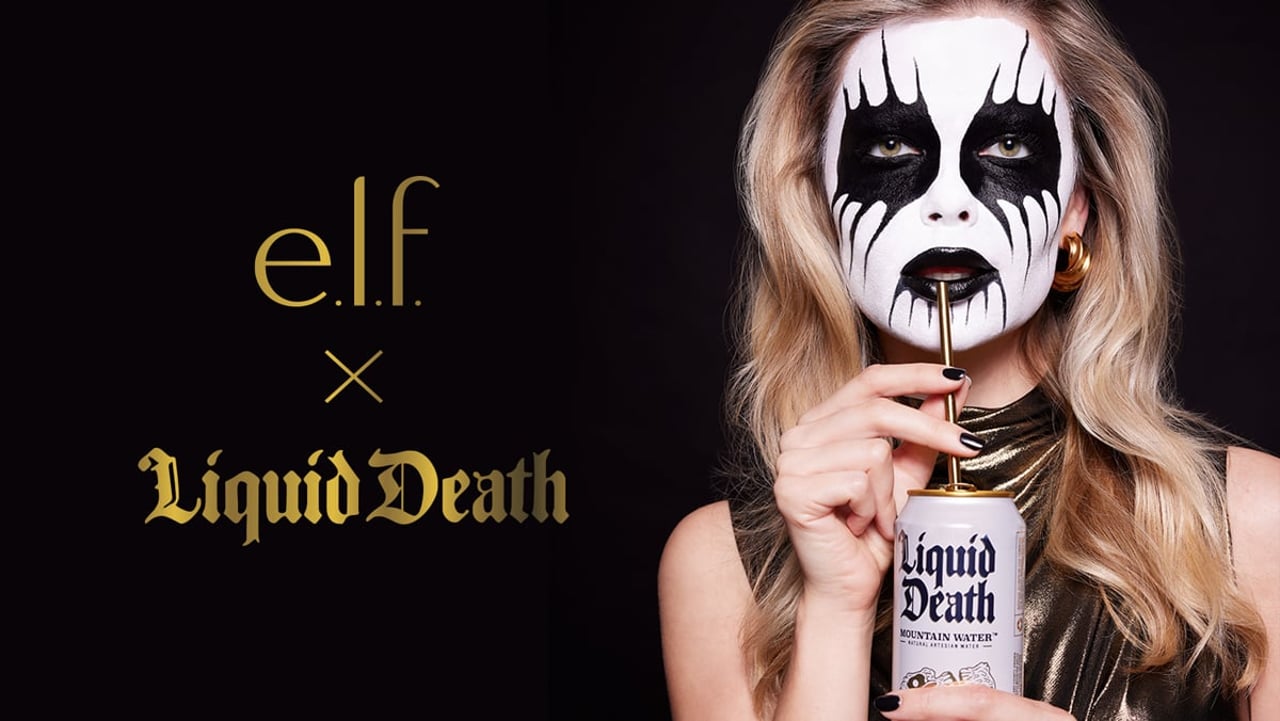
Why does this brand collab work when the brands seem so mismatched? That’s exactly the point. Liquid Death’s aggressive, slightly unhinged aesthetic is the polar opposite of e.l.f.’s clean, accessible vibe. The creative tension is the hook. e.l.f.’s CMO has talked about wanting to “normalize the bizarre” and build brand reputation that outlasts the limited edition products. I’d say they’ve done it.
Apple x Google (2026): nobody saw this coming
If you want proof that unexpected brand partnerships generate media attention on their own, look at this one.
Apple announced it would integrate Google’s Gemini 3 into its Next-Gen Siri app. These are two companies that have spent decades as rivals. Them joining forces on AI genuinely shocked the tech industry. Google brings the reasoning engine, Apple brings the polish. The expected Spring 2026 release hasn’t even shipped yet and the media coverage has already been massive.
Sometimes the best marketing strategy is just doing something nobody expected.
Starbucks x Khloé Kardashian — Khloud (2026)
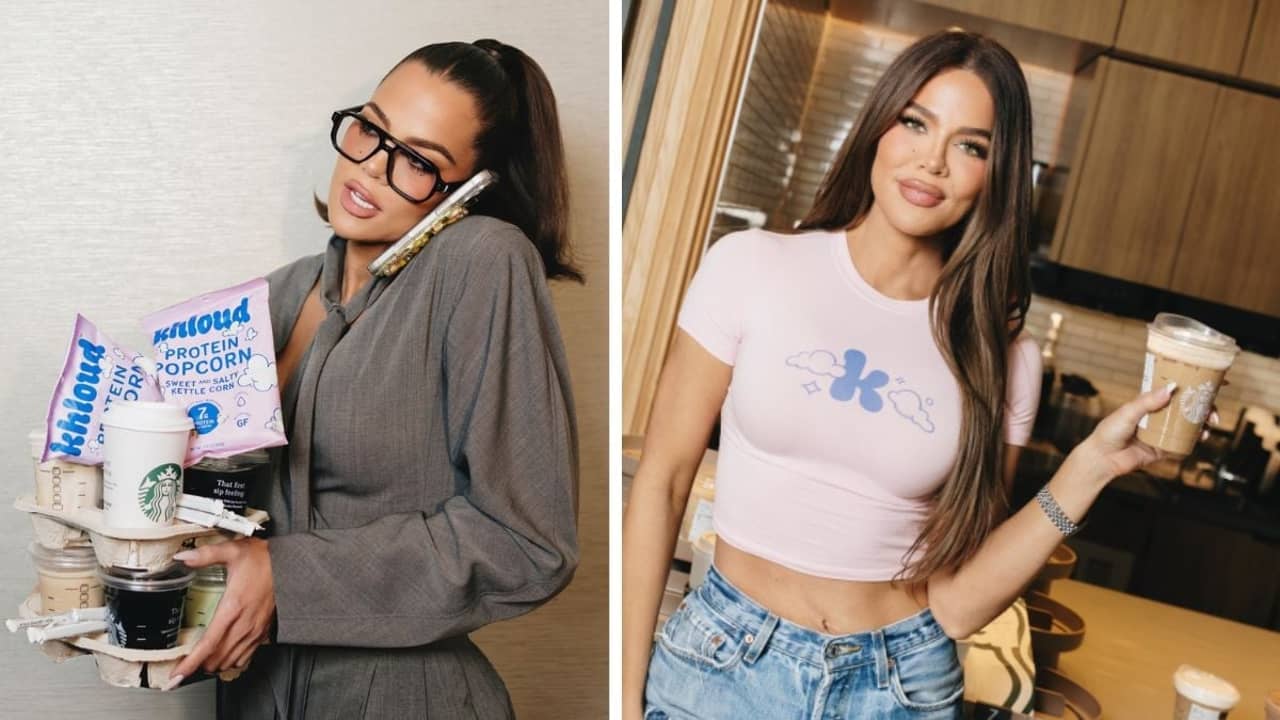
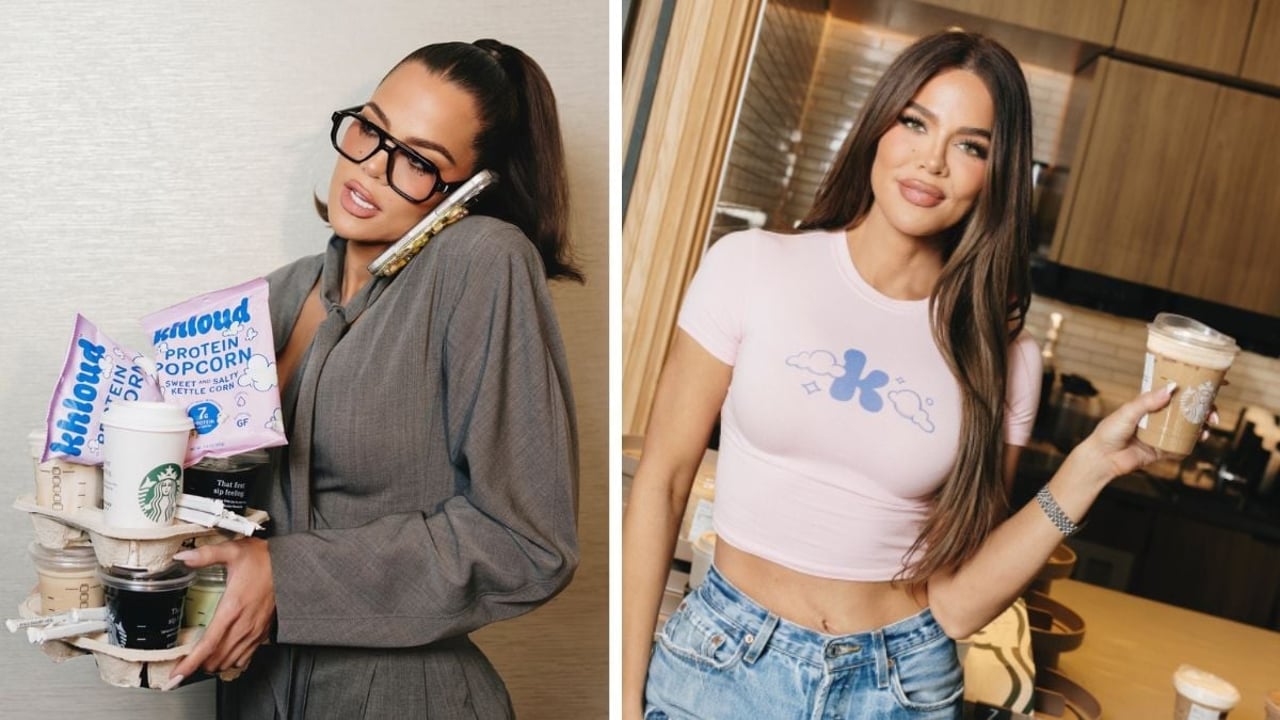
According to Modern Retail, Starbucks kicked off 2026 with a whole slate of brand partnerships under its “Back to Starbucks” strategy. The standout? Khloud—a protein snack brand promoted by Khloé Kardashian, now sold in Starbucks stores. The pairing taps into the wellness trend and uses Kardashian’s personal brand to reach new customer segments. It’s a smart play: instead of one-off buzz, Starbucks is treating brand collaborations as a continuous stream of cultural relevance. And it seems to be working.
Louis Vuitton x Takashi Murakami (2025): the comeback nobody questioned
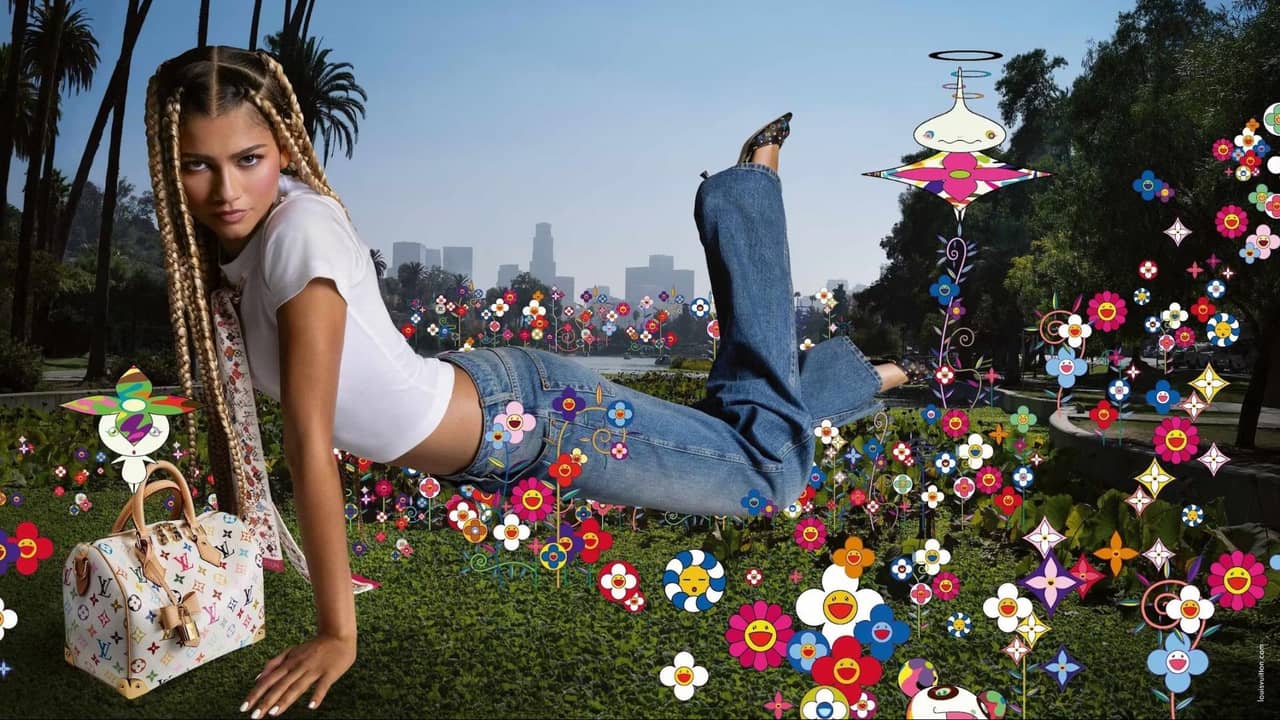
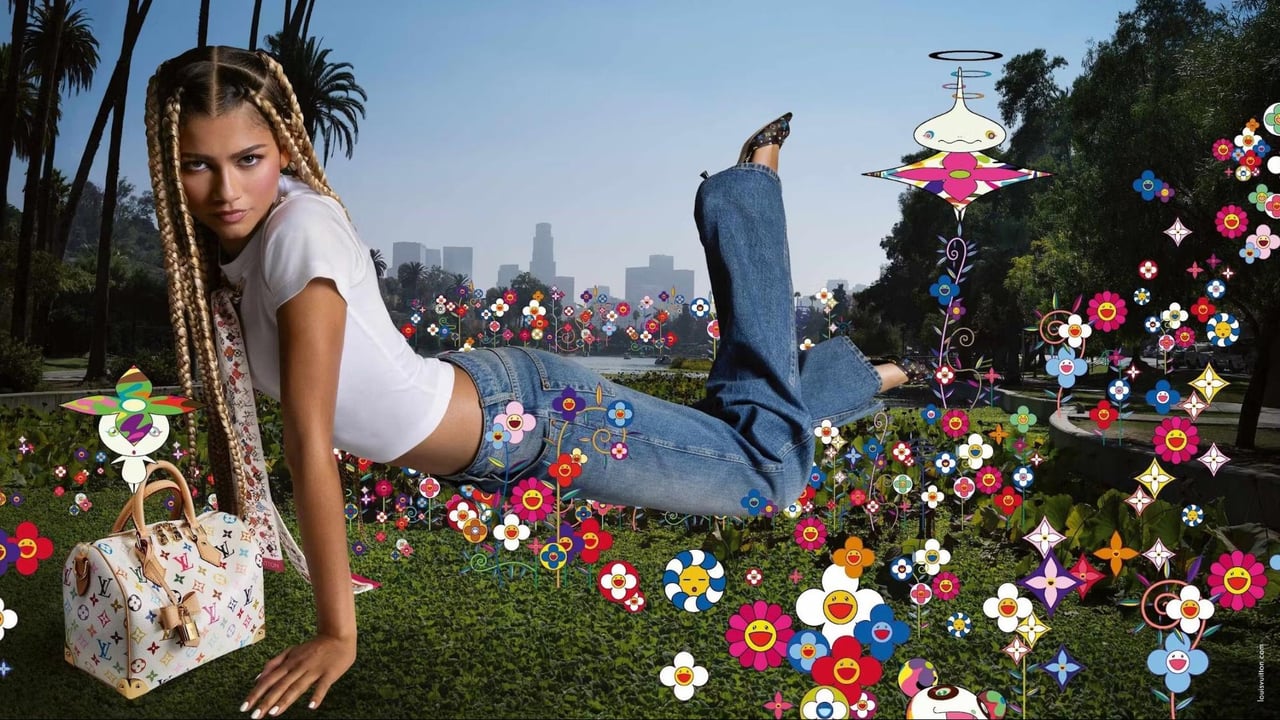
Twenty years after their original partnership turned luxury bags into pop art, Louis Vuitton and Murakami reunited in 2025 for a re-edition collection. Over 200 pieces. Zendaya as the face of the campaign. The original Cherry Blossoms and Multicolore Monogram that defined early-2000s fashion, reimagined for a new generation.
This is one of the best brand collaborations of the year, full stop. And it proves something important: a successful collaboration can work again decades later if the original magic was real.
Swarovski x Ariana Grande (2025): rebranding through a brand collab
In February 2025, Swarovski partnered with Ariana Grande for a limited-edition crystal capsule collection. The goal was clear—reposition Swarovski for a younger, style-conscious audience without alienating the existing customer base. Grande’s fanbase delivered clicks and attention. Swarovski delivered the craftsmanship.
The result repositioned the brand as a pop-culture player, not just your grandmother’s crystal. That’s what successful brand partnerships look like when both sides actually gain something.
Fenty Beauty x WNBA New York Liberty (2025)
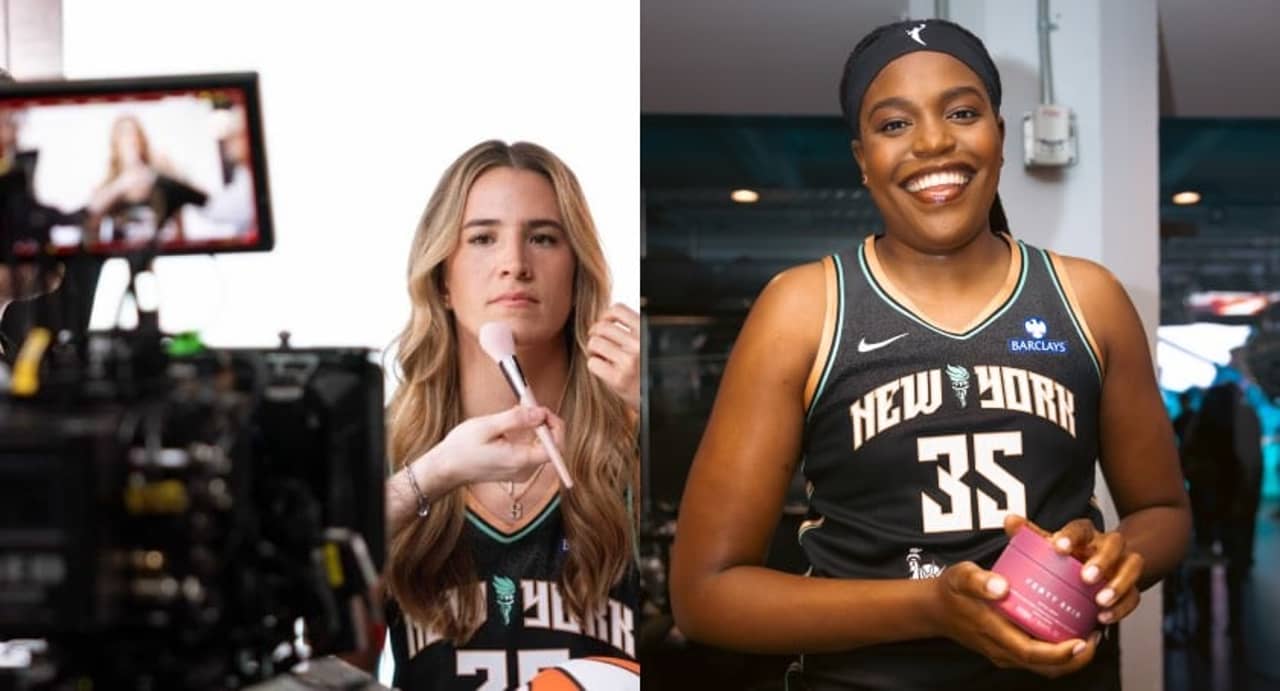
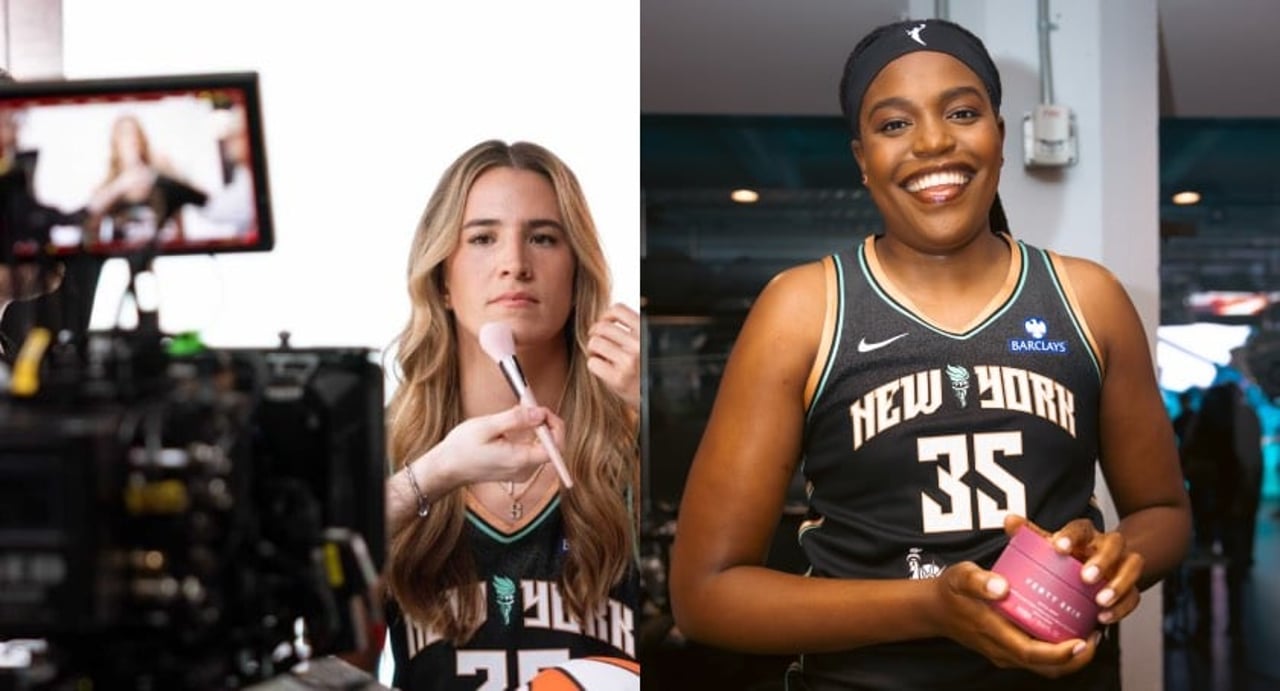
Rihanna’s Fenty Beauty became the official beauty partner of the WNBA’s New York Liberty for 2025. Logo on warmups and shooting shirts. On-site activations at the arena. It brought Fenty to a completely different audience segment—sports fans—while reinforcing brand values around empowerment that both Fenty and women’s basketball genuinely share. This wasn’t performative. It made sense.
Sandy Liang x Gap (2025): proof that “accessible cool” works


Sandy Liang’s capsule with Gap was one of the most talked-about drops of 2025. Downtown designer credibility plus Gap’s massive reach and accessible pricing. It went viral across social media channels almost immediately. When one brand brings the cool factor and the other brands bring distribution, everybody wins. Gap’s denim campaign with K-pop group Katseye cemented the comeback further.
KitKat x Formula 1 (2025): subtle and effective
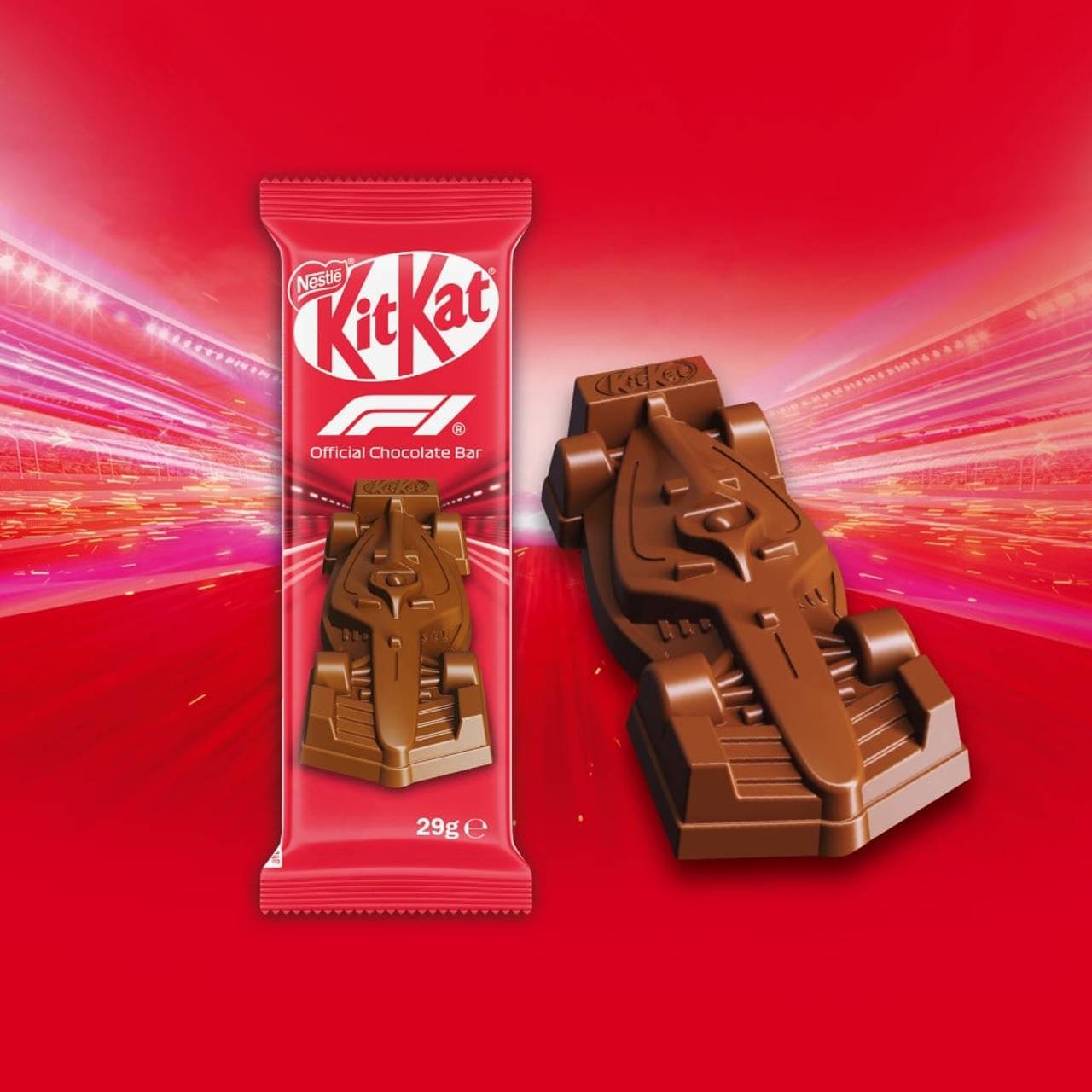
Not every brand collaboration needs to be loud. In late 2024, KitKat announced a long-term partnership with Formula 1, becoming the official chocolate bar of the racing series in 2025. No crazy new flavors. No gimmicks. Just a clean rewrap and smart cross-promotion. When F1 star Sergio Perez posted himself taking a KitKat break on Instagram, it felt natural—not forced. And that’s exactly how brands appeal to new audiences through alignment with things their target market already loves.
Types of brand partnerships and co-branding partnerships
Not every brand collaboration looks the same, and honestly, the format matters less than the execution. But it helps to know what’s out there.
Co-branded products are the most visible type. Two or more brands create a physical product together—Nike x Off-White sneakers, the Coca-Cola x Crocs clogs, BMW x Louis Vuitton luggage. If it’s a thing you can hold, wear, or eat, and it has both brands on it, that’s co-branding.
Content collaborations are less flashy but can be just as effective. Brands produce shared content—videos, podcasts, social media series—that reaches both audiences. GoPro x Red Bull is the gold standard here: extreme sports footage as content marketing that neither brand could replicate alone.
Joint marketing campaigns skip the product entirely. Think cross-promotion on social media channels, shared hashtags, co-hosted events. It’s lighter-touch but can still drive meaningful brand visibility.
Limited edition drops dominate in the fashion world and sneaker culture. Short availability, high urgency, maximum FOMO. Complementary brands release something scarce and watch it sell out in minutes. The format practically markets itself.
Cause-based collaborations are the sleeper hits. Brands join forces around a shared mission—like when Burger King pulled the Whopper from its menu for a day so people would buy Big Macs for McDonald’s childhood cancer charity campaign. Those impactful campaigns do more for brand reputation than most paid media ever could.
What makes a successful brand collaboration work?
Not all collaborations succeed. Most don’t, honestly. Here’s what separates the most successful collaborations from the ones that get announced, go nowhere, and quietly disappear.
Aligned brand values and complementary brands
The best brand collaborations happen between brands that share core values but bring different strengths. Complementary brands—not competitors. A fitness brand and a tech brand can build something neither could alone. Two direct competitors teaming up just confuses everyone’s audience segments.
A clear target audience and target market
You need to know who you’re trying to reach before you do anything. If the audience demographics of the two brands don’t overlap enough, the collaboration will feel random. If they overlap completely, nobody gains new customer segments. You want enough common ground to make sense, with enough difference to open new markets.
A concept that makes people actually stop scrolling
Every successful brand partnership needs a hook. Something surprising, funny, culturally timed, or just plain weird. e.l.f. x Liquid Death. CeraVe x Michael Cera. Burger King giving up its own best-seller for a competitor’s charity. The concept has to create buzz without you having to explain why it’s interesting.
Maintain open communication between partners
This is the boring-but-essential part. Impactful campaigns require brands to maintain open communication throughout the entire process. Misalignment on creative direction, timelines, distribution—any of it can tank a good idea. The most successful marketing campaigns come from teams that are genuinely working together, not two marketing departments firing emails back and forth.
Make each brand’s strengths visible
If the final product doesn’t clearly show what each brand brought to the table, the whole thing feels like a logo swap. The best co-branded products make you understand instantly why these two brands belong together. Louis Vuitton x Murakami works because you can see the luxury craftsmanship and the pop art in every piece. That’s the brand’s strengths on full display.
How to track the impact of brand collaborations
Okay, so you launched a brand collaboration. People are talking about it—or maybe they’re not. How do you actually know?
Sales are the obvious metric. But they only give you half the picture. Brand awareness, brand reputation, and audience sentiment are the long-term outcomes that determine whether a collaboration built lasting value or just generated a one-week spike.
This is where social listening comes in. Tools like YouScan let you monitor mentions, sentiment, and engagement across social media channels in real time. You see how different audience segments are reacting. You see which parts of the campaign are driving media coverage. You see whether the conversation is positive or turning sour.
Set up a dedicated social listening dashboard for the campaign—mentions, engagement trends, top sources, sentiment over time. Compare performance before, during, and after launch. Share it with stakeholders as a PR report. Done.
Want to go further? YouScan’s Insights Copilot analyzes thousands of mentions in seconds and surfaces the key takeaways for you. And with logo recognition technology, you can even track co-branded products showing up in user-generated photos where nobody tagged your brand. That’s data most brands miss entirely.
YouScan also supports Moltbook monitoring, so you’re catching conversations that other social media monitoring tools don’t cover. If some of this terminology is new to you, the social listening glossary is a solid place to start.
Brand collaboration examples: how UNIQLO turned collabs into a business model
Quick aside on UNIQLO, because they do something genuinely different. Most brands treat collaborations as events. UNIQLO built an entire sub-brand—Uniqlo UT—that exists solely for brand partnerships. Tees, totes, sweatshirts with Pokémon, Sanrio, the Louvre Museum, and dozens of other brands.
On top of that, they run seasonal drops that are only available online or in select stores, which creates FOMO and keeps fashion enthusiasts coming back. It’s brand collaborations as an ongoing brand identity strategy, not a one-time stunt. If you’re thinking about something similar, running a competitive analysis on how other brands in your space handle collabs is a good starting point.
Common mistakes in co-branding partnerships
For every collab that works, there are a dozen that don’t. Here’s where brands keep getting it wrong.
Mismatched audiences. If neither brand’s customers have any reason to care about the other, the collaboration will feel forced. Do your market research before you commit. Even a little overlap goes a long way—but zero overlap is a death sentence.
No real concept. Two logos on the same product isn’t a brand collab. It’s a logo swap. Without a unique product, story, or creative angle, there’s nothing for anyone to get excited about. The most impactful campaigns always have an idea at their center—not just a partnership agreement.
Promising more than you deliver. The SKIMS x Fendi collaboration is a cautionary tale here. Massive hype. Premium pricing. And then customers flooded social media complaining about quality. If the co-branded products don’t live up to expectations, the negative sentiment travels fast. And it sticks.
Trying to do everything at once. A product launch plus an event plus a content series plus a charity tie-in? That’s not ambition—it’s dilution. Pick one angle. Nail it.
Skipping measurement entirely. If you aren’t tracking mentions, sentiment, and engagement, you have no idea whether the collaboration worked. Use AI social listening to measure your marketing efforts in real time. Learn from every campaign, whether it flies or flops.
The bottom line on brand collaborations
Brand collaborations aren’t going away. They’re getting bigger, weirder, and more frequent. The ones that work—the best brand collaborations—pair complementary brands with aligned values, target a specific audience, and give people something they didn’t know they wanted. A limited edition sneaker. A charity-driven campaign between competitors. An AI partnership between two of the biggest tech rivals on the planet. The goal is always the same: brands appeal to new audiences while deepening loyalty with the people who already love them.
But the brands that get the most out of these partnerships? They track everything. Not just sales—brand visibility, media coverage, audience sentiment. That’s how you know if you built something lasting or just had a good week.
Planning a brand collaboration and want to actually measure how it performs? Request a free demo of YouScan and see how social listening and visual insights can give you the full picture.
FAQ
What is a brand collaboration?
A brand collaboration is when two or more brands team up to create something together—a product, campaign, or experience. Unlike sponsorships, both brands are actively involved in the creative direction and both walk away with something they couldn't have built alone.
What makes a brand collaboration successful?
Aligned values, complementary strengths, and a concept people actually care about. The best collabs pair brands that share a target audience but bring different things to the table. Add clear communication between partners and a hook that makes people stop scrolling, and you've got a shot.
What are the main types of brand collaborations?
The most common types include co-branded products, content collaborations, joint marketing campaigns, limited edition drops, and cause-based partnerships. The format matters less than the execution—pick the one that fits your goal and nail it.
How do you measure a brand collaboration's success?
Sales are the obvious starting point, but they're only half the picture. Use social listening to track mentions, sentiment, and engagement across channels. Compare metrics before, during, and after launch. If you're not measuring brand awareness and audience reaction alongside revenue, you're flying blind.