10 Ways to Use Social Listening for Better Business Decisions

You know that moment when someone asks you why your company needs social listening? You can explain the concept. You can talk about monitoring mentions and tracking sentiment. All of that makes sense in theory.
The harder question is: what does it actually change? What decisions become possible that weren't possible before?
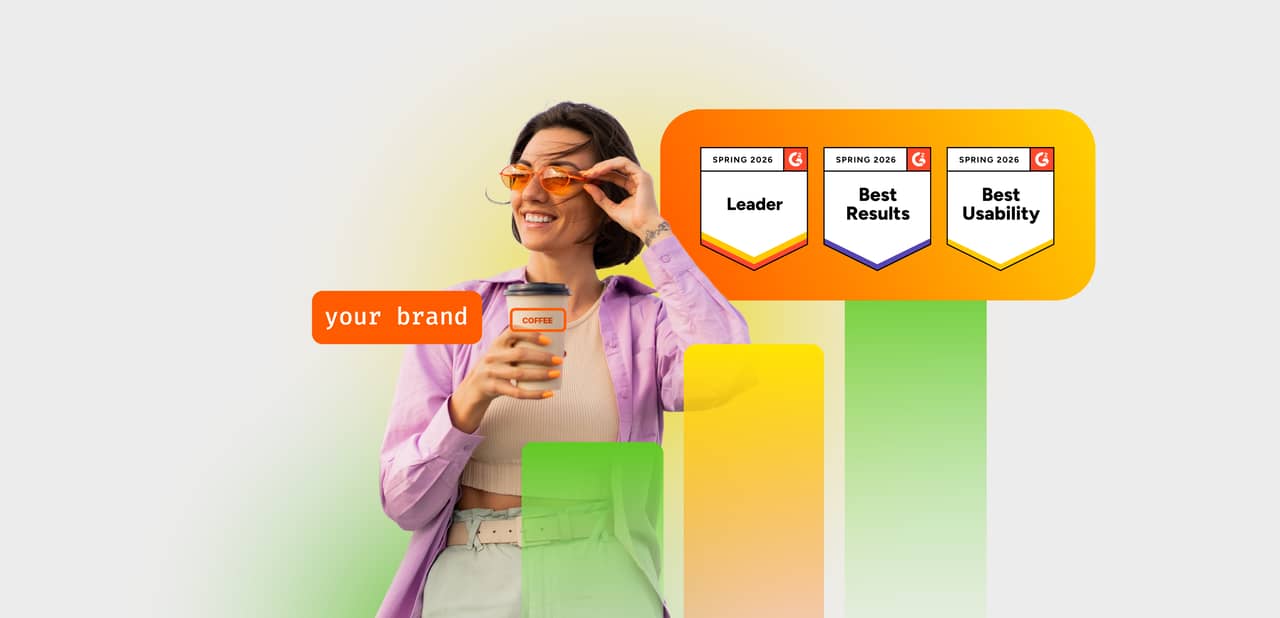
This spring, YouScan received recognition across multiple G2 categories for Spring 2026, including Global Leader, Best Usability, Easiest to Use, and Users Most Likely to Recommend.
91 badges in total.⭐️
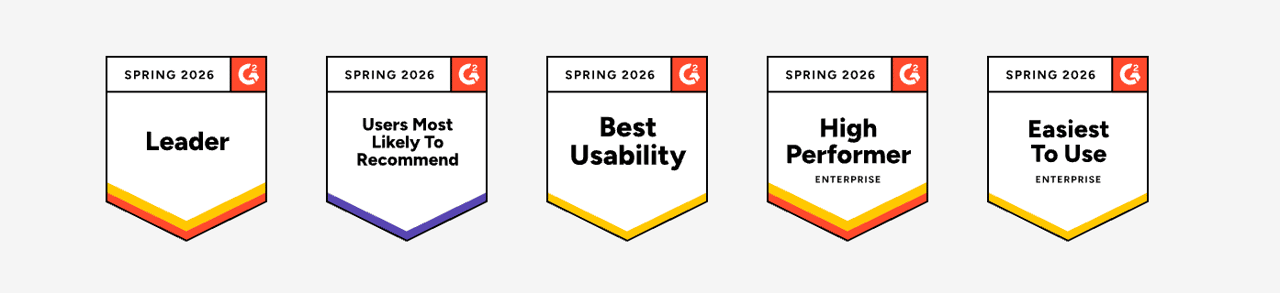
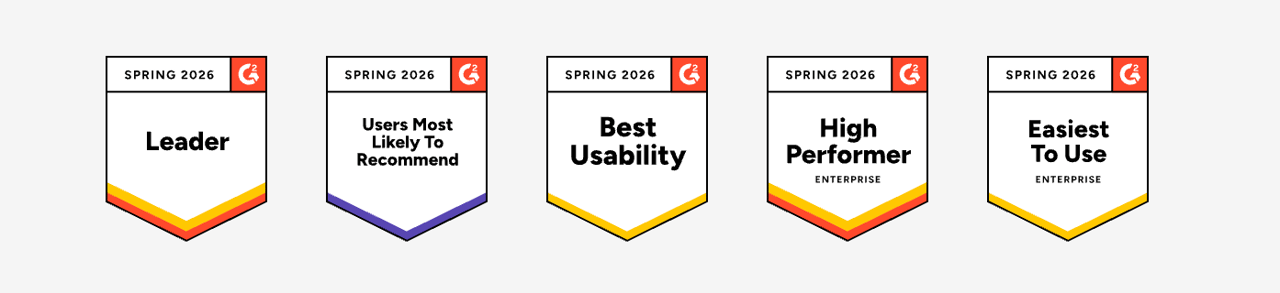
That's a meaningful milestone, and we're genuinely grateful to every client who took the time to share their experience. Those reviews reflect real trust from real teams.
And that's exactly what makes the next question worth asking: what are those teams actually doing with the platform?
So let's look at 10 real stories from teams that use YouScan to make business decisions. These are the projects behind those reviews.👇🏻
Visual Insights: Seeing what text and tags can't show you
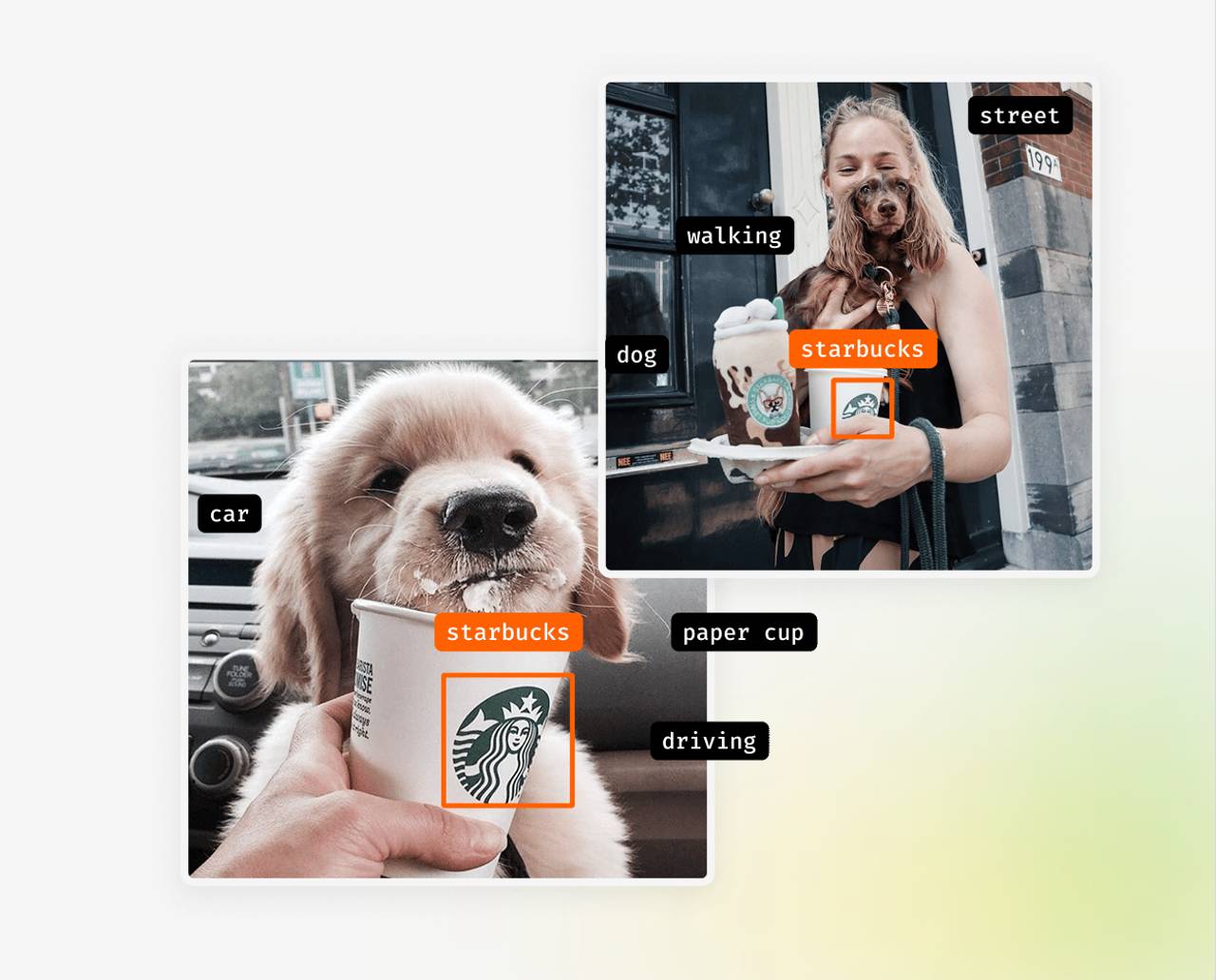
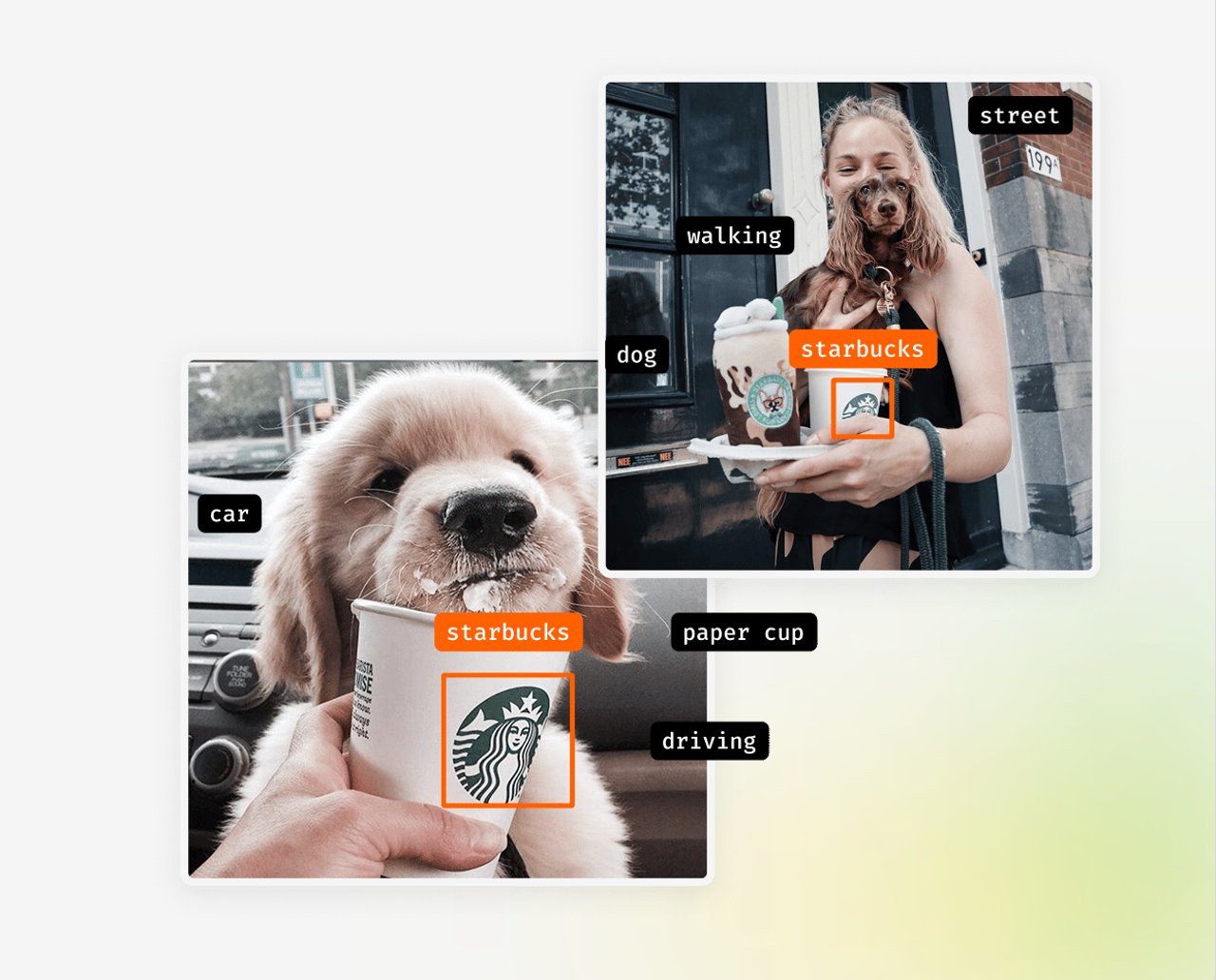
Most social listening tools focus on words. If somebody mentions your brand in a tweet, you count it. If somebody writes a review, you tag the sentiment. This works, and it covers a lot of ground.
Still, there's a whole layer of brand presence that lives in images. Logos appearing in photos that people post. Products showing up in contexts you didn't expect. Most teams don’t type these out because they don't consider them brand mentions.
Let’s go over stories when businesses took visual mentions seriously and built outstanding marketing campaigns based on that:
1. How a London ad agency proved Aperol's cultural impact
The problem:
Ogilvy UK, a London-based advertising and PR agency, was preparing a pitch and needed to prove that Aperol had become culturally embedded in British life. Text mentions alone weren't enough to make that case.
How they used YouScan:
The team used Visual Insights to analyze over 1.3 million images containing shades of orange across social media, blogs, and forums in the UK. They were looking for Aperol's distinctive color and visual elements in places where nobody explicitly mentioned the brand by name.
The result:
Aperol's visual penetration came in at 0.01%, which sounds tiny until you compare it to Nickelodeon (also 0.01%) and Fanta (0.03%). That context turned a seemingly small number into hard proof of cultural presence, and it became a central piece of their pitch.
"I would definitely implore anybody to go and have a look at YouScan because it really is quite powerful just to change and take you out of just that text-based monitoring."
Celia Dearden-Briggs, Head of Social & Contextual Intelligence, OgilvyUK
→ Read the full Ogilvy UK story
2. How a social analytics agency spotted a merch opportunity before Netflix
The problem:
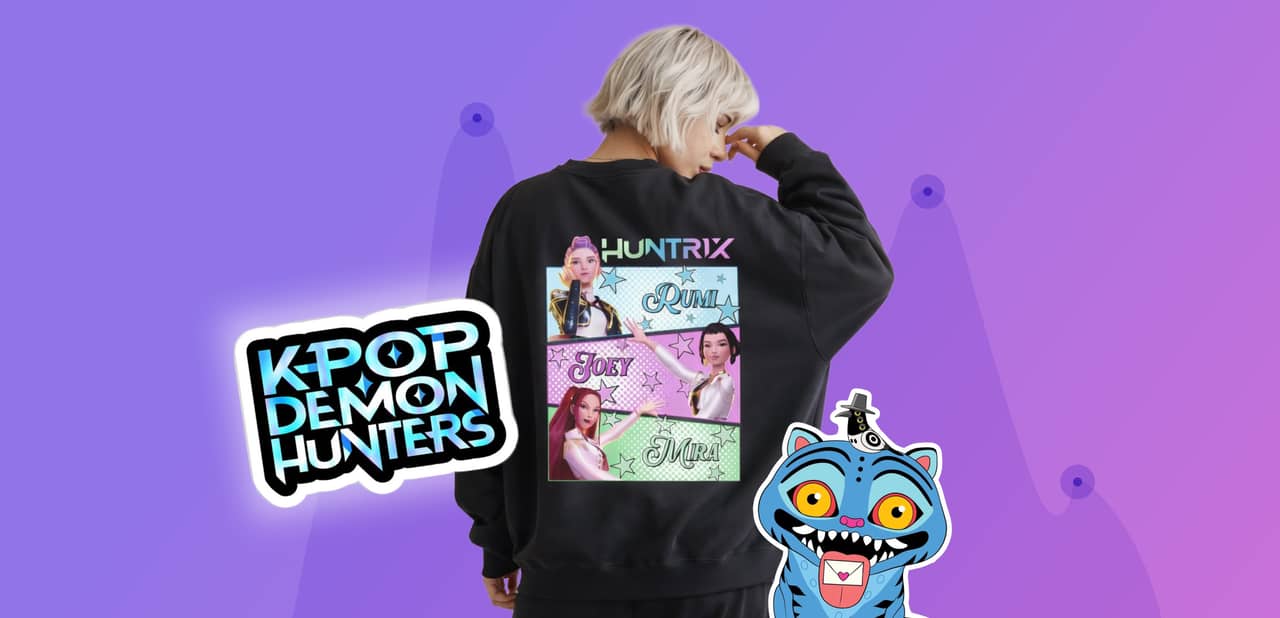
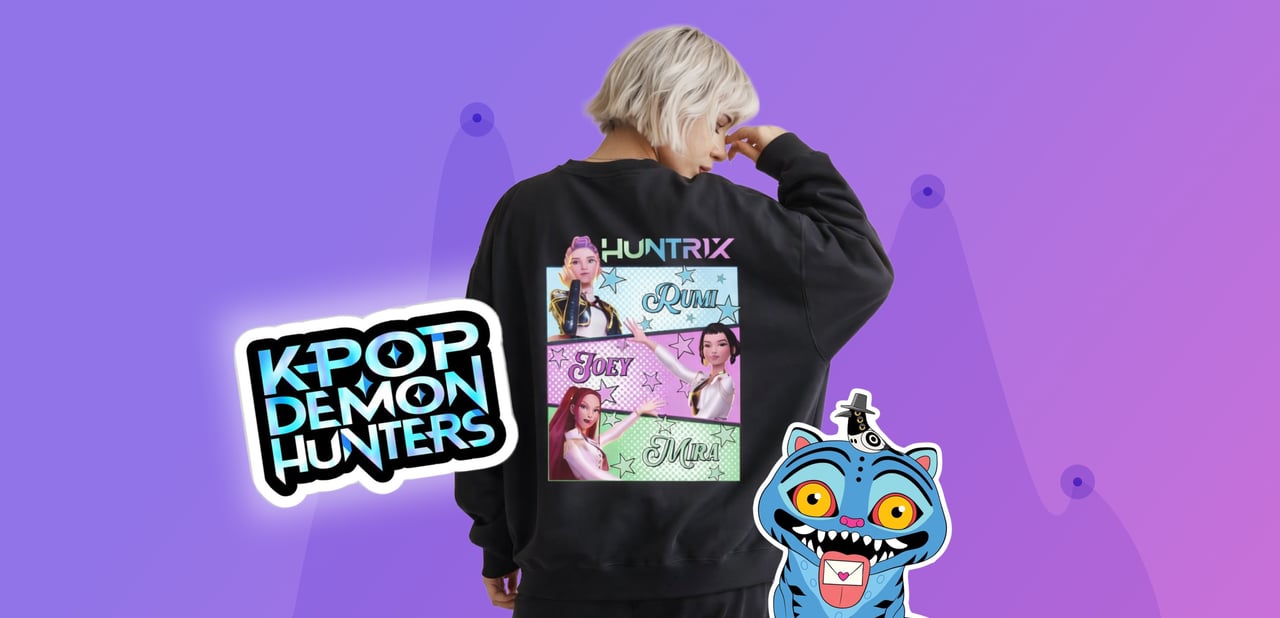
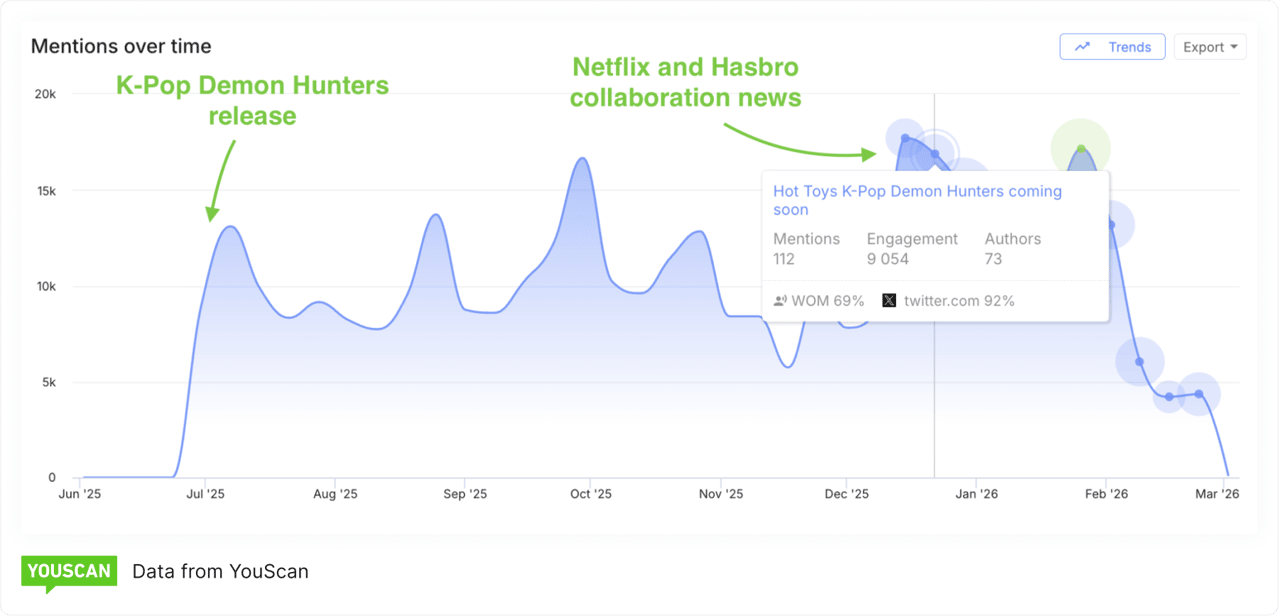
K-Pop Demon Hunters launched on Netflix and quickly gained a following. The key question for any entertainment brand: is this genuine commercial demand or social noise? And if fans want to spend, how much time does the licensing team have before the window closes?
How YouScan was used:
Tellagence, a Portland-based social intelligence agency, used social listening and visual monitoring to track what fans were actually doing beyond posting about the show.
They analyzed images, purchase-intent conversations, and fan-made product activity across TikTok, X, Pinterest, and Instagram.
The result:
The data revealed a monetization vacuum. Months before any official merchandise existed, fans were already selling unofficial products on Etsy and TikTok Shop, sharing 3D-printed accessories, and posting DIY cosplay tutorials.
The audience driving this wasn't kids. It was adults aged 23 to 35. That finding alone changes how a licensing strategy should be built by companies like Netflix.
→ Read the K-Pop Demon Hunters analysis
3. How a creative agency benchmarked competitors across fashion and retail
The problem:
Dentsu Creative, a global creative agency, needed data-backed creative strategies for clients across multiple industries, from fashion and homebuilding to retail grocery. Traditional listening gave them conversation data, but they couldn't see how audiences visually interact with each brand.
How they used YouScan:
The team combined social listening with Visual Insights to run competitor benchmarking for a clothing brand. They analyzed where the brand was succeeding visually and where competitors were filling the gaps.
Moreover, they realized what drove negative mentions, how consumers respond to owned content, and found the disconnection between homebuyers and homebuilders. The breakthrough tool in this context was Insights Copilot, YouScan’s AI agent for social listening, which helped discover pain points and top positive drivers.
The result:
The visual layer surfaced whitespace opportunities that text analysis would have missed, giving the team a stronger creative foundation for their pitch. The same approach scaled across their other clients.
"One of my favorite things is that whether you're an advanced prompt writer or new to AI, Insights Copilot gives you a quick, pre-built prompt. We have these cases where you can ask it to generate a word-of-mouth analysis, and it does a great job filling in the prompt for you and getting what you need."
Charri Harris, Senior Research Analyst at Dentsu Creative.
→ Read how Dentsu Creative uses multi-brand insights
When a PR crisis shows up without warning
Here's a scenario that will feel familiar if you've spent time in analytics. Your sentiment report is mostly green. Leadership is satisfied with the dashboard.
Then something breaks. A PR crisis shows up without warning and customer complaints spike. You need to act fast, but you don’t see the clear picture of how not to make things even worse.
4. How a consumer intelligence firm catches what sentiment dashboards miss
The problem:
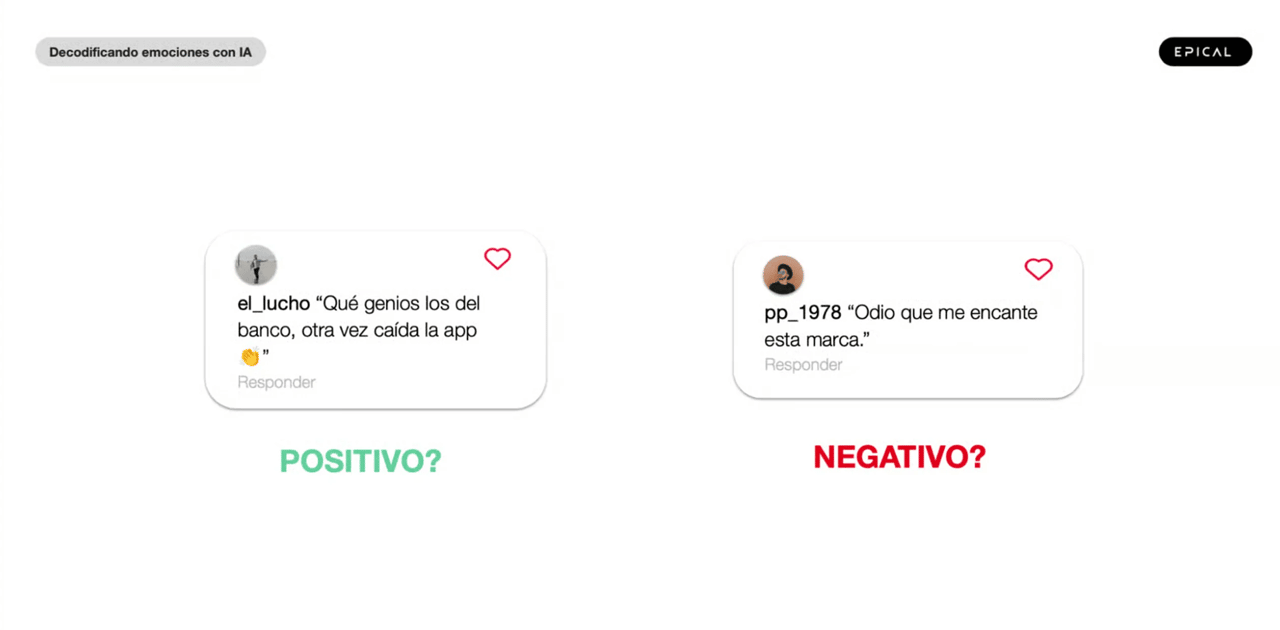
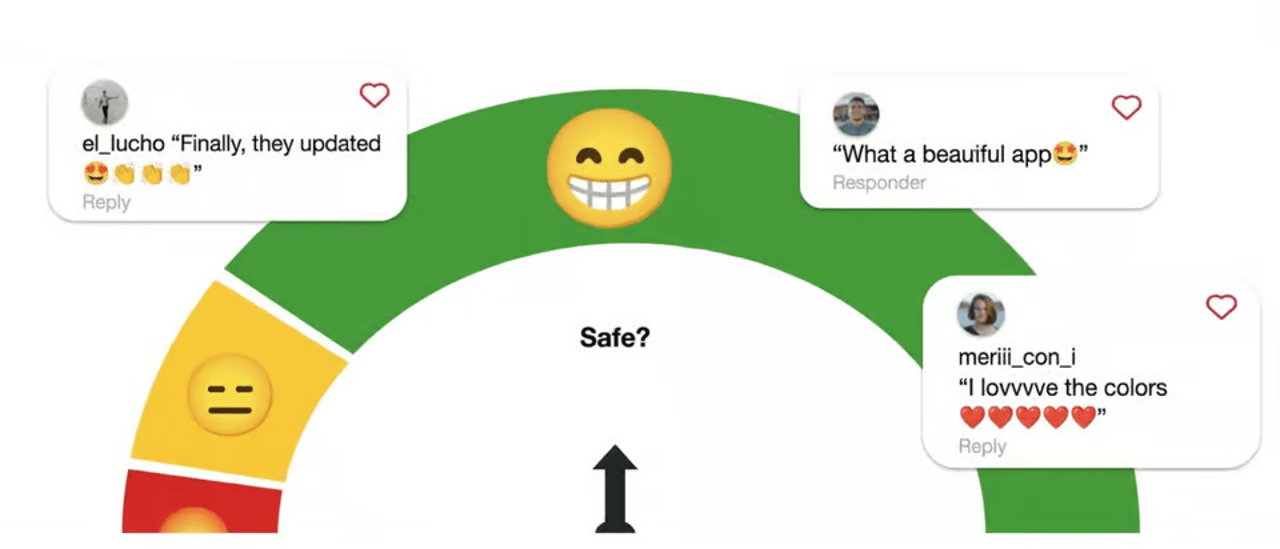
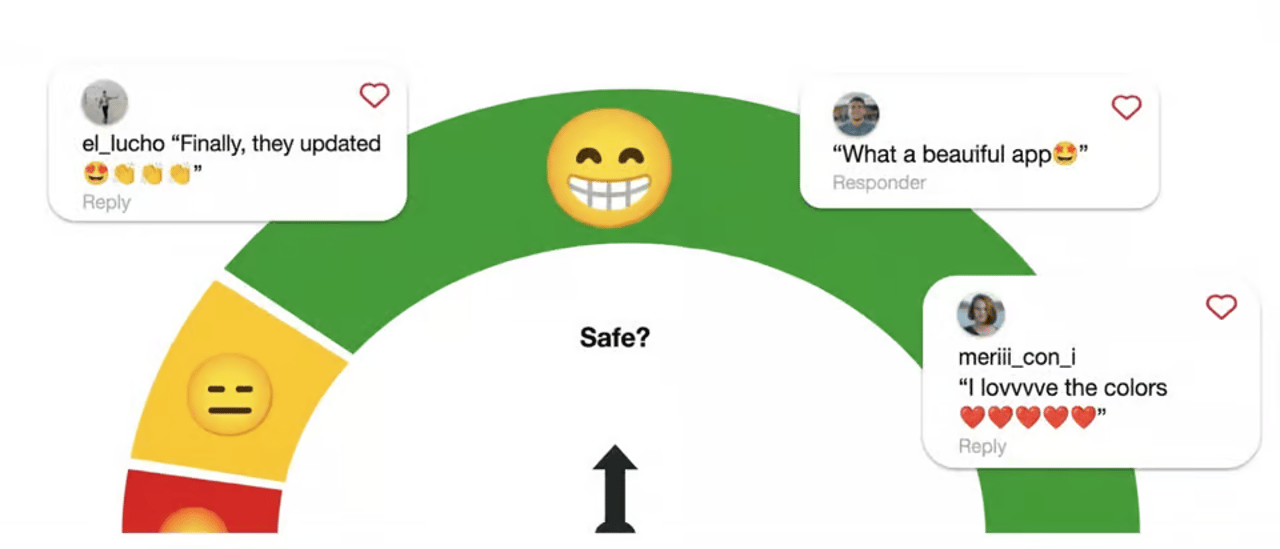
Epical, a Buenos Aires-based consumer intelligence startup, kept seeing the same pattern at Fortune 500 companies: traditional sentiment analysis (positive/negative/neutral) was painting a rosy picture while real problems were building underneath. Irony and accumulated frustration don't register as negative in a standard model.
How they used YouScan:
Epical uses YouScan as their data infrastructure for capturing and structuring conversations, then layers their own proprietary emotional analysis on top. This combination lets them detect signals that basic sentiment can't see.
The result:
The approach helped their clients identify latent emotional trends before those trends turned into visible business crises. Epical's CEO, Tomás Criado, was recognized as one of the 50 most influential people in Social Intelligence by The Social Intelligence Lab in 2025.
"YouScan organizes the what and the where of the conversation: it captures, structures, and shows how topics evolve over time. Epical provides the missing layer to make that truly useful for each business: we explain the why behind what is said, measure the emotional weight driving it, and translate that signal into risk, opportunity, and decision-making.
It's not about reporting mentions; it's about detecting invisible tensions—irony, ambivalence, latent frustration—before they turn into tickets, churn, or a crisis. That is where listening stops being a dashboard and becomes business intelligence."
Tomás Criado, CEO & Founder of Epical
5. How a DTC sleep brand makes sense of 109,000 reviews
The problem:
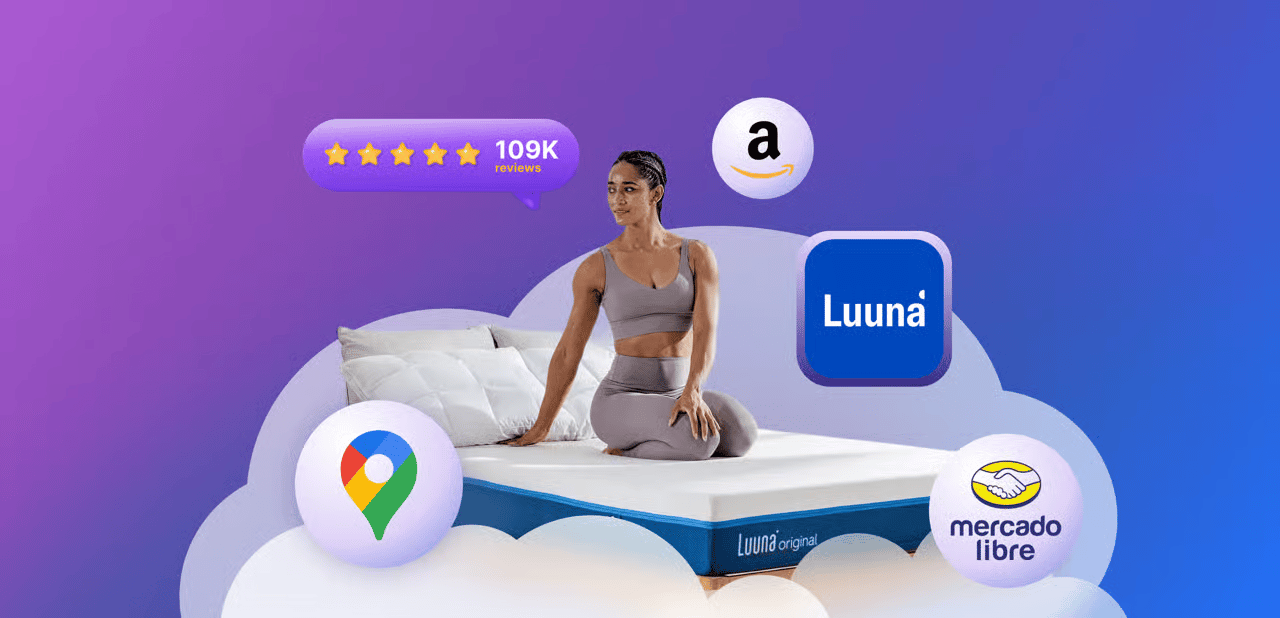
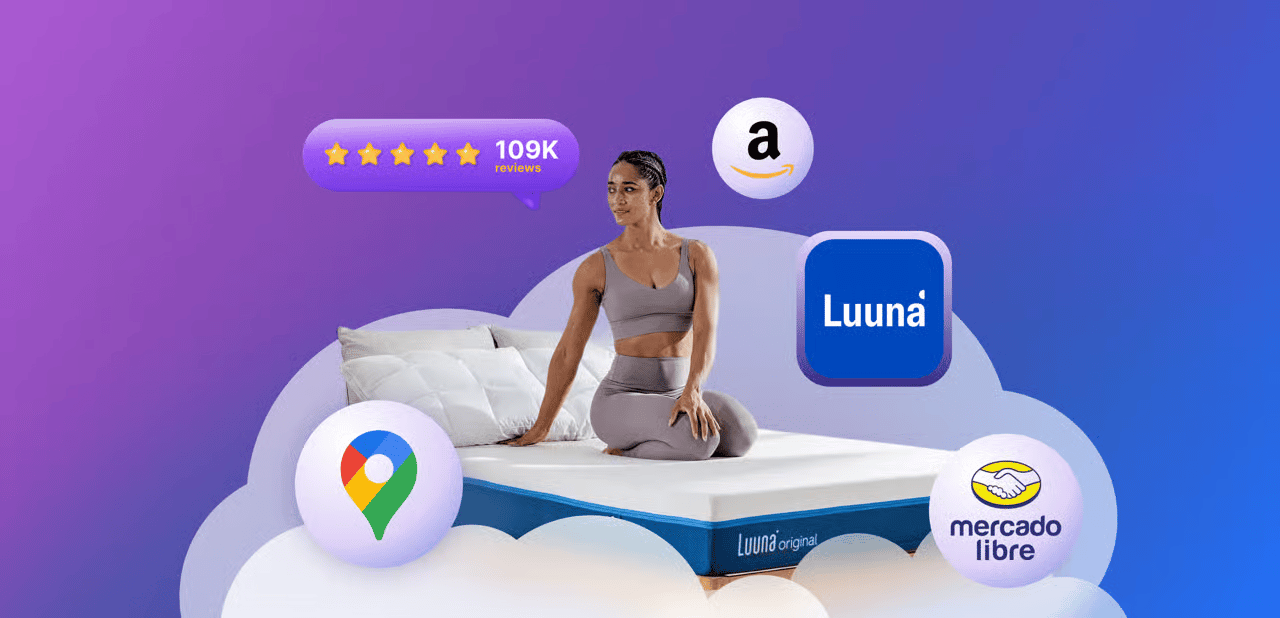
Luuna, a direct-to-consumer sleep brand operating in Mexico since 2016, has accumulated over 109,000 five-star reviews across platforms. At that volume, manual tracking of the brand's reputation becomes impossible.
The team needed to understand what specifically drives people to recommend them, and catch it early when something starts to shift.
How they used YouScan:
Starting in 2020, Luuna brought YouScan on board to centralize and analyze reviews from Amazon, Mercado Libre, and other digital sources, consolidating what used to be a manual process.
The result:
The team can now systematically track which product qualities generate the most positive response and react when patterns change. That's how they've maintained their position as one of the best-rated sleep brands in Mexico.
"The continuous use of YouScan helped us improve comment sentiment by working directly on the points detected, and subsequently consolidated and analyzed information across different platforms.
By complementing this data with our internal databases and industry benchmarks, we identified that Luuna has over 109,000 accumulated 5-star reviews."
José Manuel Escalante, Partnership, PR & Analogue Media at Zébrands
→ Read how Luuna Mexico manages its reputation
6. How a mattress startup found its edge against market giants
The problem:
Luuna Brasil, the Brazilian arm of the DTC sleep brand, entered the market in 2022 and found themselves competing against well-established names like Emma Colchões and Ortobom.
With lower brand visibility, they needed to find where they could win.
How they used YouScan:
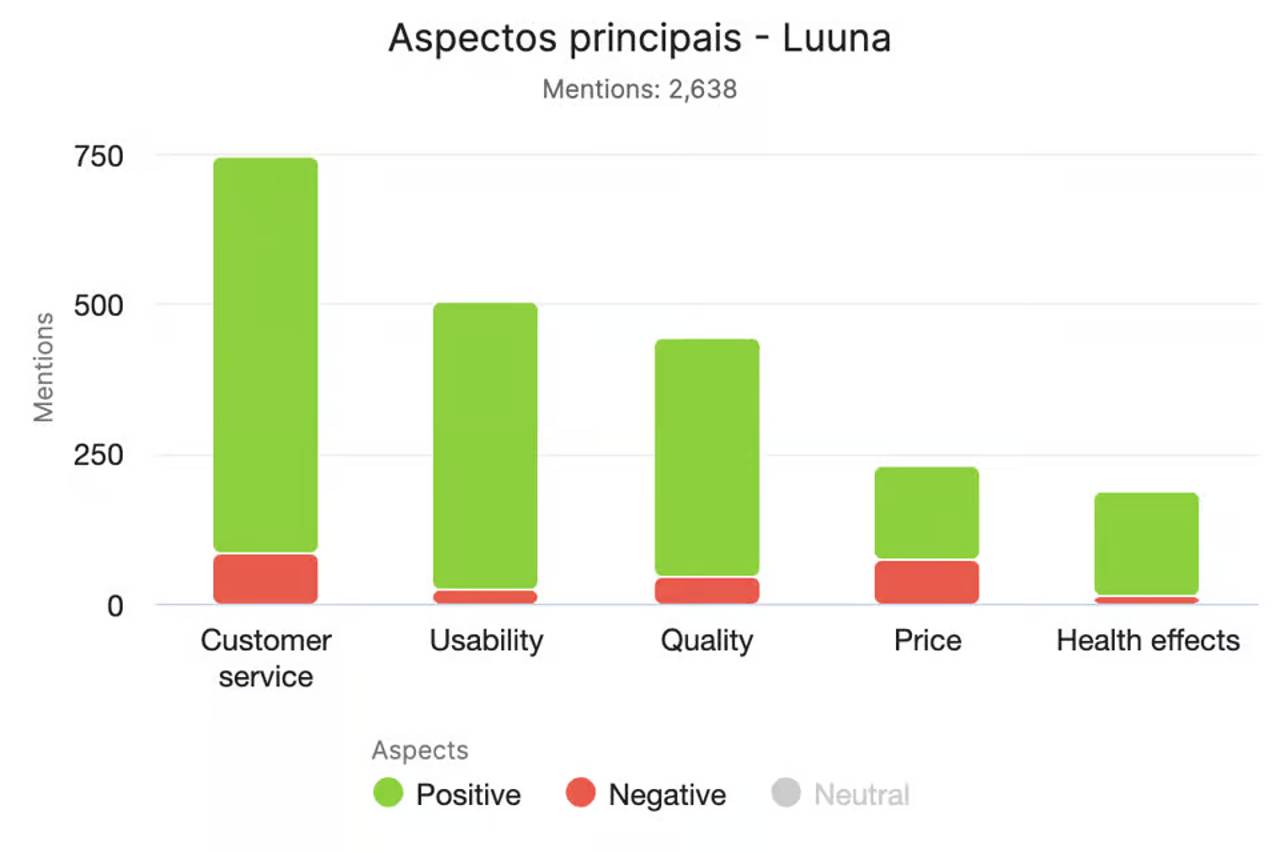
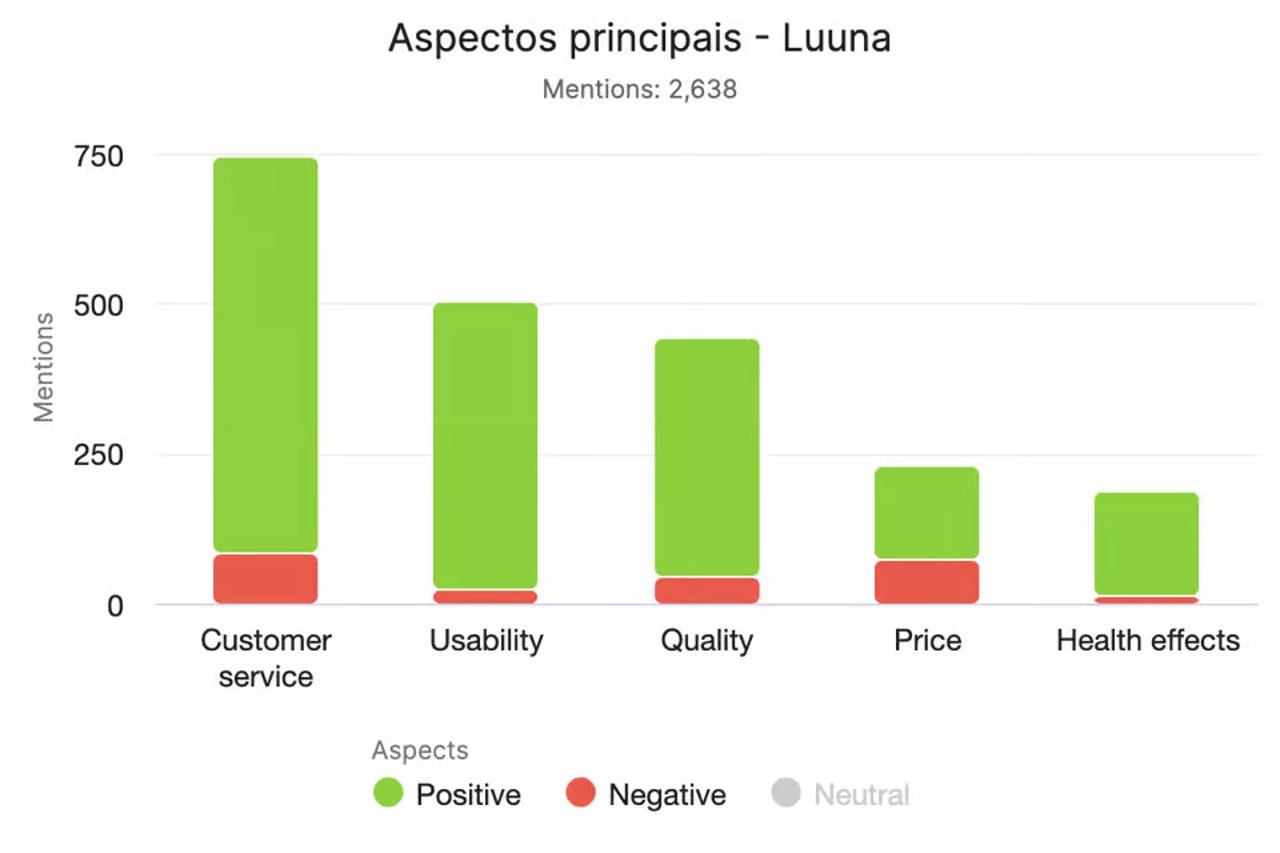
The team ran a full competitor analysis over 365 days, comparing how consumers talk about each brand across digital channels.
The result:
Despite lower overall mention volume, Luuna was generating more positive conversations around comfort and well-being than their bigger competitors. That data point became the foundation of their positioning strategy in Brazil.
💡Tip: If you're a smaller brand, look at where your positive conversations outperform bigger competitors. That's your ideal positioning angle.
Catching the moment before it passes
Viral content has a window. A social media campaign takes off on a Tuesday afternoon, and by Thursday the conversation has moved on. If you can't measure what's happening in real time, you can't make a call on whether to amplify it or stay quiet.
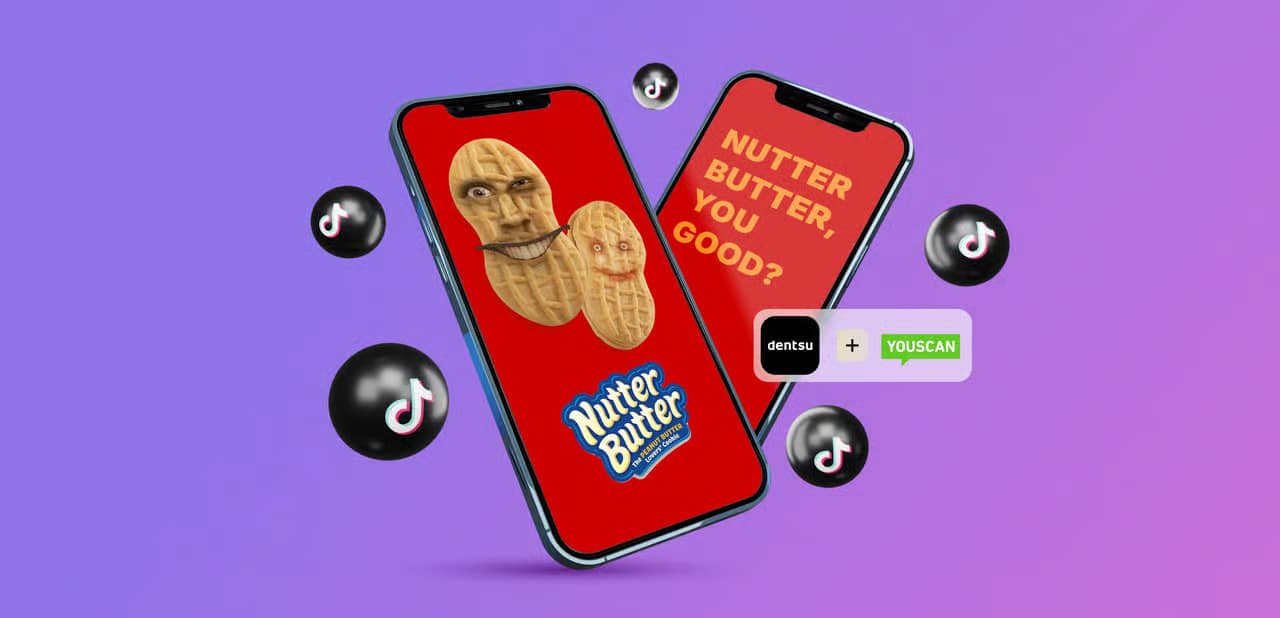
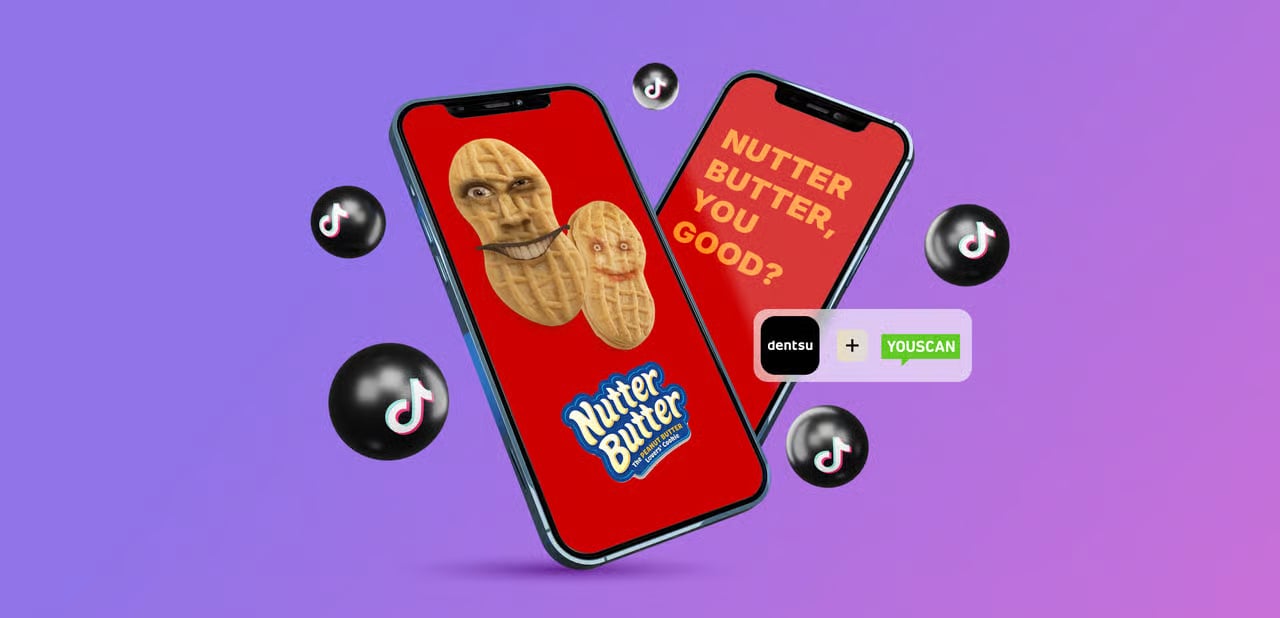
7. How a snack brand almost killed its biggest TikTok win
The problem:
Nutter Butter, a Mondelez snack brand, had been running deliberately weird TikTok content that suddenly went viral after a creator's post blew up. Internal monitoring tools only covered X and Reddit, so leadership saw a spike in conversation and assumed it was backlash. They were ready to pull the content.
How they used YouScan:
Dentsu Creative used YouScan's real-time TikTok monitoring and engagement-based alerts to analyze the full picture, including comment-level sentiment and creator reactions across platforms.
The result:
The data showed 99% of views and 92% of engagement were positive.🔥 The team convinced leadership to keep the campaign running.
Over three days, Nutter Butter earned 26.3 million views (+2,276%), 1.9 million engagements (+1,464%), and doubled Super Bowl-level TikTok viewership. It became the brand's biggest creative win in its 56-year history.
"With YouScan Insights Copilot, we were able to do a quick vibe check: 'Hey, this is what we think is happening—does it actually match what's going on?'"
Alex Dor, ex-Lead Social Analyst at Dentsu Creative
→ Read how Dentsu Creative tracked the Nutter Butter viral moment
8. How a tech brand measured a meme-based campaign in Brazil
The problem:
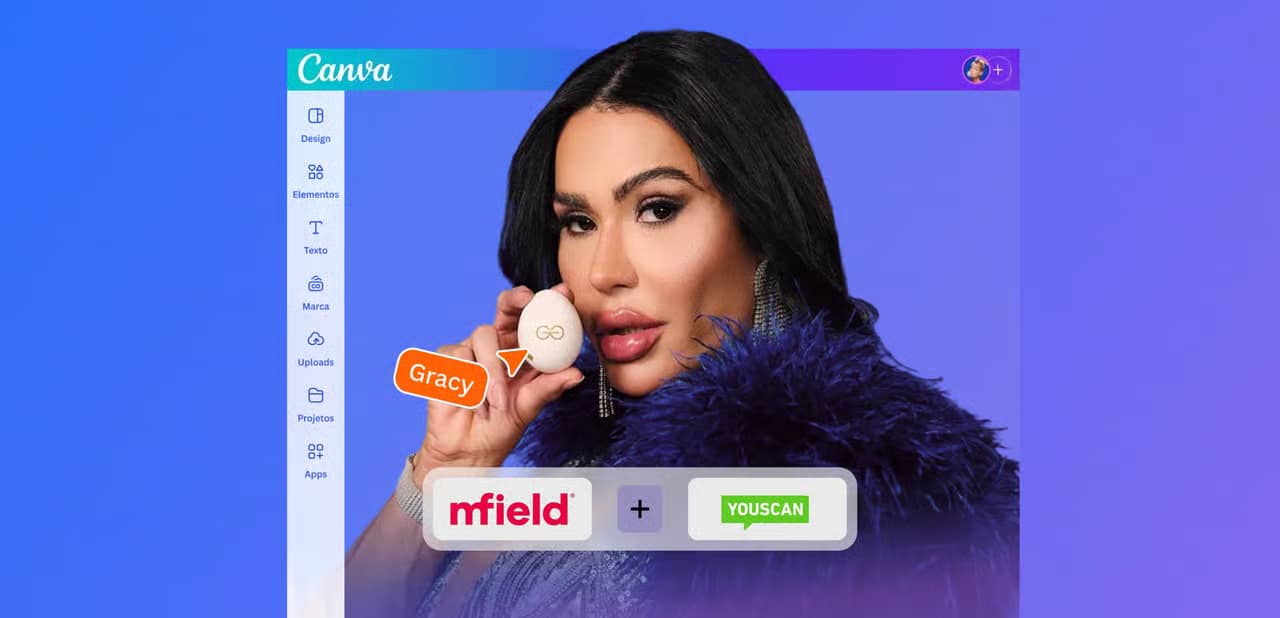
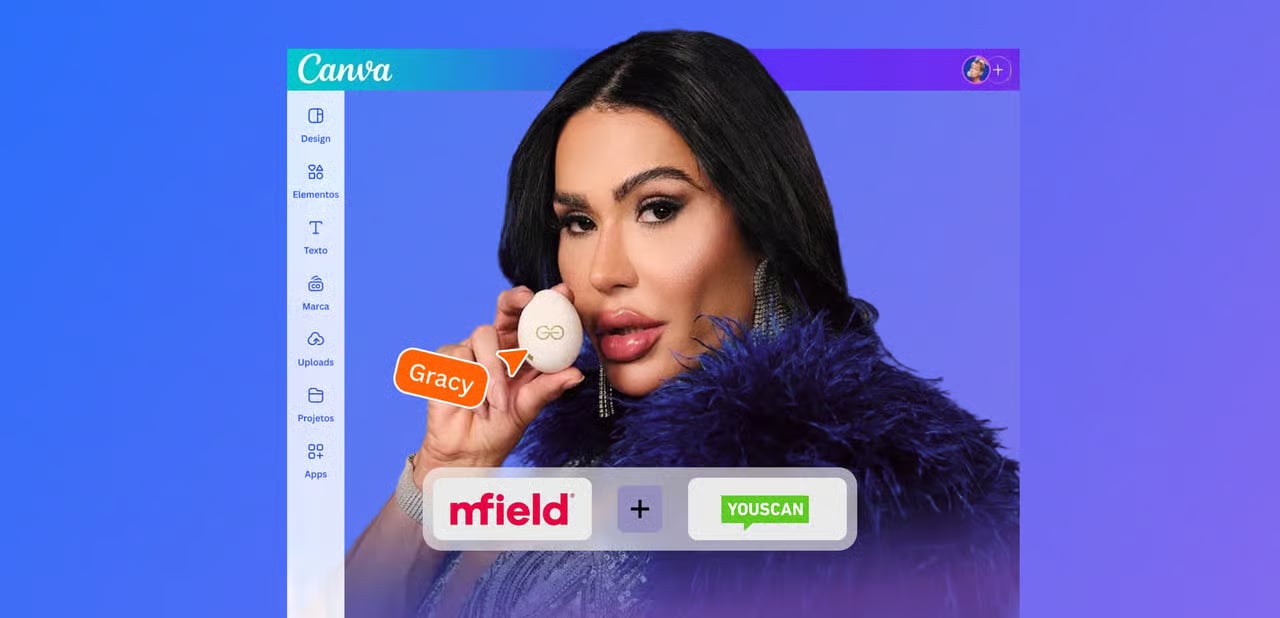
Canva and mField, a São Paulo-based influencer marketing agency, launched a campaign in Brazil built around Gracyanne Barbosa's famous "40 eggs a day" moment, turning it into a fictional luxury egg brand designed entirely in Canva.
The idea landed with the audience. The question was whether the impact could be measured.
How they used YouScan:
mField used YouScan to track how the conversation spread across platforms, measuring engagement volume, sentiment, and the reach of the campaign's cultural ripple.
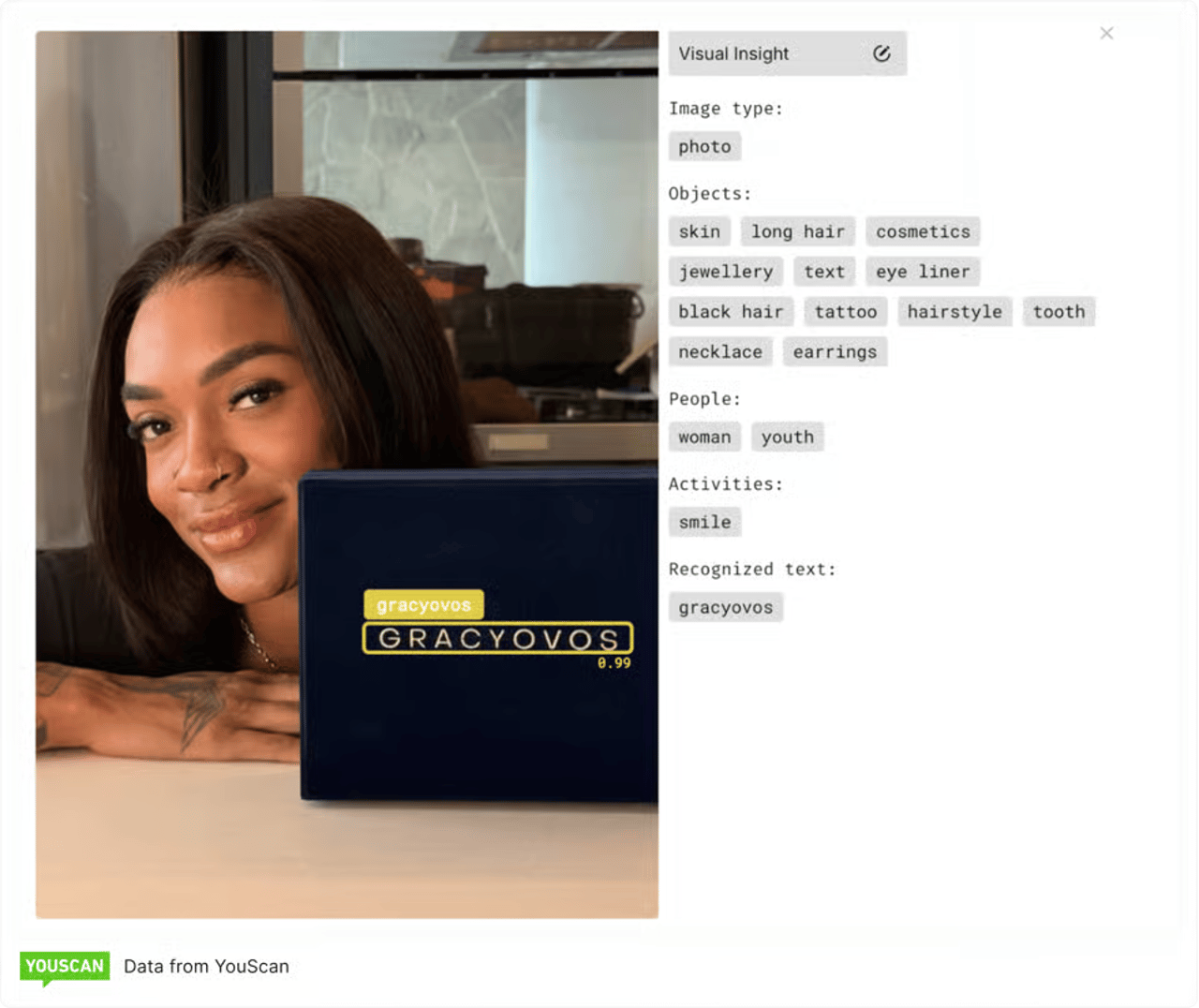
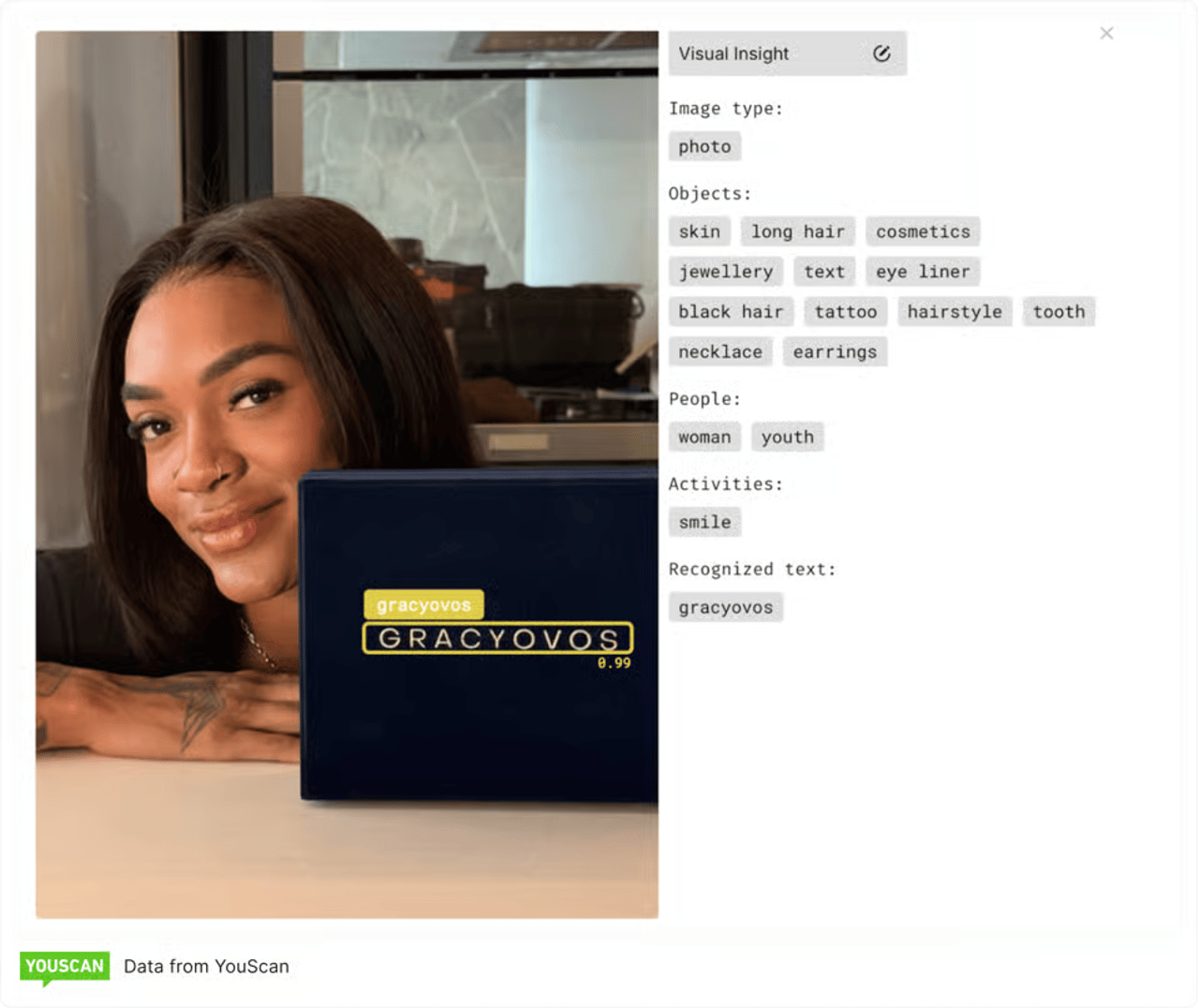
YouScan Visual Insights also detected influencer posts where creators showed the Canva PR kit, but didn’t mention the brand in the caption. Text monitoring alone would undercount that impact.
The result:
YouScan provided the measurement layer that proved the campaign's actual impact, giving the team concrete numbers to bring back to the client.
💡Tip: Meme-based campaigns often feel unmeasurable. They're not. Use YouScan to track conversation spread and engagement spikes in real time. That's how you turn a creative bet into a reportable marketing success.
→ Read how mField measured the viral Canva campaign
Listening across borders to understand entire markets
Social listening tends to be associated with brand monitoring. Track your mentions, watch your competitors. Yet, there's another use case that doesn't get enough attention: market research.
Research agencies are increasingly using social data to answer questions that surveys and focus groups can't. Especially when those questions span geographies and languages.
9. How an analytics firm impacted a country's tourism perception
The problem:
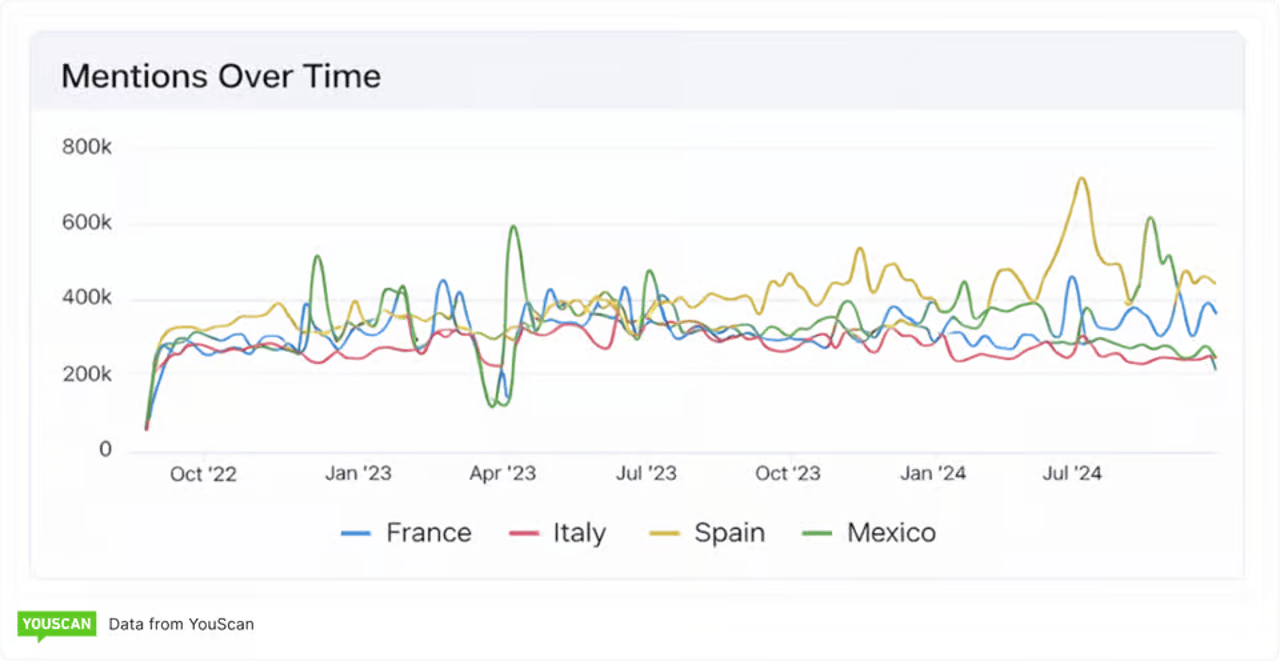
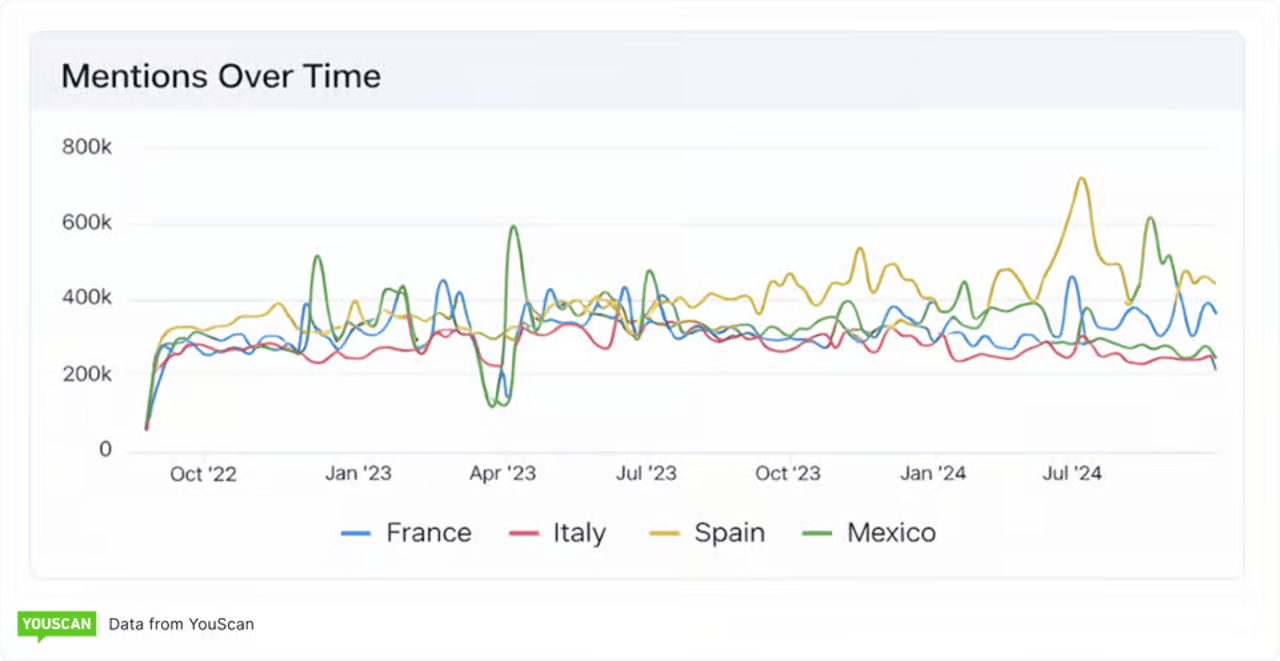
SciData, a Buenos Aires-based data analytics firm, needed to understand how the digital perception of Mexico's tourism brand was evolving, and how it compared to competing destinations.
How they used YouScan:
The team analyzed nearly 60,000 social media mentions collected during peak travel months (December and March) over three consecutive years, then compared Mexico against other major destinations like Spain and France.
The result:
The analysis surfaced what specifically drives positive and negative associations with each destination, going well beyond mention volume. For a tourism ministry deciding where to allocate budget, that level of detail is the difference between guessing and planning.
💡Tip: When researching market perception, always analyze peak moments. Collecting data during high-activity periods like holidays and seasonal spikes gives you a concentrated view of real sentiment.
→ Read how SciData analyzed Mexico's tourism brand
10. How a strategy agency built a traveler profile without a single survey

The problem:
The Ministry of Tourism of the Dominican Republic wanted to attract more Argentine travelers, but didn't have a clear picture of what motivates or discourages them.
Traditional surveys capture declared preferences. They needed the unfiltered conversation.
💡Tip: Surveys tell you what people are willing to admit. Social listening tells you what they say when no one's asking. For audience research, unprompted conversations are often more honest than any questionnaire.
How they used YouScan:
Band of Insiders, an Argentine strategy and amplification agency, monitored spontaneous digital conversations from Argentine travelers over a 16-month period (January 2024 to April 2025). They tracked what people said about the Dominican Republic without being prompted.
The result:
The analysis produced a detailed profile of the Argentine traveler, from what drives their choices to what competing destinations they consider. This became the foundation for a targeted content creator strategy for the Dominican Republic.
→ Read the Band of Insiders story
What ties these stories together
Different teams across different countries and industries. The common thread is the kind of question each team was trying to answer.👇🏻
Is our brand showing up in places we don't expect?
Are we missing emotional signals our dashboards can't capture?
Is this viral moment real, and should we act on it now?
What does an entire market think about us?
These questions lead to decisions. And decisions are where the ROI of AI-powered social listening becomes visible.
If you're curious what other users say, you can check out YouScan's reviews on G2. And to explore how social listening could work for your specific use case, request a demo, and we'll walk you through it.👇
FAQ
What is social listening?
Social listening is the process of monitoring and analyzing online conversations, mentions, and visual content across social media, blogs, forums, and review platforms to understand how people talk about brands, products, and markets.
How is visual social listening different from regular social listening?
Regular social listening tracks text mentions. Visual social listening also analyzes images where your brand, logo, or product appears, even when nobody mentions you by name. This captures a whole layer of brand presence that text-only tools miss.
Can social listening replace traditional market research?
It doesn't replace it, but it complements it well. Social listening captures unprompted, unfiltered conversations at scale, which surveys and focus groups can't always do. Several stories in this article show research agencies using social data to build audience profiles and analyze market perception without running a single survey.
How does social listening help during a PR crisis?
It gives you real-time visibility into what people are actually saying and feeling, beyond simple positive/negative scores. This helps teams detect early warning signs, gauge whether a spike in conversation is backlash or positive buzz, and respond before a situation escalates.
How do I get started with YouScan?
You can request a demo on the YouScan website, and the team will walk you through how social listening applies to your specific use case.