How Mexa Creativa Used Social Listening to Connect with the Biker Community

The Challenge: Communicating Within a Culture, Not Just Selling a Product
There are industries where you simply run ads, and then there are industries where you enter a culture.
When Mexa Creativa began working with a Mexican motorcycle brand, they quickly realized they weren't speaking to a traditional consumer. They were engaging with a community defined by its own codes, clear symbols, and a very distinct identity.
The goal of the study was to deeply understand motorcycle culture in Mexico and answer a key question: Who is the Mexican biker, really?
How bikers perceive themselves.
How the rest of the world perceives them.
Which stereotypes are still relevant.
What opportunities existed to strengthen the sector's reputation.
It was also crucial to recognize that there isn't just one "type" of motorcyclist. The community is made up of diverse profiles: those using bikes for work, adventure seekers, those valuing design or performance, and those who simply see it as a different way to navigate the city. Understanding these nuances allowed for the design of campaigns with tones and messages tailored to each specific audience.
Before communicating, they had to listen—deeply.
The Strategy: Social Listening with AI-Powered Visual Analysis
Mexa Creativa used YouScan to conduct a comprehensive study of the digital conversation surrounding the motorcycle world. The analysis included:
The biker community in general.
Conversations about motorcycle brands.
Debates regarding helmet use and safety.
Dynamics within specific communities.
Images shared by riders on social media.


Thanks to AI-based visual recognition, the study went beyond text. It also analyzed what images revealed: usage contexts, cultural symbols, and the presence of protective gear. In this universe, the visual speaks volumes.
Finding 1: Brotherhood Over Rebellion
A common stereotype portrays the biker as a rebellious or carefree figure who ignores rules or uses the bike solely for work. However, the data told a different story.
The conversation was dominated by values such as:
Brotherhood.
Pride in belonging.
Collective events.
Shared routes.
Mutual support among riders.
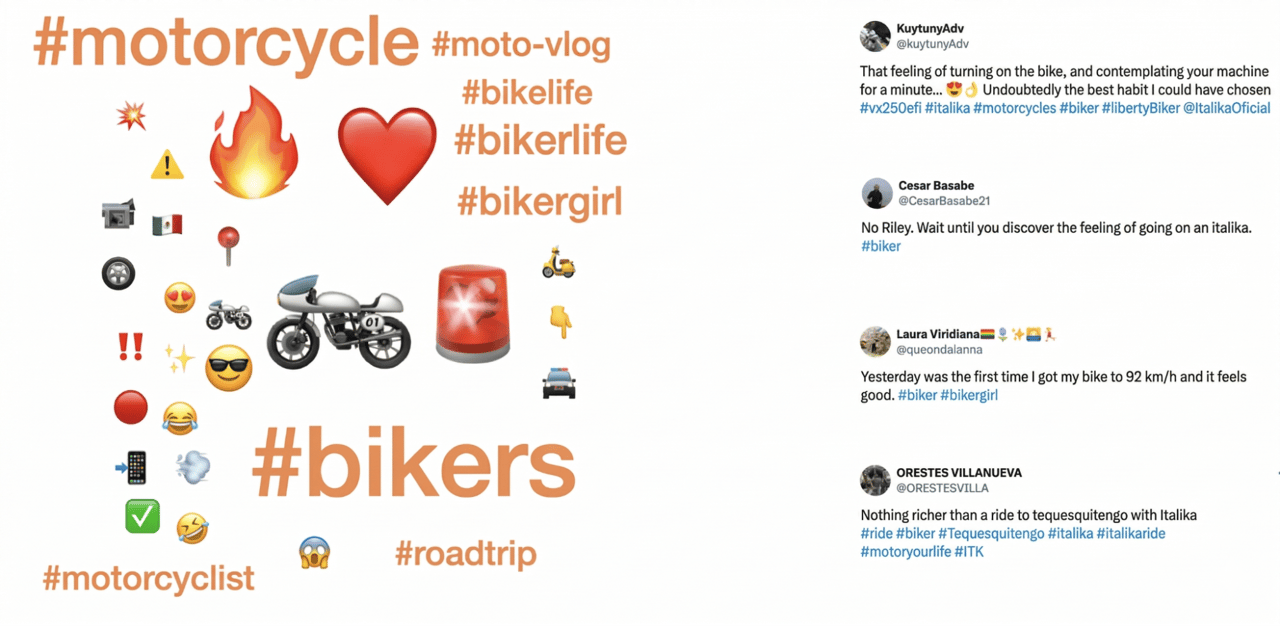
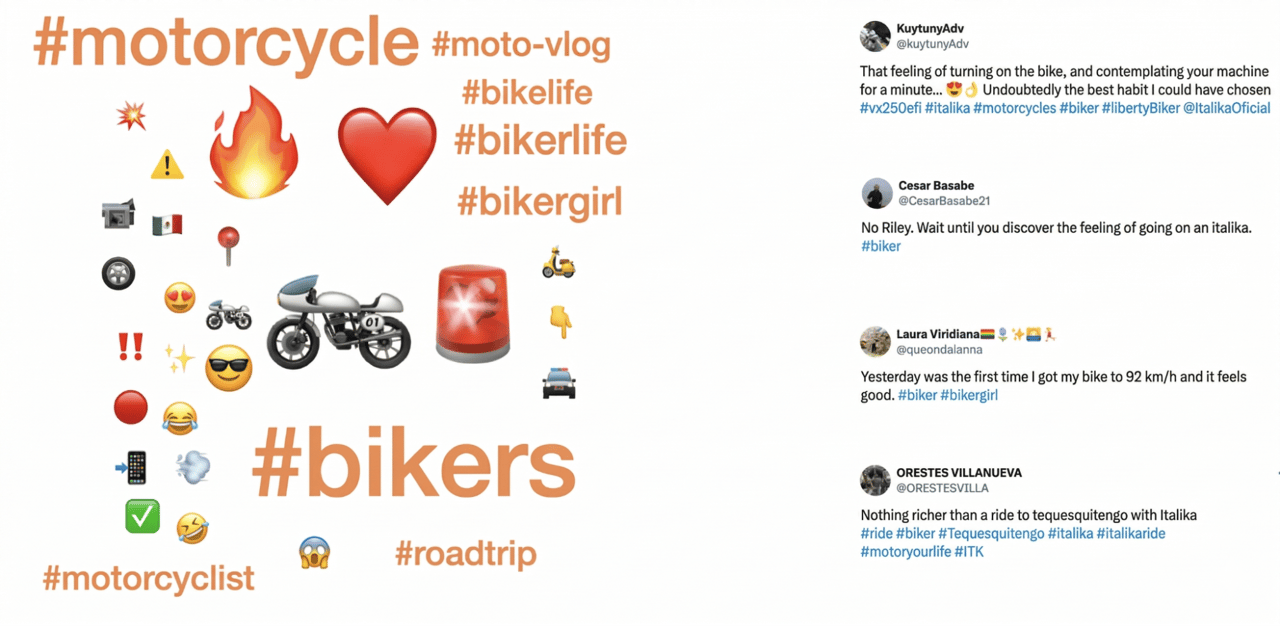
A strong sense of "biker pride" emerged, alongside a high willingness to help other community members in need.
In the Mexican context, the motorcycle did not represent isolation—it represented community.
This insight allowed the brand to approach biker culture more authentically, moving away from clichés like the "delivery driver" or the "rebel without a cause". It showcased a more genuine rider whose identity is deeply tied to community pride, whether they are on city streets or the open highway.
Finding 2: A Divided Public Perception 🌎
Analyzing general perception revealed a clear duality:
Admiration for the freedom and lifestyle of the biker, and associations with recklessness or risk.
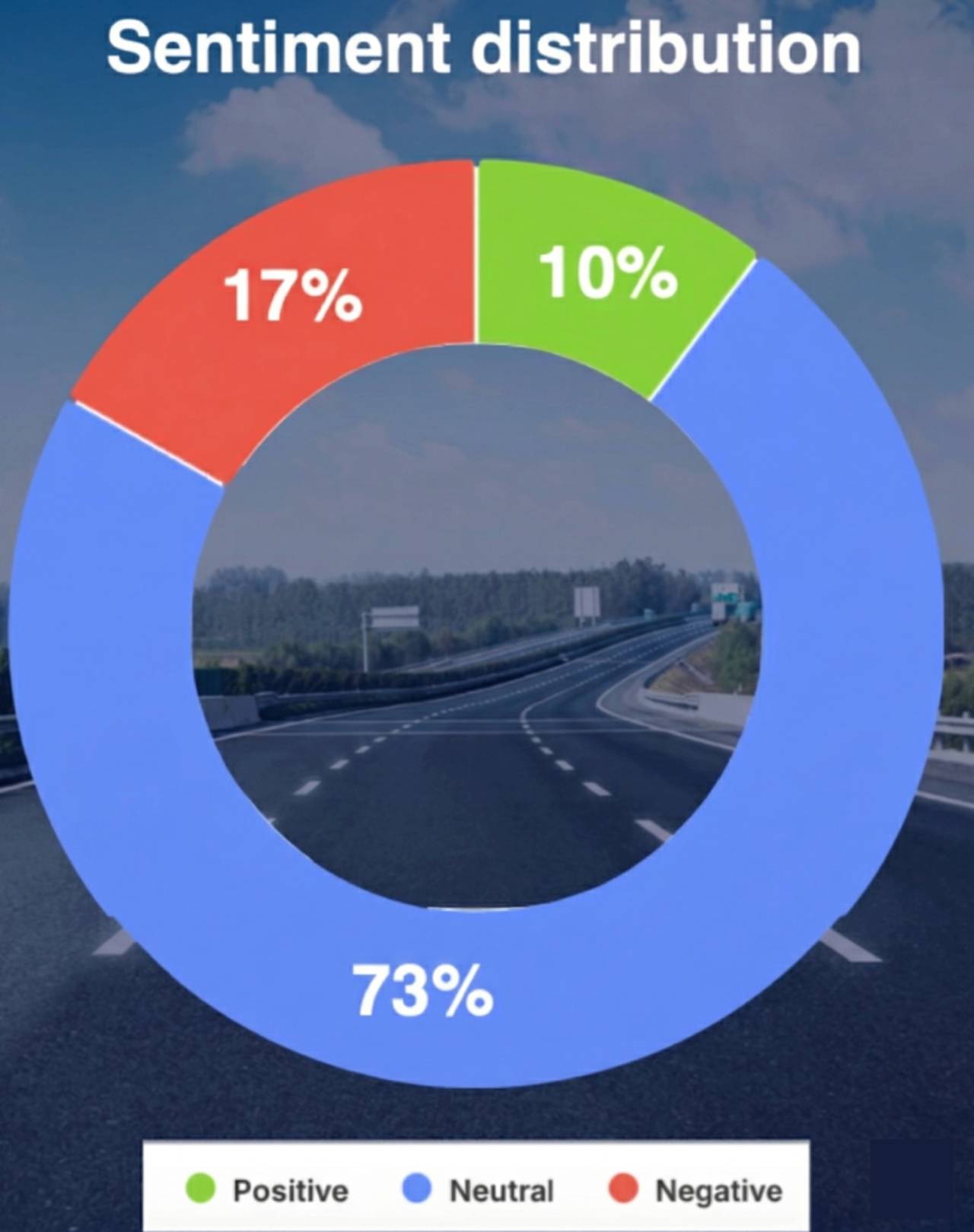
In Mexico, another relevant stereotype exists: the idea that motorcycles are primarily functional tools for work or transportation.
This perception reduces the cultural richness of motorcycling and leaves little room for aspirational narratives. Rather than an obstacle, this finding presented an opportunity: the brand could help redefine the conversation by showing a more authentic and diverse vision of the community—not through judgment, but through leadership.
Finding 3: Safety and Helmets—A Nuanced Conversation
The analysis of helmet use started from another common stigma: the idea that motorcyclists are irresponsible.
To better understand this, the study explored real barriers to helmet use, uncovering several cultural and emotional factors:
Riders with high safety awareness.
Groups where aesthetics carry more weight.
Conversations where the helmet is part of a personal style.
The bike being perceived as an extension of personal identity.
A sense of invulnerability while driving ("it won't happen to me").


An interesting tension also surfaced: while the bike symbolizes freedom, the helmet can be perceived as something that limits that feeling.
Understanding these nuances allowed for a communication shift. Instead of moralizing lectures, the strategy focused on integrating safety as a core part of biker culture, aligning helmet use with community identity and pride.
When prevention connects with identity, it no longer feels like an imposition.
The Result: Communication with Legitimacy
Through the study, Mexa Creativa realized that every motorcycle represents a different universe with its own motivations and meanings within biker culture.
"Social Listening has greatly helped us deepen our understanding of categories and audiences, where we often used to stay at a surface level. For certain campaigns, it has helped us identify and support the type of content they generate, understand their visual codes, and see how the community actually speaks.
This helps us reflect how audiences represent themselves and generate a more real and appropriate connection."
— Claudia Becerra, Comms Planning Manager at Mexa Creativa
Social listening enabled the brand to:
Adjust its tone to be more communal and approachable.
Identify reputational opportunities within the sector.
Build culturally relevant messages.
Strengthen emotional connections with the audience.
The difference was clear: the brand stopped talking to an abstract market and started a dialogue with a real community.
Conclusion
This case demonstrates that social listening goes far beyond monitoring mentions. It is a strategic tool for understanding complex identities and deep cultural dynamics. In sectors where the product is also a symbol, listening is not optional—it is the starting point. When a brand truly understands that, the connection moves past advertising and becomes authentic.