Guerilla Marketing Examples: 9 Creative Campaigns That Actually Went Viral

Most marketing efforts are basically a bonfire. You throw money at advertising campaigns, hope some of it sticks, and then argue about attribution in a meeting nobody wants to be in.
Guerrilla marketing is the opposite of that. It’s what happens when you swap budget for brains—and the numbers back it up. Guerrilla marketing campaigns deliver an average ROI of 4.5 to 5 times their initial cost. Meanwhile, your average display ad gets a click-through rate that rounds to zero. That’s not a marketing strategy. That’s a donation.
We’ve been keeping an eye on guerilla marketing examples for years, and the campaigns that go viral share the same DNA: low cost, high weirdness, and they hand people a reason to start creating content. This article covers 9 of them—all from 2023 to 2025—plus the guerrilla marketing tactics you need to pull off your own.
What is guerrilla marketing?
The short version: do something people don’t expect, in a place they don’t expect it, and make it so interesting they can’t help but tell someone. The goal is to capture attention through unexpected ways rather than paid media.
The term comes from Jay Conrad Levinson’s 1984 book, where he borrowed the concept from guerrilla warfare—small forces using unconventional tactics to outmaneuver bigger opponents. He described it as achieving “conventional goals with unconventional methods, such as investing energy instead of money.”
Where traditional advertising interrupts your show or sits on a highway billboard, guerrilla tactics show up uninvited in public spaces, on social media platforms—and turn a forgettable Tuesday into a brand story people remember. When guerrilla marketing works, it generates earned media that no advertising strategy could buy.
Types of guerilla marketing: from experiential guerrilla marketing to ambient
There are roughly five aspects of guerrilla marketing, and they blur together more than the textbooks suggest.
Outdoor guerrilla marketing is the classic—street art, modified bus stops, oversized installations that mess with public spaces. Think of a giant vending machine dispensing free Coke in San Francisco, or a flash mob shutting down a shopping mall in New York. Indoor guerrilla marketing does the same inside train stations, campuses, and retail spaces. Both aim for maximum exposure through the element of surprise.
Ambush marketing hijacks a big event you didn’t sponsor—like showing up at New York Fashion Week without an invitation, or blanketing a host city during the Olympics. Experiential marketing centers on interactive elements and experiential activations—pop-ups, product placement stunts, anything that makes the audience participate. And ambient marketing takes stuff that’s already there (benches, crosswalks, escalators) and turns it into the ad.
9 guerrilla marketing examples: the best examples of guerrilla marketing
Every campaign below is from the last two years. Not everyone will apply to your situation, but at least one should spark curiosity and make you think “we could do something like that.”
1. The Barbie movie’s everything-is-pink marketing blitz (2023)
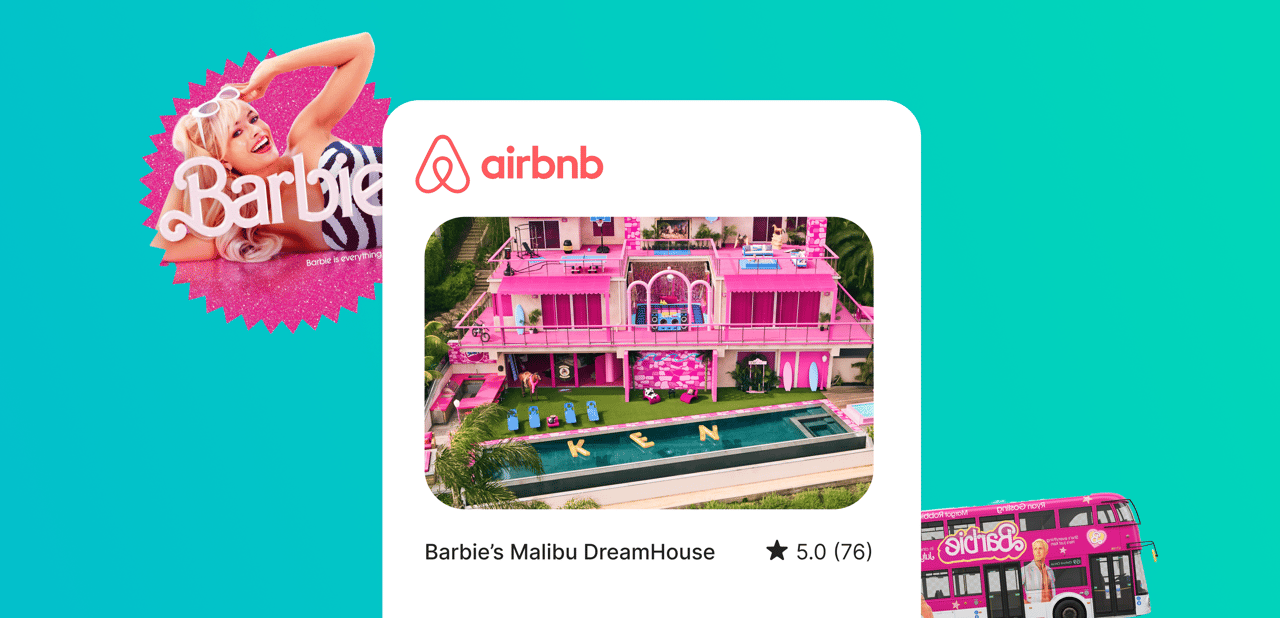
Before Barbie hit theaters in July 2023, Warner Bros. and Mattel launched one of the most in-your-face guerrilla marketing campaigns in memory. A real Barbie Dreamhouse on Airbnb hosted by Ken. A selfie generator for your own Barbie poster. Partnerships with over 100 brands.
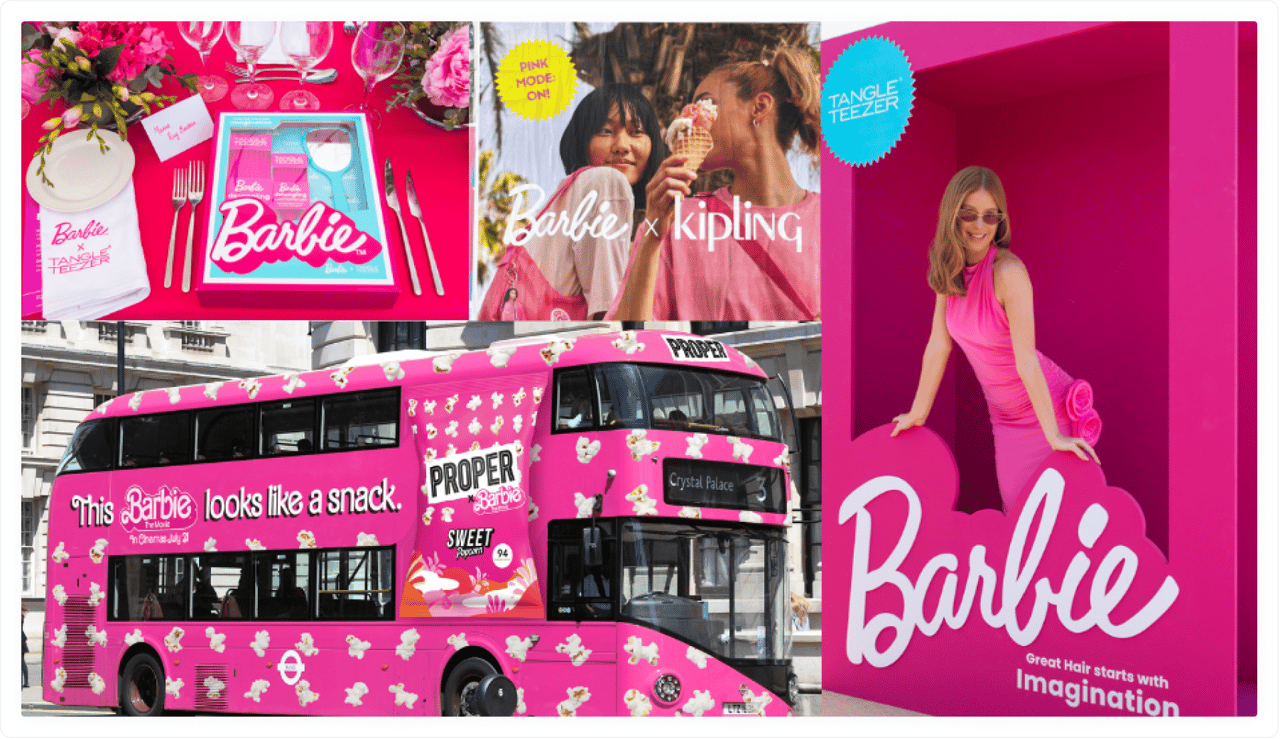
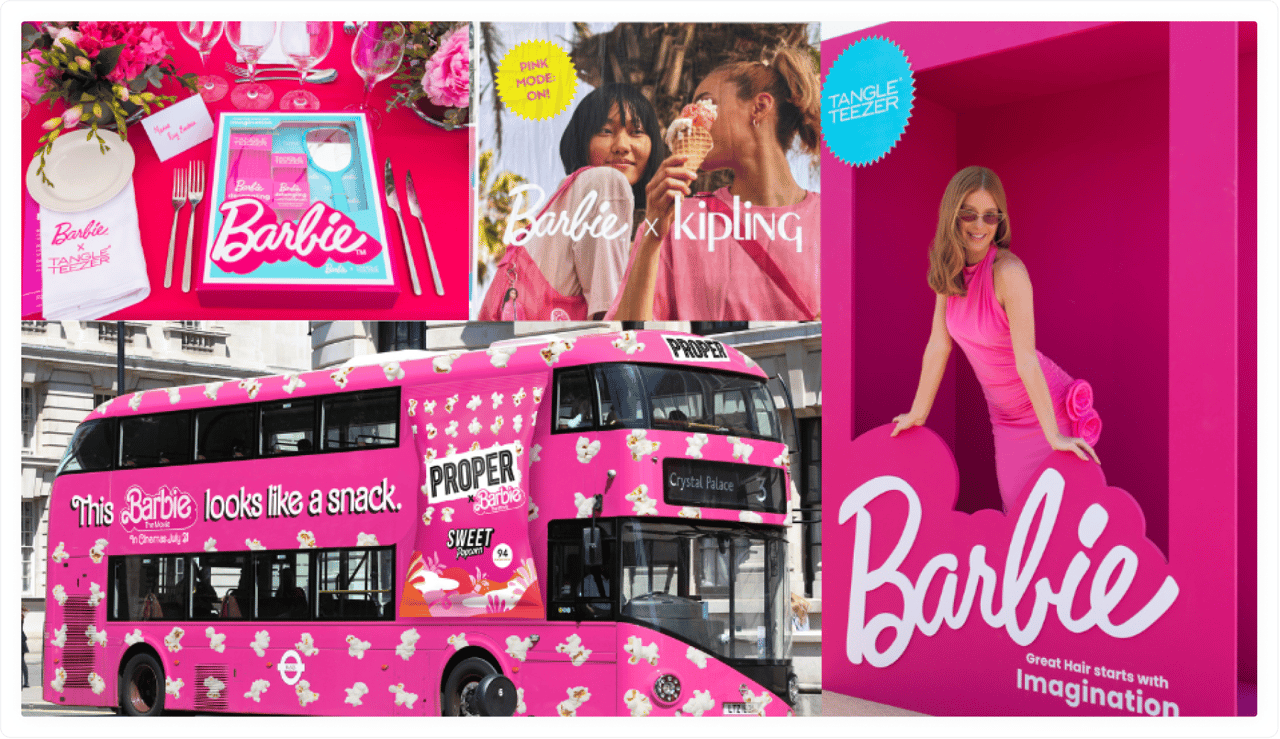
The movie grossed over $1.4 billion—a huge success on a $150 million marketing budget. The guerrilla genius was the saturation across multiple platforms. Every person who shared the selfie generator became free user-generated content. A masterclass in digital marketing amplifying brand visibility.
2. Billie Eilish’s Instagram Close Friends hack
In April 2024, Billie Eilish added all 110 million of her Instagram followers to her Close Friends list. Normally reserved for your actual inner circle, the green ring sent fans into a frenzy, thinking they’d been personally chosen.
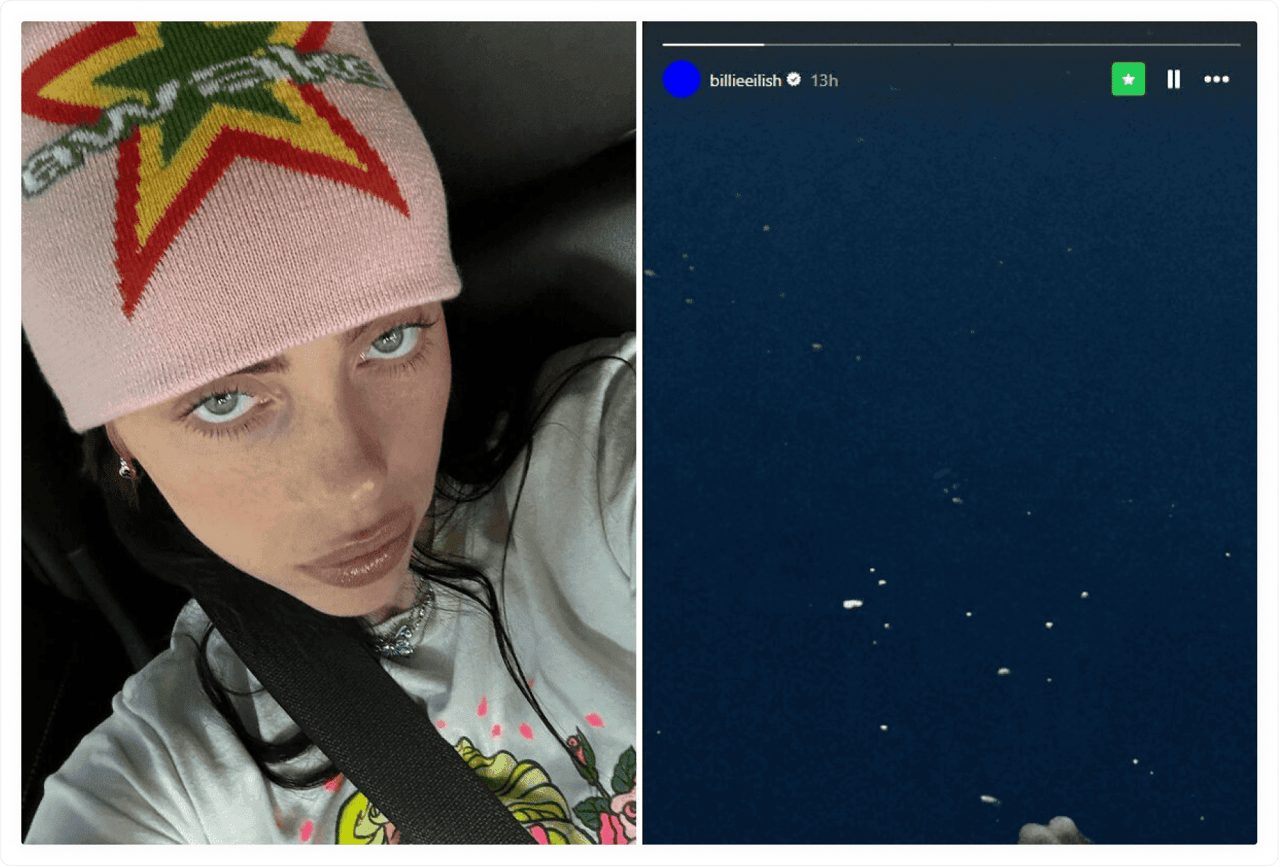
They hadn’t. It was viral marketing for her Hit Me Hard and Soft album. The stunt gained her 10 million new followers and helped make “Birds of a Feather” Spotify’s most-streamed song of 2024. Cost: zero. She toggled a feature nobody had thought to subvert—a cost-effective brand message that reached millions. You could call it a night campaign in the most literal sense.
3. Duolingo’s 5-second Super Bowl ad
While other brands spent $7 million on 30-second Super Bowl spots, Duolingo bought five seconds. The ad showed their owl mascot’s butt. That’s it.
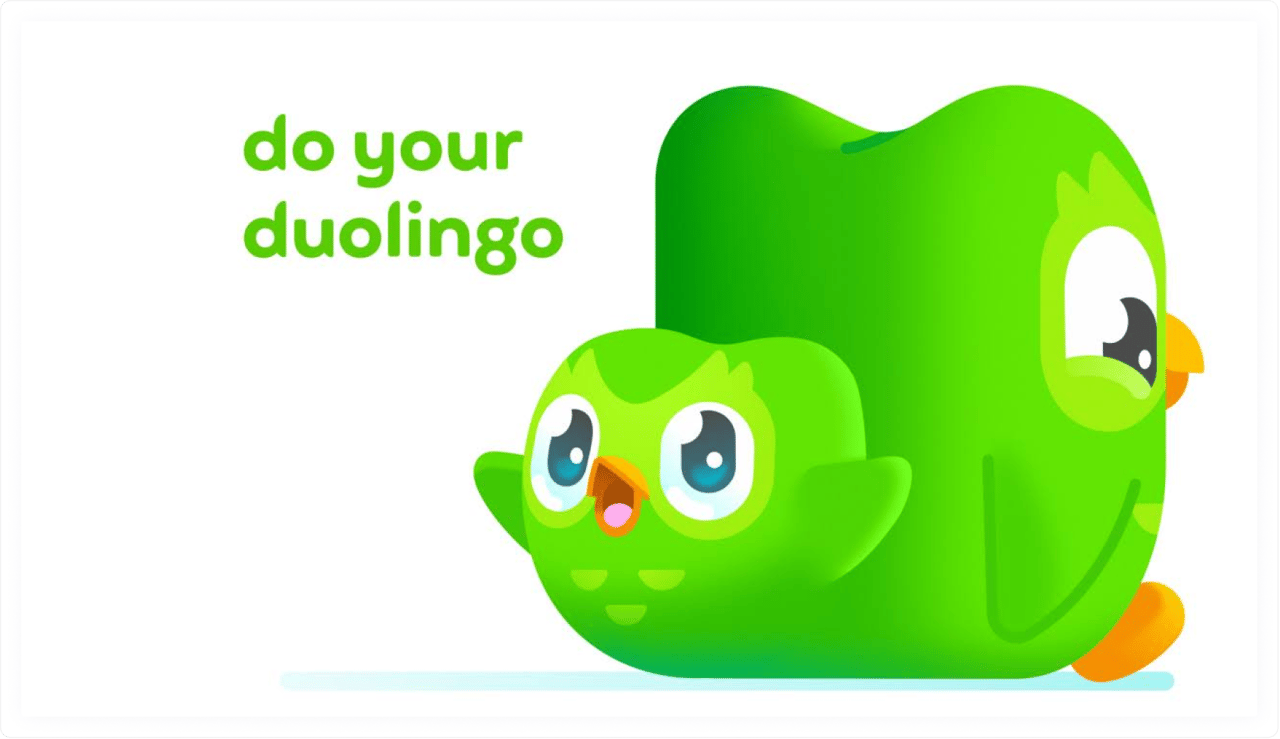
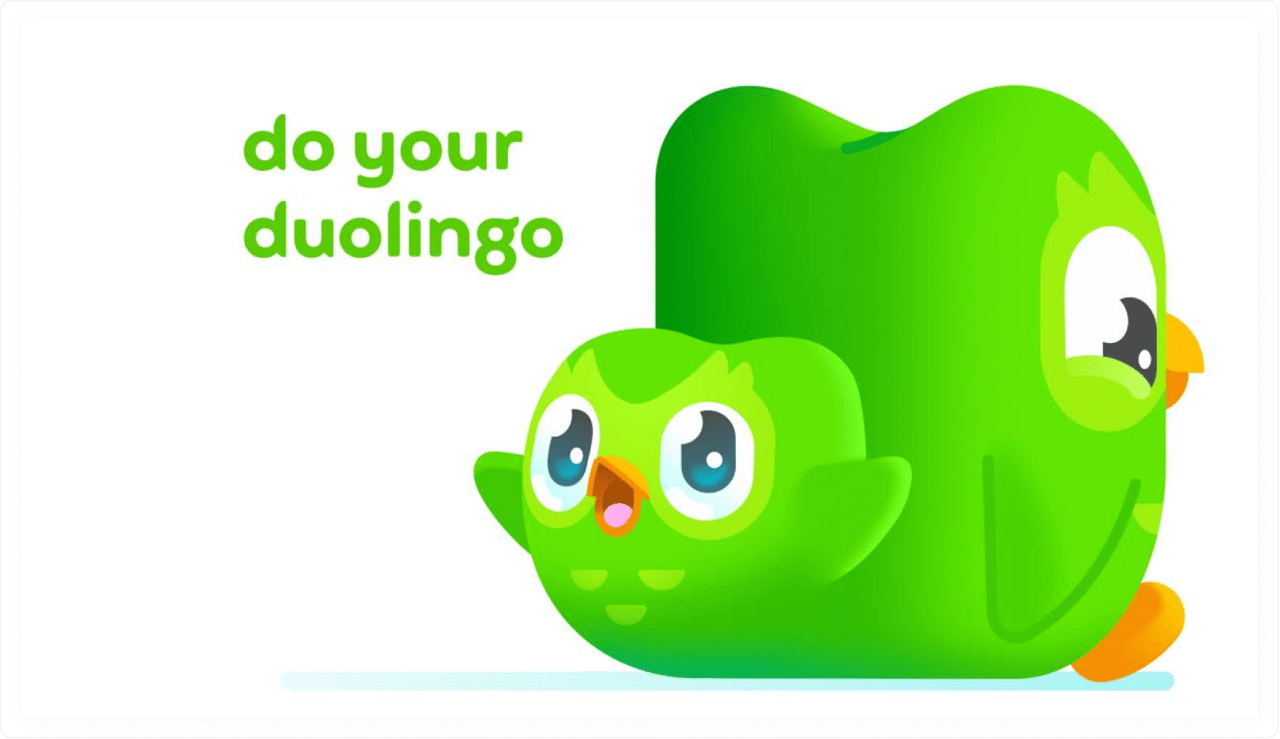
But the real guerrilla marketing campaign happened simultaneously: Duolingo pushed a notification to 4 million users within 3.9 seconds of the ad airing. The five-second format forced people to rewind, screenshot, and share—generating viral videos and social media campaigns that dwarfed traditional advertising methods. Proof that creative tactics beat bloated budgets.
4. Duolingo crashes Charli XCX’s Sweat Tour (2024)
In September 2024, a small group of Duolingo employees—20+ strong—wearing their green owl mascot heads showed up at the opening night of Charli XCX’s Sweat Tour in Detroit. The owls wore Brat shirts. One got kicked out. Then more appeared.
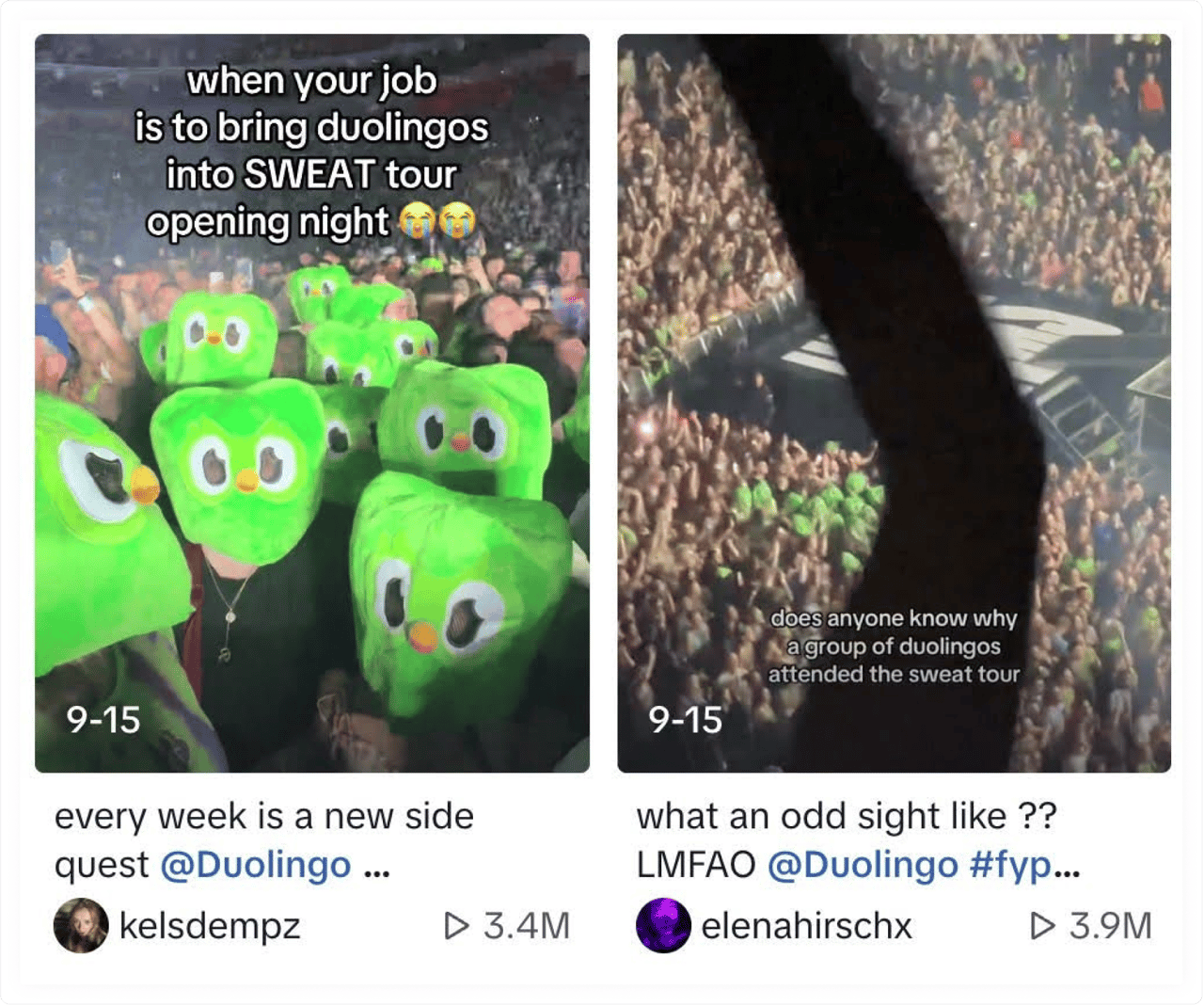
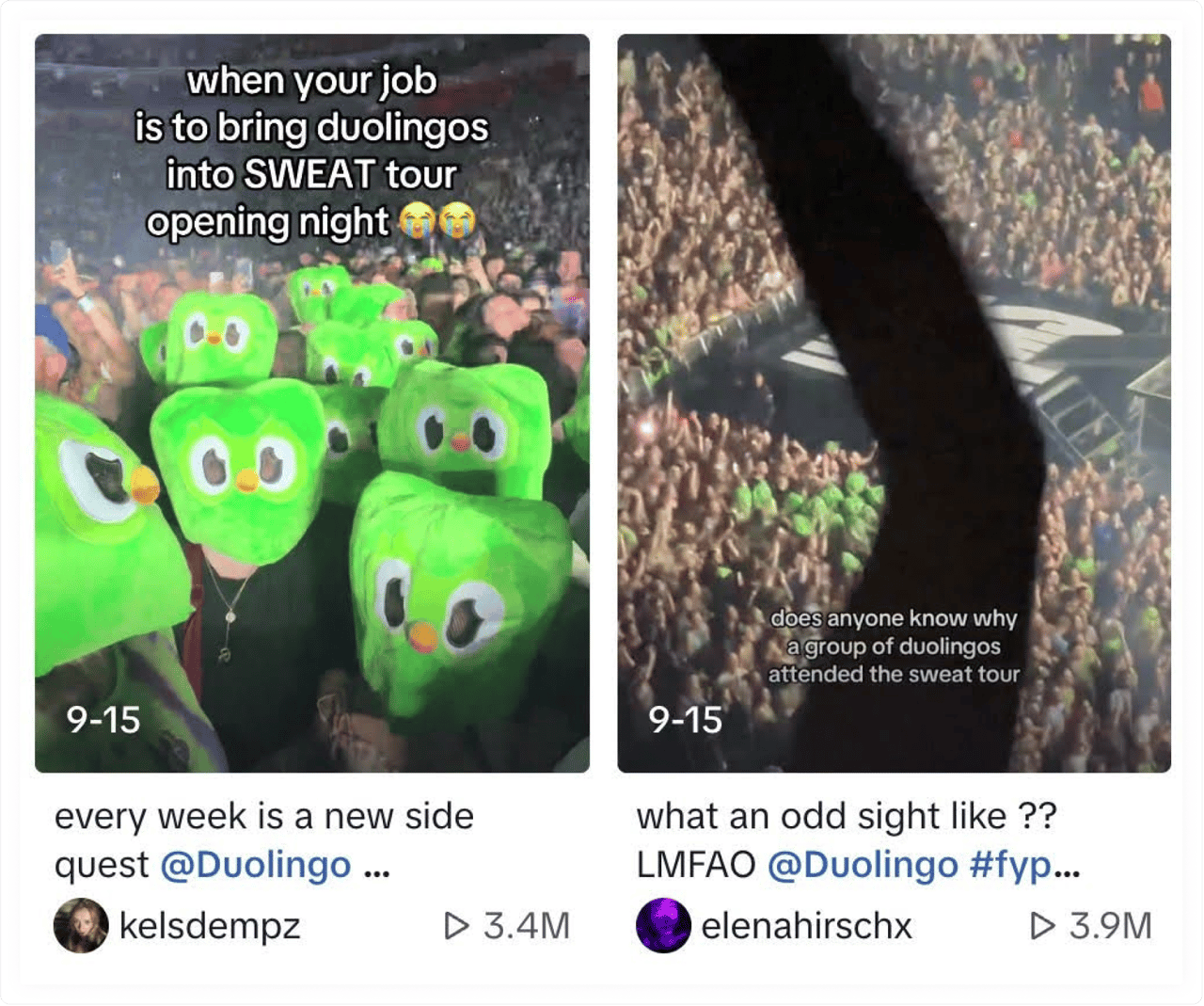
The stunt generated over 20 million impressions, with TikTok videos racking up millions of views. Charli XCX herself acknowledged the owls during the show. Total cost: concert tickets. This is textbook ambush marketing—inserting yourself into someone else’s cultural moment so naturally that media outlets pick it up and nobody minds. It’s how you encourage people to talk about you without a single ad dollar.
5. Nike’s Paris Olympics ambush (2024)
Nike wasn’t an official sponsor of the Paris 2024 Olympics. Adidas was. But Nike wrapped the Centre Pompidou in enormous athlete imagery, plastered Kylian Mbappé on buildings, and timed its “Winning Isn’t for Everyone” campaign to generate buzz right as the Games began.
The result? Nike achieved 14.1% brand association with the Olympics, beating official sponsor Adidas at 11.9%. They owned the conversation without owning the sponsorship—proof that brand identity can be built through bold ambush tactics rather than traditional advertising. The campaign delivered foot traffic to Nike stores and reached potential customers across digital platforms.
6. Specsavers parking ticket stickers
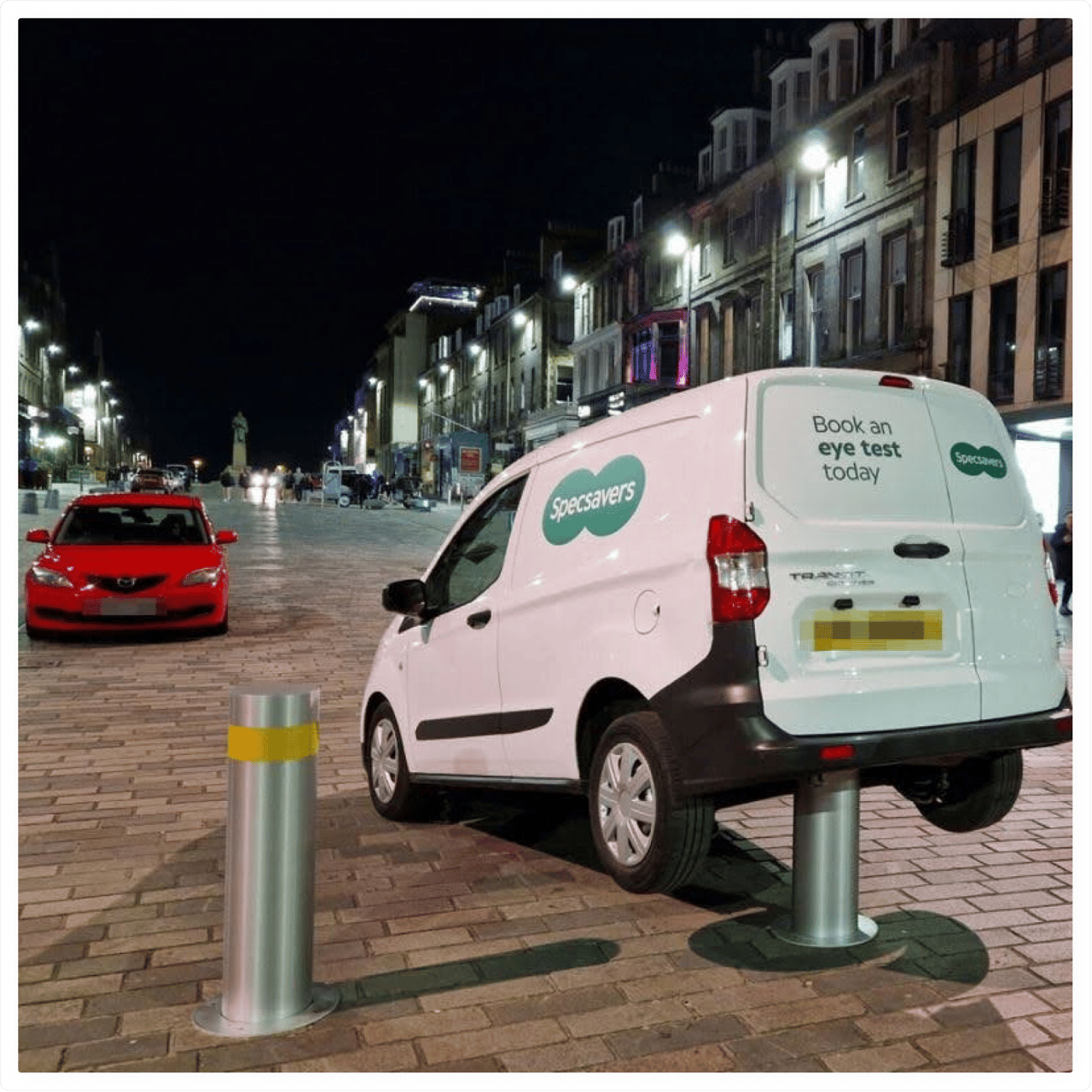
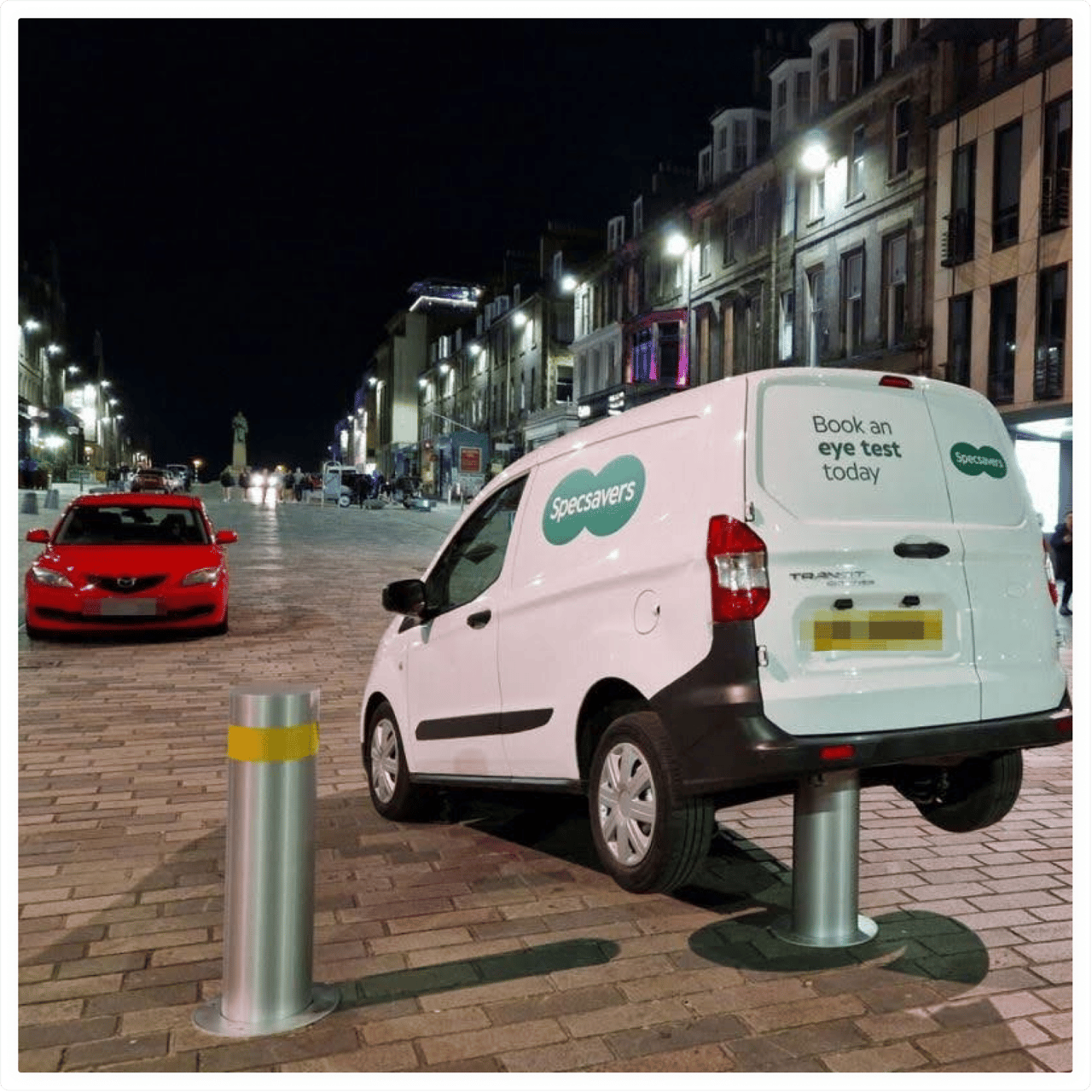
Specsavers slapped fake parking ticket stickers on cars that read “Should’ve gone to Specsavers.” The three-second emotional arc—panic, confusion, laughter—was perfect for creating a lasting impression. Near-zero cost, and every “victim” retold the brand story to friends and on social media. That’s how you raise awareness and drive publicity for the price of sticker paper. Sometimes the simplest, memorable ideas are the ones that spread fastest.
7. Tony’s Chocolonely Glastonbury golden tickets
Dutch chocolate brand Tony’s Chocolonely hid five pairs of Glastonbury Festival tickets inside limited-edition chocolate bars sold through Oxfam. All profits went to charity. It’s a Willy Wonka play—but the execution was sharp because Glastonbury sells out in minutes, so the scarcity was real.
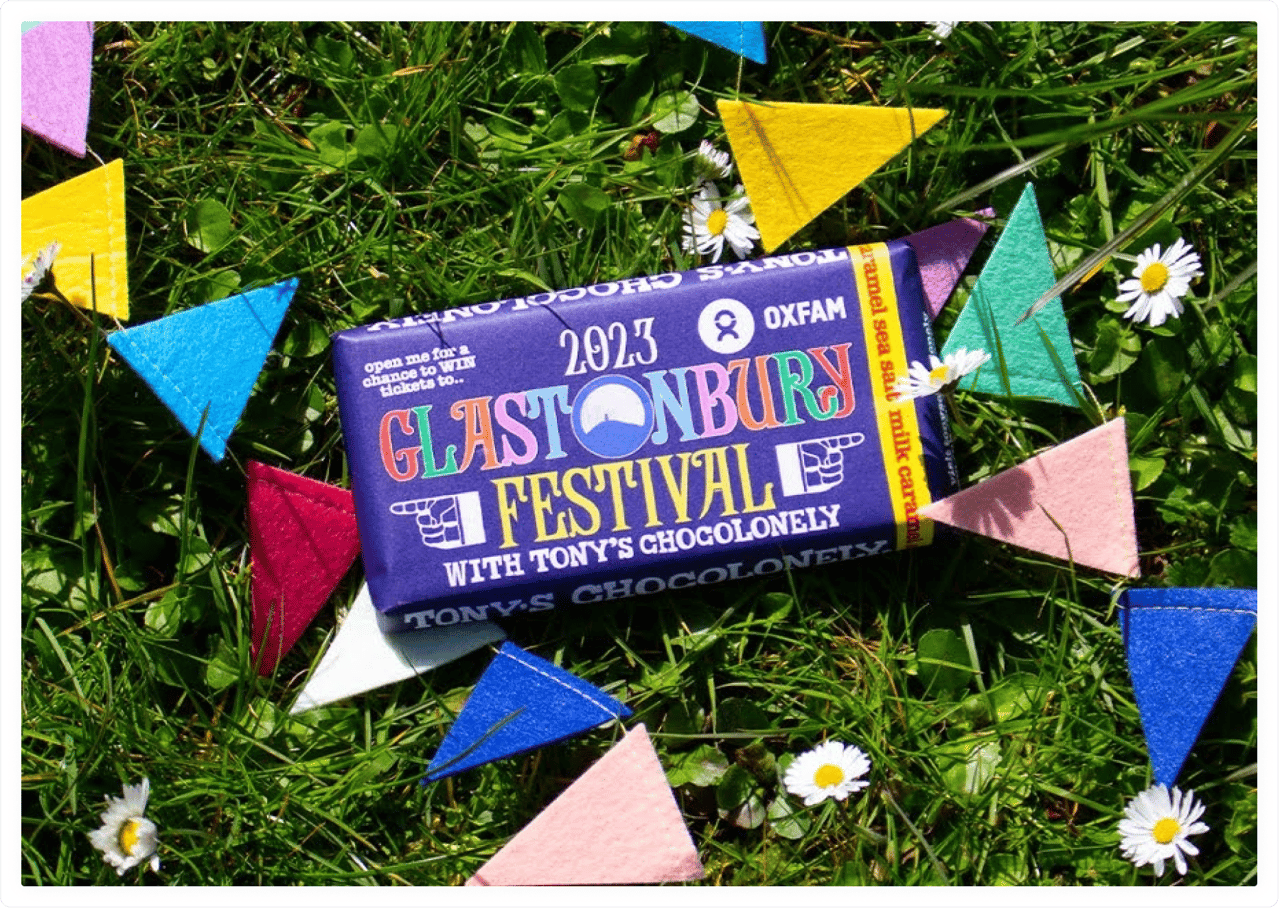
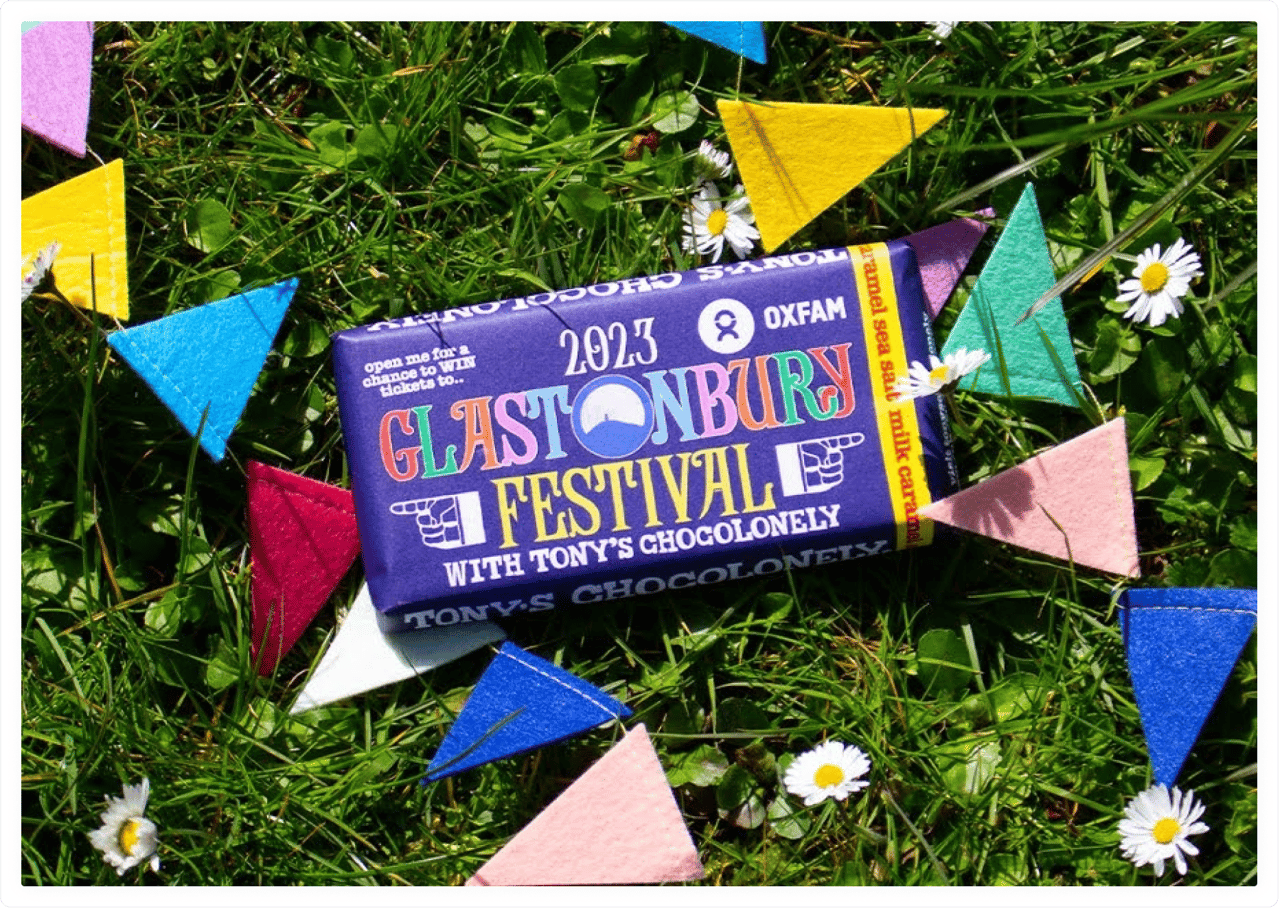
The campaign has now run three consecutive years, raising over £125,000 for Oxfam. Unlike most guerrilla stunts, it drives actual foot traffic to Oxfam shops and builds a loyal target market.
8. Graza’s “missing” olive oil chip flyers
Olive oil brand Graza promoted their new potato chips by putting up lost-pet-style “missing” flyers on city streets—designed to look like lost pet posters, but for “EXTRA VIRGIN OLIVE OIL POTATO CHIPS Missing Since March 2024.” Tear-off tabs had QR codes linking to their newsletter.
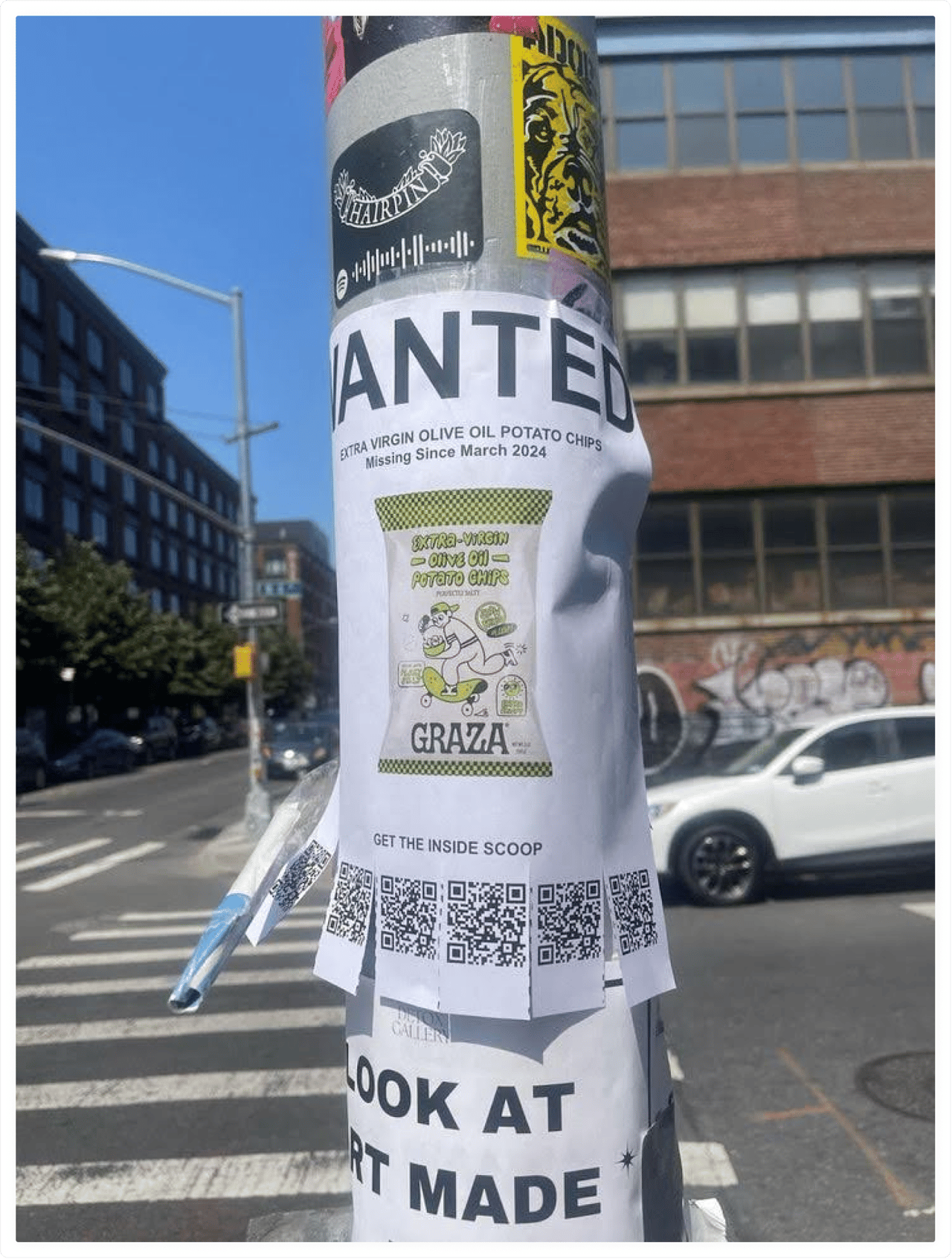
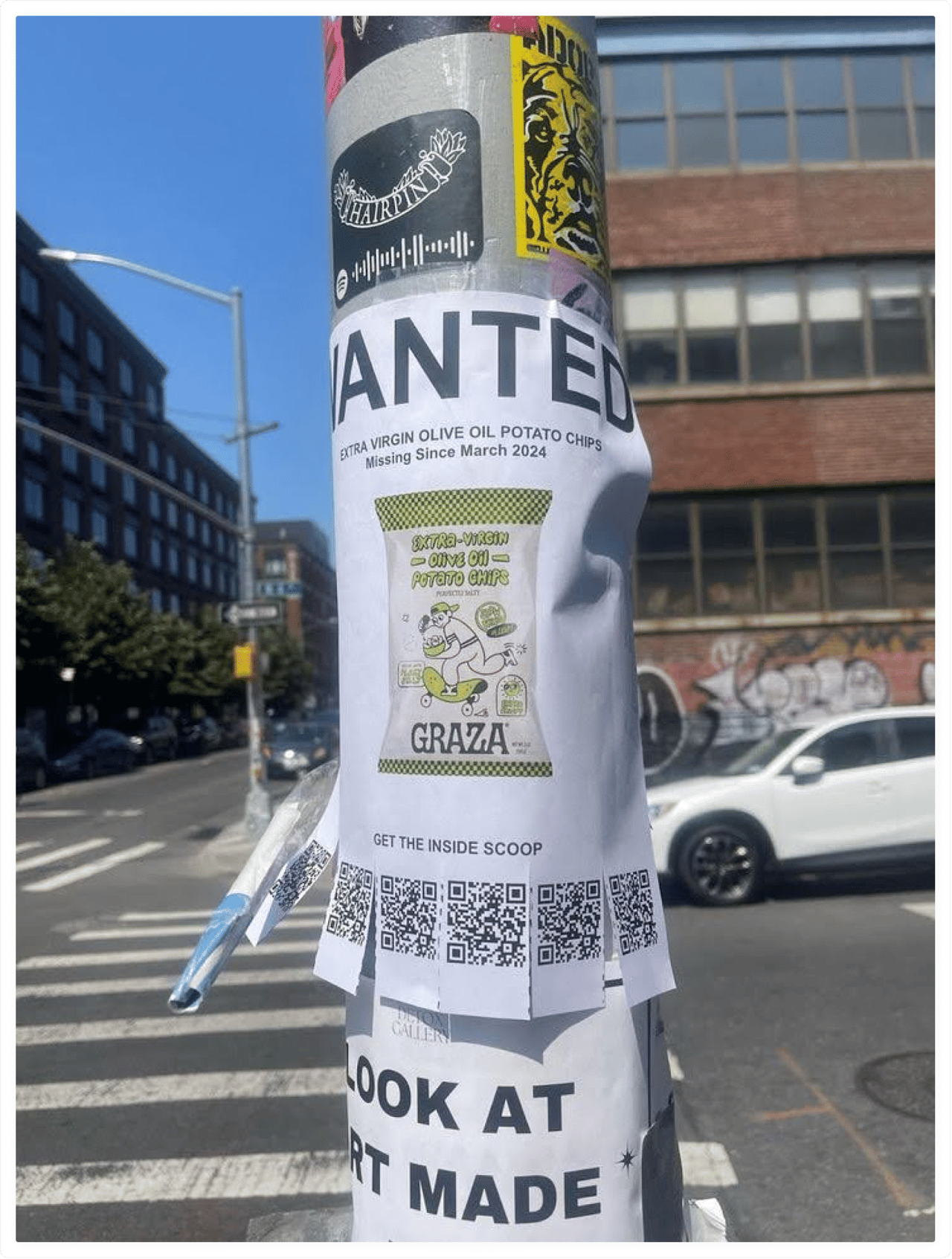
No tech. No influencer budget. Just paper, wheat paste, and street art sensibility. It proves small businesses can create buzz without a massive marketing strategy.
9. A24 and Timothée Chalamet’s Marty Supreme blitz
For the Christmas 2025 release of Marty Supreme, Chalamet and A24 went feral. It started with an 18-minute “leaked” video of Chalamet pitching absurd promo ideas to A24’s marketing team.
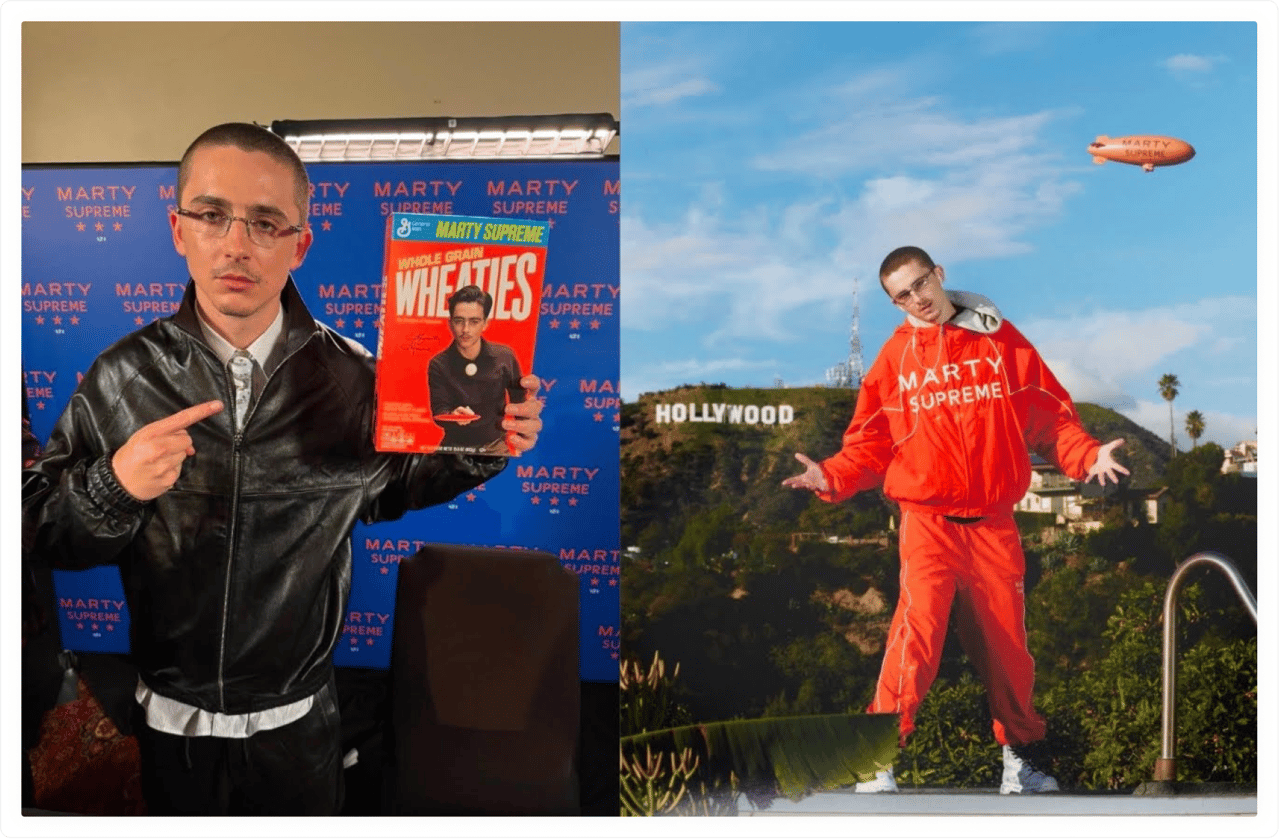
Then they actually did them. A 135-foot orange blimp flew over American cities. A pop-up in East Hollywood drew crowds so large the LAPD responded. The Empire State Building glowed orange. The Las Vegas Sphere displayed campaign imagery. News outlets went feral. Presales broke A24 records with $145,933 per-screen average—the highest of 2025. It proved guerrilla campaigns can compete with major advertising campaigns.
Guerrilla marketing tactics beyond the basics: augmented reality, interactive websites, and the Coca-Cola lesson
The examples above lean heavily on physical stunts and social media hijacking. But guerrilla marketing tactics extend far beyond stickers and mascot heads. Here are a few approaches worth knowing about.
Augmented reality and interactive websites as guerrilla tools
Augmented reality is becoming one of the most effective guerrilla marketing tactics in digital marketing. Brands are building AR experiences that transform bus shelters and product packaging into interactive websites and portals.
Think York Fashion Week designers who embedded AR try-on features into street posters, or beauty brands turning shopping mall displays into virtual makeover stations. These unconventional tactics blend physical and digital in ways that feel magical to the target audience.
What Coca-Cola’s guerrilla history teaches today’s marketers
You can’t write about guerilla marketing examples without mentioning Coca-Cola. Their Happiness Machine—a vending machine that dispensed free Coke, flowers, and pizza to unsuspecting students—remains one of the most-watched viral videos in marketing history. Put a rigged vending machine in a public space and film what happens.
The product placement was disguised as generosity. Every reaction genuine, every share organic. Marketers in San Francisco or anywhere else can learn from Coca-Cola’s playbook: create a moment worth filming, and people will do your content marketing for you.
Pros and cons of guerrilla marketing
Pros | Cons |
Low cost compared to traditional advertising methods | Risk of backlash if people misread the intent |
Creates memorable, shareable experiences | You can't force something to go viral |
Generates significant earned media coverage | May require permits in public spaces |
Works for small businesses and big brands alike | Hard to scale—what kills in one city may flop in another |
High potential for user-generated content | Tricky to measure without proper social listening tools |
How to create a successful guerrilla marketing campaign
Know your target audience
An owl mascot at a Charli XCX concert thrills Gen Z—the same stunt at a jazz festival would just confuse people. Studying your audience insights removes the guesswork. If you don’t know what moves your target market, you’re guessing—and guessing is expensive.
Use content marketing to amplify guerrilla campaigns
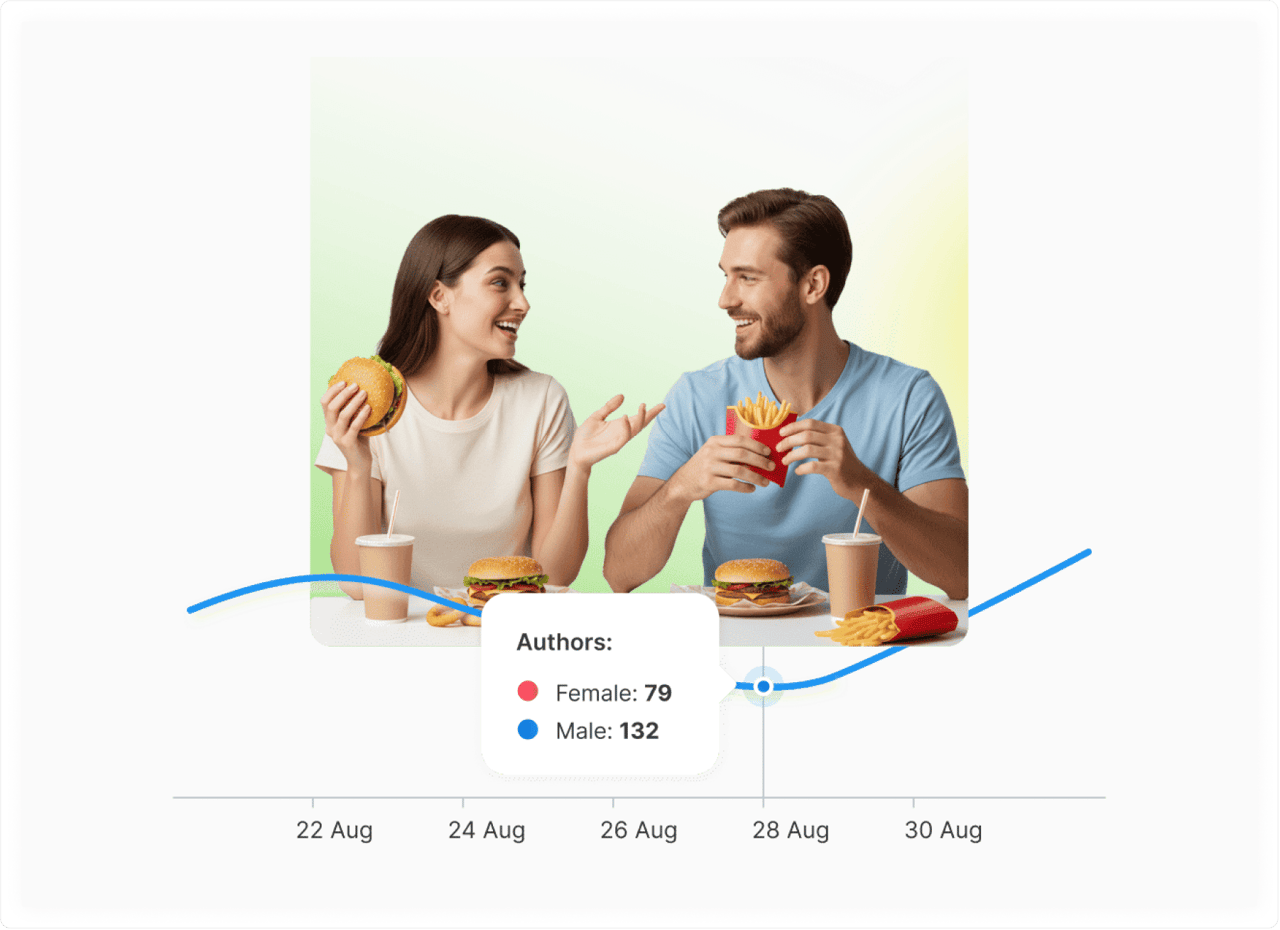
A guerrilla campaign that only reaches people who physically walk past it is a waste. Film it. Build viral videos designed to travel across digital platforms and social media. The Barbie movie wasn’t just a marketing blitz—it was a content marketing engine. Check social listening examples to see what your audience responds to on social media platforms, and design content that fits.
Location and timing win campaigns
Nike showed up during the Olympics. Duolingo showed up at the concert of the summer. The best guerrilla marketing works when it hijacks attention already concentrated—a train station at rush hour, a major event, a cultural moment.
Measure it, or you’ll never get a budget for the next one
Track brand mentions, earned media, sentiment, and business impact. That’s how you turn a one-off stunt into a repeatable advertising strategy. Use social listening dashboards to visualize the data in real time.
How to measure guerrilla marketing success with social listening
This is the section most “top guerrilla marketing examples” articles skip, and it’s the most important one.
A guerrilla campaign can look incredible on the ground and still be a black hole when someone asks “what did it do?” How far did it spread? Did brand sentiment shift? Did it convert potential customers or just entertain them?
This is where social media listening earns its keep. A social listening platform like YouScan lets you track what matters:
Social media mentions and reach —see how far your campaign traveled. Solid brand monitoring catches conversations across social media campaigns you’d otherwise miss entirely.
Sentiment analysis —not all mentions are good mentions. YouScan’s sentiment analysis shows whether people are excited, confused, or annoyed. If you’re unfamiliar with the terminology, check our social listening glossary for definitions.
Visual brand mentions —people share photos of guerrilla campaigns without tagging the brand. YouScan’s
image recognition spots your brand in images even when nobody typed your name.Earned media value —calculate what your free coverage would have cost in ad spend.
Brand health tracking —use AI social listening to compare perception before and after the campaign.
Here’s the number: 90% of consumers find guerrilla marketing memorable, versus 30% for traditional advertising. And 63% share the experience. But without a social listening tool, you can’t connect those shares to your brand. Track influencer amplification, monitor customer conversations, and close the gap between memorable ideas and measurable results.
Conclusion
Guerrilla marketing isn’t a hack. It’s earning attention rather than buying it. These 9 guerilla marketing examples prove you don’t need a massive budget to generate buzz, drive publicity, or leave a lasting impression. You need a good idea, the nerve to execute it, and the tools to measure what happened.
Try YouScan to see how your next guerrilla marketing campaign performs—from real-time social buzz to visual brand detection across the web.
FAQs
What is guerrilla marketing?
Guerrilla marketing is an unconventional advertising strategy that uses surprise, creativity, and low-cost tactics to promote a brand. Coined by Jay Conrad Levinson in 1984, it relies on unconventional methods rather than expensive media buys to create memorable experiences.
What are the four main types of guerrilla marketing?
The four main types are outdoor guerrilla marketing (street installations, street art), indoor guerrilla marketing (campaigns in shopping malls and train stations), experiential marketing (interactive brand experiences), and ambush marketing (capitalizing on events without sponsorship).
Is guerrilla marketing legal?
Most guerrilla marketing is legal, but campaigns must comply with local regulations regarding public spaces and permits. Marketers should seek authorization when using public property and avoid tactics that cause alarm or damage.
How much does guerrilla marketing cost?
Guerrilla marketing typically costs far less than traditional advertising, with many campaigns under $10,000. Studies show it delivers an ROI of 4.5 to 5 times the initial cost—making it one of the most cost-effective strategies for small businesses and large brands alike.