Social Media Branding: How to Build a Brand that Leaves an Impression


Your social media branding determines whether people scroll past your social media posts or stop to pay attention. With over five billion social media users worldwide, your brand identity needs to work hard to stand out. The good news? A clear, consistent brand presence makes every piece of content more effective.
This guide breaks down everything you need to know about creating a consistent brand across social media platforms. We'll cover the fundamentals, walk through a step-by-step social media branding strategy, and show you how to measure what's working.
What is social media branding?
Social media branding is the process of creating and maintaining a consistent brand identity across all your social media accounts. It includes your visual identity (logos, brand colors, imagery), your brand voice and tone, your messaging and content themes, and the values your brand represents.
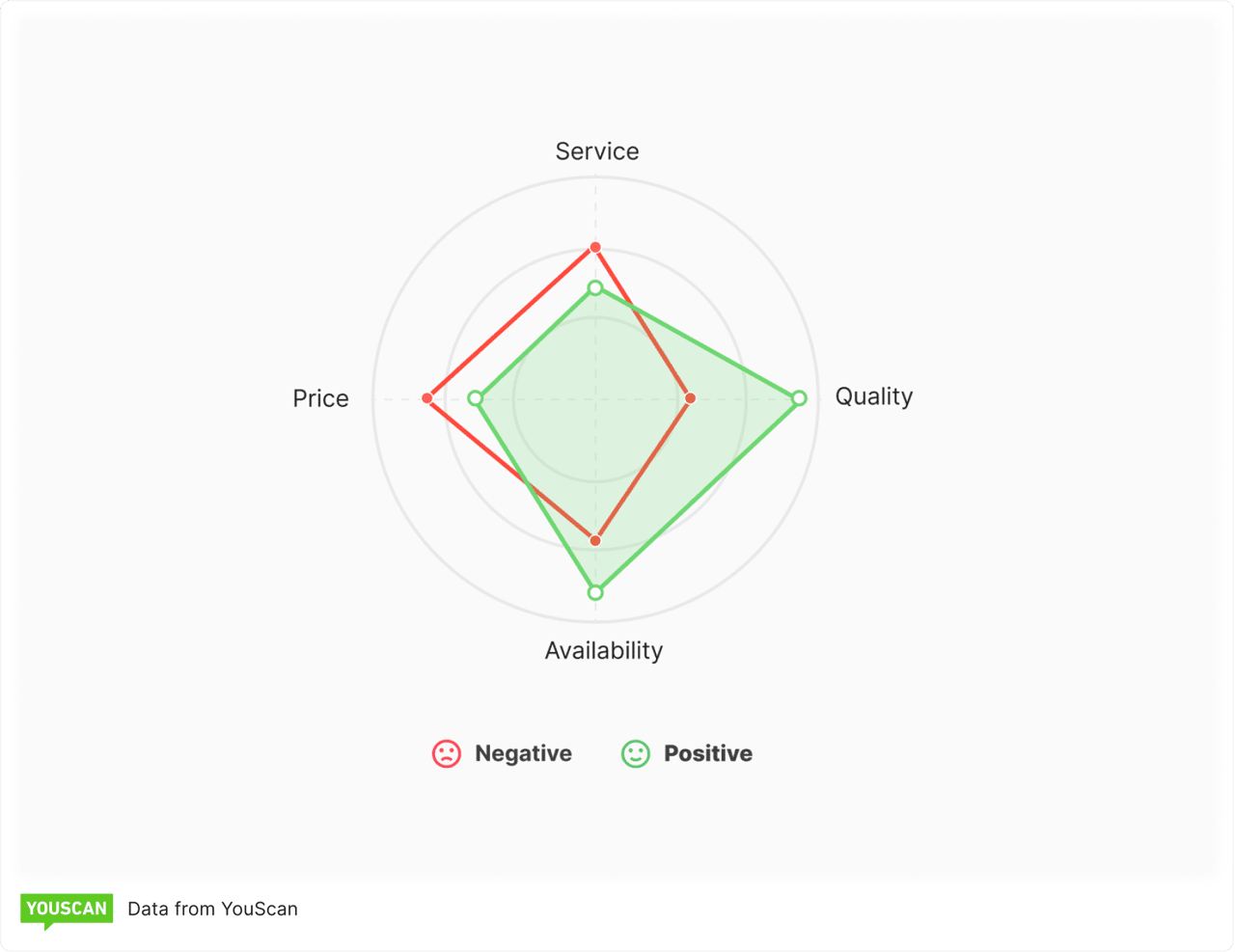
Think of it this way: your brand is the personality people associate with your business. Social branding puts that unique brand persona on display every time you post or share content. It shapes how your target audience perceives you and influences whether they choose to engage, follow, or buy.
Social media branding vs. social media marketing
People often mix up branding and marketing, but they serve different purposes. Social media marketing focuses on promotion and conversion—getting people to click a link, sign up, or make a purchase. Social media branding focuses on perception—how people feel about your company and what they associate with your name.
Both work together. Your marketing campaigns become more effective when built on strong brand recognition. Without a solid brand foundation, your marketing efforts are like shouting into a crowd where no one knows your name.
Why social media branding matters for your business
Building trust and recognition
Research shows it takes five to seven impressions before consumers remember a brand. A consistent color scheme alone can increase brand recognition by up to 80%. That's a significant advantage when competing for attention across social platforms.
Trust follows recognition. Studies indicate 81% of consumers need to trust a brand before buying. When your social media posts look and sound consistent, people start feeling like they know your company. That familiarity builds the trust needed to convert followers into loyal customers.
Standing out in crowded feeds
Social media algorithms favor social content that keeps people engaged. When your audience recognizes your posts and stops scrolling, you're signaling to the algorithm that your content matters. This creates a positive cycle: distinctive branding leads to better engagement, which leads to greater visibility on social media channels.
Driving customer loyalty and advocacy
Strong social media branding creates emotional connections beyond transactions. Research indicates 62% of consumers have an emotional connection to brands they buy from frequently. When people connect with your brand values, they become brand ambassadors who recommend you to others.
Word-of-mouth remains one of the most powerful marketing tools. Studies show 76% of consumers have purchased based on someone else's recommendation. Your brand presence gives people something concrete to share and talk about.
Core elements of social media brand identity
Visual identity: logos, colors, and imagery
Your visual identity is usually the first thing people notice. This includes your logos (adapted for different social platforms), your color scheme, typography, and the overall style of your imagery. People form judgments about products within 90 seconds, and 62-90% of that assessment is based on color alone.
Consistency matters here. Using the same brand colors and visual style across social media channels creates instant recognition. When someone sees your post, they should know it's you before reading a single word.
Brand voice and personality
Your brand voice is how you "speak" in your social media content. Are you formal or casual? Witty or straightforward? The key is choosing a voice that reflects your brand's personality and resonates with your target audience.
Your brand tone might shift slightly by platform (LinkedIn is more professional, TikTok is more playful), but your core personality should remain recognizable. Document voice attributes in a style guide so anyone creating content for your social media accounts can stay consistent.
Content pillars and themes
Content pillars are the main topics your brand consistently covers. Most brands work with three to five content pillars that align with both their expertise and what their audience cares about. This framework helps marketing teams create content efficiently and ensures you engage your community with a predictable mix of social content.
Brand values and mission
What does your company stand for? Your brand values should come through in everything you post. Research shows 62% of consumers say purchase decisions are influenced by brand values. For Gen Z, 76% prefer buying from brands that take a stand on social and environmental issues.
Your brand story—how you started, why you do what you do—gives people reasons to care beyond your products. Share this story through your social content and website to create deeper connections with your community.
How to build your social media branding strategy
Step 1: Audit your current brand presence
Before building something new, take stock of where you are. Review all your social media accounts and document what's working. Look at your profile photos, bios, and recent posts. Are they telling a consistent brand story? Run a
social media audit to identify any gaps between how you want to appear and how you actually show up.


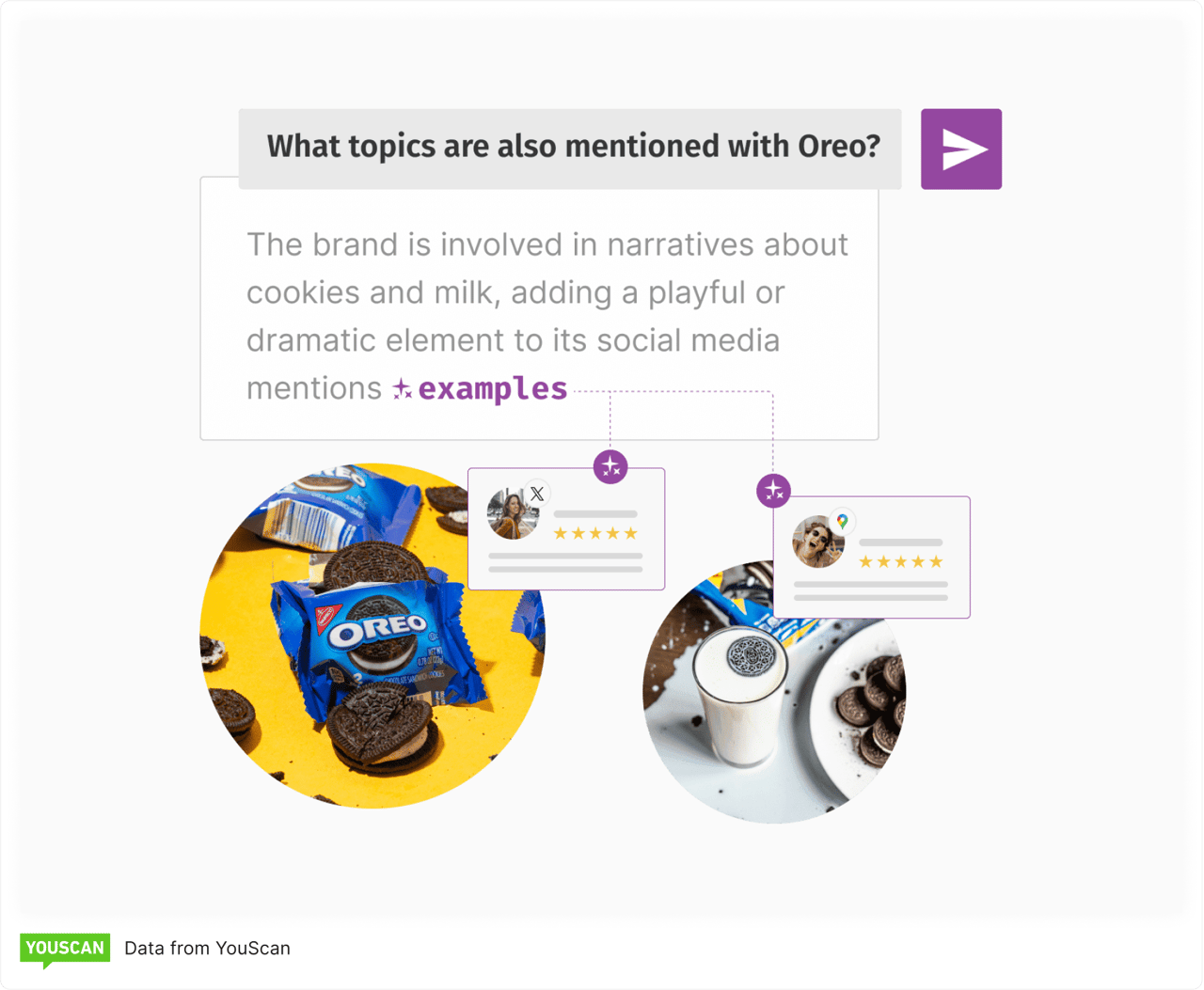
Beyond what you're putting out, pay attention to how people perceive your brand image. Social listening tools like YouScan can reveal how your audience talks about you—what associations they make and whether the conversations are positive or negative.
Step 2: Define your target audience
Your social media branding strategy should be built around a specific audience. Get clear on who you're trying to reach: their demographics, interests, challenges, and where they spend time online. Different social media platforms attract different user bases, so understanding your target audience helps determine where to focus your branding efforts.
Create detailed personas that go beyond demographics. What motivates your ideal customers? What problems are they solving? The better you understand your target audience, the more your branding efforts can resonate.
Step 3: Develop your brand guidelines
A style guide documents everything that makes your brand recognizable: your color scheme with hex codes, approved fonts, logo usage rules, brand voice and brand tone guidelines, and examples of on-brand vs. off-brand content. This ensures brand compliance across all social media managers and team members.
Your brand guidelines should be specific enough to ensure brand compliance but flexible enough to allow creativity. Include visual examples—showing is more effective than telling when it comes to brand standards.
Step 4: Create consistent branded content
Develop templates that reflect your visual identity—this makes it faster to create content and produce on-brand social media posts. Build an asset library with approved images, graphics, and brand elements. Tools like Adobe Express help you stay consistent even without design skills.
Stay consistent across multiple platforms, but adapt relevant content to fit each channel's format. Your brand should feel the same on Instagram and LinkedIn, even if the specific content looks different.
Step 5: Monitor and evolve your brand
Social media branding isn't a set-it-and-forget-it exercise. Use social media analytics to track how your content performs and what resonates. Pay attention to engagement patterns, sentiment in comments, and what your social media users share most.
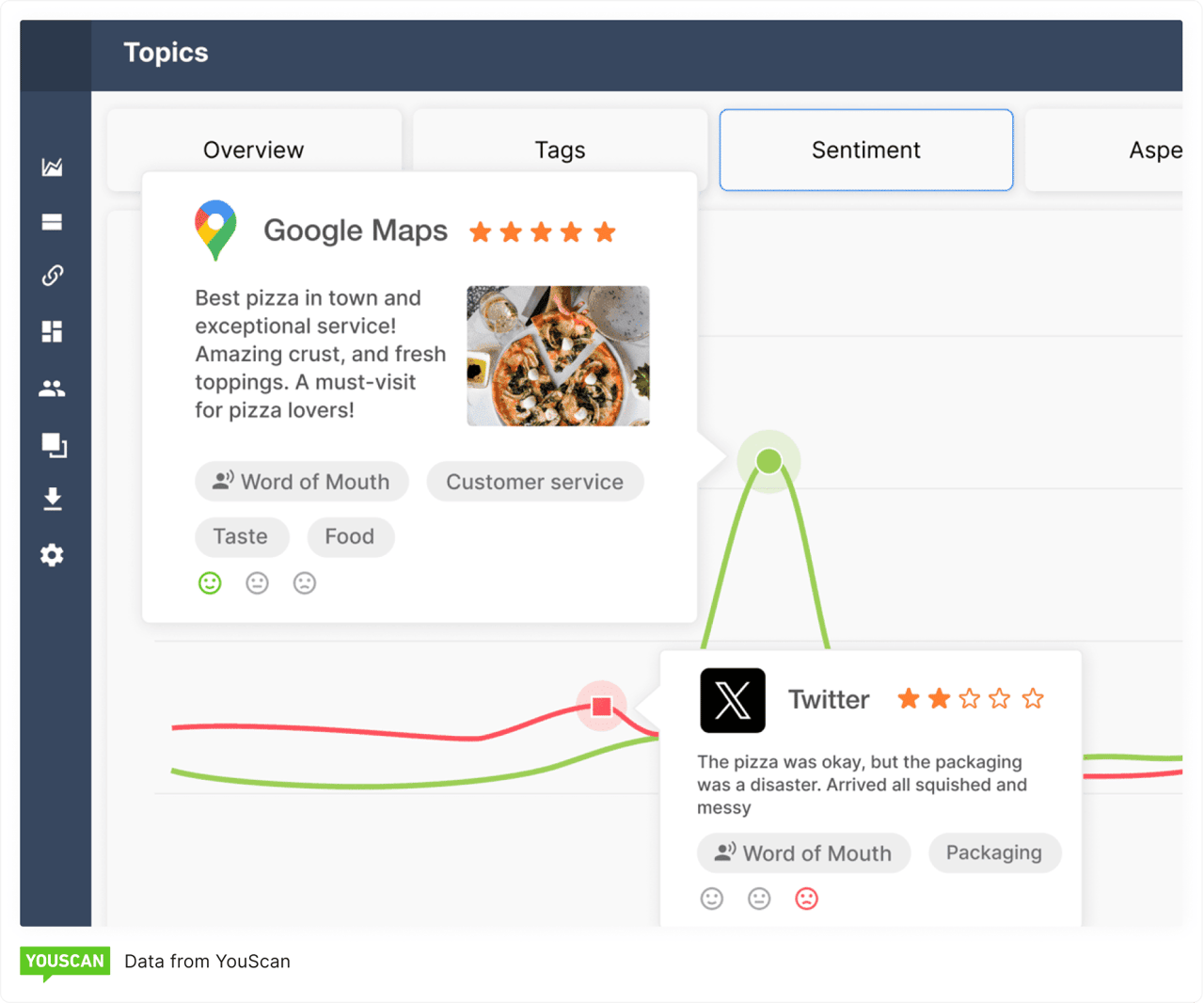
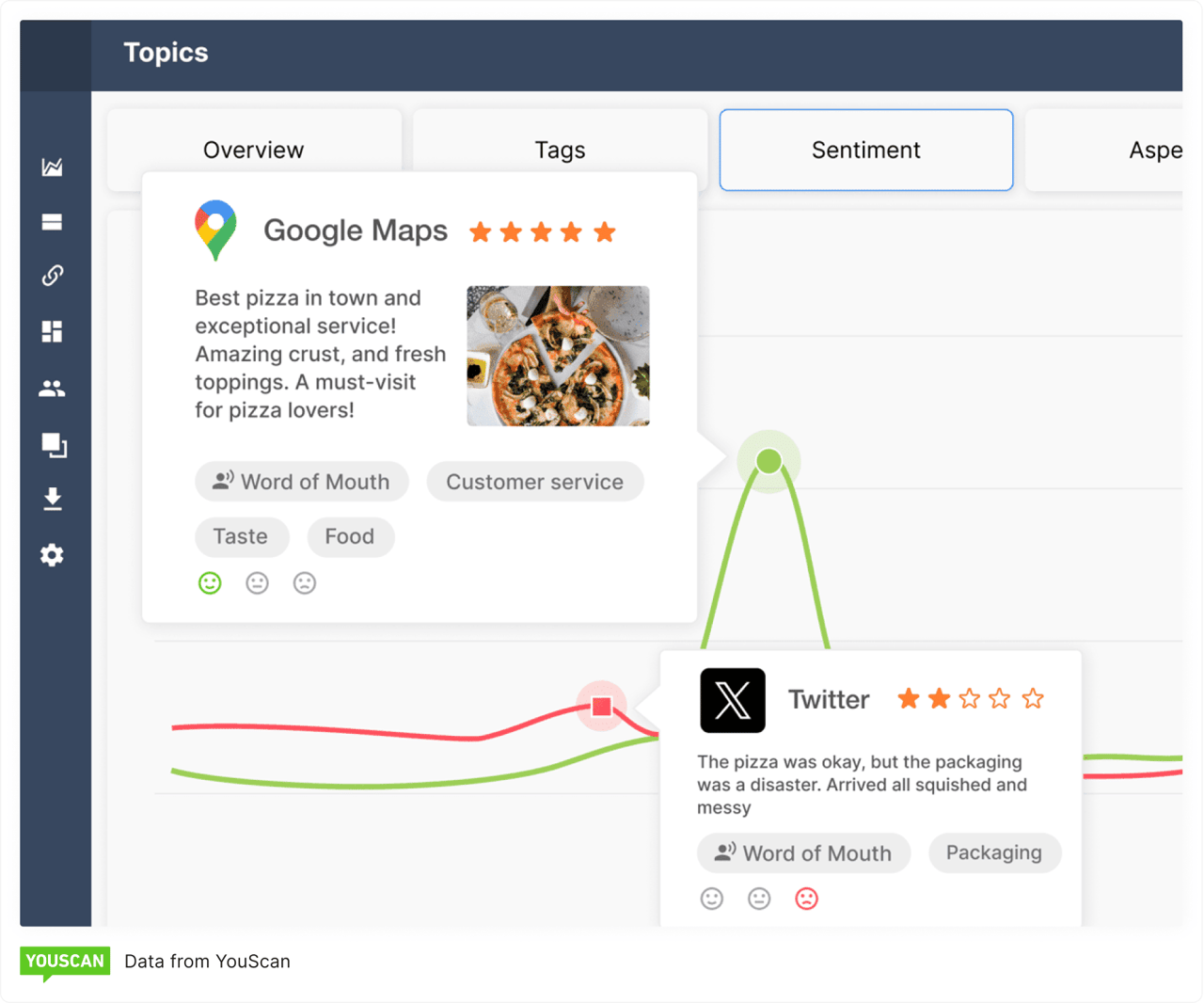
AI-powered tools like YouScan help marketing teams track brand mentions and analyze sentiment across social media channels. They can also capture insights from user-generated content, giving you a complete picture of brand perception. Your social media branding efforts should evolve based on what you learn while maintaining your core identity.


Social media branding by platform
Instagram is visual-first, so pay attention to grid aesthetics and use a consistent color scheme. Bright colors and cohesive imagery help your posts stand out. Stories and Reels offer opportunities to show personality beyond polished posts.
LinkedIn calls for a professional brand tone with personality. Employee advocacy amplifies reach—when team members share company content and engage with posts, they become brand ambassadors who extend your social media presence through their networks.
TikTok rewards authenticity over polish. Brands that succeed feel human and willing to poke fun at themselves. Participate in trends through your unique brand persona. Influencer marketing can also be a powerful tool here for reaching new audiences.
X (Twitter) is where brand voice matters most. The platform rewards wit, timeliness, and genuine engagement. Real-time responses shape brand perception and help you engage directly with your community.
Facebook excels at community building through Groups. Brands that create spaces for customers to connect build deeper loyalty and turn followers into loyal customers.
Reddit and Quora value genuine expertise over promotional content. Success comes through adding value to conversations. Brand reputation here is built through earned respect.
As new platforms emerge, evaluate whether they align with your target audience before investing branding efforts there. A focused social media strategy on fewer platforms often outperforms a scattered presence everywhere.
Social media branding examples to inspire you
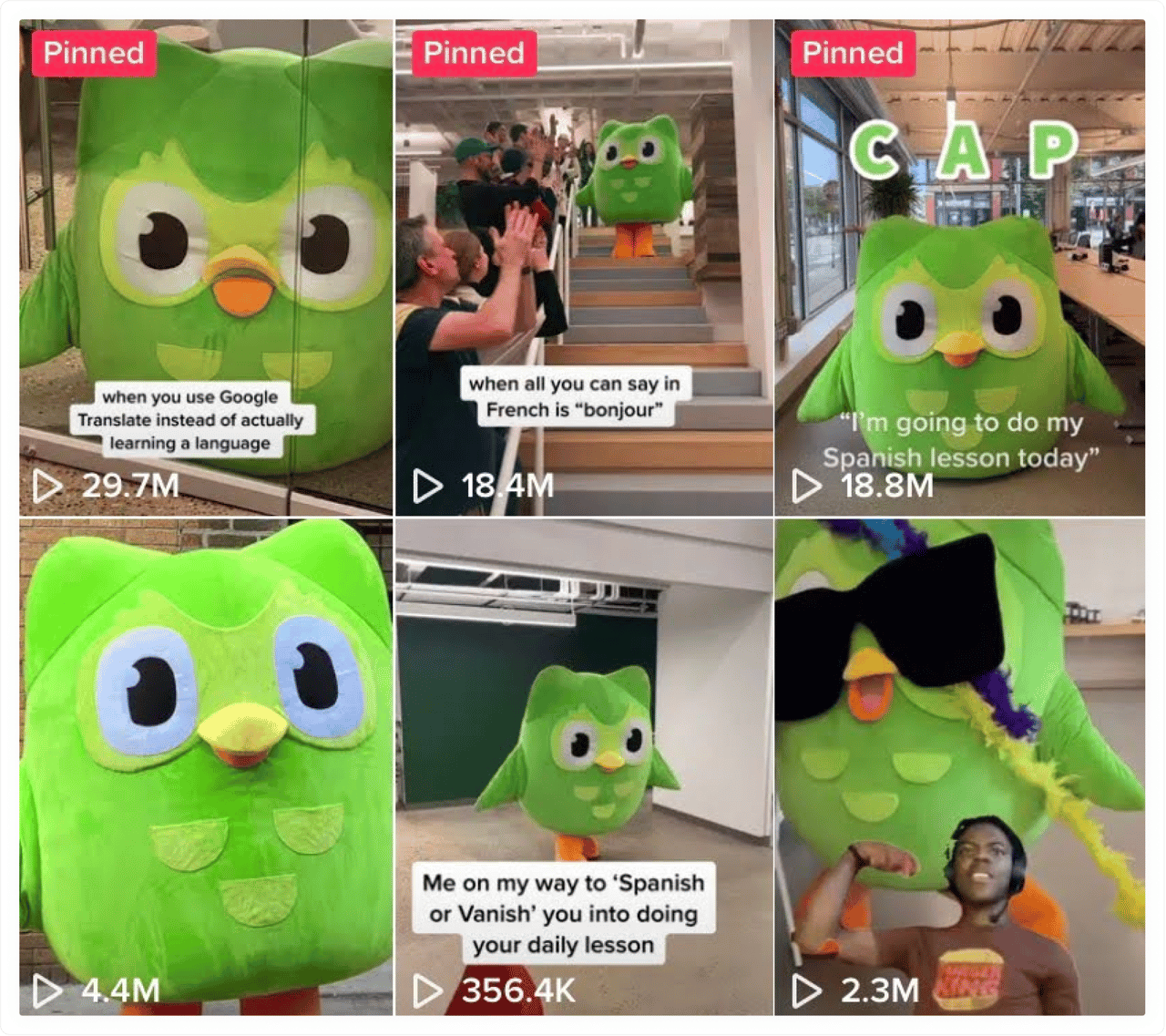
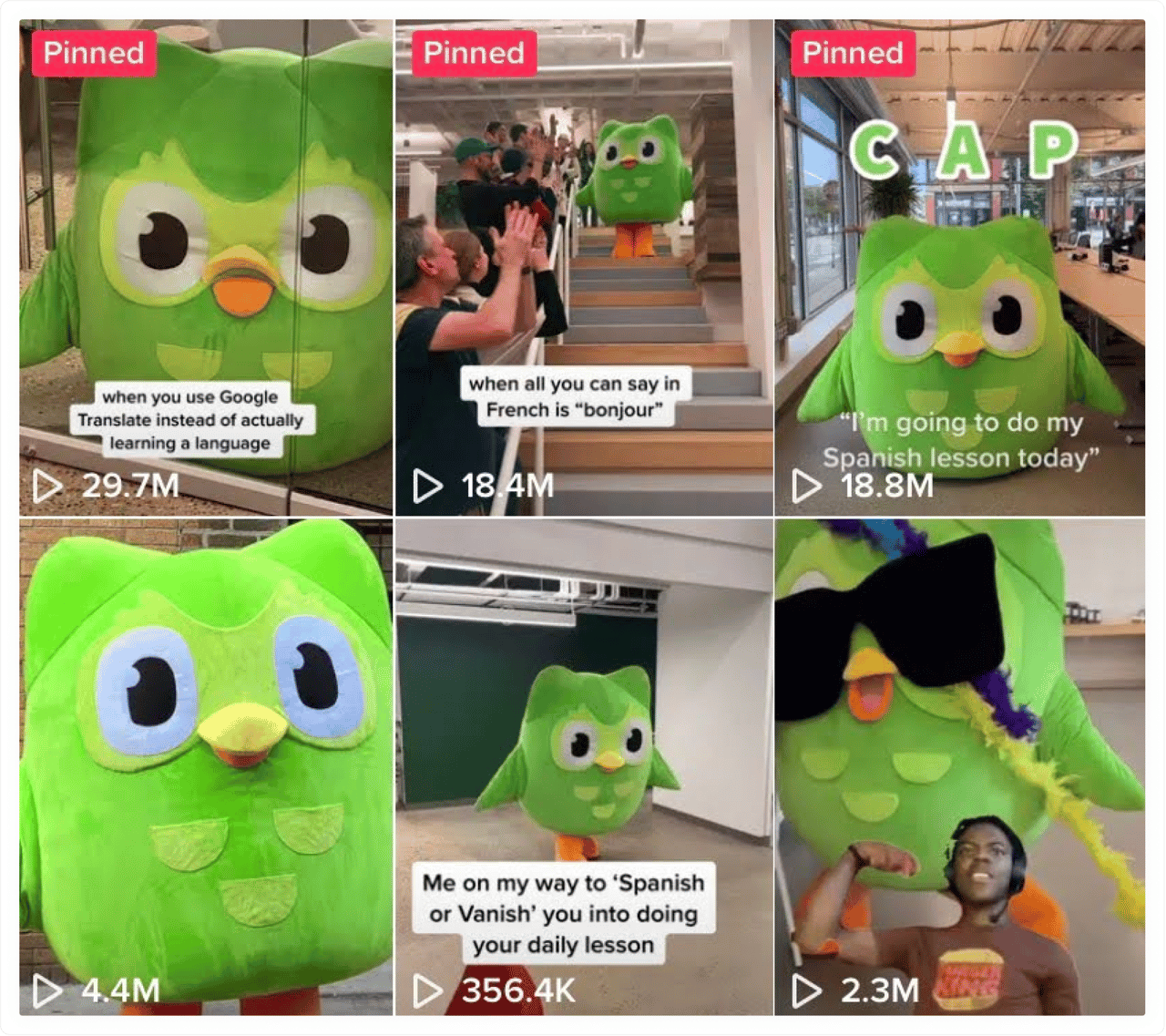
Duolingo transformed their TikTok presence by leaning into absurdist humor with their owl mascot. They understood the platform's culture and adapted their brand while remaining recognizable. Their success demonstrates how to embrace platform-native content without losing brand identity.
Patagonia demonstrates how brand values anchor your entire social media strategy. Their social media content reflects their environmental mission, making their brand story inseparable from their social media presence. Followers know exactly what Patagonia stands for.


Mailchimp proves B2B brands can have personality too. Playful illustrations, bright colors, and a friendly voice make them memorable. Their brand image shows that media branding done right creates lasting impressions regardless of industry.
Tools for social media branding and monitoring
Social listening and brand monitoring tools
Understanding how your brand is perceived requires more than tracking your own posts. Social listening tools monitor mentions across social platforms, blogs, forums, and review sites—giving visibility into conversations happening whether you're tagged or not. This is a powerful tool for understanding real brand perception.
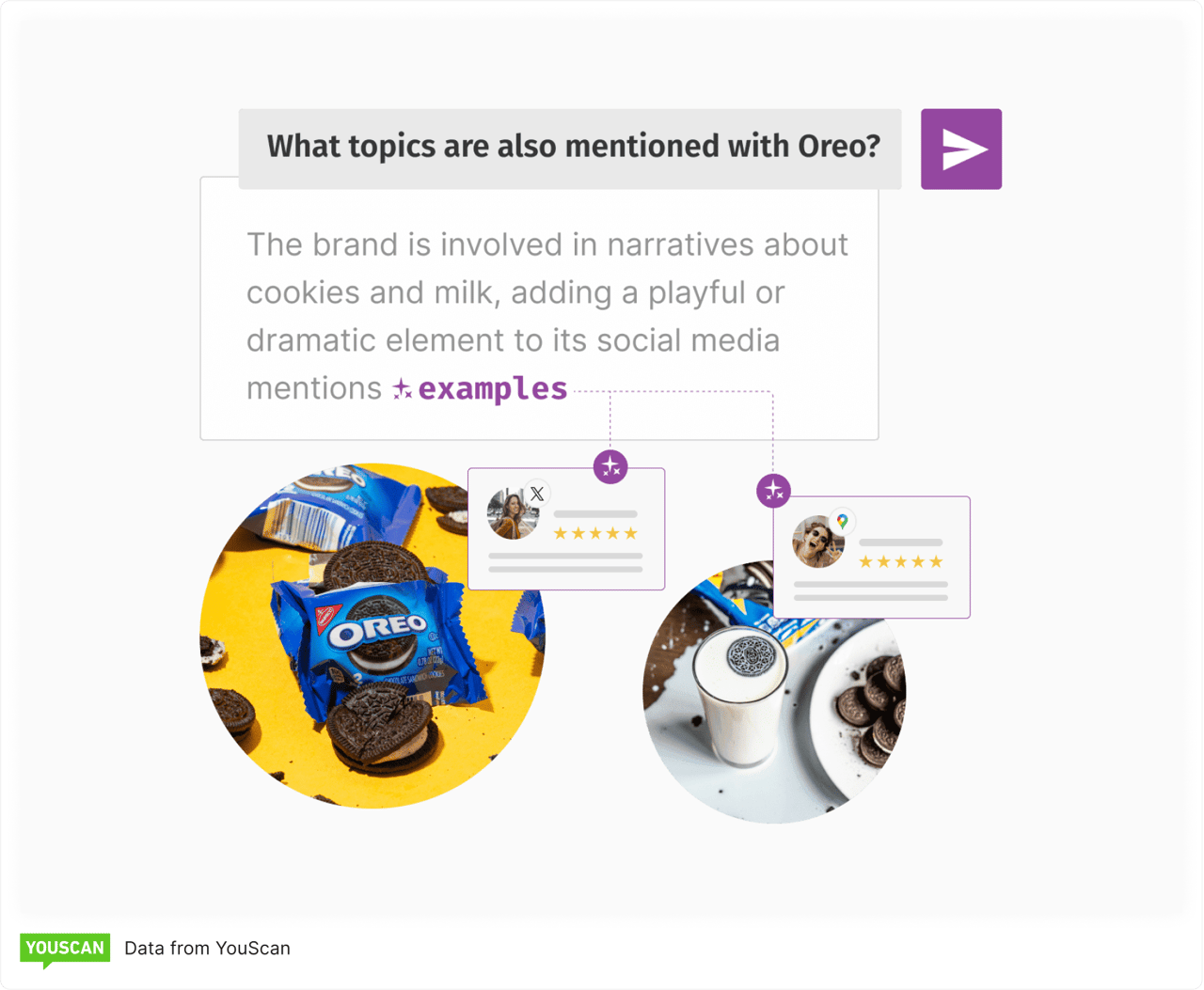
YouScan stands out with AI-powered visual insights that go beyond text analysis. The platform can identify your products or logos in images shared on social media, including user-generated content. For marketing teams serious about brand monitoring, this captures mentions that text-only tools miss entirely. Sentiment analysis reveals not just what people say, but how they feel.
Design and content creation tools
Creating consistent visual content gets easier with the right tools. Canva keeps your brand colors, fonts, and logos at easy access. Adobe Express provides templates to create content quickly, even without design skills.
Scheduling and management platforms
Social media management tools help you plan content across multiple platforms and maintain posting consistency. Many offer analytics dashboards that track performance alongside scheduling features.
Measuring your social media brand performance
Key brand awareness metrics
Track metrics that reflect brand visibility: reach (how many social media users see your content), impressions, and share of voice (your brand mentions compared to competitors). Brand mention volume over time shows whether your social media branding is building awareness or falling flat.
Sentiment analysis and brand perception
Volume of mentions only tells part of the story. Sentiment analysis examines whether mentions are positive, negative, or neutral—giving insight into how people feel about your brand. AI-powered sentiment tools can process thousands of mentions and identify sentiment patterns that manual review would miss.
As Amy Jo Martin, founder and CEO of Digital Royalty, observed: "Social media is changing the way we communicate and the way we are perceived. Every time you post a photo or update your status, you are contributing to your own digital footprint and personal brand."
Engagement and community health
Engagement rates reveal how compelling your social media content is. Look beyond likes to comments, shares, and saves—these deeper signals indicate genuine interest and show how well you engage your community. Track how your community responds over time to understand whether your branding efforts strengthen connections.
Common social media branding mistakes to avoid
Inconsistency across platforms confuses your audience and dilutes brand recognition. Your brand should feel the same everywhere. Review social media accounts regularly to ensure a consistent brand experience.
Ignoring audience feedback means missing valuable signals about what's working. Pay attention to comments and engagement patterns. Your audience will tell you what they want if you engage with them.
Neglecting visual identity happens when marketing teams get busy and post whatever's quick. Sloppy visuals undermine trust. Invest in templates that make brand compliance the default for social media managers.
Failing to monitor brand mentions means missing opportunities. People talk about your brand whether you're listening or not. Set up brand monitoring across social media channels to stay informed.
Build a brand people remember
Social media branding takes consistent effort, but the payoff is significant. When you build a recognizable, trustworthy social media presence, every piece of content works harder. Your marketing campaigns perform better. Your community grows stronger. And your brand becomes something people actually remember and recommend.
Start with fundamentals: know your target audience, define your visual identity and brand voice, and document everything in brand guidelines. Then stay consistent while you listen and adapt based on social media analytics.
Ready to see how your brand is really perceived on social media? Request a demo to explore how YouScan's AI-powered social listening can strengthen your social media branding efforts.
FAQs
What is social media branding?
Social media branding is the strategic process of creating and maintaining a consistent brand identity across social platforms through visual elements, brand voice, messaging, and brand values. It shapes how your target audience perceives your company.
Why is consistent branding important on social media?
Consistency builds brand recognition—research shows it takes five to seven brand exposures before people remember you. A consistent brand also establishes trust, differentiates you from competitors, and creates emotional connections with your audience.
What are the key elements of social media brand identity?
The core elements include visual identity (logos, brand colors, typography), brand voice and brand tone, content pillars and themes, brand values and brand story, and consistent messaging across all touchpoints.
How do I create a social media brand strategy?
Follow five steps: audit your current brand presence, define your target audience, develop detailed brand guidelines in a style guide, create content using templates and systems to stay consistent, and continuously monitor and evolve based on what you learn.