The Guide to Social Media Amplification: Strategies and Best Practices in 2026

You've spent hours crafting the perfect social media post. The visuals look amazing, the copy is engaging, and the message hits all the right notes—but then... nothing. It's as if you've hit publish and waited for the engagement to roll in, but all you get are crickets.
We've all been there—and it's not because our content is bad news. The truth is, Facebook's organic reach has taken a huge hit, down to a meager 2.6% on average in 2024, and Instagram posts are only reaching 4.0% of followers—an 18% drop from the year before. It's like your target audience is out there somewhere, but social media algorithms have made it next to impossible to actually find them with just organic content alone.
That's where social media amplification comes in. This guide is here to walk you through what social media amplification is all about, why it matters way more than just how good your content is, and how to set up a practical framework that gets your message in front of the right people at the right time.
What is social media amplification?
Social media amplification is the process of bumping up the reach and impact of your social media content beyond just your existing followers by using tactics like employee advocacy, influencer marketing, paid promotion, and community sharing. It's about combining organic shares, paid social ads, and third-party advocacy to get your content seen across major social media platforms.
Basically, creating content is just half the battle. Social amplification is what happens after you hit "publish" to make sure people actually see it.
Social amplification vs social media marketing
Here's a distinction that really matters: social media marketing is basically everything - from content creation and marketing strategy all the way to always-on brand presence and community management. Social media amplification, on the other hand, is all about social media content distribution and boosting the content you've already created.
Even if you've got a solid social media marketing strategy in place, you can still struggle with reach if you're not actively amplifying your best content. Media amplification takes what you've made and puts it in front of more eyeballs through multiple channels and tactics.
Why amplification matters more than ever
The numbers are pretty grim. According to Richmond & Towers, a Brunswick report shows that people trust a CEO who uses social media up to nine times more than one who doesn't - yet most companies still rely solely on their brand pages to get the word out.
Three forces are making amplification non-negotiable:
Declining Organic Reach. Social media algorithms now give priority to content from friends and personal networks over brand posts. Unless you're paying for visibility through paid advertising or using personal networks through employee advocacy, your content just sits there, unseen in the feed.
Content Overload. We're talking over 16,000 videos getting uploaded to TikTok every single minute. To stand out, you need more than high-quality content - you need multiple strategies around how that content gets distributed across multiple platforms.
ROI Pressure. Marketing teams are being asked to do more with less. Social media amplification efforts ensure that your content marketing investment pays off by maximizing reach, engagement, and conversions from every piece you create.
The foundations of an effective social media amplification strategy
Here's how to set a solid ground to start your organic social amplification efforts:
Start with clear goals and KPIs
Before you start amplifying content, you need to know what success looks like. Are you trying to build increased
brand awareness in a new market? Drive more website traffic to a product launch? Generate leads for your sales team?
Each goal needs specific key metrics to track how you're doing:
For brand awareness, you might track reach, impressions, engagement rate, and brand mentions.
For traffic goals, you'll be looking at click through rates, landing page visits, and bounce rates.
For lead generation, it's all about tracking conversions, form submissions, and cost per lead.
Know your audience and channels


Not all social media channels work the same way, and not all audiences hang out in the same places. Take some time to get to know your target audience through audience insights to figure out where they actually spend their time online.
Take a look at demographics, interests, occupations, and behaviour patterns. B2B companies might find potential customers on LinkedIn, while consumer brands see better engagement on Instagram or TikTok. Social media amplification tools like YouScan's Audience Insights can help you get a better sense of which social media platforms and content formats are going to resonate most with your specific audiences.


Build content worth amplifying
Here's a tricky truth: no amount of amplification is going to fix mediocre content. You need a foundation of high-quality content that people actually want to share.
The content that performs best for amplification tends to have these qualities: relevance to the real problems your audience is facing, emotional resonance that makes people feel something, visual appeal that stops the scroll, and clarity that makes the same message instantly understandable.
Some formats consistently do well: short videos under 90 seconds, carousel posts that tell a story, infographics that simplify complex information, and user-generated content that showcases real customer experiences.
The three pillars of social media amplification: Owned, paid, and earned
Here is how to separate those three:
Owned media - your baseline distribution
Owned media includes your brand's social media pages, email lists, website, and blog post channels - these are your "home base" for content distribution and give you complete control over messaging. Your own social channels play a crucial role as a source of consistent publishing, a place to keep churning out a steady stream of content.
Sure, organic reach on those channels has taken a hit lately, but they're still valuable for search engines, to build that all-important brand credibility, and as a destination for other social media amplification efforts to drive traffic.
Paid media - give your content a targeted boost
Paid media is all about those boosted posts, social media advertising, sponsored posts, and paid brand partnerships with publishers or influencers. Essentially, you're putting in ad spend in exchange for guaranteed reach to specific audiences - the people who matter most to you.
The key to doing paid advertising well is to use analytics tools to decide what's worth promoting. Take a look at your best-performing organic posts - the ones that get a lot of engagement, have a strong click-through rate, and are positively received by people-and then boost those paid ads to reach a broader audience. Use the platform's targeting options to focus your budget on the demographics most likely to actually convert.
Earned media - when others promote you of their own accord
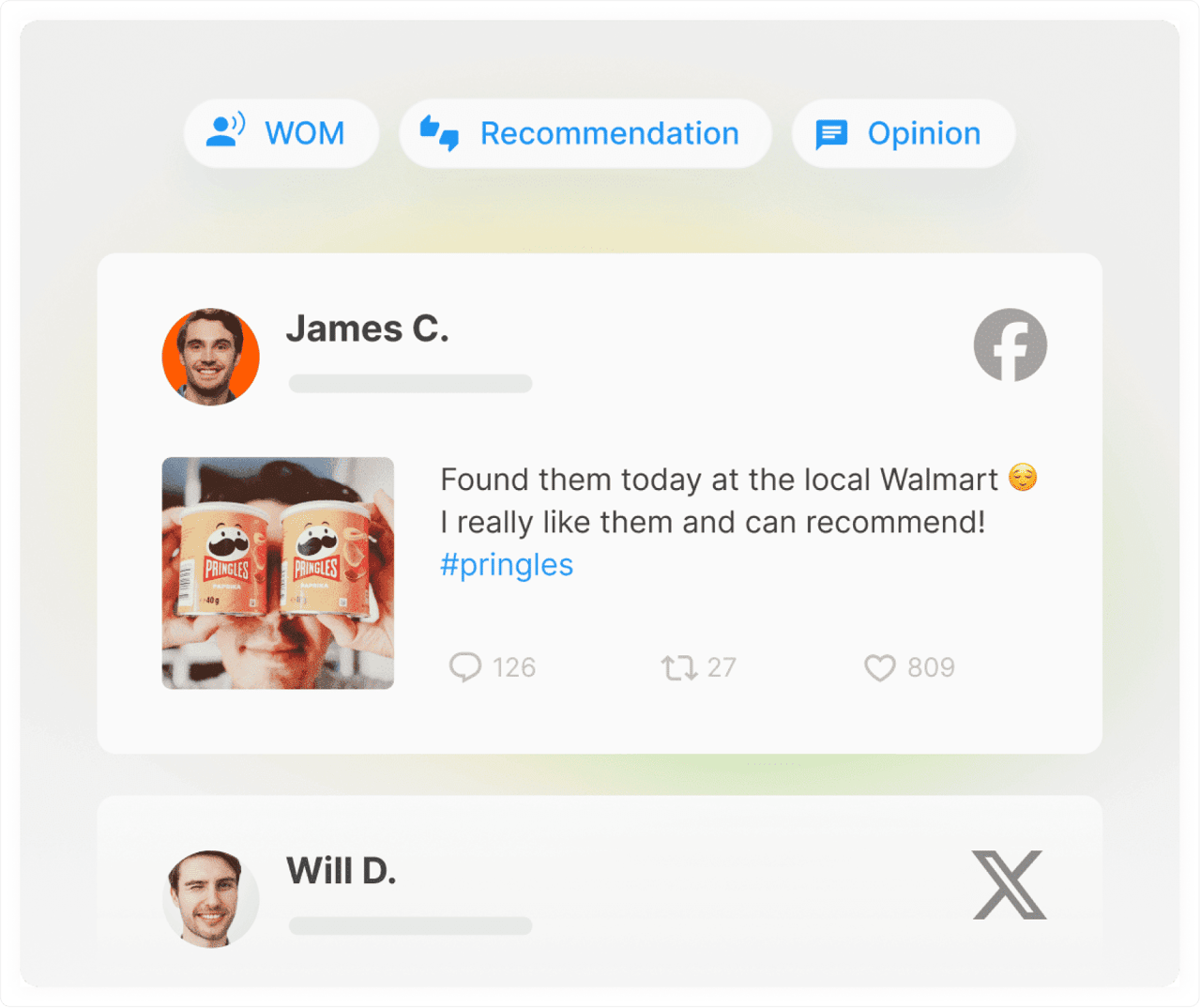
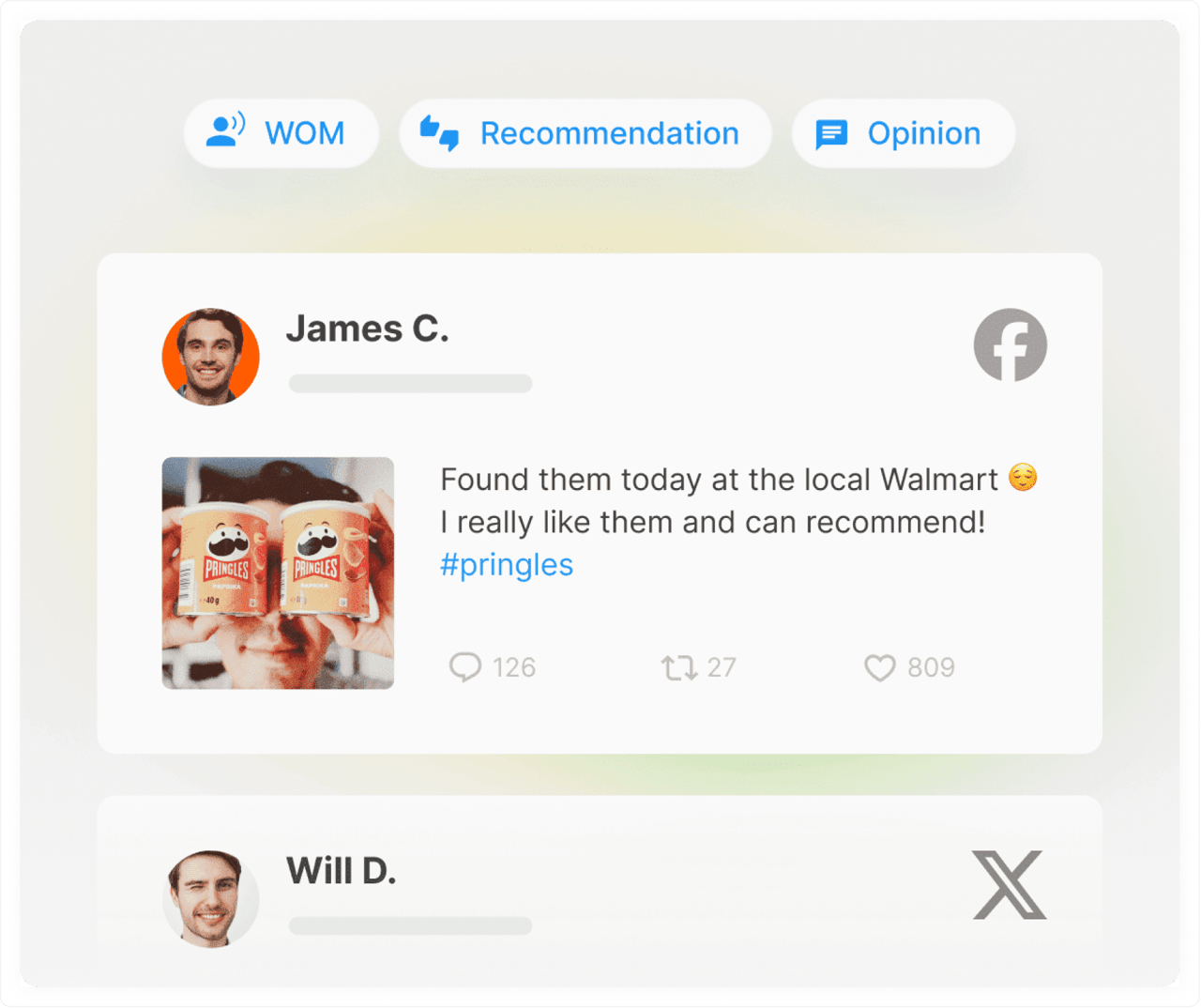
Earned media is the holy grail-when people voluntarily share and post content through their own employee networks. This can include employees sharing company content, encouraging customers to post about their experiences, human or virtual influencers mentioning your brand, and media coverage.
Using social listening to find the best opportunities to amplifying content
All the theory is nice and all, but how do you actually figure out where to adapt the amplification? We come with the answers.
Spot the content themes that are really worth talking about
Social listening lets you stop guessing and start knowing what your audience actually cares about. Instead of creating content based on hunches, you discover the topics that are already generating conversation and engagement across social media platforms.
Use social listening tools (YouScan) to discover which topics your audience really engages with, identify recurring questions that signal opportunities for future content, and find pain points your brand can address.
Identify the UGC and visual content worth trumpeting
Here's the thing that most brands keep missing: visual content without your brand name on it. Customers might post photos using your product, but never even tag you in the post.
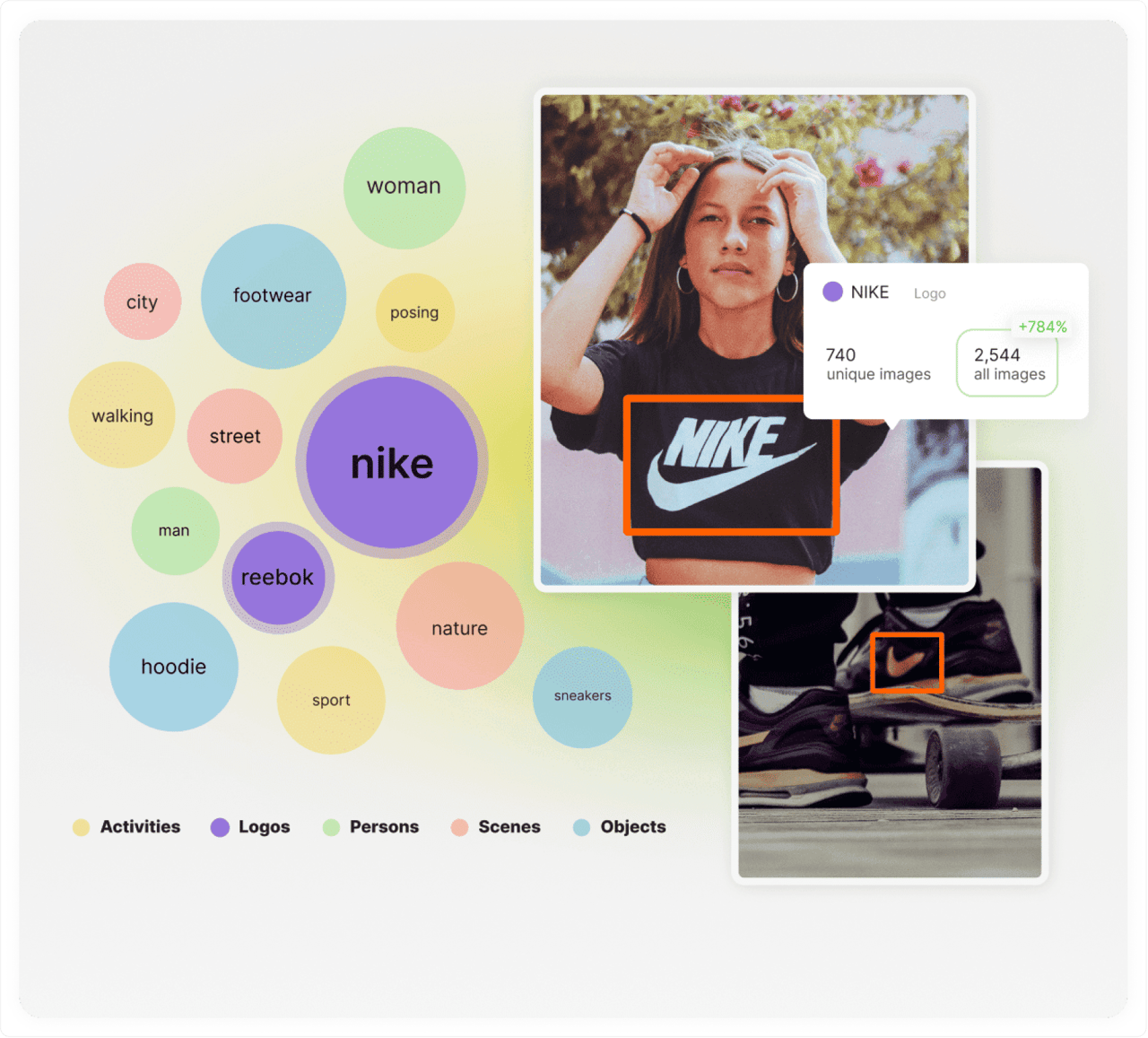
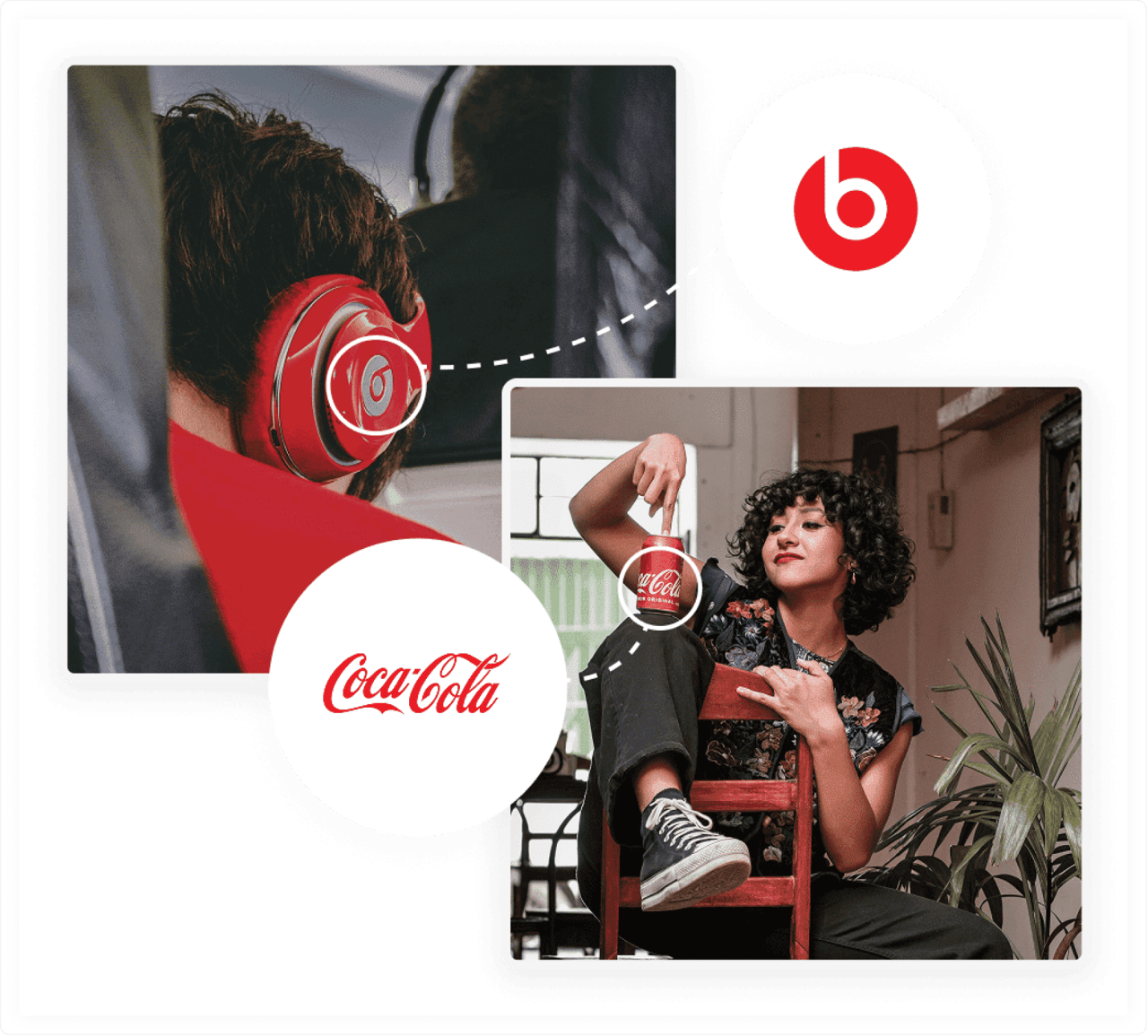
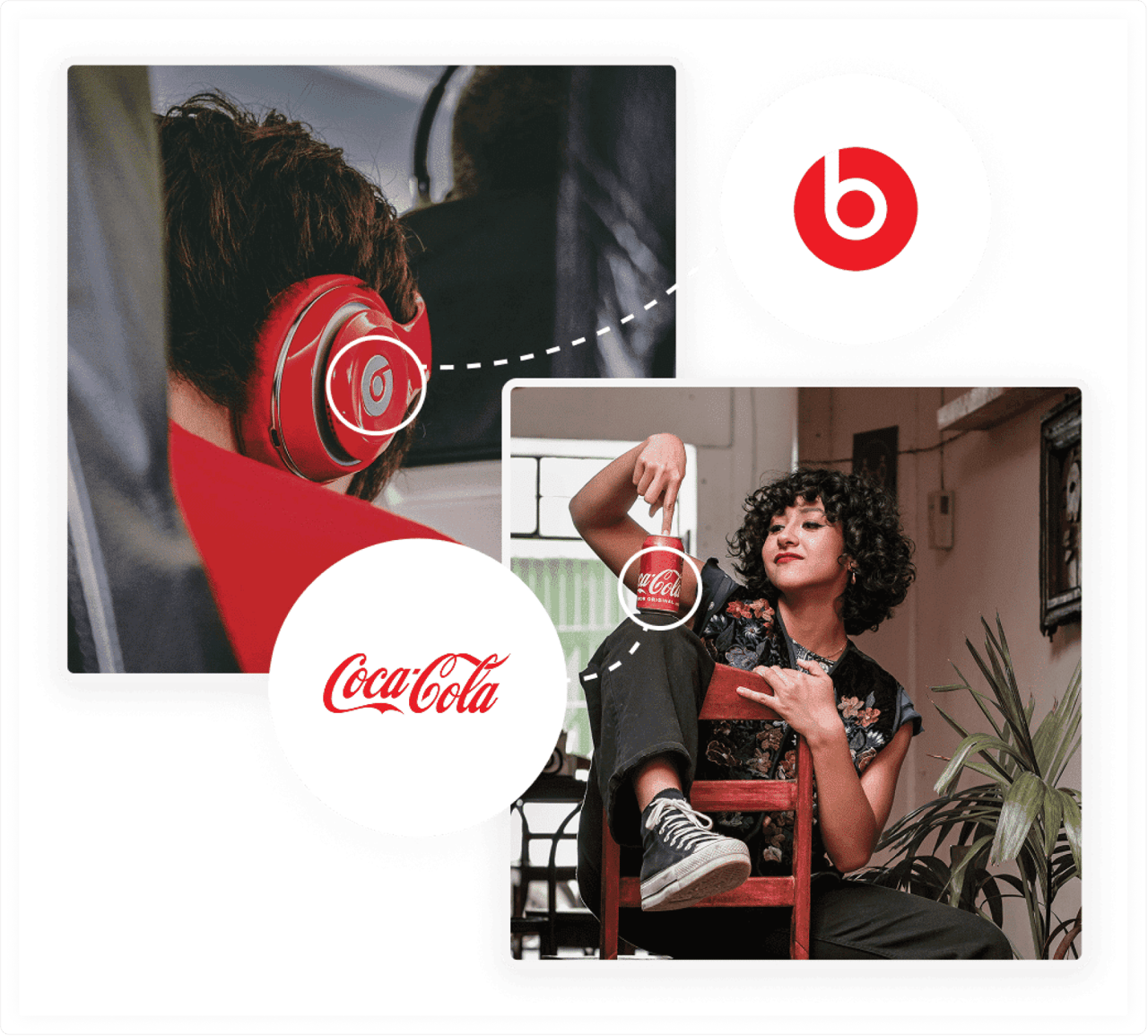
YouScan's visual analytics uses image recognition to find all the brand-relevant photos showing your logo, products, scenes, or objects - even when people don't mention your brand name in the caption.
Detect the advocates, influencers, and communities
Social listening reveals who's already talking about your brand or category, so they're natural brand partners for amplification. According to Ogilvy, 89% of big marketers now see their employees as influencers who could deliver huge value for their business.
Use social listening to identify influencers who frequently post positive content about your brand, spot niche communities like LinkedIn groups and branded hashtags that align with your brand values, and find micro-influencers whose audiences match your target customers. These are your potential partners for influencer brand partnerships and amplifying content through authentic advocacy.
A step-by-step social media amplification plan
Follow these steps to get the best out of your amplification efforts:
Step 1 – Choose one clear goal per campaign
Multiple goals dilute your social media efforts - pick just one primary objective for each campaign: launch awareness for a new product, sign-ups for a webinar, or trials for your service.
This clarity helps you choose the right content to amplify, pick the right social channels to use, and measure success accurately.
Step 2 – Let social listening guide your content choices
Don't guess which content is worth amplifying - let the data guide you.
Identify social media posts that are already performing well organically (high engagement relative to your baseline), topics that are generating strong conversation volume and positive sentiment in your category, and visuals that show real-world product usage that looks authentic rather than staged.
For example, if social listening reveals customers are really into sharing photos of using your product while traveling, that insight should guide both content creation and amplification strategy around travel-related messaging.
Step 3 – Map content to your amplification channels
Now plan your distribution across owned, paid, and earned channels to distribute content effectively:
Your own channels: Which brand profiles will publish that content? Where on your website will it live? Should it go out in your email newsletter?
Paid channels: Which posts deserve ad spend? What specific audiences should you target? What's your budget per platform?
Earned channels: Who might naturally share this content? Your employees? Customers who love this product? Brand partners who benefit from your success?
Step 4 – Get your employees and brand allies on board
Make it ridiculously easy for employees and partners to share your content through employee networks. Create content kits with pre-written copy (that they can personalize), social media posts in the right format for each platform, relevant visuals and links, and suggested branded hashtags.
Step 5 – Track performance and keep iterating with the insights
Amplifying your marketing without any actual data to back it up is basically just making a whole lot of noise. You've got to track key metrics - and that includes reach and impressions across all your different channels, engagement rate compared to the size of your follower base, website traffic coming to your website or landing pages, and the actual conversions that come from people who visit your social media presence. Don't forget to keep an eye on how you stack up against the competition, either.
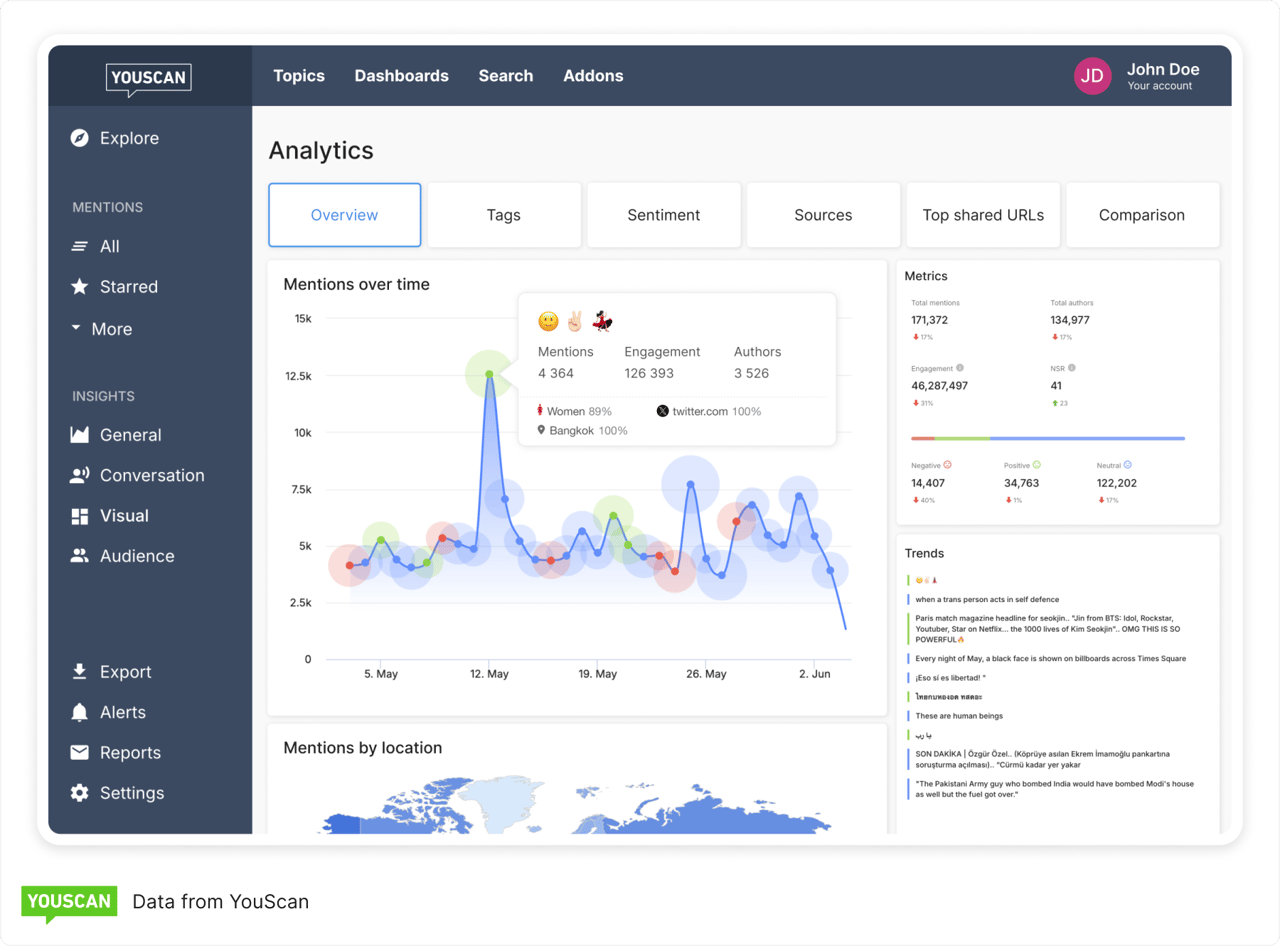
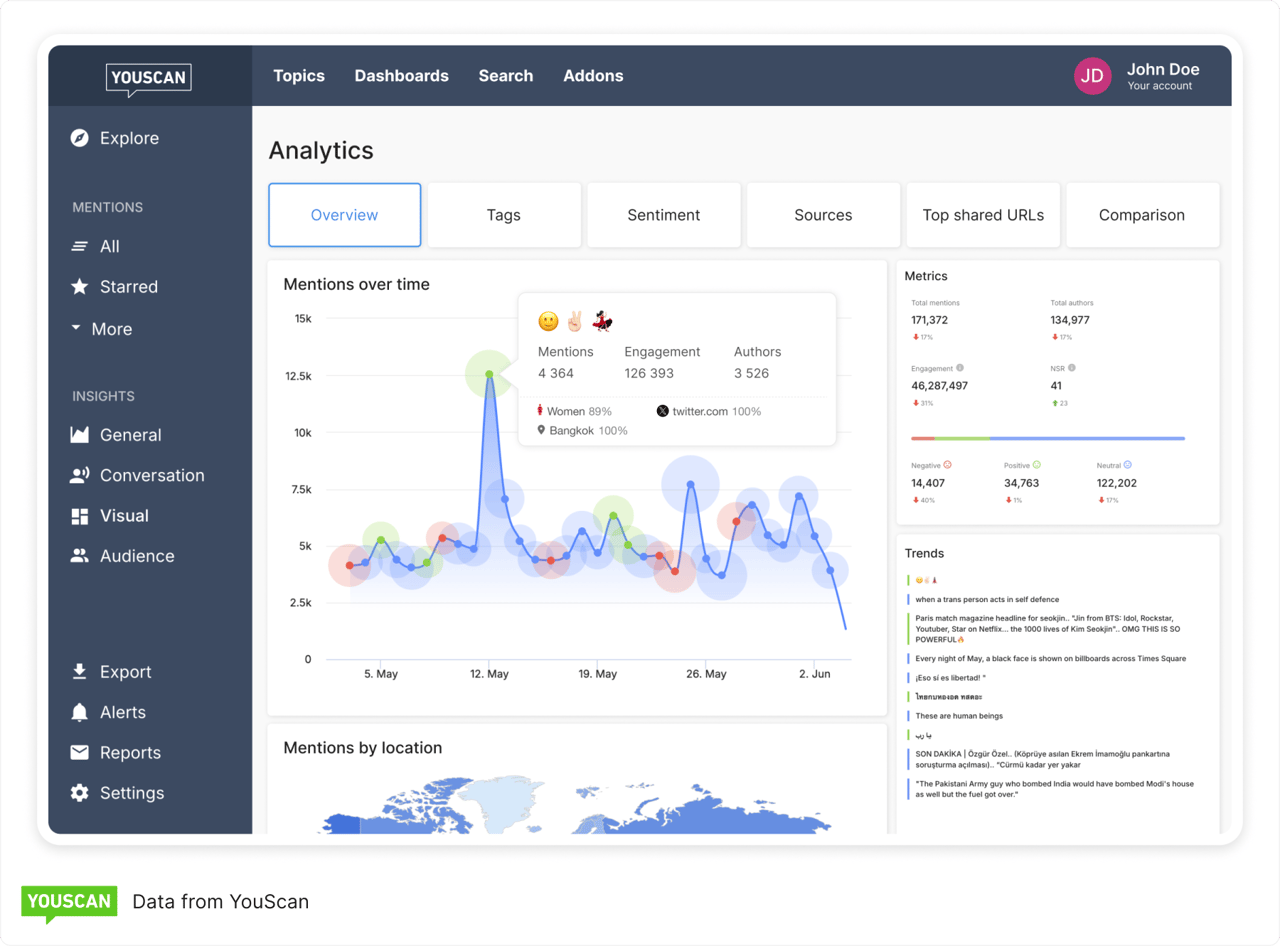
Platforms like YouScan are able to track brand mentions across all the social media platforms out there, measure shifts in how people feel about your brand during and after you run a campaign, and even compare your visibility to that of your competitors over time. They can even help you figure out which type of content and topics get the biggest bang for your buck and gain visibility in your market.
Examples of social media amplification in action
Below are hypothetical cases where social media amplification can come in handy. Obviously, you can adjust these according to your specific use.
Taking a customer story and turning it into a full-blown multi-channel campaign
Here's how it works: your social listening tool picks up on a customer raving about your product online, you reach out to get their permission to share it, then you re-share it on your own brand channels, give it a little extra push with some social ads targeting similar people, send it to your partners and employees with a nudge to share it as well, and maybe even embed it in a blog post or case study.
Suddenly, that one little piece of user generated content is getting seen by a whole lot of different people through all these different channels - and because it's coming from a happy customer, it's way more believable than anything your marketing team could come up with on its own.
Using visual insights to amplify some unexpected use cases
Let's say a fitness equipment brand discovers through some image analysis that people are actually using their resistance bands for physical therapy, not just workouts. This new insight reveals a whole new use case and audience segment that they may not have been thinking about before.
They then create high-quality content around this new use case, do some targeted social media ads to get the word out to physical therapists and rehabilitation specialists, partner up with some healthcare influencers to get the word out, and try to get some media coverage about all the cool recovery tools they have. All because some visual insights showed them how people are actually using their product.
B2B campaign amplified through employees and partners
Consider a software company that puts out some original research about trends in the industry. They then amplify this research by getting their employees to share it on LinkedIn with their thoughts, brand partners to incorporate it into their own leadership content, and do some targeted paid social ads to get it in front of C-suite executives at the companies they want to work with.
The result is that this research paper reaches way beyond just the company's immediate follower base, generates inbound leads from actual decision-makers, and helps position the brand as a leader in their industry.
Measuring the impact of social media amplification
Now is the time to learn where your focus should go and which tools you can use to support your efforts.
Key metrics to keep an eye on
What you're trying to measure will depend on what your goals are. If you're trying to boost visibility and get more eyeballs on your content, track reach and impressions across all your channels. If you want to see how well people are engaging with your content, look at your engagement rate compared to how many followers you have.
See how much website traffic is coming to your website from each social media channel using some UTM parameters, and track any actual conversions (signups, downloads, demo requests, purchases, etc.) from people who came from social media using analytics tools like Google Analytics or your marketing automation platform.
Also, keep an eye on share of voice to see how your brand is showing up in category conversations compared to your competitors, and sentiment analysis to see if your amplification efforts are making people feel more positive or negative about your brand.
Using social listening for a deeper dive into how your campaigns are working
Just looking at surface-level metrics gives you only part of the story. Social listening can help you see how conversations shift after you run a campaign, whether your social media efforts changed how people talk about your brand, and track visual mentions to see how your brand presence evolves over time.
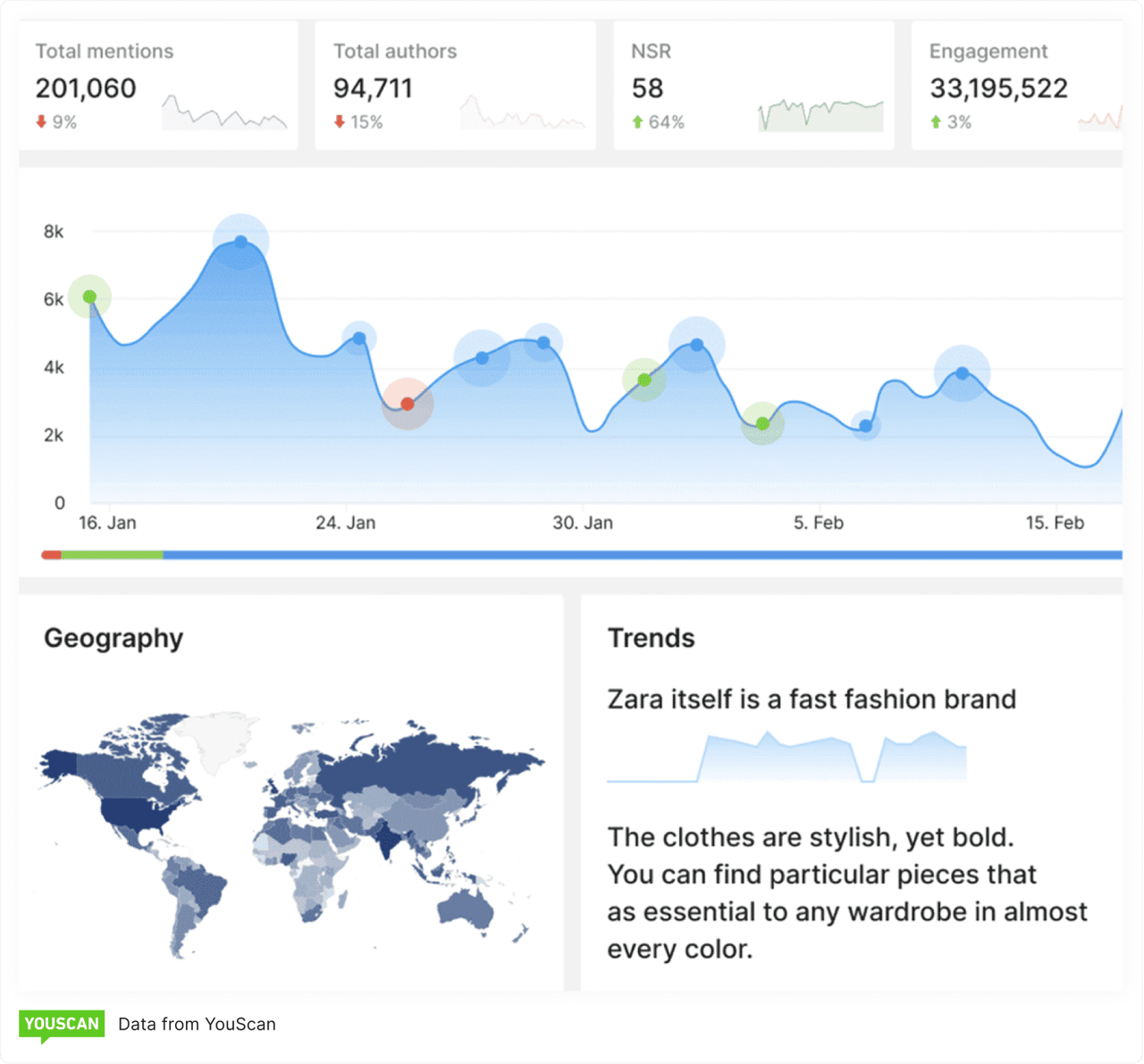
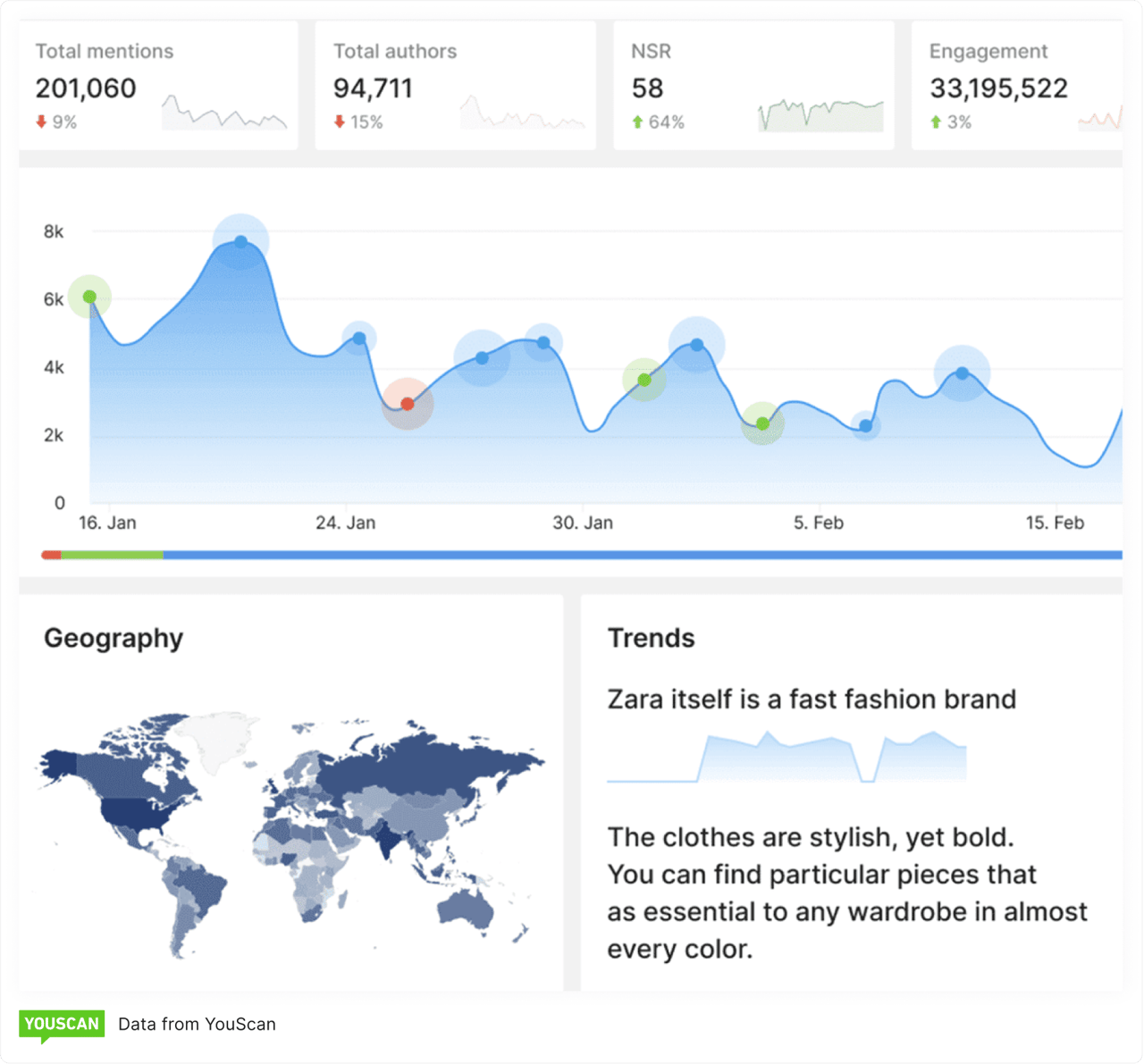
YouScan can help you understand all this, and even identify any new audience segments that you may not have known about before, and spot emerging trends that can help inform your future content.
Turning data into a better strategy
Good measurement is what drives a better marketing strategy. If you see that video content is getting three times more shares than static images, you'd better start creating more video. If LinkedIn is driving higher quality leads than Instagram, even if it's not getting as many engagement responses, you'd do well to allocate more resources to LinkedIn.
If a particular audience segment is really responding to your social media content, you might want to expand your advocacy program in that region or demographic. And if certain content formats just aren't performing well, it's probably time to stop wasting resources using traditional methods and double down on what's actually working.
How tools like YouScan supercharge your social media amplification
Social media generates millions of conversations every day - and you need social media amplification tools like YouScan to help you make sense of all that noise.
Turning a whole lot of noise into actually useful insights
YouScan uses AI social media metrics to analyze massive datasets and surface topic clusters showing what people are actually talking about, sentiment patterns showing how feelings toward your brand are changing, and emerging trends that you might not have seen otherwise.
This intelligence helps guide both what kind of content you create and how you go about amplifying that content across multiple social media platforms.
Spotting what others might be missing with visual insights
Here's where YouScan really shines - they use image recognition technology to detect your logo, products, scenes, and brand-relevant objects in photos across major social media platforms. This is often where you'll find 80% of your brand mentions that aren't even tagged with your branded hashtag.
These sorts of authentic visual moments - customers genuinely using and enjoying your products - are perfect for amplifying because they feel real and not manufactured. These numerous benefits of visual insights give you a competitive edge in content discovery.
Asking better questions with Insights Copilot
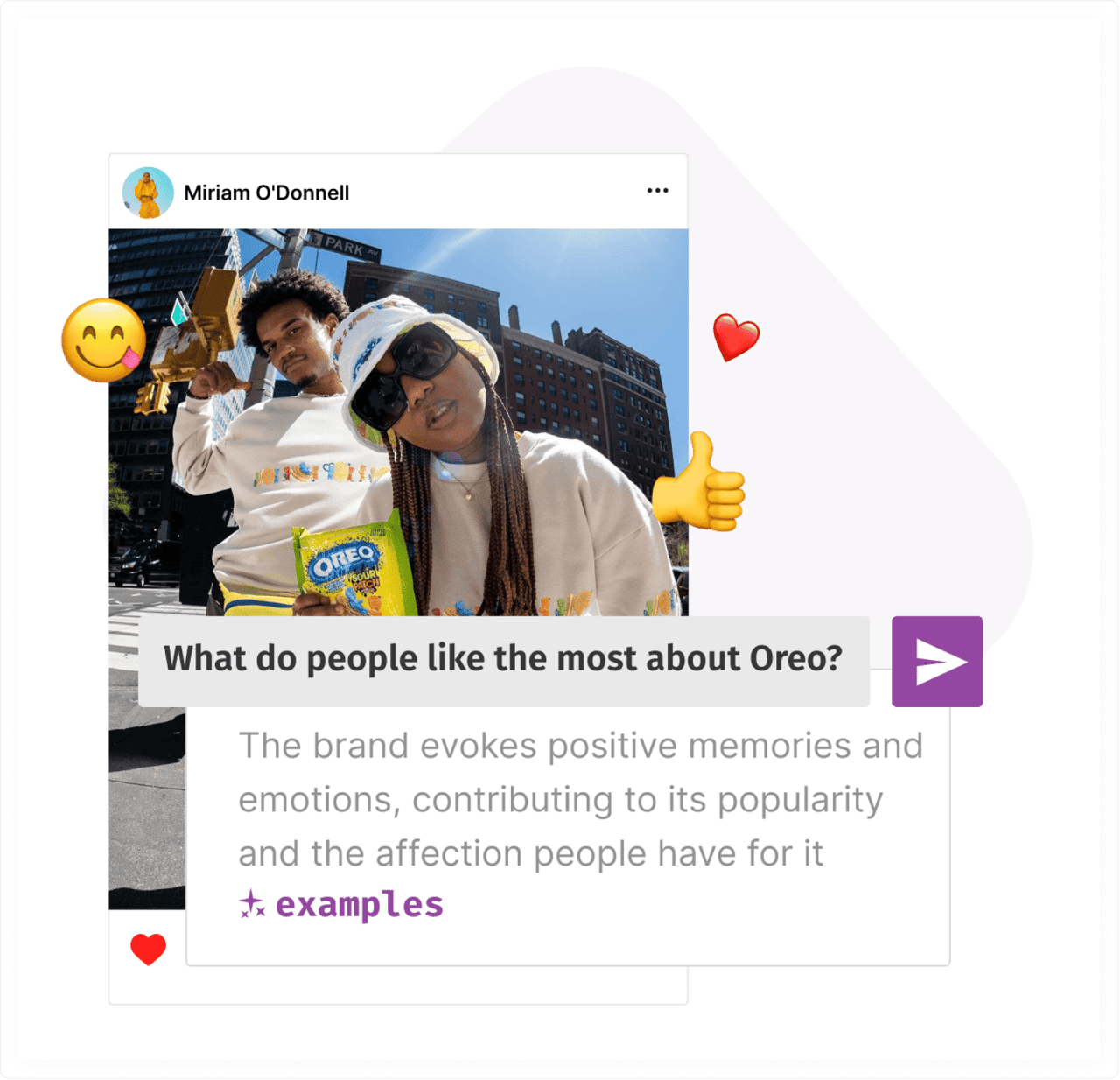
What if you could just ask your data a question in plain English, and get an actual answer? Insights Copilot is a conversational AI that adds a whole new layer to social listening, letting you ask things like "Which topics about our brand are most shareable?" or "Which platforms and formats perform best for our campaigns?"
No more manually analyzing reports - you get instant answers that can help you make smarter amplification decisions. If you want your brand amplification strategy to be guided by real consumer conversations instead of just hunches, social listening platforms like YouScan can give you the insight advantage. Check out Insights Copilot in action. You can also book a demo to discover what your audience is really telling you.
FAQs
What is social media amplification in marketing?
Social media amplification is the strategic process of extending the reach and visibility of content beyond its original audience through various distribution channels and tactics. It involves leveraging existing content to achieve broader exposure, increased engagement, and enhanced brand awareness across social platforms.
Why is social media amplification so crucial for brands right now?
Organic reach has just about tanked on all the big social media platforms - Facebook page owners are lucky to hit 2.6% reach, and on Instagram, your posts only reach a paltry 4% of your followers. That's where amplification comes in, using a combination of different channels to actually get your content in front of the people you want to be talking to and to make sure you're getting a return on your content marketing investment.
What sets social media amplification apart from social media marketing?
Social media marketing is all about creating content, coming up with a strategy, and keeping a social media presence across all the usual channels. Amplification is a much more focused approach - it's all about taking your existing content and getting it out there to a wider audience using multiple channels you've already got at your disposal - like paid advertising, influencer partnerships, and word of mouth.
What are examples of social media amplification tactics?
Employee advocacy programs
Influencer partnerships and collaborations
User-generated content (UGC) campaigns
Paid social media boosts and advertising
Community sharing initiatives
Cross-platform content syndication
Retargeting campaigns
Social media contests and giveaways