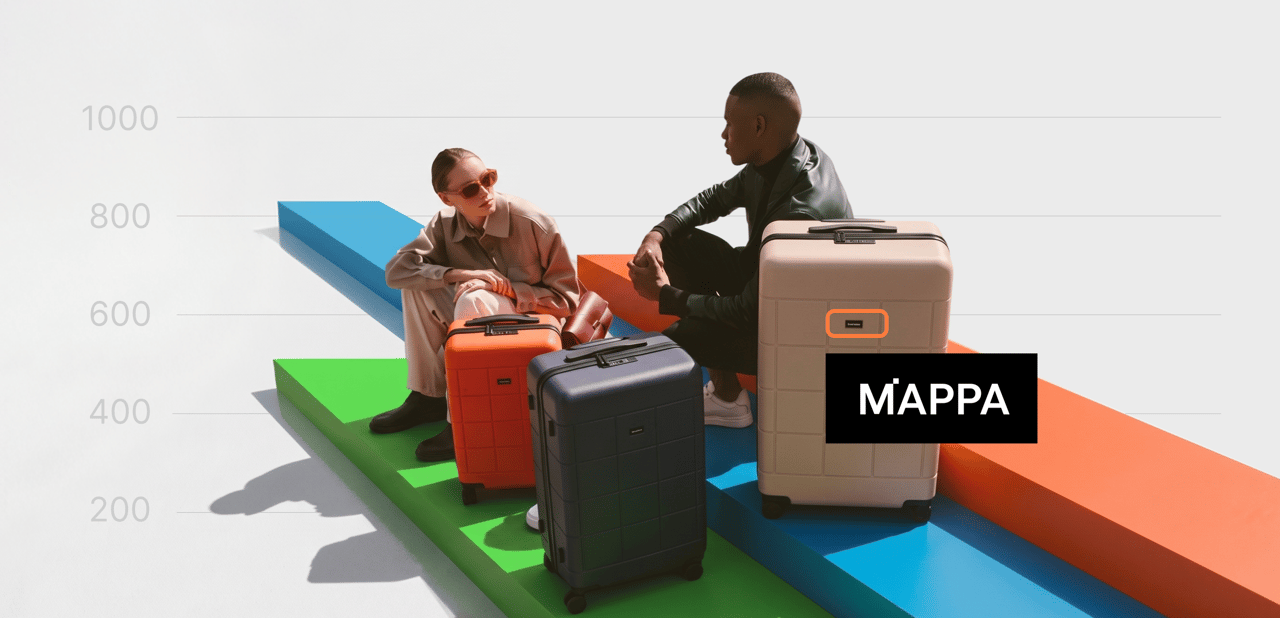
Logo Recognition: What It Is and How It Helps Your Brand
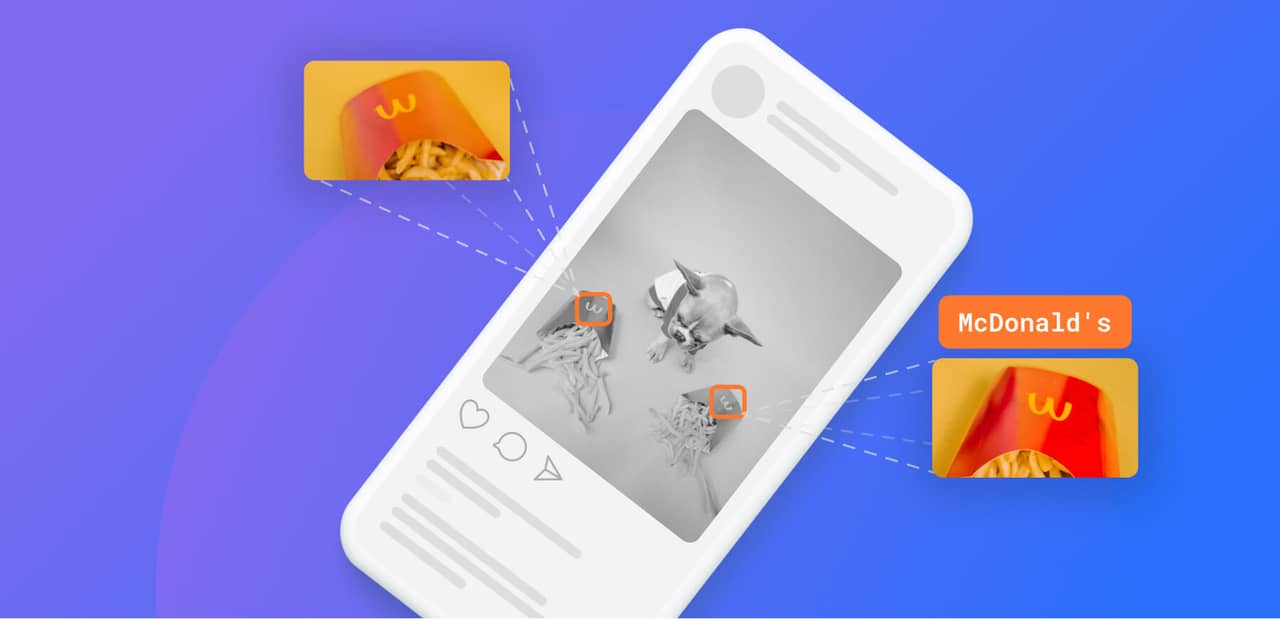

Every day, millions of images and videos are posted across social media platforms — and a surprising number of them contain brand logos without ever mentioning the brand by name. A fan wearing a Nike cap in a TikTok, a Coca-Cola bottle sitting on a desk in an Instagram story, a company logo visible in the background of a YouTube clip. Traditional text-based social media monitoring misses all of it.
That's where logo recognition comes in.
Logo recognition technology uses artificial intelligence and computer vision to identify logos in images, videos, and other visual content — even when nobody tags or mentions the brand. For marketers, brand managers, and analysts, it's the difference between seeing a fraction of your brand's online presence and getting the full picture.
How does logo recognition technology work?
At a technical level, logo recognition relies on machine learning models trained on large datasets of brand logos. These models learn to identify visual patterns — shapes, colors, spatial relationships — that make each logo distinct. When the system scans an image or video frame, it compares detected visual features against its database to identify logos it recognizes.
Most modern logo detection systems use deep learning architectures like convolutional neural networks (CNNs) or object detection frameworks like Faster R-CNN. These models can detect logos at different scales, angles, and levels of occlusion. So even if a logo is partially hidden, rotated, or shown on a screen in the background, a well-trained logo detector can still flag it.
Here's the typical process:
The system ingests an image or video frame. The model scans for regions that match known visual patterns. When it finds a match, it draws bounding boxes around the detected logos and returns data — which brand it is, where in the image it appears, and a confidence score for accuracy.
The best logo detection software can process this across thousands of social media posts per minute, making real time logo detection practical even at large scale.
Why logo recognition matters for brand visibility
If you're only monitoring text-based mentions of your brand, you're missing a significant portion of the picture. A large majority of images circulating online that display a product or logo contain no reference to the brand name in the accompanying text — a considerable gap in visibility.
Visual recognition technology addresses this issue. It enables brand visibility across social media, news outlets, video content, online marketplaces, and other channels, regardless of whether anyone has explicitly tagged or named them.
This matters for a few reasons:
You get a more accurate picture of brand presence. Text monitoring alone underestimates how often consumers interact with your brand. Logo detection across various media gives you a fuller, more honest view of where your brand shows up and how people engage with it.
You can measure sponsorship and event ROI. Think about sporting events. Brands spend significant money on sponsorships, but how do you know if your logo actually got meaningful screen time? A logo detection system can track logo appearances in broadcast footage and give you hard numbers — time on screen, size in frame, number of appearances. That data is worth real money.
You catch user generated content you'd otherwise miss. When customers post photos with your products, they often don't tag your brand. Logo recognition technology lets you find and analyze this content, giving you deeper insights into how consumers use your product in real life — which is gold for marketing efforts.
Key use cases for logo detection technology
Brand protection and unauthorized use
Counterfeit products are a real problem, especially on online marketplaces. Logo detection software can scan product listings and flag items using your brand logos without authorization. This kind of monitoring also catches unauthorized use of your brand in misleading ads or inappropriate content — helping you protect your brand reputation before things spiral.
Competitive analysis
Logo recognition isn't just for tracking your own brand. You can track competitor logos too. Want to know how often a competitor's logo shows up alongside yours at industry events? Or which brand gets more visibility in user generated content within your category? A good logo detection system makes that kind of competitive analysis straightforward.
Finding influencers who already love your brand
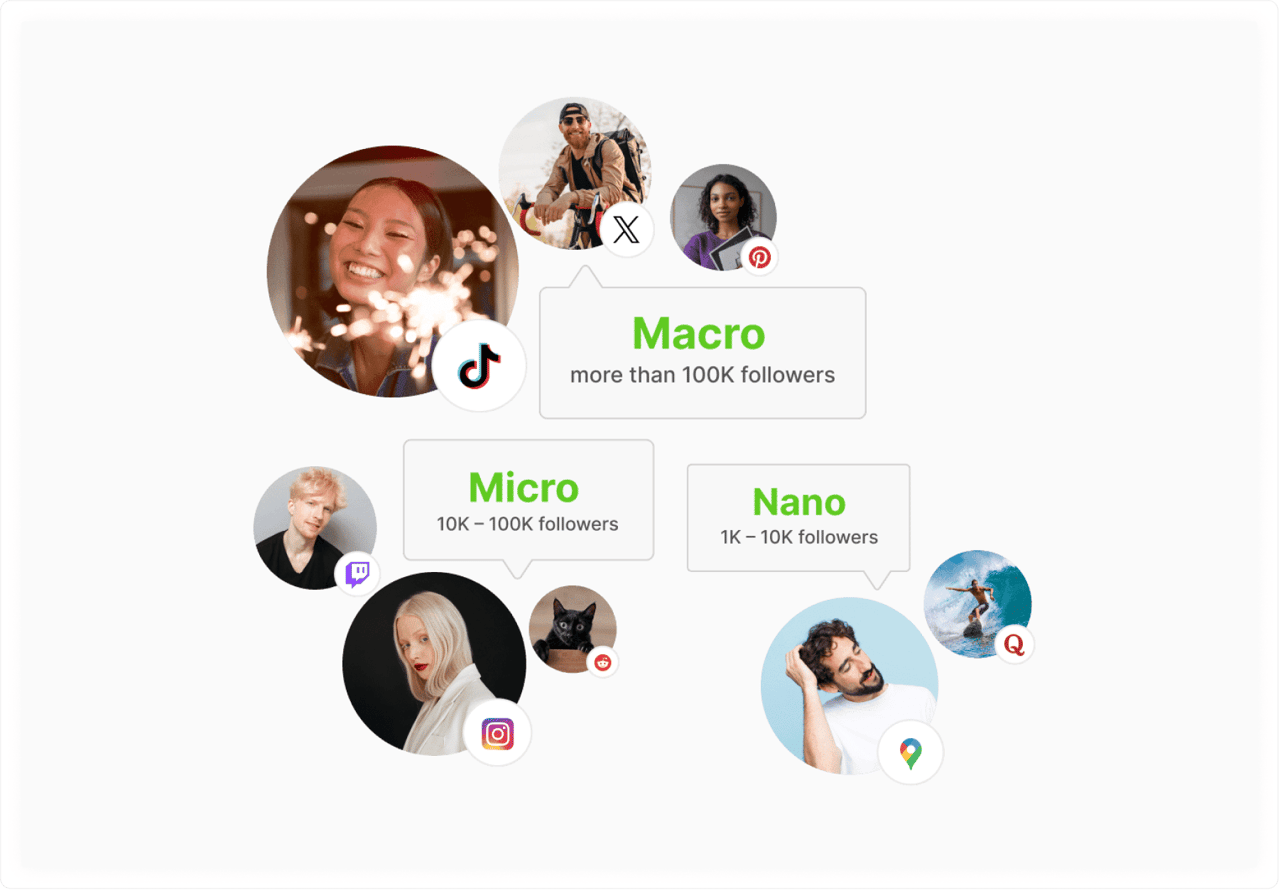
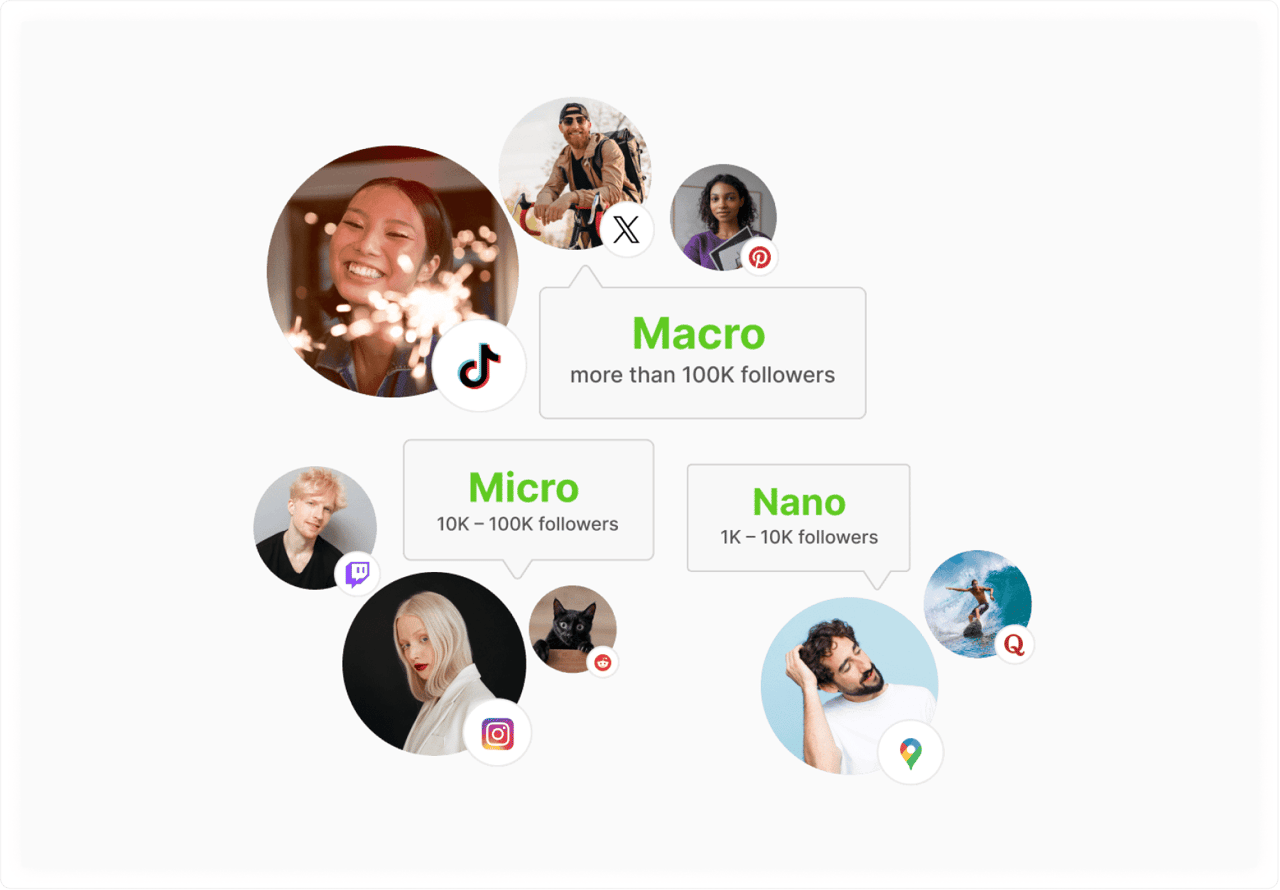
Here's a use case that often gets overlooked. When you can identify logos in social media posts, you can spot micro-influencers and brand advocates who are already featuring your products — even if they never tagged you. These are people who genuinely use and display your brand. That's a much stronger starting point for influencer marketing partnerships than cold outreach.
Monitoring brand logos in video content
Video is increasingly where attention lives, and logo detection in video is harder than in static images. But modern systems can analyze video content frame by frame, tracking when and where company logos appear, how long they stay on screen, and in what context. For brands investing in video advertising or sponsorships, this kind of data is essential.


What to look for in logo recognition software
Not all logo detection software is built the same. When evaluating options, pay attention to a few things:
Accuracy across conditions. Can the system detect logos that are small, partially hidden, or at an angle? High accuracy in controlled settings is one thing; real-world performance with messy user-generated content is another. Look for systems tested against large datasets of real social media images.
Coverage of media channels. The best tools monitor across social media platforms, news outlets, video content, forums, and online marketplaces. If a tool only covers one or two platforms, you're still leaving data on the table.
Speed and scale. For brands with significant online presence, you need a system capable of large-scale logo detection — processing thousands of images and videos quickly. Real-time logo detection lets you respond to trends, crises, or opportunities as they happen rather than days later.
Actionable insights, not just data. Raw detection counts aren't enough. You want a tool that helps you understand context: who's posting, what the sentiment is, and how your logo visibility compares over time. The goal is valuable insights that feed directly into marketing decisions.
How YouScan handles logo recognition
YouScan, a social media listening and visual insights platform, includes logo recognition as part of its broader image analysis capabilities. The system can detect brand logos in photos and videos across social media platforms — even when the logo is partially visible or captured at an unusual angle.
What makes this useful in practice is that it's tied directly into YouScan's social listening dashboards. So you're not just getting a count of detected logos — you're seeing that data alongside sentiment, engagement metrics, and author information. That combination lets you move from "our logo appeared 5,000 times this week" to "here's what that actually means for our brand."
You can explore more of the terminology behind these capabilities in YouScan's social listening glossary.
The technology behind logo detection: a closer look
For those curious about what's under the hood, logo recognition is a specialized application of computer vision — the branch of artificial intelligence that teaches machines to interpret visual information.
Early logo detection relied on matching specific visual features — edges, corners, texture patterns. Modern approaches use deep learning, where a model is trained on large datasets of logo images to recognize a new logo after seeing enough examples. Architectures like Faster R-CNN excel at both locating objects within an image (drawing those bounding boxes) and classifying what they are.
Training data matters a lot. A model trained only on clean, high-resolution images of company logos will struggle with the messy reality of social media — where logos appear on crumpled packaging, in dim lighting, or as a tiny detail in a crowded photo. The best logo recognition systems are trained on diverse, real-world data that accounts for these variations.
Machine learning also means these systems improve over time. As they process more images, detect more logos, and receive feedback on their accuracy, the underlying model gets better at handling edge cases.
What's next for logo recognition technology
Logo recognition is still evolving. A few trends worth watching:
Video analysis is getting faster and more accurate, making it practical to track logo appearances in live broadcasts and streaming content in something close to real time. Multi-modal analysis — combining logo detection with text and audio analysis — gives brands a more comprehensive analysis of how they're represented across media. And as social media platforms continue shifting toward visual and video-first formats, the importance of being able to detect and track brand logos in images and videos will only grow.
For brands serious about understanding their true presence online, logo recognition isn't a nice-to-have. It's a tool that fills a gap text-based monitoring simply can't cover.
Start tracking your brand logos today
Text-based social listening only tells half the story. If you want to see where your brand actually shows up — in photos, videos, and user generated content across social media platforms — you need logo recognition working for you.
YouScan's visual insights platform makes it easy to detect brand logos, track logo appearances, and turn that data into actionable marketing decisions. Want to see how it works with your brand? Request a free demo and find out what you've been missing.


FAQ
What is logo recognition?
Logo recognition is a type of AI-powered image analysis that detects and identifies brand logos in photos, videos, and other visual content. It uses machine learning models trained on large datasets to recognize logos even when they're partially hidden, rotated, or shown at unusual angles.
How is logo detection different from general image recognition?
General image recognition identifies broad categories of objects — a car, a dog, a building. Logo detection is more specialized. It's trained to spot specific brand logos and distinguish between visually similar marks, returning data like which company the logo belongs to, where it sits in the frame, and how confident the system is in its match.
Can logo recognition work on video content?
Yes. Modern logo detection systems analyze video frame by frame, identifying when and where brand logos appear, how long they stay on screen, and in what context. This is especially useful for measuring sponsorship ROI at sporting events or tracking brand presence in broadcast and streaming media.
Why should brands care about logo recognition?
Because text-based monitoring misses a huge portion of brand mentions. Many social media posts that feature a product or logo never tag the brand in the caption. Logo recognition software catches those visual mentions, giving you a far more accurate picture of your brand's true reach and visibility online.