How to Measure Social Media Engagement (The Complete Guide)


Here's what we've learned after years of helping brands decode their social media performance: measuring social media engagement isn't just about counting interactions. The smartest companies dig deeper into the quality, sentiment, and business impact of every comment, share, and click across all social media platforms.
This guide walks you through everything you need to know about how to measure social media engagement effectively. You'll discover which engagement metrics actually matter, how to calculate them properly, and most importantly, how to turn those numbers into actionable insights that grow your business and improve your social media success.
What is social media engagement?
Social media engagement measures how actively your target audience interacts with your content across social media platforms and social channels. This includes likes, comments, shares, saves, clicks, direct messages, brand mentions, and user-generated content that features your brand on each social network.
When measured correctly, social media engagement connects directly to business outcomes and offers valuable insights for your social strategy. Higher engagement typically leads to increased brand awareness, stronger customer loyalty, more website traffic, better conversion rates, improved customer satisfaction, and enhanced brand visibility and reputation.
Why measuring social media engagement matters for your business
Understanding the strategic importance of social media engagement measurement helps justify your social media efforts and optimize your social strategy for maximum impact.
From vanity metrics to meaningful insights
Not all social media engagement metrics carry equal weight. Vanity metrics like total likes might feel good, but they don't tell you much about business impact or provide valuable insights for your social media strategy. Meaningful key metrics focus on actions that indicate genuine interest: comments that spark conversations, shares that expand your reach, and clicks that drive website traffic to your social media account.
The difference matters because meaningful engagement signals intent. When someone takes time to comment on your post or shares it with their network, they're investing effort beyond a quick double-tap, demonstrating stronger customer engagement.
How engagement supports brand growth and SEO
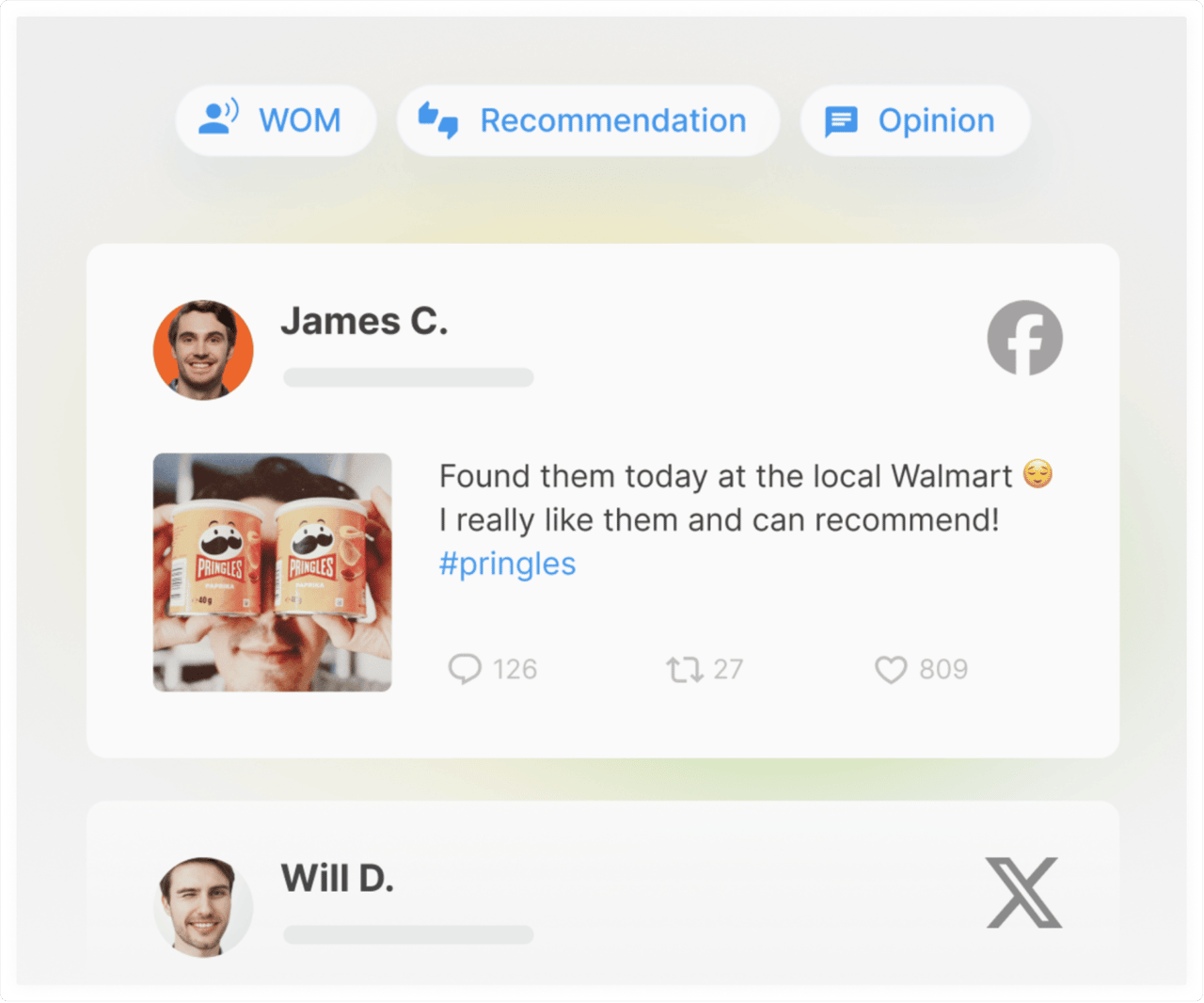
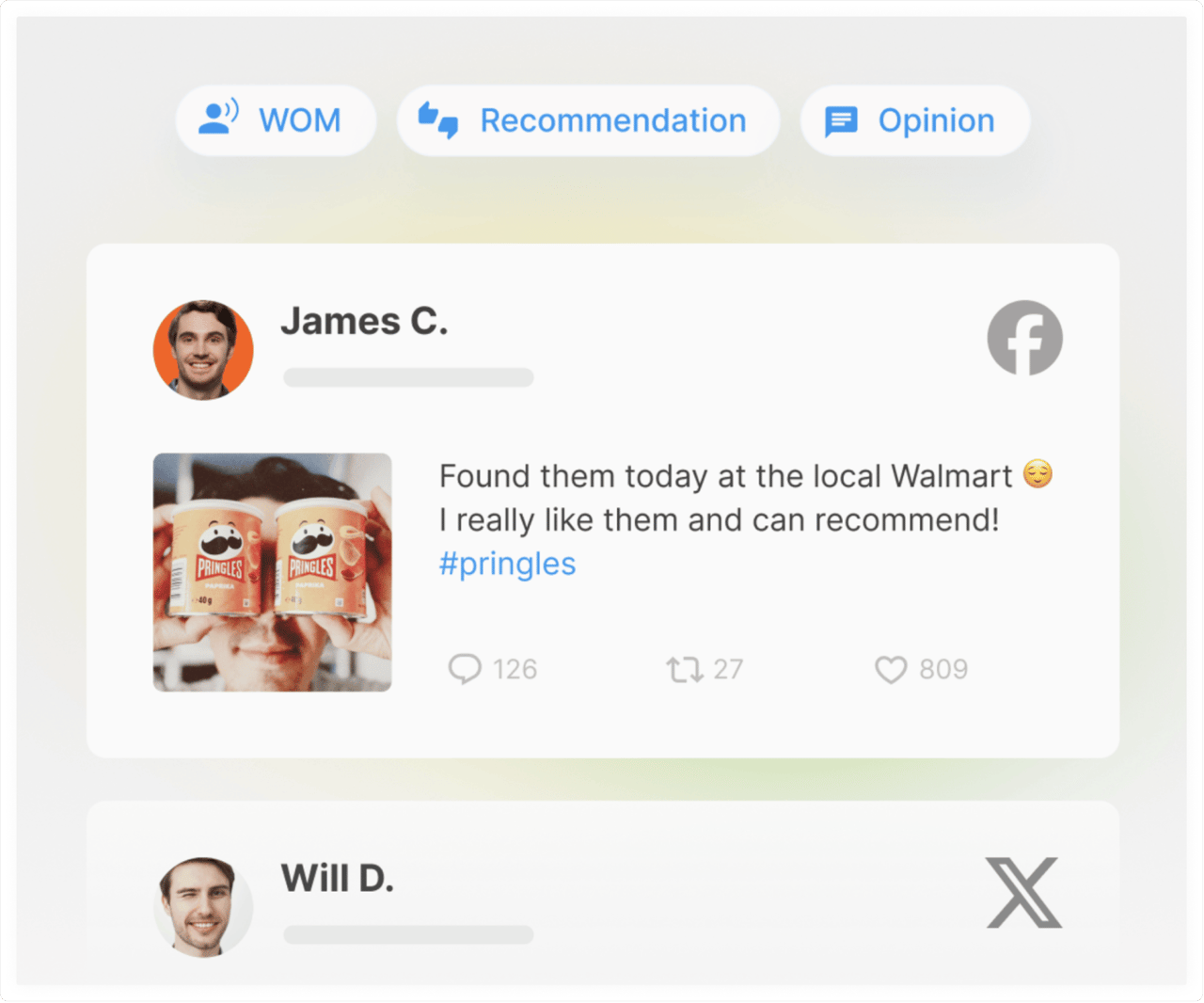
Your engaged social media presence creates ripple effects that extend far beyond the social media platforms themselves. Higher engagement rates increase branded search queries as people remember your content and seek you out directly in Google Analytics. This leads to more high-intent website traffic from users who already know and trust your brand.
Search engines also pay attention to social signals from your social media channels. While social media doesn't directly impact search rankings, the behavioral signals from engaged audiences—like longer time on site and lower bounce rates—do influence SEO performance. When your social content drives quality traffic, those visitors tend to stay longer and explore more pages, improving overall performance metrics.
Executive questions engagement data can answer
Strong social media analytics help you answer the questions that actually matter in boardroom discussions and demonstrate the value of your social media efforts:
"Are we resonating with our target audience?" Look at engagement rates segmented by audience demographics and characteristics.
"What content resonates with our audience?" Analyze performance data by topic, format, and messaging approach to understand which individual posts drive the most positive engagement.
"How do we compare with competitors on engagement and customer sentiment?" Track share of voice and relative engagement rates in your industry to measure success against the competition.
The core social media engagement metrics to track
Let's explore the essential social media metrics that provide a comprehensive understanding of your social media performance and help you make data-driven decisions.
Interaction metrics (likes, comments, shares, saves, clicks)
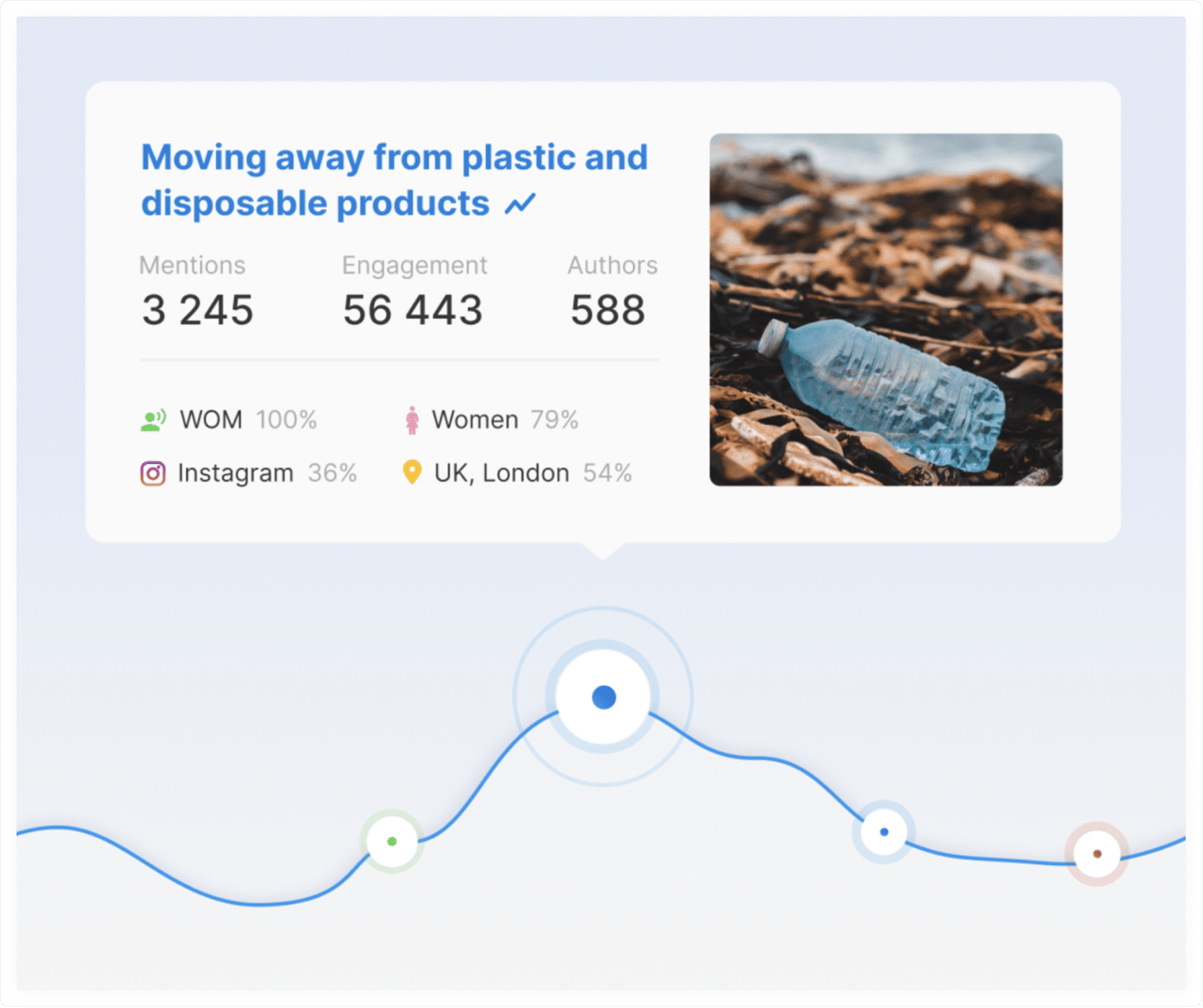
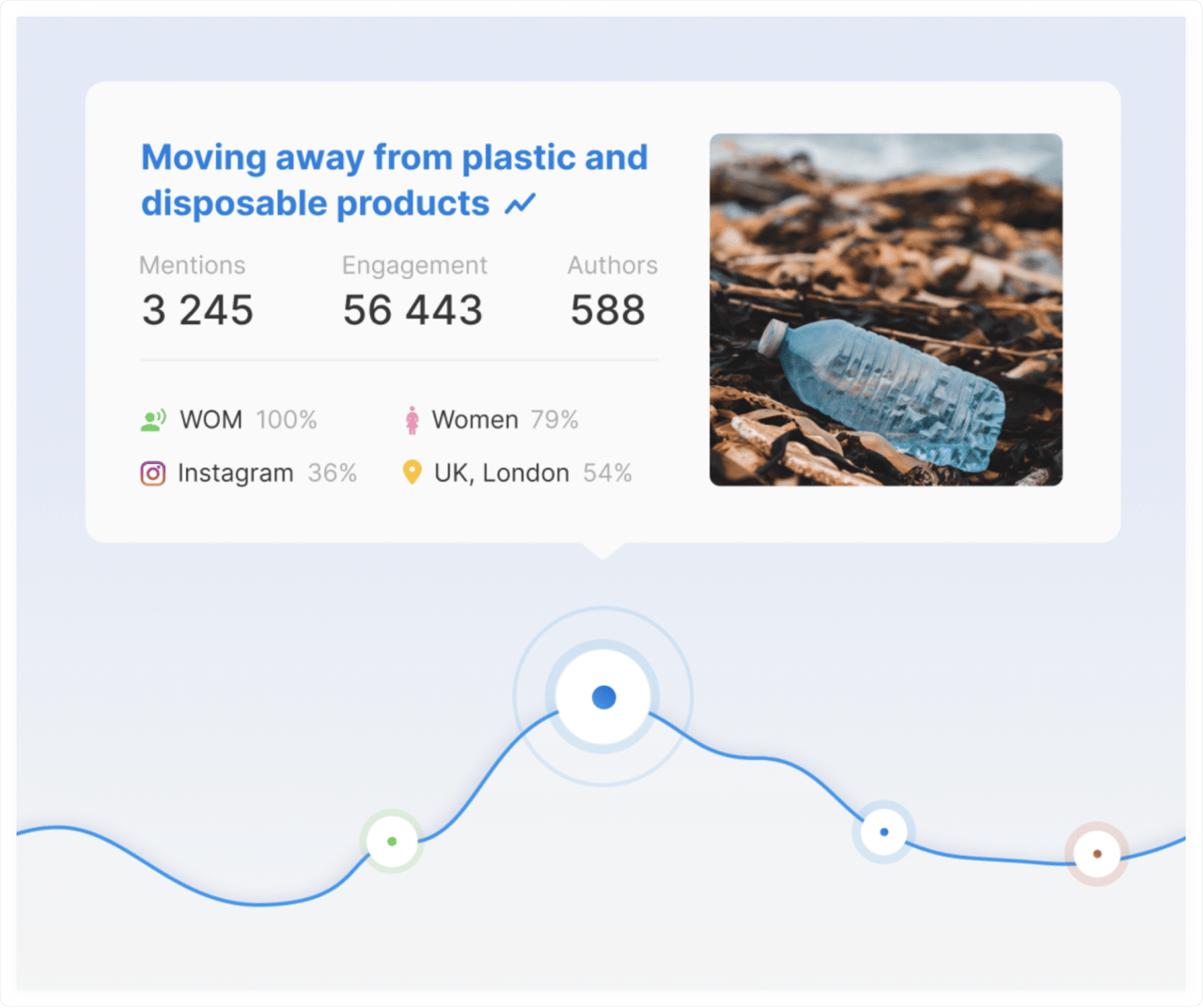
Each interaction type signals different levels of engagement intensity and customer engagement. Likes represent basic approval but require minimal effort.
Shares typically matter most because they amplify your reach to new audiences across social channels. When someone shares your content, they're essentially endorsing it to their personal network. Saves indicate content value—people bookmark posts they want to reference later, which tells you your content provides lasting utility.
Reach and impressions
Reach counts how many unique users saw your content, while impressions track total views, including multiple views by the same person. Understanding this distinction matters for calculating engagement rates accurately and getting a comprehensive understanding of your social media performance.
Impressions-based engagement rates often provide a more realistic picture of performance since they account for how social media platforms' algorithms actually distribute content. Your followers might love your posts, but if the algorithm only shows your content to 10% of them, a follower-based engagement rate won't reflect true performance or overall performance.
Follower growth and audience growth rate
Track both absolute follower growth and your audience growth rate using this formula: (new followers ÷ total followers) × 100. Follower growth measures provide important data points for assessing your social media success over each reporting period.
Pay attention to growth quality alongside quantity. A sudden spike in followers doesn't help if those new audiences don't engage with your content or align with your target audience demographics. For Instagram-specific growth strategies, consider implementing tactics to boost Instagram followers organically.
Click-through rate (CTR) and traffic
Click-through rate measures how effectively your social media posts drive traffic to specific destinations. Calculate it as: (clicks ÷ impressions) × 100. This metric directly ties social media efforts to website performance and conversion opportunities.
Use UTM parameters in your social media links to track traffic sources in Google Analytics. This helps you understand which social media platforms, content types, and social media campaigns drive the most valuable website visits and contribute to lead generation.
Conversion and assisted-conversion metrics
The ultimate test of social media engagement measurement effectiveness is whether it drives business results. Track direct conversions from social media traffic, but don't ignore assisted conversions—social media often plays a research and consideration role in longer buying journeys that impact customer satisfaction and brand loyalty.
Beyond counts: sentiment, share of voice, and mention quality
Modern social media engagement measurement goes far beyond counting interactions. Social media sentiment analysis reveals whether engagement is positive, neutral, or negative. A post with high engagement but negative sentiment signals a different story than one with positive reactions.
Share of voice compares your brand mentions and engagement to competitors within your industry. This contextualizes your performance and reveals market position opportunities while helping you monitor conversations across social channels.
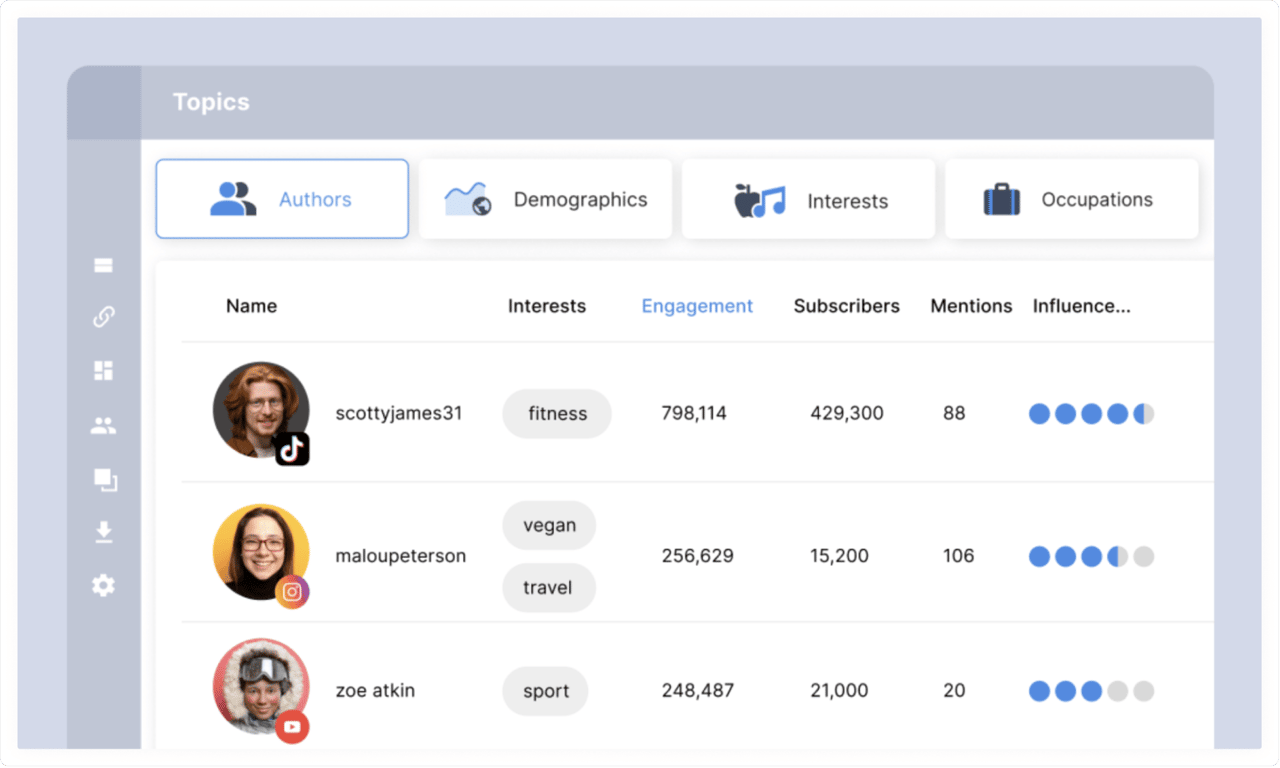
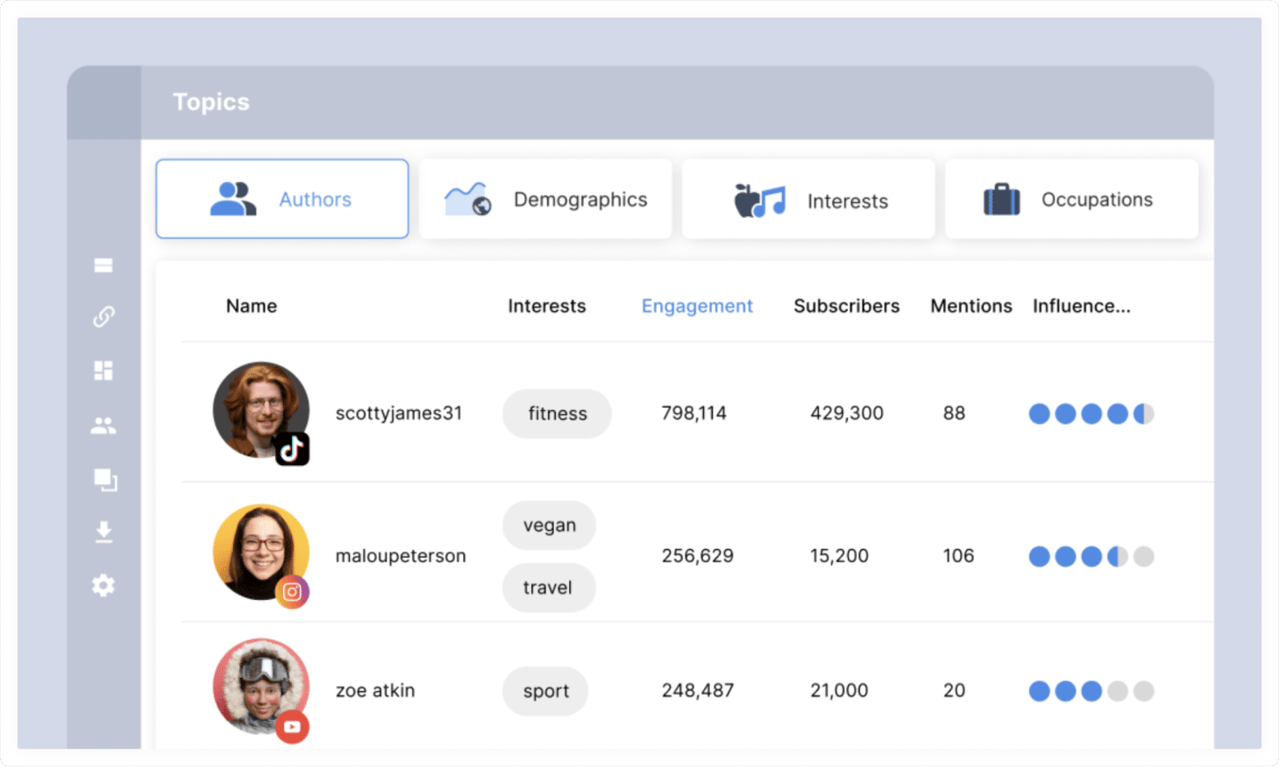
Mention quality examines who engages with your content. Engagement from industry influencers, loyal customers, or relevant communities carries more weight than random interactions. Social media listening platforms like YouScan excel at identifying these nuanced engagement patterns and the influential voices driving social conversation around your brand.
How to calculate engagement rate (with simple formulas)
Master these fundamental calculations to effectively measure social media engagement and track your social media performance across all platforms.
The basic engagement rate formula


Social media engagement rate measures how many people interact with your content compared to how many people saw it. The basic formula is:
Engagement rate = (Total engagement ÷ Reach or Impressions) × 100
For total engagement, add up likes, comments, shares, saves, and clicks on a specific post or across your social media account for a given reporting period. Choose either reach or impressions as your denominator and stick with it consistently for accurate comparisons across your social media metrics.
Engagement rate by followers, reach, and impressions
Each calculation method serves different purposes for measuring social media success:
Follower-based rates help track changes in audience quality and content resonance over time
Reach-based rates show how engaging your content is to the unique people who see it
Impressions-based rates account for repeat exposure and provide the most comprehensive view of content performance
For most strategic decisions about your social strategy, impressions-based engagement rates offer the most accurate picture of how your content performs in real social media feeds and provide valuable insights for optimization.
Platform-specific examples
Let's calculate Instagram engagement rate for a post on your Instagram business account that received:
150 likes
23 comments
12 shares
8 saves
5,000 impressions
Total engagement: 150 + 23 + 12 + 8 = 193 Engagement rate: (193 ÷ 5,000) × 100 = 3.86%
This is a solid performance on Instagram, where average engagement rates typically fall between 0.45-0.6% according to Adobe's 2025 benchmarks. Use Instagram Analytics to track these valuable metrics consistently.
Benchmarking "good" engagement rates
Engagement rate benchmarks vary significantly by platform, industry, and audience size. Here are general 2025 ranges for key social media platforms:
LinkedIn: 3-3.5% (track via LinkedIn Analytics)
Instagram: 0.45-0.6% (monitor through Instagram Analytics)
Facebook: 0.06-0.2% (measure using Facebook Insights)
X (Twitter): 0.04-0.15%
Remember that "good" depends heavily on context and your target audience. A B2B software company targeting executives might see lower rates but higher conversion values than a consumer lifestyle brand. Focus on improving your own baseline rather than chasing arbitrary benchmarks, as the latest trends in marketing metrics show that so many metrics can vary based on industry and audience.
Social listening and analytics tools can automate these calculations and provide competitive benchmarking data to help you understand your performance within the industry context.
A simple 4-step framework to measure social media engagement
Follow this systematic approach to transform your social media analytics into actionable insights that drive measurable social media success.
Step 1: Define clear goals and questions
Start by mapping your engagement goals to specific key metrics:
Awareness goals → Track reach, impressions, and share of voice across social channels
Engagement goals → Monitor engagement rate, comments, shares, and saves to measure customer engagement
Consideration goals → Measure click-through rate, time on site, and content saves for performance tracking
Loyalty goals → Analyze repeat interactions, advocate behavior, customer retention, and community brand mentions
Define the business questions your measurement should answer. "Are we building brand visibility?" requires different social media metrics than "Are we driving qualified leads?" Your measurement framework should directly support decision-making rather than just collecting social media data.
Step 2: Choose the right engagement metrics and segments
Select a focused set of core KPIs for each goal rather than tracking so many metrics available. Too many data points create analysis paralysis and dilute focus from what actually matters for measuring social media success.
Segment your social media data by:
Platform (performance varies significantly across social media platforms)
Content type (video vs. image vs. carousel vs. user-generated content)
Campaign or theme (product launches vs. educational content vs. behind-the-scenes)
Audience characteristics (new followers vs. loyal community members)
This segmentation reveals patterns that aggregate numbers miss and helps optimize your social media strategy with valuable insights.
Step 3: Collect data using native analytics and social listening


Combine multiple data sources for comprehensive social media engagement measurement:
Native platform analytics (Meta Business Suite, LinkedIn Analytics, TikTok Analytics) provide detailed performance data for your owned content and built-in analytics capabilities.
Social media management tools centralize publishing and basic analytics across multiple social media platforms, helping you identify trends and monitor overall performance.
AI social listening platforms like YouScan capture brand mentions you're not tagged in, measure social media sentiment across conversations, and analyze visual engagement through image recognition technology. This reveals the broader social conversation around your brand beyond just your owned content performance, offering valuable insights into customer sentiment.
The combination gives you both owned and earned engagement insights, creating a complete picture of your social media impact and enabling a comprehensive understanding of your social media presence.
Step 4: Analyze trends, benchmark, and report
Look for patterns in your social media analytics over time rather than fixating on individual posts’ performance. Month-over-month trend analysis reveals whether your social strategy is moving in the right direction and helps you measure success effectively.
Compare your performance to industry benchmarks and direct competitors when possible. Share of voice analysis shows whether you're gaining or losing mindshare in your market and provides qualitative insights for strategic planning.
Measuring the quality of social media engagement (not just quantity)
Beyond basic metrics lies a deeper level of analysis that reveals the true impact of your social media presence and provides more valuable insights for strategic decision-making.
Sentiment behind engagement
Not all engagement creates equal value for your social media success. A post with 100 positive comments builds brand equity differently than one with 100 complaints. Modern social media engagement measurement must account for customer sentiment to provide meaningful insights.
Sentiment shifts often signal important changes before they show up in quantitative social media metrics. A gradual turn toward negative customer sentiment might predict declining engagement rates weeks later and could indicate the need for PR crisis management intervention.
Who is engaging? Influencers, customers, and communities
The source of engagement matters as much as the volume for measuring engagement effectively. Comments from industry influencers, loyal customers, and relevant community members carry more weight than random interactions from fake or irrelevant accounts.
Analyze engagement by influence level based on follower count and authority within your industry. Engagement from micro-influencers (10K-100K followers) often provides more value than celebrity interactions because their audiences tend to be more engaged and niche-focused. With the rise of virtual influencers, brands also need to consider how AI-generated personalities impact their engagement strategies.
Social listening platforms excel at identifying these nuanced engagement patterns, helping you recognize influential voices and authentic community discussions around your brand across social channels.
Topic and theme-level engagement
Track which topics consistently drive the highest quality customer engagement. Some content themes might generate lots of likes but few meaningful comments, while others spark in-depth discussions with lower overall numbers but higher customer satisfaction indicators.
Analyze engagement patterns by topic categories:
Product-focused content vs. educational content
Behind-the-scenes posts vs. promotional material
Industry insights vs. company news
User-generated content vs. brand-created posts
This analysis reveals your target audience content preferences and helps you optimize your social strategy for both reach and meaningful interactions that build brand loyalty.
Visual engagement: logos, products, and scenes in user-generated content
Much engagement with your brand happens in images and videos, where you might not be directly tagged. Visual analytics technology can identify your logos, products, and brand-related scenes in user-generated content across social media platforms.
Monitor conversations and visual engagement patterns to understand:
How customers use your products in real situations
Which products generate the most organic visual brand mentions
What emotional contexts surround visual brand mentions
Whether visual brand presence is growing or declining over time
Examples of social media engagement reports your team actually uses
Transform your social media data into actionable reports that drive decision-making and demonstrate the value of your social media efforts.
Weekly campaign engagement snapshot
Create focused weekly reports during active social media campaigns that include:
Key metrics compared to campaign goals for performance tracking
Top-performing individual posts with insights about why content resonates
Social media sentiment overview, highlighting any concerns or positive trends
Standout comments that represent valuable customer feedback
Keep weekly reports brief and actionable. The goal is quick optimization rather than comprehensive analysis of so many metrics.
Monthly brand health and engagement report
Monthly reports should take a broader view of your social media performance and serve as a brand health tracker:
Engagement rate trends across social media platforms and content types
Brand mentions volume and customer sentiment changes compared to previous months
Share of voice analysis showing your position relative to competitors
Follower growth quality and engagement from new vs. existing followers
Include competitive context in monthly reports to help stakeholders understand your social media success within the broader market landscape and identify trends.
Quarterly strategic insights
Quarterly reports inform longer-term social strategy decisions:
Content themes and formats that consistently drive customer engagement
Platform performance analysis with budget allocation recommendations to reduce advertising cost
Audience segment analysis showing which demographics engage most actively with your target audience
Business impact correlation between social media engagement metrics and conversion rates
Quarterly reports should clearly connect social media analytics to business outcomes and recommend strategic adjustments for the upcoming period to improve overall performance.
Tools to measure social media engagement (and where YouScan fits)
Choose the right combination of analytics tools to get a complete understanding of your social media performance and maximize the value of your social media efforts.
Native analytics on each platform
Every major social media platform provides built-in analytics: Meta Business Suite for Facebook and Instagram, LinkedIn Analytics, TikTok Analytics, and X Analytics. These analytics tools excel at tracking your owned content performance but miss the broader social conversation around your brand.
Native analytics work best for understanding which of your social media posts perform well and basic audience demographics. They're free, accessible, and provide official performance data directly from each platform, though they may lack the comprehensive understanding needed for strategic decision-making.
Social media management tools (scheduling + analytics)
Some tools combine publishing capabilities with cross-platform social media analytics. They simplify workflow by centralizing multiple social media channels and providing comparative performance data across social networks.
These social media management tools work well for agencies managing multiple clients or brands active on several social media platforms. They typically offer more advanced reporting features than native analytics but still focus primarily on owned content performance and basic social media metrics.
Social listening and consumer intelligence tools
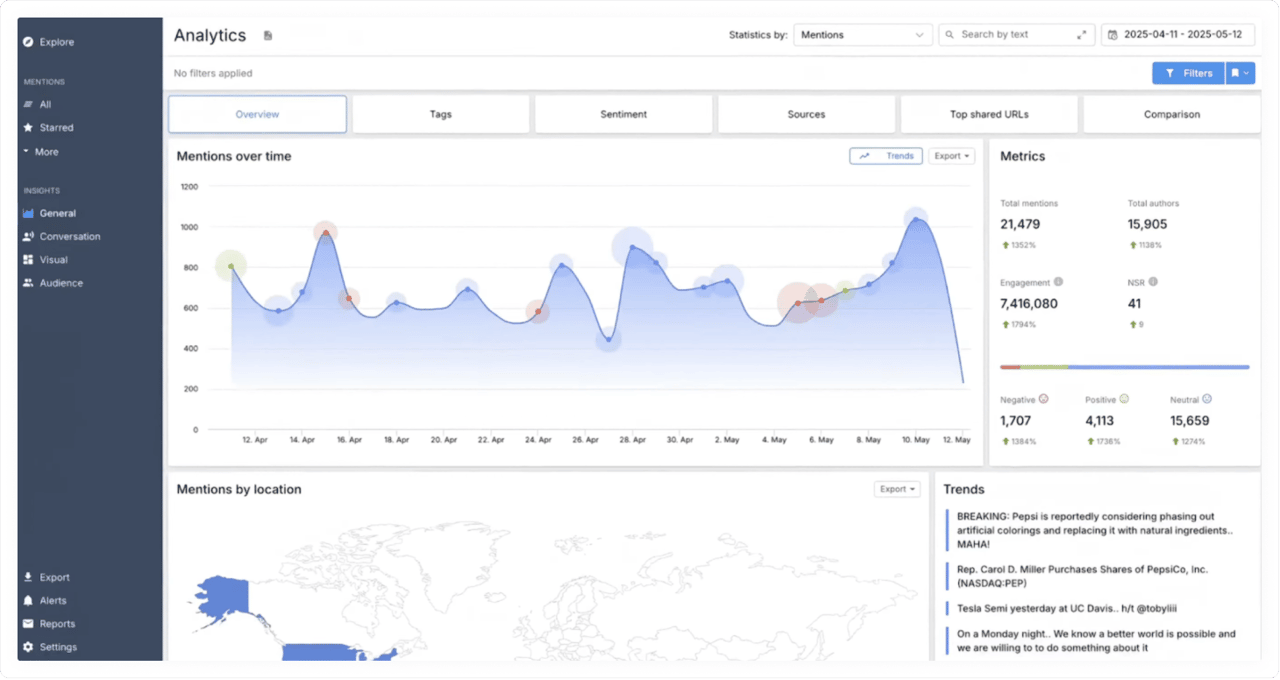
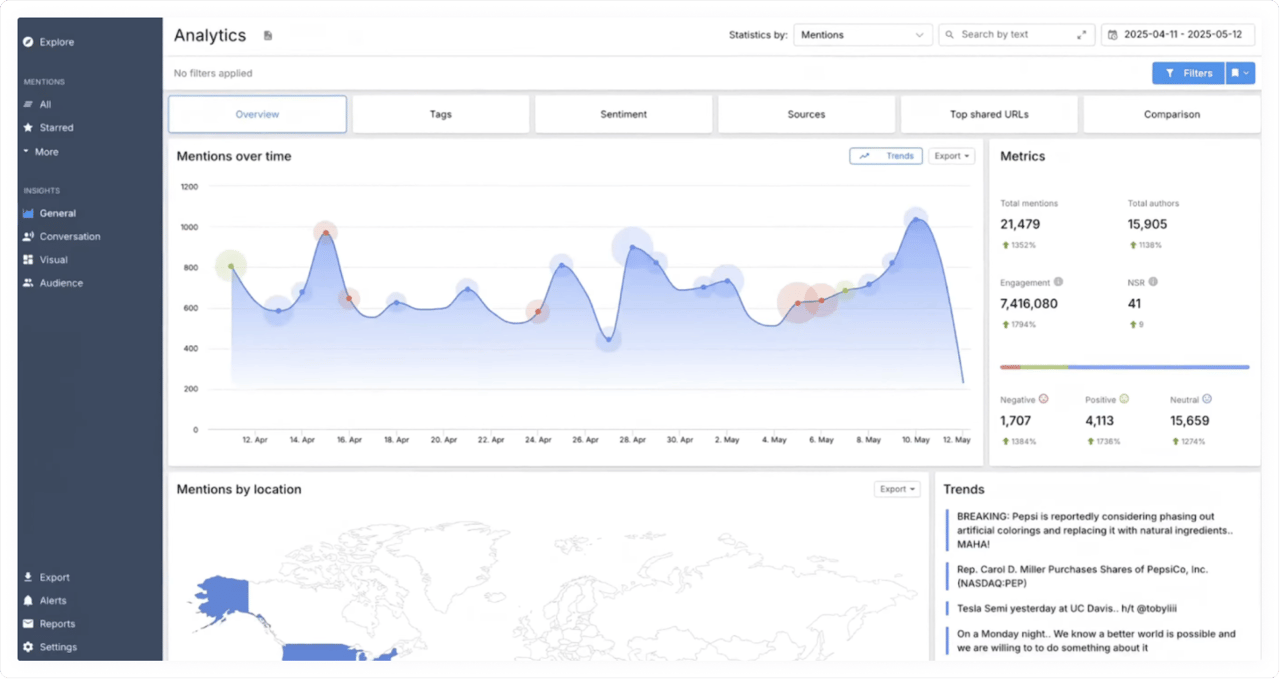
Social listening platforms like YouScan provide the most comprehensive view of social media engagement by monitoring conversations across the entire web, not just your owned content, and offer valuable insights beyond basic metrics.
YouScan's capabilities include:
Brand and topic listening across all major social media platforms
Advanced social media sentiment analysis that goes beyond positive/negative to identify specific emotions
Image recognition technology that finds your brand in visual content even when you're not tagged
Real-time alerting for engagement spikes, both positive and negative
Competitive analysis showing how your engagement compares to industry rivals
The combination of owned content analytics and social listening provides the complete picture needed for strategic social media engagement measurement and optimization, delivering a better understanding of your social media success. For businesses exploring partnerships, this data can also inform brand partnership marketing strategies.
Common mistakes when measuring social media engagement
Here are the pitfalls that trip up most marketers, and how to avoid them:
Tracking so many metrics without clear goals. More social media data doesn't equal better valuable insights. Choose key metrics that directly support specific business decisions rather than collecting everything available.
Focusing only on vanity metrics like likes and follower count. These feel good but don't predict business outcomes or measure success effectively. Prioritize metrics that indicate genuine customer engagement and intent, like comments, shares, saves, and clicks.
Ignoring social media sentiment and context. High engagement with negative sentiment signals problems, not social media success. Always analyze the quality and emotional tone of interactions, not just quantity.
Comparing engagement without accounting for reach or impressions. A post with 100 likes from 1,000 impressions outperformed one with 150 likes from 5,000 impressions. Use engagement rates rather than absolute numbers for meaningful comparisons of overall performance.
Not looking at competitor and industry benchmarks. Your engagement rates exist within a market context. A 2% rate might be excellent in one industry and poor in another. Regular competitive analysis provides a crucial perspective for measuring social media success.
Summary: A smarter way to measure social media engagement
The smartest approach to measuring social media engagement follows a clear framework: define goals, select relevant key metrics, collect comprehensive social media data, and analyze for actionable, valuable insights.
The most effective measurement strategies combine owned content analytics with AI in social media listening to capture the complete engagement picture across all social channels.
Ready to see the full picture of your social media engagement and improve your social media performance? YouScan's extensive listening and analytics platform helps you measure not just what people do with your content, but how they feel about your brand across the entire social web, delivering valuable insights that drive meaningful social media success. Book a demo to see it in action.
FAQs
What is social media engagement, and why does it matter for my brand?
Social media engagement measures how actively your target audience interacts with your content through likes, comments, shares, saves, clicks, and brand mentions across social media platforms. It matters because engaged audiences are more likely to become customers, recommend your brand, and provide valuable feedback that improves your products and services while building customer loyalty.
How do you measure social media engagement in a simple way?
Calculate your engagement rate using this formula: (Total engagement ÷ Impressions) × 100. Track this metric consistently over time using social media analytics and compare it to your own baseline performance rather than getting distracted by absolute numbers or one-time spikes.
What social media metrics should I track to measure social media engagement effectively?
Focus on engagement rate, comments (quality over quantity), shares, saves, click-through rate, and social media sentiment. These valuable metrics provide valuable insights into audience interest, content resonance, and business impact rather than just surface-level approval, helping you measure success more effectively.
How do you calculate social media engagement rate on platforms like Instagram, TikTok, Facebook, and LinkedIn?
Use the same basic formula across all social media platforms: (Total engagement ÷ Impressions) × 100. However, account for platform differences in what counts as engagement—Instagram includes saves, TikTok focuses on video completion rates, LinkedIn values comments and shares, and Facebook prioritizes meaningful interactions over simple likes.