Brand Advocacy: What It Is, Why It Matters, and How to Build It


Every brand wants loyal customers who recommend their products without being asked. But genuine brand advocacy — the kind where people go out of their way to talk about you — doesn’t happen by accident. It’s built through consistent experience, real value, and a clear advocacy strategy.
Word of mouth marketing influences over 88% of consumer purchasing decisions, which makes brand advocates far more valuable than any paid advertising campaign. Yet most companies still pour their budget into ads while ignoring the people already singing their praises.
This guide covers what brand advocacy is, why brand advocacy matters, how to build brand advocacy from the ground up, and real-world examples of brands doing it well.
What is brand advocacy?
Brand advocacy is the act of people — customers, employees, or business partners — actively promoting a brand through recommendations, positive reviews, social media posts, and word of mouth marketing. Brand advocacy occurs organically when someone has such a strong experience with a product that they want to tell others about it.
The key distinction? Brand advocates aren’t paid spokespeople. They share their opinions because they genuinely believe in what you’re offering. That’s what makes their endorsement more credible than traditional advertising.
Customer advocacy is a subset of this: it focuses specifically on loyal customers spreading the word. Brand advocacy is broader, including employees, influencers, and anyone else who champions your brand.
If you’re new to tracking how your brand is discussed online, YouScan’s social listening glossary breaks down all the key terms.
Why is brand advocacy important?
People trust other people more than they trust brands. A recommendation from a friend, a colleague’s positive review, or even a stranger’s honest social media post carries more weight than any banner ad. The benefits of brand advocacy go well beyond brand awareness.
Brand advocacy contributes to business growth in several concrete ways. It’s a cost-effective marketing strategy — satisfied customers and employee advocates spread the word on their own, so your marketing efforts stretch further without a bigger budget. It builds trust with prospective customers who hear about you from someone they know. And it deepens customer loyalty: people who publicly recommend a brand become more committed to it, creating brand loyalty that traditional advertising can’t replicate.
Brand advocacy also helps you reach new audiences you’d never access through your own social media marketing or paid channels. Advocates expand your brand’s reach into circles you don’t even know exist.
Types of brand advocates
There are a few types of brand advocates that marketers differentiate.
Customer advocates
These are your best brand advocates — existing customers who love what you do and tell their friends. Customer advocates share positive reviews, post about your products on social media platforms, and recommend you across their networks. What makes them effective brand advocates? They have no financial stake in promoting you. Their brand authenticity is automatic because they speak from real experience.
To create brand advocates from your customer base, focus on exceptional customer service at every touchpoint and making sure the product consistently meets or exceeds customer expectations.
Employee advocates
Your employees know your business better than anyone. When they’re genuinely proud of where they work, they become powerful brand advocates who speak about your product with authority.
An employee advocacy program formalizes this — encouraging staff to share company content, talk about their work on social media accounts, and represent the brand at events. A good employee advocacy program taps into a company culture where people actually want to discuss what they do. Employee advocates combine insider knowledge with personal credibility, making them uniquely positioned to connect with prospective customers.
Social media influencers and brand ambassadors
Social media influencers and brand ambassadors sit between paid promotion and organic advocacy. When the relationship is genuine, their endorsement feels authentic. The most effective brand advocates in this category partner with brands long-term. Think of influencer marketing as a relationship investment. Industry leaders who align with your brand values can provide incredible brand visibility and reach new audiences that social media marketing alone can’t touch. Finding the right key opinion leaders in your niche is where social listening tools really pay off.


How to build brand advocacy: a practical advocacy strategy
Deliver exceptional customer service
This seems obvious, but it’s where most brands stumble. Exceptional customer service isn’t just about fixing problems — it’s about making people feel valued. When customer satisfaction is high, organic advocacy follows naturally. Think about the last time a company went above and beyond for you. Chances are, you told someone about it.
Create a brand advocacy program
A structured brand advocacy program gives your supporters a framework to promote you. This could be a referral program, loyalty program, or a community where advocates connect with each other and your team.
What makes a good brand advocacy program? It rewards advocates without making the relationship feel transactional. Loyalty programs, early access to products, exclusive events, and social media recognition all work. An effective brand advocacy program also tracks results — which advocacy initiatives drive new customers, which advocacy campaigns generate the most social media engagement, and where your advocacy efforts have the biggest impact.
Use social media to amplify advocacy efforts
Social media is where brand advocacy lives. Encourage advocates to share user-generated content, repost it on your channels, and engage with people talking about your brand. Monitoring social media engagement and brand mentions is key. YouScan’s social listening dashboards let you see who’s talking about your brand, what they’re saying, and how much reach those conversations have — helping you identify your most effective brand advocates.
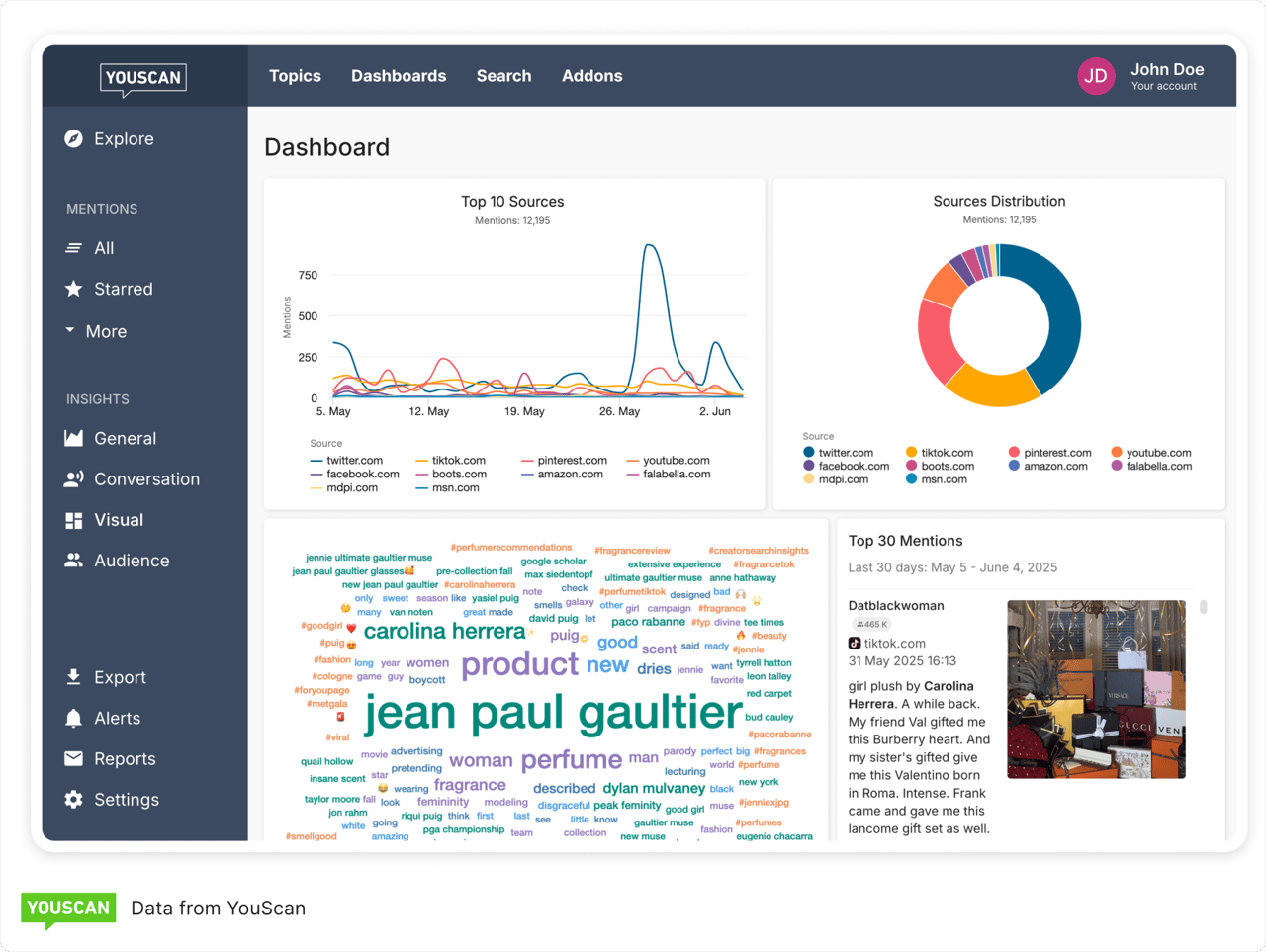
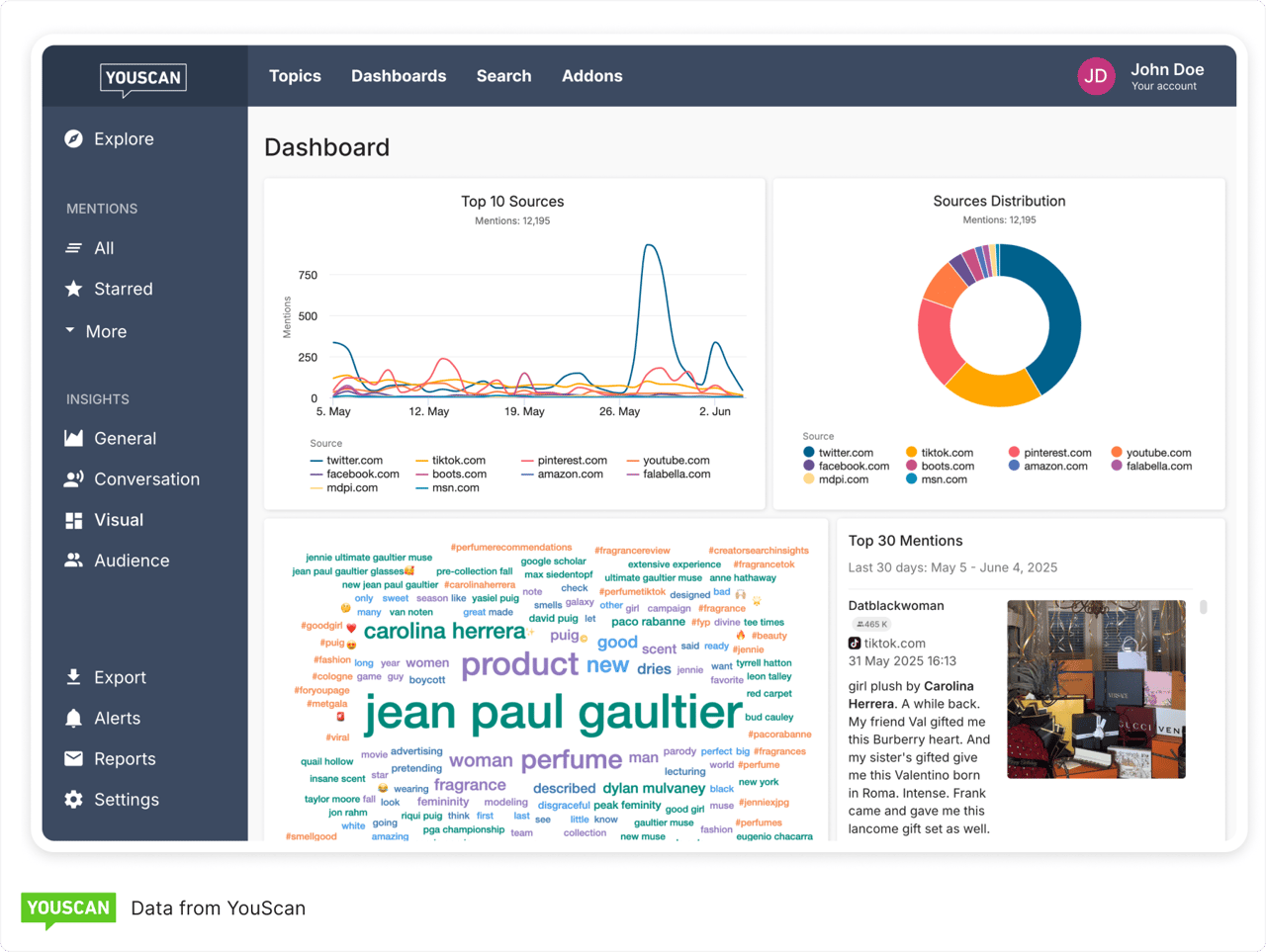
Social media platforms make it easy to increase brand awareness through sharing. When advocates post about your product, their network sees it, and that peer-driven brand visibility is something paid advertising can’t replicate.
Launch a referral program people actually use
A referral program is one of the most direct ways to turn satisfied customers into promoters. But most referral programs are boring — a 10% discount code isn’t going to make someone go out of their way. The best advocacy campaigns tie referrals to something meaningful: give both the referrer and the new customer something valuable, make rewards tangible, and keep the process simple.
Invest in employee advocacy
Content shared by employees gets significantly more engagement than content from official brand channels. Building a strong brand advocacy program internally means giving employees tools and encouragement to share their experiences. This doesn’t mean scripted posts — it means fostering a company culture where people feel good about their work. When employees voluntarily share what they’re working on, it increases brand recognition and creates a brand perception that feels human, not corporate.
Brand advocacy examples: who’s getting it right
Apple has perhaps the world’s most famous brand advocates. Fans don’t just buy products — they defend the brand and convince friends to switch. Apple built this through years of consistent quality and distinctive brand values. We’ve explored how this kind of community loyalty works in our guide to tribal marketing.
Starbucks turns both customers and employees into brand ambassadors. They feature customer photos on social media accounts and invest in employee stories publicly, strengthening advocacy marketing on both fronts.
Glossier built its business on advocacy marketing by responding to every comment, reposting user generated content, and treating its community like co-creators. Their social media engagement approach is a masterclass in making your target audience feel heard.
McDonald’s shows how addressing criticism creates new advocates. When they introduced vegan options, former critics became vocal supporters. Sometimes the fastest way to create brand advocates is to listen to what people are asking for — and brand monitoring helps you do exactly that.
How to measure brand advocacy
You can’t improve what you can’t measure. To measure brand advocacy, track these areas: your Net Promoter Score (customers scoring 9–10 are your potential advocates), social media metrics like shares and mentions, referral traffic from your referral program, user generated content volume, and customer retention rates. Loyal customers who advocate tend to stick around longer.
Tools like YouScan help monitor brand mentions, sentiment analysis, and the impact of advocacy programs across social media platforms. Numbers tell you what’s happening; listening to your advocates tells you why.
What makes a successful brand advocacy program work
A strong brand advocacy program starts with a great product. No incentives will make people recommend something they don’t like — customer satisfaction is the foundation. Beyond that, a successful brand advocacy program gives advocates ways to participate (sharing content, exclusive events, and feedback) while letting them use their own voice.
Think about your target market. Who’s most likely to become an advocate? Where do they spend time online? What motivates them? A good brand advocacy program tracks which advocacy initiatives work, which brand advocacy campaigns fall flat, and adjusts. The brands with the strongest advocacy marketing aren’t the ones with the biggest budgets — they’re the ones that pay attention. Using a social media monitoring tool helps you stay close to these conversations.
Conclusion
For businesses serious about business growth, brand advocacy isn’t a side project. Advocacy programs built on genuine relationships with loyal customers, employee advocates, and aligned influencers can increase brand awareness, attract new customers, and strengthen brand loyalty in ways that marketing campaigns alone can’t. Keeping a close eye on your brand reputation ensures you can spot advocates and amplify their voices at the right moment.
If you want to see who your advocates are and where the conversation is happening, request a free YouScan demo and start building a stronger community around your brand.
FAQ
What is the difference between brand advocacy and influencer marketing?
Brand advocates promote you voluntarily because they genuinely like your product. Influencers are typically paid for their endorsement. The trust factor is higher with advocates since audiences know there’s no financial incentive behind the recommendation.
Who can be a brand advocate?
Anyone — customers, employees, business partners, or even social media influencers who have a genuine connection to your brand. Your most loyal customers and engaged employees are usually the strongest starting point.
What’s the difference between brand advocacy and customer advocacy?
Customer advocacy is a subset of brand advocacy. It focuses specifically on customers recommending your business. Brand advocacy is broader and includes employees, influencers, and other stakeholders who promote you publicly.
How long does it take to build a brand advocacy program?
There’s no fixed timeline. Some brands see early results within a few months of launching a referral or loyalty program. Building a deep, organic community of advocates usually takes consistent effort over 6–12 months or more.