6 Marketing Trends You Can't Ignore in 2026
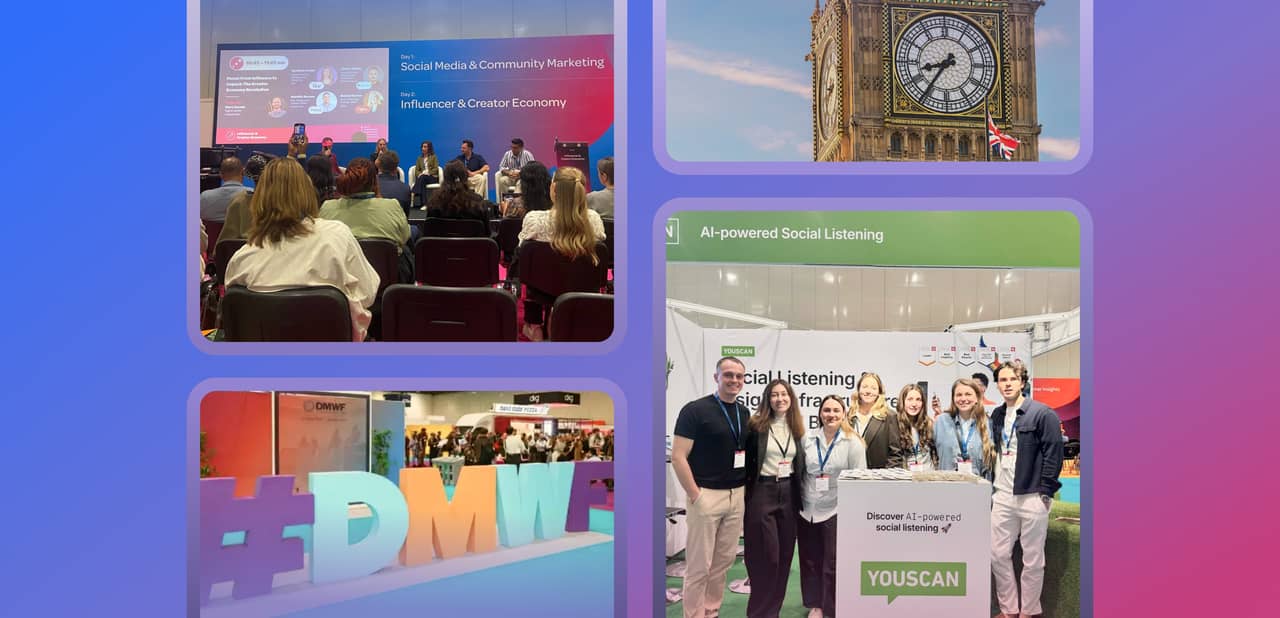

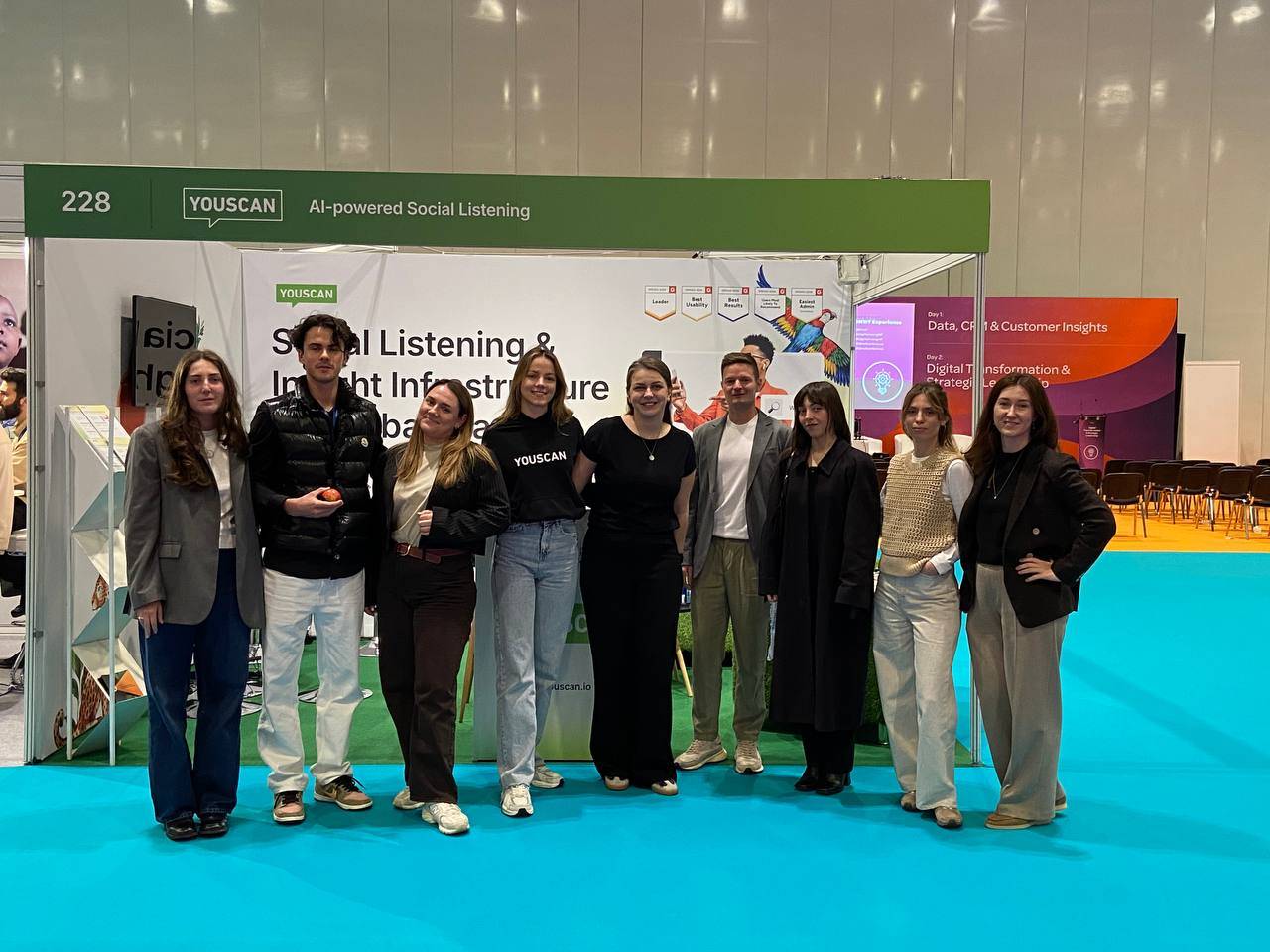
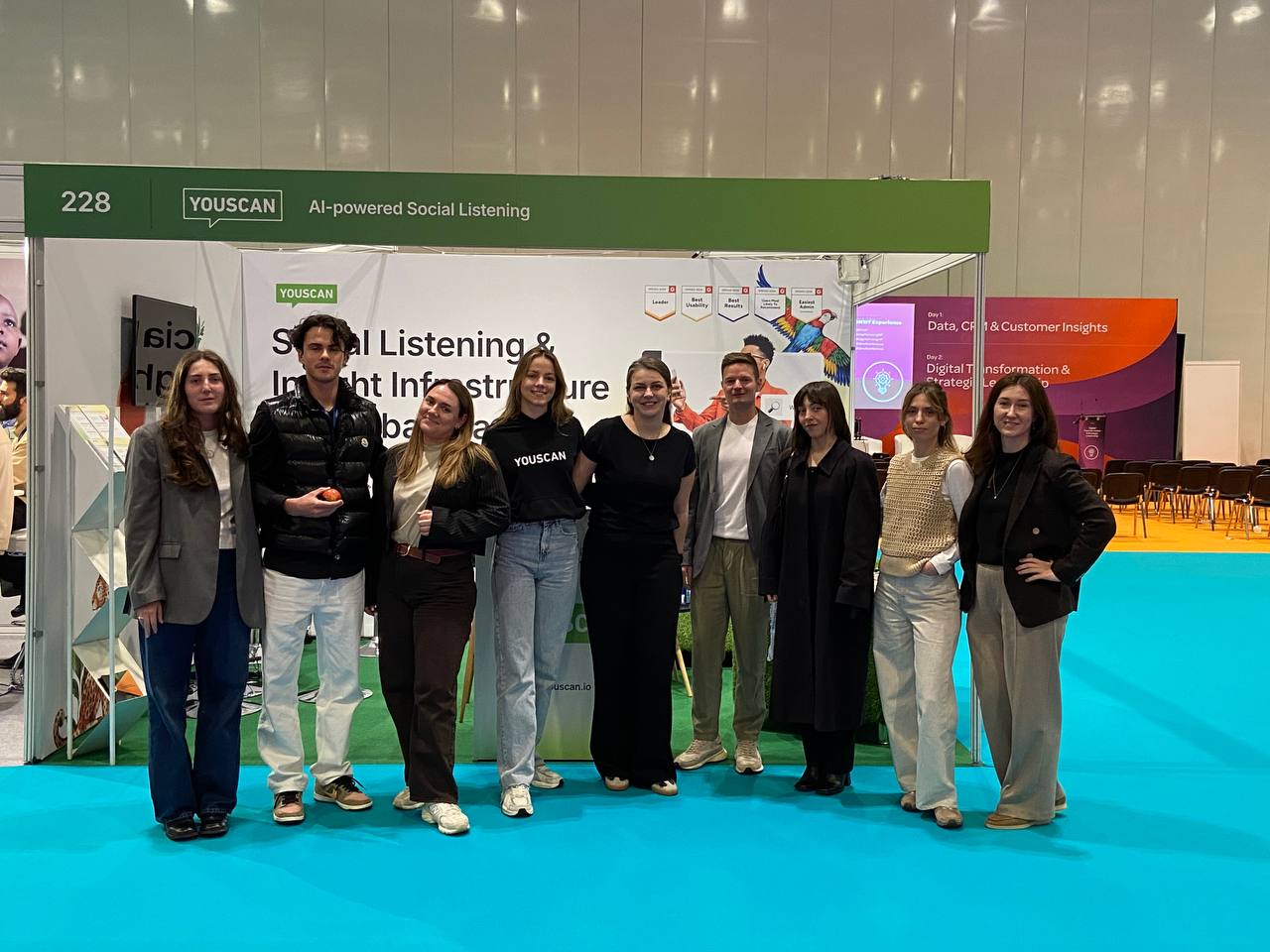
Hi, I’m Kristina Viter, Social Media Manager at YouScan 👋 Last quarter, our team went to DMWF London — one of the biggest marketing conferences in Europe, bringing together marketing pros and speakers from companies like LinkedIn, PepsiCo, Unilever, and more.
And since keeping all the insights to ourselves would be a bit rude, we decided to share them with you, our fellow marketers.
Spoiler: knowledge-sharing was actually one of the most talked-about trends this year.
So, here’s a quick recap of what might be useful if you work across full-cycle marketing, SEO, social media, and the creator space.
What’s trending in marketing?
Everything is connected
This idea came up in so many sessions, even when it wasn’t the main topic: better collaboration inside teams and between teams.
Maybe it’s a sign that while we’re all working toward the same goal, we sometimes end up drifting apart. Or maybe, in the age of AI, work is simply craving a bit more human connection. Either way, the takeaway is pretty clear: we need to be better at explaining what we do, understanding what our colleagues do, and working together across the full customer journey.
Speed matters more than ever for companies. And when teams actually understand each other’s work, it becomes much easier to move faster, boost productivity, and create something that works.
Customer journey is king
In a world where new social platforms seem to pop up every week, and marketing job titles are built from words not all of us fully understand, the basics still stand:
Hype comes and goes. Analytics stay.
So instead of chasing every shiny thing, it’s better to keep your customer journey map close and update it based on real behavior shifts — not viral tools, assumptions, or “we should also do this” moments.
Testing still matters, of course. A lot. But the flow should probably look more like this:
Look at the map → spot the opportunities → test → update the map → repeat.
SEO is not dead
SEO and GEO were discussed a lot, and yeah, surprise: SEO is still very much alive. Emma-Jane Stogdon, Organic Content Manager at Wise, highlighted this well during the SEO discussion.
What’s changing is how people discover information. LLMs are now part of the journey, which means our content needs to work not only for search engines, but also for AI systems that summarize and cite sources.
So the real question is: are we making it easy for both people and AI tools to understand what we do? Because at the end of the day, we’re still talking to users, not LLMs.
And yes, more people are starting to use LLMs for discovery, but it’s still not the whole market. So before jumping into GEO panic mode, it’s worth going back to the basics of your customer journey again: where people discover you, what information they need at that point, and whether your content actually helps them move forward.
Social media is where decisions happen
We’re seeing a total shift in how people get information. YouTube, Instagram, Facebook, TikTok — these are not just social platforms anymore. They’re search, reviews, community, and buying platforms in one.
This also came through in the session with Calvin Anderson, SVP Global Direct-to-Consumer at SharkNinja.
One stat that stuck with me: 70% of Gen Z discover through TikTok alone.
And with attention spans getting shorter, the decision often happens in the moment. People don’t always have the time, or honestly, the desire, to come back to something later.
So yes, brands are competing for attention. But not only with other brands. They’re competing with creators, memes, comments, and everything else happening in the feed.
Which means you need to be where your audience is and show up in a way that actually fits.
The creator economy is having its moment
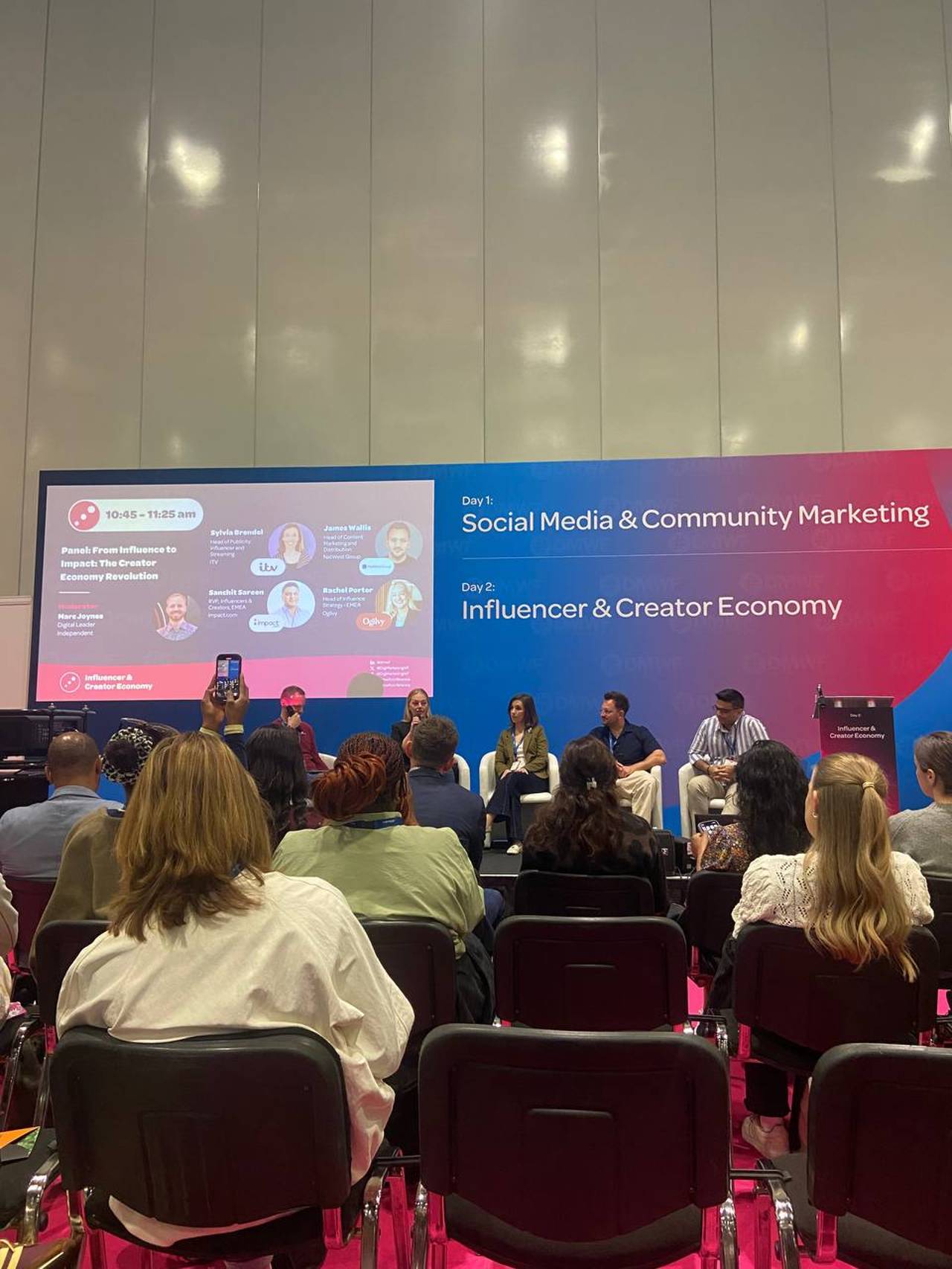
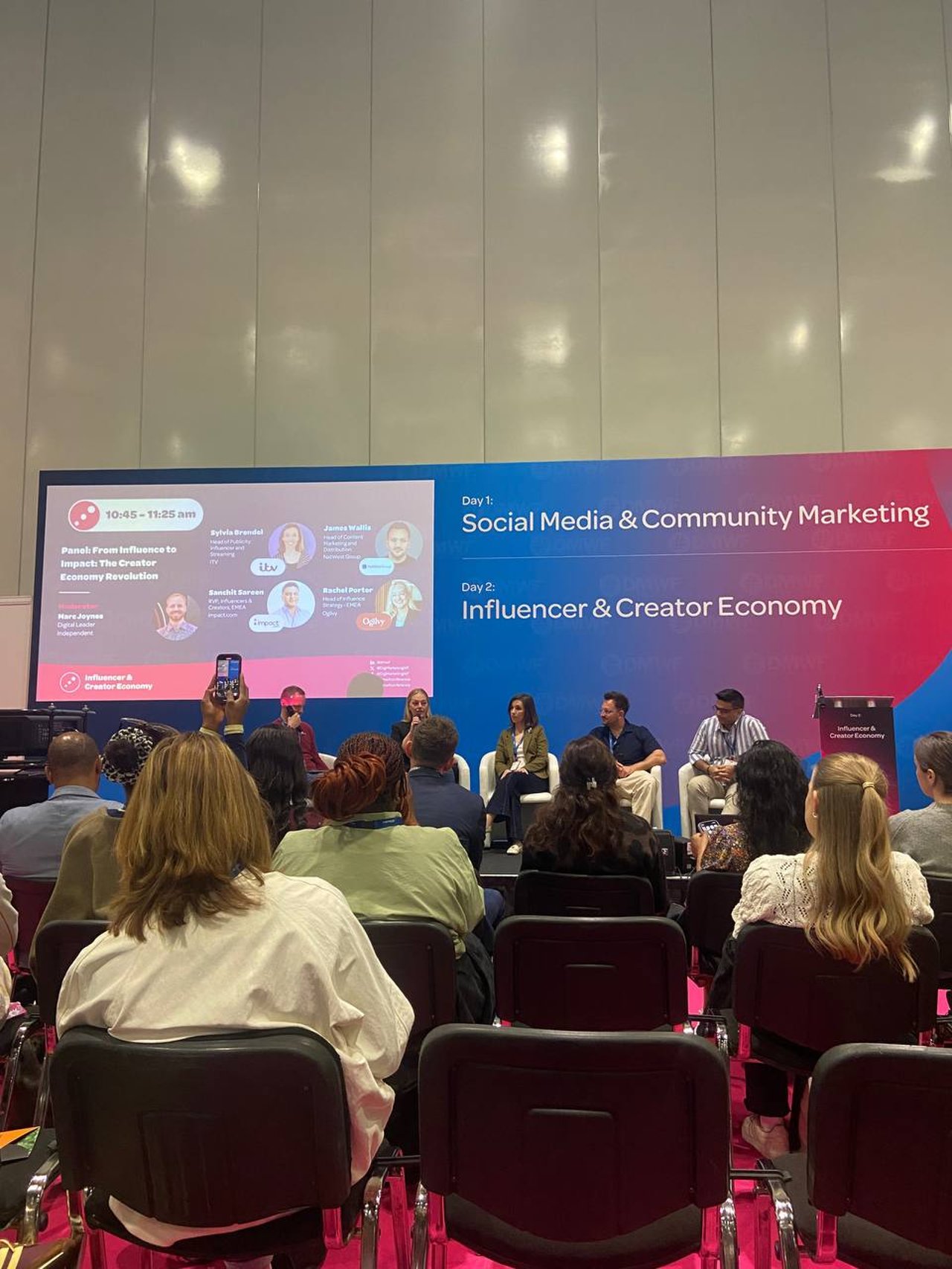
This discussion felt less about influencer marketing and more about building a proper ecosystem around creators. And we heard this from some amazing voices in the space, including Rachel Porter from Ogilvy, Sylvia Brendel from ITV, and James Wallis from NatWest Group.
Because if you still think creators are just media placement — sorry to disappoint. The best ones are close to their communities in a way brands often aren’t. They know the jokes, the timing, and what makes content land.
But this also means brands need to do more than open a tool and just pick a profile. You still need to scroll, follow how conversations happen, and understand whether this creator really fits.
That's actually part of why we built Tiger Finder. It's a TikTok creator discovery tool that delivers a 10x improvement over traditional workflow. Because instead of filtering by follower count or bio keywords, it analyzes what creators actually show in their videos.
So if you sell skincare, you find people who genuinely use skincare on camera, not everyone who once typed "beauty" in their bio.

Another important point is that creators are no longer desperate to work with brands, so money alone isn't enough. What you need is to understand what value you can bring too — whether it’s creative freedom, long-term collaboration, or access.
To wrap it up: What are the main marketing trends in 2026?
Maybe it’s just me, or maybe this is actually where things are heading, but marketing seems to be moving toward more connection.
And no, I’m not saying there were no conversations about AI, automation, or video content. There were plenty.
But while trends come and go, understanding users and finding ways to get closer to them still feel like what keeps us grounded.
So maybe that’s the takeaway from DMWF for me: don’t chase every new thing just because it’s new. Understand what actually matters to your audience, and build from there.
P.S. And if "understanding your audience" sounds easier said than done, that's exactly what YouScan is built for. It's a social listening platform that helps you see what people are saying about your brand, your competitors, and your category across social media. Worth checking out if any of this resonated. 👇