How to Post on LinkedIn to Go Viral: 5 Easy Tactics

5 elements determine if your LinkedIn post goes viral: hook strength, authenticity, engagement potential, algorithm compatibility, and expert positioning.
Let me break down what each of these means for your posts:
Hook strength. Your first 50-150 characters need to stop the scroll in under 2 seconds. Lead with specific numbers, surprising observations, or unexpected statements.
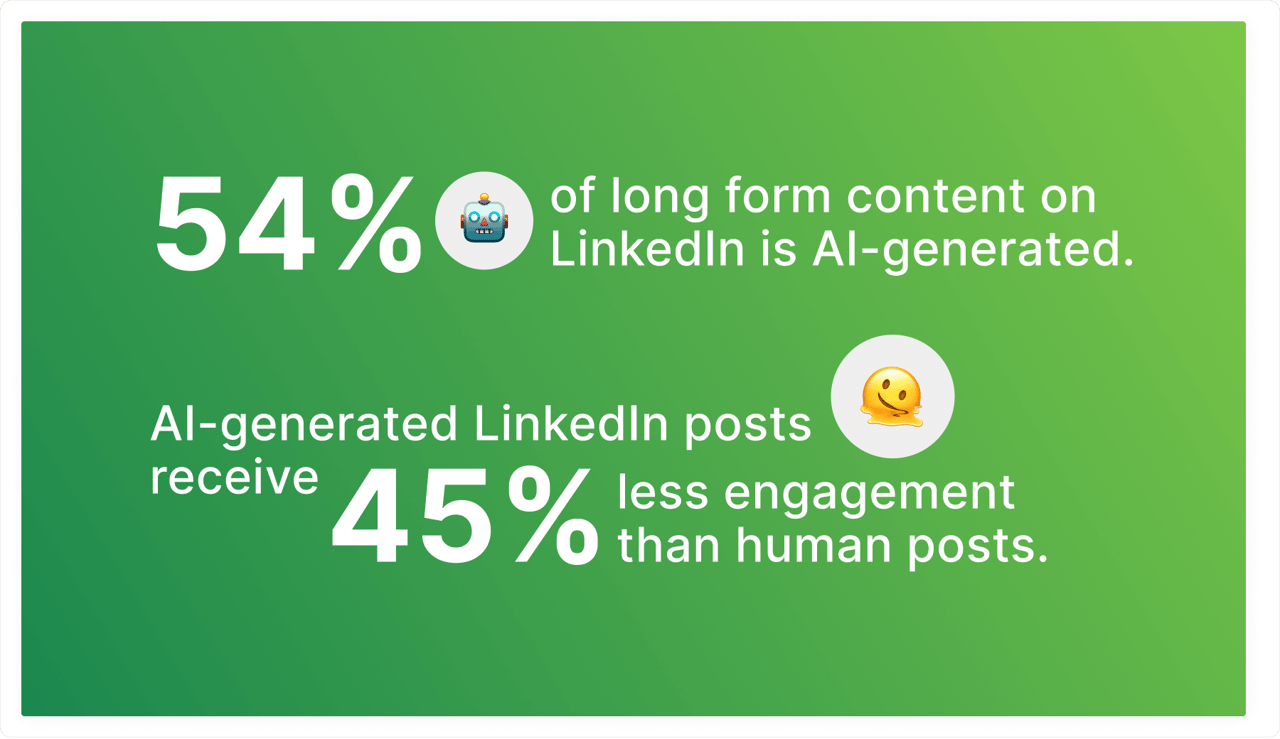
Authenticity. 54% of LinkedIn posts are AI-generated and get 45% less engagement. Pass the coffee test: would you actually say this out loud to a colleague?
Engagement potential: Create entry points for readers to add their perspective. Share content about transformation stories and ask genuine questions about others' experiences.
Algorithm compatibility: Keep external links out of the main post, use 2-3 popular hashtags maximum, format with short paragraphs and line breaks for mobile.
Expert positioning: Use specific numbers and test results from your actual work. Back up claims with evidence instead of generic advice.
In this article, we'll go over all these 5 tactics on how to post on LinkedIn to actually increase your reach. I will also show you how I personally improve my posts (you’ll see the ugly before vs beautiful after).
Let's go! 👇🏻
Understanding LinkedIn's algorithm in 2026: behind the scenes
LinkedIn algorithm is trying to solve one problem: keep people on the platform longer.
That's it. Every decision the algorithm makes comes back to this. So if your post makes people stop scrolling, read, and engage, LinkedIn will show it to more people. Simple as that.
When you publish a post, LinkedIn doesn't immediately blast it to all your connections. Instead, it shows your content to a small test group first, usually around 1-2% of your professional network. Then it watches what happens.
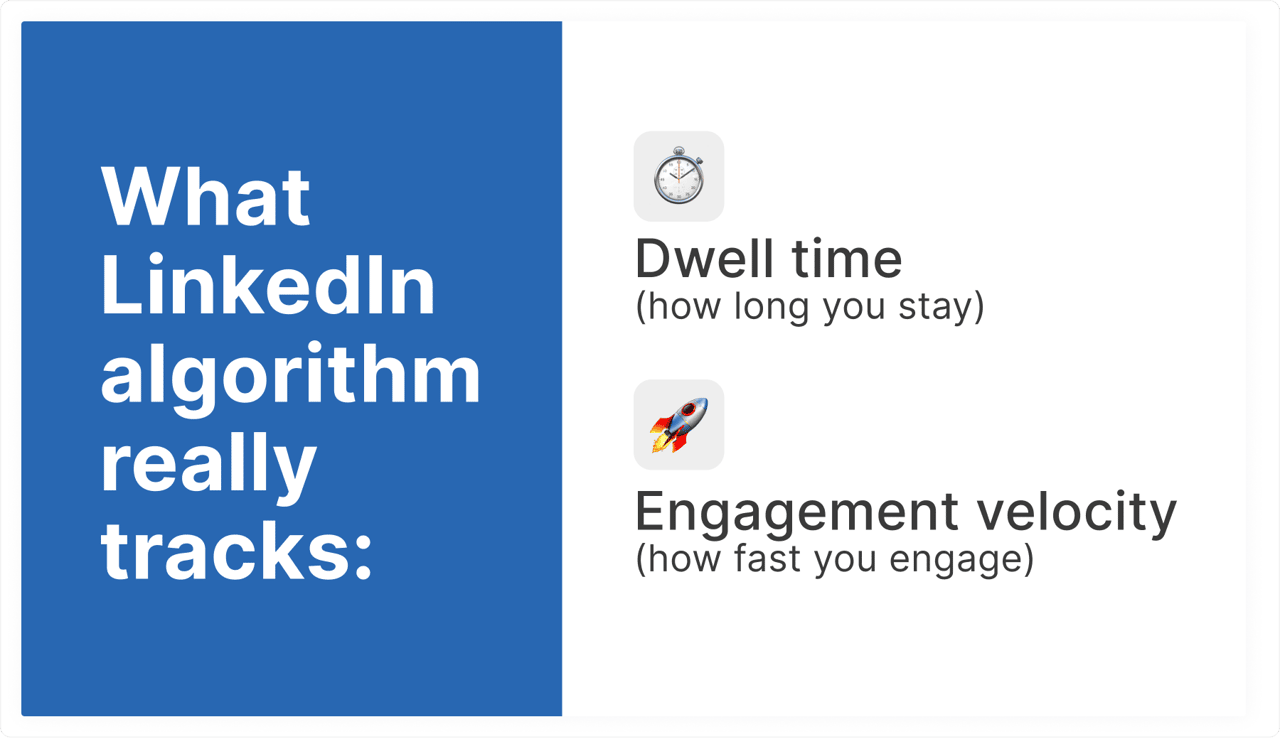
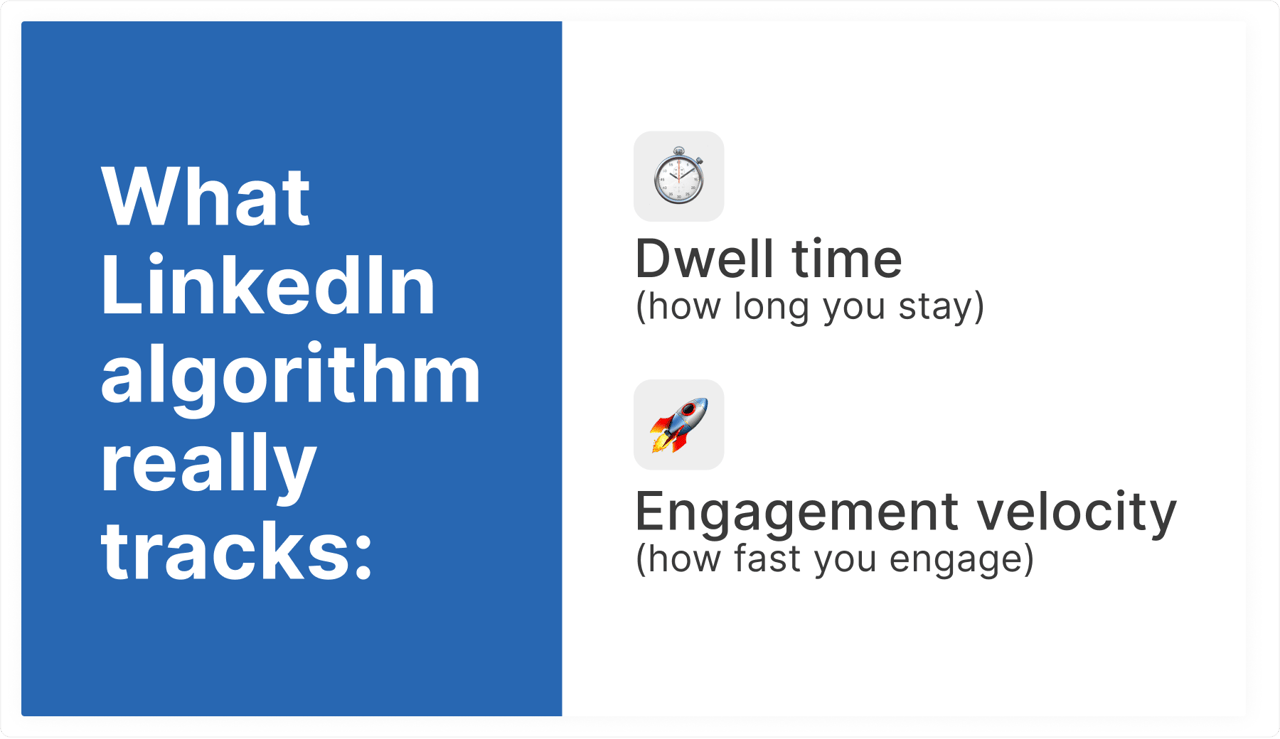
The algorithm tracks two main things during this initial phase:
1. Dwell time: how long people actually spend looking at your LinkedIn post. If someone scrolls past in half a second, that's a bad signal. If they stop, read the whole thing, maybe even scroll back up to read it again, that's gold.
2. Engagement velocity: how quickly people start interacting with your post through likes, shares, or clicks.
Content types LinkedIn feed actively promotes and suppresses
LinkedIn has become pretty transparent about what it wants on the platform, even if the specifics change.
What LinkedIn feed loves
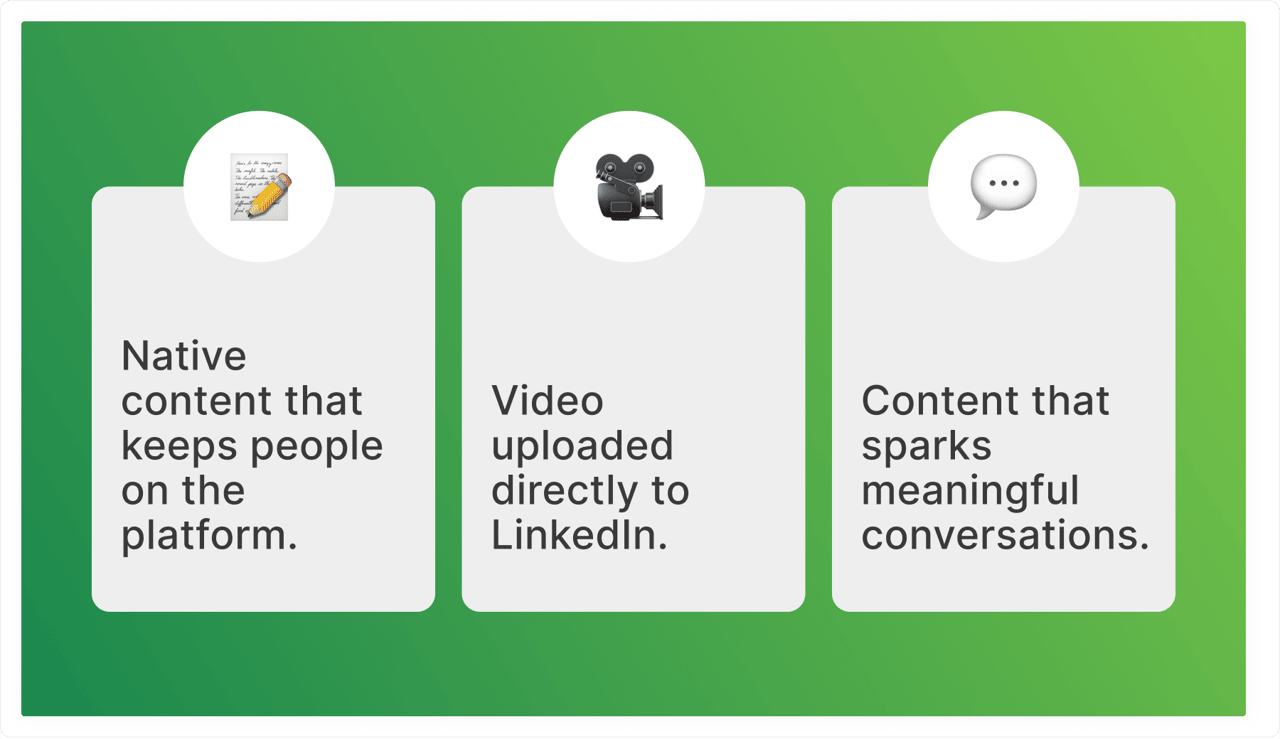
✅ Native content that keeps people on the platform. Text posts, documents, carousels, and polls all get prioritized because they don't send users elsewhere.
✅ Video uploaded directly to LinkedIn. The platform is pushing video hard because it increases dwell time significantly. Native LinkedIn video performs much better than YouTube or Vimeo links.
✅ Content that sparks meaningful conversations. Posts that generate comment threads where people are actually discussing ideas, sharing perspectives, and building on each other's thoughts get boosted.
What LinkedIn feed suppresses
❌ Posts with external links. These get less distribution because they take users off the platform.
❌ Obvious spam and self-promotion without context. If your post reads like a sales pitch or feels like you're just shouting about your services, LinkedIn will bury it.
❌ Engagement bait. Those LinkedIn posts that say things like "Like if you agree, comment if you disagree" or "Tag someone who needs to see this" used to work back in 2022. Now the algorithm recognizes these patterns and actively deprioritizes them.
❌ Posts with excessive hashtags. Using 10, 15, or 20 popular hashtags makes your post look spammy. LinkedIn seems to prefer 3-5 relevant hashtags maximum.
❌ Multiple posts in quick succession. If you publish three LinkedIn posts within an hour, it looks like spam behavior and algorithms will throttle your distribution. Space out your content.
The anatomy of a viral LinkedIn post
After analyzing thousands of high-performing and engaging LinkedIn posts through social listening data, I've noticed that viral content tends to nail 5 specific elements. Miss even one, and your reach drops significantly.
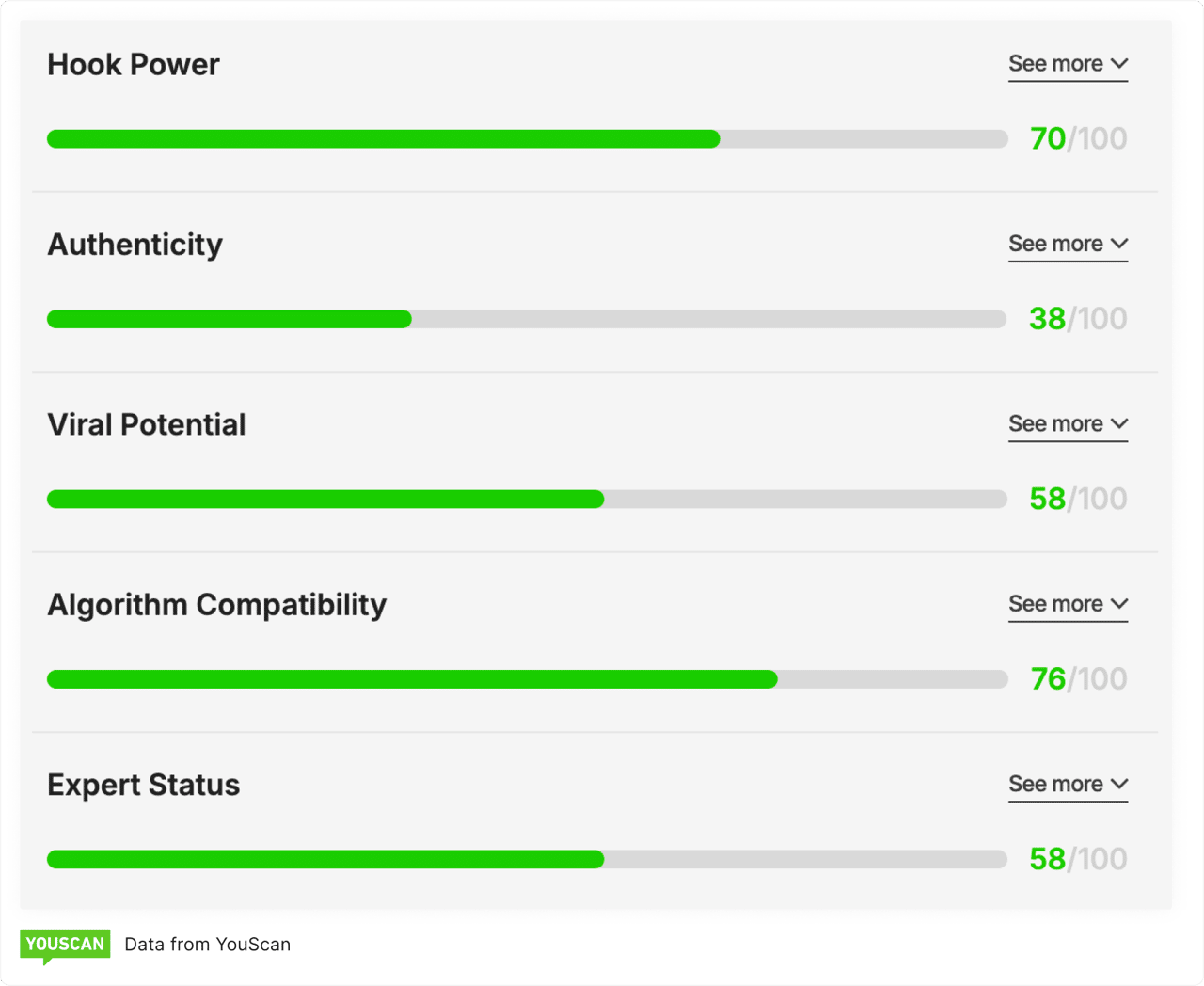
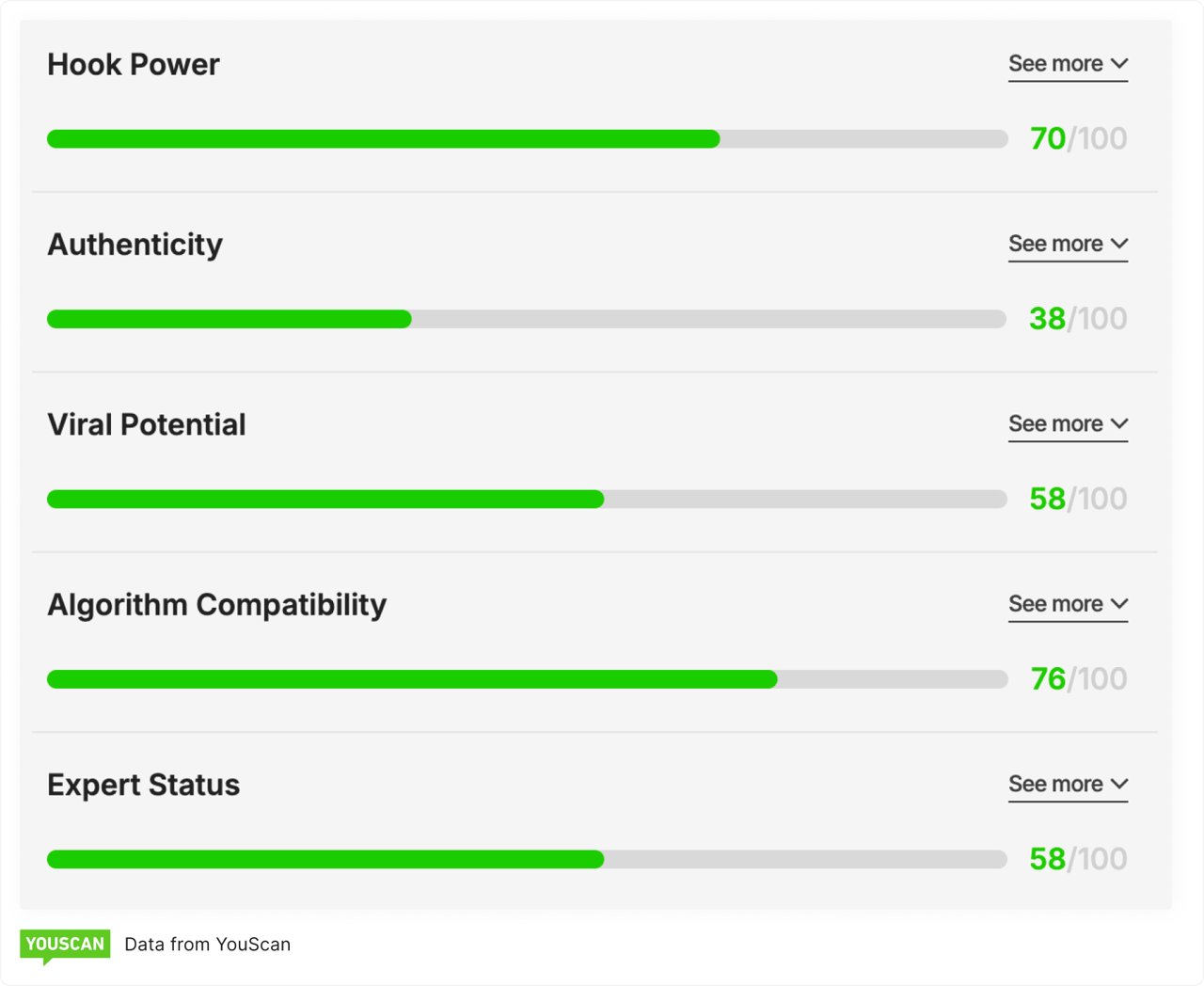
Usually, I optimize all my posts with a free tool LinkedIn Post Analyzer, so today I'll show you how I adapt my posts to all the LinkedIn requirements by using this tool.
Here is the post I wrote yesterday which was inspired by a call with my team:
I pasted it in the LinkedIn Post Quality Analyzer, and here is how my overall post potential was estimated:
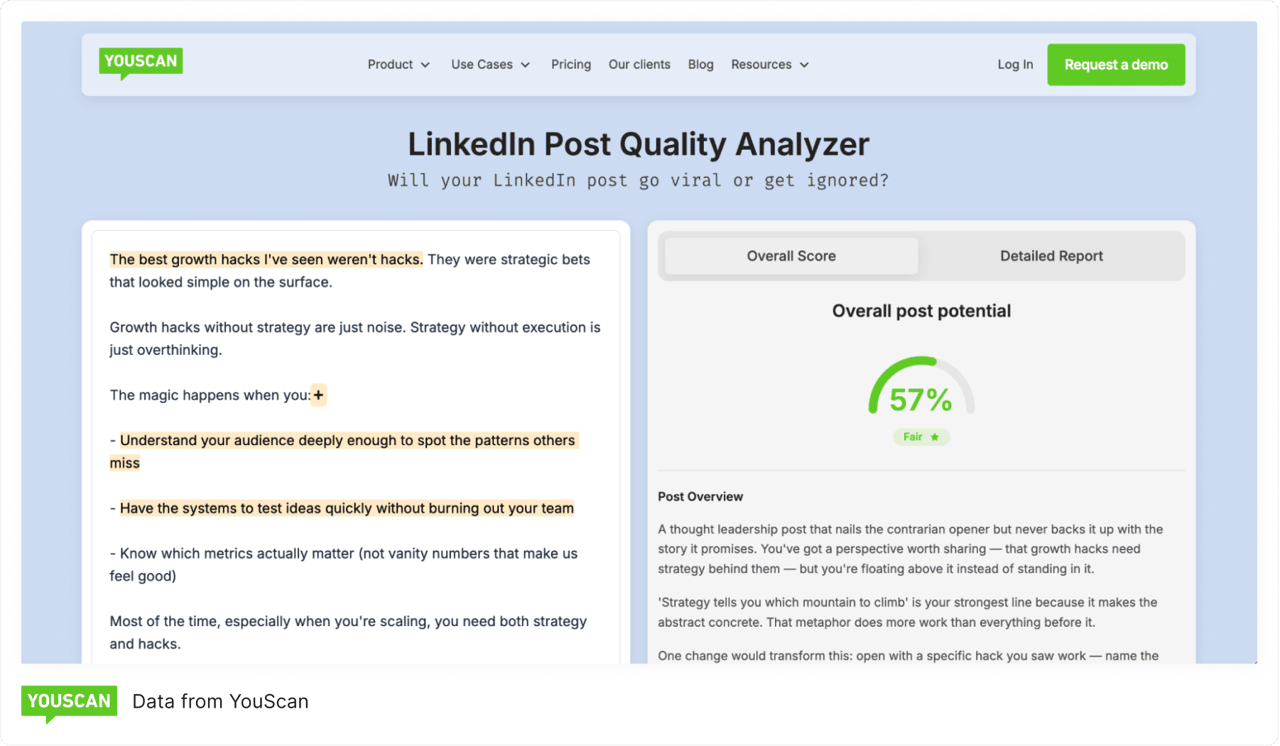
Now, let’s improve this post by using all the Analyzer’s data-based AI-recommendations👇🏻
1. Compelling hook: will your first line stop the scroll?
Your first line is doing battle with approximately 500 other professional posts competing for audience's attention on the LinkedIn homepage. You have maybe two seconds before they scroll past. That's it.
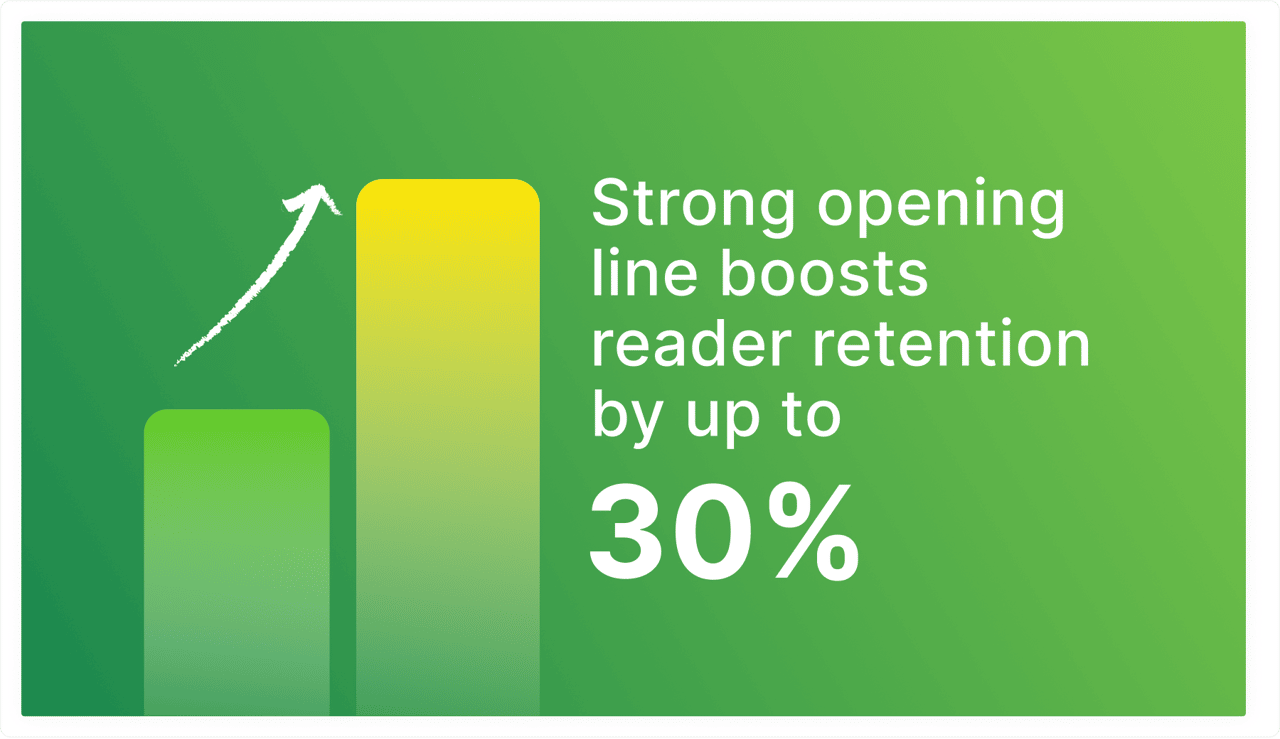
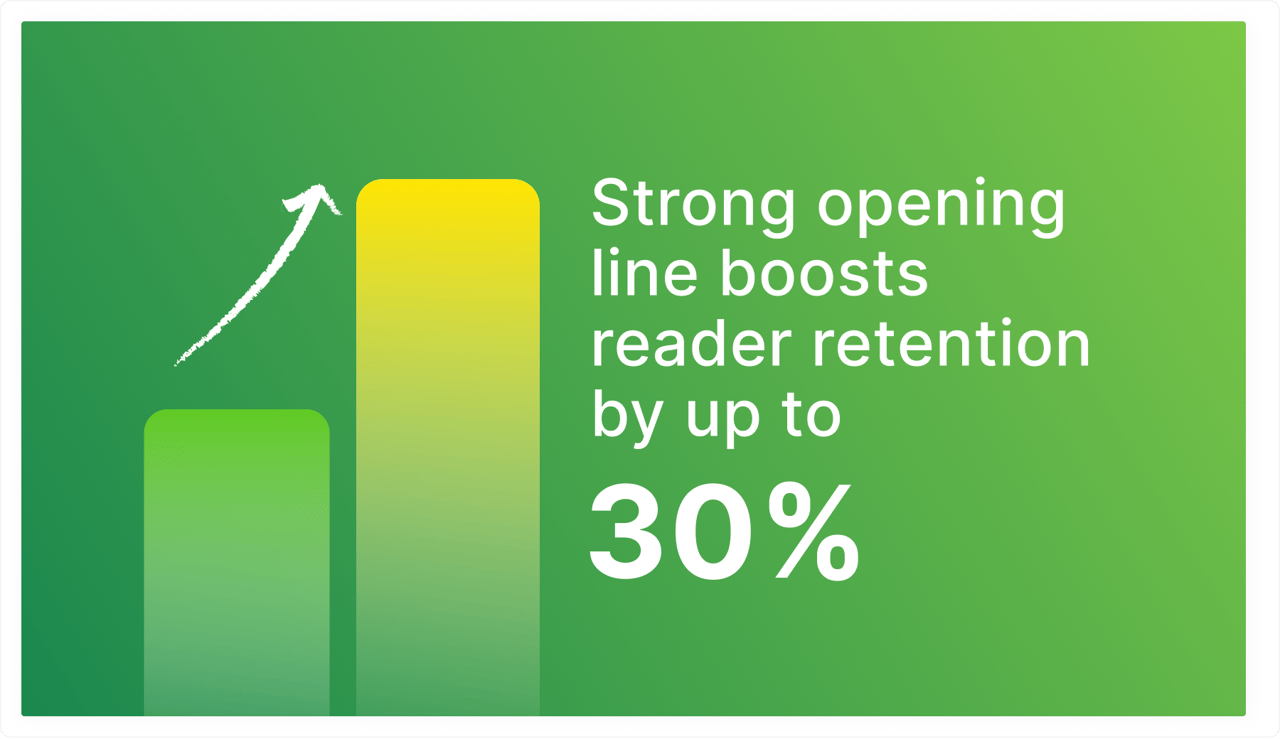
A strong opening line can boost reader retention by up to 30%, according to Algorithm Insights Research.
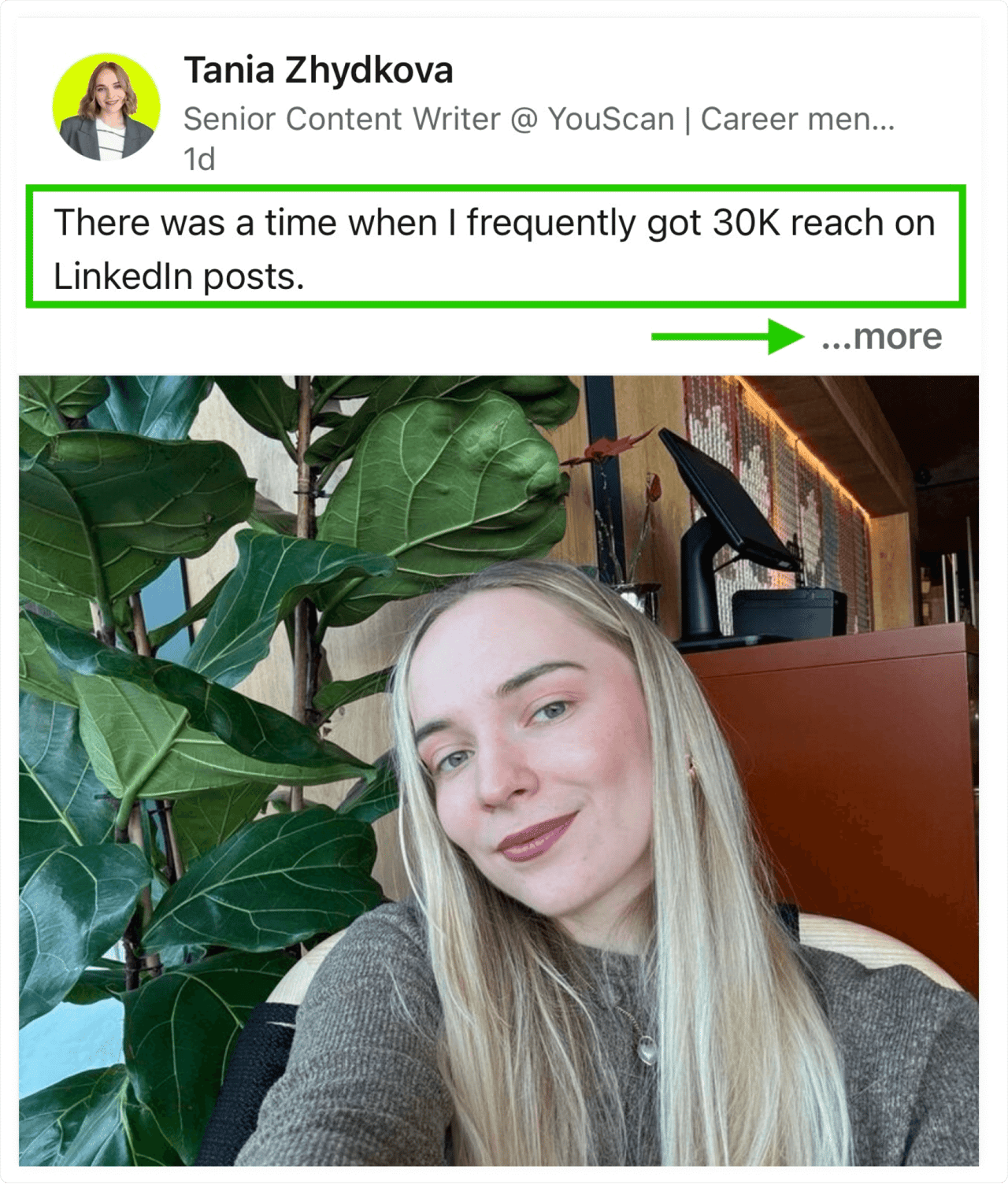
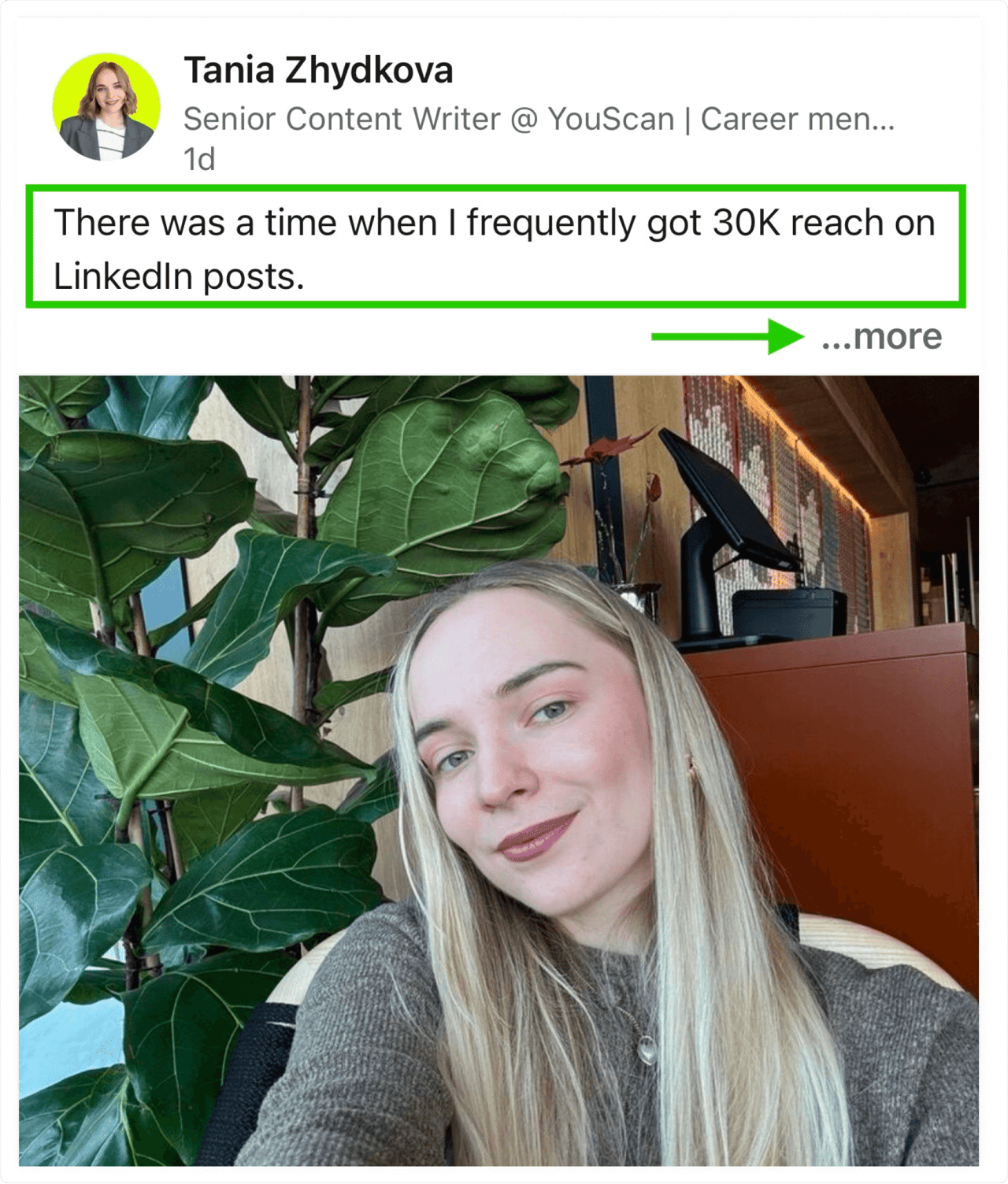
The LinkedIn mobile app shows roughly the first 150-200 characters before cutting off your post with a "see more" button. This means your opening sentence needs to work harder than any other part of your content.
What works for a strong hook:
Lead with specific numbers or data points
Start with a surprising observation or contrarian take
Ask targeted thought-provoking questions that hint at a specific problem
Create immediate curiosity with an unexpected statement
Keep it under 150-200 characters for mobile
Make your compelling hook scannable in 2 seconds or less
Real example:
So my hook is “The best growth hacks I’ve seen weren’t hacks”.
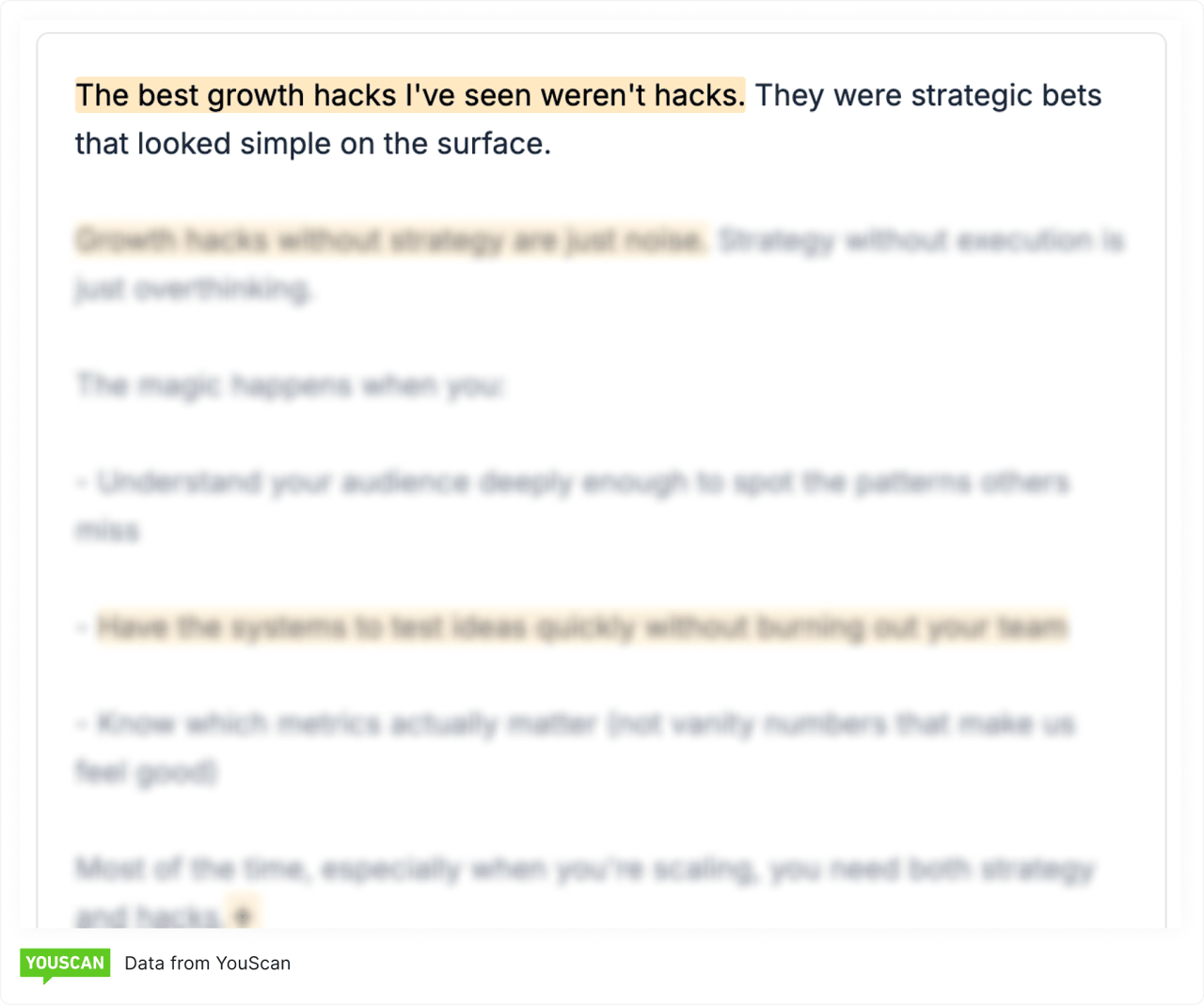
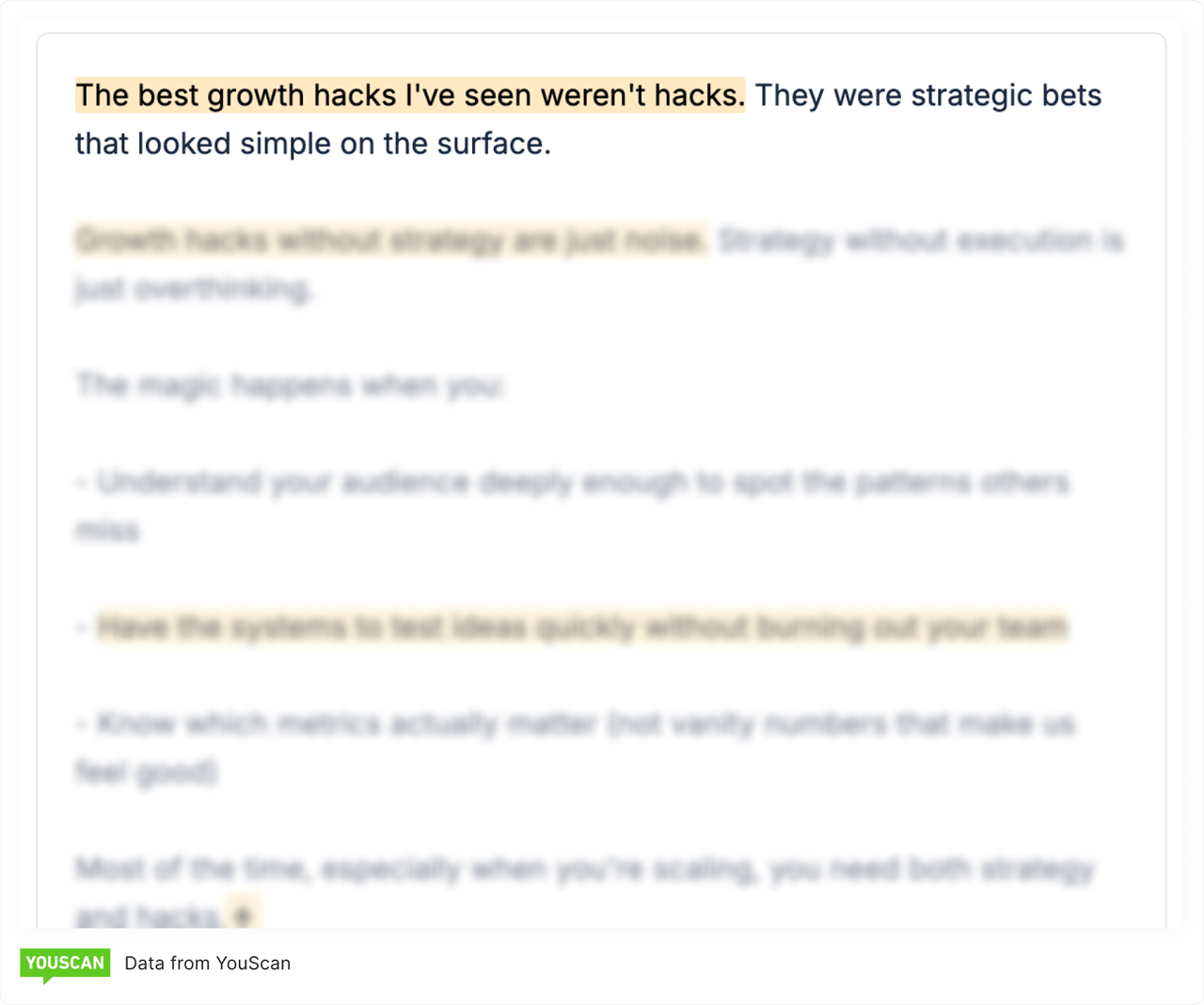
And here is what Analyzer tells me about this hook:
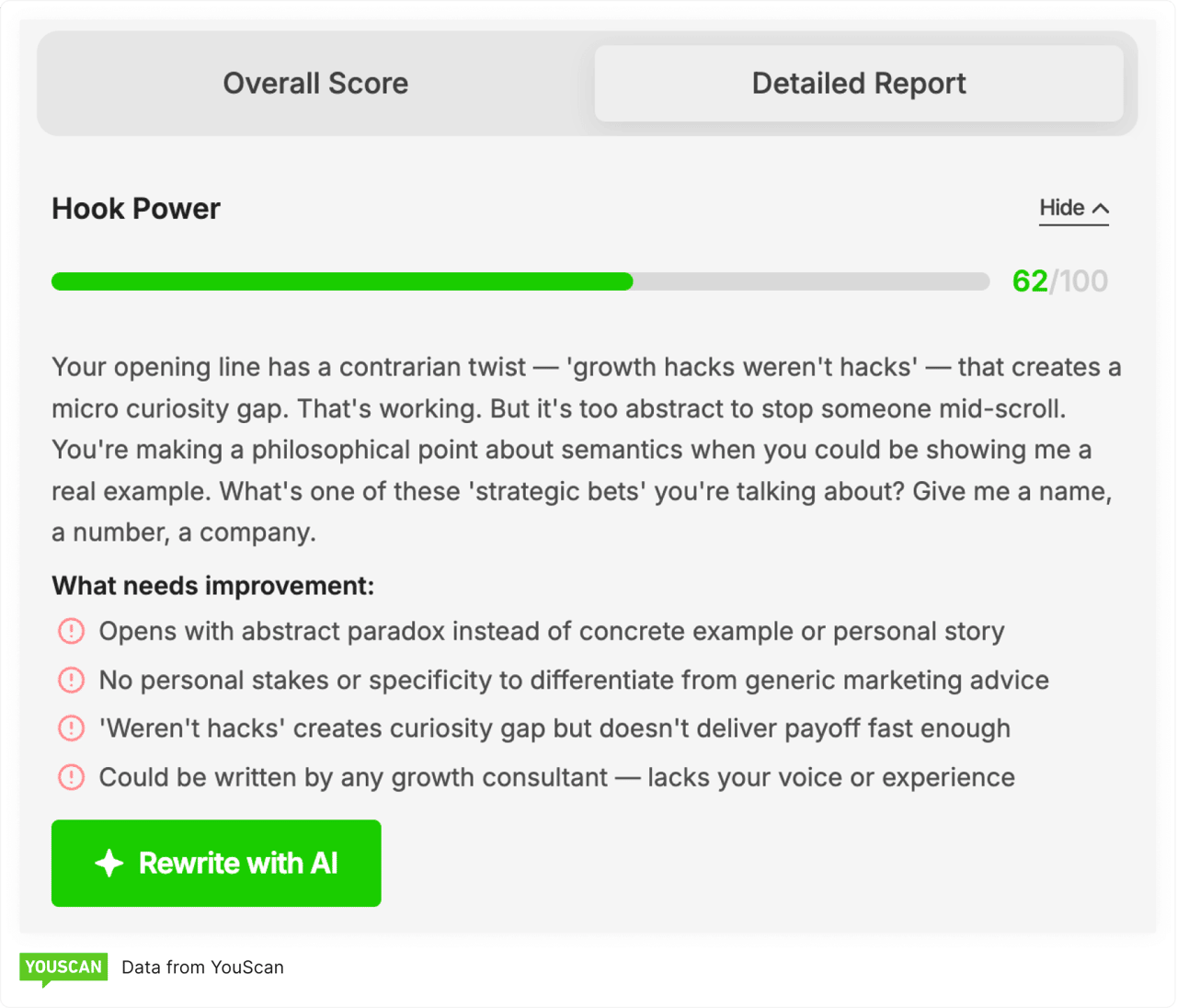
I agree with this analysis. My hook is indeed a bit too boring and there's a lack of personal experience. It may read as too theoretical, which isn't what I want since these insights are genuinely gained from my hands-on experience.
So I click “Rewrite with AI” to see what the Analyzer would propose me:
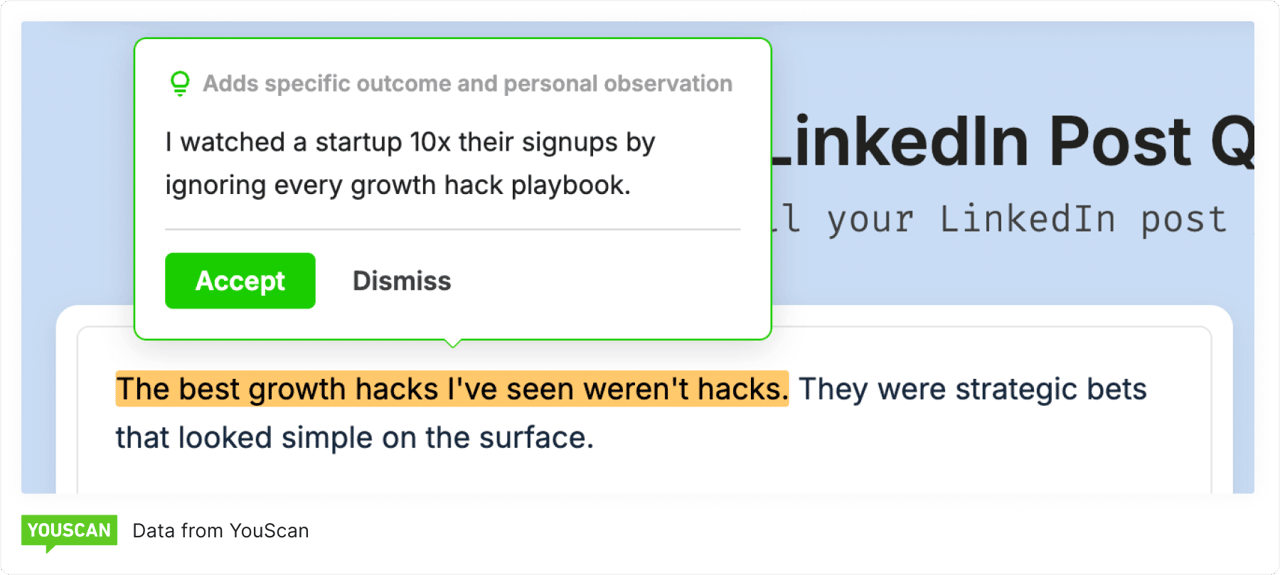
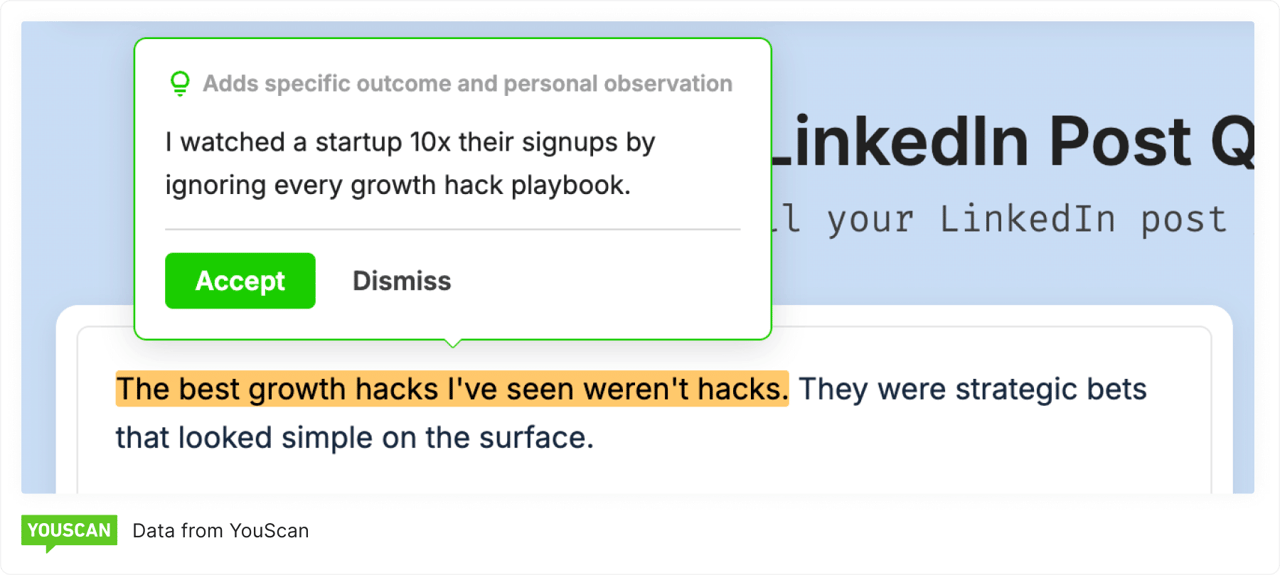
Wow! I really like this suggestion. It doesn’t directly describe my experience, but it gives me a hint on how I can start with my REAL experience instead of a theoretical claim.
So based on this feedback I decided to go with this hook:
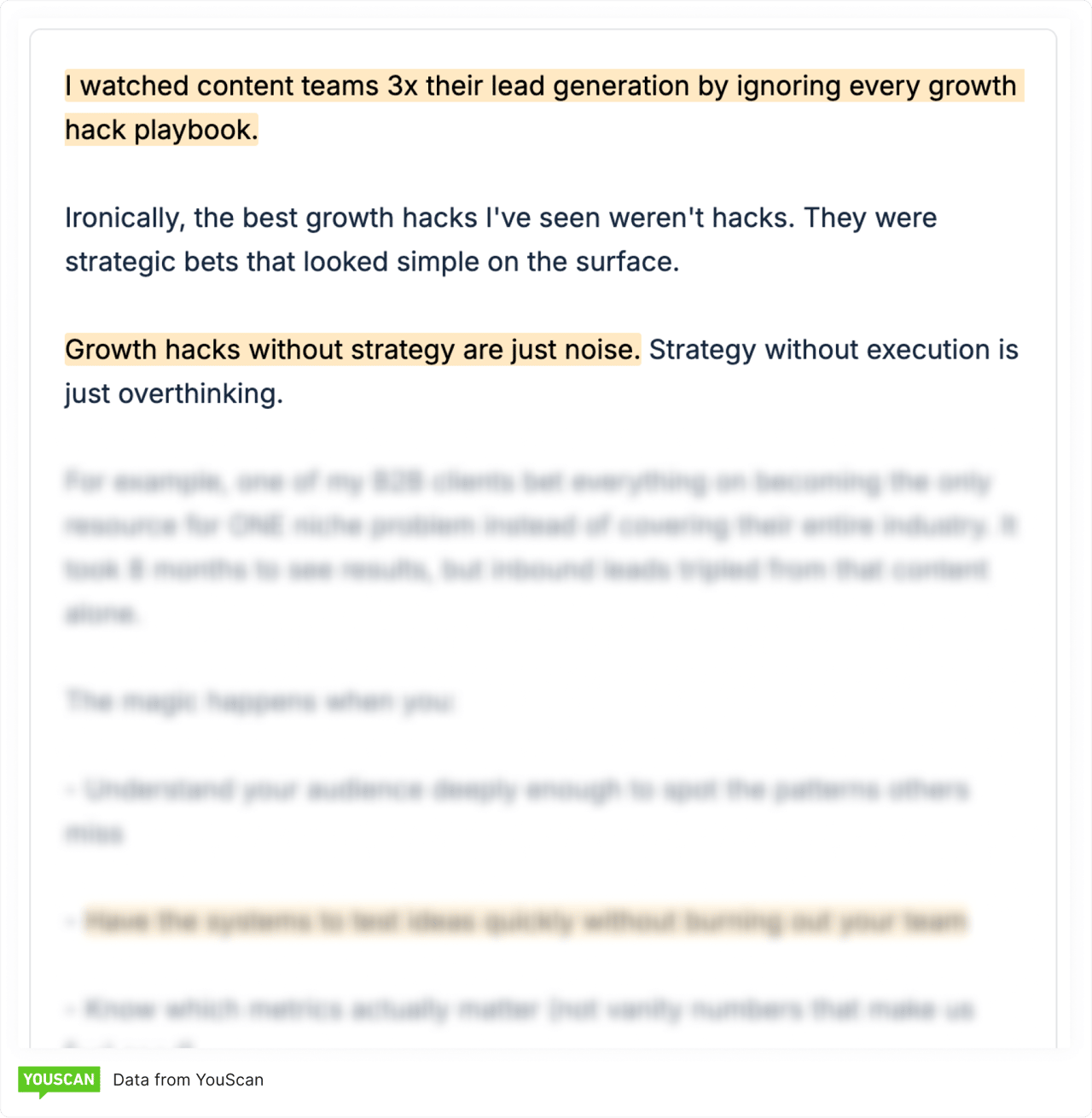
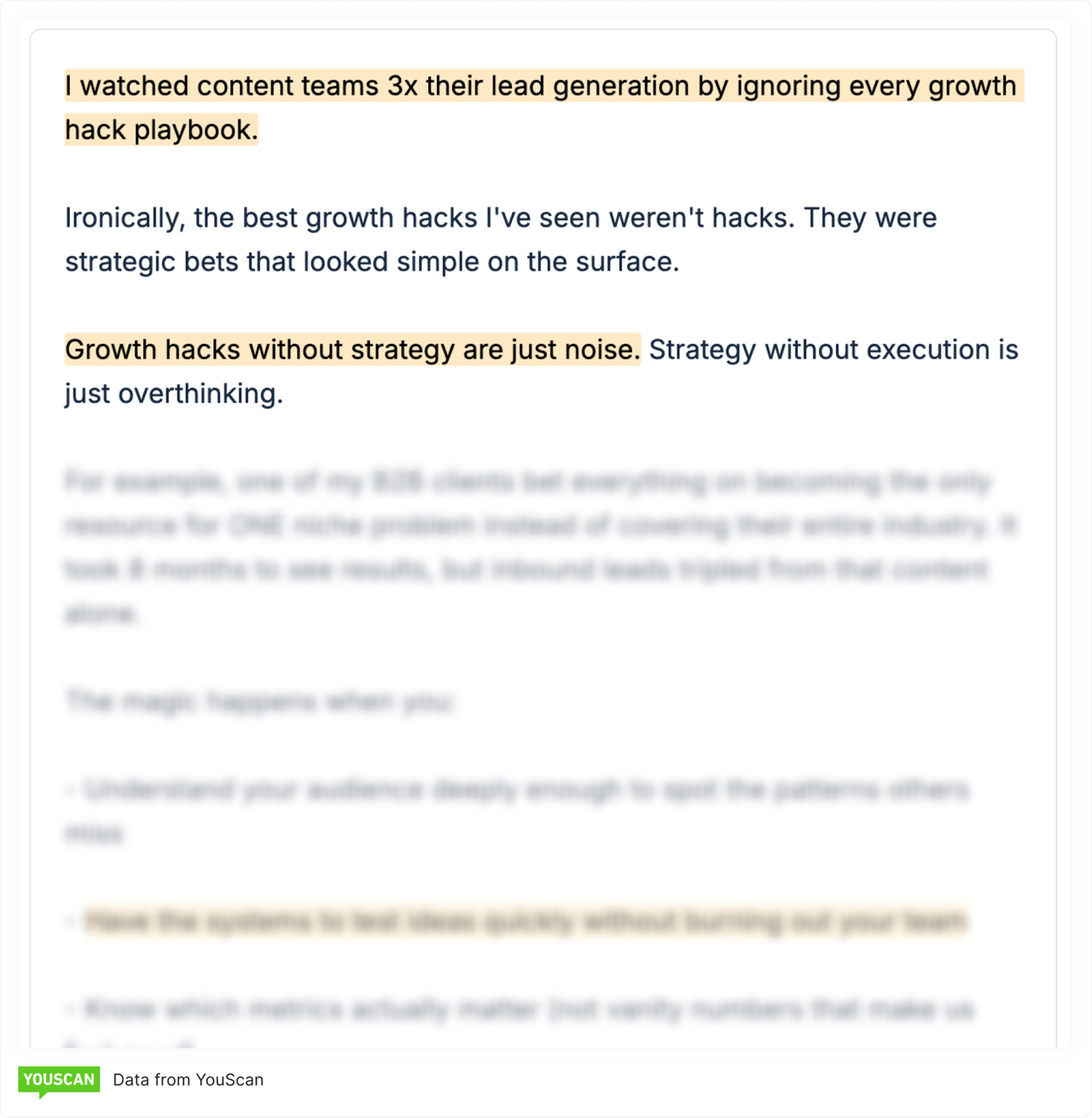
2. Authenticity: do you sound human or AI?
This has become the make-or-break factor in 2026. With AI writing tools e-v-e-r-y-w-h-e-r-e, readers have developed a sixth sense for detecting content that feels generated rather than genuinely written by a human being.
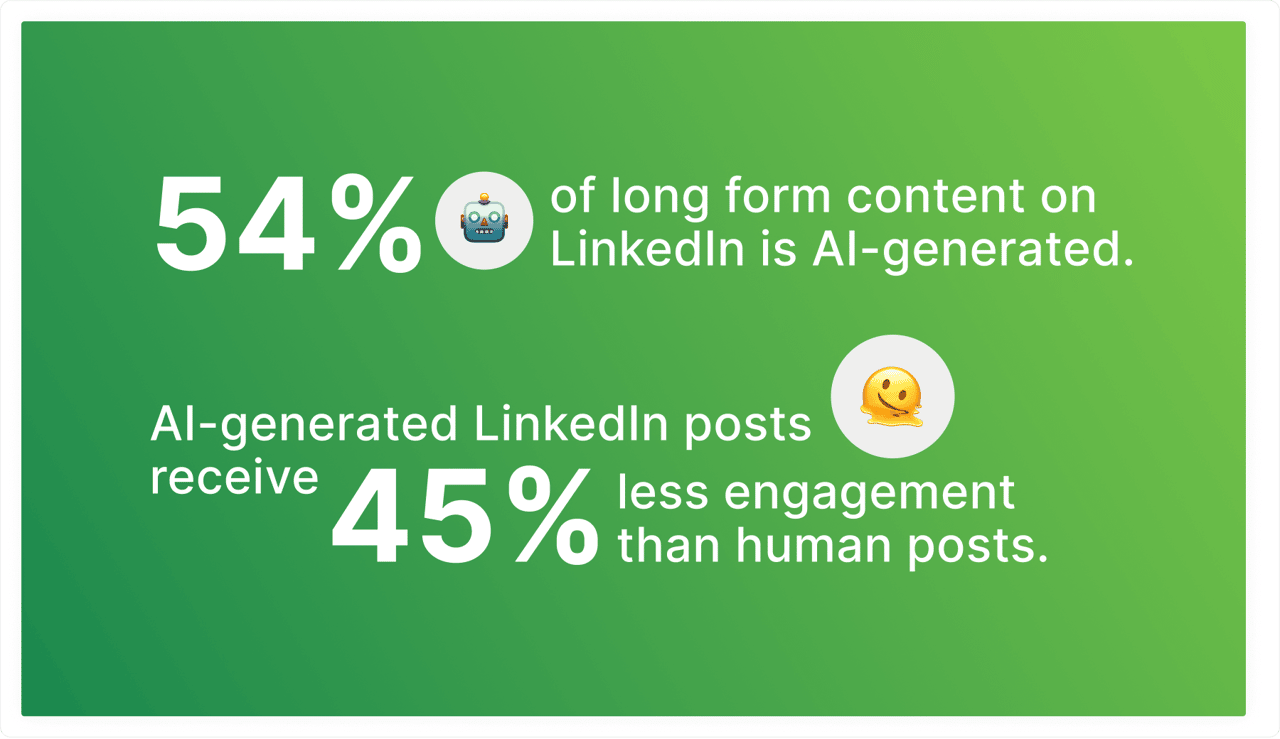
Actually, 54% of long-form content on LinkedIn are estimated to be AI-generated according to Originality AI research. Can you believe that?! The same study discovered that AI-generated LinkedIn posts receive 45% less social media engagement than human posts.
Unfortunately, humans sometimes accidentally add Artificial Intelligence patterns to their original writing. And that's frustrating. No one wants to pour thought into a post only to have readers dismiss it as AI-generated.
So here's the test for authenticity: would you actually say this out loud to a colleague over coffee?
If the answer is no, you're probably writing in that stiff, corporate voice that feels inauthentic and generated. Your LinkedIn posts should sound like you explaining something to a friend who works in your industry. You can share professional achievements without being robotic.
How to post on LinkedIn with authenticity:
Write like you're talking to a colleague over coffee
Share what failed behind the scenes, not just what succeeded
Use specific numbers and details instead of vague claims
Vary sentence length and structure naturally
Admit uncertainty or ongoing learning
Include personal observations and experiences
Cut corporate jargon and throat-clearing phrases
Real LinkedIn post example:
So you remember my draft:
Here is what Authenticity analysis I got in a LinkedIn Post Analyzer:
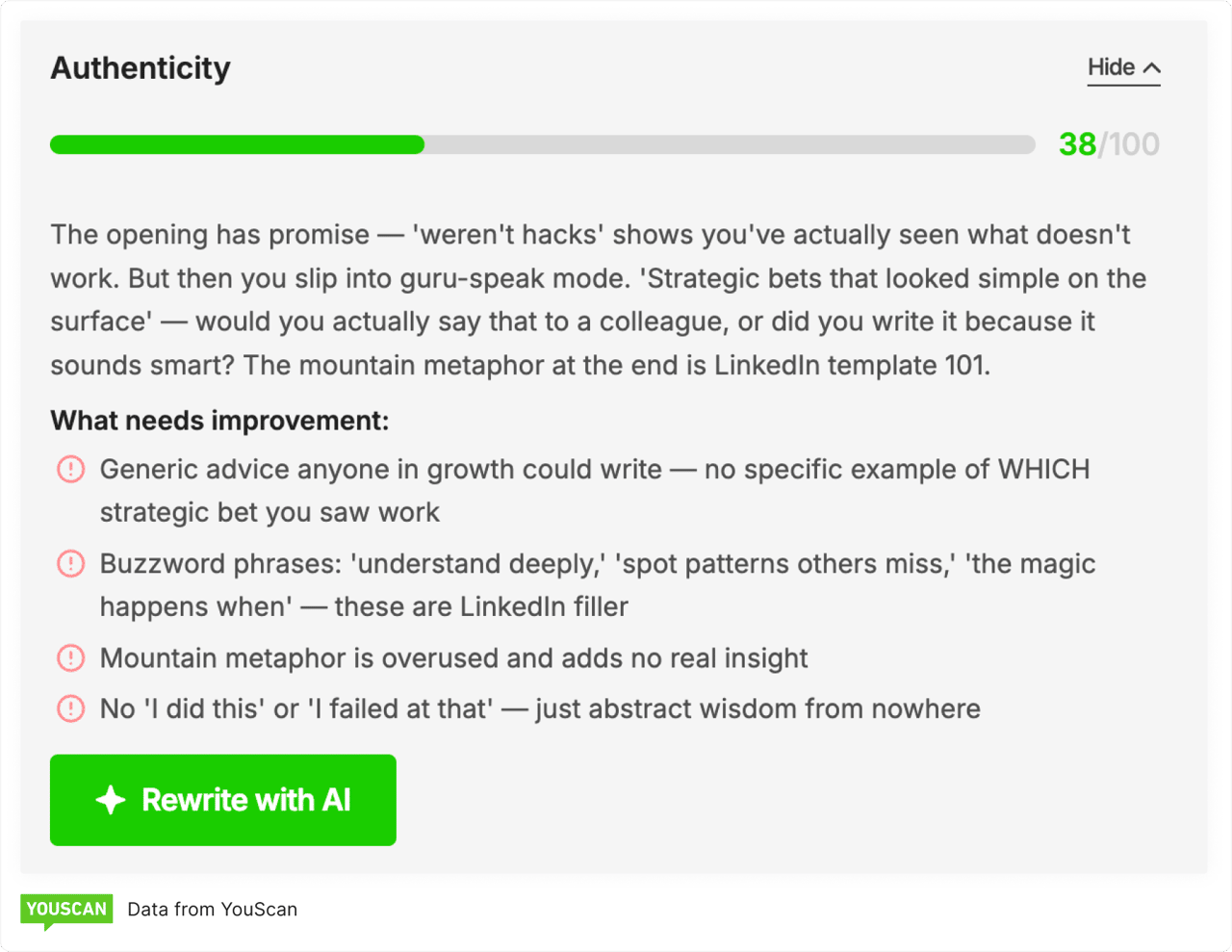
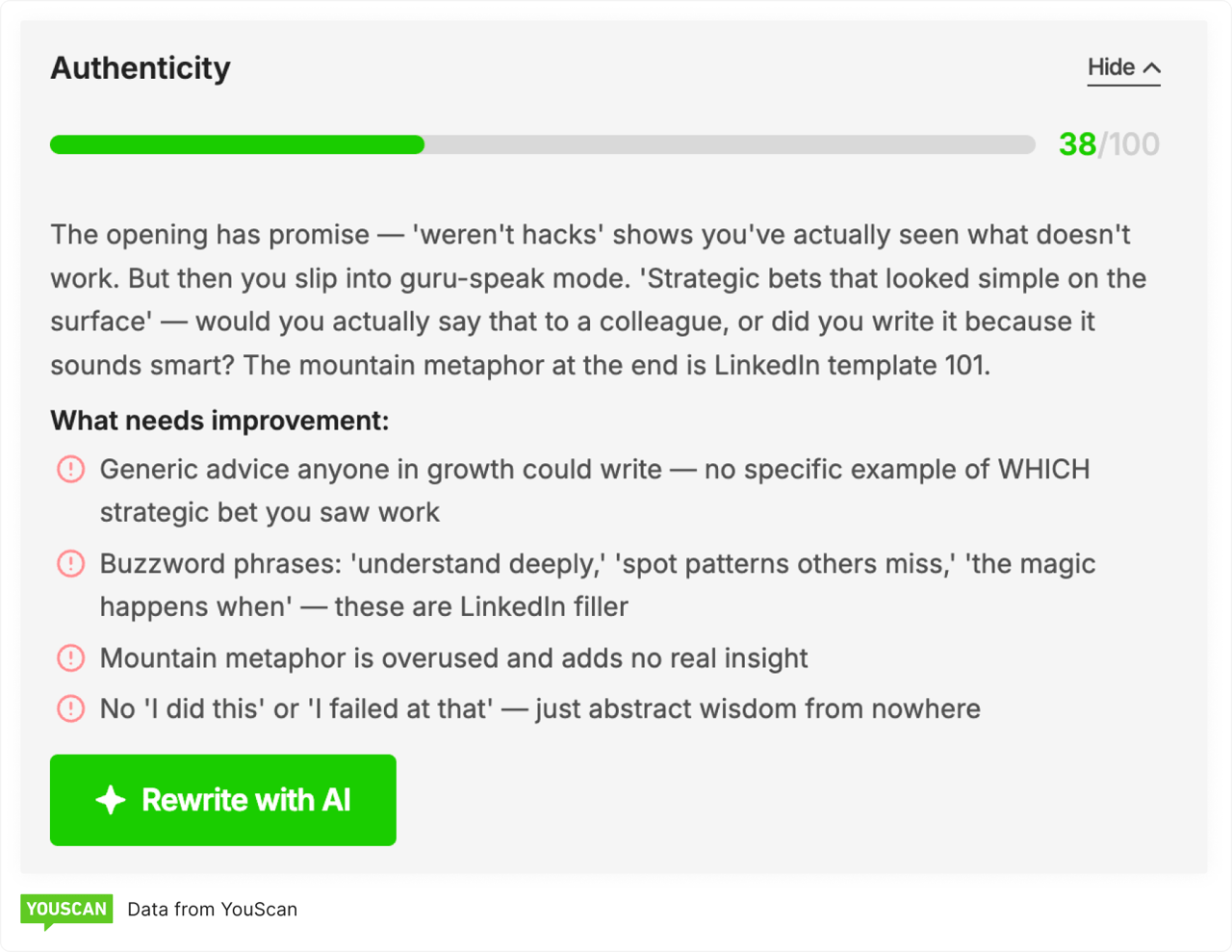
Ouch! Harsh but fair. Especially the point about 'guru-speak' mode. That's my frequent mistake.
Here is how the Analyzer’s AI recommends improve my text:
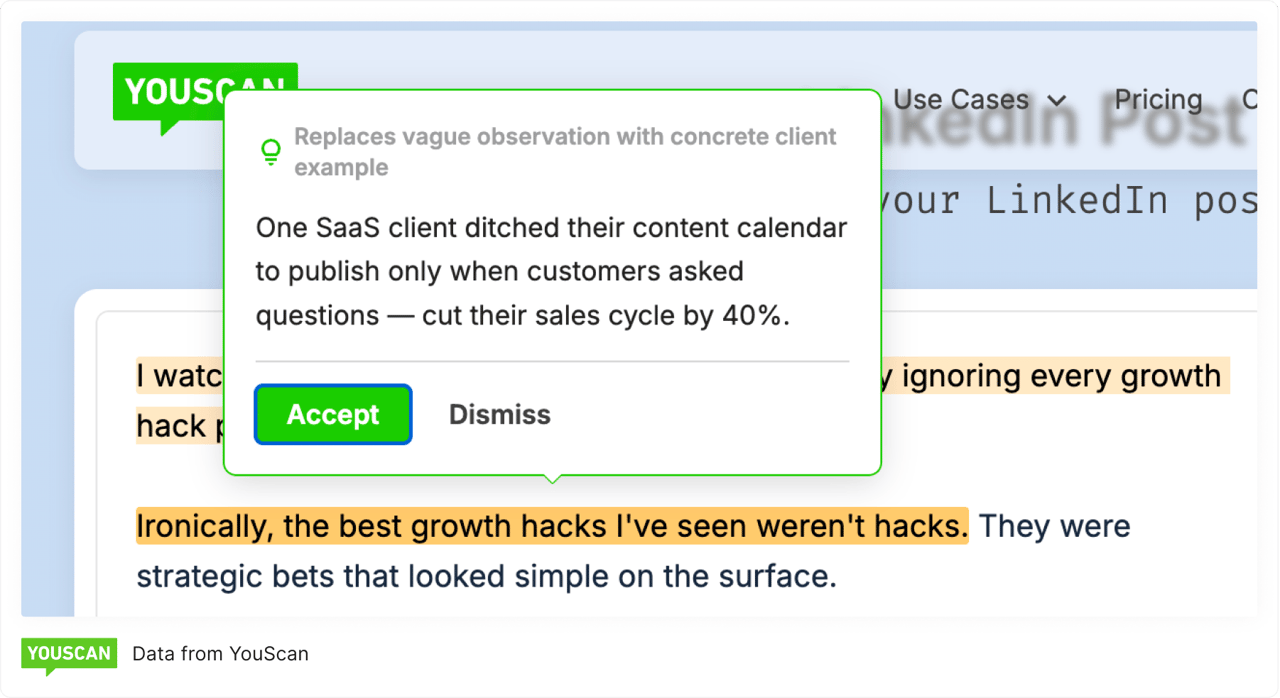
So basically, the Analyzer highlights my 'guru-style' claims and recommends adding a specific example from my practice. I like that it pinpoints exactly where I slip into theoretical mode (this is often hard to catch) and where there's potential to improve the reader's experience with concrete details.
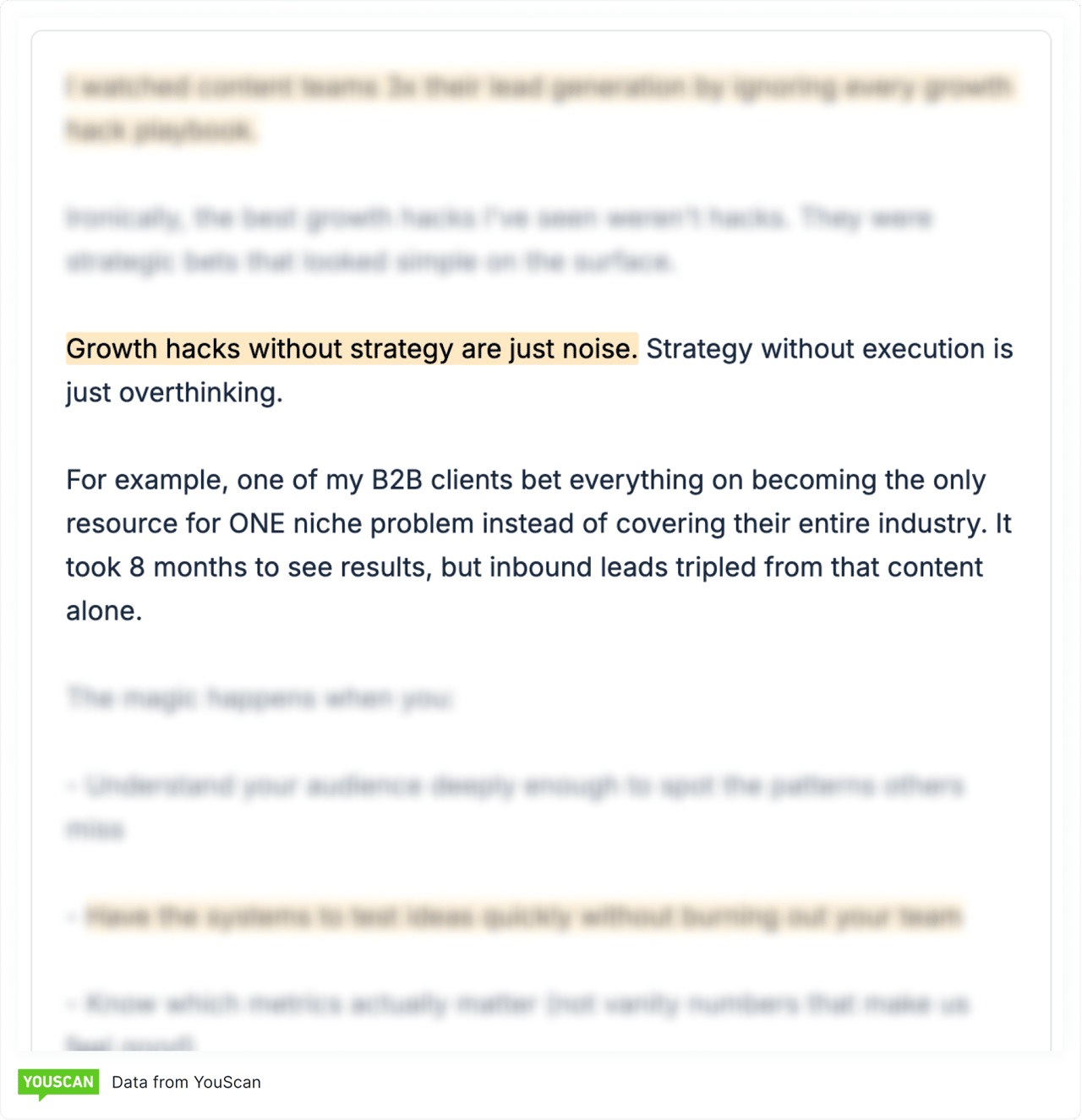
So this is how I fixed this part:
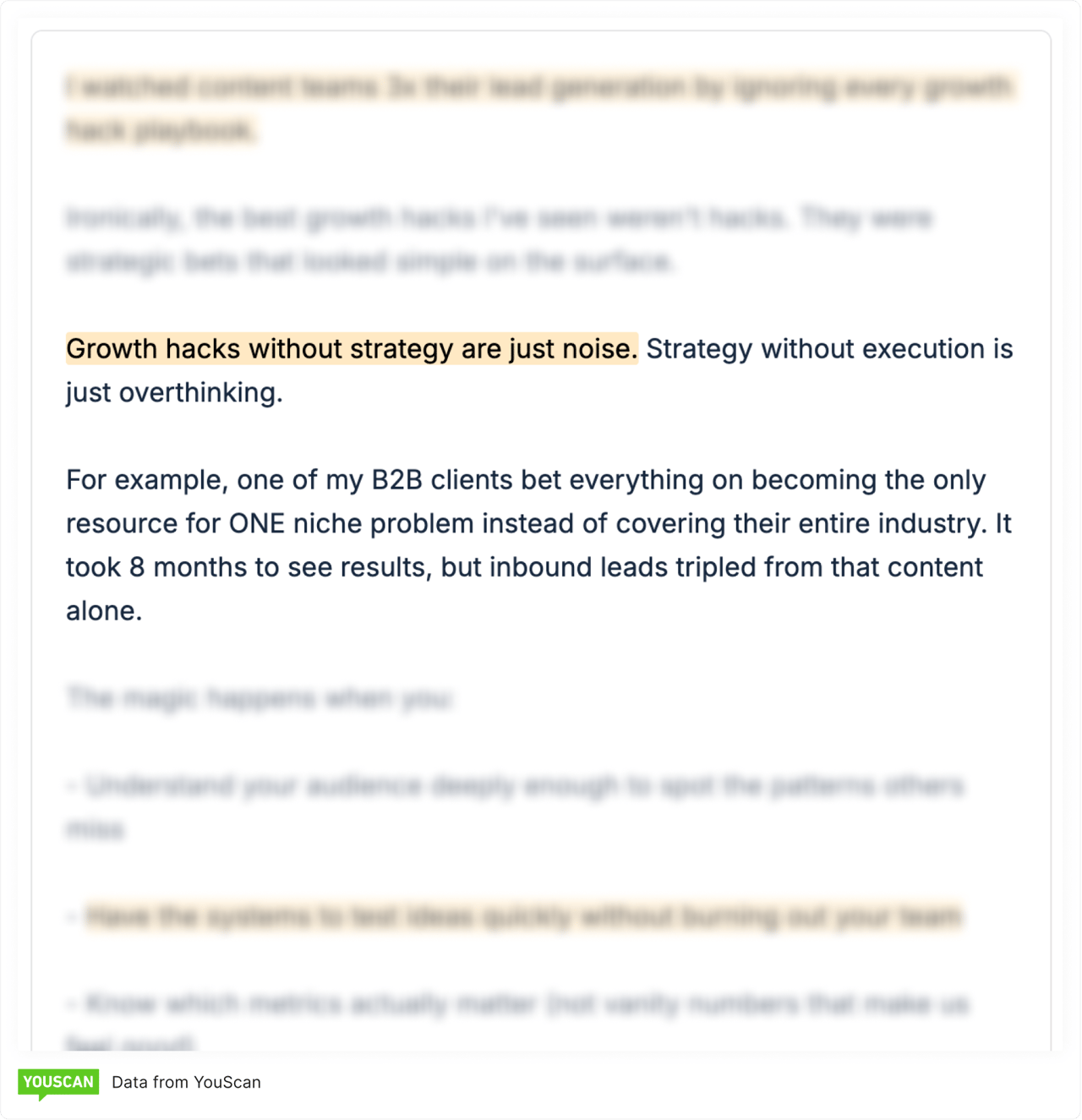
3. Engagement potential: will readers engage or ignore?
A viral post usually gets a lot of people actively participating through comments, shares, and meaningful interactions. The algorithm picks up on engaging LinkedIn posts and pushes your content further.
The question is, what makes someone stop being a passive reader and start actively engaging? It usually comes down to whether your post creates an entry point for them to add their own perspective or experience in a busy feed.
❌ What kills engagement potential is being too vague or too preachy. Posts that just state obvious truths without adding new perspective get ignored. And posts that talk down to readers or feel like you're lecturing rarely generate genuine discussion.
What works:
End with genuine questions to encourage engagement
Share frameworks or processes people can actually use
Tell transformation stories and offer insights that others can relate to
Leave room for different perspectives and interpretations
Ask for specific examples from readers
Create relevant content worth saving or bookmarking
Make it easy for people to add their own valuable insights and ideas
Real LinkedIn post example:
Let’s take a look at the analysis of the Viral (Engagement) Potential for my post:
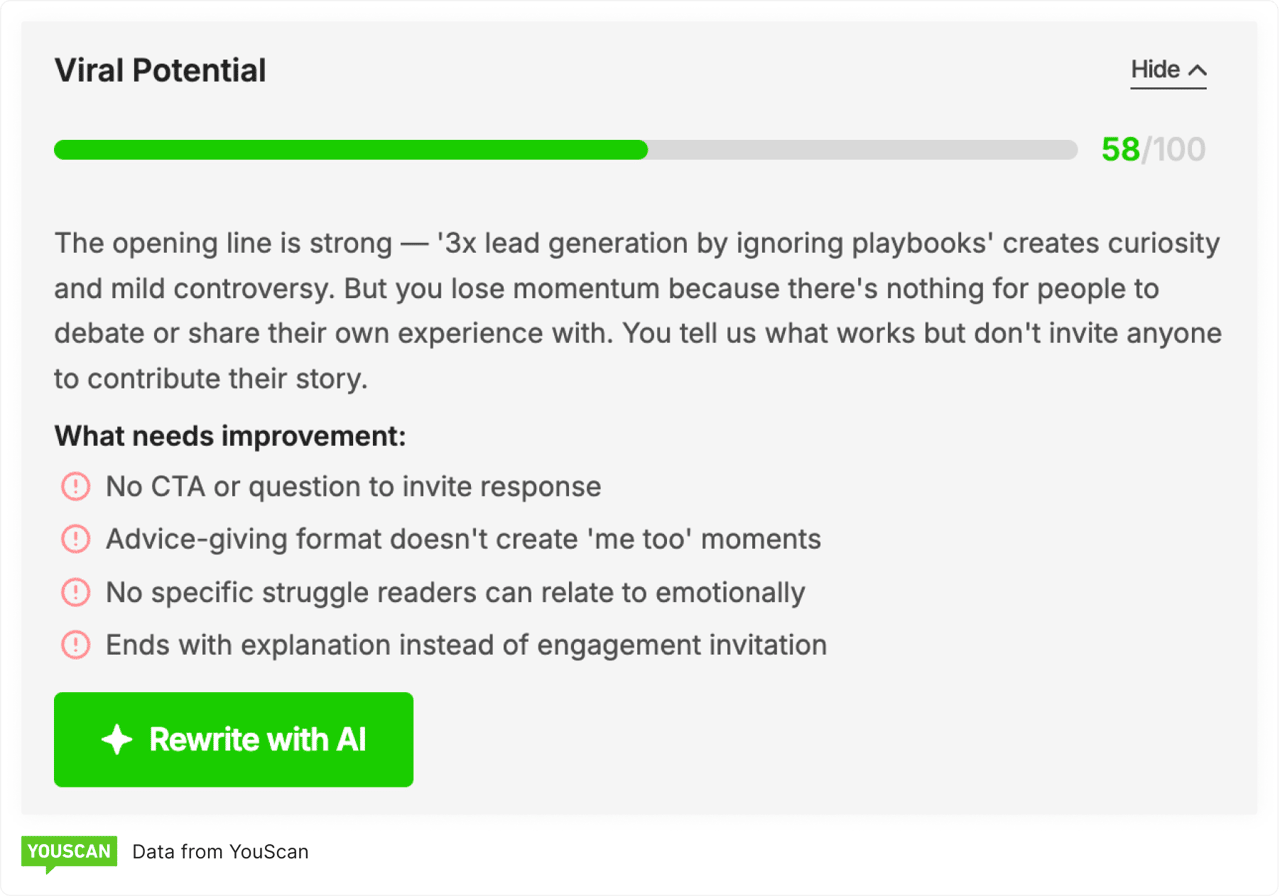
And the AI recommendation for my specific text was adding a question at the end:
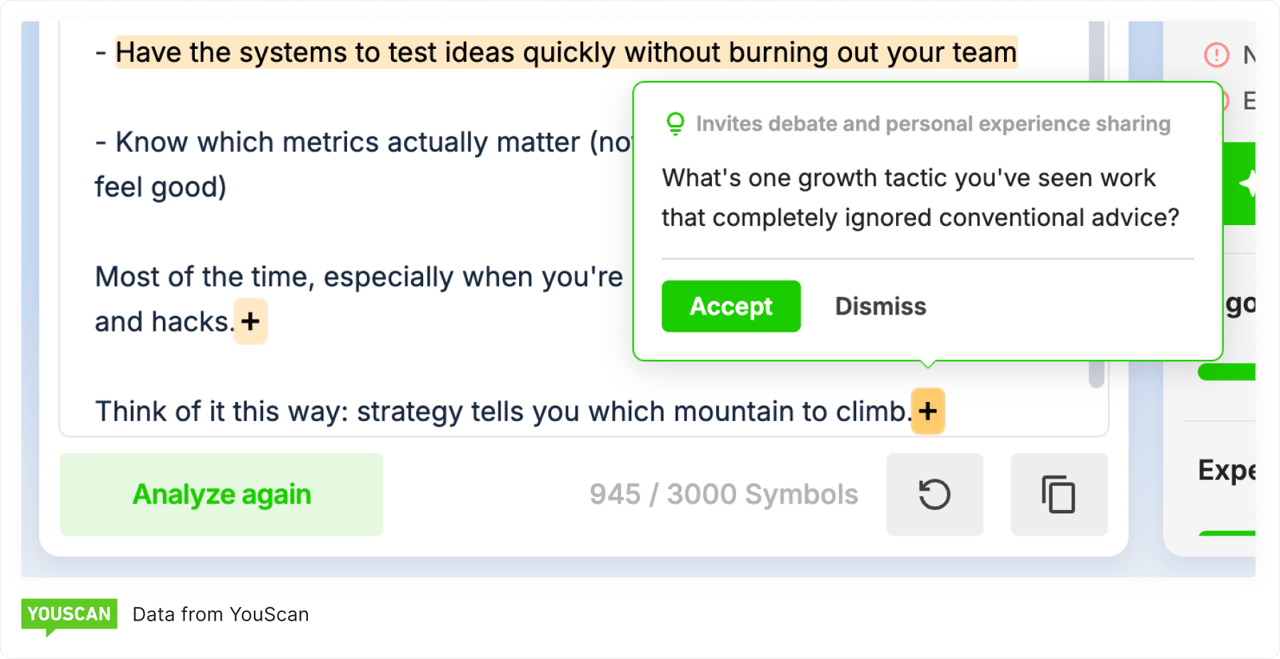
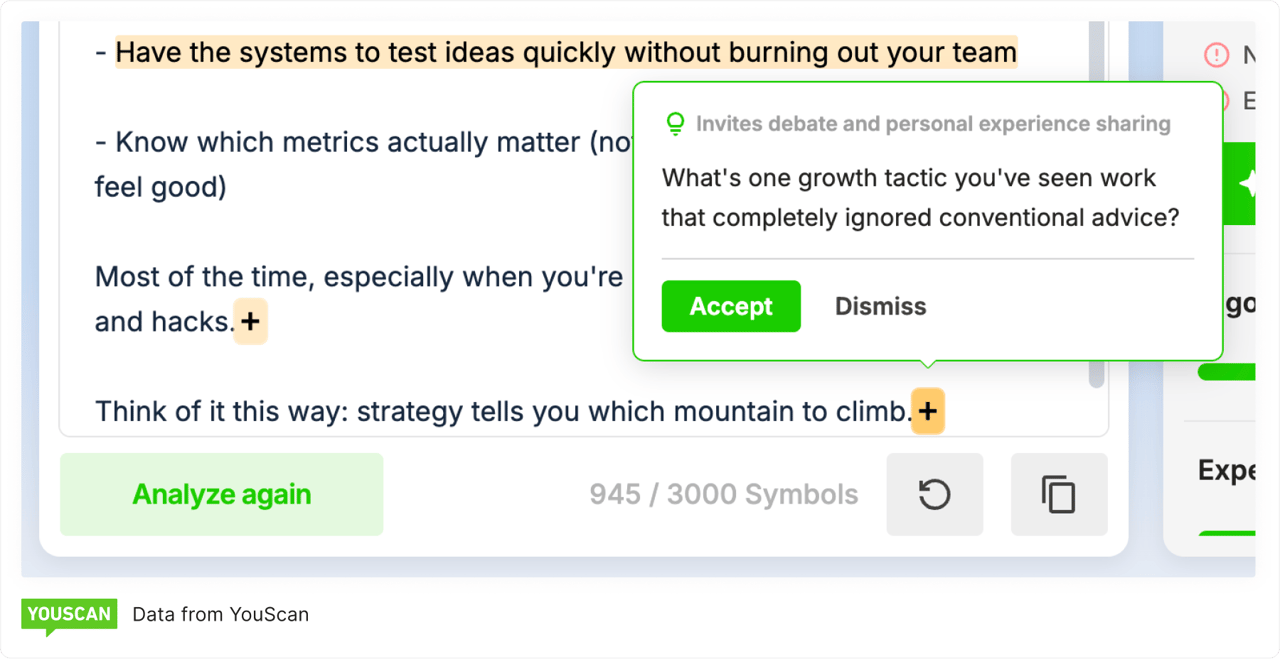
I love this question! It perfectly captions up the discussion I wanted to raise with this post. So I just clicked “Accept” for this one.
4. Algorithm compatibility: do your LinkedIn post ideas accidentally kill your reach?
You can write a phenomenal post that resonates with readers, but if it violates what the algorithm wants, hardly anyone will see it. These technical details matter more than most people realize. Especially if you rely on LinkedIn to generate leads for your company.
External links in your main post text are the biggest reach killer. Every time you include a URL and a call to action that sends people away from LinkedIn, the algorithm deprioritizes your content.
I've seen text posts with identical copy perform completely differently based solely on whether they had a link or not. The version without the link and call to action got 4x the impressions.
What works:
Keep external links out of the main post text
Use short paragraphs with line breaks for mobile readability
Stick to 2-3 niche-specific hashtags maximum
Post when your target audience is actively scrolling
Format for mobile first, desktop second
Add links in the first comment if needed
Real LinkedIn post example:
Let’s see what the analysis of the Algorithm compatibility for my post is:
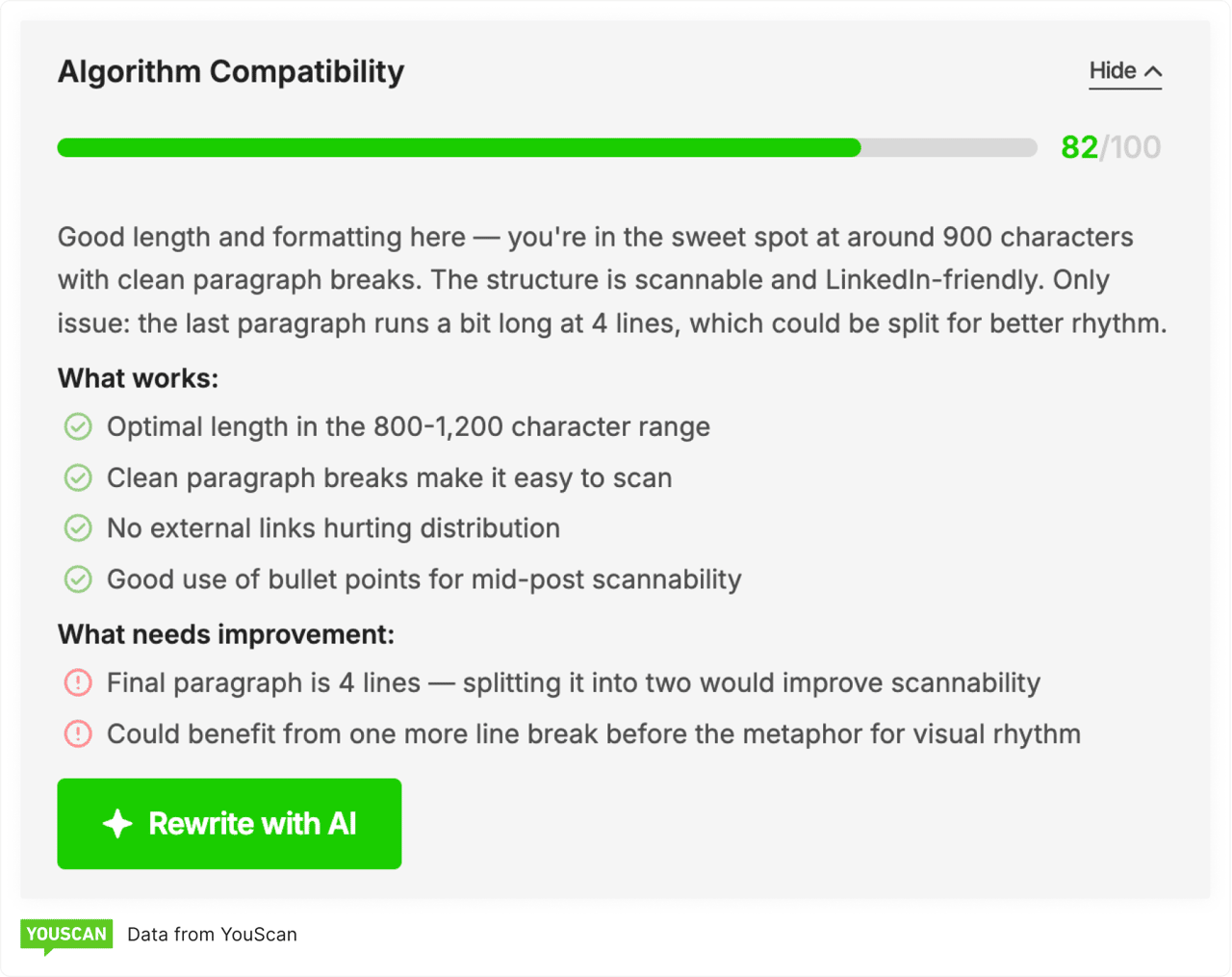
That’s a pretty high score, but there is still room for improvement. I approved the suggestions about the line breaks.
5. Expert status: do you sound like an expert?
Expert status comes through in how you present information. Specificity signals expertise.
For example, if you work with social listening tools like YouScan, you have access to actual analytics and trends. Use that. Share what you're seeing in the data. People reading your content want evidence-based industry insights, not gut feelings dressed up as strategy.
But there's also the balance you need to strike.
That kind of honesty actually strengthens credibility and professional relationships because it shows you're operating in the real world, not some theoretical bubble.
What works:
Include practical advice and specific numbers from your work
Back up claims with real data and examples
Show your thinking process, not just conclusions
Admit what you're still learning or where you failed
Use plain language instead of unnecessary jargon
Share industry-specific knowledge from your actual experience and tools
Post consistently to build recognition over time
Real LinkedIn post example:
Here’s what LinkedIn Post Analyzer says about the Expert status in my post:
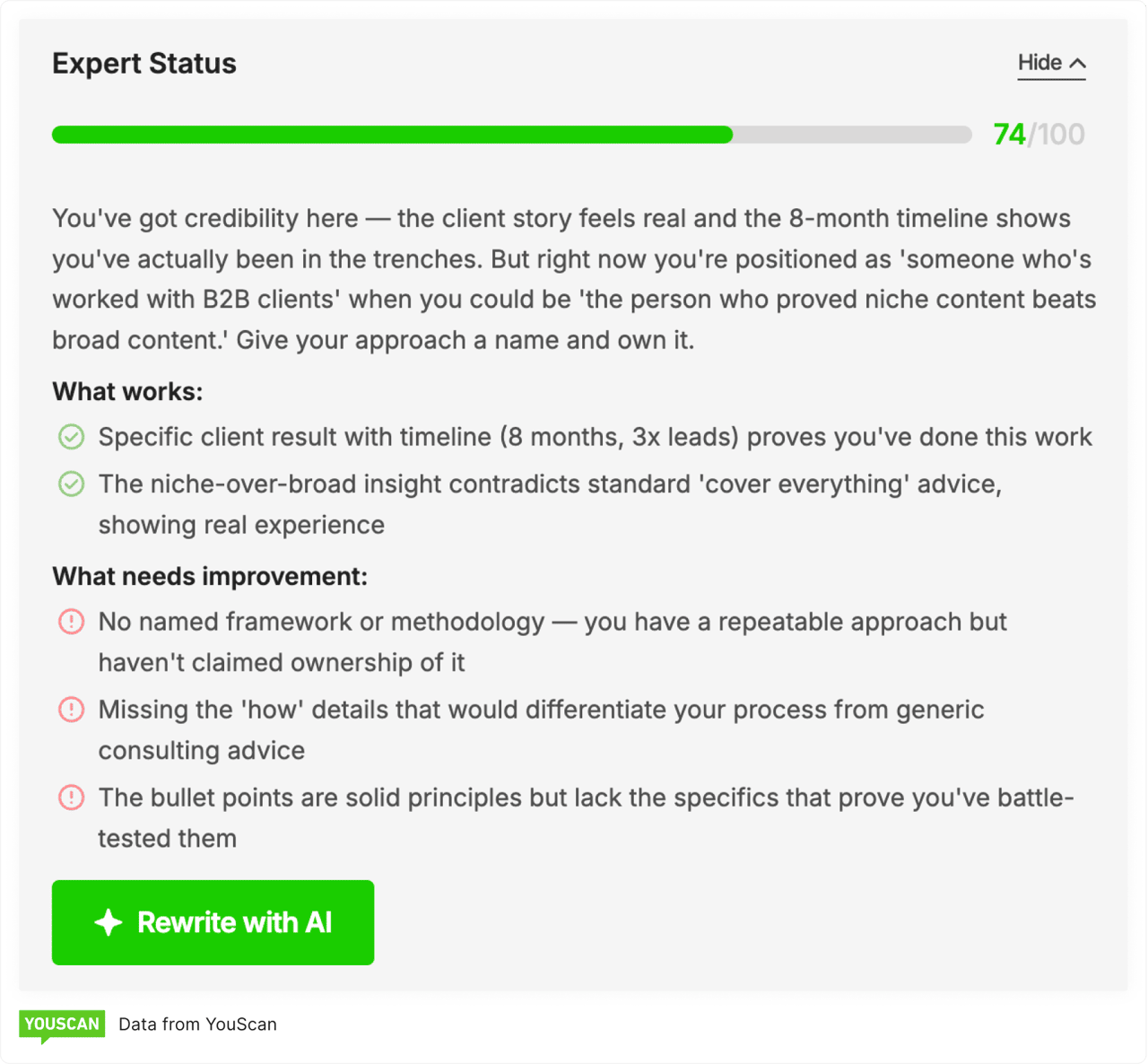
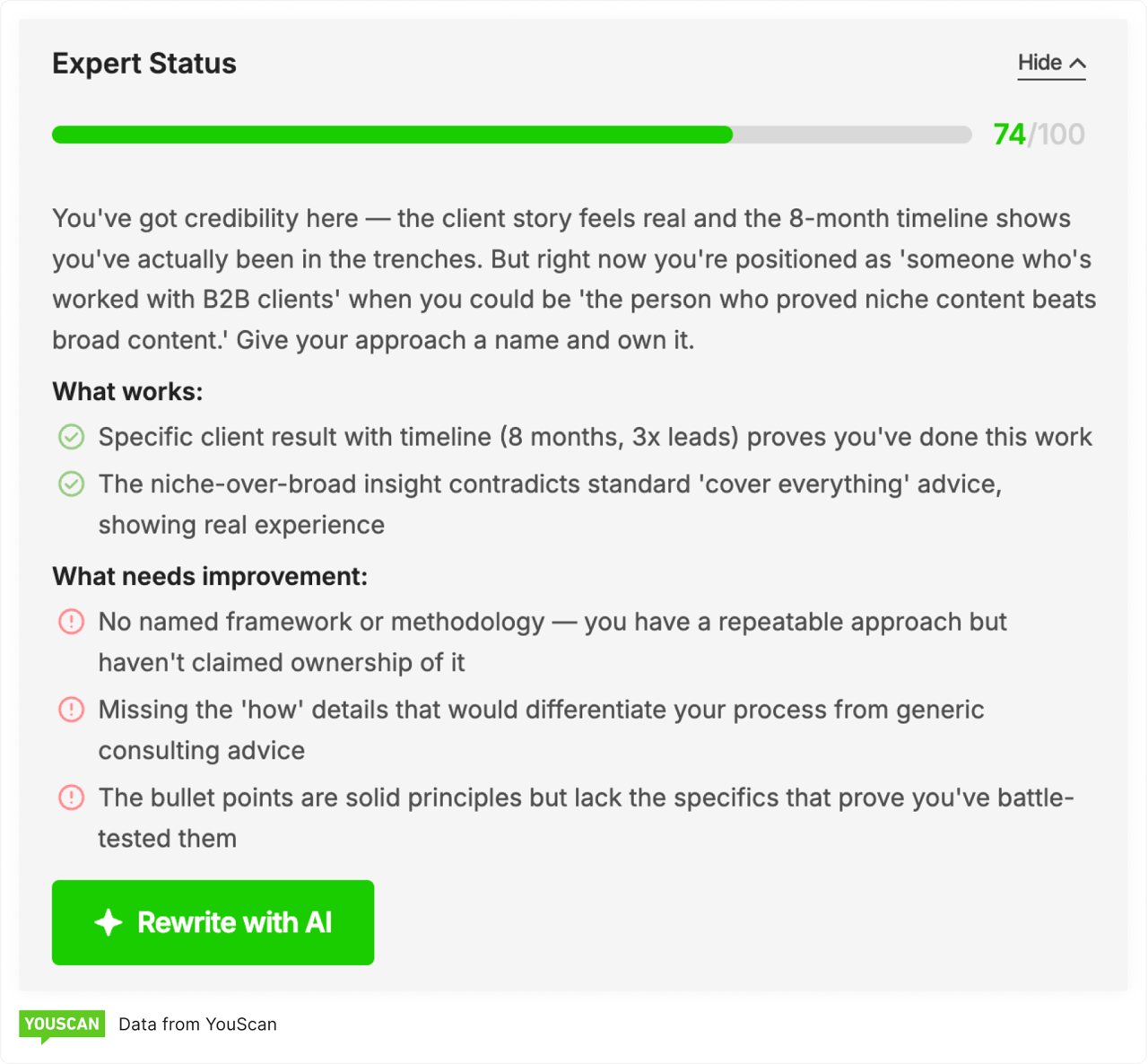
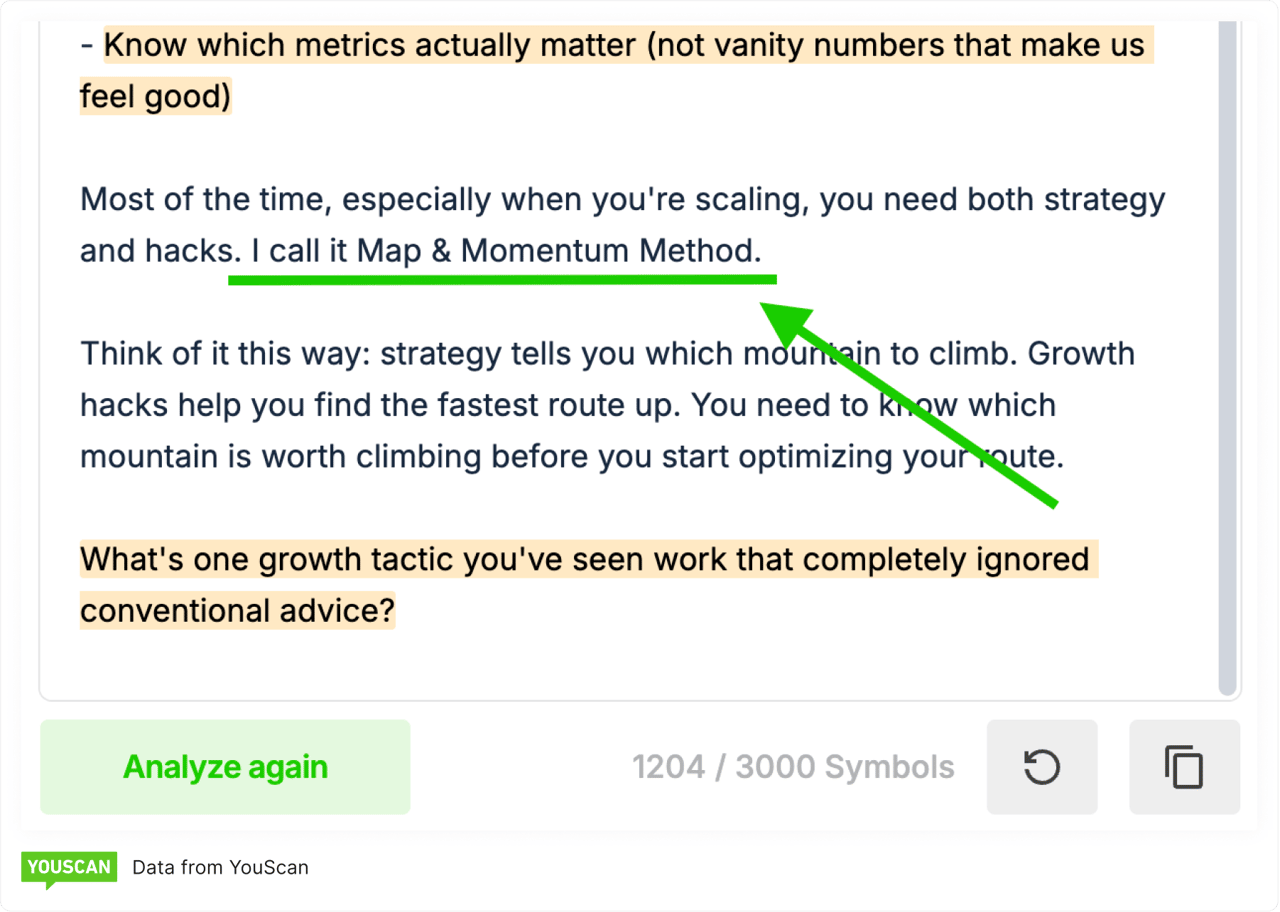
I really liked the suggestion to create a name for my approach to strategy and hacks. Naming your methods increases the probability of getting quoted as an expert.
So here’s what I added based on Analyzer’s suggestions:
Common mistakes that kill viral potential
I've watched thousands of posts die in obscurity that should have performed well. The content was solid, the insights were valuable, but something invisible killed their reach before they had a chance to perform.
Most of the time, it wasn't what people put in their posts that hurt them. It was what they did around the post or the mindset they brought to creating it.
Here are the most popular mistakes I often see on the platform:
Overthinking and self-editing educational content to death
You know that post you've been sitting on for three weeks? The one you keep rewriting, rearranging, second-guessing? That's probably your best work, and it's never going to see the light of day because you're stuck in analysis paralysis.
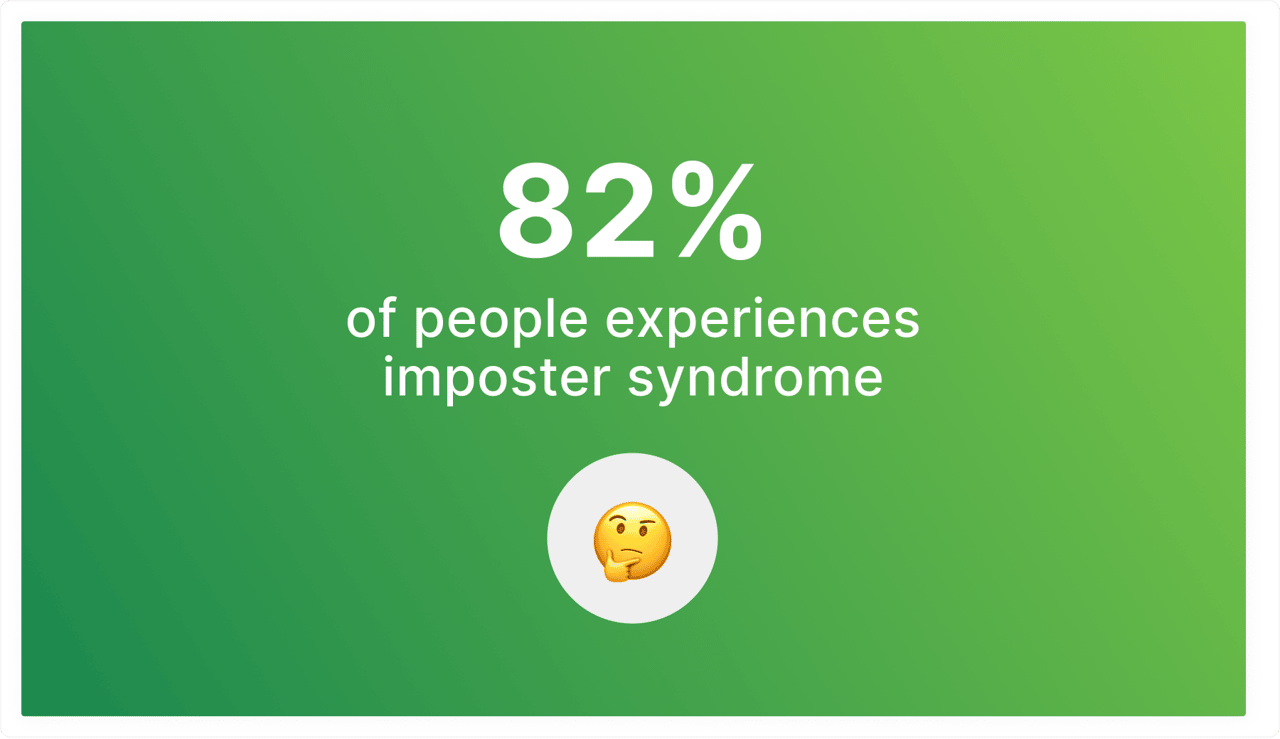
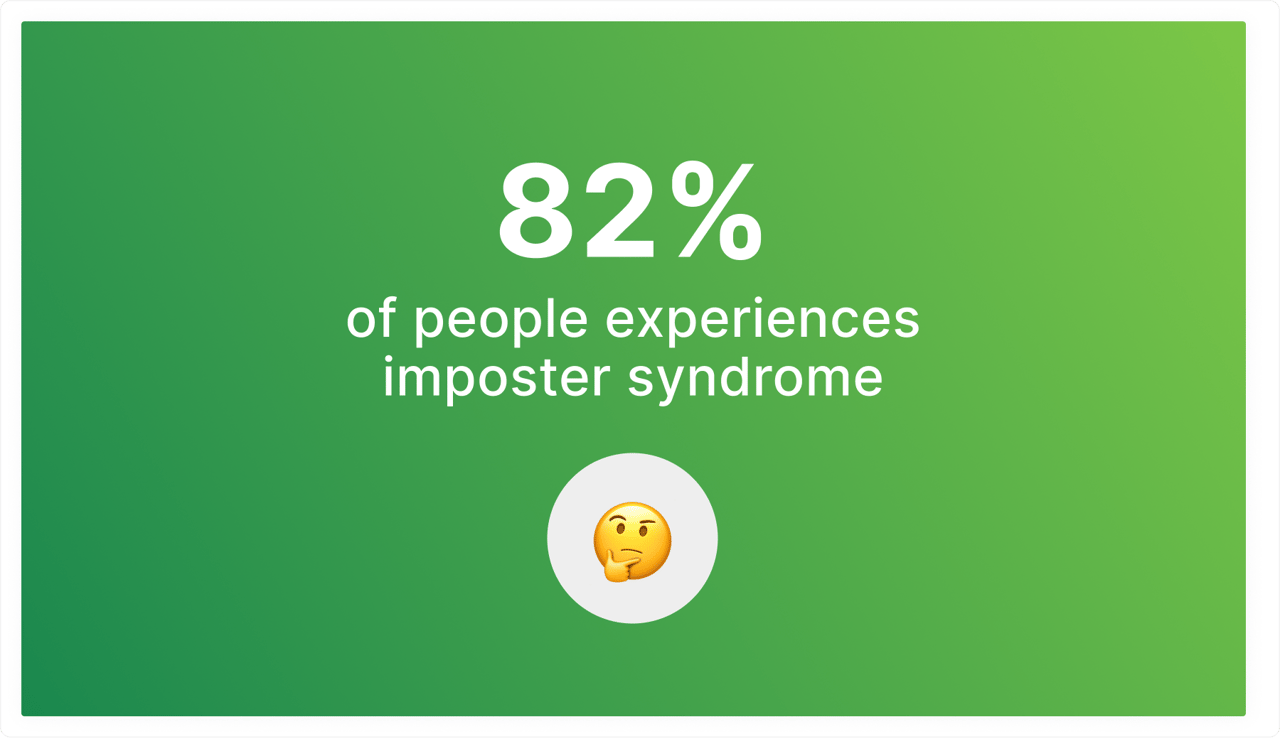
The problem is real and you are not alone in it. Up to 82% of the population experiences imposter syndrome, which impairs professional growth and contributes to burnout.
I see this constantly with professionals who are brilliant strategists but terrible at publishing their own content. They'll spend two hours crafting a post, then another hour editing it down, then another thirty minutes wondering if they should completely restructure it.
By the time they start posting, the original spark that made the idea interesting has been edited out of existence.
The posts that go viral usually have a rawness to them. They feel like someone had an idea, got excited about it, and shared it before they could talk themselves out of it. That energy comes through in the writing.
When you over-edit, you sand off all the edges that make content interesting. You remove the personality and that really harms thought leadership.
Here's what I've learned from tracking my own post performance:
My most-edited posts consistently underperform my write-it-in-20-minutes posts. The ones where I just sat down, wrote what I was thinking about, did a quick read-through for typos, and hit publish. Those get better engagement every single time.
What to do instead:
Set a 30-minute timer and start writing your post from beginning to the very end (let's call it an ugly first draft)
Do one editing pass using LinkedIn Post Analyzer for 5 LinkedIn post quality metrics, then post quickly
Trust your first instinct on whether an idea is interesting
Accept that 70% perfect and posted beats 100% perfect and stuck in drafts
Posting and ghosting with no engagement
Publishing your post and disappearing is one of the fastest ways to kill a post's visibility. The algorithm watches what you do after posting, and if you're not actively engaging with the content, it assumes the content isn't worth amplifying.
The post-and-ghost pattern usually comes from treating LinkedIn like a broadcasting platform rather than a social profile.
People are scheduling posts to go out at optimal times, then forget about them until the next scheduled post. Or they publish during their content creation block, then move on to other work without checking back.
I've tracked this with my own posting patterns.
The algorithm specifically rewards active participation. When you respond quickly to early comments, you're signaling that this post has created valuable discussion.
This also affects your credibility with your audience. If someone takes time to leave a thoughtful comment and you never respond, they're less likely to engage with your future posts. Why would they invest energy in commenting if you're just going to ignore them?
What to do instead:
Block 60-90 minutes after posting to actively monitor and respond
Set notifications on so you see comments as they come in during the first few hours
Respond to every substantive comment within the first day
Thank people who share content and engage with their professional networks
Treat your post as the start of a conversation, not a finished product
Schedule posts only when you can actually be present after publishing
Next steps: implementing one change at a time
Trying to remember all these algorithm requirements while you're actually writing is quite hard.
This is where AI becomes genuinely helpful. Not to create your posts for you, that never works. But to act like that colleague who catches the things you missed because you were too focused on getting your actual point across.
Before you publish your next post, run it through YouScan's LinkedIn Post Analyzer for free. Get instant feedback on your hook strength, authenticity, viral potential, and algorithm compatibility so you can fix what's not working before you hit publish.
The difference between a post that gets ignored and one that takes off is often just a few fixable elements.👌🏻
.png)
.png)
FAQ: How to post on LinkedIn to go viral
How often should I post on LinkedIn to grow my reach?
Consistency matters more than frequency. Posting 3-5 times per week is a solid starting point. Avoid publishing multiple posts within the same hour, because the algorithm treats this as spam behavior and throttles your distribution.
Does posting time actually affect LinkedIn reach?
Yes, timing plays a role. Post when your specific audience is actively scrolling, typically Tuesday through Thursday mornings or lunch hours for B2B audiences.
Should I use hashtags on LinkedIn in 2026?
Use 2-3 relevant, niche-specific hashtags rather than stacking popular ones. Excessive hashtags signal spam to the algorithm and reduce your distribution. Choose hashtags your target audience actually follows.
Why are my LinkedIn posts getting low engagement even though the content is good?
A few common culprits: including external links in the post body, posting and disappearing without engaging with early comments, or a weak opening line that fails to stop the scroll. Run your post through the LinkedIn Post Quality Analyzer before publishing to catch these issues.
.png)