How YouScan Helped SciData Read Mexico's Tourism Brand in Real-Time

When people talk about tourism in Mexico, the conversation is usually filled with irresistible images: beaches, gastronomy, cultural heritage, and experiences that invite you to travel. But beneath that constant enthusiasm, there are subtler signals that can shape the direction of tourist interest. That is where SciData decided to rely on YouScan.
The goal was ambitious and very specific: to understand how the digital perception of Mexico's tourism brand was evolving and what factors—positive or negative—might be influencing interest in its most iconic destinations.
The Starting Point: Real Data, Real Conversation
SciData used YouScan to analyze nearly 60,000 social media mentions related to tourism, collected during key peak months (December and March) over three consecutive years, between 2021 and 2023. To put the findings into context, Mexico was compared with other major international tourist destinations: Spain, France, and Italy.
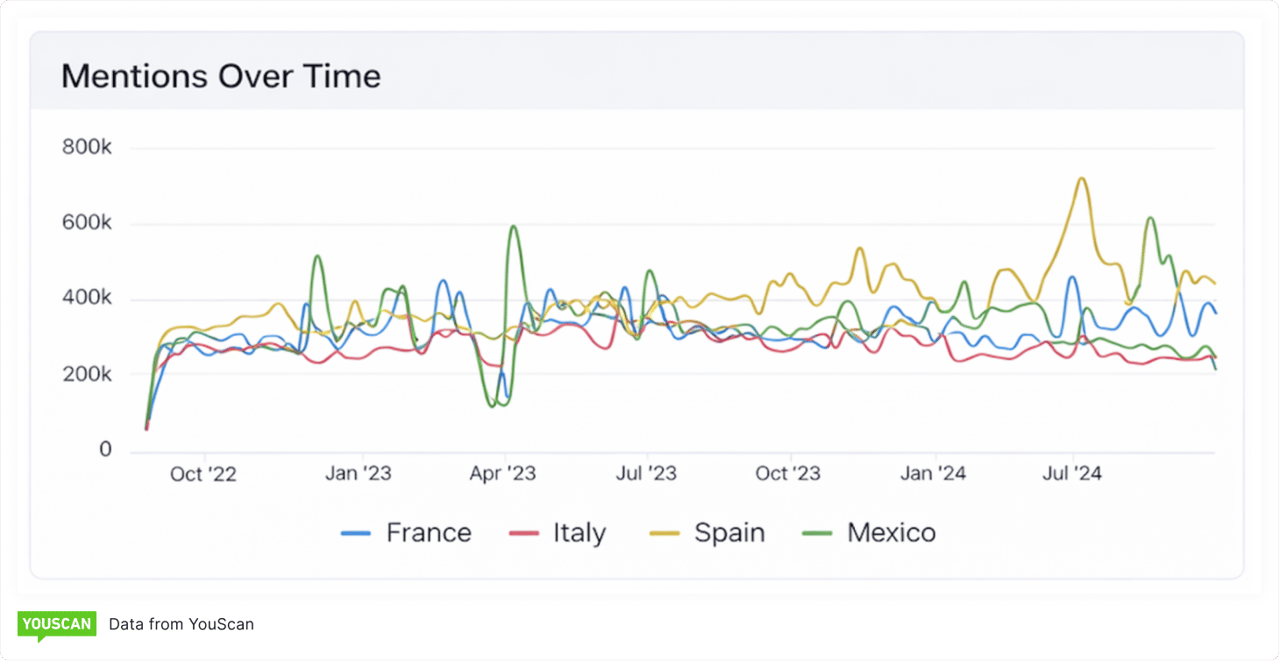
The analysis didn't stop at volume. Thanks to automatic category classification, sentiment analysis, and AI support, it was possible to understand what was being said, how it was being said, and what impact that conversation had on tourist interest.
A Country That Wins Hearts✨… But with a Warning Signal
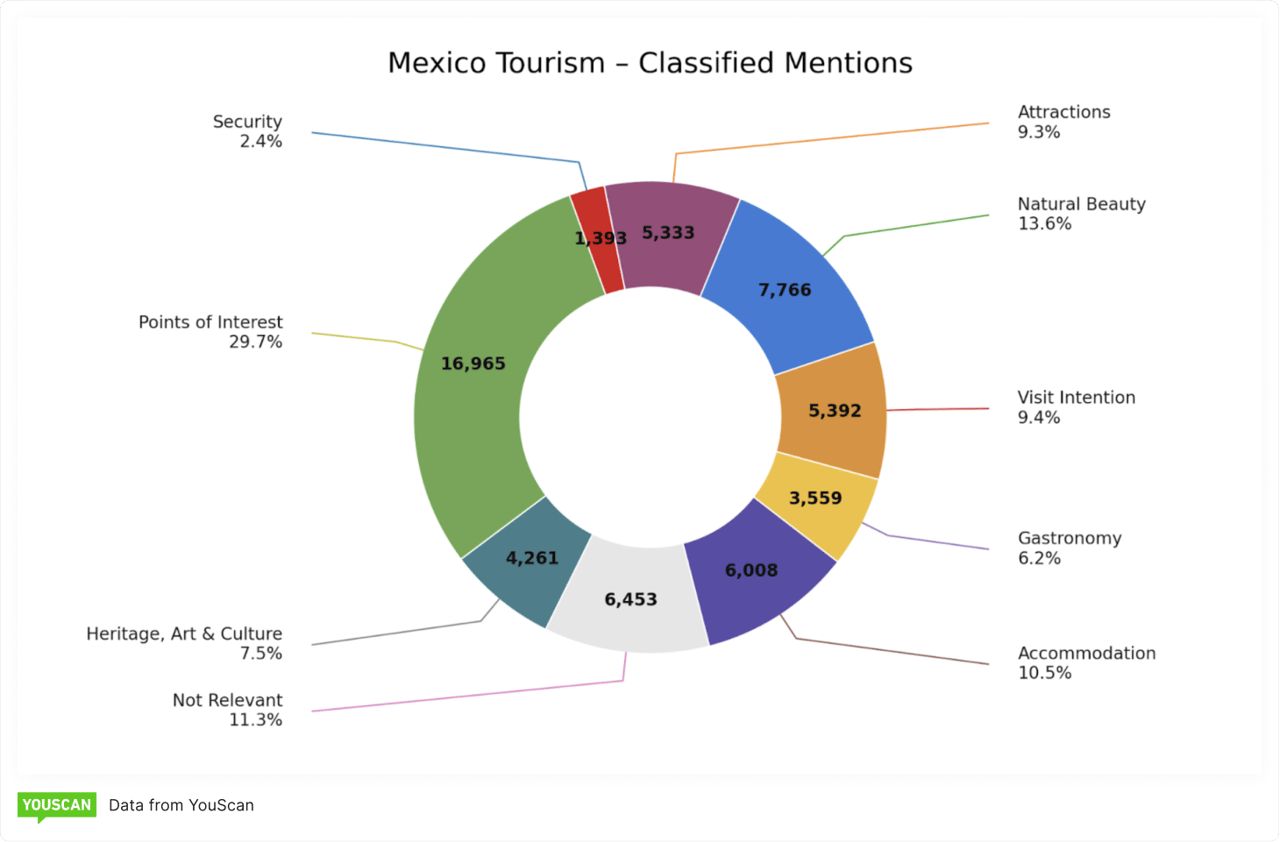
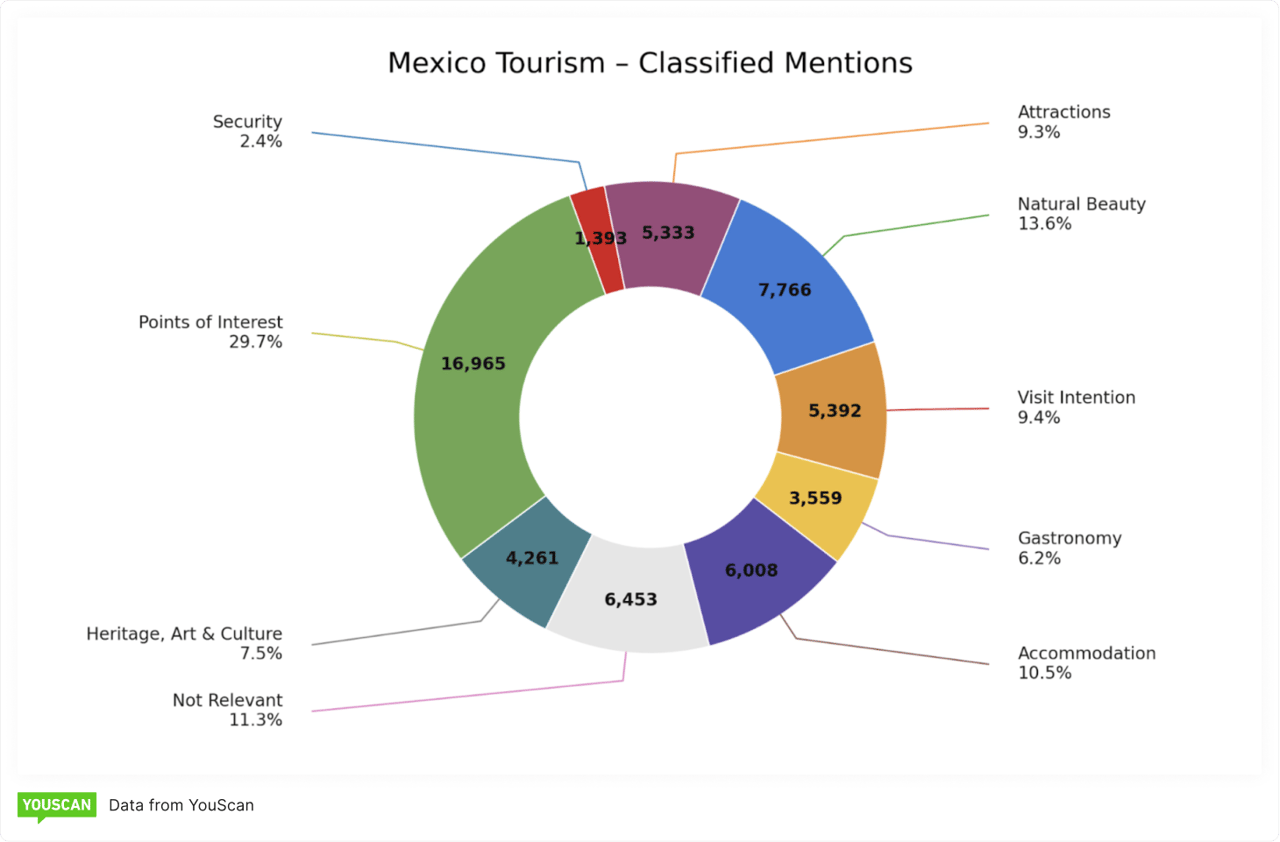
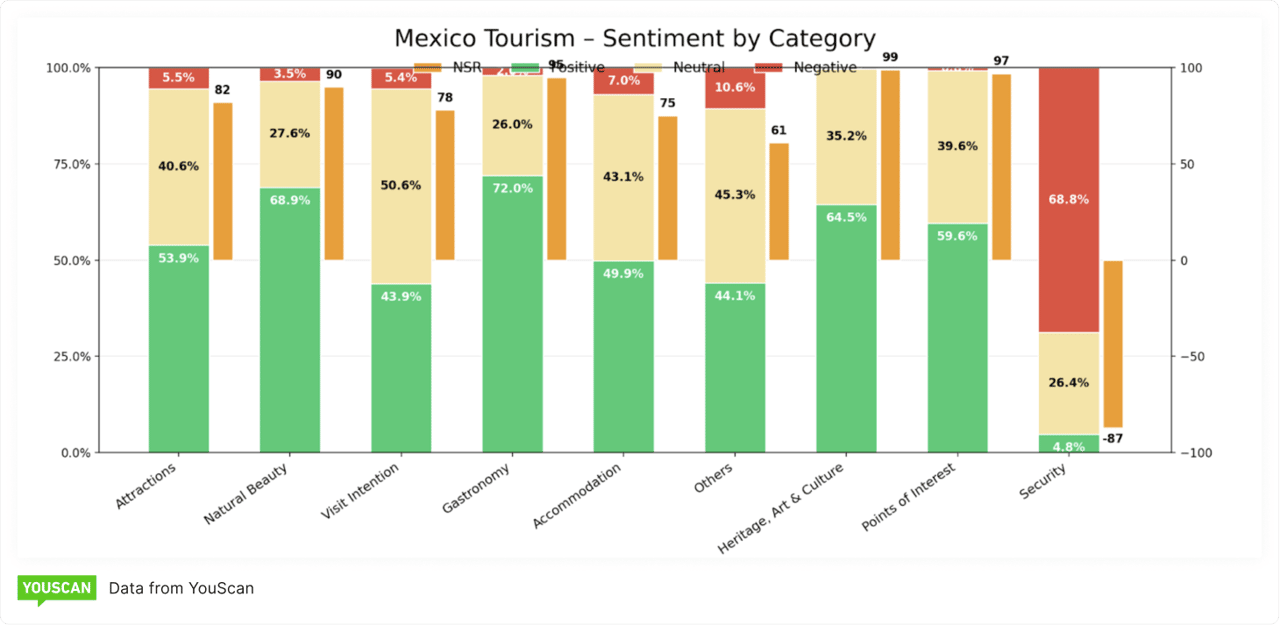
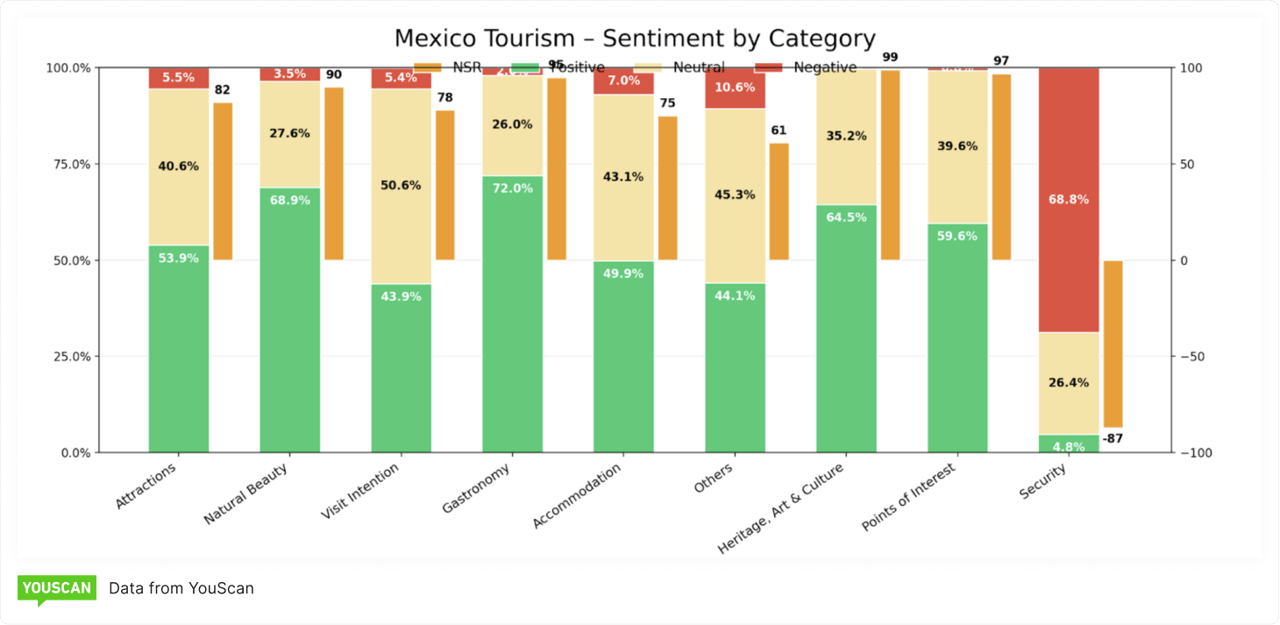
The results confirmed something expected: Mexico generates a mostly positive conversation on social media. Gastronomy, natural beauty, points of interest, and cultural heritage account for a large portion of the mentions and also stand out for their high level of interaction. Even with fewer posts, categories like heritage, art, and culture achieve an impact comparable to natural beauty, reinforcing their symbolic weight within the country brand.
However, when looking at the evolution over time, YouScan detected a clear trend: mentions related to safety grew steadily, especially in media and conversations amplified from the United States. And here is the key insight.
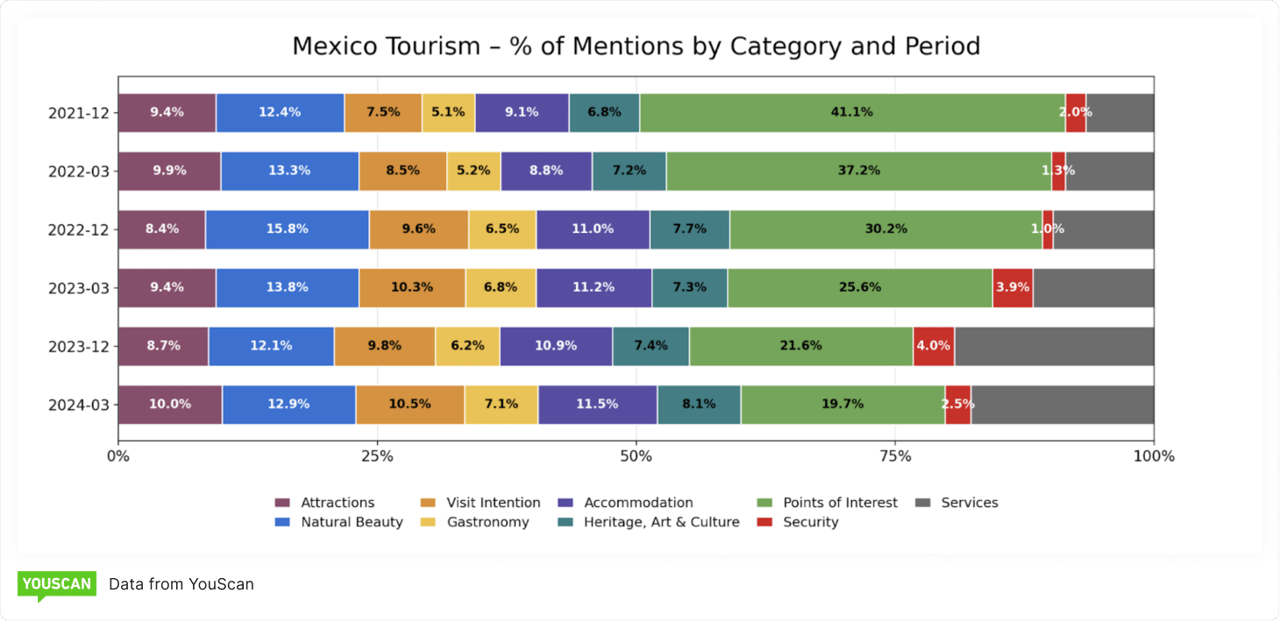
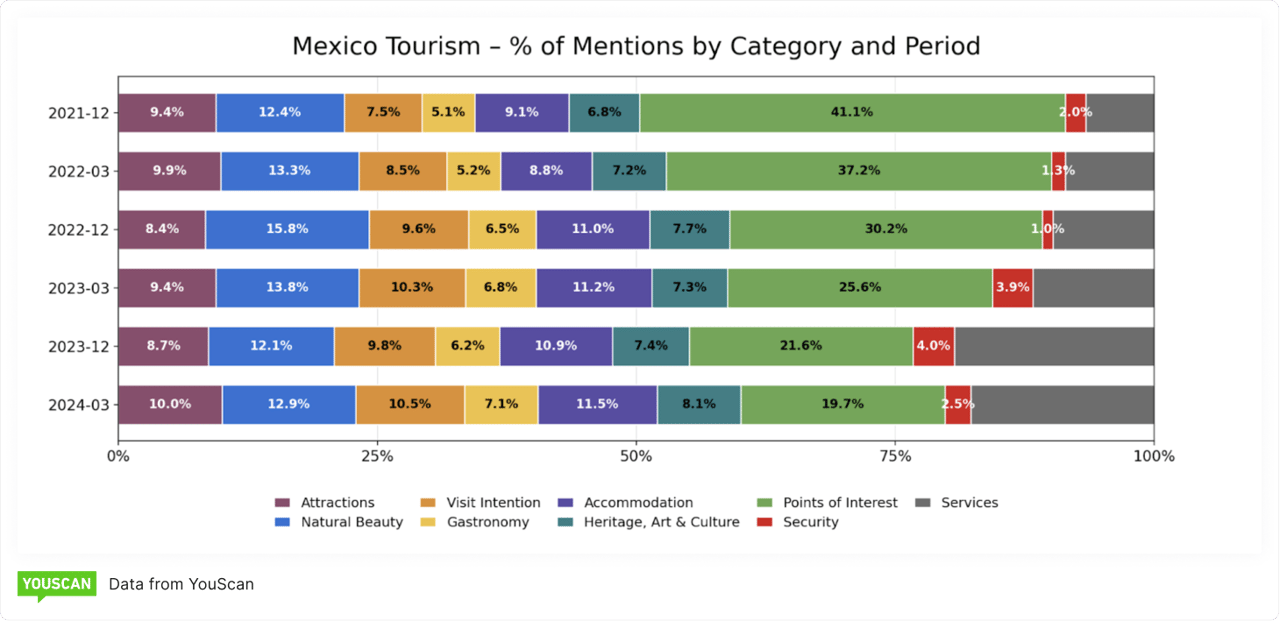
Despite tourism growing in general, interest in certain heritage sites showed signs of slowing down. The correlation between both variables—safety and cultural interest—was no coincidence. The negative conversation, though smaller in percentage, had a disproportionate effect on the perception of specific destinations.
Data Validated Beyond Social Media
One of the most robust moments of the study came when SciData cross-referenced the YouScan results with external sources. The safety perception map built from social media matched remarkably well with the official travel advisory map published by the U.S. government.
In other words: what people were saying on social networks wasn't just noise; it was a fairly accurate reflection of how the destination was being perceived from abroad. This served as a powerful validation for both SciData's methodology and the quality of YouScan's data.
Influencers, Virality, and Missed Opportunities
The analysis also uncovered a second layer of insights related to communication strategy. YouScan showed that influencers and content creators—even those who aren't celebrities—generated more reach and interaction than many traditional media outlets.
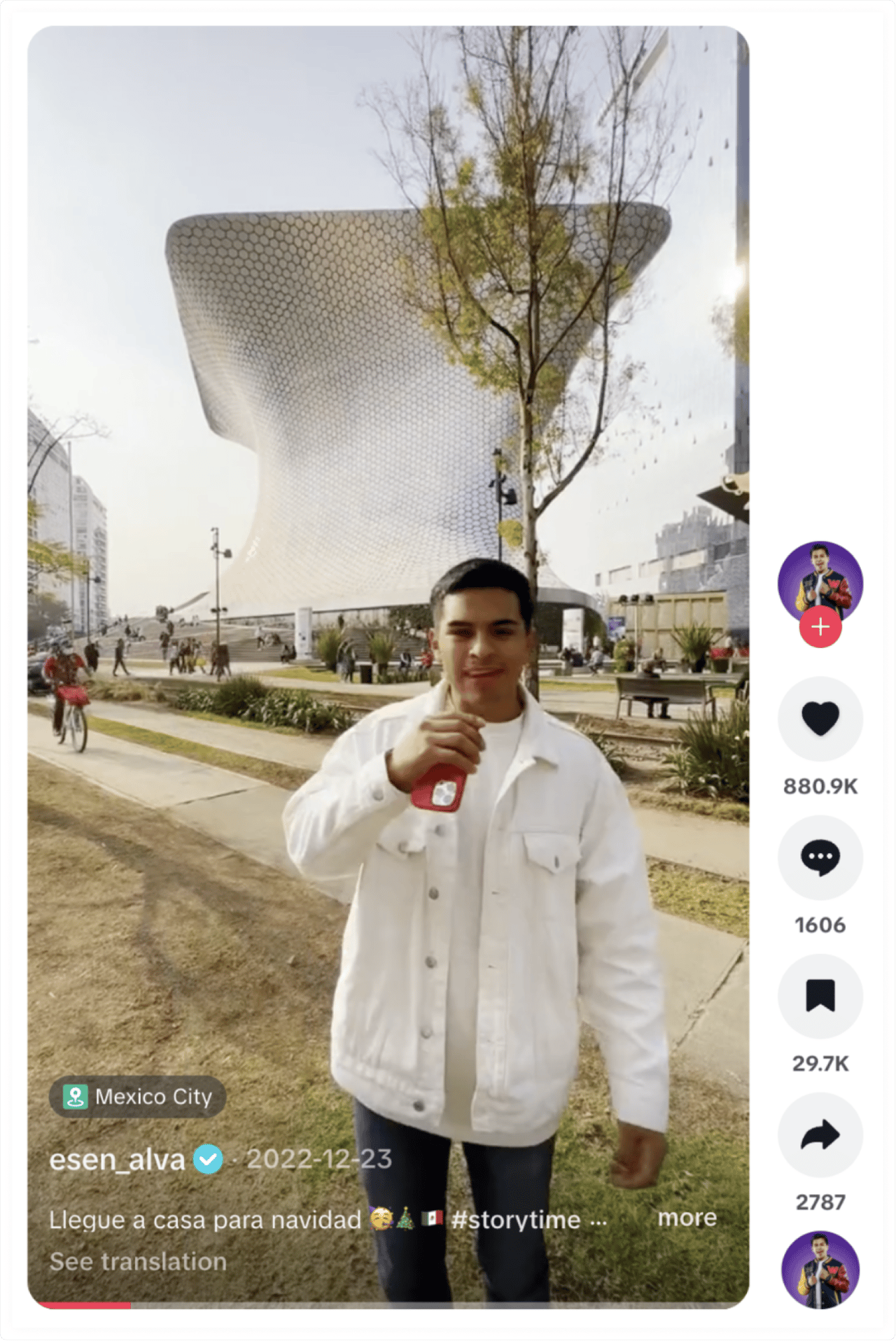
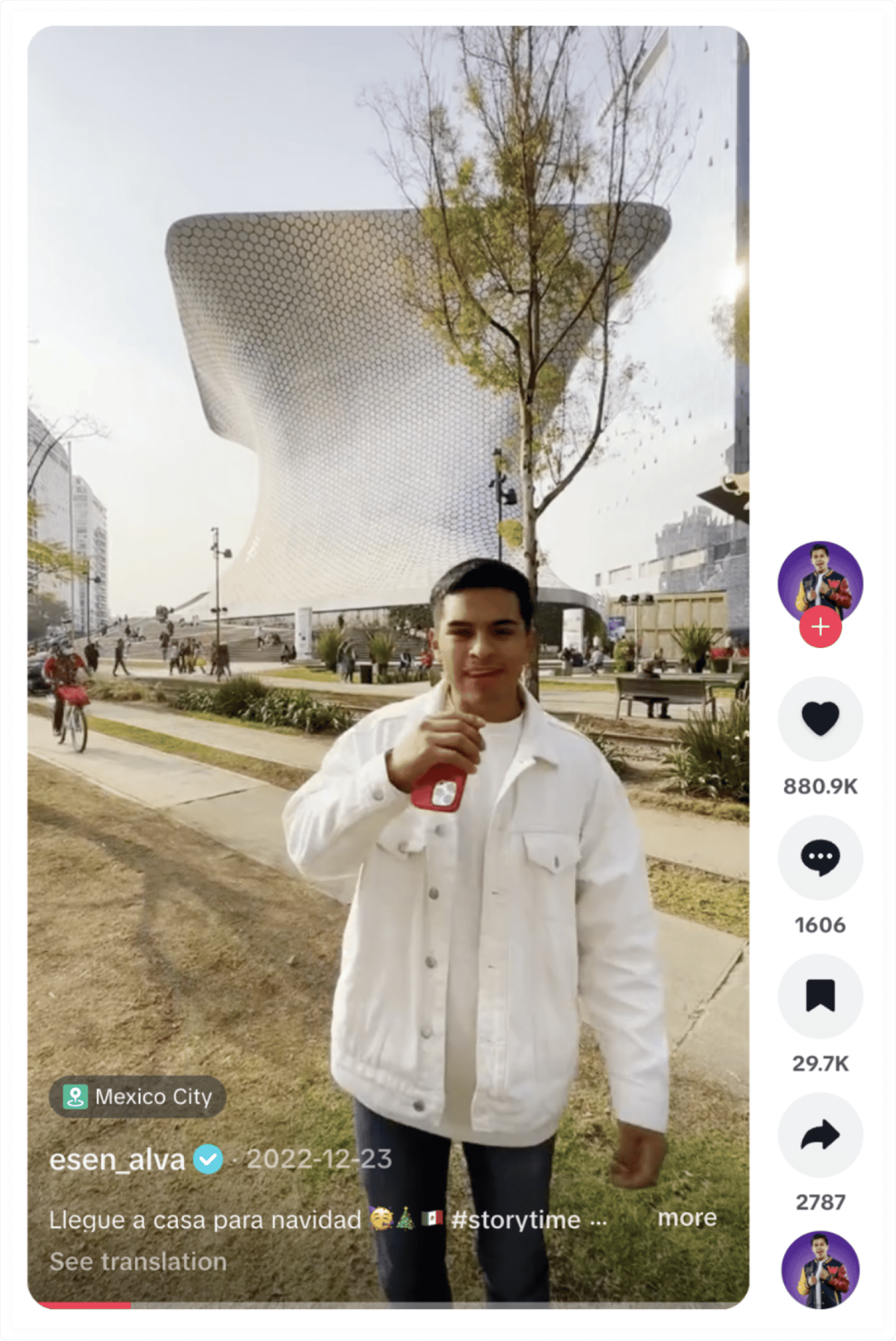
Cases of viral organic content, such as the "dancing nun" at a fair, proved that there were authentic cultural moments with enormous amplification potential... which were not always capitalized on by tourism authorities. This represents a clear opportunity to connect with international audiences through the spontaneous, the cultural, and the human.
What This Case Demonstrates
This study isn't just about tourism. It speaks to how social listening allows you to:
Detect emerging trends before they become structural problems.
Understand the real impact of sensitive issues, such as safety, on travel decisions.
Validate digital insights with official sources and external data.
Identify communication opportunities that go beyond traditional campaigns.
With YouScan, SciData didn't just analyze the conversation: it turned it into a strategic tool to read the present and anticipate the future of Mexico's country brand.